Top 20 Mountain Passes in Goms
Best mountain passes in Goms are located in the high valley of Upper Valais, Switzerland. This region features alpine landscapes and provides access to several significant mountain passes. These passes offer routes through mountainous terrain, connecting different valleys and providing access to various natural features. The Goms region is a destination for exploring diverse mountain environments and popular trails and routes.
Best mountain passes in Goms
- The most popular mountain pass is Jungfraujoch, a summit that is accessible by…
Last updated: August 20, 2026
Jungfraujoch
Highlight • Summit
Translated by Google •
Tip by

Furka Pass
Highlight • Mountain Pass
Translated by Google •
Tip by

Sign up now to discover places like this
Get recommendations on the best single tracks, peaks, & plenty of other exciting outdoor places.
Sign up for free
Arbola Pass
Highlight • Mountain Pass
Translated by Google •
Tip by

Grimsel Pass
Highlight • Mountain Pass
Showing Translation
Tip by

Furka Pass from Gletsch
Highlight (Segment) • Climb
Translated by Google •
Tip by

Continental Divide Monument at Grimsel Pass
Highlight • Monument
The Grimsel Pass is in the heart of the Alps, an exceptional natural area. From a hydrological point of view, the large amounts of precipitation …
Translated by Google •
Tip by

Gross Muttenhorn
Highlight • Summit
Translated by Google •
Tip by

Nufenen Pass from Ulrichen
Highlight (Segment) • Mountain Pass
Translated by Google •
Tip by

Hotel-Restaurant Belvédère Furka Pass
Highlight • Monument
Translated by Google •
Tip by

Furka Pass Ascent from Realp
Highlight (Segment) • Mountain Pass
Translated by Google •
Tip by

Sign up for free to discover even more mountain passes in Goms.
Sign up for free
Already have an account?
Start today with a free account
Your next adventure awaits.
Login or Signup
Popular around Goms
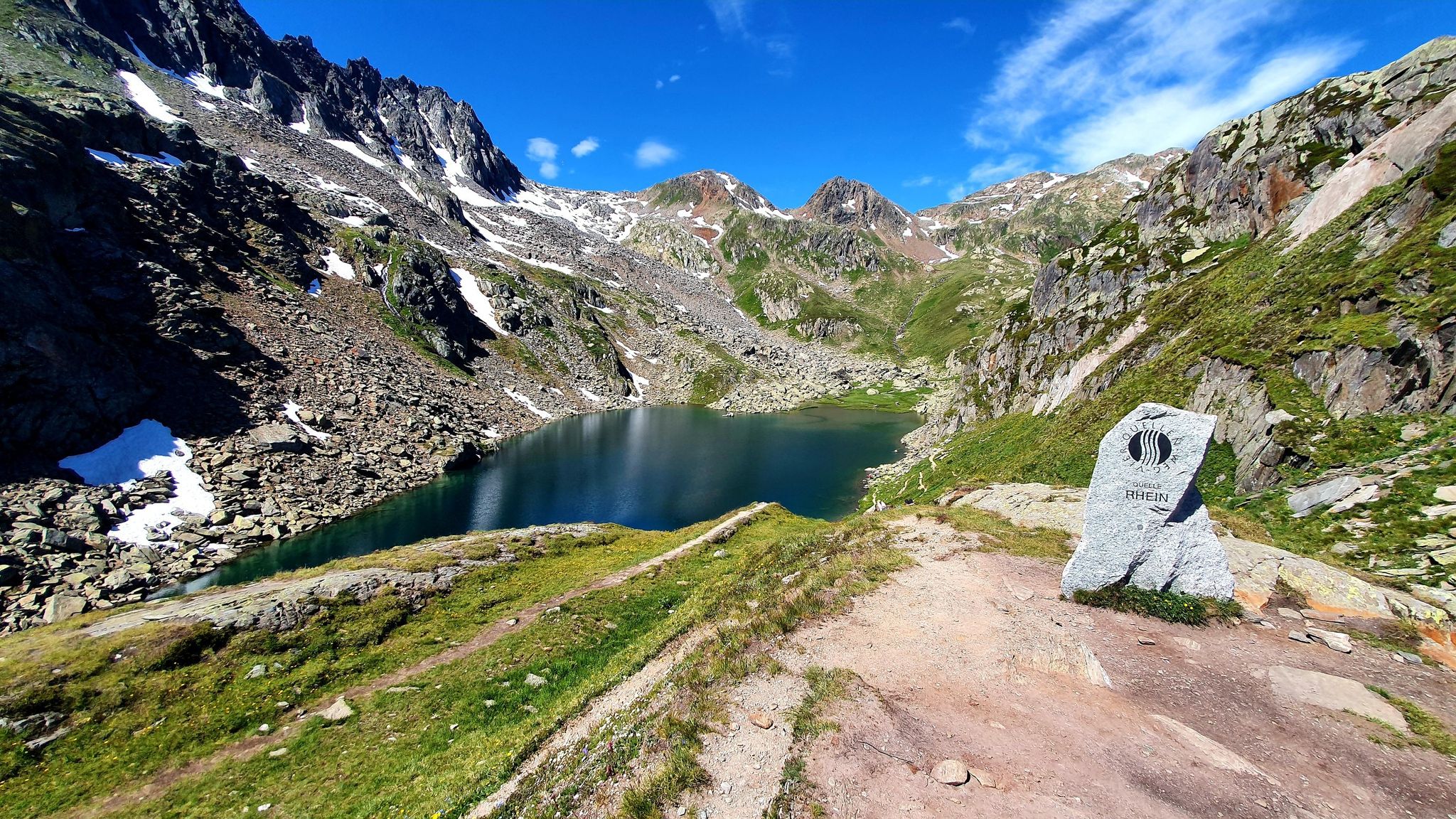
Four Springs Trail — Find flow in Switzerland's Gotthard Massif
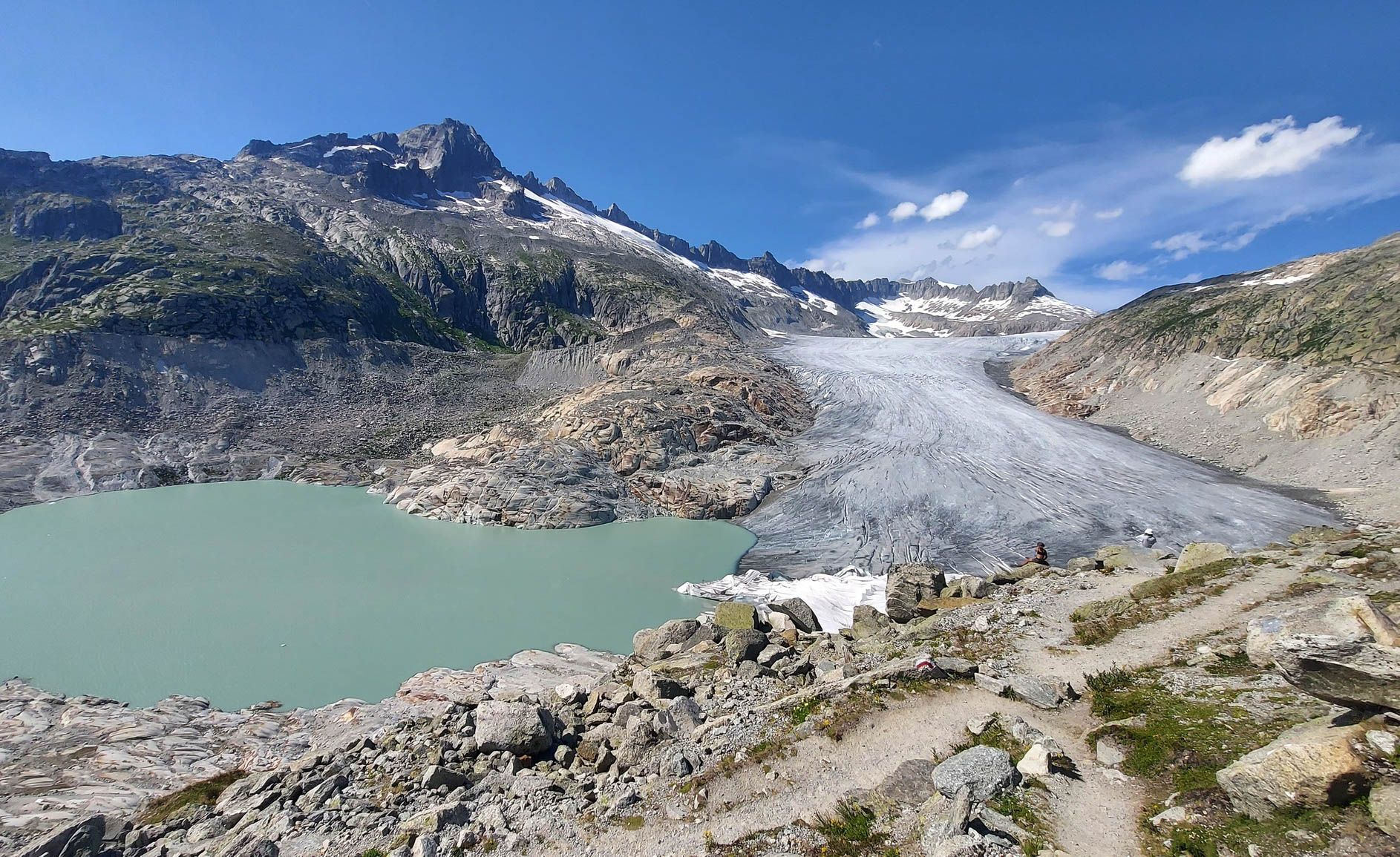
Switzerland's Furka High Trail – Two days of history and nature
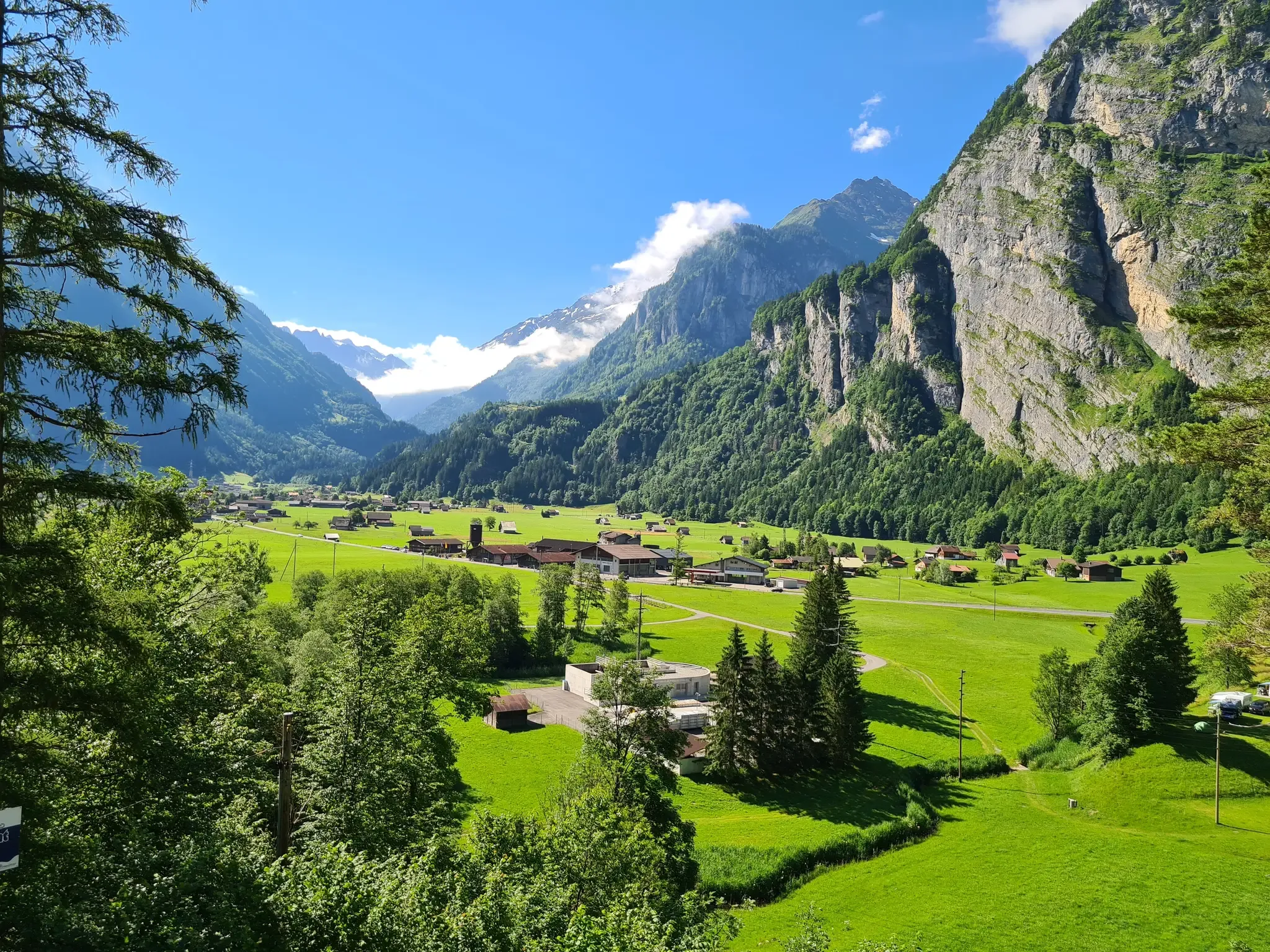
Aare Route – Everything Switzerland has to offer
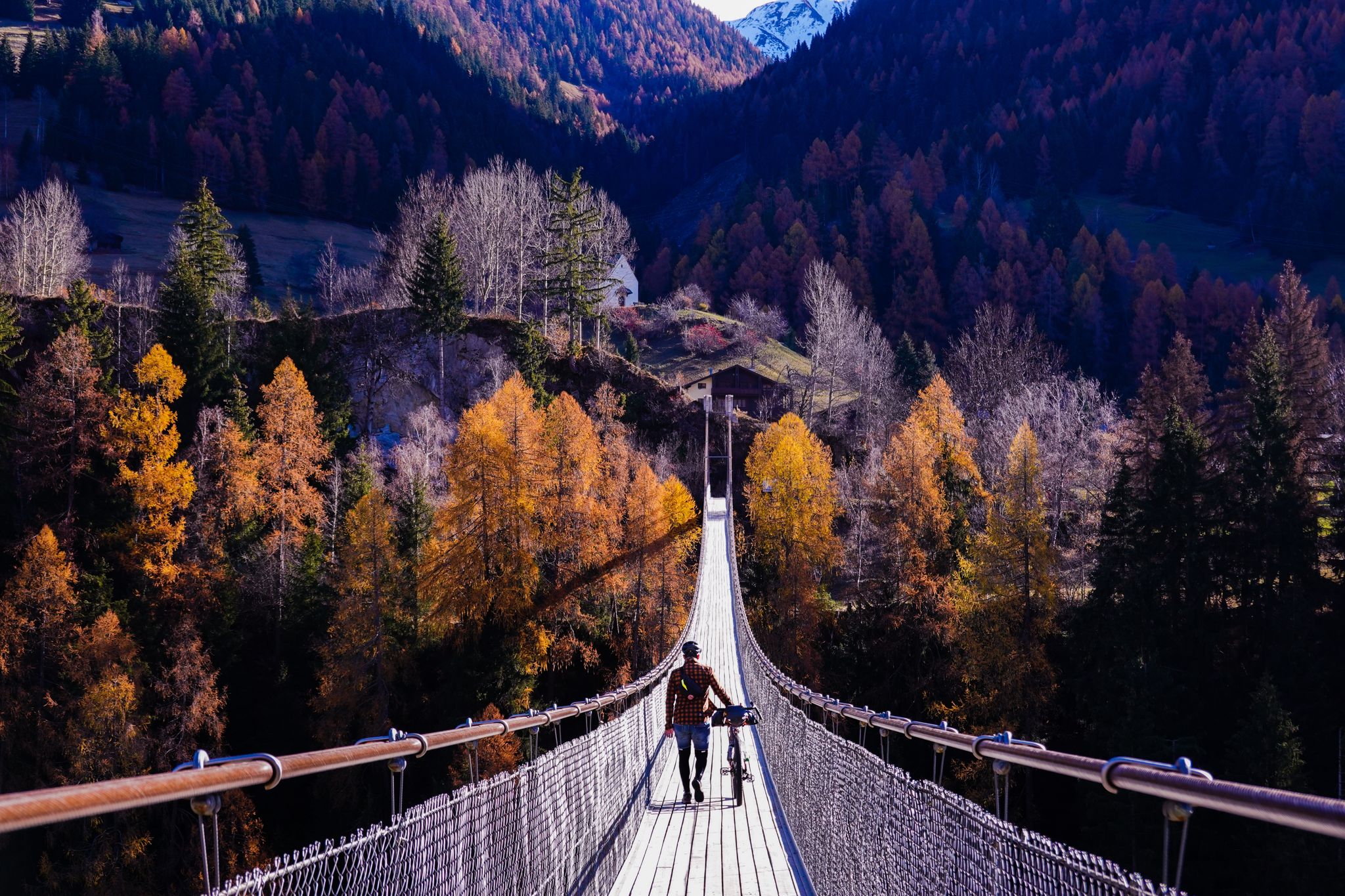
Valais Weekender – 3 days of adventure in Switzerland's Simplon region
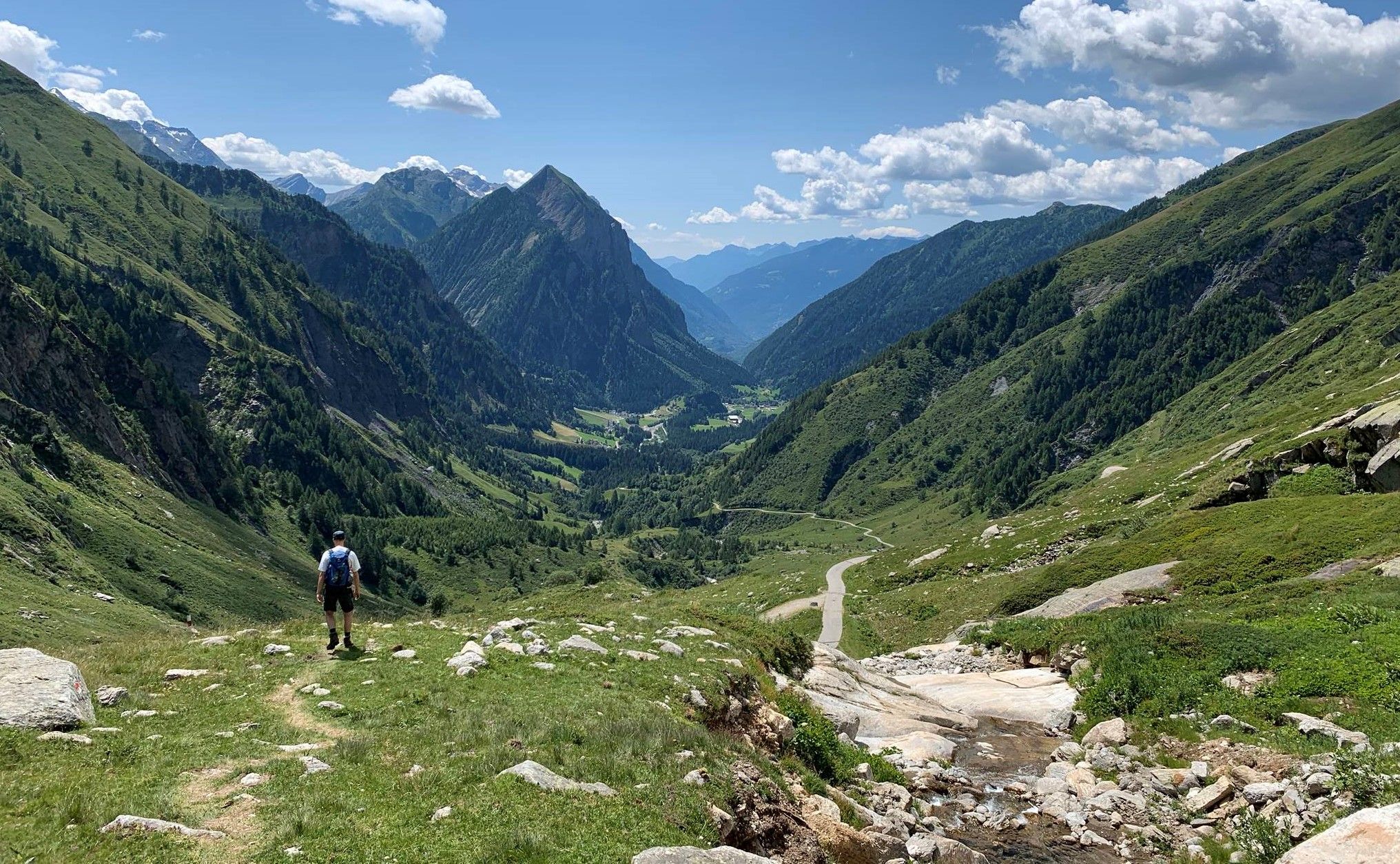
Alpine Passes Trail in Switzerland – 34 stages of pure mountain fun
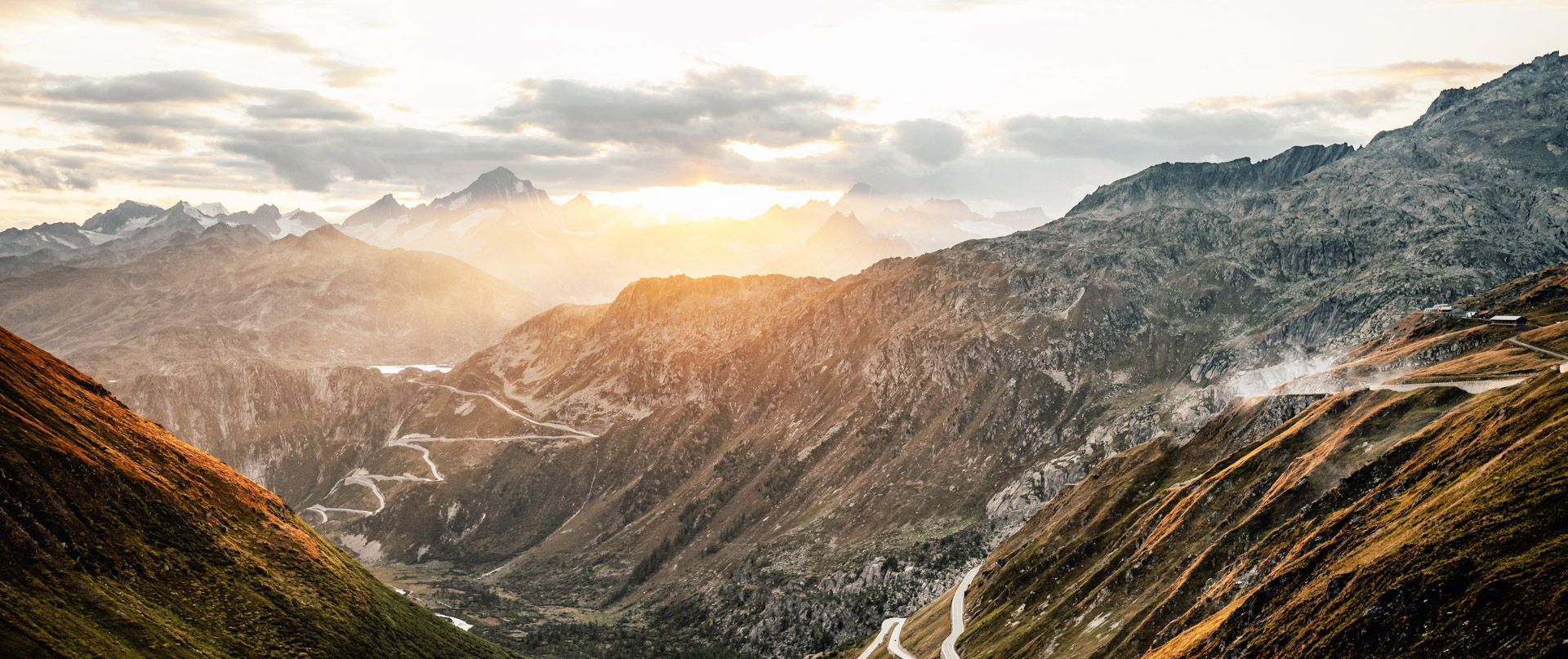
The Rhone Route – from glaciers to Lake Geneva
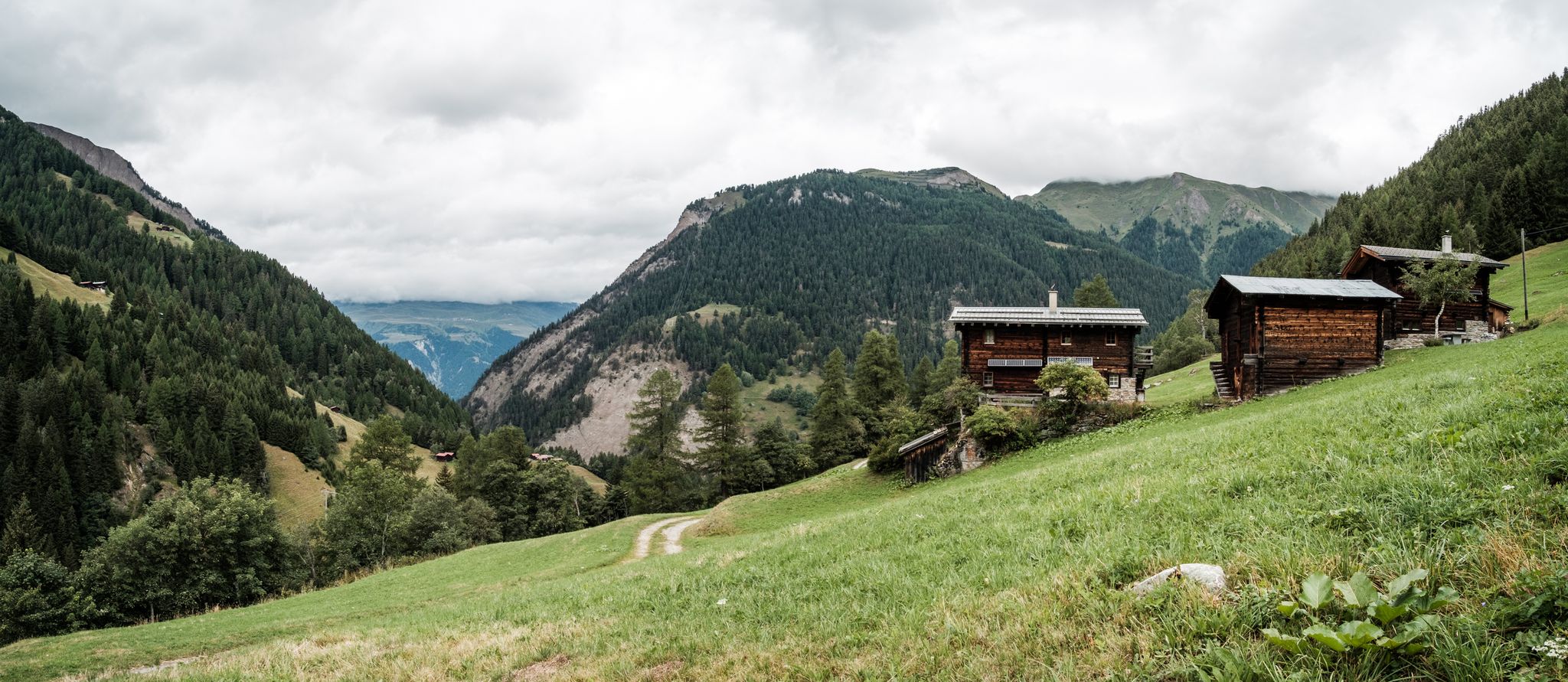
On mule tracks from Binntal to Italy
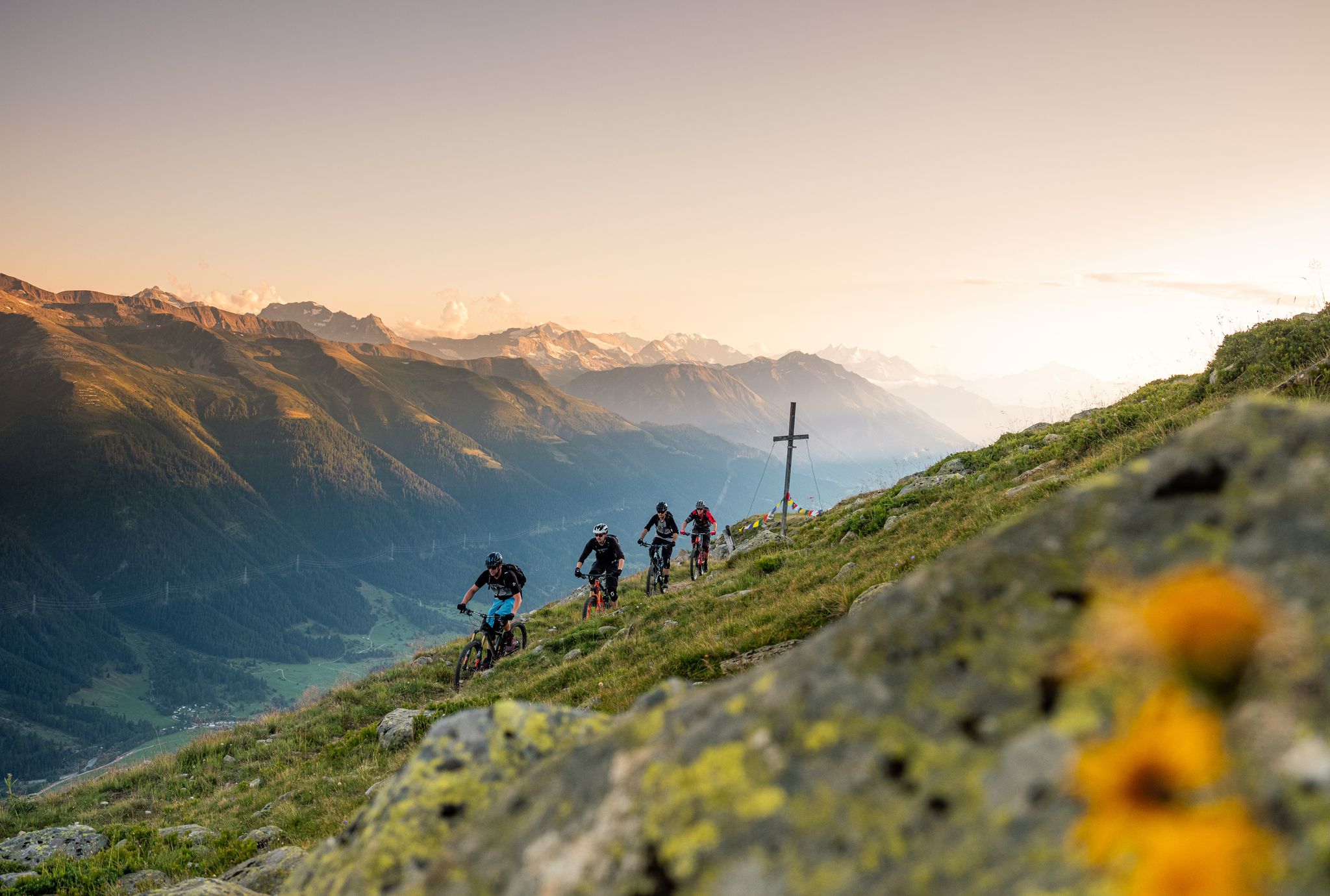
Rugged trails, spectacular views: trail adventures in the high valley of Goms
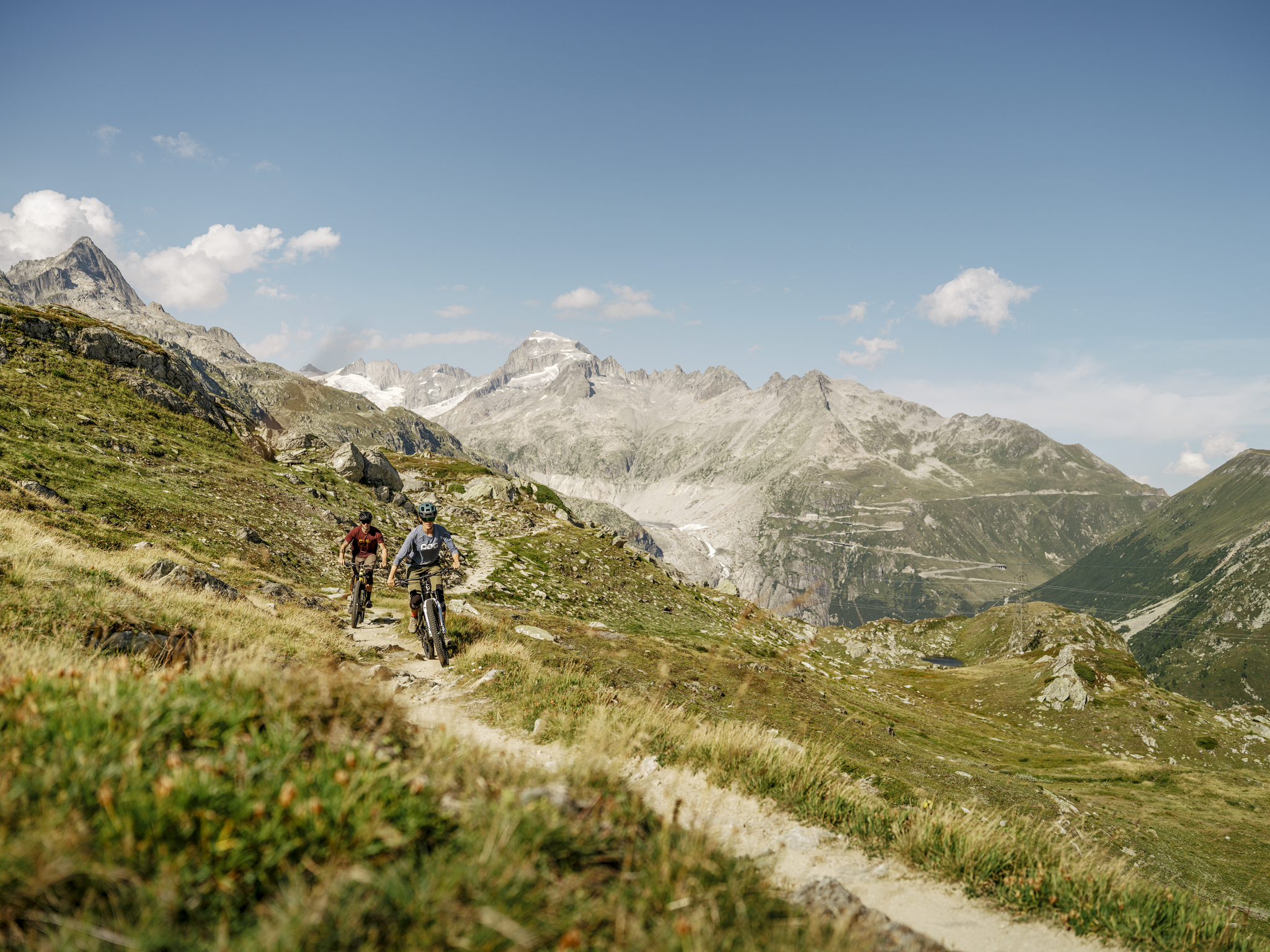
MTB adventures in the Upper Valais – Valais Panorama Bike Switzerland
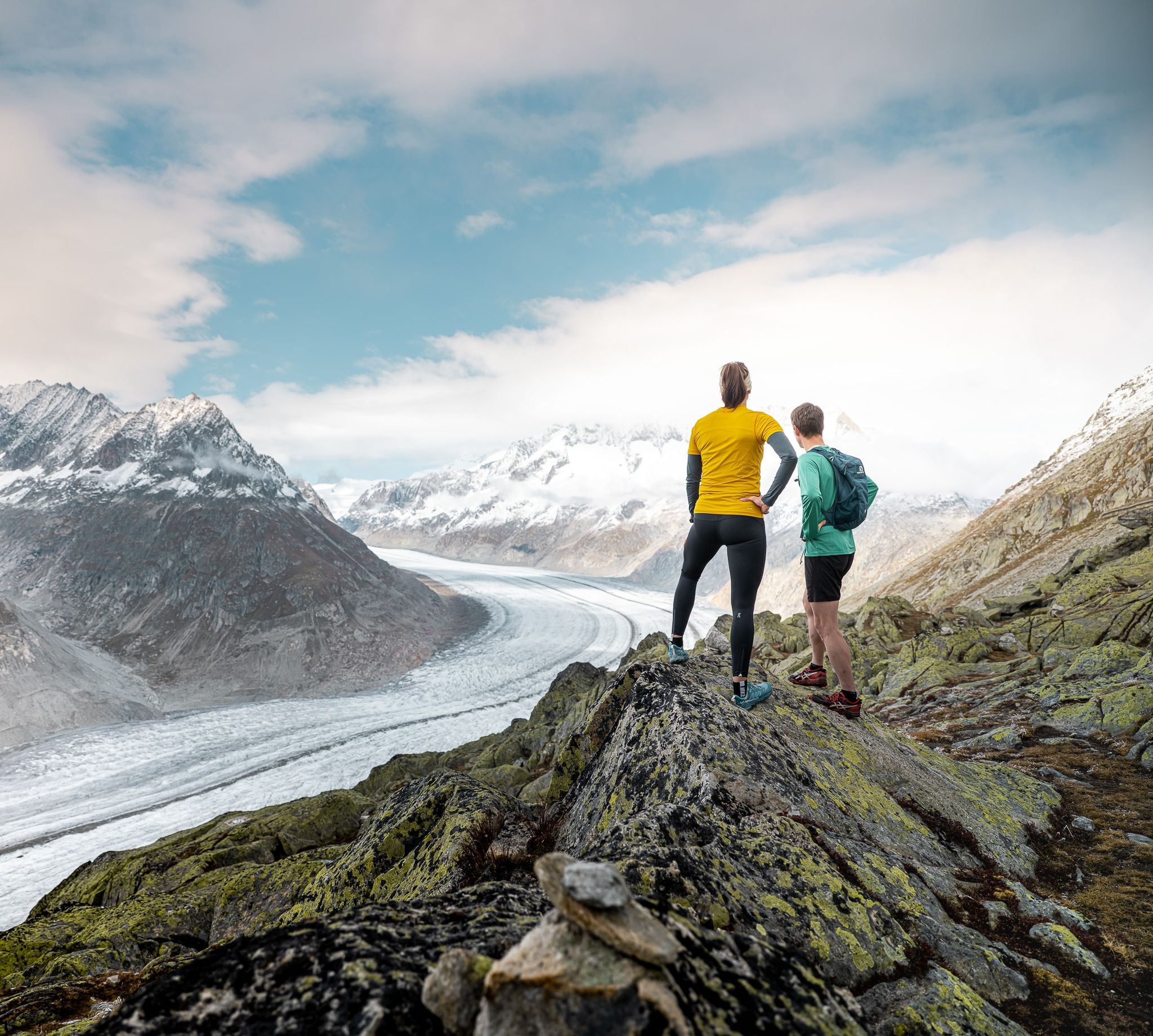
Thrills and adventure on the Stoneman Glaciara
Other adventures in Goms


Tips from the Community

The Furka Pass is a 2,429 m high Swiss road pass in the Alps. It connects the Urseren Valley (the upper valley of the Reuss River) in the canton of Uri with the Goms district in the canton of Valais. It straddles the European watershed between the Mediterranean Sea and the North Sea. Source: Furka Pass – Wikipedia https://share.google/zJGI3KsPRtARfpYje
6
0

The classic ascent to the Furka Pass is the eastern route from Realp, which is also often used in the Tour de Suisse. At the edge of Realp, you pass the access point for the historic Furka Railway and can already see the adventurous road climbing upwards. It quickly becomes clear that this pass is by no means an easy one, as the lower section, which is winding, boasts double-digit gradients.
2
0

The Hotel Belvédère at the Furka Pass is arguably the most famous mountain pass hotel in the world. Built in 1882 by the Valais hotelier family Seiler, it was built in a striking hairpin bend on the new Furka Road, offering stunning views of the Valais and Bernese Alps and, most importantly, in the immediate vicinity of the Rhone Glacier, the main attraction.
1
0

beautiful, steady ascent from Realp
1
0

Very busy, very narrow and still: great!
10
1

The Hammer. The hotel stands there as if painted from a book. Truly a must for everyone who comes by.
1
0

Speaking of the Grimsel Pass: The Grimsel Pass is in the heart of the Alps, an exceptional natural area. From a hydrological point of view, the large amounts of precipitation are unique. Here at the Grimsel Pass, this is an average of around 2300 litres per square metre per year. 300 litres of this evaporate per square metre, and 2000 litres per square metre leave the region as runoff in the Rhone or Aare. That is a lot of water: twice as much as the Swiss average and almost seven times as much as the average in Germany. Depending on which side of the pass the water drops reach the earth's surface, they flow into the Mediterranean or the North Sea. The Aare, with a total length of around 290 km, flows through the cantons of Bern, Solothurn and Aargau, crossing Lake Brienz, Lake Thun and Lake Biel. It is the longest river located entirely in Switzerland. Although the Aare carries more water on average at the confluence with the Rhine, it loses its name. After another 1000 km of flow, the Aare water flows into the North Sea as part of the Rhine. The Rhone, on the other hand, keeps its name until it flows into the Mediterranean. Its approximately 810 km long flow takes it through the Valais into Lake Geneva and from there via Lyon into the French Rhone Valley, where it repeatedly receives tributaries from the Western Alps. While the Aare flows into an oceanic climate, the Rhone carries the water from the Grimsel Pass into the Mediterranean climate zone, where the abundant snow and glacier meltwater from alpine rivers is very popular in the dry summers.
2
0
Frequently Asked Questions
What are some of the most notable mountain passes in the Goms region?
The Goms region offers access to several significant mountain passes. Among them, Jungfraujoch, known as the "Top of Europe," provides views from 3500 meters. The Furka Pass is a classic alpine route with spectacular views of the Rhône Glacier, and the Grimsel Pass is notable for its unique natural environment and hydrological importance. Another popular spot is the Arbola Pass, a historical crossing point between Piedmont and Valais.
What unique natural features can I expect to see at the mountain passes in Goms?
The mountain passes in Goms are rich in natural beauty. At Furka Pass, you can witness the mighty Rhône Glacier, the source of the Rhône River. The Grimsel Pass is characterized by its exceptional natural environment and significant precipitation, contributing to major rivers. It also features the Continental Divide Monument, marking the European watershed where water flows towards either the Mediterranean or the North Sea.
Are there any historically significant mountain passes in Goms?
Yes, the Arbola Pass (also known as Punta d'Arbola or Ofenhorn) is a historically significant crossing point. It has been utilized since Roman and Celtic times as a route between Piedmont (Italy) and Valais (Switzerland). On the Italian side, it features a mule track with steps, offering picturesque views and a glimpse into ancient trade routes.
What outdoor activities can I do near the mountain passes in Goms?
The Goms region offers a variety of outdoor activities. For road cyclists, there are challenging routes like the "View of the Furka Pass – Old Grimsel Pass Road Tunnel loop from Gletsch" or the "Hotel Belvédère on the Furka Pass – View of Grimsel Pass loop from Ulrichen." Mountain biking enthusiasts can explore trails such as the "Enduro Tour Fiescheralp - Aletsch Arena." You can find more details and routes in the Road Cycling Routes in Goms, MTB Trails in Goms, and Gravel biking in Goms guides.
Are there challenging mountain passes for experienced hikers or cyclists in Goms?
Absolutely. The Goms region is known for mountain passes that include challenging climbs. For instance, the Furka Pass from Gletsch and the Furka Pass Ascent from Realp are categorized as challenging climbs. The Nufenen Pass from Ulrichen also presents a challenging ascent. These routes are popular with experienced cyclists and hikers seeking demanding alpine experiences.
What is the best time to visit the mountain passes in Goms?
The best time to visit the mountain passes in Goms is typically during the warmer months, from late spring to early autumn (roughly June to October), when the passes are generally free of snow and open for travel. This period offers the most favorable conditions for hiking, cycling, and driving, allowing full access to the scenic viewpoints and trails.
Are there family-friendly mountain passes or activities in Goms?
While many passes involve challenging terrain, some areas around the passes offer more accessible experiences. For example, the Jungfraujoch is accessible by train, making it an easy way to reach high altitudes without strenuous effort, suitable for families. The region also offers various viewpoints like the View of Grimsel Pass, which can be enjoyed by all.
Can I bring my dog to the mountain passes in Goms?
Generally, dogs are welcome on hiking trails and in outdoor areas around the mountain passes in Goms. However, it's always advisable to keep dogs on a leash, especially in nature protection areas, near livestock, or on busy trails. Check specific regulations for any protected areas or public transport options you plan to use, as rules may vary.
What do visitors enjoy most about the mountain passes in Goms?
Visitors frequently praise the breathtaking views and the unique alpine experience. The Jungfraujoch is celebrated for its easy accessibility to 3500m and its status as the "Top of Europe." The Arbola Pass is appreciated for its historical significance and the picturesque views of reservoirs on the Italian side. Many also enjoy the dramatic landscapes and the sense of achievement from conquering the challenging climbs like the Furka Pass.
Are there viewpoints at the mountain passes in Goms?
Yes, the mountain passes in Goms are renowned for their spectacular viewpoints. The View of Grimsel Pass offers a magnificent perspective of the Valais Grimsel Pass from 2,400 meters. The Furka Pass provides stunning vistas of the Rhône Glacier. Many passes, including Grimsel Pass and Arbola Pass, feature numerous spots to stop and take in the expansive alpine scenery.
What is the altitude of the Goms region and its mountain passes?
The Goms region is nestled in the high valley of Upper Valais. The mountain passes themselves reach significant altitudes. For example, the Furka Pass reaches an altitude of 2,436 meters, and the Jungfraujoch, accessible by train, is at an impressive 3500 meters above sea level. The View of Grimsel Pass is enjoyed from an altitude of 2,400 meters.
Are there options for public transport to access the mountain passes in Goms?
While many mountain passes are primarily accessed by car or bicycle, some, like the Jungfraujoch, are famously accessible by train, offering a unique and convenient way to reach high alpine environments. For other passes, local bus services or post buses might connect to nearby villages, from where hiking or cycling routes can begin. It's recommended to check local transport schedules for specific routes and passes.
Most popular routes in Goms
Most popular attractions in Goms

Get inspired with the komoot mobile app


Didn’t find what you were looking for?
Find even more amazing mountain passes in Goms organized by region:
Explore more
See even more epic mountain passes by checking out these guides in Goms:
