The best mountain hikes in Rome
4.5
(2)
26
hikers
4
hikes
Mountaineering in Rome extends beyond the city's historical core into the rugged landscapes of the surrounding Lazio region and the Apennine Mountains. This area features craggy limestone walls and volcanic rock faces, providing diverse climbing challenges and multi-pitch routes. The terrain includes solid, rough surfaces and fractured sections, with elevations ranging from 100 to 300 meters. These mountains offer expansive views of Lazio's valleys and forests, presenting opportunities for both moderate and challenging ascents.
Best mountaineering routes in Rome
- The…
Last updated: September 24, 2026
5.0
(1)
12
hikers
Hard mountaineering route. Good fitness required. Sure-footedness, sturdy shoes and alpine experience required.
4.0
(1)
8
hikers
12.1km
04:50
940m
940m
Hard mountaineering route. Very good fitness required. Easily-accessible paths. Suitable for all skill levels.

5
hikers
12.5km
04:23
670m
670m
Moderate mountaineering route. Good fitness required. Easily-accessible paths. Suitable for all skill levels.
1
hikers
5.44km
01:27
60m
60m
Easy mountaineering route. Great for any fitness level. Easily-accessible paths. Suitable for all skill levels.
Our route recommendations are based on thousands of hikes, rides, and runs completed by other people on komoot.
Start today with a free account
Your next adventure awaits.
Popular around Rome
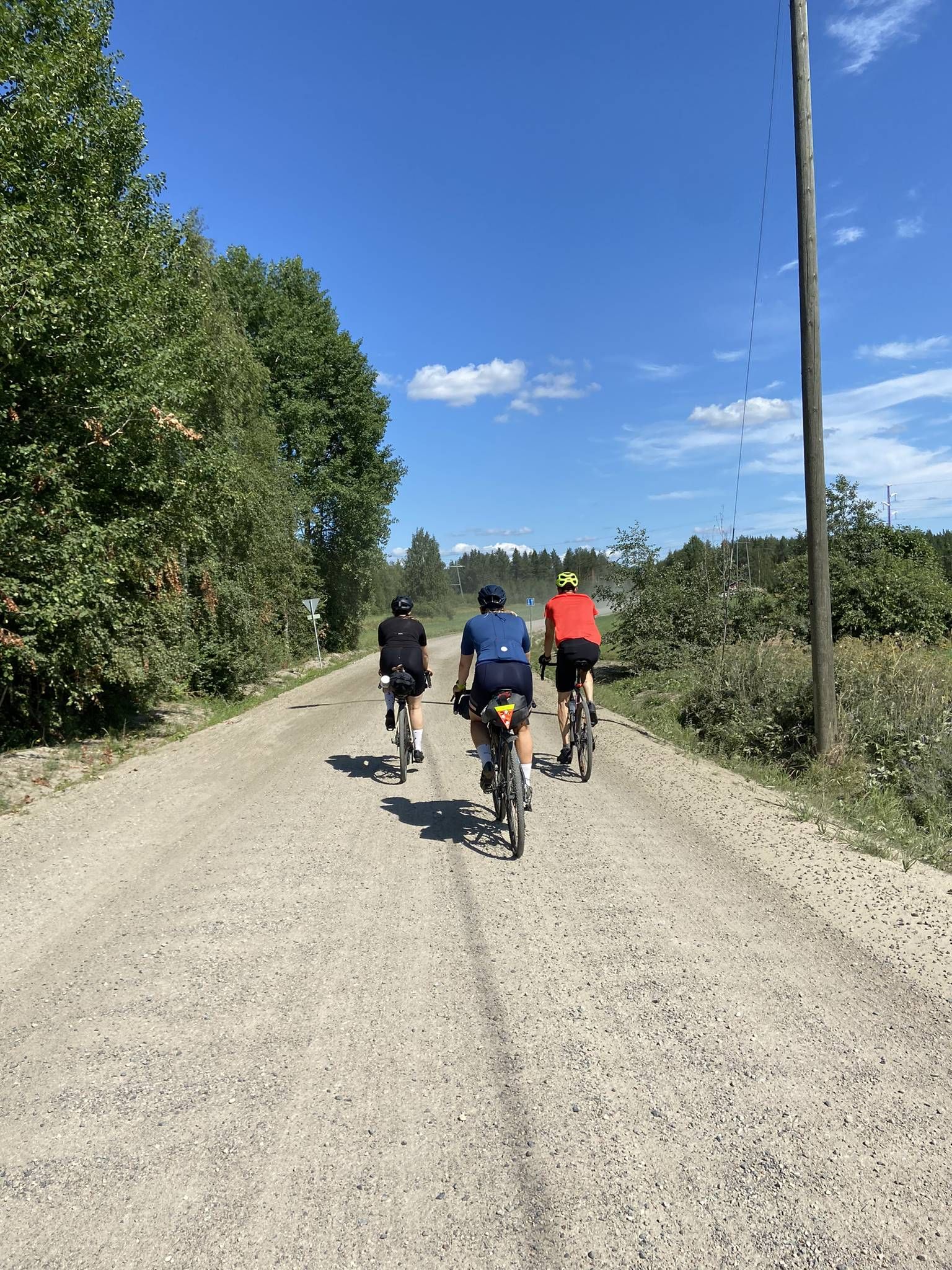
Naples to North Cape — Two friends, one purpose and many scoops of ice-cream
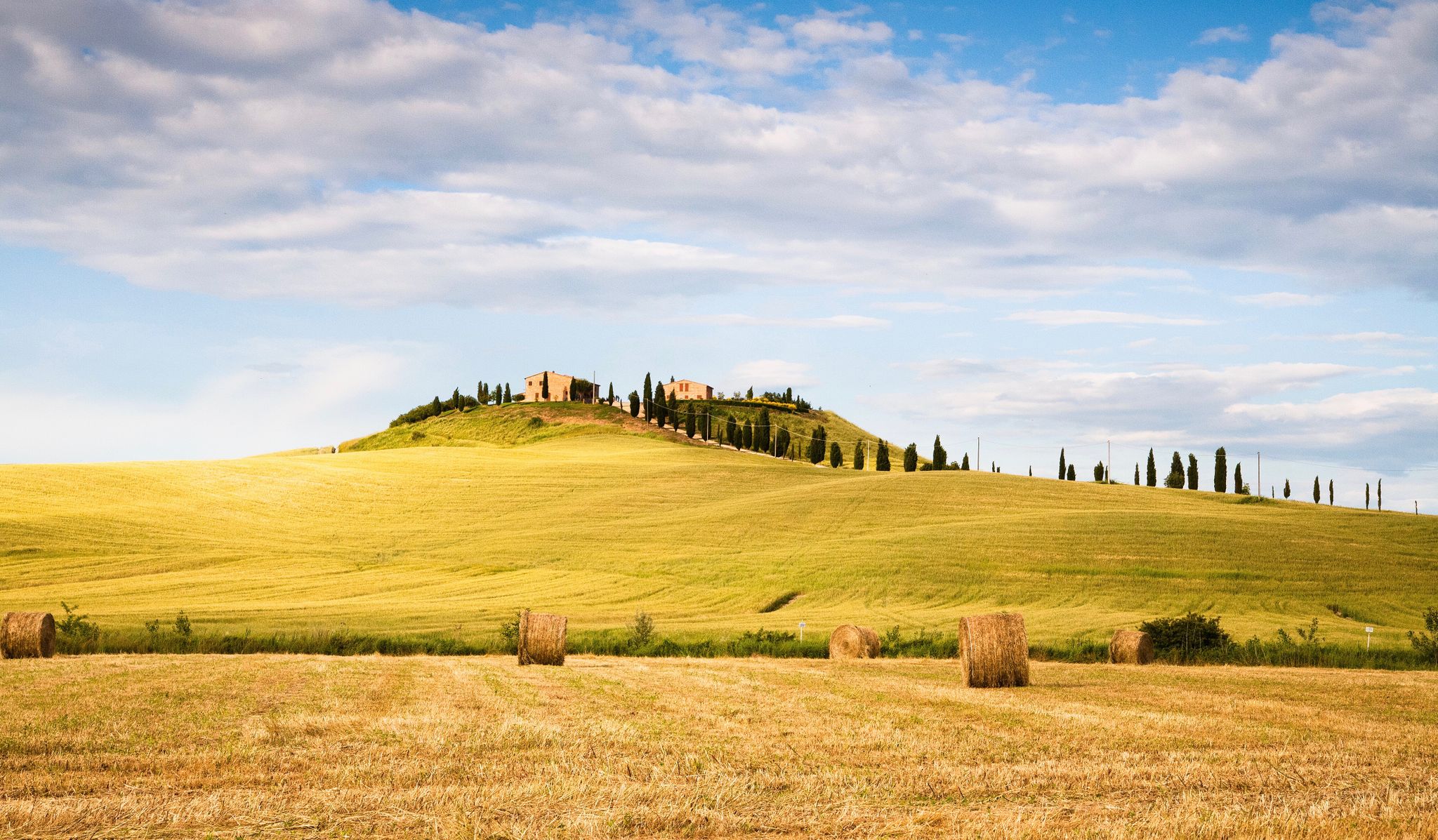
Via Francigena South — Siena to Rome
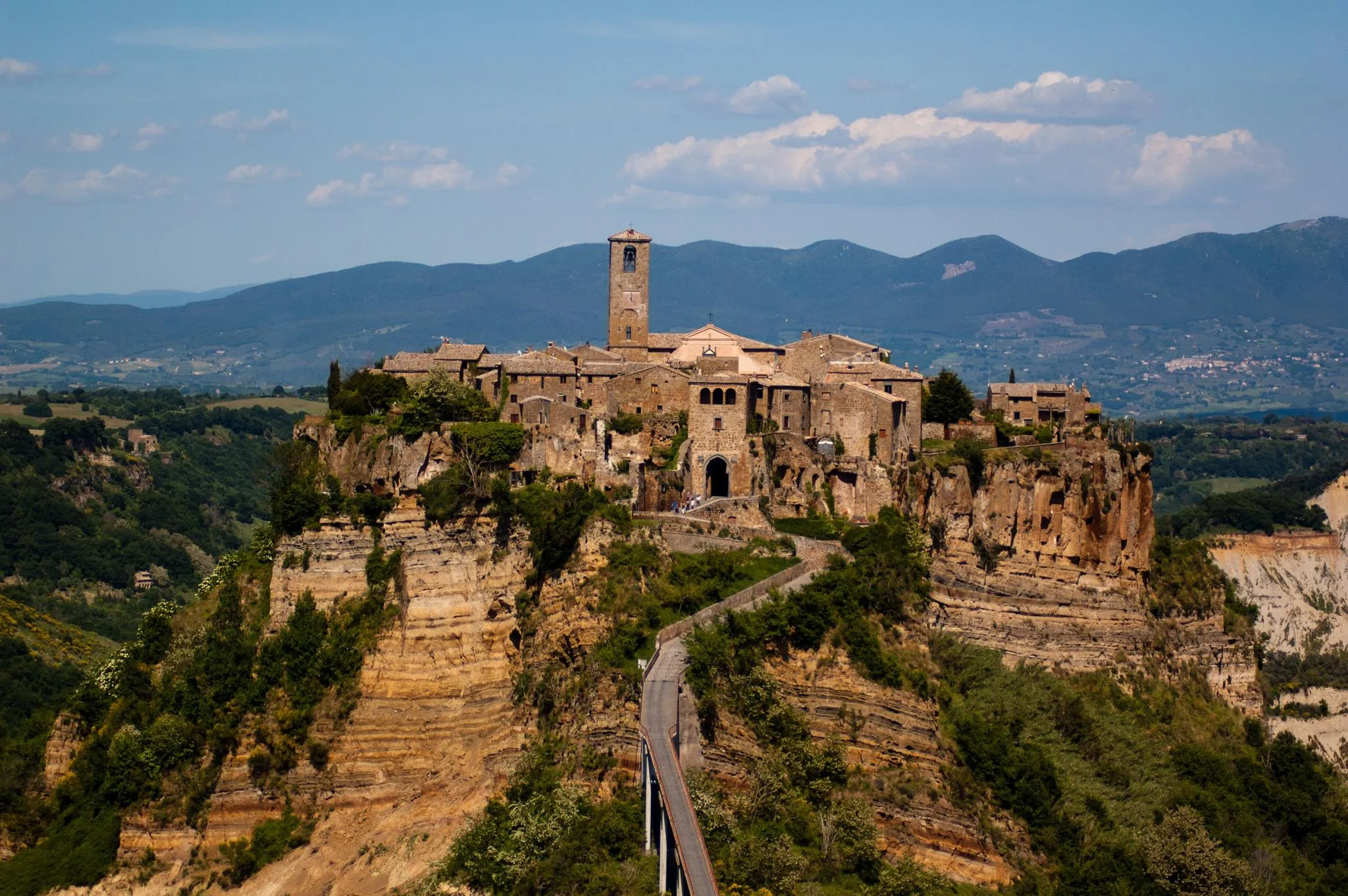
Lazio by bike – suspended villages, turquoise waters and natural parks
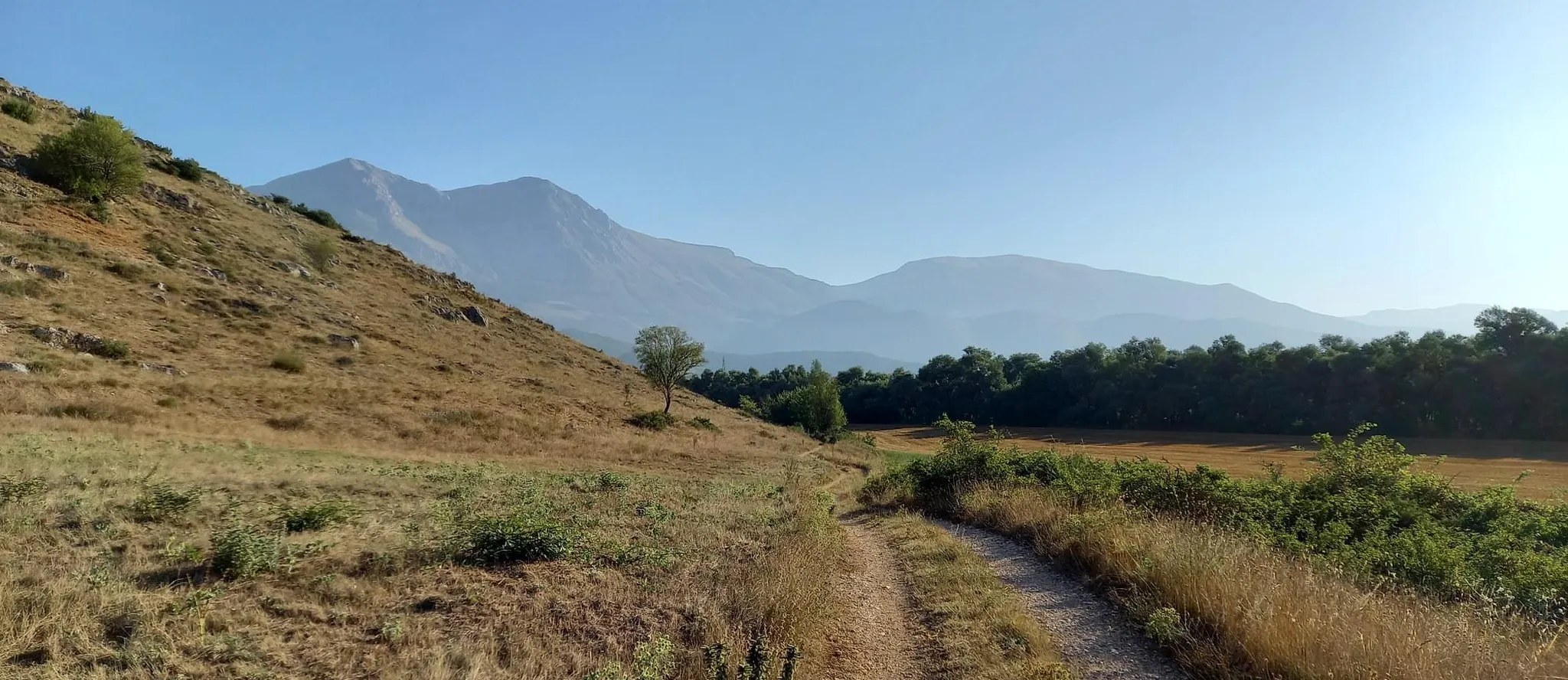
Hike from Rome to the Adriatic Sea – Way of St. Thomas
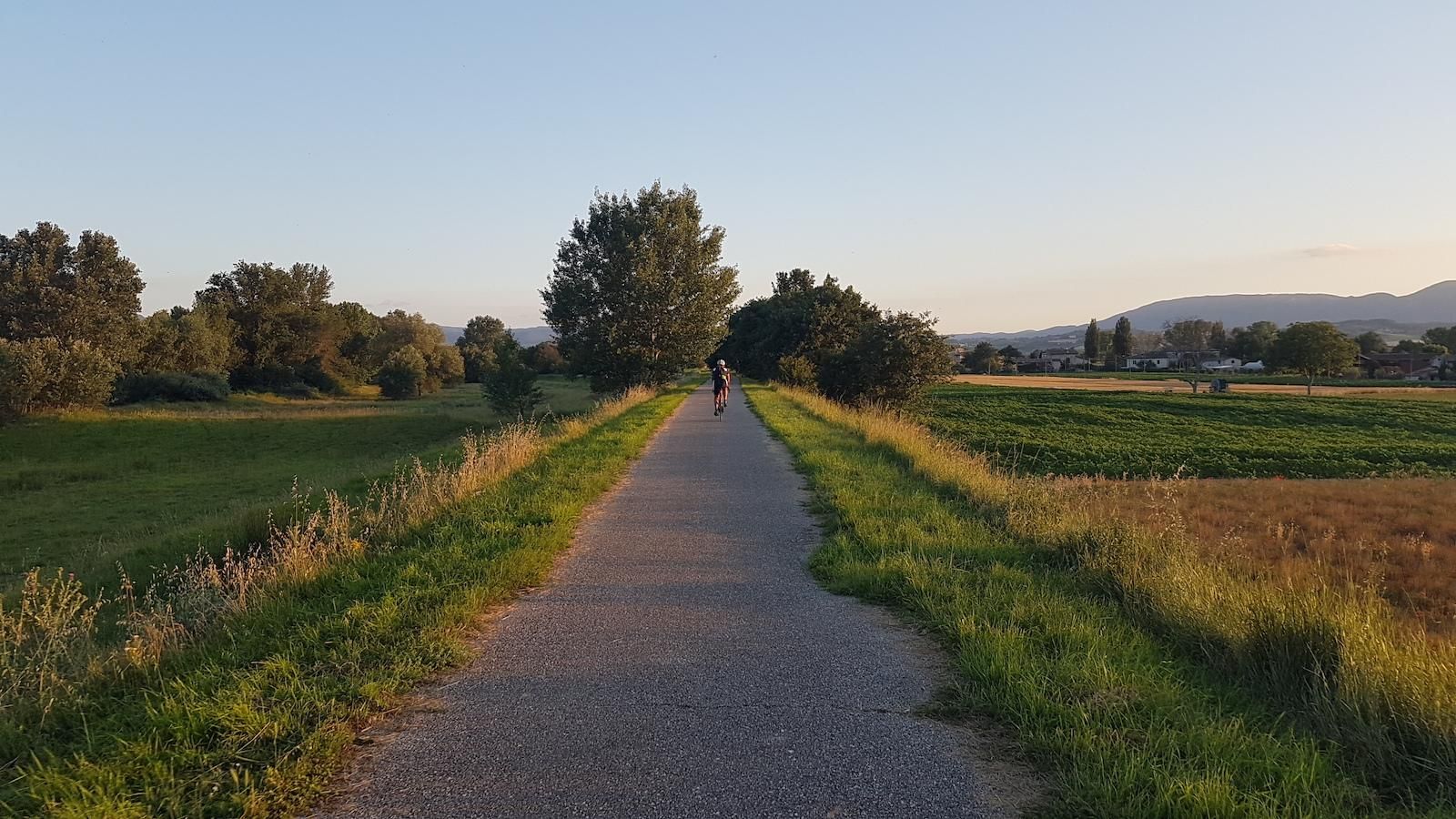
Ride St Francis Way in Italy – Via del Sud pilgrimage
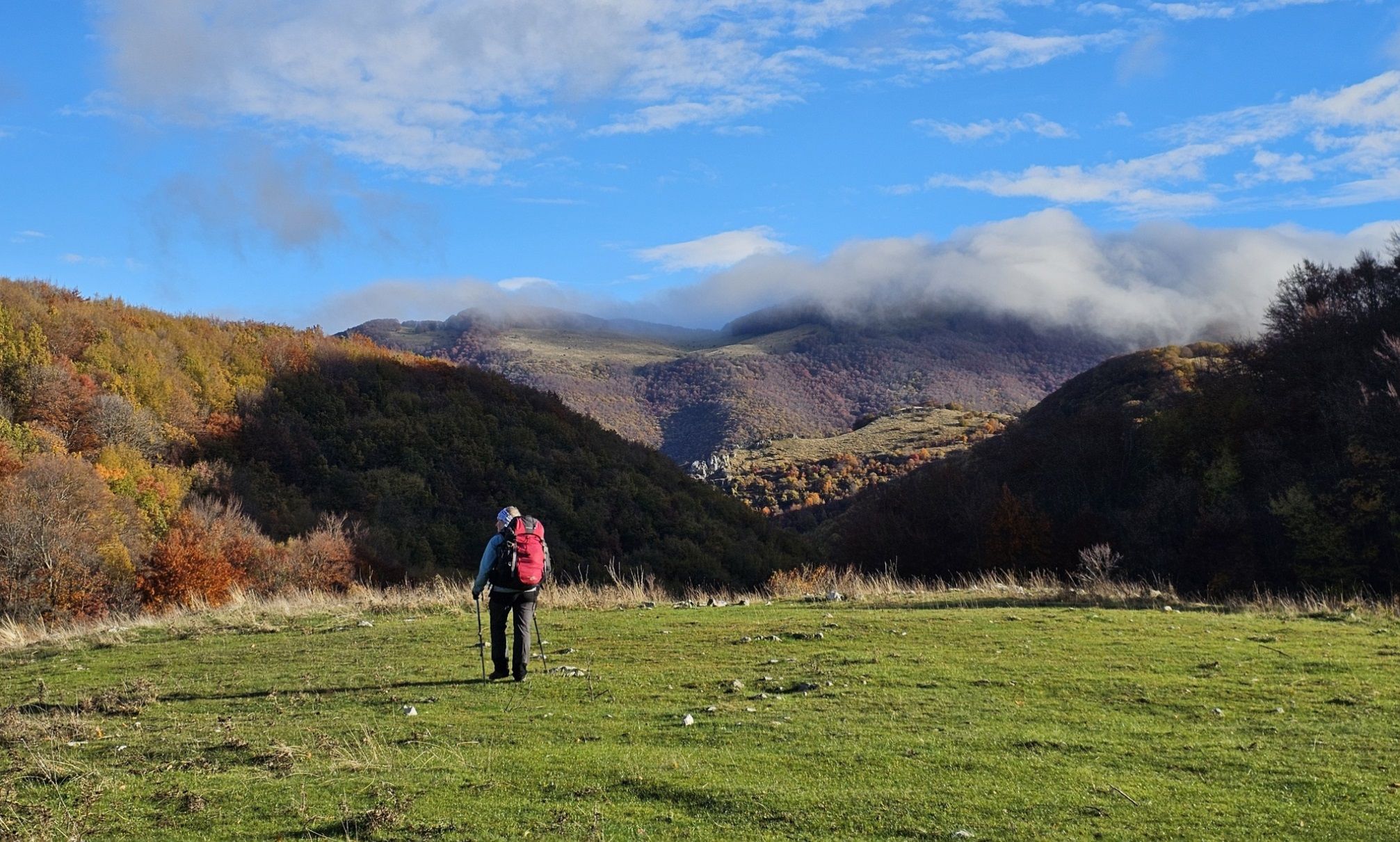
A colourful journey – hike in the Simbruini Mountains
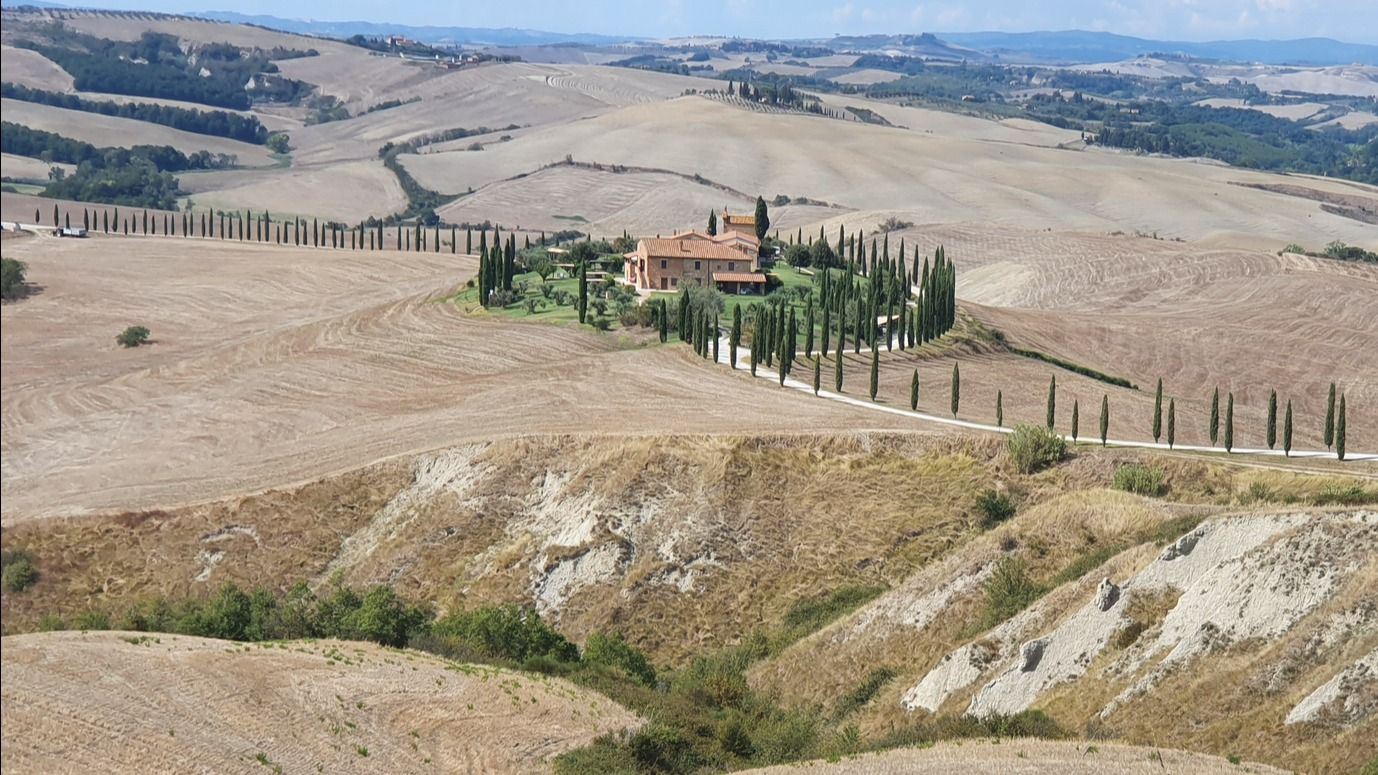
A Grand Tour of Italy – Rome to Milan by bike
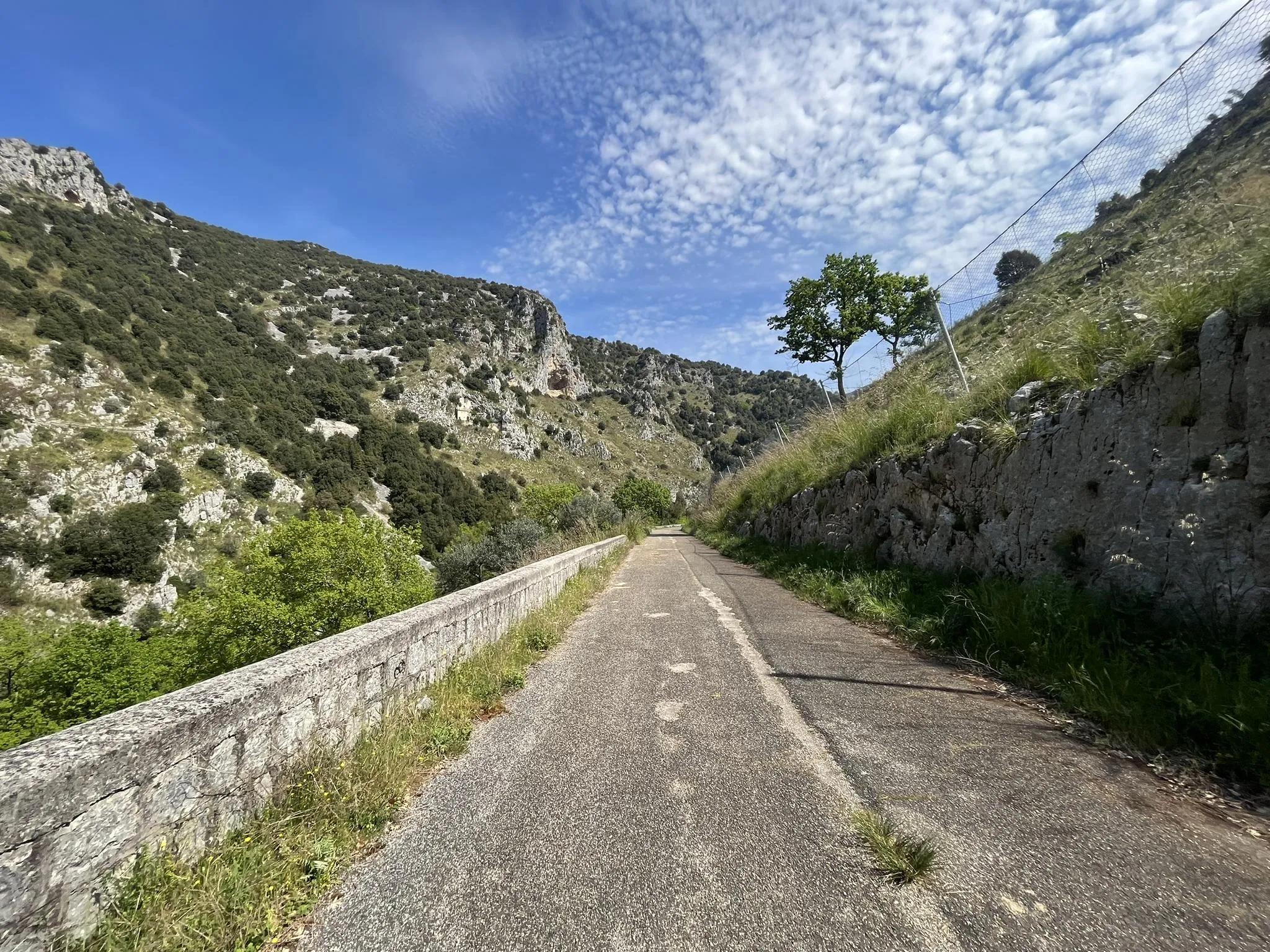
Between abbeys and quiet valleys – Saint Benedict's Way by bike
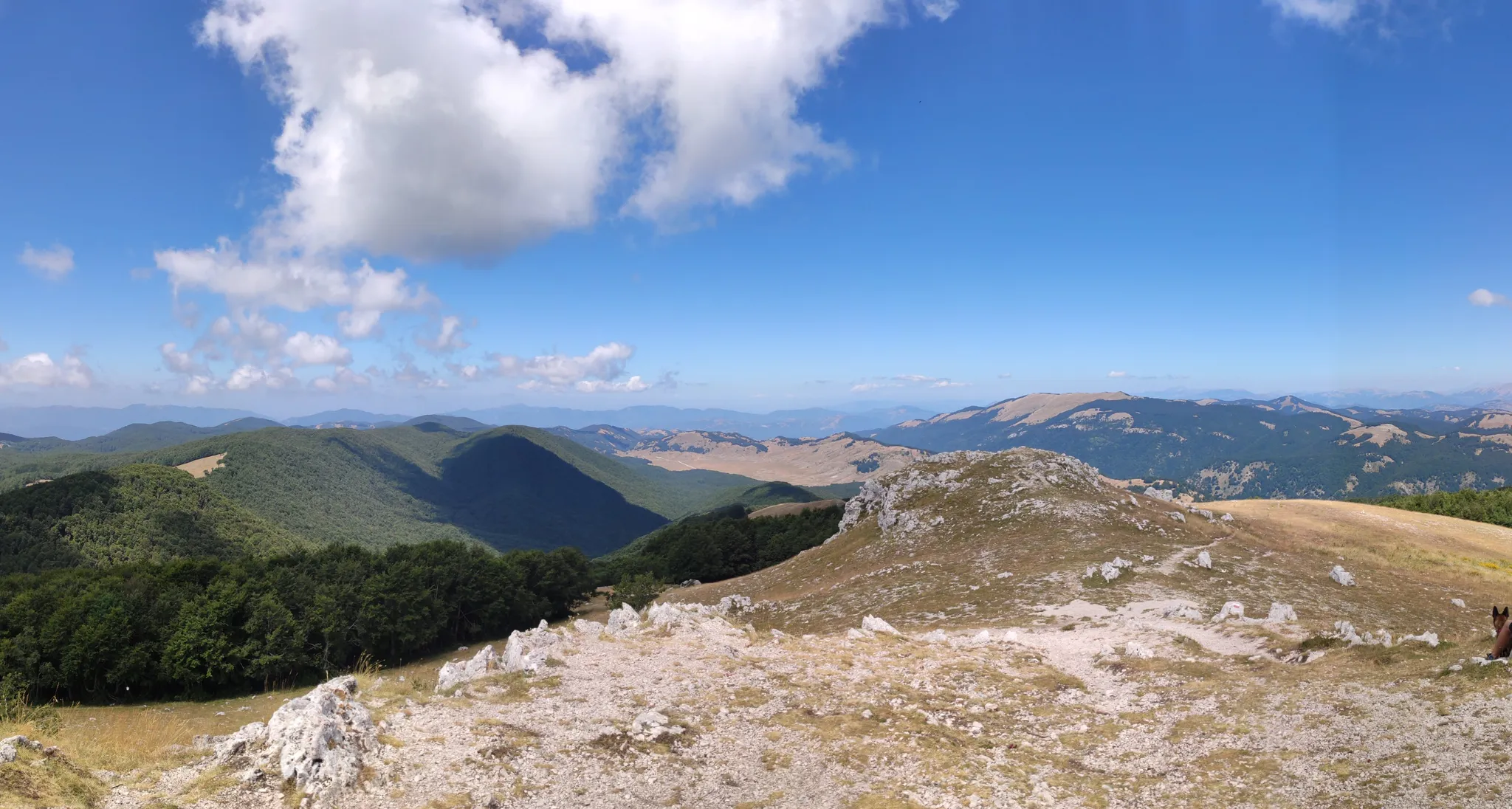
Cammino Naturale dei Parchi – Part 2 Livata to Corvaro
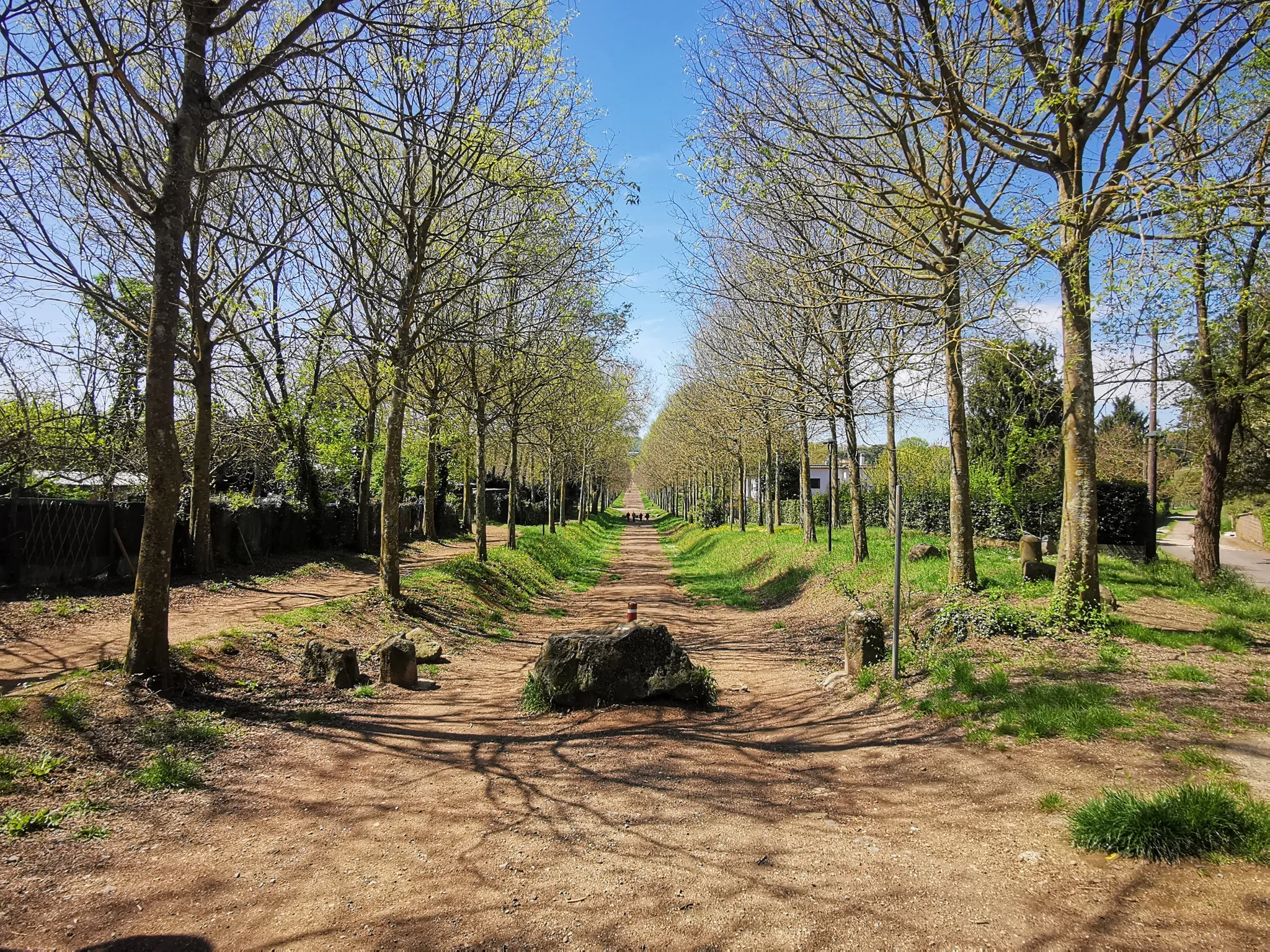
Ancient paths and necropolises – the Via Clodia by bike
Other adventures in Rome


Tips from the Community

Beautiful made on Saturday 13th September by Bassiano 🤙
0
0

A legendary stone that hides a TREASURE underneath....
0
0


Hiking boots, fairly long and steep route.
0
0
Requires good training. No children, but the route can be bypassed by using the path under the gendarme to still reach the summit.
0
0

One of the peaks of the Lepini
0
0
Highest peak of the Lepini.
0
0

This place is worth a vote as you reach the top and if the weather permits you can see both the Tyrrhenian and Adriatic seas.
2
0
Frequently Asked Questions
What kind of mountaineering routes can I find near Rome?
The region around Rome, particularly the Apennine foothills, offers a diverse range of mountaineering experiences. You'll find routes featuring craggy limestone walls, volcanic rock faces, and dense woodlands. The terrain includes solid, rough surfaces and fractured sections, with elevations typically ranging from 100 to 300 meters, though some ascents reach much higher peaks in the Apennines.
Are there mountaineering routes suitable for beginners near Rome?
Yes, there are routes suitable for various skill levels, including beginners. For an easier introduction to mountaineering, consider the Porta Coperta loop from Cerveteri. This route is 5.4 km long with minimal elevation gain, making it a good option for those new to the sport.
Which mountaineering routes offer the best views of the Lazio region?
Many routes provide expansive views of Lazio's valleys and forests. For unique perspectives, the Monte Semprevisa loop from Bassiano ascends Monte Semprevisa, the highest peak in the Lepini Mountains, offering panoramic views that can stretch to the sea and Mount Circeo. Another great option is the Fonte della Moscosa – Gendarme loop from Passo Serra Sant Antonio, known for its challenging ascents and rewarding vistas.
Are there any circular mountaineering routes near Rome?
Yes, several routes are designed as loops, allowing you to start and end at the same point. Popular circular options include the Fonte della Moscosa – Gendarme loop from Passo Serra Sant Antonio, the Monte Semprevisa loop from Bassiano, and the Monte Erdigheta – Monte Semprevisa loop from Monte Semprevisa. These provide varied terrain and scenic returns.
What are some notable natural landmarks or attractions near these mountaineering routes?
While mountaineering, you'll be close to several natural and historical points of interest. The region boasts volcanic landscapes, hills, and lakes like Lake Albano and Lake Nemi within the Castelli Romani Regional Park. Further afield, you can find the waterfalls of Cerveteri and Trevi nel Lazio. For specific highlights, consider exploring the Caffarella Park or the Monte Mario Nature Reserve.
What is the best time of year for mountaineering near Rome?
The best time for mountaineering near Rome generally spans from spring to autumn (April to October) when the weather is milder and more stable. Summer can be hot, especially at lower elevations, so early morning starts are recommended. Winter mountaineering is possible in higher Apennine ranges like the Simbruini or Abruzzo Mountains, but requires appropriate gear and experience for snow and ice conditions.
Are there any rock climbing opportunities in the Rome area?
Beyond traditional mountaineering, the areas around Rome offer excellent rock climbing. Monte Soratte, an isolated limestone mountain north of Rome, is a popular spot with over 100 routes. Other notable climbing areas include Rocca di Manziana for bouldering, and various crags near Rieti, Terni, Spoleto, and towards Latina, Circeo, Sperlonga, and Gaeta, offering both single and multi-pitch routes.
What do other mountaineers say about the routes near Rome?
The mountaineering routes in Rome are highly rated by the komoot community, with an average score of 4.5 stars. Reviewers often praise the diverse terrain, from challenging ascents to scenic loops, and the expansive views of the Lazio region. The variety of routes caters to different ability levels, making it a rewarding experience for many.
Are there any moderate difficulty mountaineering routes available?
Yes, there are several moderate routes that offer a good challenge without being overly strenuous. The Monte Erdigheta – Monte Semprevisa loop from Monte Semprevisa is a moderate 12.5 km trail that takes about 4 hours and 24 minutes. Another excellent moderate option is the Cima Fidene – Monte Pellecchia loop from Monteflavio, which covers 12.4 km.
What kind of terrain can I expect on these mountaineering routes?
The terrain varies significantly. You can expect a mix of craggy limestone walls, ancient volcanic formations, and dense woodlands. Routes often feature solid, rough surfaces, but also fractured sections, requiring careful footing. Elevations can range from gentle inclines to steep, demanding ascents, providing a diverse and engaging experience.
Are there any regional or national parks near Rome that are good for mountaineering?
Absolutely. The region is rich in protected areas. The Simbruini Mountains, often called 'Rome's Alps,' are part of the Apennines and are within the Regional Park of the Monti Simbruini. Further afield, the Abruzzo, Lazio and Molise National Park and Gran Sasso e Monti della Laga National Park offer extensive trekking and mountaineering options, including the highest peak in the Apennines, Gran Sasso.
Most popular routes in Rome
Most popular attractions in Rome

Get inspired with the komoot mobile app


