Top 20 Caves around Neidenfels
Best caves around Neidenfels are situated in the Rhineland-Palatinate state of Germany, a region known for its natural beauty and outdoor activities within the Palatinate Forest. The area offers a mix of historical intrigue, geological interest, and natural formations. Visitors can explore various natural features and landmarks near Neidenfels caves, contributing to the rich natural and cultural landscape.
Best caves around Neidenfels
- The most popular caves is Felsenmeer rock formations, a natural monument that features numerous rock outcrops and…
Last updated: July 2, 2026
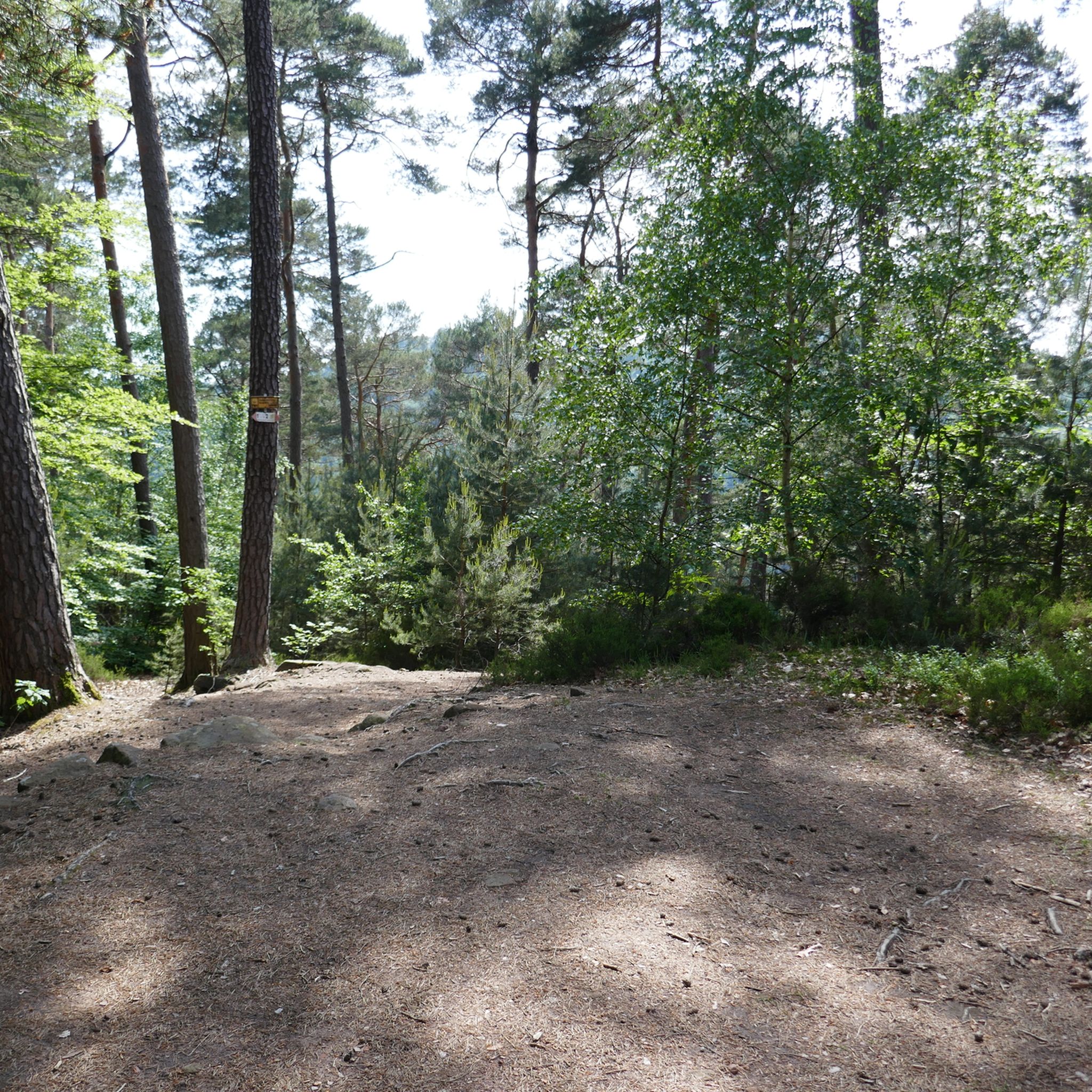
Felsenmeer rock formations
Highlight (Segment) • Natural Monument
Showing Translation
Tip by

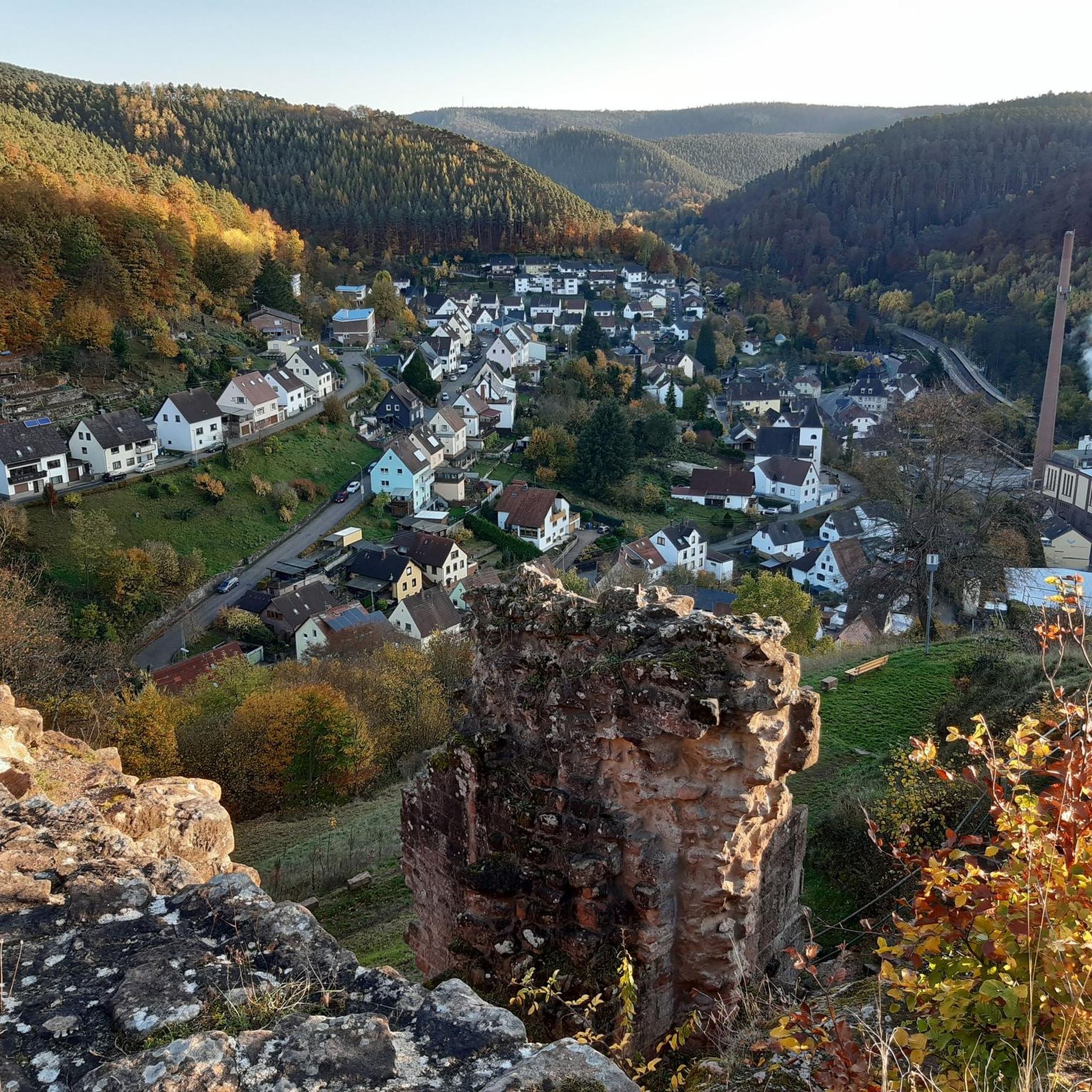
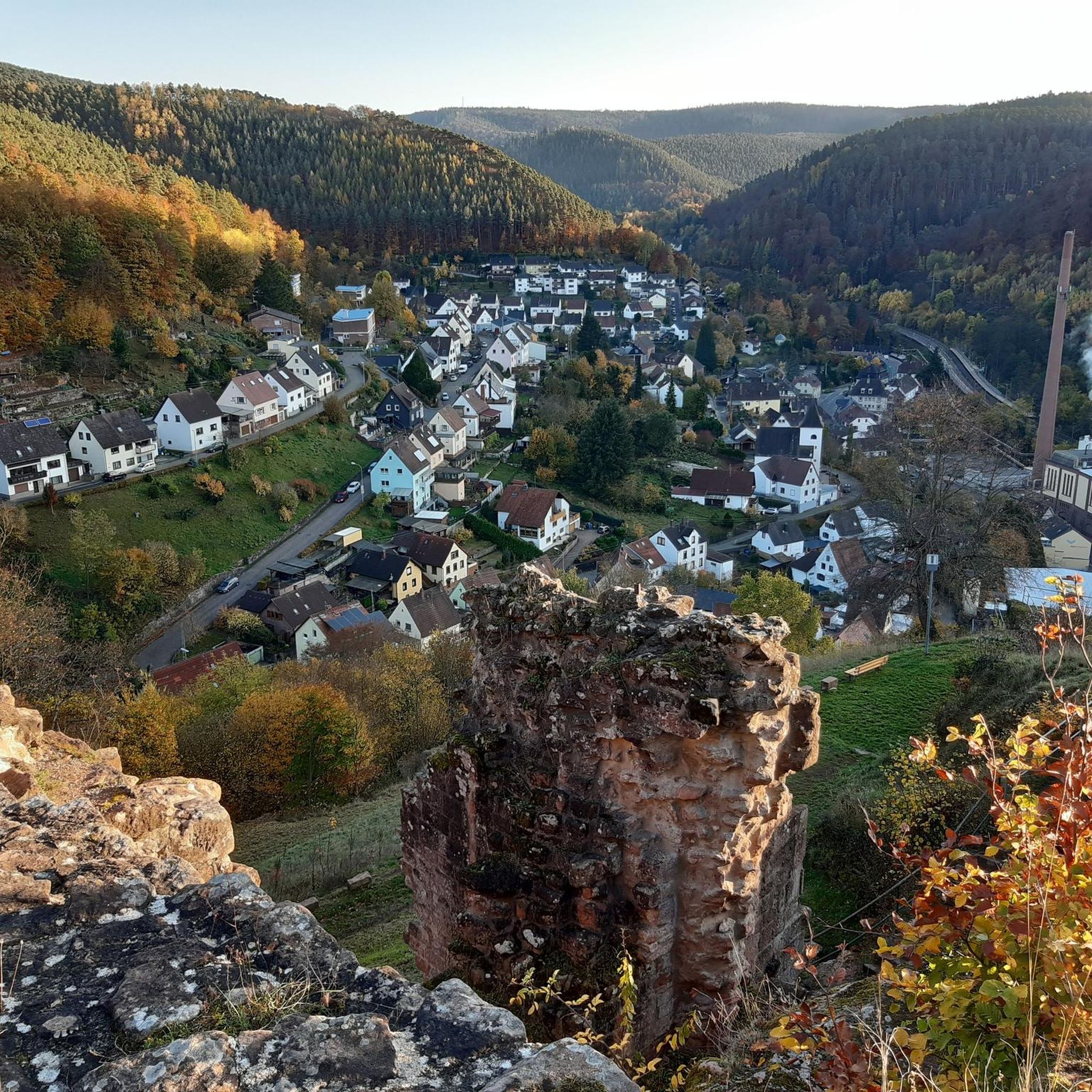
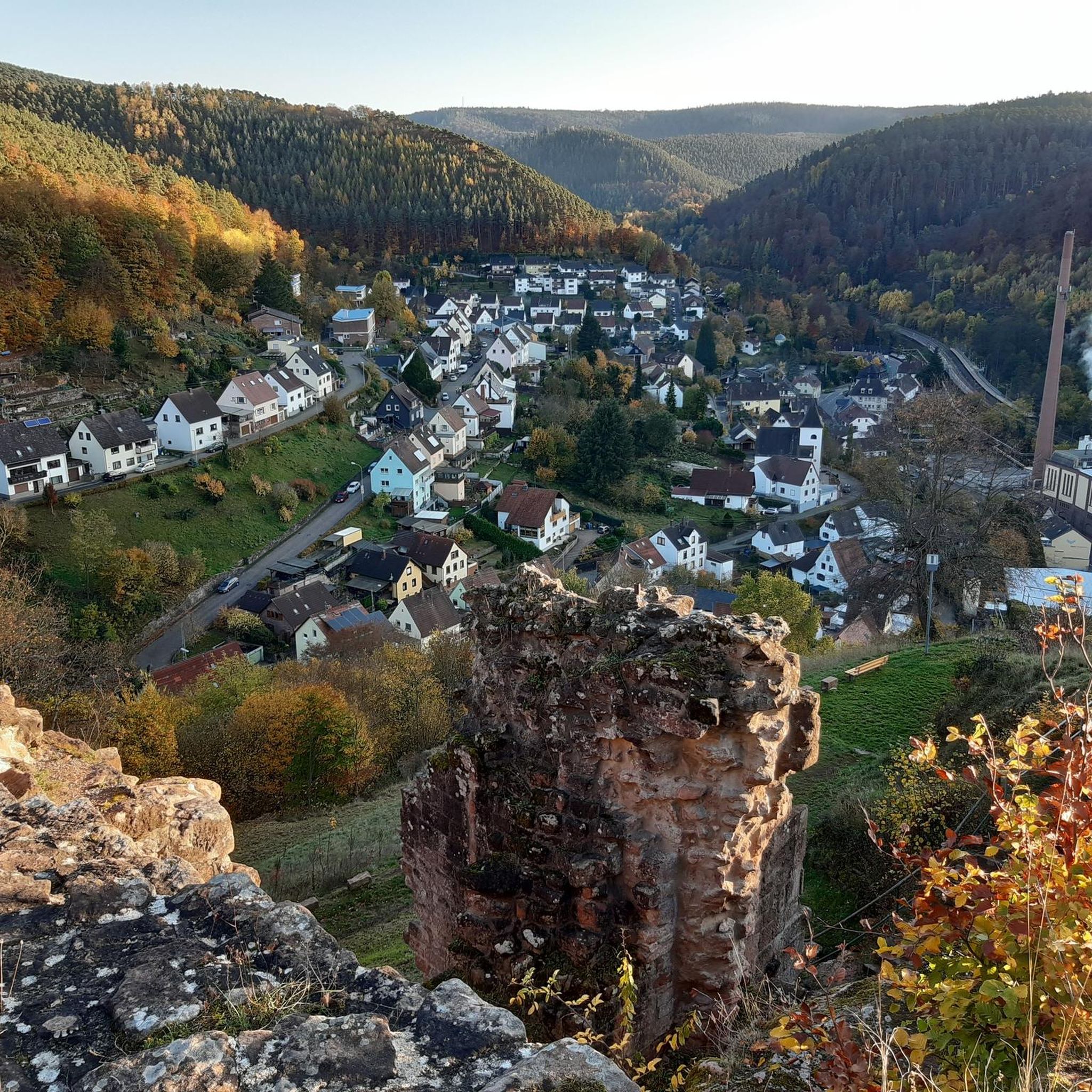
Kaiser-Wilhelm-Höhe Viewpoint
Highlight • Viewpoint
Translated by Google •
Tip by

Sign up now to discover places like this
Get recommendations on the best single tracks, peaks, & plenty of other exciting outdoor places.
Sign up for free
Dragon’s Cave at Drachenfels
Highlight • Cave
Translated by Google •
Tip by

Hohler Fels Cave (Freischärler Hideout)
Highlight • Cave
Translated by Google •
Tip by

Stairway to the Drachenhöhle (Dragon's Cave)
Highlight • Cave
Translated by Google •
Tip by

Sign up for free to discover even more caves around Neidenfels.
Sign up for free
Already have an account?
Start today with a free account
Your next adventure awaits.
Login or Signup
Tips from the Community


A highlight of the hike from Sankt Martin to Kalmit is the Felsenmeer. Many spectacular rock formations please the eye.
6
0

The little detour is definitely worth it
1
0

Small Staircase, Big Cave
0
0

Definitely worth it. Great big cave. If you're lucky you'll see the dragon. 🙂
0
0

After the stairs, you follow a narrow path secured with a railing to the rock shelter. Interesting to look at.
1
0

This is where the rebels hid in 1848... today it serves as a shelter at best
1
0

The Hohle Fels, occasionally also called Hohler Felsen, in the forest area of the Palatinate town of Deidesheim is a room-sized rock cave that was once used as a temporary residence by people - according to traces of work on the walls. Wikipedia
2
0
Frequently Asked Questions
What are some historically significant caves around Neidenfels?
The region offers several caves with rich history. The Kaiser-Wilhelm-Höhe Viewpoint features a protective cave embedded in its tower-like structure, built in 1888. The Dragon’s Cave at Drachenfels is associated with the Nibelungen saga. The Hohler Fels Cave served as a hideout for Freischärler in 1848, and the Bismarck Cave was created in 1885 in honor of Chancellor Bismarck.
Are there any caves with unique geological features near Neidenfels?
Yes, the Felsenmeer rock formations are a natural monument featuring numerous rock outcrops and hidden caves. The Hohfels Prehistoric Dwelling Cave, also known as "high rock," is a tertiary limestone reef with a unique cave opening and a narrow passage, considered a prehistoric dwelling site.
Which caves are suitable for families with children?
The Bismarck Cave is noted as family-friendly, offering a nice alcove with seating and a view. The Felsenmeer rock formations also offer accessible paths below the rocks, with detours to rocky areas and niches that can be fun for families to explore.
What outdoor activities can I combine with a visit to the caves?
The Neidenfels area is excellent for various outdoor activities. You can find numerous routes for gravel biking, cycling, and road cycling. Many of these routes pass by or near the caves and offer scenic views of the Palatinate Forest.
Are there any viewpoints associated with caves in the region?
Absolutely. The Kaiser-Wilhelm-Höhe Viewpoint is a prime example, offering magnificent views of the Limburg from its tower-like structure which incorporates a protective cave. The Bismarck Cave also provides a resting place with a good view of the Rhine plain.
What should I know about accessibility when visiting caves around Neidenfels?
Accessibility varies. The Felsenmeer rock formations have narrow paths below the rocks that are generally easy to walk. However, the Dragon’s Cave at Drachenfels has narrow access and requires sure-footedness. It's important to note that the Herxheim Karst Cave is currently cordoned off due to a reported danger of collapse and is not accessible for exploration.
Is there a best time of year to explore the caves near Neidenfels?
The caves and surrounding trails are generally enjoyable throughout the warmer months, from spring to autumn, when the weather is mild and the forest is lush. However, some caves, like the Bismarck Cave, offer rainproof shelter, making them accessible even on less ideal weather days. Always check local conditions before your visit.
What kind of terrain can I expect when visiting these caves?
The terrain around the caves in Neidenfels is primarily within the Palatinate Forest, featuring sandstone formations. You can expect a mix of forest paths, rocky outcrops, and sometimes steep sections. For instance, the Diebskeller Cave is accessible via a steep, mossy stone staircase. Some areas, like the Dragon’s Cave, require sure-footedness due to narrow access.
Where can I park when visiting the caves around Neidenfels?
Specific parking information for each cave can vary. Generally, you'll find parking areas near popular trailheads or landmarks in the Palatinate Forest. For example, when visiting the Felsenmeer rock formations, look for designated parking spots along the wider forestry paths that lead to the area.
What do visitors generally enjoy about the caves in the Neidenfels area?
Visitors appreciate the blend of natural beauty and historical intrigue. The Felsenmeer rock formations are loved for their bouldering opportunities and hidden niches. The historical significance of sites like the Hohler Fels Cave, used by revolutionaries, and the legendary Dragon’s Cave, captivate many. The scenic views from places like the Kaiser-Wilhelm-Höhe Viewpoint are also highly rated.
What should I wear when exploring caves in this region?
Given the forest environment and varied terrain, sturdy hiking shoes with good grip are essential. Layers of clothing are advisable, as cave interiors can be cooler than the outside temperature. Depending on the cave, a headlamp or flashlight can also be beneficial, especially for exploring deeper sections or narrow passages.
Are there any caves that are currently inaccessible or have restrictions?
Yes, the Herxheim Karst Cave is currently cordoned off and inaccessible to visitors due to a reported danger of collapse. While an information board provides historical context, direct exploration is not possible at this time.
Can I find any hidden or less-known caves in the area?
Beyond the more prominent sites, the region has smaller, less-known caves. The Diebskeller Cave, for instance, is a small sandstone cave historically used by highwaymen, accessible via a steep staircase from a wider forestry path. The Hohfels Prehistoric Dwelling Cave also offers a unique, less-trafficked experience for those interested in ancient history and geology.
Most popular routes around Neidenfels
Most popular attractions around Neidenfels

Get inspired with the komoot mobile app


Explore more
Extend your search for the best caves by checking out these guides of the top ones around Neidenfels:
