The best gravel rides around Toronto
4.0
(21)
140
riders
6
rides
Gravel biking around Toronto offers a network of trails that navigate the region's diverse landscape. The area features river valleys, urban green spaces, and conservation areas, providing varied terrain for gravel cyclists. Expect a mix of compacted dirt, crushed stone, and some paved sections, often following natural corridors. The topography includes gentle rolling hills and flatter sections, suitable for different skill levels.
Best gravel bike trails around Toronto
- The most popular gravel bike trail is Gravel loop from Bill Hogarth Secondary School, an 18.3 miles (29.5 km) trail that takes 2 hours 25 minutes to complete. This moderate route offers a substantial gravel cycling experience north of the city.
- Another top favourite among local gravel bikers is Milne Dam – Toogood Pond loop from Centennial, an easy 13.0 miles (20.9 km) path. This route features scenic sections around Milne Dam and Toogood Pond, providing a mix of natural and parkland views.
- Local gravel bikers also love the Milne Dam Lake – Milne Dam loop from Centennial, a 11.9 miles (19.2 km) trail leading through parkland and natural areas, often completed in about 1 hour 11 minutes.
- Gravel biking around Toronto is defined by river valley paths, urban parkland, and conservation area trails, offering a range of surfaces from compacted dirt to crushed gravel roads. The network offers options for different ability levels, from easy loops to more challenging routes.
- The routes in Toronto are highly rated by the komoot community with an average score of 4.8 stars from over 18 reviews. More than 120 gravel bikers have used komoot to explore Toronto's varied terrain.
Last updated: October 20, 2026
16
riders
20.9km
01:17
90m
90m
Easy gravel ride. Great for any fitness level. Mostly paved surfaces. Suitable for all skill levels.
5.0
(1)
19
riders
19.2km
01:11
70m
70m
Easy gravel ride. Great for any fitness level. Mostly paved surfaces. Suitable for all skill levels.

1.0
(2)
23
riders
Easy gravel ride. Great for any fitness level. Mostly paved surfaces. Suitable for all skill levels.
4
riders
64.5km
04:16
430m
430m
Moderate gravel ride. Good fitness required. Mostly paved surfaces. Suitable for all skill levels.
4.7
(6)
8
riders
24.9km
01:21
120m
120m
Easy gravel ride. Great for any fitness level. Mostly paved surfaces. Suitable for all skill levels.
Our route recommendations are based on thousands of hikes, rides, and runs completed by other people on komoot.
Start today with a free account
Your next adventure awaits.

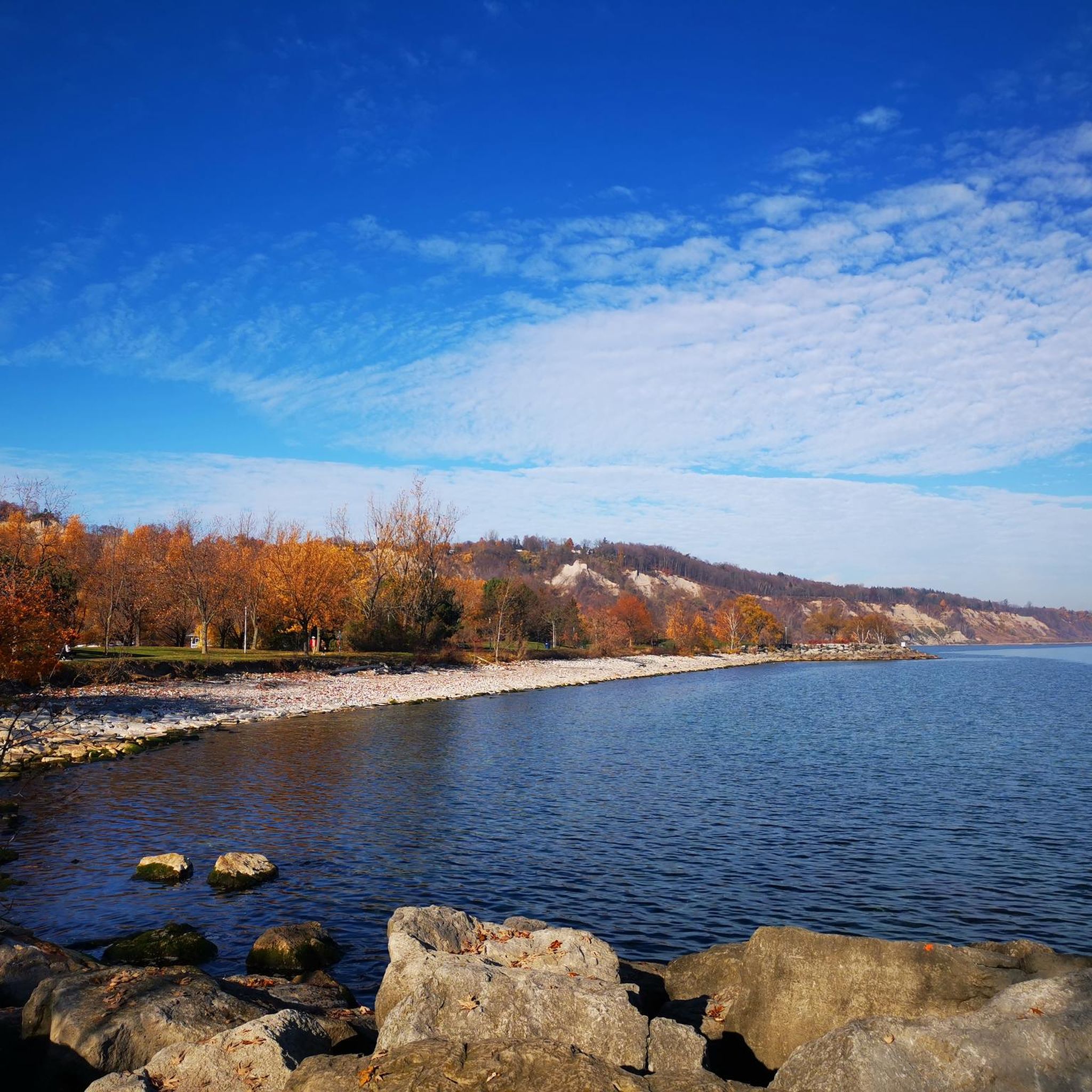
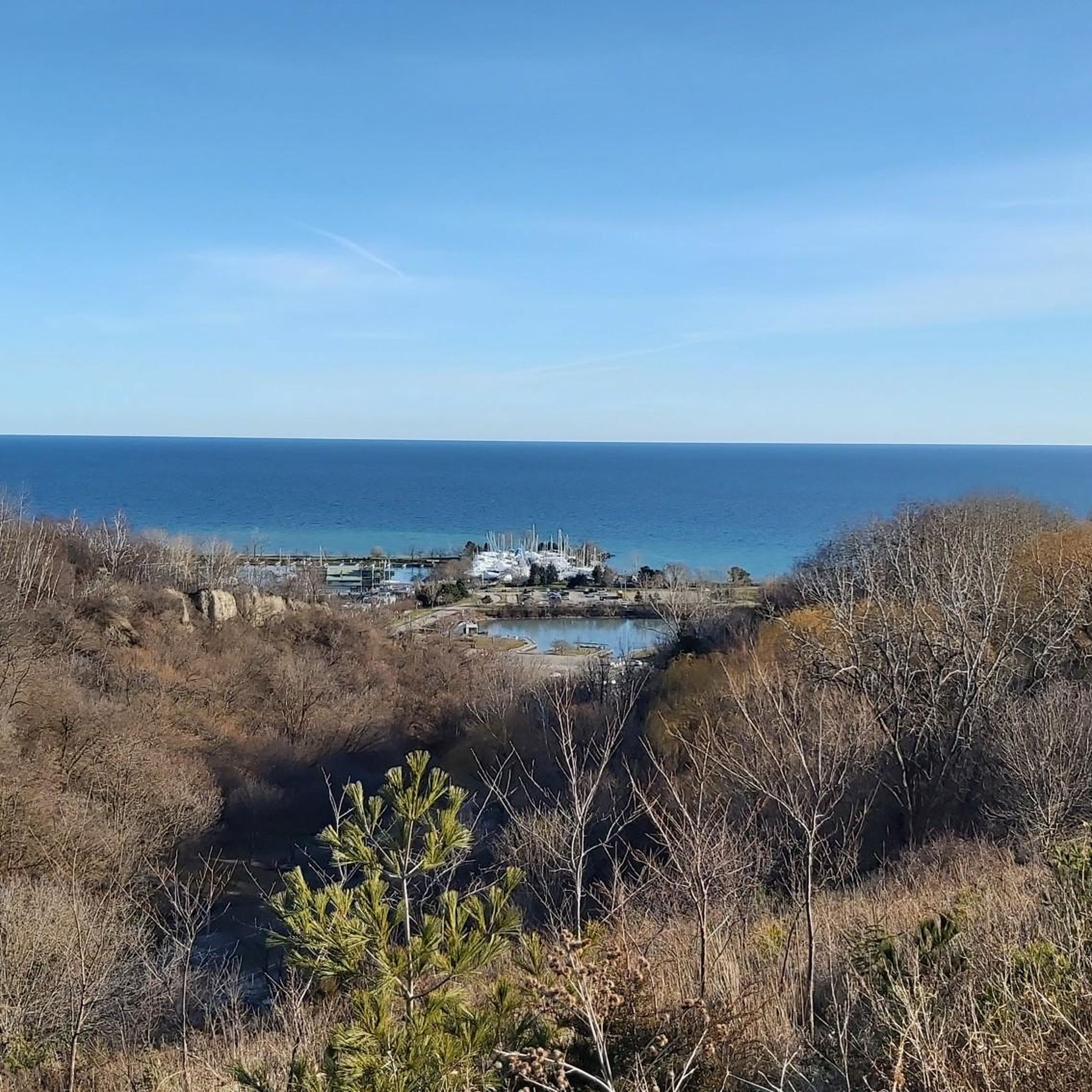
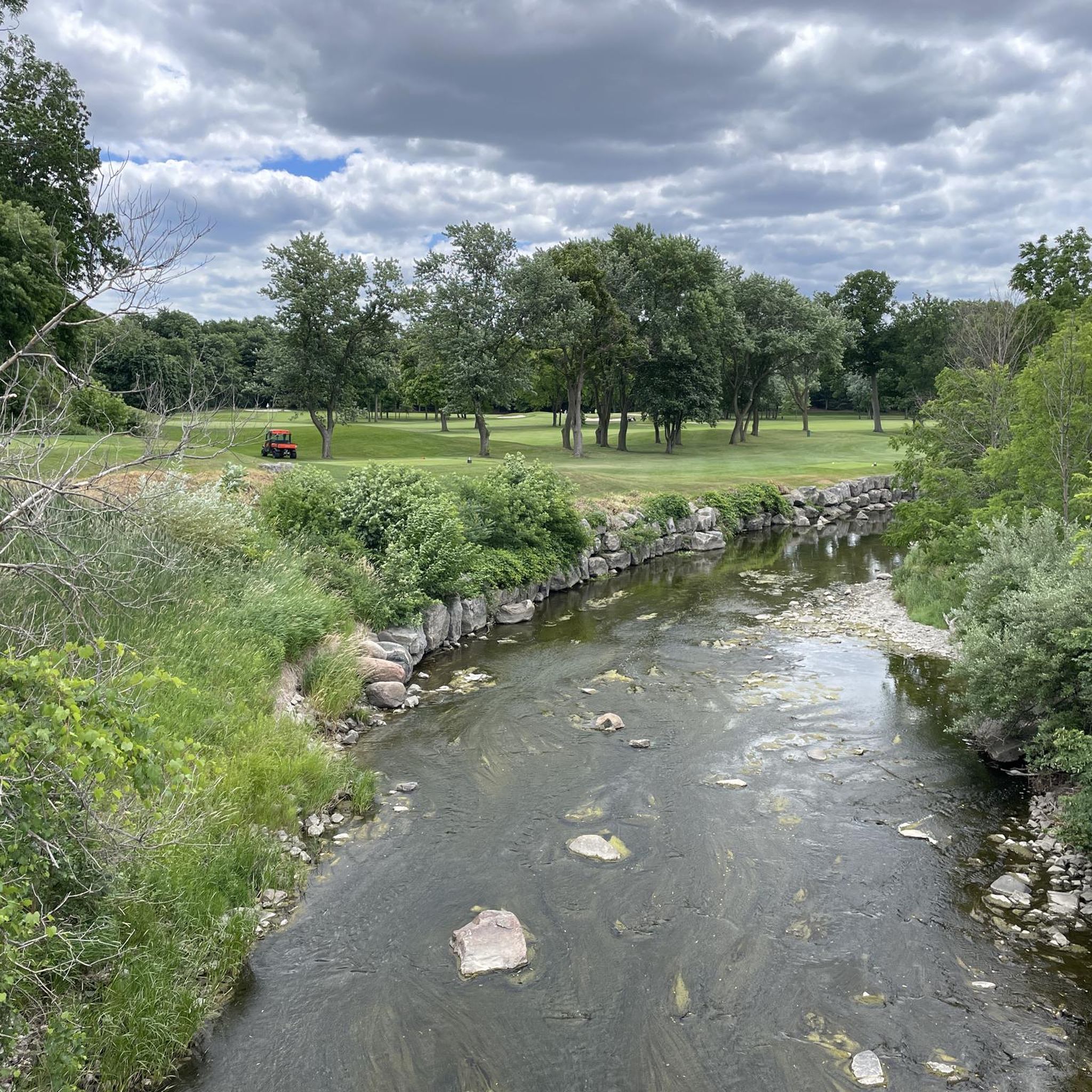

Tips from the Community

The entirety of the Rouge National Park Trail spans just over 70 kilometres, and the Major MacKenzie Section is 6.8 kilometres, stretching from 16th Avenue to Major MacKenzie Drive East, both locations having a parking area and trailhead. The other sections include Northeast Trail, Central Trail, Monarch Trail and the Harvest Trail. This section is flat with wide open views of forests, farm land, and small waterways. The trail is made of gravel and has little shade, so come prepared with sun protection.
0
0
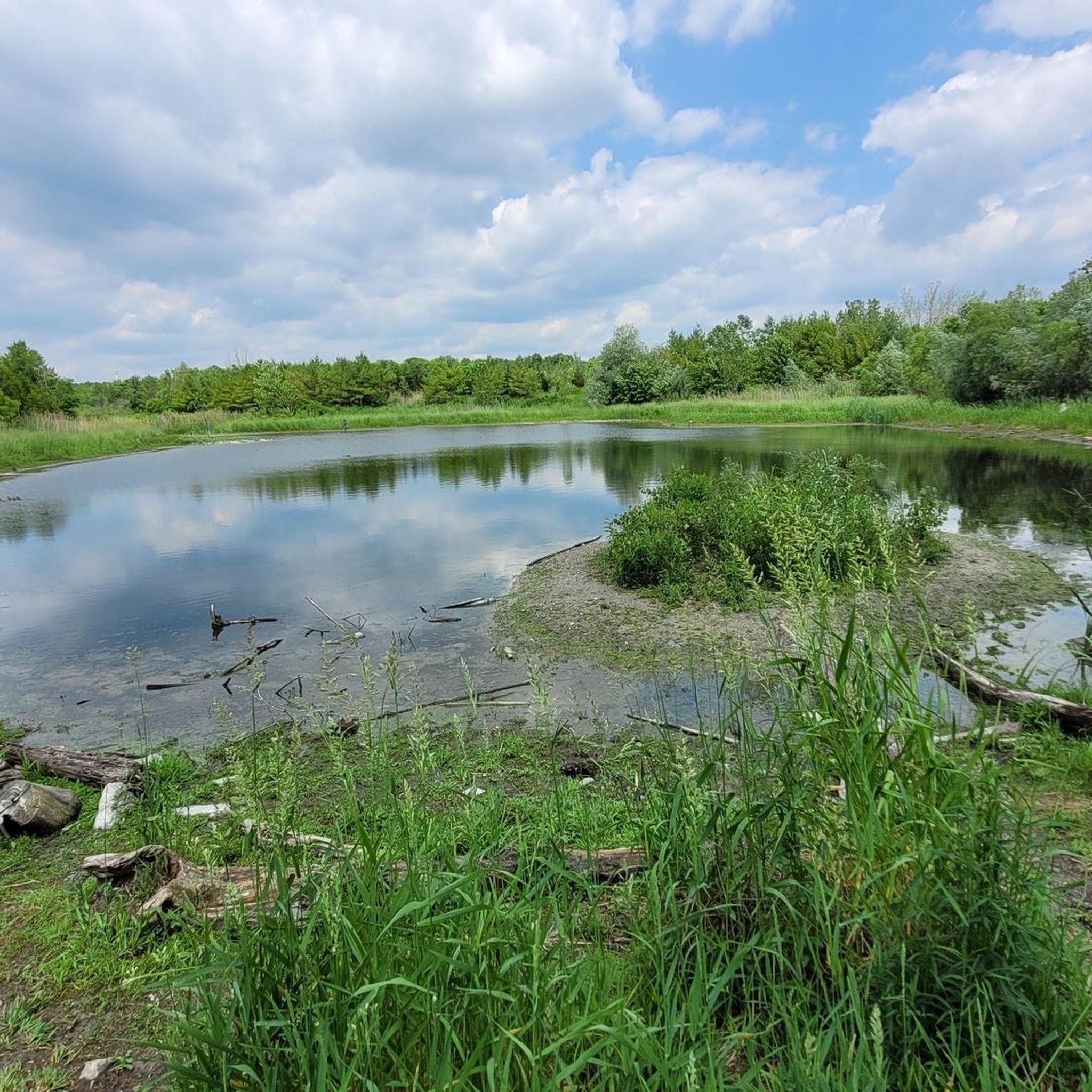
The Major Mackenzie Parking Lot and Road Crossing is a well-maintained parking area and access to the Rouge National Urban Park Trail. The parking lot is paved and has a safe pedestrian crossing with its own designated stop light for crossings. Just a few metres north from the Major Mackenzie Parking Lot and Road Crossing is a small scenic pond. The Rouge National Park Trail skirts the pond with a well-maintained wooden boardwalk.
1
0
This wooden pedestrian and cycle bridge spans an offshoot of Little Rouge Creek. It is a great bridge to spot some wildlife while crossing.
0
0

This trailhead is located in the small community of Altona and provides access to the northern and southern sections of the Rouge National Urban Park Trail. From here, you can head east a few steps along Uxbridge-Pickering Townline Road to connect with the trail north toward Glasgow or head south to Black Walnut Day Use Area.
0
0
Rouge National Urban Park Trail is an easy, beautiful multi-use route through one of Canada’s most diverse protected landscapes, connecting forests, wetlands, meadows, and working farmland. It’s a well-maintained path with a few boardwalks that cross creeks and pass restored natural areas, with excellent opportunities to spot birds, turtles, and other wildlife. It’s a great way to experience the unique mix of nature and active farmland that makes Rouge National Urban Park unlike any other national park.
0
0
Black Walnut Day Use Area is a hub for access to several trails in Rouge National Urban Park. There is ample free parking, washrooms, water refill stations, picnic areas, and trail information, making it a convenient place to start and end your journey. From here, you can explore trails through restored wetlands, forests, and the park’s historic agricultural landscape.
0
0

Austin Drive Park has two stormwater ponds that collect the excess rainwater that flows into the river. This reduces erosion and the amount of sediment flowing into the river during storm events. The pond is great to just sit and enjoy, especially the songbirds. You can listen to goldfinches, cardinals, and sparrows.
1
0
The Milne Dam creates the Milne Reservoir and helps protect communities downstream of the Rogue River from flooding. Originally associated with the Milne family mills established in the 1820s, this site later became home to Canada’s first concrete-and-steel arch dam, built by Archie Milne in 1911, before the current structure was rebuilt in 1969 after severe damage from Hurricane Hazel. Today, it remains a defining feature of the park and is a scenic focal point along the trail.
0
0
Frequently Asked Questions
How many gravel bike trails are available around Toronto?
There are several gravel bike trails around Toronto, with komoot featuring 7 curated routes. These routes offer a variety of experiences, from easy loops to more challenging rides, exploring river valleys, urban green spaces, and conservation areas.
Are there beginner-friendly gravel bike routes near Toronto?
Yes, Toronto offers several easy gravel routes suitable for beginners. An excellent option is the Milne Dam – Toogood Pond loop from Centennial, which is 20.9 km long and features scenic sections around Milne Dam and Toogood Pond. Another easy choice is the Gravel loop from Mount Joy, covering 25.0 km.
What are the more challenging gravel biking options around Toronto?
For those seeking a more substantial ride, the Glen Major Forest Trails – Trans Canada Trail Singletrack loop from Mount Joy offers a moderate challenge. This route spans 66.1 km and includes significant elevation changes, providing a robust gravel cycling experience.
What kind of terrain can I expect on Toronto's gravel bike trails?
Gravel biking around Toronto features a diverse mix of surfaces. You'll encounter compacted dirt, crushed stone, and some paved sections, often following natural corridors through river valleys, urban parkland, and conservation areas. The topography includes gentle rolling hills and flatter sections.
Are there any loop gravel bike trails in the Toronto area?
Many of the gravel routes around Toronto are designed as loops. For instance, the popular Gravel loop from Bill Hogarth Secondary School is a 29.5 km moderate loop. Another great option is the Milne Dam Lake – Milne Dam loop from Centennial, which is 19.2 km and leads through parkland and natural areas.
What do other gravel bikers enjoy most about gravel biking in Toronto?
The gravel biking routes in Toronto are highly rated by the komoot community, with an average score of 4.8 stars from over 18 reviews. Reviewers often praise the varied terrain, the mix of natural and parkland views, and the accessibility of trails that navigate the region's diverse landscape.
Are there any scenic viewpoints or attractions along the gravel trails?
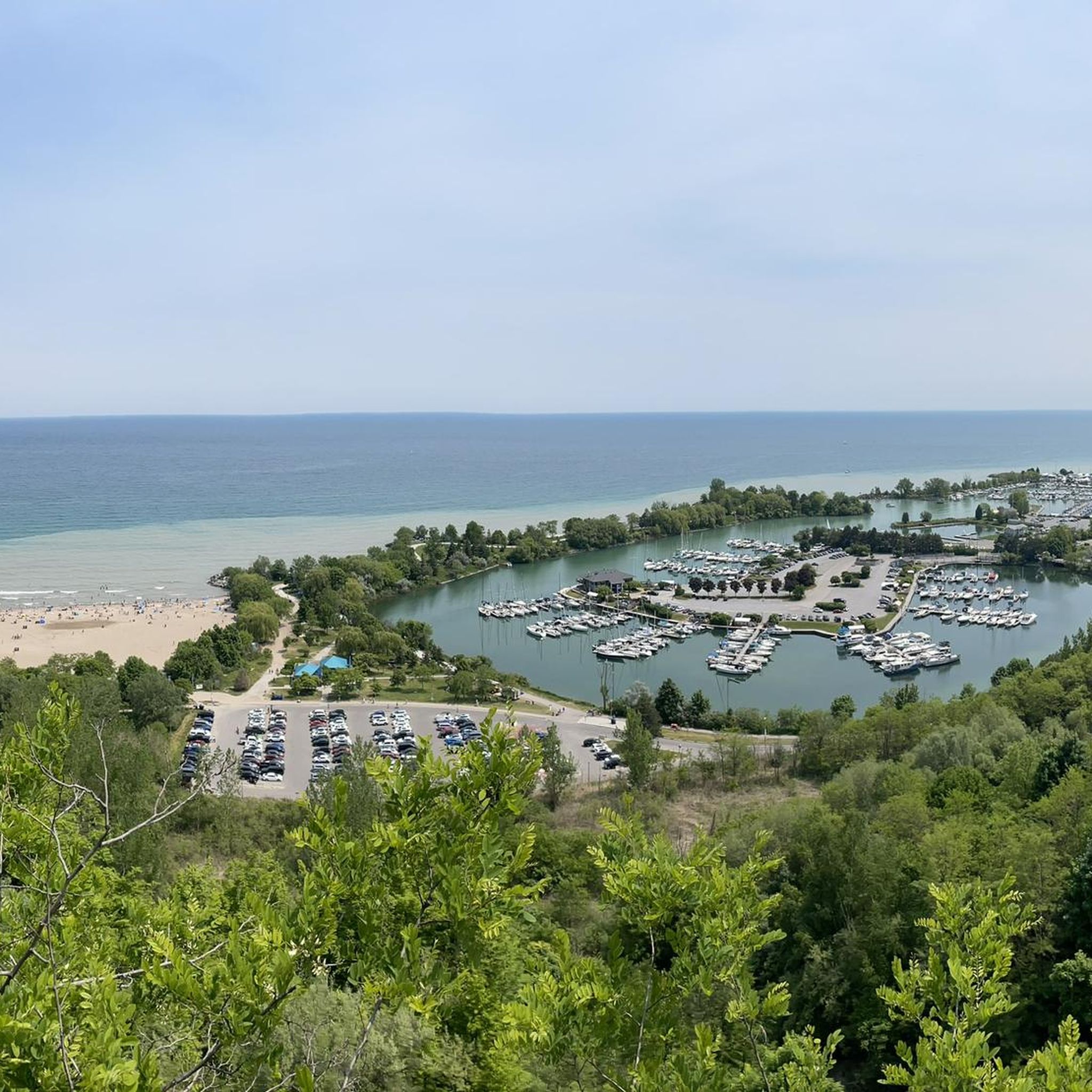
Yes, several routes offer access to scenic spots and attractions. You can find highlights like Milne Dam, which is featured on some loops. Other nearby attractions include Marilyn Bell Park and the Martin Goodman Trail, Evergreen Brick Works Ponds, and the Passage Sculpture at Lake Ontario, offering diverse points of interest.
What is the best season for gravel biking in Toronto?
While gravel biking can be enjoyed year-round, spring and fall often offer the most pleasant conditions with milder temperatures and vibrant scenery. Summer is also popular, though some trails may be busier. Winter riding is possible, but conditions can vary with snow and ice, requiring appropriate gear and caution.
Are there options for less crowded gravel bike routes near Toronto?
To find less crowded routes, consider exploring trails slightly further from the immediate city center or riding during off-peak hours. While specific crowd levels vary, routes within conservation areas or those with longer distances, like the Glen Major Forest Trails loop, might offer a more secluded experience compared to urban parkland paths.
What should I wear for gravel biking in Toronto?
Given the varied terrain and weather, layering is key. Wear moisture-wicking base layers, a comfortable cycling jersey, and a wind/water-resistant jacket. Padded shorts are recommended for comfort. Depending on the season, consider gloves, a hat or buff, and appropriate footwear. Always wear a helmet.
Can I access gravel bike trails near Toronto using public transport?
Many areas around Toronto are accessible via public transport, including GO Transit and local bus services, which can get you close to trailheads in various conservation areas and parks. It's advisable to check specific route access points and public transport schedules for the trail you plan to ride.
Most popular routes around Toronto
Most popular attractions around Toronto

Get inspired with the komoot mobile app


Explore more
Browse the best Gravel rides in other regions.
