The best walks and hikes around Toronto
4.6
(291)
3,473
hikers
328
hikes
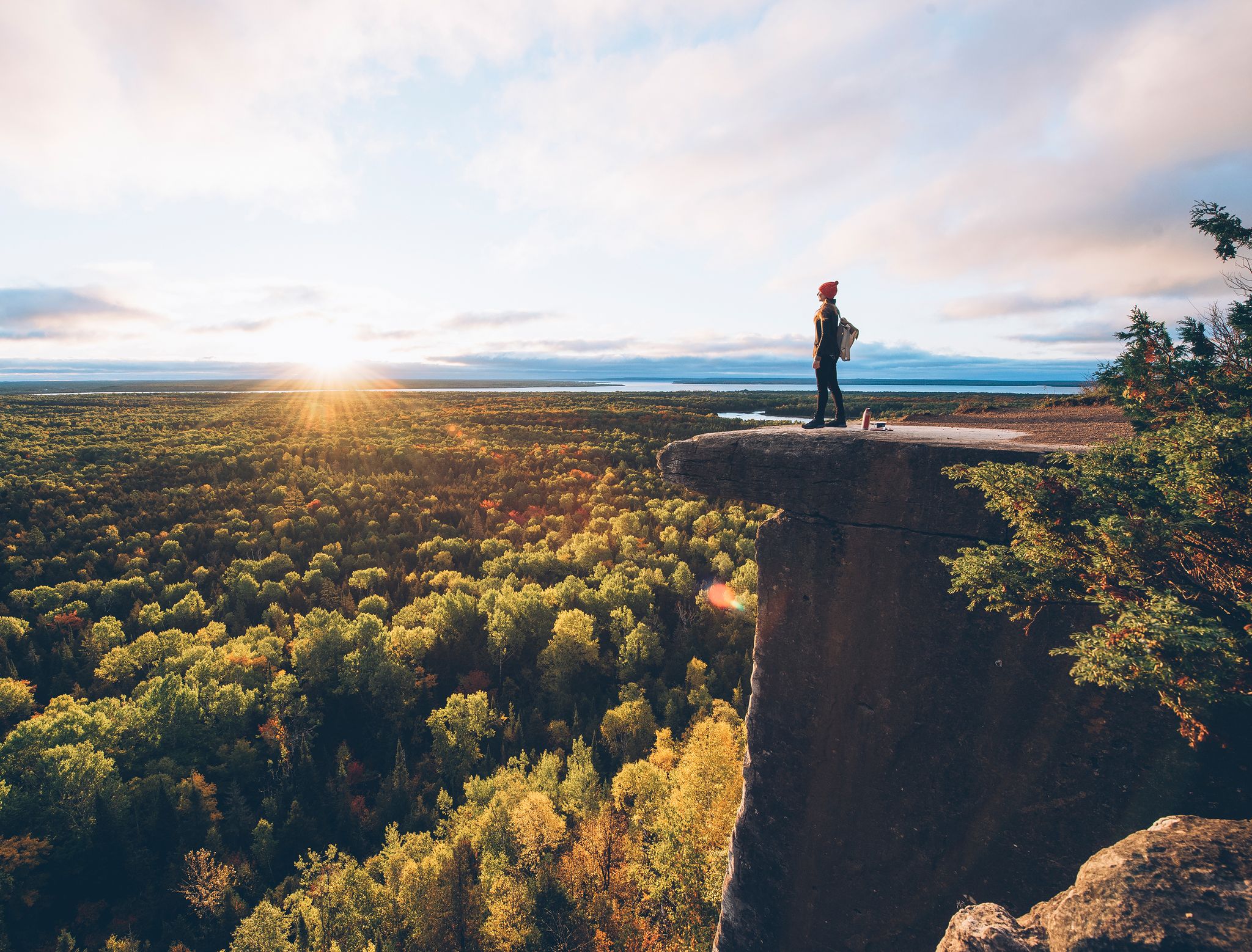
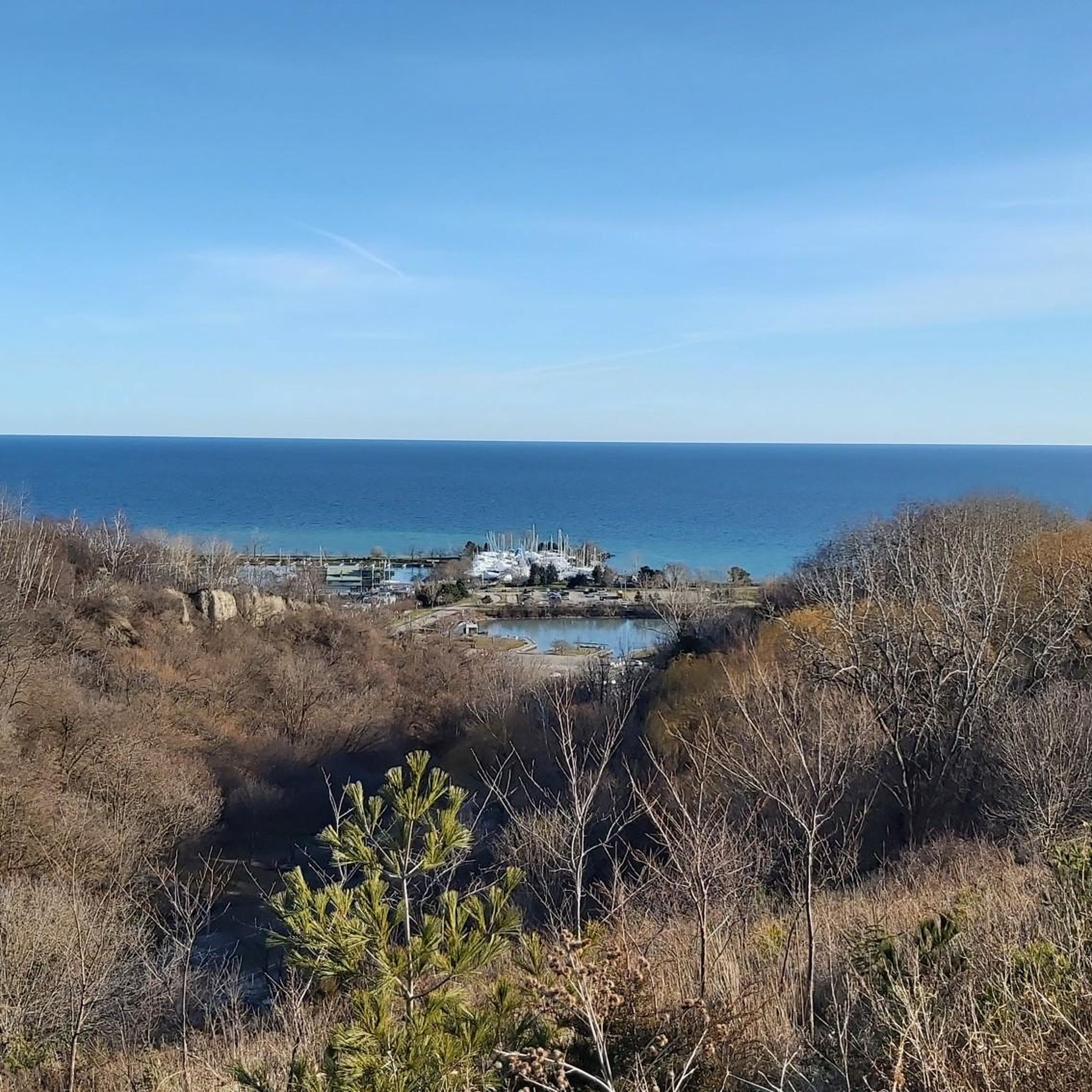
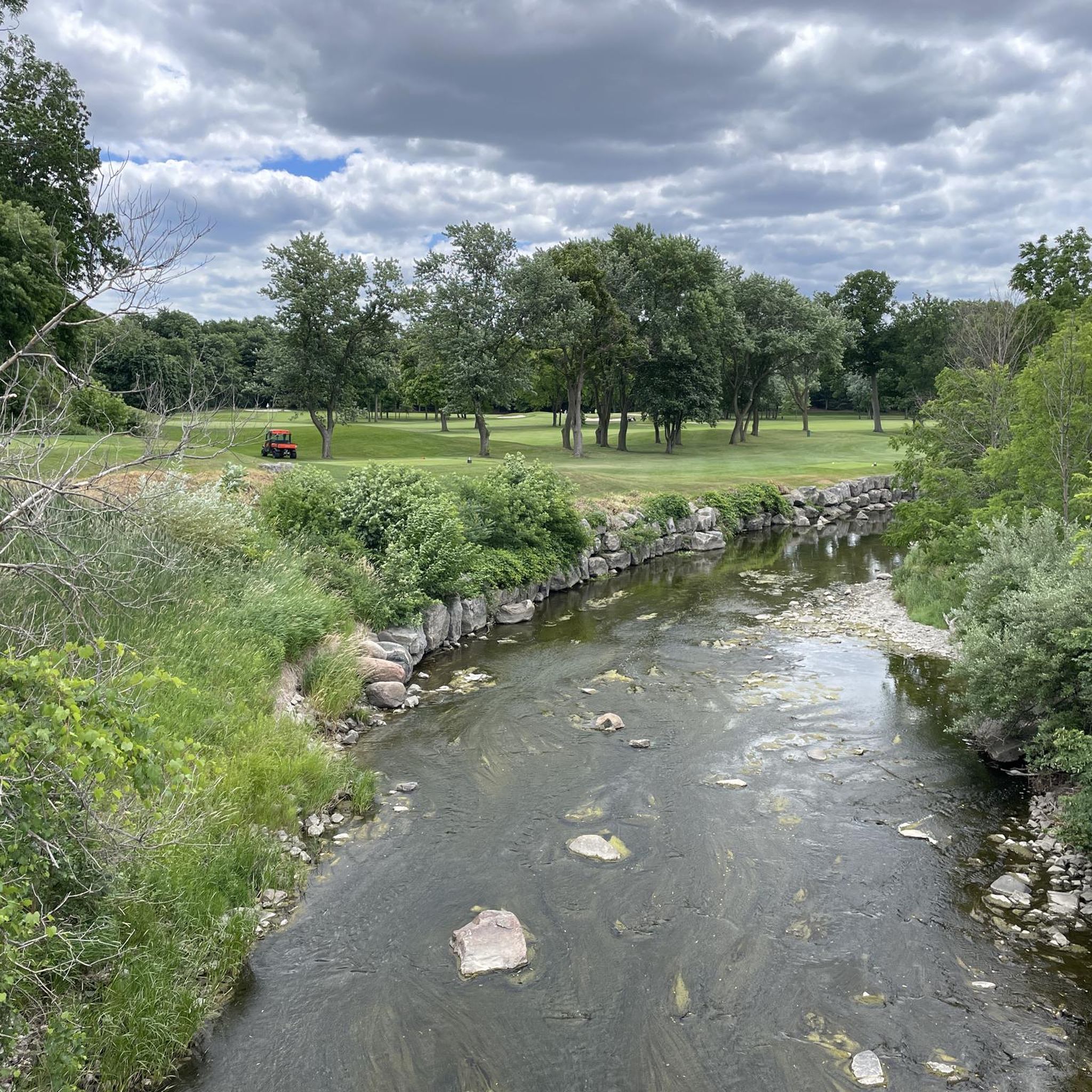
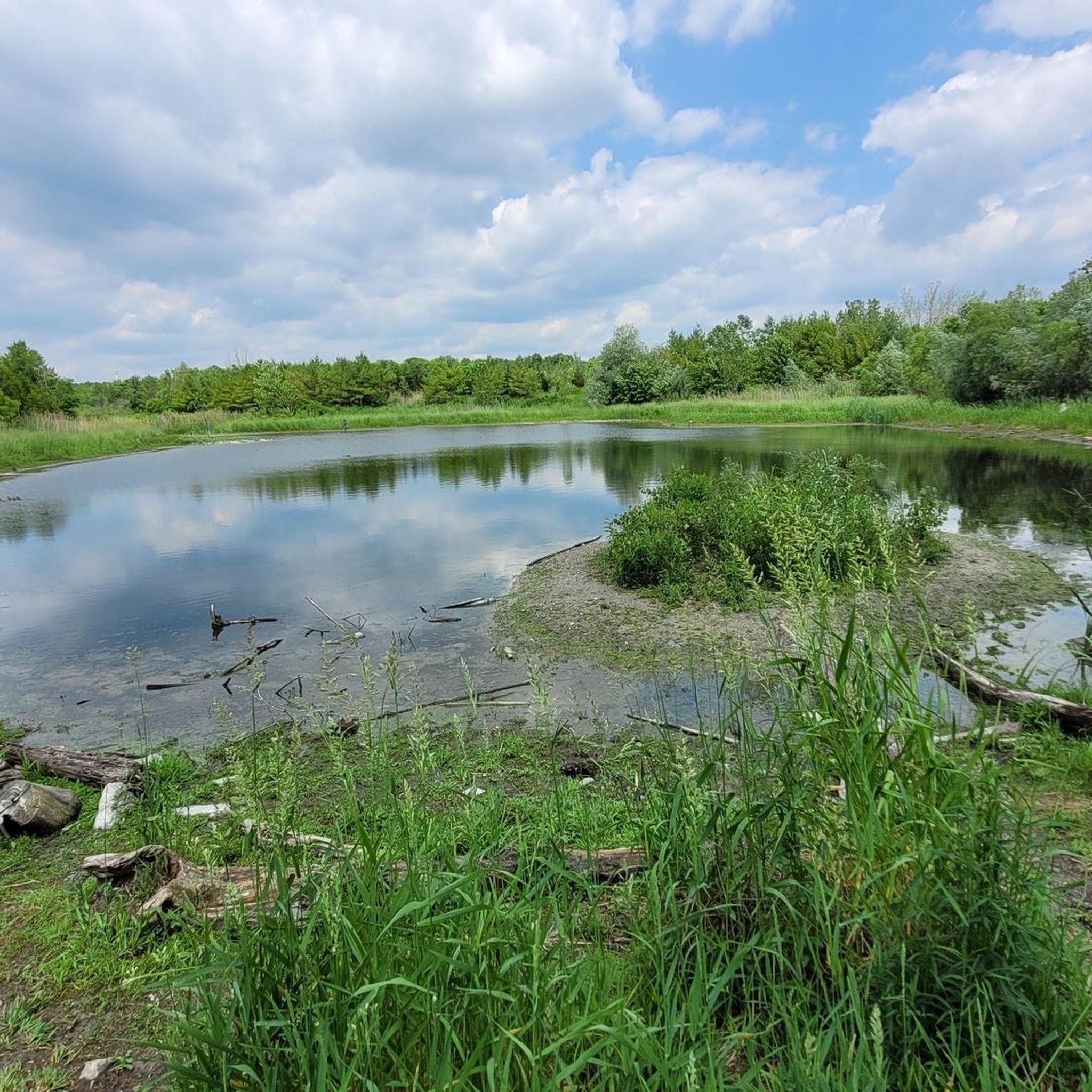
Hiking trails around Toronto offer diverse outdoor experiences within and near the bustling city. The region is characterized by extensive river valleys and ravines, providing lush green spaces and urban wilderness. The waterfront along Lake Ontario also features numerous paths, while connections to the Niagara Escarpment offer more rugged terrain and panoramic views just outside the city limits. These varied landscapes provide a range of hiking opportunities for different skill levels.
Best hiking trails around Toronto
- The most popular hiking route is Toronto Islands Loop, a 8.2 miles (13.3 km) trail that takes 3 hours 20 minutes to complete, offering views of the city skyline and Lake Ontario.
- Another top favourite among local hikers is Wilket Creek Trail, an easy 2.4 miles (3.8 km) path. This route follows Wilket Creek through a naturalized urban park setting.
- Local hikers also love the Central Ravines, Belt Line & Gardens Discovery Walk, a 3.8 miles (6.1 km) trail leading through urban ravines and green spaces, often completed in about 1 hour 38 minutes.
- Hiking around Toronto is defined by extensive river valleys, the Lake Ontario waterfront, and accessible urban parks. The network offers options for different ability levels, from easy strolls to moderate day hikes.
- The routes in Toronto are highly rated by the komoot community with an average score of 4.6 stars from over 290 reviews. More than 3000 hikers have used komoot to explore Toronto's varied terrain.
Last updated: October 5, 2026
4.8
(13)
82
hikers
13.3km
03:21
20m
20m
Moderate hike. Good fitness required. Easily-accessible paths. Suitable for all skill levels.
5.0
(2)
40
hikers
6.07km
01:38
70m
70m
Easy hike. Great for any fitness level. Easily-accessible paths. Suitable for all skill levels.

4.0
(1)
51
hikers
3.82km
01:00
30m
30m
Easy hike. Great for any fitness level. Easily-accessible paths. Suitable for all skill levels.
41
hikers
7.75km
01:57
10m
10m
Easy hike. Great for any fitness level. Easily-accessible paths. Suitable for all skill levels.
5.0
(2)
37
hikers
14.4km
03:39
40m
40m
Moderate hike. Good fitness required. Easily-accessible paths. Suitable for all skill levels.
Get access to more routes and recommendations from other explorers.
Already have an account?
Our route recommendations are based on thousands of hikes, rides, and runs completed by other people on komoot.
Start today with a free account
Your next adventure awaits.


Tips from the Community

The Toronto Music Garden is a three-acre waterfront park on the Harbourfront in Toronto. Designed in 1999 by landscape designer Julie Moir Messervy in collaboration with world-renowned cellist Yo-Yo Ma, the park physically interprets Johann Sebastian Bach's first suite for unaccompanied cello in six landscape movements. https://jmmds.com/portfolio/the-toronto-music-garden/ https://www.heritagetoronto.org/explore/toronto_harbour_waterfront_history/toronto-music-garden-leisure/ (Visit on June 21, 2026)
0
0
Today's built land was once part of Toronto's inner harbour until it was filled in the 1800s. Since the early 1940s, the historic Toronto Postal Delivery Building was located on the site. When the arena was built in the late 1990s, the original postal building was preserved and integrated into the new building structure. In early 1999, the arena opened under the name Air Canada Centre; in mid-2018, it was renamed Scotiabank Arena – after a deal with Bank of Nova Scotia. The arena, with 18,000 spectator seats, is directly connected to Union Station; it is home to the Toronto Maple Leafs (NHL) and the Toronto Raptors (NBA). Source: https://www.scotiabankarena.com/venue-information/about/history
0
0

Sunnyside Beach is a beautiful sandy waterfront spot with open lake views, seasonal swimming areas, and easy access to the waterfront trail used by walkers and cyclists. Nearby facilities and historic structures, including the Sunnyside Pavilion, make it a popular stop along the Western Ravines & Beaches Boardwalk route.
0
0
HTO West is a relaxed urban waterfront park with a sand-covered beach area, Muskoka chairs, and bright yellow umbrellas, with views across Toronto Harbour to the Toronto Islands. While swimming is not permitted, its terraced lawns and boardwalk connection make it a popular spot for sunbathing, picnicking, and watching boats pass by.
0
0

Located at the western tip of Centre Island, the Gibraltar Point Lighthouse is one of Toronto’s oldest landmarks. Built in 1808, it once guided ships approaching the harbour, at a time when navigation on Lake Ontario was far more perilous than it is today. Surrounded by trees and set back slightly from the beach, its simple stone silhouette contrasts with the modern skyline visible in the distance.
1
0
Sunnybrook Park is one of Toronto’s largest urban green spaces, with over 60 hectares of forest, meadows, and multi-use trails in the heart of the city. Originally the site of the Kilgour family’s Sunnybrook Farm, the land was donated to the town in 1928 and now features sports fields, picnic areas, off-leash dog areas, and Sunnybrook Stables. It connects to the Don Valley trail network and nearby Edwards Gardens, and is a favourite spot for walkers, cyclists, and families to enjoy Toronto’s natural corridors.
0
0
Edwards Gardens is a picturesque public park and former estate garden known for its lush plantings, peaceful trails, and connection to the Toronto Botanical Garden. There are lovely wooded paths to explore, a charming arboretum, and the adjacent Teaching Garden, making it a favourite spot for nature walks, photography, and family outings.
0
0
Loring-Wyle Parkette is a charming small green space filled with sculptures. Established in 1984, this parkette pays tribute to sculptors Frances Loring and Florence Wyle, featuring works such as "Dawn" by Loring and "Draped Torso" by Wyle. It's a peaceful, art-filled corner of Moore Park, transforming a former streetcar loop into a public homage to two of Toronto’s most influential sculptors.
0
0
Frequently Asked Questions
How many hiking trails are there in Toronto?
Toronto offers a wide variety of hiking experiences, with over 330 routes available. These range from easy urban strolls to more challenging trails in conservation areas just outside the city.
Are there family-friendly hiking options in Toronto?
Yes, Toronto is rich in family-friendly hiking options. Over 220 of the routes are rated as easy, perfect for all ages. Parks like Rouge National Urban Park and High Park offer accessible trails, and the extensive river valleys provide gentle paths through nature within the city.
Can I hike with my dog in Toronto?
Many trails and parks in Toronto are dog-friendly, generally requiring dogs to be on a leash. Areas like the Don Valley Trails and parts of Rouge National Urban Park are popular choices for dog walkers. Always check specific park regulations before you go, as some conservation areas may have restrictions.
Are there any circular hiking routes around Toronto?
Yes, Toronto features several excellent circular routes. A notable example is the Toronto Islands Loop, which offers stunning city skyline views and a unique island experience. Many trails within the city's ravines and parks also form convenient loops.
What kind of natural landscapes can I expect to see while hiking near Toronto?
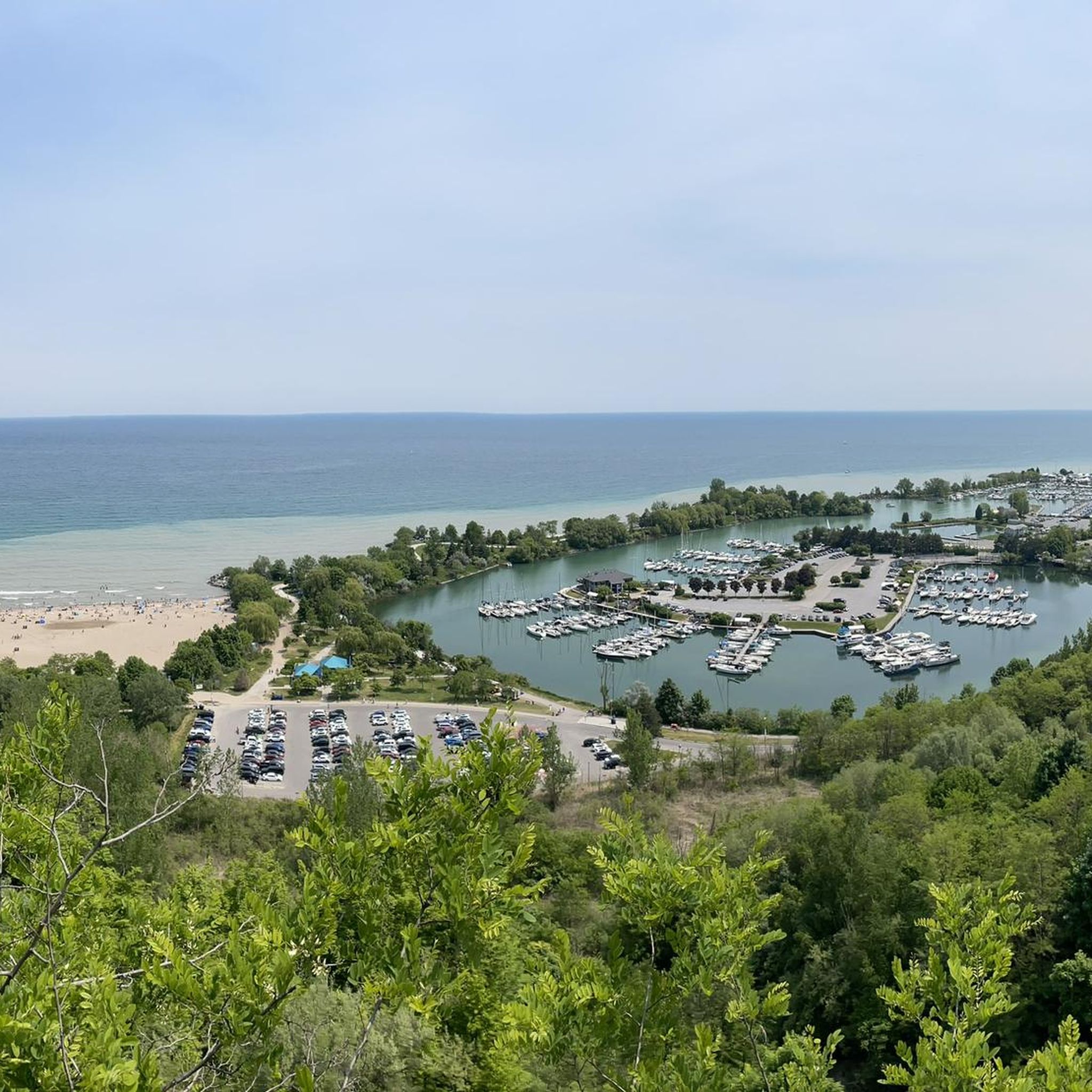
Toronto's hiking landscape is incredibly diverse. You can explore the dramatic cliffs of the Scarborough Bluffs overlooking Lake Ontario, wander through the lush river valleys like the Don and Humber, or venture just outside the city to the Niagara Escarpment for panoramic views and ancient cedar forests in areas like Rattlesnake Point and Mono Cliffs Provincial Park.
Are there any trails with waterfalls near Toronto?
Absolutely! While within Toronto's immediate limits, large waterfalls are rare, just a short drive away you'll find spectacular options. Hilton Falls Conservation Area is renowned for its scenic waterfall, and Spencer Gorge Conservation Area (home to Dundas Peak) features both Tews and Webster's Falls, offering breathtaking natural beauty.
What are some good options for easy hikes in Toronto?
For easy hikes, Toronto offers numerous choices. The Wilket Creek Trail is a gentle path through a naturalized urban park. The Woodbine and Balmy Beach via The Boardwalk offers a flat, scenic walk along the waterfront. Many of the city's 225 easy routes are perfect for a relaxed outing.
Can I access hiking trails in Toronto using public transport?
Yes, many of Toronto's urban hiking trails are well-served by public transport. Rouge National Urban Park, for instance, is easily accessible by TTC. The city's extensive ravine system, including parts of the Don Valley Trails, can also be reached via various bus and subway routes, allowing for car-free exploration.
What attractions or landmarks can I see along Toronto's hiking trails?
Hiking in Toronto often brings you close to significant landmarks and natural features. Along the waterfront, you might spot the Humber Bay Arch Bridge or the Inukshuk on the Toronto Waterfront. In the city's green spaces, you can explore places like Edwards Gardens and Toronto Botanical Garden, or follow trails like the Kay Gardner Beltline Trail.
What do other hikers enjoy most about hiking in Toronto?
The komoot community highly rates Toronto's hiking experiences, with an average score of 4.6 stars from over 290 reviews. Hikers frequently praise the unexpected natural beauty within an urban setting, the well-maintained paths, and the diverse range of trails that cater to different skill levels, from serene river walks to more challenging escarpment climbs.
Are there any challenging hikes for experienced hikers near Toronto?
While many trails are easy to moderate, experienced hikers can find more challenging terrain, particularly along the Niagara Escarpment. Areas like Rattlesnake Point and Mono Cliffs Provincial Park offer trails with significant elevation changes and rugged paths, providing a more strenuous workout and rewarding views.
When is the best time of year to hike in Toronto?
Each season offers a unique hiking experience in Toronto. Spring brings lush greenery and blooming flowers, while summer is ideal for waterfront trails and shaded ravines. Autumn is particularly stunning for fall foliage, especially in areas like Rouge National Urban Park and the conservation areas. Even winter offers opportunities for peaceful, snow-covered walks, though some trails may require appropriate gear.
Are there any hidden gem hiking spots in or around Toronto?
Beyond the well-known parks, Toronto and its surroundings hold several hidden gems. Altona Forest in Pickering offers tranquil trails through wetlands and dense woodlands, rich in biodiversity and often less crowded. Exploring the lesser-known sections of the Don Valley or Humber River trails can also reveal peaceful, secluded spots within the city.
Most popular routes around Toronto
Most popular attractions around Toronto

Get inspired with the komoot mobile app


Explore more
Browse the best Hikes in other regions.
