The best gravel rides around Clohars-Fouesnant
4.5
(189)
1,144
riders
42
rides
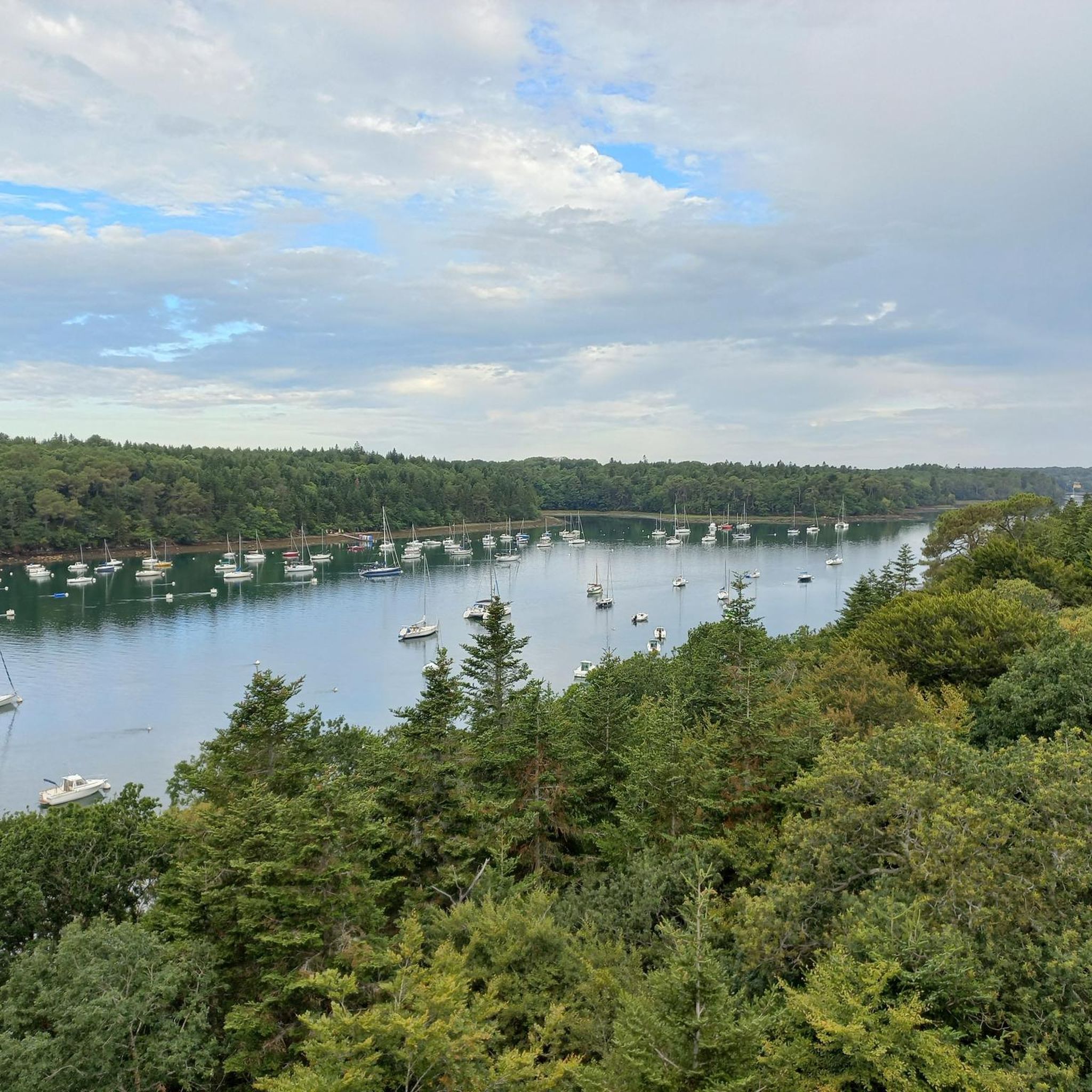
Gravel biking around Clohars-Fouesnant offers diverse landscapes, combining coastal paths, scenic valleys, and wooded areas. The region features the Odet Valley with its rolling hills and the Mousterlin Marshes, a Natura 2000 area with a 7.5-mile (12 km) gravel path. Woodlands like Domaine de Boutiguery and the Biotope des Marais de Mousterlin contribute to varied terrain. Over 100 miles (160 km) of car-free cycle paths and trails provide extensive opportunities for exploration.
Best gravel bike trails around Clohars-Fouesnant
- The most…
Last updated: August 13, 2026
4.4
(42)
231
riders
42.0km
02:13
160m
160m
Moderate gravel ride. Good fitness required. Mostly paved surfaces. Suitable for all skill levels.
4.5
(15)
44
riders
27.9km
01:45
140m
140m
Easy gravel ride. Great for any fitness level. Mostly paved surfaces. Suitable for all skill levels.

Sign up for free
5.0
(1)
5
riders
55.2km
03:21
500m
500m
Hard gravel ride. Very good fitness required. Mostly paved surfaces. Suitable for all skill levels.
4.7
(6)
15
riders
38.4km
02:08
210m
210m
Moderate gravel ride. Good fitness required. Mostly paved surfaces. Suitable for all skill levels.
5.0
(1)
23
riders
10.4km
00:31
20m
20m
Easy gravel ride. Great for any fitness level. Mostly paved surfaces. Suitable for all skill levels.
Get access to more routes and recommendations from other explorers.
Sign up for free
Already have an account?
Our route recommendations are based on thousands of hikes, rides, and runs completed by other people on komoot.
Start today with a free account
Your next adventure awaits.
Login or Signup
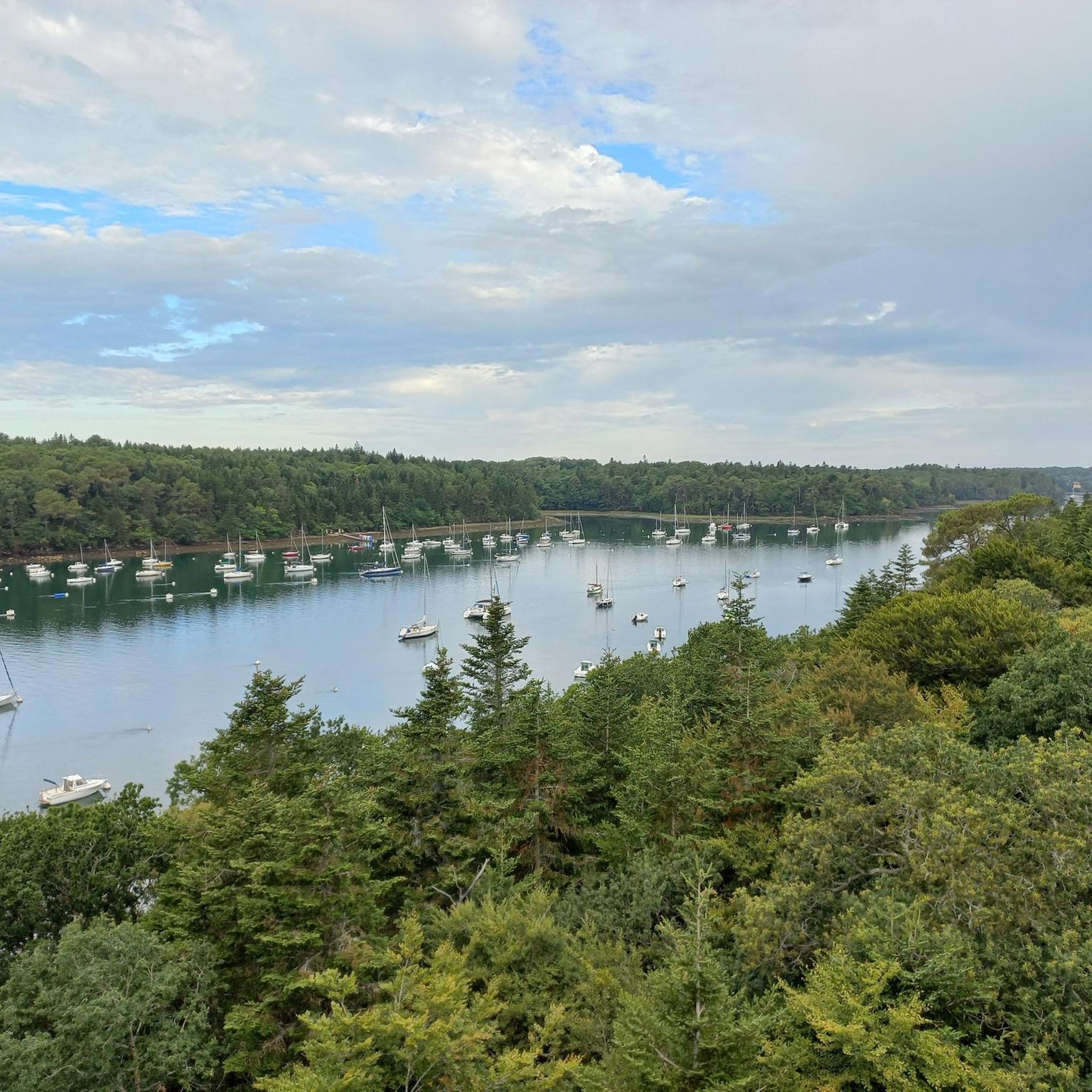
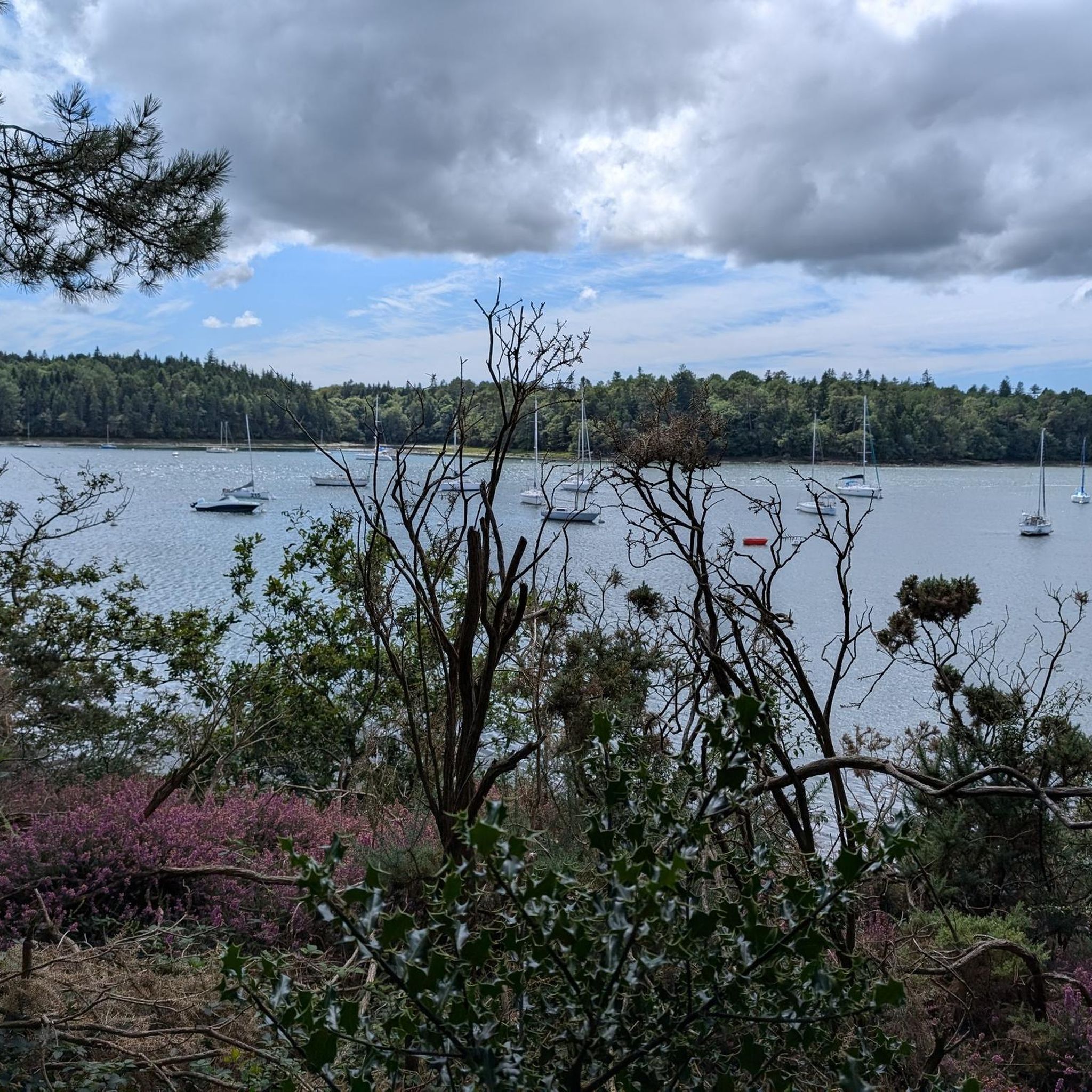
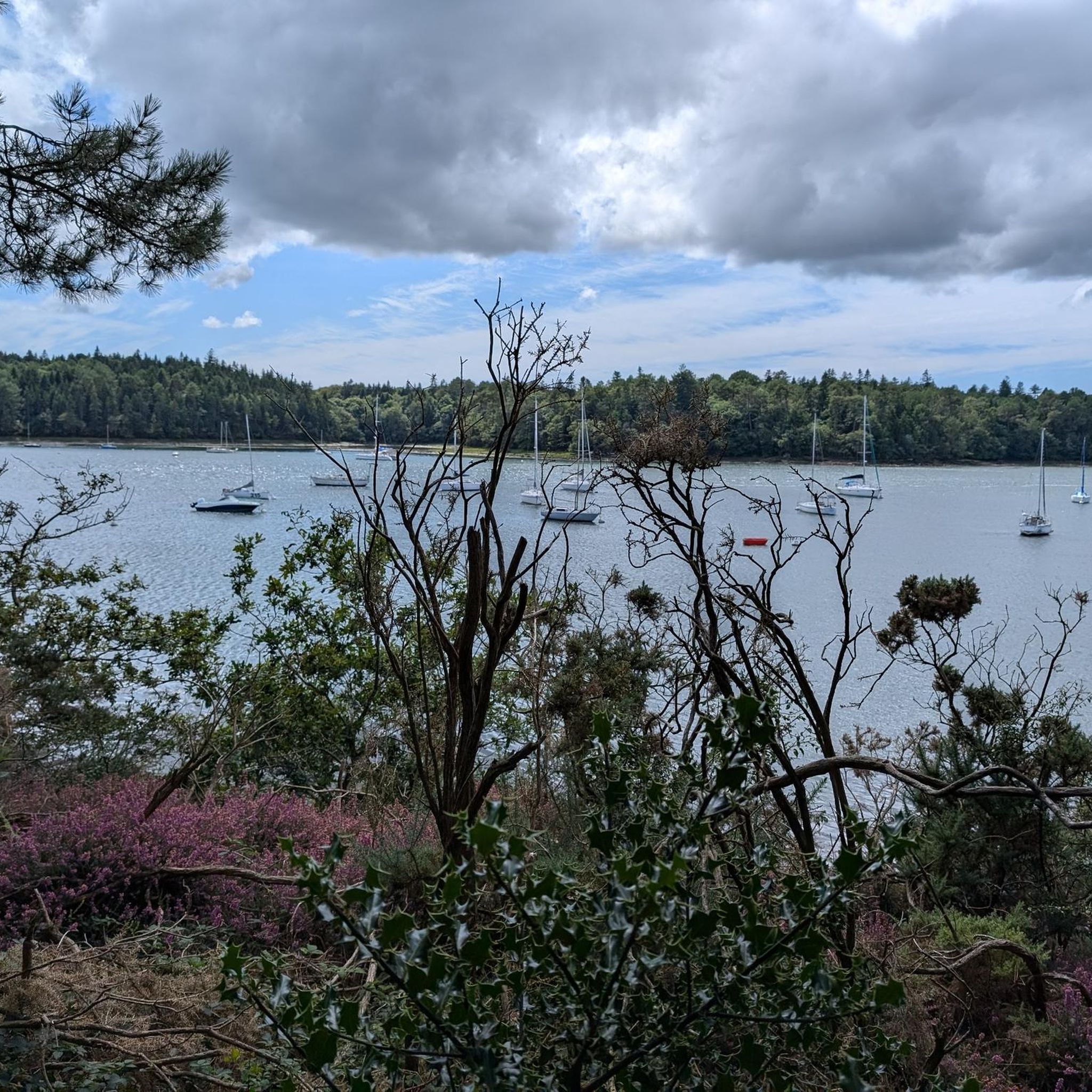
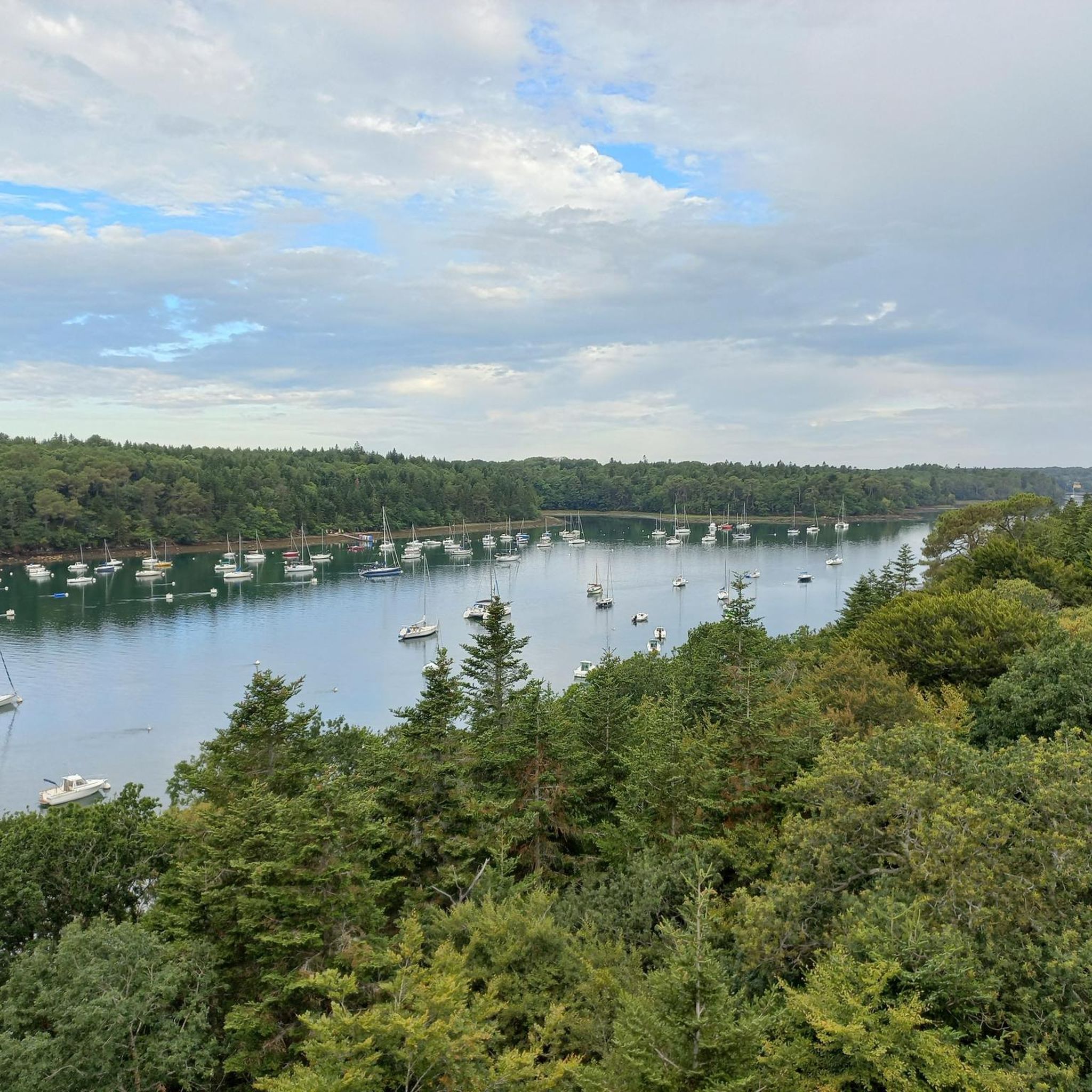
Tips from the Community


The church, in grey granite, is dedicated to St-Tugdual, an evangelizer also called Pabu or Tudy. The building, whose oldest parts date back to the 14th and 15th centuries, has a classic plan comprising a six-bay nave with aisles. In 1675, the church of St-Tugdual was the starting point of the Bonnets Rouges (Red Caps) insurrection in the Pays Bigouden. In retaliation, King Louis XIV ordered the demolition of the bell tower. The parishioners only received permission to rebuild it in 1774. Like many churches or chapels in Lower Brittany, the church of St-Tugdual features carved tie beams. The oldest, dating from 1549, are among the most interesting and original in the Pays Bigouden. From its history, this church has inherited a rich and varied furniture, much of which is now classified or listed as a Historic Monument.
1
0

Superb naturist beach! Family attendance.
0
0

Nice shady path.
1
0


In 1239, Bishop Raynaud commissioned the construction of Saint-Corentin Cathedral. It was built on the foundations of a Romanesque cathedral. Construction lasted three centuries. In 1410, the choir vaults were completed and the windows were installed. In 1424, construction began on the nave and the two towers of the facade. The reconstruction was completed in 1515. The two towers were finally finished between 1854 and 1856. A distinctive feature is its kink in the main axis. The reason for this design element is unclear. Several theories exist. One suggests that it emphasizes the crucifix. Another posits that it is due to the stability of the foundation. Yet another suggests that the kink reflects the inclined head of the crucified Jesus. Following the completion of renovations in December 1999, the cathedral can now be admired as it was decorated at the end of the 15th century. The same colors as in the original, i.e., ochre yellow and ochre red, were used in lime plaster on the rib vaults. Numerous chapels are situated around the chancel, dating from various periods between the 13th and 16th centuries. Excerpts from https://de.wikipedia.org/wiki/Kathedrale_Saint-Corentin
3
0

Bénodet is a small French commune with 3,878 inhabitants (as of January 1, 2022) in the Cornouaille region. It is located in Brittany, in the Finistère department, in the Quimper arrondissement. The name "Bénodet" comes from the Breton language: "Ben" means "head," and "Odet" is the river on which the commune lies. The commune is thus located at the head (or mouth) of the Odet. The commune is located in the Cornouaille region, 13 kilometers (8.2 miles) south of the city of Quimper, at the mouth of the wide, deep Odet estuary, which cuts deep into the land, into the Atlantic Ocean. The Odet estuary is crossed north of the commune by the Pont de Cornouaille, a high road bridge. The more popular tourist towns of Concarneau and Pont-l'Abbé are just a few kilometers away.
2
0

The Port of Sainte-Marine is a picturesque marina and seaside resort located at the mouth of the Odet River in Brittany, France, near the municipality of Combrit in the Finistère department. It's a popular destination for sailors and tourists, known for its charming atmosphere with cafés, restaurants, old stone houses, and a historic chapel. The port also offers a pedestrian ferry to Bénodet on the opposite bank of the river.
3
0
Frequently Asked Questions
What kind of terrain can I expect on gravel bike trails around Clohars-Fouesnant?
The region offers a diverse mix of landscapes, perfect for gravel biking. You'll find coastal paths, scenic valleys like the Odet Valley with its rolling hills, and wooded areas such as the Domaine de Boutiguery. The "White Sea" (Mer Blanche) at Mousterlin features a 12-kilometer special gravel path, and there are over 160 km of car-free cycle paths and trails in areas like Penfoulic and Mousterlin.
How many gravel bike routes are available in the Clohars-Fouesnant area?
There are nearly 60 gravel bike routes around Clohars-Fouesnant. These range from easy coastal loops to more moderate routes with varied terrain, ensuring options for different skill levels.
Are there easy gravel bike trails suitable for beginners or families?
Yes, Clohars-Fouesnant offers 22 easy gravel routes. An excellent option for a relaxed ride is the Île-Tudy – View of Ile Tudy loop from Bénodet, which is 20.7 km long and offers pleasant coastal scenery. Another easy choice is the Kerler Beach – Mousterlin Point loop from Pont Henvez, covering 21.6 km through coastal areas and natural reserves.
What are some notable natural features or landmarks I can see while gravel biking?
You can explore several natural highlights and landmarks. The Odet Valley is known for its picturesque views, and the Odet river mouth at Beg ar Vir offers stunning vistas of the Pont de Cornouaille bridge. You can also visit the Biotope of the Mousterlin Marshes and the Pointe de Mousterlin for diverse ecosystems and birdwatching. For historical interest, consider routes that pass by châteaux like Kergos, Bodinio, and Cheffontaines, or even the View of Château de Cheffontaines.
What do other gravel bikers say about the trails in Clohars-Fouesnant?
The gravel biking routes in Clohars-Fouesnant are highly rated by the komoot community, with an average score of 4.5 stars from over 200 reviews. More than 1,200 gravel bikers have used komoot to explore the varied terrain, often praising the diverse landscapes, from coastal paths to wooded areas, and the well-maintained car-free cycle paths.
Are there any longer or more challenging gravel routes for experienced riders?
Yes, for more experienced riders, there are 29 moderate and 8 difficult routes. A moderate option is the Kerler Beach – Mousterlin Point loop from Fouesnant, which is 42 km long and explores coastal stretches and natural features. Another moderate route is the Saint-Corentin Cathedral – Quimper loop from Gouesnach, covering 44.2 km with more elevation gain.
Can I find routes that are circular or loop back to the starting point?
Many of the gravel routes in Clohars-Fouesnant are designed as loops, allowing you to start and finish in the same location. Examples include the Île-Tudy – View of Ile Tudy loop from Bénodet and the Kermor Dyke – View of Ile Tudy loop from Combrit, which offer convenient circular options for exploration.
What kind of wildlife or natural areas can I encounter on the trails?
The region is rich in natural beauty. The Odet river mouth at Beg ar Vir is a haven for various bird species, including woodpeckers, buzzards, and cuckoos, thanks to its wooded sections of oaks, beeches, and hollies. The Biotope des Marais de Mousterlin and Pointe de Mousterlin also showcase diverse ecosystems with exceptional flora and fauna, making them great spots for birdwatching.
Are there any specific cycling paths or greenways in the area?
Yes, Clohars-Fouesnant and its surroundings are well-equipped with cycling infrastructure. The region boasts over 160 km of car-free cycle paths, providing ample opportunities for gravel biking. You can also access sections of the famous GR 34 trail, and the Concarneau–Coat Conq Greenway is another notable path for cyclists.
Are there any cultural or historical sites near the gravel biking routes?
Beyond natural scenery, Clohars-Fouesnant offers cultural points of interest. You can find charming sites like the Moulin du Pont Réan and the historic Église Saint-Étienne. The presence of châteaux such as Kergos, Bodinio, and Cheffontaines adds to the rich heritage of the area, with some routes offering views of these historical structures.
Is there public transport access to the gravel bike trails in Clohars-Fouesnant?
While specific public transport connections directly to trailheads may vary, the region is generally accessible. For detailed information on local bus services or train connections to nearby towns like Quimper, which can serve as a starting point for some routes, it's best to consult local transport authorities or the official tourism website for Fouesnant: tourisme-fouesnant.fr.
Where can I find information about parking for cyclists in Clohars-Fouesnant?
Many trailheads and popular starting points for gravel routes, especially in towns like Fouesnant, Bénodet, or near attractions like Mousterlin Point, offer designated parking areas. For specific parking locations, it's advisable to check the details provided on individual komoot tour pages or consult local tourism resources, such as the official tourism site for La Forêt-Fouesnant: foret-fouesnant-tourisme.com.
Most popular routes around Clohars-Fouesnant
Most popular attractions around Clohars-Fouesnant

Get inspired with the komoot mobile app


Explore more
Browse the best Gravel rides in other regions.
