The best gravel rides around Plombières-Lès-Dijon
4.4
(112)
722
riders
100
rides
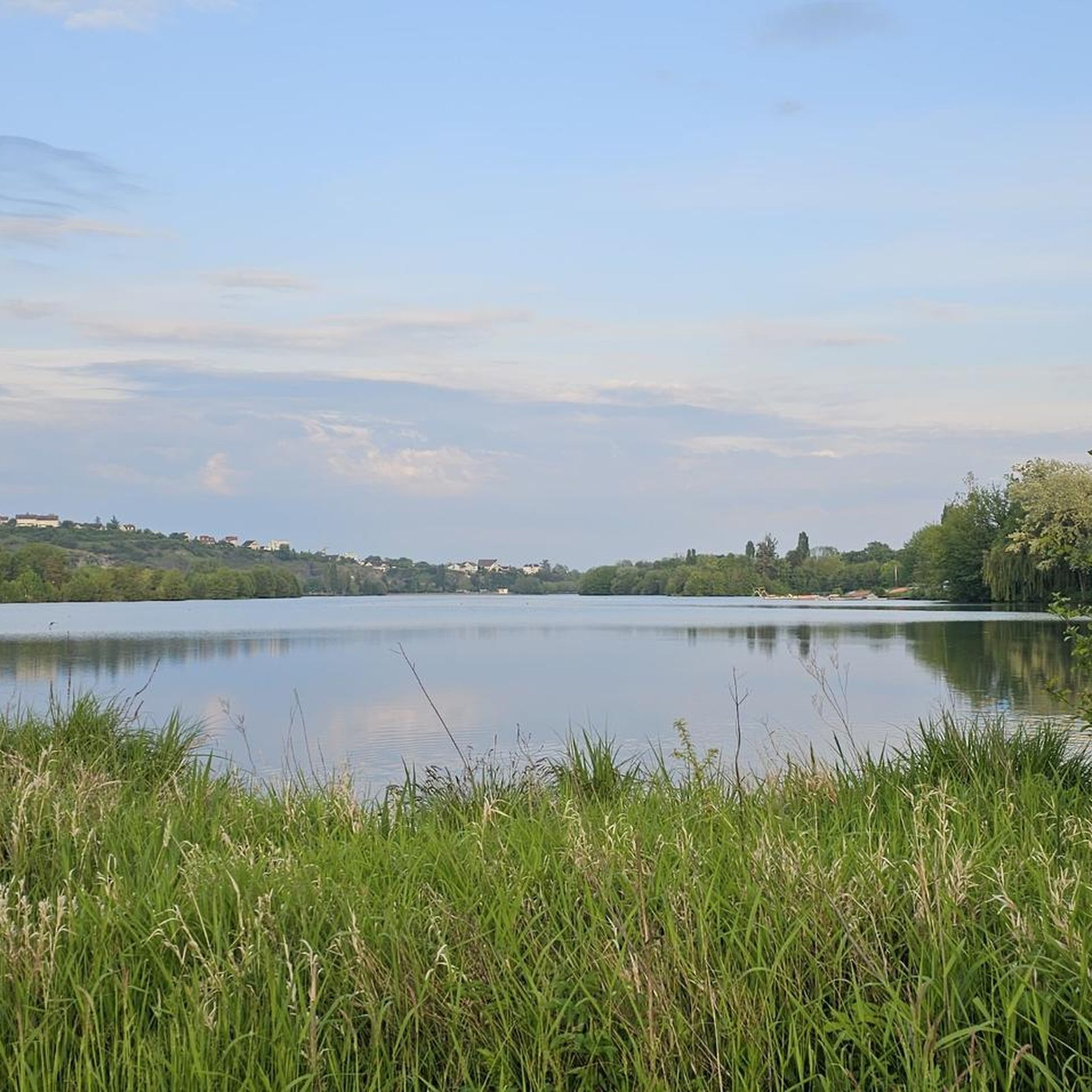
Gravel biking around Plombières-lès-Dijon offers diverse terrain through a verdant valley at the foot of limestone hills and forests. The region is characterized by the Ouche river and the Burgundy Canal, providing picturesque waterside routes. Riders can expect a mix of asphalt, dirt roads, forest tracks, and unpaved paths, with varied elevation gains. The landscape includes rolling hills, extensive vineyards, and dense woodlands, creating an ideal environment for gravel cycling.
Best gravel bike trails around Plombières-lès-Dijon
- The most popular gravel…
Last updated: October 19, 2026
4.6
(17)
80
riders
43.5km
02:52
130m
130m
Moderate gravel ride. Good fitness required. Mostly paved surfaces. Suitable for all skill levels.
5.0
(1)
17
riders
Moderate gravel ride. Good fitness required. Mostly paved surfaces. Suitable for all skill levels.

16
riders
25.0km
01:44
300m
300m
Moderate gravel ride. Good fitness required. Mostly paved surfaces. Suitable for all skill levels.
4.3
(3)
21
riders
18.2km
01:11
210m
210m
Moderate gravel ride. Good fitness required. Mostly paved surfaces. Suitable for all skill levels.
7
riders
51.3km
03:59
820m
820m
Hard gravel ride. Very good fitness required. Mostly paved surfaces. Suitable for all skill levels.
Get access to more routes and recommendations from other explorers.
Already have an account?
Our route recommendations are based on thousands of hikes, rides, and runs completed by other people on komoot.
Start today with a free account
Your next adventure awaits.
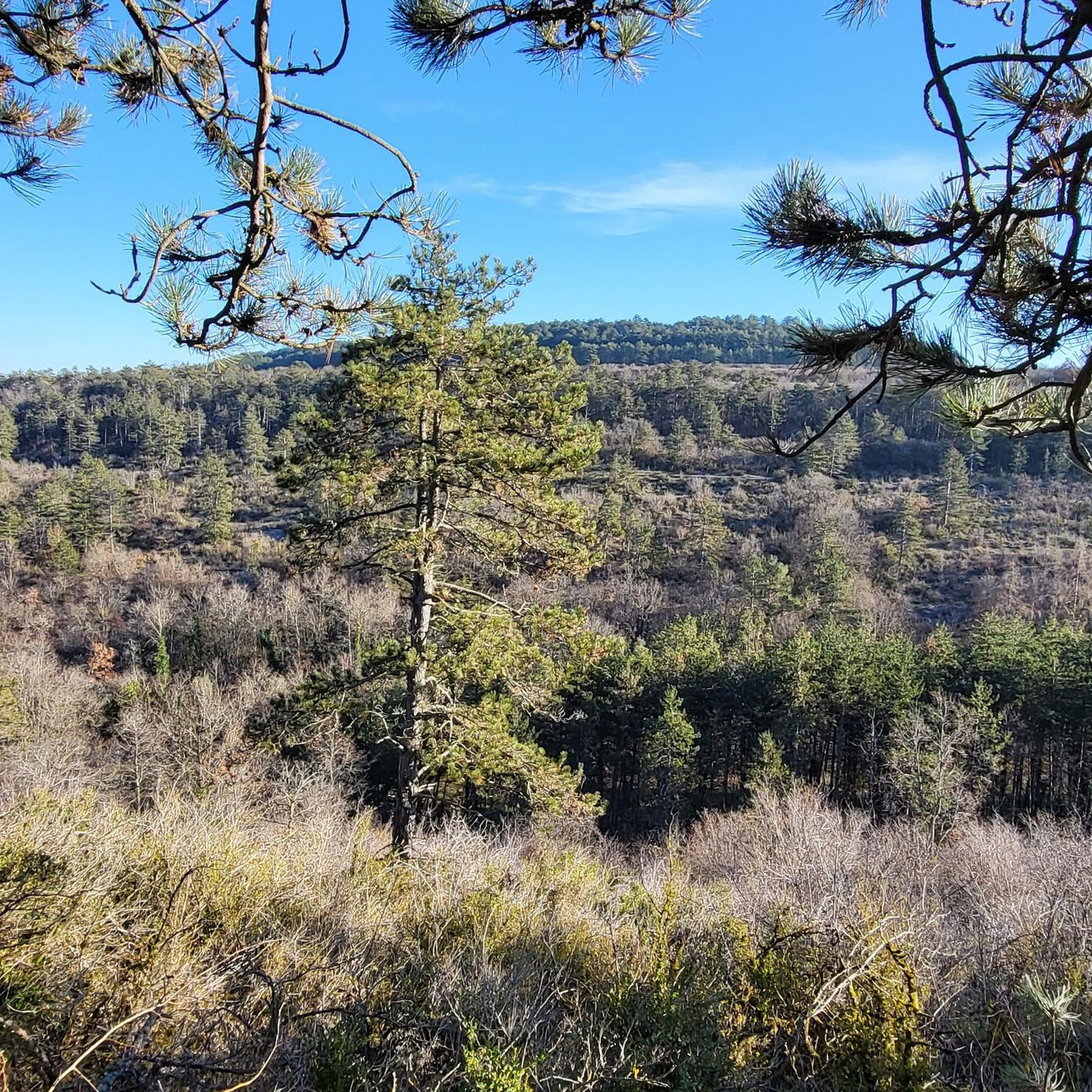
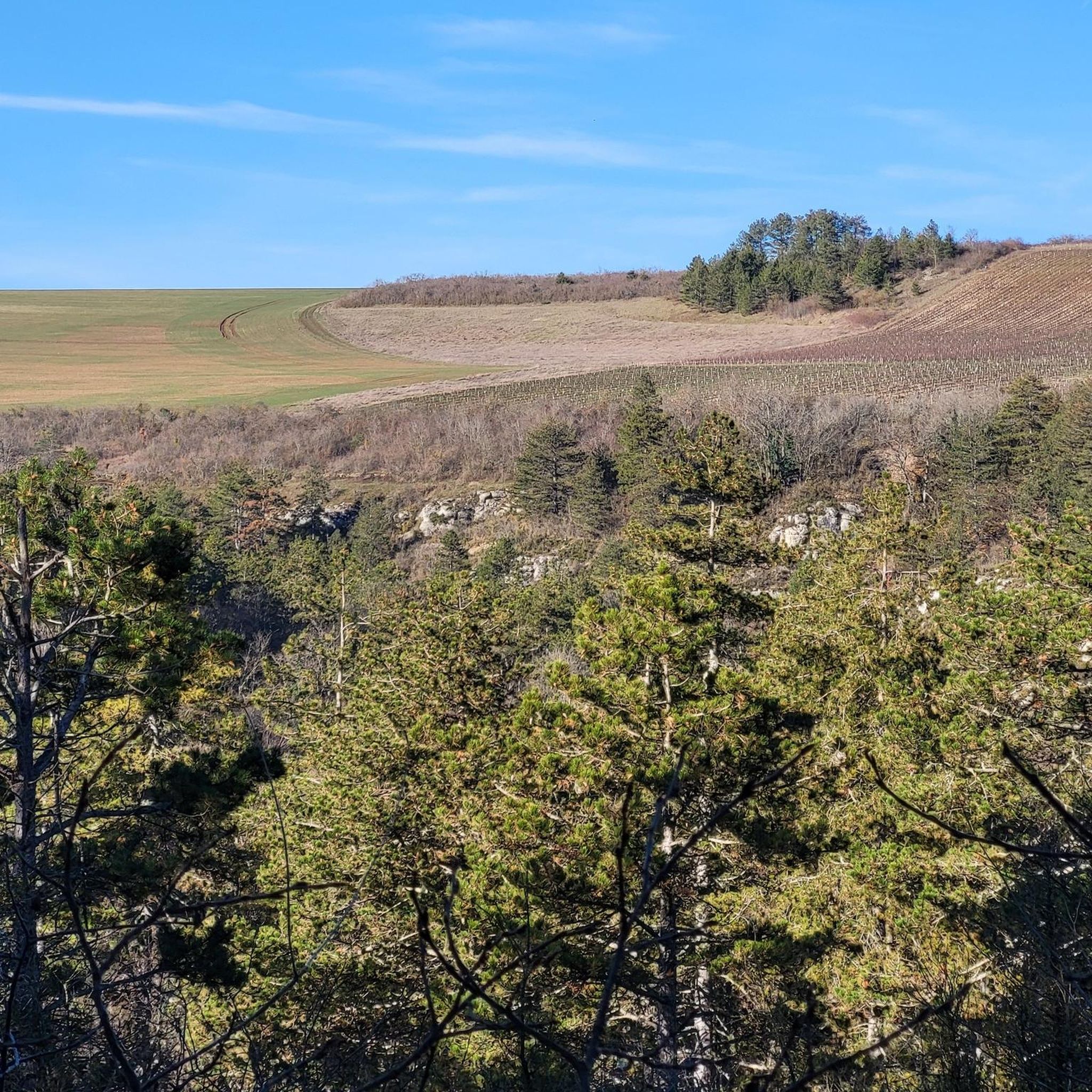
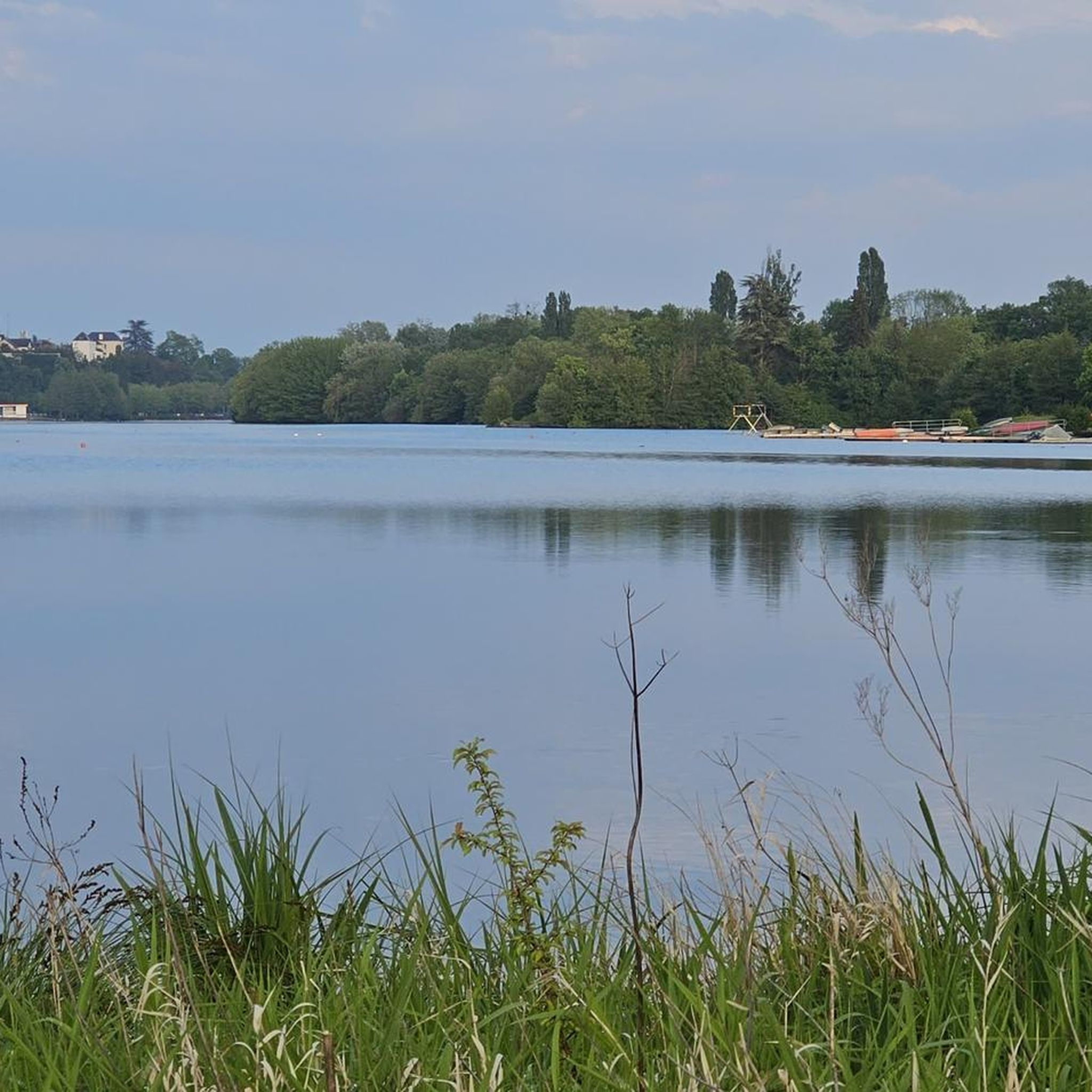
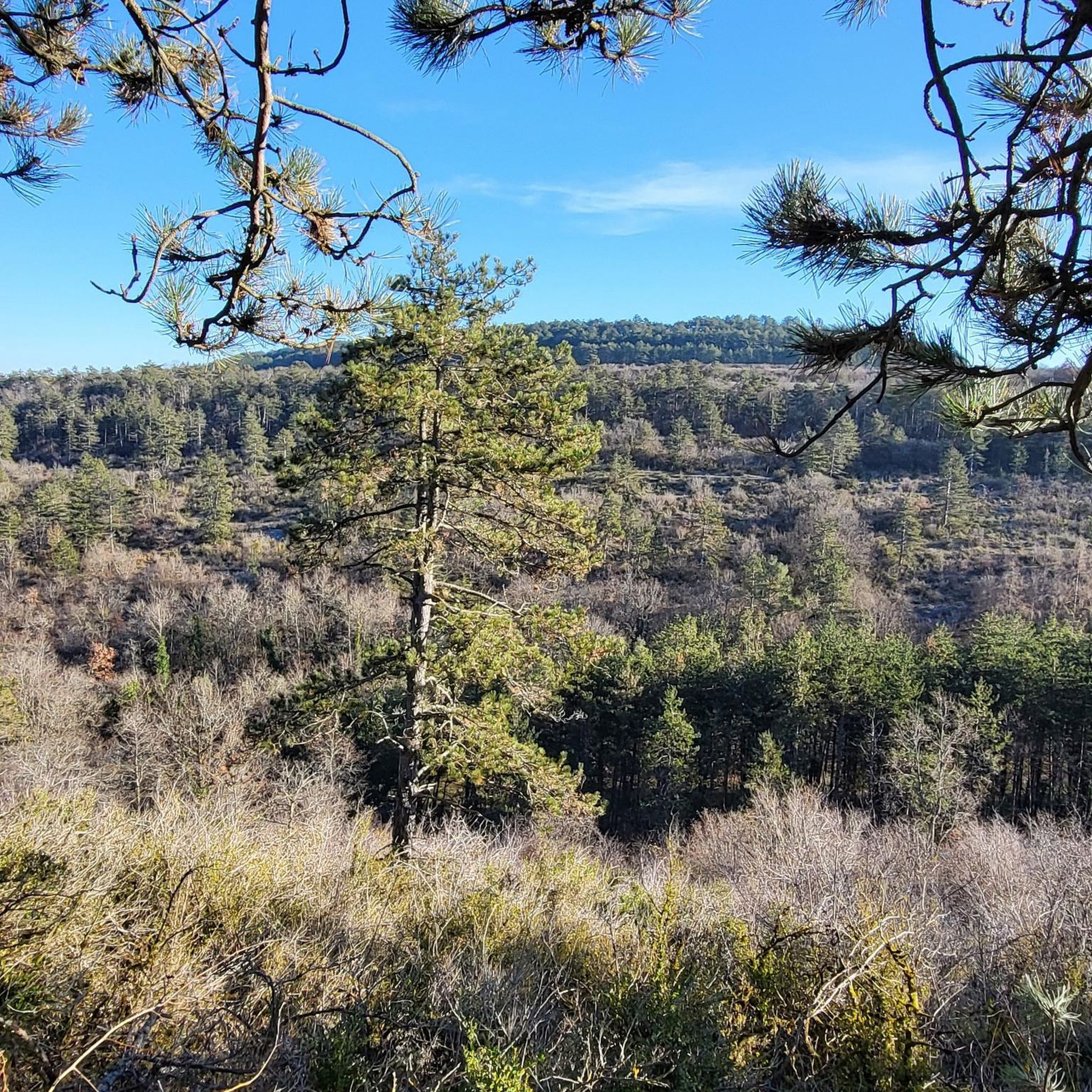
Tips from the Community

An old church that is now used as a theatre.
2
0
The Larrey Lock is lock number S54 on the Burgundy Canal.
2
0


A pleasant view of the Saône plain. Legend has it that you can see Mont Blanc from there when the view is clear ⛰️
0
0
A gentle climb to reach the plateau and access to the most interesting forest paths in the surrounding valleys. Take care when going downhill 🚀
0
1


nice view of the castle
0
0
Frequently Asked Questions
How many gravel bike trails are available around Plombières-Lès-Dijon?
There are over 100 gravel bike trails around Plombières-Lès-Dijon. The komoot community has recorded 125 routes, offering a wide range of options for different skill levels and preferences.
What kind of terrain can I expect on gravel bike trails in Plombières-Lès-Dijon?
You'll find a diverse mix of terrain, from asphalt and dirt roads to forest tracks and unpaved paths. The region features rolling hills, extensive vineyards, and dense woodlands, with routes often weaving along the Ouche river and the Burgundy Canal. Some trails offer gentle canal paths, while others present more challenging climbs with significant elevation gain.
Are there any easy gravel bike routes suitable for beginners or families?
Yes, there are several easier routes. While many trails are moderate to difficult, you can find options that are less demanding. For instance, routes along the Burgundy Canal tend to be flatter and more accessible. Look for routes marked as 'easy' to find suitable options for a more relaxed ride.
What are some scenic natural features or landmarks I can see while gravel biking?
The area is rich in natural beauty and historical sites. You can cycle through picturesque vineyards, along the Ouche river, and beside the Burgundy Canal. Notable natural features include the limestone hills and forests, and the 'Pelouses et combes de la Vallée de l'Ouche' Sensitive Natural Area. You might also pass by Lake Kir, a significant local recreational area, or explore parts of Dijon's historic center, such as Place de Libération or the half-timbered houses in Dijon's Old Town.
Are there any long-distance gravel bike routes in the area?
Yes, several routes offer longer distances. For example, the Naizou Fountain – Canal de Bourgogne loop from En Pandaillas covers approximately 49 kilometers, providing a substantial ride through varied landscapes. Another option is the Clos de Vougeot Castle – Chemin du Tacot loop from Corcelles-les-Monts, which is around 48 kilometers and features significant elevation.
What is the best time of year for gravel biking around Plombières-Lès-Dijon?
The region is generally pleasant for gravel biking from spring through autumn. Spring offers vibrant greenery and blooming vineyards, while autumn provides stunning fall colors. Summers are typically warm and sunny. While winter riding is possible, be prepared for colder temperatures and potentially muddy or icy conditions on unpaved tracks.
Are there any circular gravel bike routes available?
Many of the gravel bike routes in the area are designed as loops, allowing you to start and finish at the same point. For instance, the Guillaume Gate – Saint-Michel de Dijon church loop from Dijon-Ville is a popular circular route exploring both urban and natural landscapes. Another example is the Lake Kir – Descente Single Chenove loop from Fort de la Motte-Giron.
What do other gravel bikers say about the trails in Plombières-Lès-Dijon?
The gravel biking routes around Plombières-Lès-Dijon are highly rated by the komoot community, with an average score of 4.4 stars from over 100 reviews. Riders often praise the diverse terrain, the scenic vineyard paths, and the peaceful forest tracks that make for memorable adventures.
Can I find routes that offer panoramic views or viewpoints?
Yes, the region's rolling hills and limestone cliffs offer several opportunities for panoramic views. The Plateau de la Cras, for example, provides excellent vistas of Plombières-lès-Dijon and Lac Kir. Many routes through the vineyards and higher elevations will also offer expansive scenic outlooks.
Are there any routes that pass by lakes or water features?
Absolutely. The region is characterized by the Ouche river and the Burgundy Canal, so many routes follow these waterways. Lake Kir is a prominent feature, and several routes, such as the Lake Kir – Lac Kir Beach loop from Dijon, specifically explore its surroundings. You might also encounter smaller ponds like the Pond Next to the Etaules Washhouse or the Mare des Chenaux.
What is the typical difficulty level of gravel biking trails here?
The trails around Plombières-Lès-Dijon cater to a range of abilities. While there are 7 easy routes, the majority are classified as moderate (64 routes) or difficult (54 routes). This means you can find everything from relatively flat canal paths to challenging climbs with significant elevation changes, suitable for experienced riders.
Most popular routes around Plombières-Lès-Dijon
Most popular attractions around Plombières-Lès-Dijon

Get inspired with the komoot mobile app


Explore more
Browse the best Gravel rides in other regions.
