The best gravel rides around Navata
4.6
(57)
811
riders
43
rides
Gravel biking around Navata offers diverse terrain, from the foothills of the Pyrenees to the expansive Empordà Plain. The region features agricultural lands, olive groves, vineyards, and pine forests, providing varied surfaces for cycling. Riders can explore routes through the Gavarres Massif, known for its network of fire roads, and along the River Ter valley. This area provides a mix of flat to gently rolling sections and more challenging climbs.
Best gravel bike trails around Navata
- The most popular gravel…
Last updated: July 3, 2026
3.0
(1)
2
riders
77.3km
07:39
1,480m
1,480m
Hard gravel ride. Very good fitness required. You may need to push your bike for some segments of this route.
3.0
(2)
42
riders
58.7km
04:02
700m
700m
Hard gravel ride. Very good fitness required. Mostly paved surfaces. Suitable for all skill levels.

Sign up for free
4.6
(7)
103
riders
49.9km
03:17
550m
550m
Hard gravel ride. Very good fitness required. Mostly paved surfaces. Suitable for all skill levels.
21
riders
43.2km
03:00
590m
590m
Hard gravel ride. Very good fitness required. Mostly paved surfaces. Suitable for all skill levels.
17
riders
42.4km
03:24
590m
590m
Hard gravel ride. Very good fitness required. You may need to push your bike for some segments of this route.
Get access to more routes and recommendations from other explorers.
Sign up for free
Already have an account?
Our route recommendations are based on thousands of hikes, rides, and runs completed by other people on komoot.
Start today with a free account
Your next adventure awaits.
Login or Signup
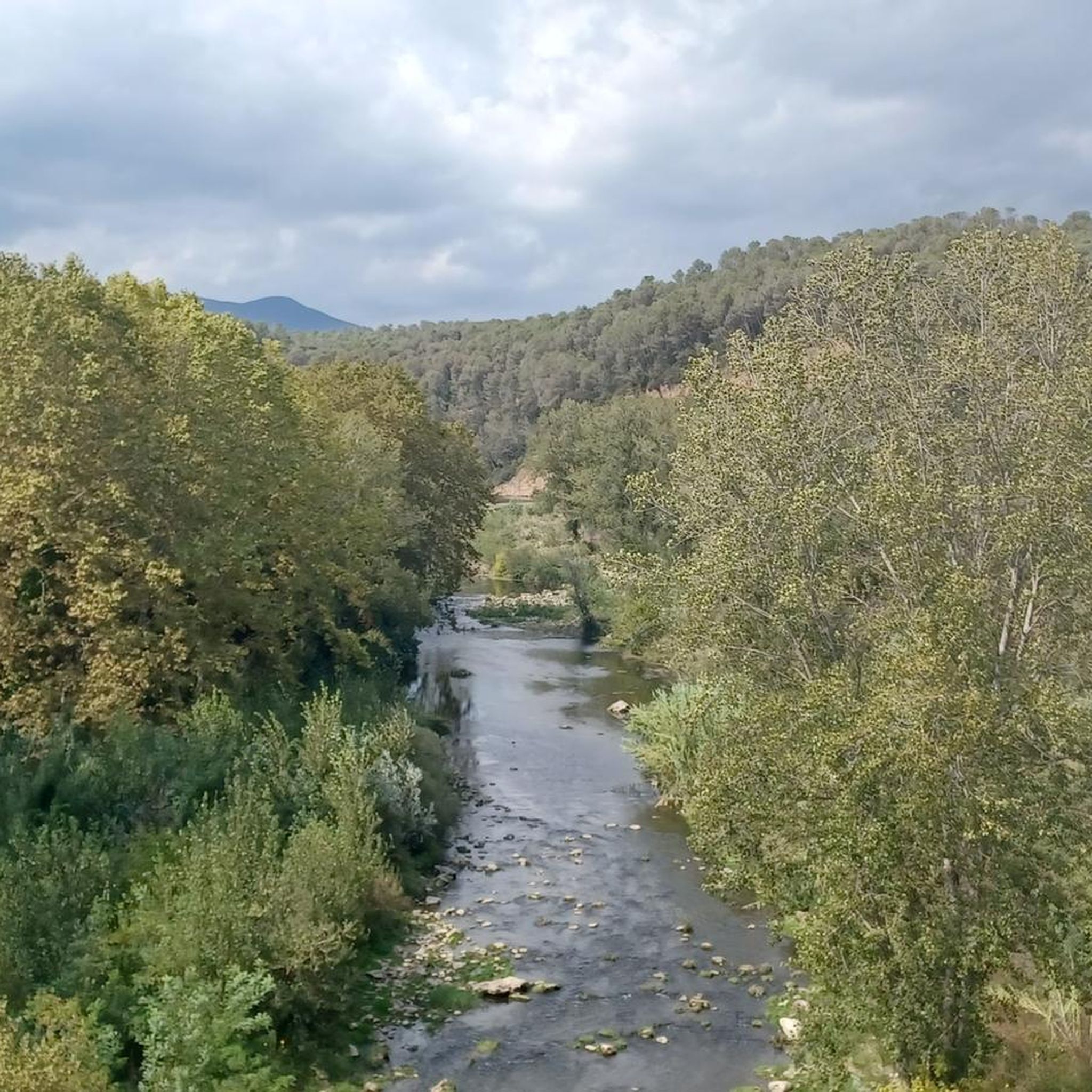
Tips from the Community

Recommended to do a full lap around the lake, preferably by bicycle
0
0

En un paratge natural d’indescriptible bellesa, és un dels llacs més grans de la península Ibèrica. Fou la seu de les competicions de rem durant els Jocs Olímpics de Barcelona 1992. Per a més informació: https://costabrava.org/on-anar/comarques/pla-de-lestany/banyoles/
0
0

a magnificent passage after the trees
0
0

The monastery of Sant Pere was founded in 977 by Bishop-Count Miró I and consecrated in 1003 by Count Bernhard I, also known as Taillefer. A Benedictine community of twelve monks lived there. However, with Count Taillefer's death in 1020, the decline of the count's rule began, culminating in its final demise in 1111. From then on, the abbot of the monastery became the highest authority over the population, which gave the Church considerable political influence in the 12th and 13th centuries.
5
0


Another cute little Catalan village but it's sleepy with very little life. Have a look but not worth a stop.
0
0

Splendid. Walk around the pond, almost entirely shaded. No difficulty, accessible to children, whether on foot or by bike. Possibility of supervised swimming.
2
0

Crossing the Besalú bridge is buying a ticket to the Middle Ages. But its excellent state of conservation is a consequence of the fact that it was frequently remodeled in more recent times, after the usual floods of the Fluvià. One of the last, in the 40s, destroyed it when it was still battered by the Civil War, with two of its arches dynamited. The slenderness of the bridge is due precisely to the fact that it was designed to prevent the force of the water from also damaging the town houses that, in the 11th century, stood on both banks. If you arrive at Besalú by car, it is worth stopping first at a lesser-known and also spectacular medieval bridge, that of Llierca.
1
0
Frequently Asked Questions
How many gravel bike trails are available around Navata?
Navata and its surroundings offer a wide selection of gravel biking routes, with nearly 40 trails available on komoot. These routes cater to various skill levels, including 1 easy, 18 moderate, and 18 difficult options, ensuring there's something for every gravel cyclist.
What kind of terrain can I expect on gravel bike trails near Navata?
The region around Navata boasts incredibly diverse terrain. You'll find everything from the rolling plains and agricultural lands of the Empordà Plain, with its cereal fields, olive groves, and vineyards, to more challenging climbs in the foothills of the Pyrenees. Routes also traverse the Gavarres Massif, known for its network of fire roads, and follow the scenic River Ter valley.
Are there any family-friendly gravel biking options in the Navata area?
While many routes in the immediate vicinity are rated moderate to difficult, the broader region offers excellent family-friendly options. The converted old railway lines, known as Vies Verdes, provide traffic-free, generally flat, and well-maintained gravel surfaces. These are perfect for relaxed rides with children, often featuring old train stations converted into cafes and rest stops.
What are some notable natural features or landmarks I can see while gravel biking around Navata?
Gravel biking around Navata offers access to stunning natural and historical sights. You can cycle through the unique volcanic landscapes of La Garrotxa Natural Park, explore the beautiful Lake Banyoles, or ride along the River Ter valley. The region is also dotted with picturesque medieval villages and ancient castles. For example, you might encounter the Sant Ferran Castle or the Sant Martí del Far Church and Castle.
Are there any routes that pass by historical sites or cultural attractions?
Absolutely. Many gravel routes weave through the Alt Empordà, passing by charming medieval villages like Besalú, La Pera, and Monells, offering opportunities for cultural stops. You can also visit significant landmarks such as the Dalí Theatre-Museum in Figueres or the Old Bridge of Pont de Molins. The Historic centre of Vilaür is another interesting stop.
What is the best time of year for gravel biking in Navata?
The region is excellent for gravel biking for much of the year. Spring and autumn offer pleasant temperatures and vibrant landscapes, ideal for exploring. Even winter can be suitable, though conditions in the higher Garrotxa region towards the Pyrenees may include snow. Summers can be hot, so early morning or late afternoon rides are recommended during peak season.
Are there any long-distance gravel routes for experienced riders?
Yes, experienced riders looking for a challenge will find several long-distance options. A notable difficult route is the Gravel tour from Figueres to the high Garrotxa, which covers 77.3 km and features significant elevation gain as it ascends towards the mountains. Another challenging option is the Lake Banyoles – Lake Banyoles loop from Orfes, spanning 58.7 km.
What do other gravel bikers enjoy most about the trails in Navata?
The gravel biking routes around Navata are highly rated by the komoot community, with an average score of 4.3 stars from over 40 reviews. Riders frequently praise the diverse landscapes, from tranquil agricultural plains to challenging mountain ascents, and the opportunity to discover charming medieval villages. The variety of terrain and the well-maintained paths are often highlighted as key attractions.
Are there any circular gravel routes around Navata?
Yes, many of the gravel routes in the area are designed as loops, allowing you to start and finish in the same location. Popular circular routes include the Lake Banyoles – Lake Banyoles loop from Maià de Montcal and the Parc Barrell – Gravel Path to Parc Garrel loop from Maià de Montcal. These loops offer convenient ways to explore the region's diverse scenery.
Can I find cafes or places to stop for refreshments along the gravel trails?
Yes, the region has a strong cycling culture, and many routes pass through or near villages where you can find cafes and local eateries. The Vies Verdes, in particular, often feature old train stations converted into cafes and rest stops. Exploring routes that pass through medieval villages like Besalú or Monells will also provide ample opportunities for refreshments and local gastronomy.
Is public transport available to access gravel biking trailheads near Navata?
While Navata itself is a smaller town, the wider Girona province has public transport options that can help you access various starting points. Figueres, a larger town nearby, is a transport hub with train connections. From there, local buses or short taxi rides might connect you to specific trailheads. Planning your route in advance and checking local transport schedules is recommended.
Where can I park my car when going gravel biking in Navata?
Parking is generally available in Navata and the surrounding villages. Look for public parking areas in town centers or near popular starting points for routes. If you're starting from a specific village mentioned in a komoot tour description, checking the village's amenities beforehand can help you locate suitable parking spots.
Most popular attractions around Navata

Get inspired with the komoot mobile app


Explore more
Browse the best Gravel rides in other regions.
