Top 20 Castles around Deggenhausertal
Castles around Deggenhausertal include historical castle sites within the valley and more substantial structures in the surrounding Lake Constance region. Deggenhausertal features archaeological remnants such as earthworks and minor wall fragments, providing glimpses into medieval history. The broader Bodensee region offers a richer experience with preserved castles and palaces that highlight German history and architecture. This area combines natural landscapes with significant cultural landmarks.
Best castles around Deggenhausertal
- The most popular castles is Meersburg State Winery and Castle Park,…
Last updated: April 24, 2026
Meersburg State Winery
Highlight • Historical Site
Translated by Google •
Tip by

Meersburg Lower Town Gate
Highlight • Monument
Translated by Google •
Tip by

Sign up now to discover places like this
Get recommendations on the best single tracks, peaks, & plenty of other exciting outdoor places.
Sign up for free
Meersburg State Winery and Castle Park
Highlight • Historical Site
STATE SEGUTUT MEERSBURG
Seminar Street 6
D-88709 Meersburg …
Translated by Google •
Tip by

Hersberg Castle
Highlight • Castle
de.wikipedia.org/wiki/Schloss_Hersberg
Translated by Google •
Tip by

Salem Castle Lake
Highlight • Lake
Translated by Google •
Tip by

Sign up for free to discover even more castles around Deggenhausertal.
Sign up for free
Already have an account?
Start today with a free account
Your next adventure awaits.
Login or Signup
Popular around Deggenhausertal
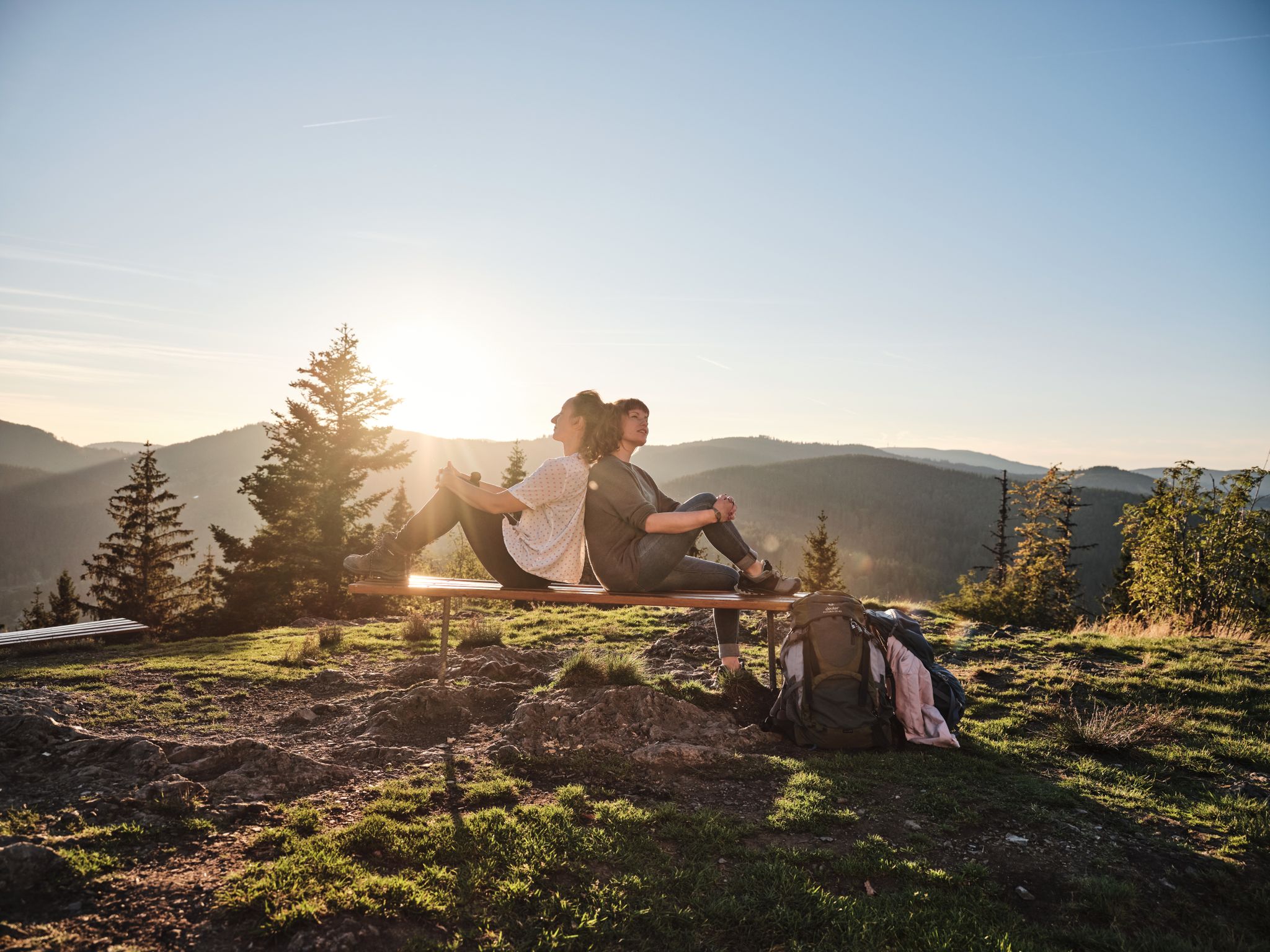
Hiking the Süden – between Black Forest, Lake Constance and Swabian Alb
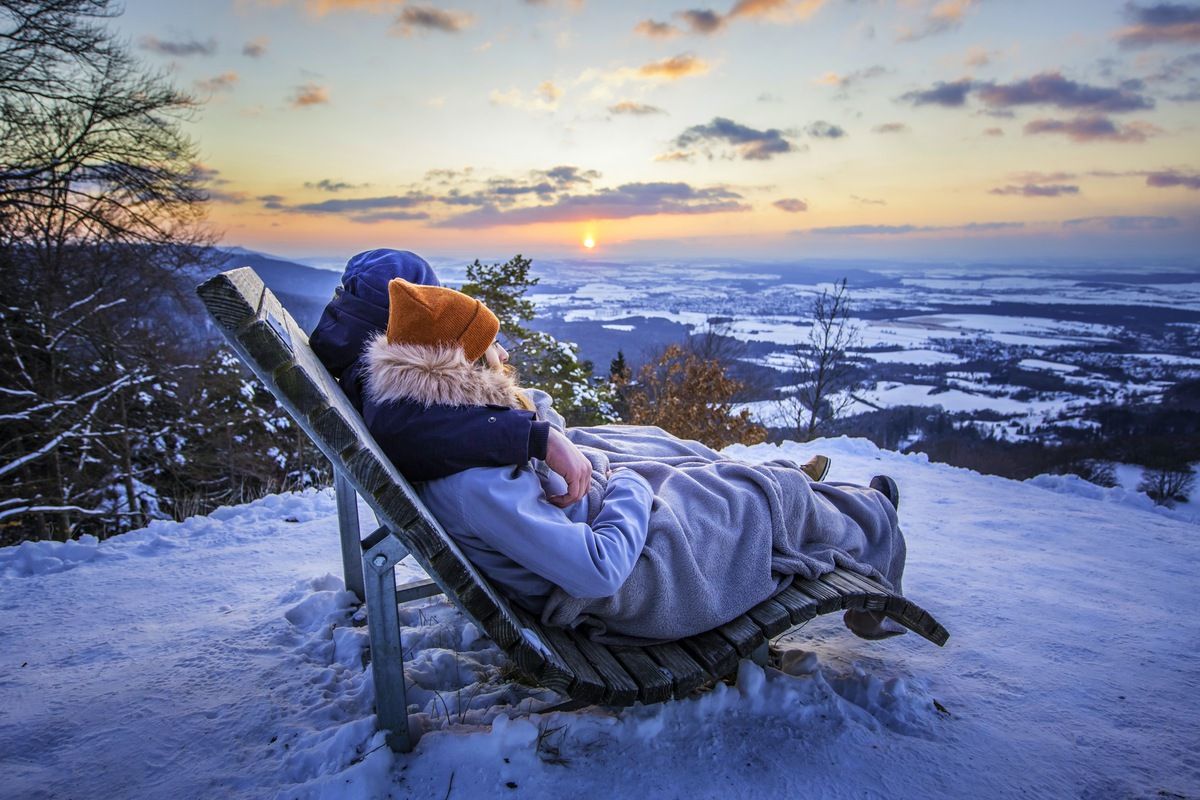
Winter wonderland — hiking in Germany’s Baden-Württemberg
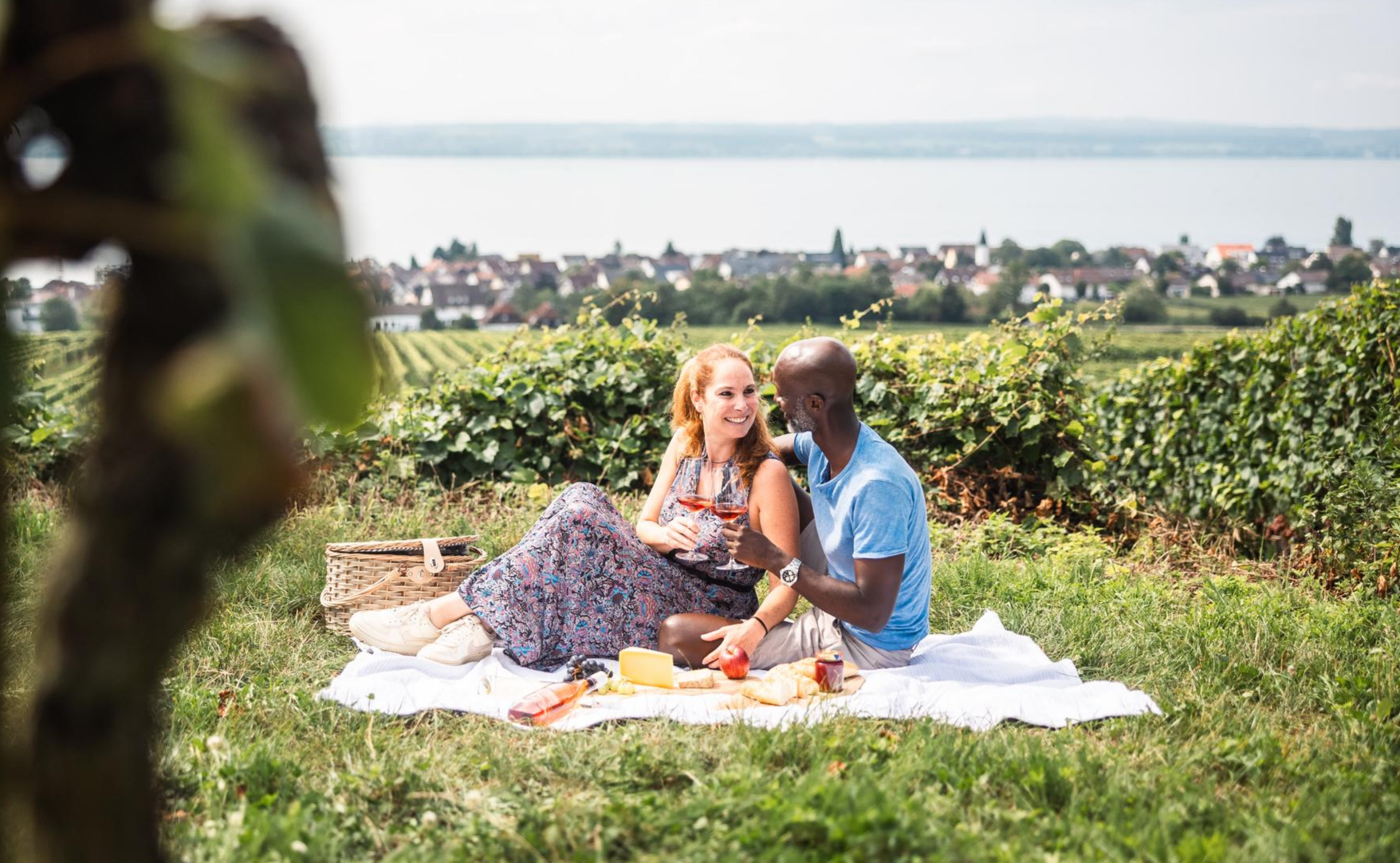
Genussherbst am Bodensee – Wandern durch Farben und Duft
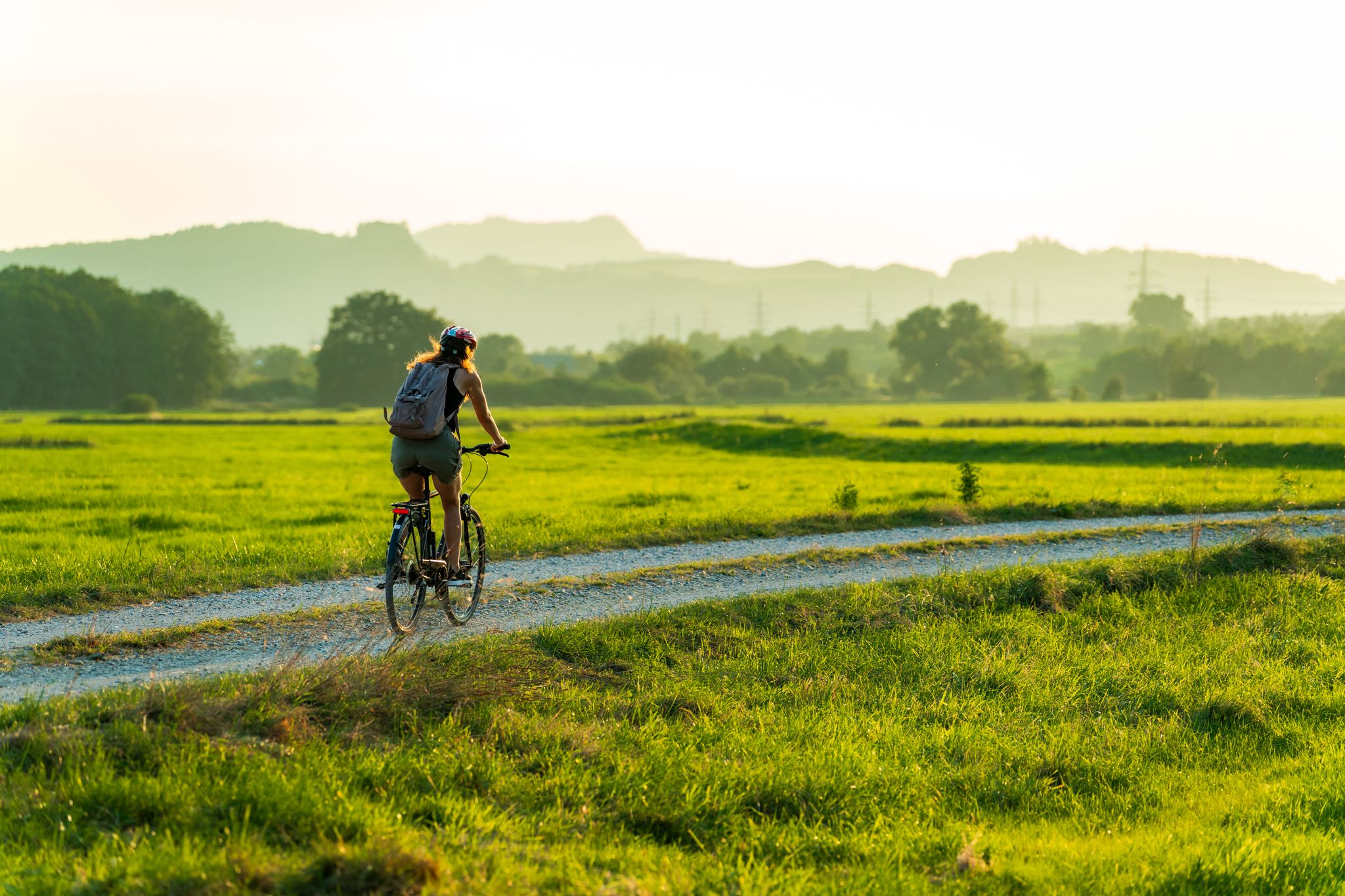
Biohof-Genuss-Radtouren am Bodensee
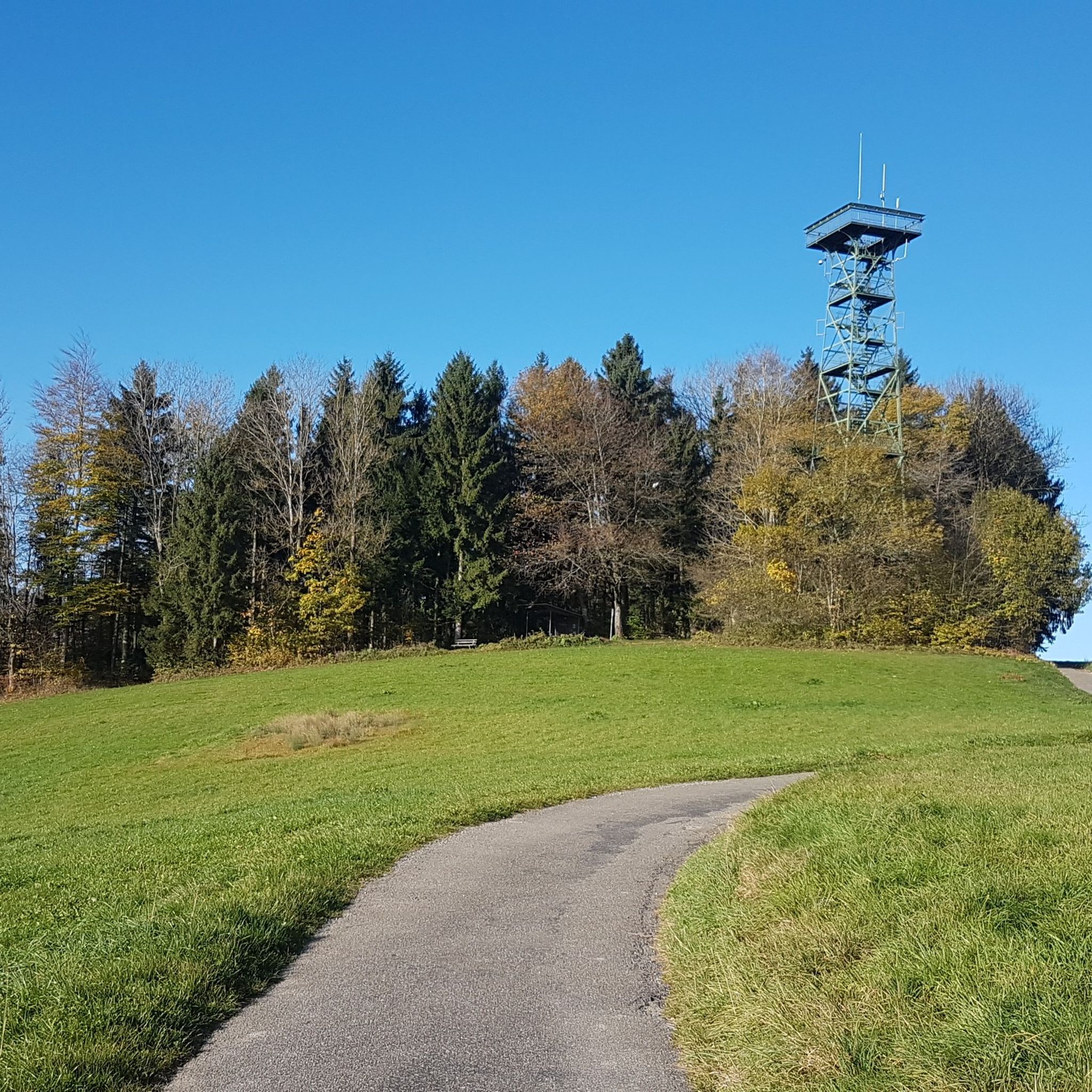
Hiking around Deggenhausertal
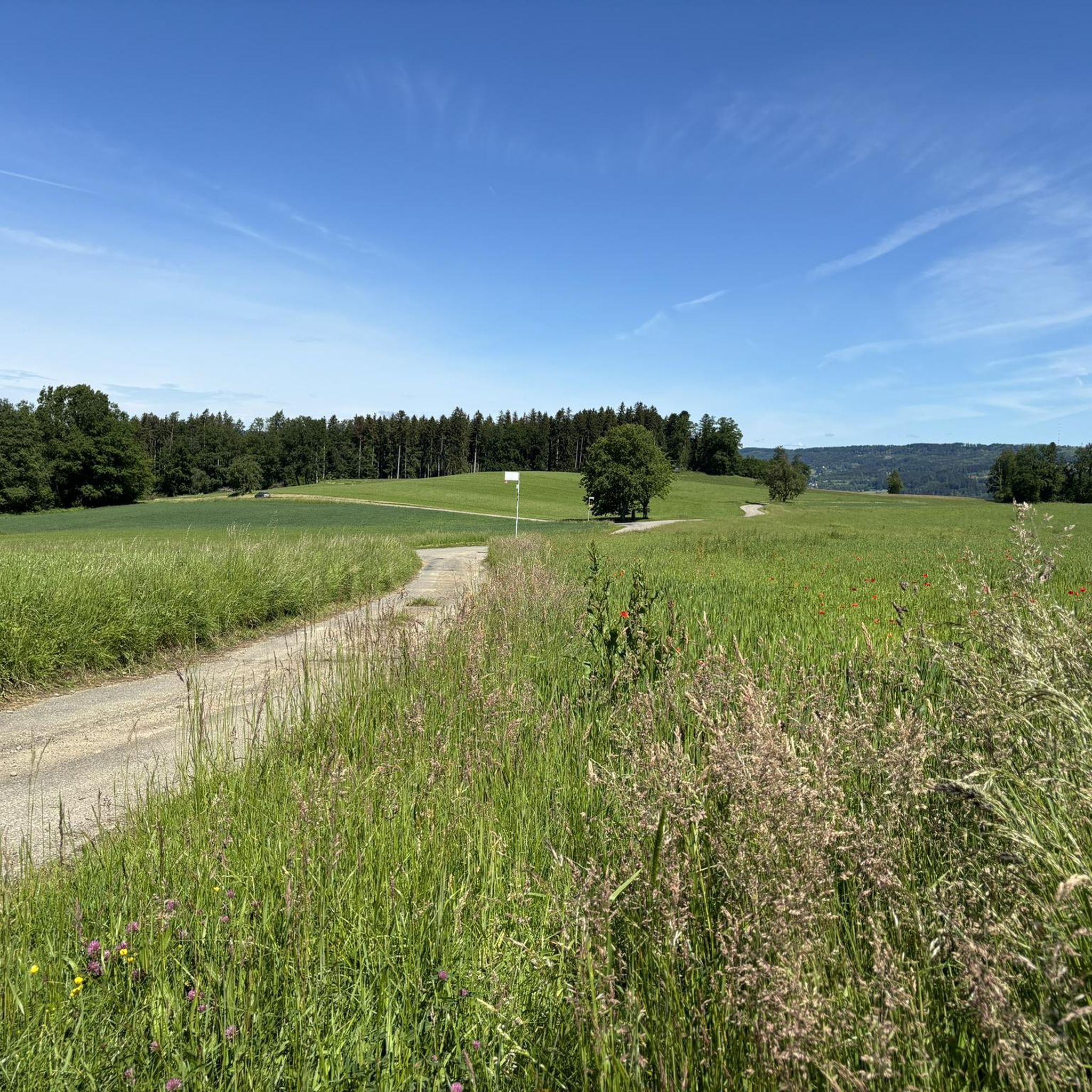
Cycling around Deggenhausertal
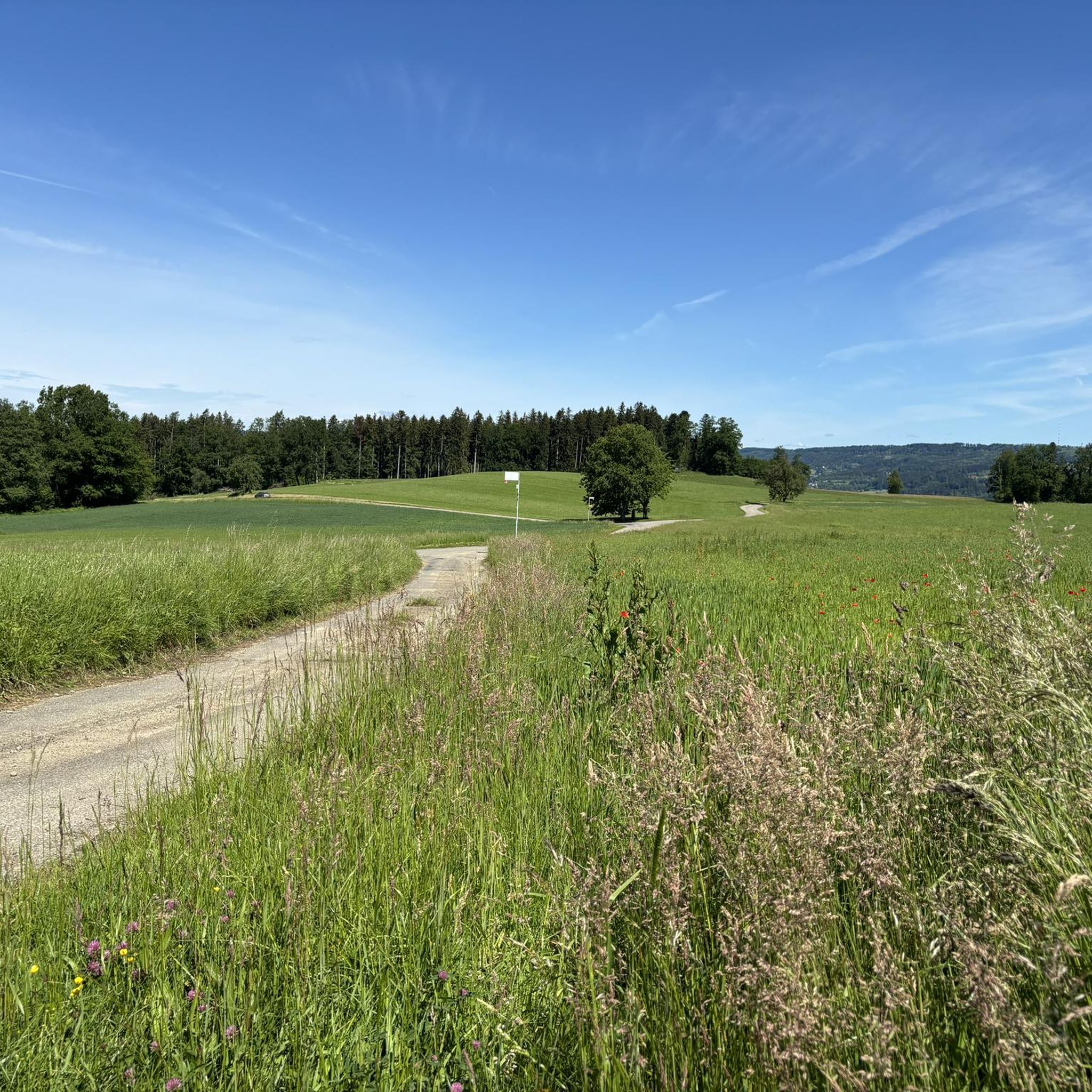
MTB Trails around Deggenhausertal
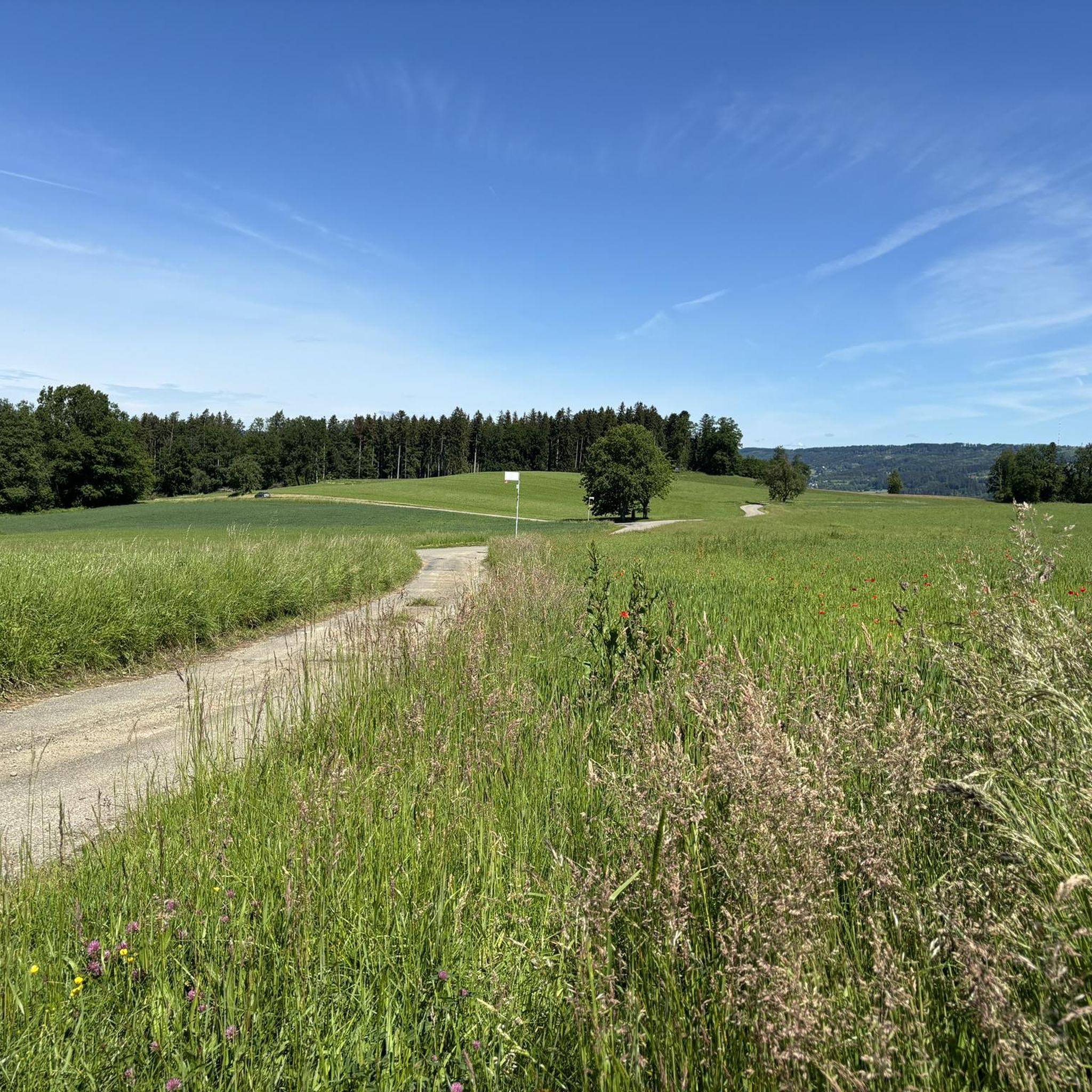
Road Cycling Routes around Deggenhausertal
Running Trails around Deggenhausertal
Gravel biking around Deggenhausertal
Other adventures around Deggenhausertal


Tips from the Community

There is documented evidence of winegrowing in Meersburg since 1324. The historic buildings from the early 18th century and the vineyards were owned by the Prince-Bishops of Constance until 1802/1803. During secularization, the winery fell to the Grand Duchy of Baden and became the first wine-growing domain in Germany as the Grand Ducal Baden Domain Winery. After the First World War, in 1919, it was renamed Meersburg State Winery. As the legal successor to the state of Baden, the state winery now belongs to the state of Baden-Württemberg. Text: Wikipedia
4
0


Impressive building on the vineyard
4
1

The Meersburg State Winery towers above vineyards.
5
1


The name Hersberg is probably derived from the Old High German root word hari/heri for mountain range.[1] The first unsecured written reference is a mention of the brothers Berctoldus and Heinricus von Herisberg in 1276. What is certain is that in 1466 the Hersberg was in the fief of the Überlingen citizen and later Fürstenberg vassal Konrad Rudolf von Härsberg. In 1621 the Benedictines of the Ochsenhausen monastery bought the Hersberg from Härsberg's descendants. After secularization, the monastic property passed to Prince Franz Georg Karl von Metternich in 1803, father of the Austrian State Minister Prince von Metternich. Hersberg was then bought by the House of Württemberg[2] in 1806 and by Prince Konstantin zu Salm-Reifferscheidt in 1838. In an exchange with Waggershausen near Friedrichshafen, the Württemberg exclave of Herrschberg - the name of the territory around Hersberg Castle - became Baden in 1846. Franz zu Salm-Reifferscheidt-Dyck, the descendant of Constantine, sold the castle property on February 7, 1929 to the Pallottines (“Society of the Catholic Apostolate”), who ran the “St. Josef-Hersberg” maintained school operations.[3] In 1994 it was reopened as the Pallottine Spiritual House (Wikipedia).
8
1

The Meersburg State Winery combines all of this, with wine lovers and gourmets getting their money's worth. Over 800 years of tradition are embedded in the walls and vineyards of the winery. The imposing wine cellar with a view of the lake was built in the former moat. The large wooden barrels in which the wine can mature are still stored there today.
6
0

With children at the playground on the gently sloping pebble beach - very nice, trees on the square and water jet fountain with rivulets - great for the whole family 👍
1
0
Frequently Asked Questions
What kind of castles can I expect to find in and around Deggenhausertal?
In Deggenhausertal itself, you'll primarily find historical castle sites known as 'Burgställe' or 'abgegangene Burgen'. These are mostly archaeological remains like earthworks, ditches, and minor wall fragments, offering a glimpse into medieval history and often providing pleasant hiking opportunities. For more traditional, standing castles and palaces, you'll need to explore the surrounding Bodensee (Lake Constance) region.
Which castles in the wider Bodensee region offer a more traditional castle experience with standing structures?
For a more complete castle experience with substantial standing structures, consider visiting Meersburg State Winery and the nearby New Palace Meersburg, or Neues Schloss Tettnang. These offer tours, impressive architecture, and rich historical significance. Schloss Heiligenberg is another princely Renaissance castle, though it's generally open only for special occasions.
What is special about the historical castle sites within Deggenhausertal itself?
Within Deggenhausertal, sites like Schloßbühl Burg and Burgstall Eichle are primarily archaeological remains. They are significant for their historical context, dating from the 11th to 13th centuries, and offer a unique way to experience medieval history through visible trenches, ramparts, and minor wall fragments. These sites are often integrated into scenic hiking routes.
Are there any castles known for their historical significance or unique architecture?
Absolutely. Neues Schloss Tettnang is renowned for its Baroque and Renaissance splendor, with opulent interiors and a magnificent Bacchus Hall. Schloss Heiligenberg boasts one of the best-preserved Renaissance halls north of the Alps, the Knights' Hall. In Meersburg, the Old Castle is famous as Germany's oldest inhabited castle, while the New Palace Meersburg stands out with its iconic pink, embellished Baroque façade.
Can I combine a castle visit with outdoor activities like hiking?
Yes, many of the castle sites within Deggenhausertal, such as Schloßbühl Burg, are excellent starting points for hikes, offering historical exploration alongside natural beauty. The broader Lake Constance region also provides numerous opportunities. For more detailed hiking routes, you can explore the Mountain Hikes around Deggenhausertal guide.
Are there family-friendly castles or activities near Deggenhausertal?
Many of the highlights in the region, such as Meersburg State Winery and Castle Park and Meersburg Lower Town Gate, are categorized as family-friendly. Additionally, Salem Castle Lake offers free swimming, a water playground, and a pirate island, making it a great option for families.
What kind of hiking trails are available near the castle sites in Deggenhausertal?
Near the castle sites, you can find various hiking trails. For example, routes like the 'Great view from the Höchsten – Höchsten Mountain Inn loop from Deggenhausertal' offer moderate difficulty and scenic views. The local 'Burgställe' themselves are often part of pleasant walking paths. Check out the Mountain Hikes around Deggenhausertal guide for more options.
Are there opportunities for cycling or gravel biking near these castles?
Yes, the region offers great opportunities for cycling. You can find gravel biking routes like the 'Killenweiher Water Lily Pond – Descent to Schiggendorf loop from Markdorf (Baden)' or the 'Höchsten Observation Deck – Höchsten loop from Markdorf (Baden)'. These routes often pass through scenic areas near historical sites. Explore the Gravel biking around Deggenhausertal guide for more details.
What is the best time of year to visit the castles around Deggenhausertal?
The best time to visit is generally from spring to autumn (April to October) when the weather is mild, and the surrounding nature is in full bloom. This allows for comfortable exploration of both the outdoor castle ruins and the more formal palaces. Summer offers longer daylight hours, while spring and autumn provide pleasant temperatures and fewer crowds.
What do visitors particularly enjoy about the castles and historical sites in this area?
Visitors highly appreciate the combination of historical depth and natural beauty. The Meersburg State Winery and Castle Park, for instance, is loved for its wine tours, tastings, and panoramic views over Lake Constance. The historical sites are also valued for their well-preserved remnants and the opportunity to immerse oneself in centuries of history, often with stunning scenic backdrops.
Where can I find scenic viewpoints related to castles in the region?
Many castles and their surrounding areas offer excellent viewpoints. Schloss Heiligenberg, for example, is perched high above Lake Constance, providing panoramic views. The vineyards around Meersburg State Winery and Castle Park also offer stunning vistas of the lake and the Alps. Even the local 'Burgställe' in Deggenhausertal often provide elevated positions with good views of the valley.
Are there cafes or restaurants near the castles?
Yes, especially in the more developed areas around the larger castles. Meersburg, for example, is a picturesque town with numerous cafes and restaurants near its castles and winery. While the archaeological sites within Deggenhausertal might not have direct facilities, nearby villages often offer dining options.
Most popular routes around Deggenhausertal
Most popular attractions around Deggenhausertal

Get inspired with the komoot mobile app


Explore more
Looking for the best castles somewhere else? Discover other guides around Deggenhausertal:
