The best gravel rides around Lgińsko
4.4
(14)
148
riders
18
rides
Gravel biking around Lgińsko offers diverse landscapes characterized by undulating plains, forests, and a network of post-glacial lakes. The terrain includes a mix of gravel roads, asphalt sections, forest trails, and cobblestone paths, providing varied riding experiences. Gently sloping hills and green open spaces define many of the routes. This region in Greater Poland is well-suited for gravel biking, with paths that traverse both scenic natural areas and historically interesting sections.
Best gravel bike trails around Lgińsko
- The most popular…
Last updated: October 18, 2026
1.0
(1)
11
riders
42.6km
02:45
160m
160m
Moderate gravel ride. Good fitness required. Mostly paved surfaces. Suitable for all skill levels.
4.7
(3)
25
riders
44.9km
02:44
150m
150m
Moderate gravel ride. Good fitness required. Mostly paved surfaces. Suitable for all skill levels.

4.5
(2)
7
riders
30.2km
02:04
140m
140m
Moderate gravel ride. Good fitness required. Mostly paved surfaces. Suitable for all skill levels.
5.0
(2)
8
riders
46.8km
02:57
180m
180m
Moderate gravel ride. Good fitness required. Mostly paved surfaces. Suitable for all skill levels.
5.0
(1)
4
riders
16.9km
01:16
90m
90m
Easy gravel ride. Great for any fitness level. Mostly paved surfaces. Suitable for all skill levels.
Get access to more routes and recommendations from other explorers.
Already have an account?
Our route recommendations are based on thousands of hikes, rides, and runs completed by other people on komoot.
Start today with a free account
Your next adventure awaits.

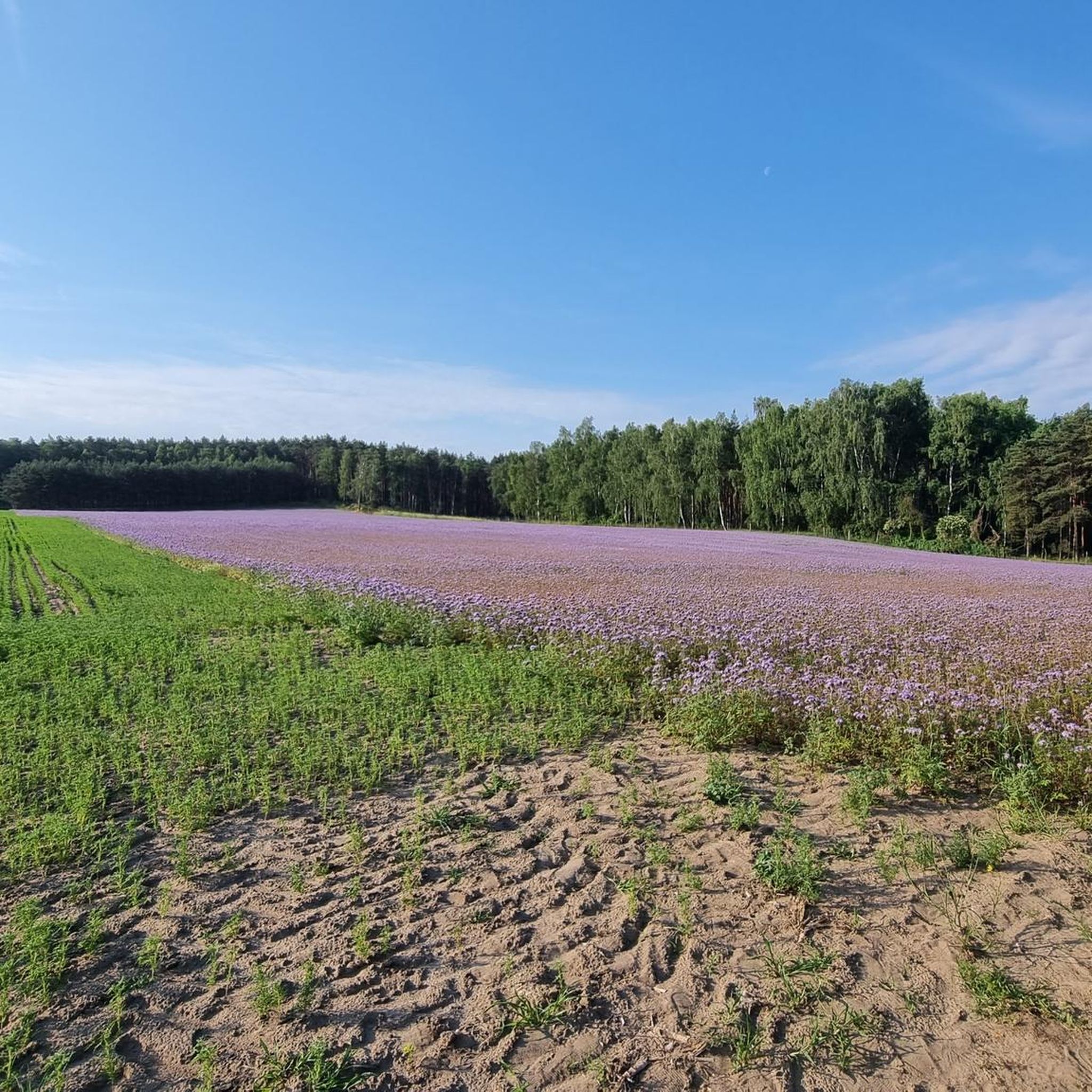
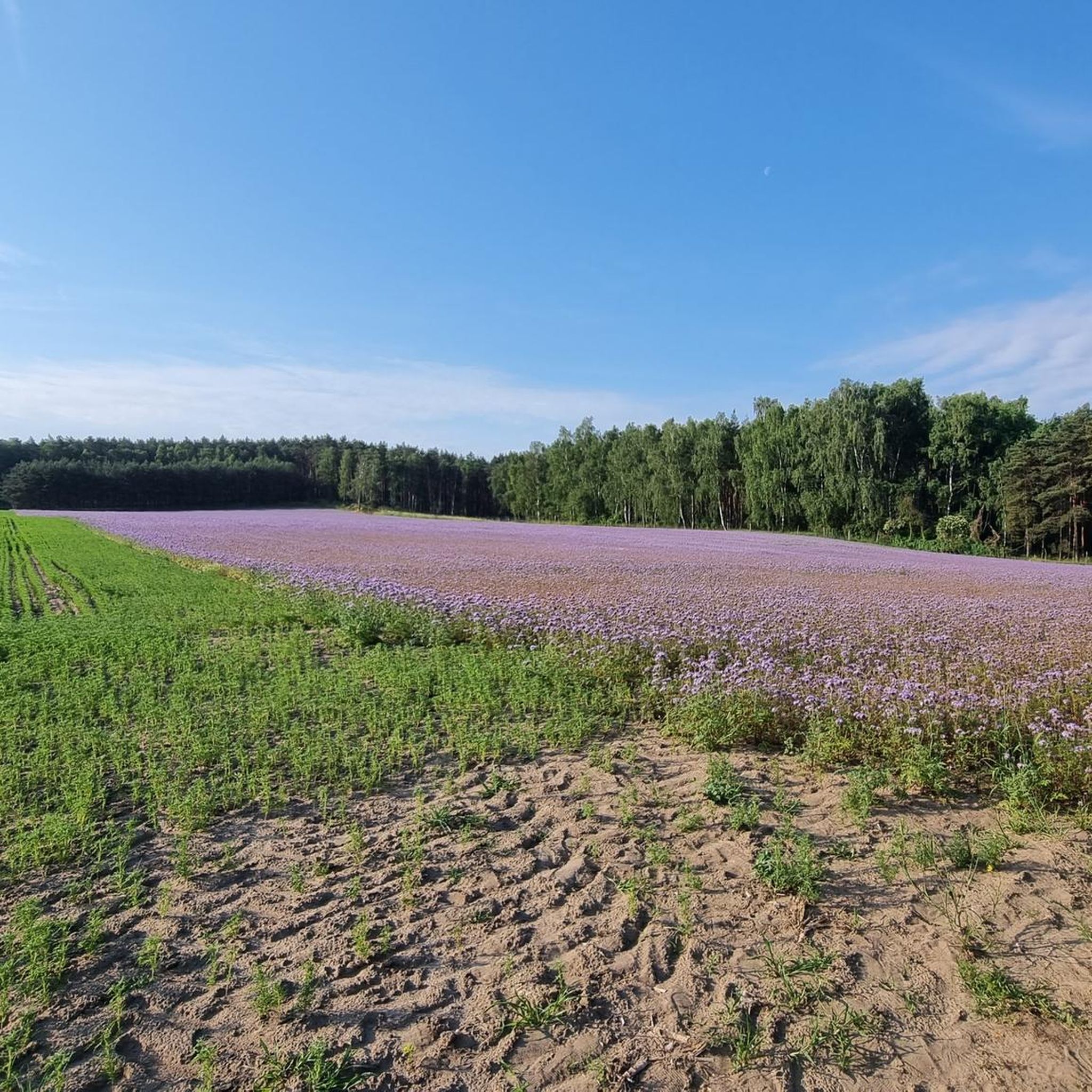


Tips from the Community

Access from the Osłonina and Moch side - terrible sand.
0
0
From the Osłonino side and from the Moch side, the approach is through terrible sand.
0
0


A stone informing about the name of a forest road, there are many such in the Przemędzki Landscape Park
1
0
The current brick church was built in 1799. This was a time when the classicist style dominated architecture, characterized by simplicity of form, symmetry and references to antique patterns. The church in Lgiń is an example of a more modest, provincial version of this style. It was built as an oriented temple, with a simple, hall nave and a non-separate presbytery.
2
0
The former state border between the German Empire (later the Weimar Republic) and the Second Polish Republic, which was in force after the end of World War I, from 1920. After Poland regained independence and established peace treaties, including the Treaty of Versailles of 1919, a new Polish-German border was established. Leszno and Wolsztyn, as well as their surroundings, were on the Polish side, while the areas to the west of them remained within the borders of Germany.
3
0
Frequently Asked Questions
How many gravel bike trails are available around Lgińsko?
There are over 20 gravel bike routes in the Lgińsko area, offering a diverse range of experiences. These include 10 easy routes, 10 moderate routes, and 1 difficult route, ensuring options for various skill levels.
What kind of terrain can I expect on gravel bike trails around Lgińsko?
The terrain around Lgińsko is quite varied, featuring undulating plains, lush forests, and numerous post-glacial lakes. You'll encounter a mix of surfaces, including classic gravel roads, asphalt sections, forest trails, and even some cobblestone paths. Some routes also include technically challenging singletracks, particularly those running alongside lakes.
Are there any challenging gravel routes in Lgińsko for experienced riders?
Yes, for experienced riders seeking a challenge, the Lgińsko area offers routes with more demanding terrain. One such route is the Piwna Forest Road Marker – Mrówkowy Jar loop from Olejnica, which is 38.6 miles (62.1 km) long and rated as difficult, leading through varied forests and terrain.
Are there any easier or family-friendly gravel routes in Lgińsko?
Yes, Lgińsko offers several easier routes suitable for beginners or families. Many of the 10 easy routes provide a gentle introduction to gravel biking in the region. While specific family-friendly routes aren't highlighted, the general terrain with gently sloping hills and green open spaces makes many of the less technical paths enjoyable for a wider range of abilities.
Can I find circular gravel bike routes in Lgińsko?
Many of the gravel bike routes around Lgińsko are designed as loops, allowing you to start and finish in the same location. Examples include the popular Dominickie Lake – Church in Lgiń loop from Lgiń and the Dominickie Lake – Lake Dominickie loop from Lgiń, both offering scenic circular rides around the lake.
What is the best time of year for gravel biking in Lgińsko?
The region's diverse landscapes, including forests and lakes, are beautiful throughout the warmer months. Spring and autumn generally offer pleasant temperatures and vibrant scenery, making them ideal for gravel biking. Summer can also be great, but it's always wise to check local weather forecasts before heading out.
Where can I park my car when going gravel biking in Lgińsko?
While specific parking locations aren't detailed, Lgińsko and surrounding villages like Lgiń and Olejnica, which serve as starting points for many routes, typically offer public parking options. Look for designated parking areas near trailheads or in village centers.
Is Lgińsko accessible by public transport for cyclists?
Information on specific public transport options for cyclists in Lgińsko is limited. It's advisable to research local bus or train services in the Greater Poland region and their policies regarding bicycle transport if you plan to rely on public transport to reach the area.
What do other cyclists say about gravel biking in Lgińsko?
The gravel biking routes in Lgińsko are highly rated by the komoot community, with an average score of 4.9 stars from over 9 reviews. Many of the 88 gravel bikers who have explored the area praise the varied terrain, the mix of forests and lakes, and the engaging riding experience offered by the gravel and cobblestone paths.
Are there any routes that offer scenic views or pass by lakes?
Absolutely. The Lgińsko area is known for its beautiful post-glacial lakes and lush forests. Routes like the Lake Dominickie loop from Osłonin offer extensive views of the water, and many trails traverse green open spaces and forest sections, providing a picturesque backdrop for your ride.
How long are the typical gravel bike routes in Lgińsko?
The routes around Lgińsko vary in length to suit different preferences. You can find shorter rides, but many popular routes range from moderate distances, such as the Dominickie Lake – Lake Dominickie loop from Lgiń at 20.0 miles (32.2 km), to longer excursions like the Piwna Forest Road Marker loop from Olejnica, which is 46.3 miles (46.3 km).
Most popular routes around Lgińsko

Get inspired with the komoot mobile app


Explore more
Browse the best Gravel rides in other regions.
