The best gravel rides around Dubringer Moor
4.5
(26)
130
riders
19
rides
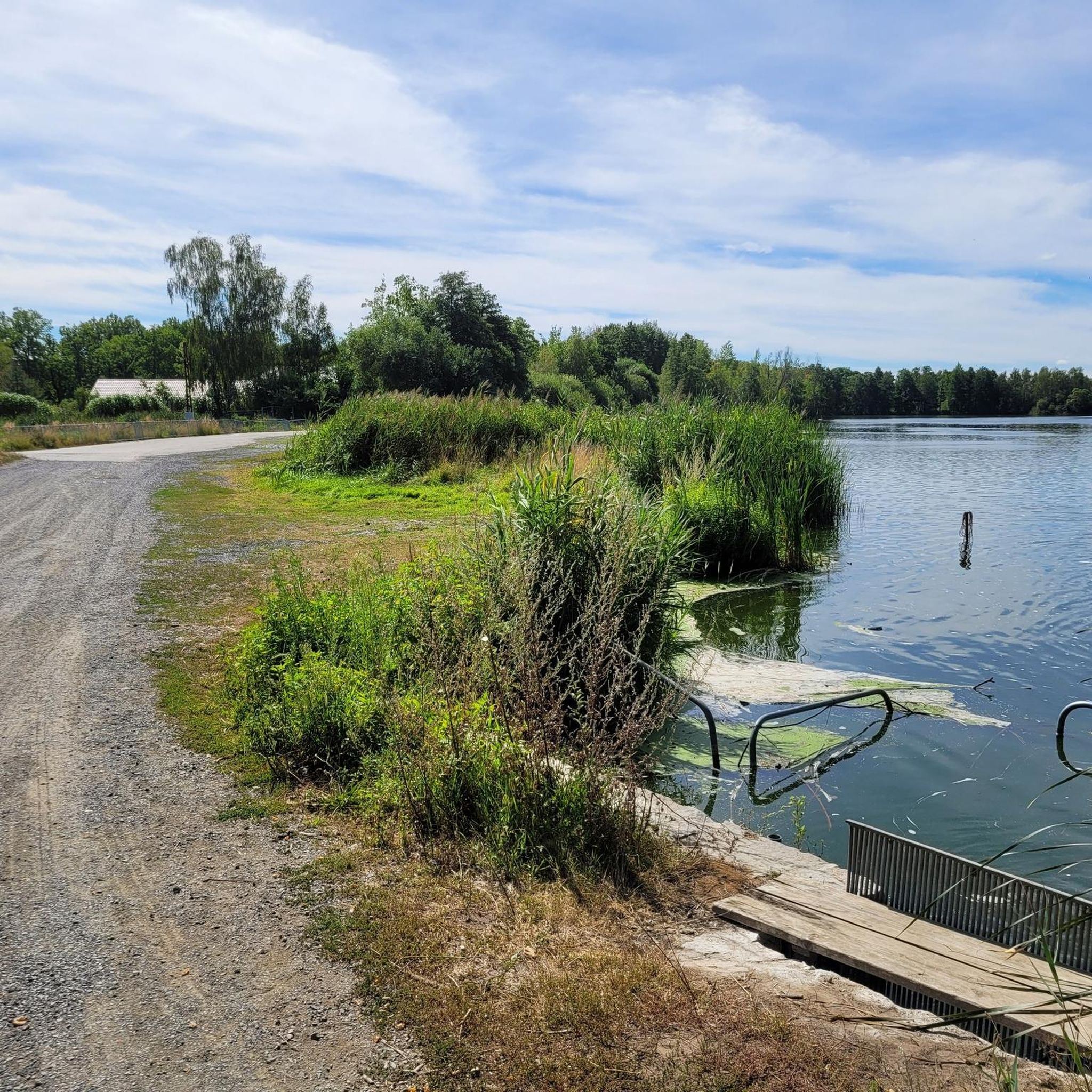
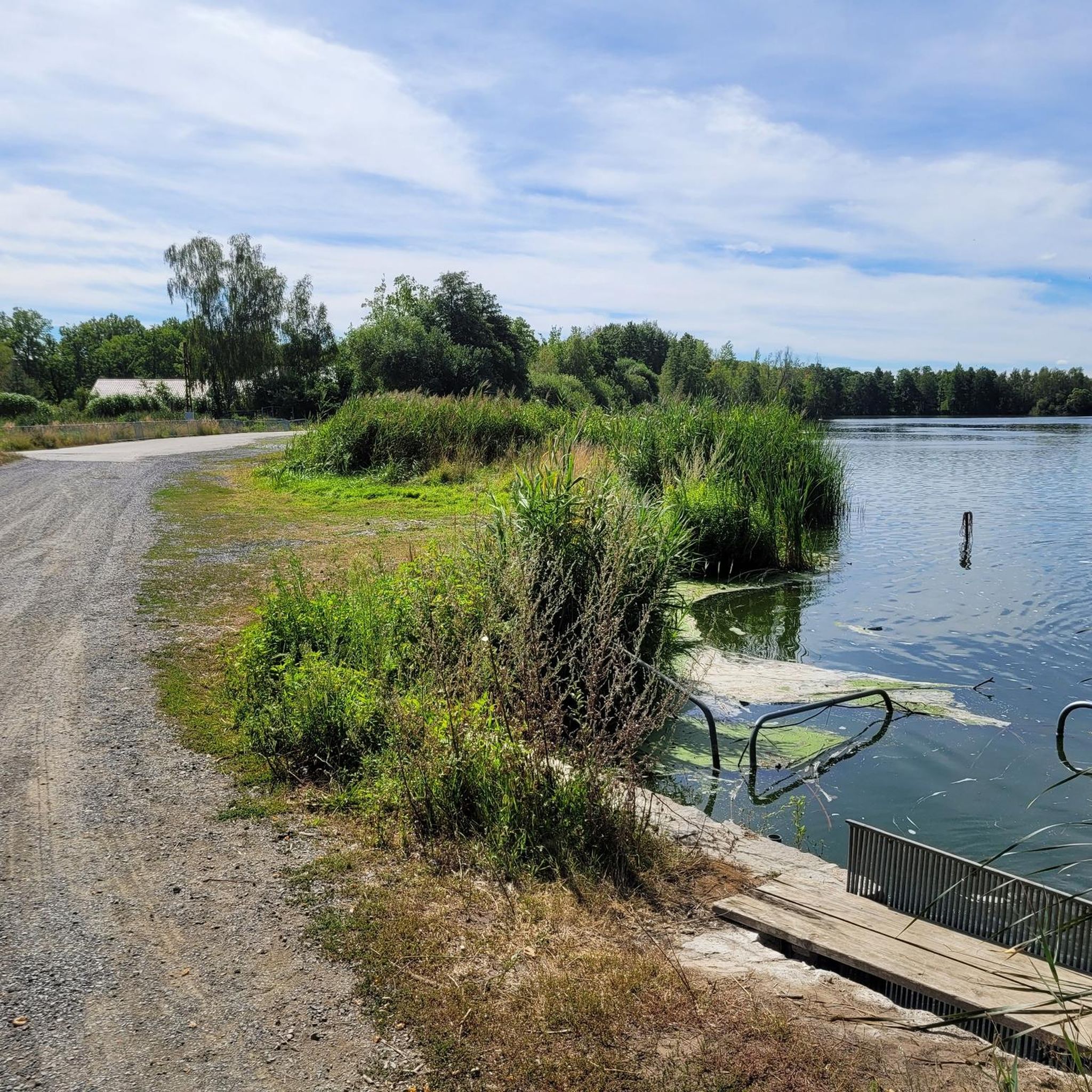
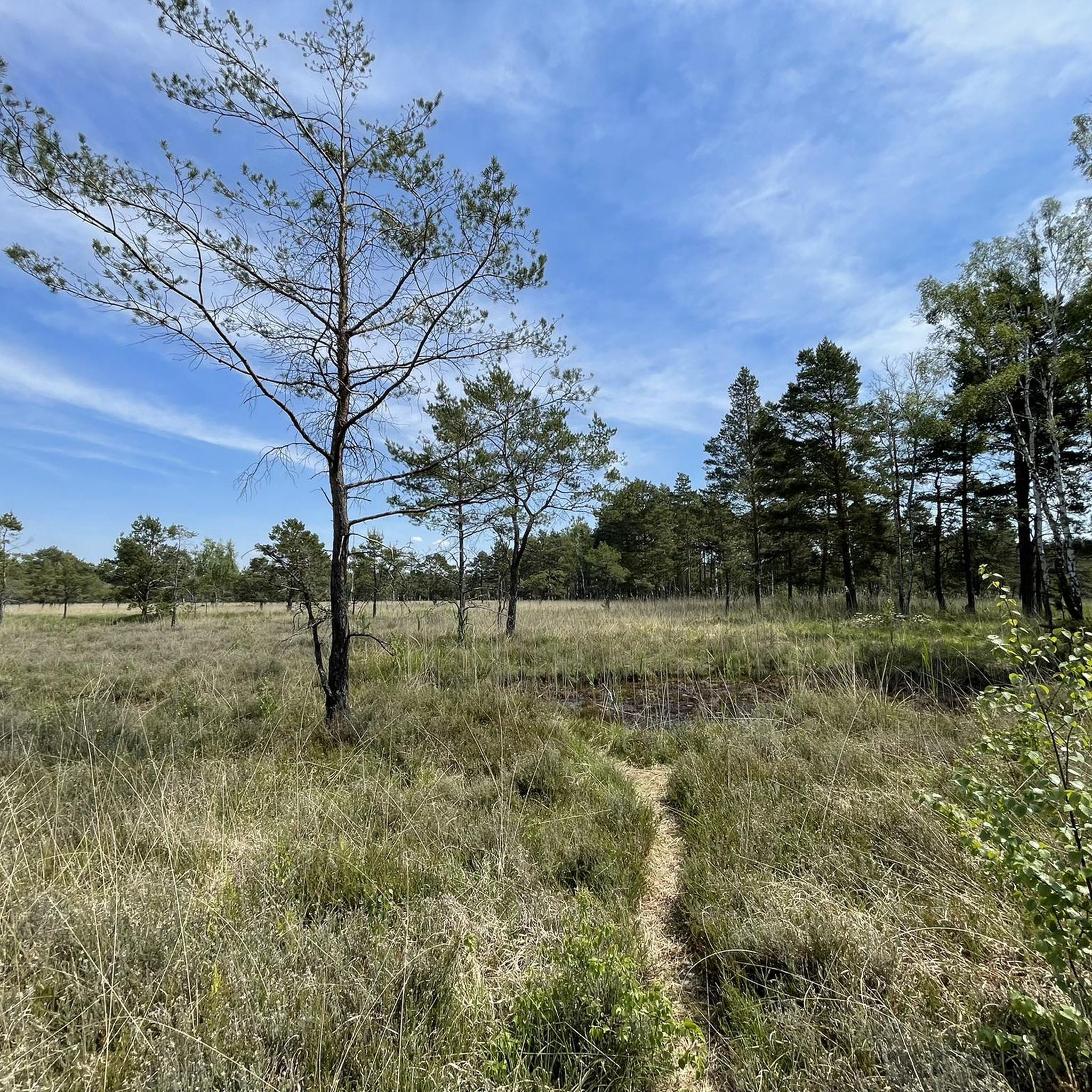
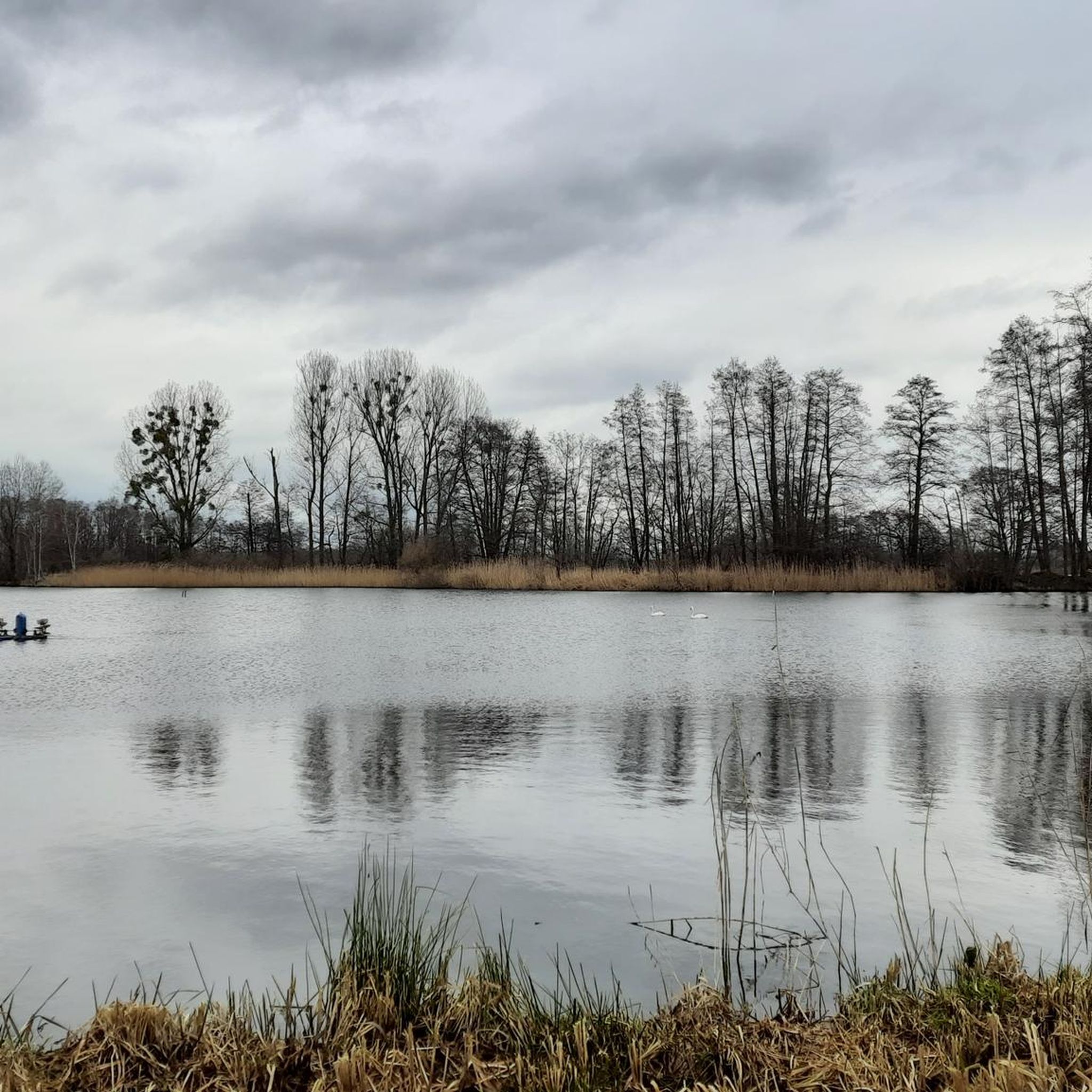
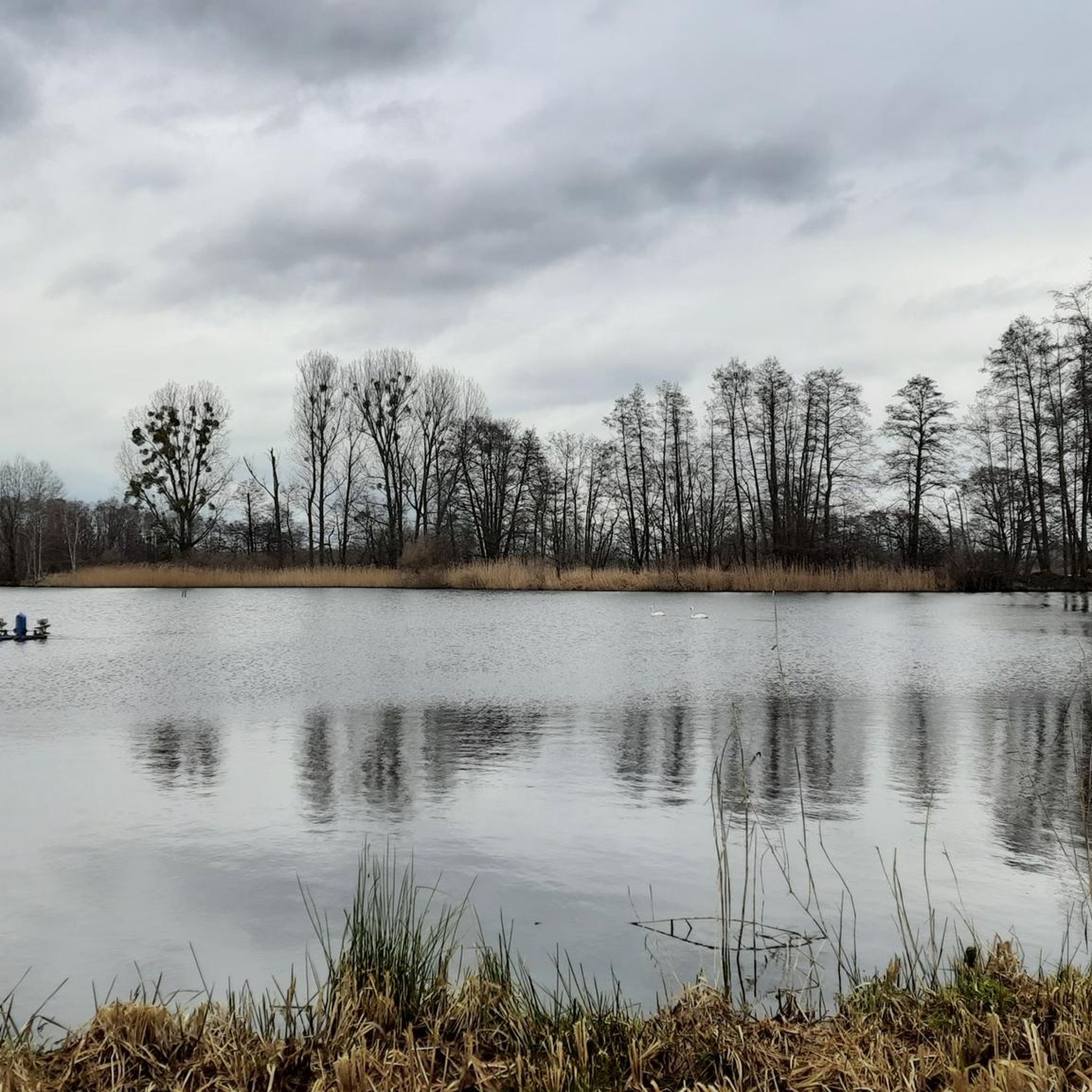
Gravel biking around Dubringer Moor offers routes through a landscape characterized by extensive moorland, numerous fishponds, and nature reserves. The terrain is generally flat to gently rolling, with minimal elevation changes, making it suitable for various skill levels. This region provides a network of gravel bike trails that traverse natural areas and connect to local points of interest. The routes often follow paths through forested sections and open countryside, providing a varied riding experience.
Best gravel bike trails around Dubringer…
Last updated: July 2, 2026
2
riders
Easy gravel ride. Great for any fitness level. Mostly paved surfaces. Suitable for all skill levels.
4.5
(2)
10
riders
56.2km
03:55
150m
150m
Moderate gravel ride. Good fitness required. Some segments of this route may be unpaved and difficult to ride.

Sign up for free
4
riders
Moderate gravel ride. Good fitness required. Mostly paved surfaces. Suitable for all skill levels.
9
riders
Easy gravel ride. Great for any fitness level. Mostly paved surfaces. Suitable for all skill levels.
4.0
(1)
5
riders
Easy gravel ride. Great for any fitness level. Mostly paved surfaces. Suitable for all skill levels.
Get access to more routes and recommendations from other explorers.
Sign up for free
Already have an account?
Our route recommendations are based on thousands of hikes, rides, and runs completed by other people on komoot.
Start today with a free account
Your next adventure awaits.
Login or Signup
Tips from the Community

The statue is nothing special but still worth seeing.
0
0

Along the avenue there is also a memorial in typical Sorbian style. In this case, it was erected in 1950 by parents for their only son, who went missing in Stalingrad.
0
0

A small self-help workshop from the ADAC!
0
0

Anyone entering the former briquette factory will experience 100 years of Lusatian industrial history with all their senses. It is a technical monument and has been open to the public as a museum since 1994. The modern foyer features a bistro and a museum shop. The multimedia permanent exhibition tells the story of the Lusatian mining region for the first time. It ranges in stages from pre-industrialization through the lignite economic boom at the beginning of the 20th century, the role of Lusatia during wartime and times of crisis, as well as its role as an energy center of the GDR, to the development of the Lusatian Lake District and current issues of the energy transition. The focus is on the people and their relationship to work, culture, and the environment. The 30-meter-high Lusatia.Blick offers a magnificent view. The heart of the museum is the historic factory. Sieving, grinding, drying, pressing: On the Factory.Experience.Tour, the briquetting process can be experienced firsthand. Former workers have their say, and the factory siren sounds three times a day to call for the acoustic shift. Outside, other buildings from the former operational infrastructure provide a glimpse into the complex operational processes: large-scale open-cast mining equipment, drainage technology, and rail-bound vehicles that were once in daily use.
0
0

Very beautiful mill and informative for all ages! 😊
0
0

Zeißig, Upper Sorbian. Ćisk is a village on the green in Upper Lusatia and is part of the recognized Sorbian settlement area. Zeißig was first mentioned in documents in 1248. The Zeißighof has been the cultural and recreational center of the village of Zeißig for many years. The farm was built as a Sorbian farm at the end of the 19th century in a style typical of the region, with a brick facade and the typical brick basket arch over the entrance. After extensive renovation, the Zeißighof is a meeting place where Sorbian life and rural crafts can be experienced firsthand in their original form. One of the building's special features is the over 100-year-old wood-fired oven, in which Zeißig wood-fired bread is baked on special occasions. Zeißig clubs demonstrate Sorbian customs as part of themed events. Source: https://www.sorben-tourismus.com/zeissighof.html Photo: Uwe Schulz / Energiefabrik Knappenrode
1
0
The Werminghoff briquette factory began operations in 1918 as one of the most modern factories in Europe. Over 100 years later, the briquette factory is a testament to lignite processing in Upper Lusatia and a museum. The museum has been extensively redesigned and, for the first time, presents a permanent exhibition that traces the development of the old Lusatian mining region from its pre-industrial beginnings to a future-oriented holiday and energy region. On a journey through time, visitors playfully experience the region's industrial, social, and ecological transformation processes: from the Sorbian heath villages to the economic boom fueled by lignite in the 20th century, to the development of the Lusatian Lake District and current issues surrounding the energy transition. You can experience it with all your senses – see, hear, touch, feel. The current website: https://www.energiefabrik-knappenrode.de/
1
0
Frequently Asked Questions
What is the general difficulty level of gravel biking trails in Dubringer Moor?
The gravel biking trails in Dubringer Moor are generally flat to gently rolling, with minimal elevation changes. This makes them suitable for a wide range of skill levels. You'll find options from easy rides to more challenging moderate routes. Out of 28 available tours, 2 are easy, 19 are moderate, and 7 are considered difficult.
Are there any family-friendly gravel biking routes in Dubringer Moor?
Yes, the generally flat and gently rolling terrain of Dubringer Moor makes it well-suited for family outings. Many routes traverse natural areas and fishpond landscapes, offering a pleasant experience for all. Look for routes categorized as 'easy' for the most family-friendly options.
What kind of landscapes can I expect to see while gravel biking in Dubringer Moor?
Dubringer Moor is characterized by extensive moorland, numerous fishponds, and nature reserves. You'll ride through varied terrain, including forested sections and open countryside. Routes often highlight the distinctive fishpond landscape, such as the area explored by the Dr. Zelder Fishpond Landscape – Zelder’s Ponds loop from Dubringer Moor - Dubrjenske bahno.
Are there any specific viewpoints or attractions along the gravel bike routes?
Yes, the region offers several points of interest. You can find the Dubringer Moor Observation Tower for panoramic views. Many routes also pass by the picturesque Zelder’s Ponds and other significant water bodies like the Dubringer Moor Ponds.
What do other gravel bikers enjoy most about the trails in Dubringer Moor?
The komoot community highly rates the gravel biking experience in Dubringer Moor, with an average score of 4.6 stars from over 60 reviews. Riders often praise the varied terrain, the peaceful natural surroundings, and the well-maintained paths through moorland and fishpond landscapes.
Are there many loop trails available for gravel biking in Dubringer Moor?
Yes, many of the gravel bike routes in Dubringer Moor are designed as loops, offering convenient starting and ending points. For example, the Dubringer Moor loop from Hoyerswerda provides an extensive tour through the heart of the region, and the View of Lake Partwitzer – View of Partwitzer Lake loop from Hoyerswerda - Wojerecy also offers a scenic circular ride.
What is the typical length and duration of gravel bike trails in this area?
Gravel bike trails in Dubringer Moor vary in length and duration. For instance, the Dr. Zelder Fishpond Landscape – Zelder’s Ponds loop is about 21.1 miles (34.0 km) and takes approximately 2 hours 34 minutes. Longer routes, like the Dubringer Moor loop from Hoyerswerda, can be around 34.9 miles (56.2 km) and take closer to 4 hours.
Can I expect to see wildlife while gravel biking in Dubringer Moor?
Given that Dubringer Moor is a nature reserve with extensive moorland and fishponds, there are opportunities for wildlife spotting. Keep an eye out for various bird species, especially around the ponds, and other local fauna that inhabit these natural environments.
Are there any historical or cultural landmarks accessible by gravel bike?
Yes, some routes connect to local points of interest with cultural significance. For example, the Krabat Mill, Schwarzkollm – Krabat Mill Museum loop from Hoyerswerda - Wojerecy takes you past the famous Krabat Mill, a site steeped in local legend. You might also encounter the Shovchik mill.
What is the best time of year for gravel biking in Dubringer Moor?
The best time for gravel biking in Dubringer Moor is typically during the spring, summer, and early autumn months when the weather is milder and the trails are generally drier. Moorland areas can be wet and muddy after heavy rain or during winter, so checking local weather conditions before your ride is always advisable.
Are there options for longer gravel bike tours in the region?
Absolutely. While many routes are suitable for a half-day trip, there are longer options for those seeking a more extensive ride. The Dubringer Moor loop from Hoyerswerda, at nearly 35 miles, is a good example of a longer tour that allows you to explore a significant portion of the region.
Most popular routes around Dubringer Moor
Most popular attractions around Dubringer Moor

Get inspired with the komoot mobile app


Explore more
Browse the best Gravel rides in other regions.
