Spurn National Nature Reserve
Spurn National Nature Reserve
Attractions and Places To See in Spurn National Nature Reserve - Top 5
Best attractions and places to see in Spurn National Nature Reserve, a dynamic and ecologically significant spit of land in East Yorkshire, offers a unique blend of natural beauty, historical landmarks, and abundant wildlife. This narrow sand and shingle spit stretches into the Humber Estuary, featuring diverse habitats including sand dunes, beaches, and saltmarsh. Managed by the Yorkshire Wildlife Trust, it is a designated national nature reserve and a prominent bird migration hotspot.
Best attractions and places to see in…
Last updated: July 6, 2026
Spurn Lighthouse
Highlight • Monument
Tip by

Humber Lifeboat Station
Highlight • Monument
Tip by

Sign up now to discover places like this
Get recommendations on the best single tracks, peaks, & plenty of other exciting outdoor places.
Sign up for free
The Searchlight Bunker at The Point
Highlight • Historical Site
Tip by
Spurn Low Lighthouse
Highlight • Structure
Tip by
Tarmac Track Past Spurn Point Lighthouse
Highlight • Cycleway
Tip by

Start today with a free account
Your next adventure awaits.
Login or Signup
Tips from the Community


The Point is riddled with paths through the extensive gorse bushes, leading to bunkers, most of which are signposted and accompanied by small information boards, a fascinating place to visit.
3
0
Visible for 17 nautical miles, this lighthouse was sectored so that mariners could identify particular shoals/sandbanks as well as the main channel through which to enter the Humber.
2
1
Before the current lighthouse was built in 1895, there were a pair of high and low lighthouses. This is the 1852 low light that still stands on the sandy shore of the spit, though its lantern has been replaced by a large water tank. All that remains of the old high light is the foundations.
2
0

Worth the hike-a-bike over the sand Dunes to get onto the tarmac road, down to Spurn Point, you can ride down the beach to avoid some of it.
0
0

The lifeboat was first stationed here in 1810 with cottages for the lifeboat crews and the families being built within a couple of years. By 1870 there was a small residential community on Spurn Head with a room in the lighthouse being used as a chapel. The current Humber Lifeboat Station is staffed full time by a professional crew. The current lifeboat is " The Pride of Humber" a Severn-class lifeboat.
1
0
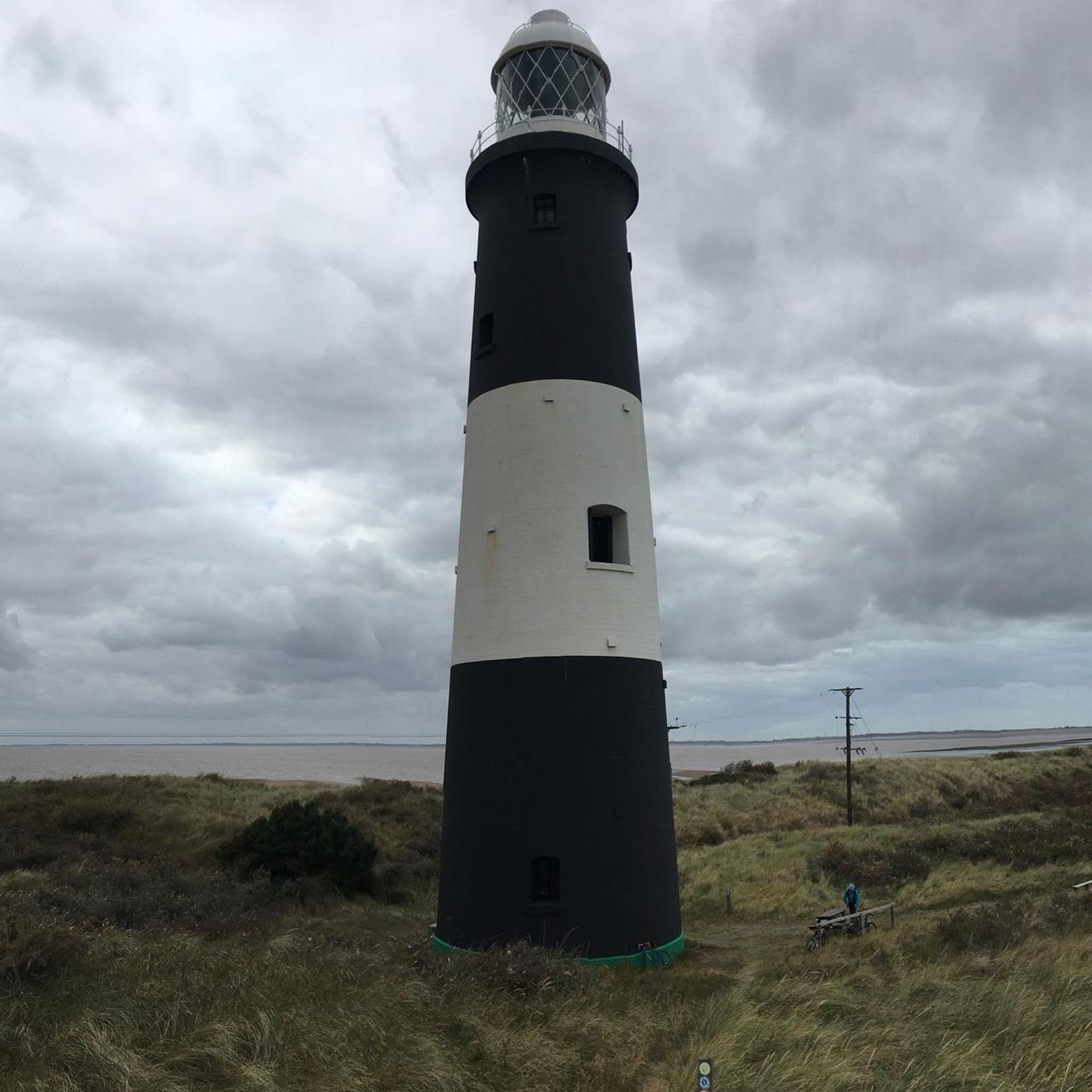
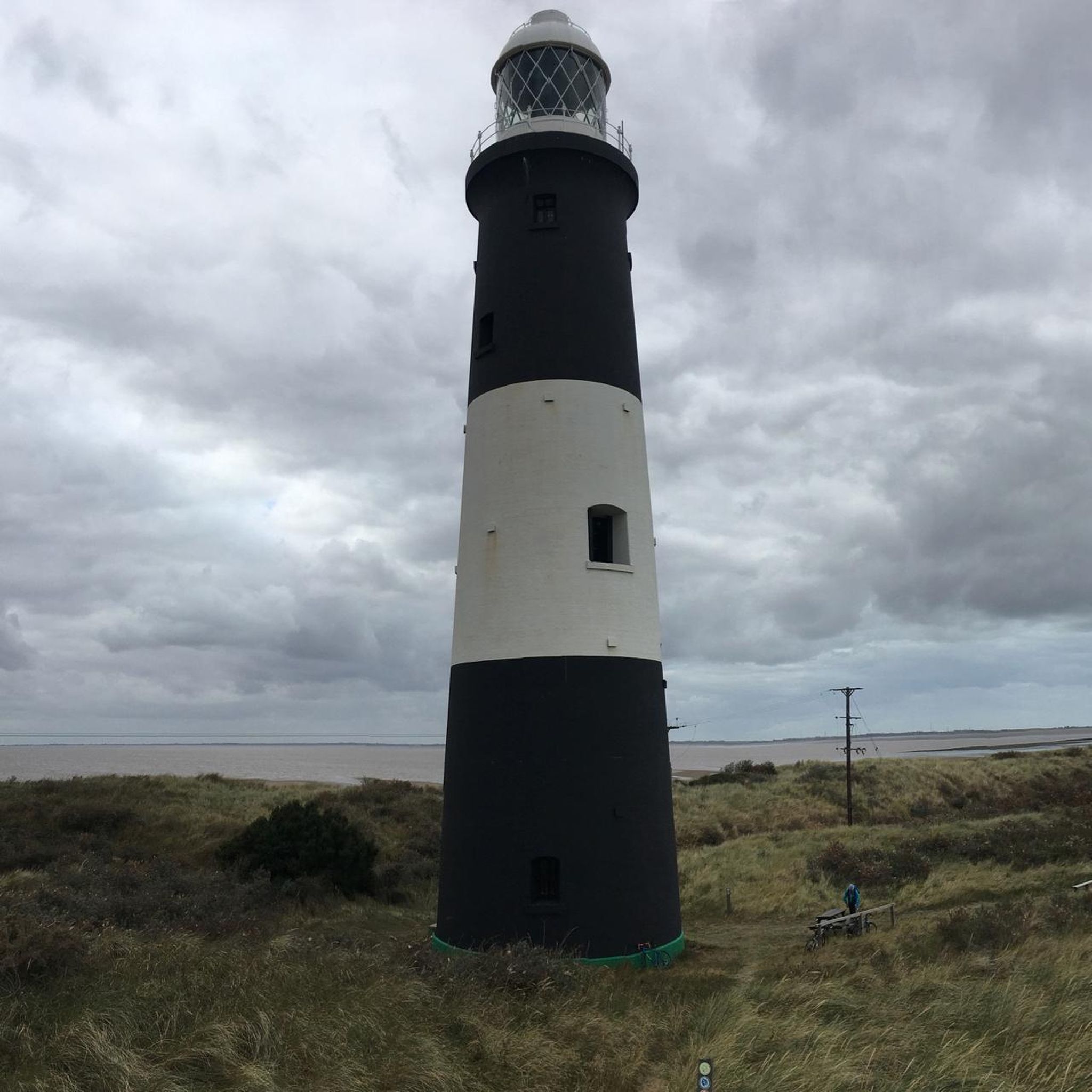
There is historical evidence of a lighthouse here since 1427 but, in the 17th century, a pair of lighthouses were built to create leading lights allowing ships to sail around the promontory and into the Humber Estuary. The present lighthouse, which stands 39 metres high, was built in 1895. Initially lit by an oil lamp, it was converted to electricity in 1941. This allowed the light to be lit briefly to aid allied ships' navigation aid and then extinguished to prevent the enemy ships benefiting. The lighthouse was decommissioned in 1985 due to improvements in on-board navigation. The Yorkshire Wildlife Trust received a grant to restore the lighthouse and open it as a visitor centre.
1
0

The Humber Lifeboat Station is located on Spurn Point in the East Riding of Yorkshire, England. The station is one of nine Royal National Lifeboat Institution lifeboat stations situated along the Yorkshire Coast and the most southerly of them all.
1
0
Frequently Asked Questions
What natural features and wildlife can I expect to see at Spurn National Nature Reserve?
Spurn National Nature Reserve is a dynamic sand and shingle spit with diverse habitats including chalk grassland, sand dunes, beaches, mudflats, and saltmarsh. It's a renowned bird migration hotspot, especially in spring and autumn, where you can observe thousands of migrants and rare species. Beyond birds, look out for roe deer, and various flowering plants like Pyramidal and Bee Orchids. The adjacent Humber Estuary is internationally important for wildfowl and wading birds.
Are there historical landmarks to explore at Spurn National Nature Reserve?
Yes, Spurn has a rich history. You can visit the iconic Spurn Lighthouse, which offers panoramic views from its top. The Spurn Low Lighthouse, established in 1852, also stands as a historical marker. The reserve also features fascinating military fortifications, including derelict buildings, tunnels, and gun emplacements from Napoleonic times through WWII, such as The Searchlight Bunker at The Point.
What kind of walking and cycling routes are available at Spurn Point?
There are various routes for both walking and cycling. A popular option is the 7-mile round trip from the entrance gate to the end of Spurn Point. You can walk along the beach on the North Sea side or use the concrete road and pathway along the Humber Estuary side. Cycling is also a great way to explore, with a Tarmac Track Past Spurn Point Lighthouse providing a smoother surface. For more detailed routes, you can explore options like "Around Spurn Head" or "Kilnsea Sound Mirror loop from Easington" for hiking, and various easy to moderate cycling routes, all accessible via the hiking guide and cycling guide for the area.
What is the best time to visit Spurn National Nature Reserve?
Spurn is particularly rewarding during spring and autumn for birdwatching, as it's a major migration hotspot. However, it's important to check tide times before your visit, as certain high tides can cut off the end of the peninsula, making some areas inaccessible or dangerous. The Spurn Discovery Centre is a good starting point for up-to-date information.
Are there family-friendly activities or facilities at Spurn National Nature Reserve?
The Spurn Discovery Centre serves as an excellent base for families, offering accessible facilities including a café, gift shop, and toilets. While exploring the reserve, children might enjoy spotting wildlife, climbing the Spurn Lighthouse for its views, and discovering the old military fortifications. The Humber Lifeboat Station also offers an interesting historical insight for all ages.
Can I bring my dog to Spurn Point?
Yes, dogs are generally welcome at Spurn National Nature Reserve, but it's important to keep them under close control, especially due to the sensitive wildlife and ground-nesting birds. There is a circular dog-walking route available. Always check local signage for any specific restrictions or areas where dogs might not be permitted.
What are the parking options at Spurn National Nature Reserve?
Parking is available at the Spurn Discovery Centre, which is the main entry point to the reserve. From there, you can begin your exploration of the peninsula on foot or by bicycle. It's advisable to arrive early during peak seasons.
What do visitors enjoy most about Spurn National Nature Reserve?
Visitors frequently highlight the unique, wild, and 'ends of the earth' feeling of the peninsula. The panoramic views from the top of the Spurn Lighthouse are particularly praised. Many also enjoy the rich history, exploring the military fortifications, and the exceptional birdwatching opportunities. The constantly changing landscape and diverse habitats also contribute to its appeal.
Are there any cafes or pubs near Spurn National Nature Reserve?
The Spurn Discovery Centre has a café where you can get refreshments and light meals. For additional options, you would typically need to venture a short distance to nearby villages like Kilnsea or Easington, which may offer local pubs or eateries.
How long does it take to walk to the end of Spurn Point?
A round trip from the entrance gate to the very end of Spurn Point and back is approximately 7 miles. Depending on your pace and how often you stop to observe wildlife or explore landmarks, this walk can take anywhere from 3 to 5 hours. Remember to factor in tide times, as parts of the route can become inaccessible.
What is the significance of the Humber Lifeboat Station at Spurn Point?
The Humber Lifeboat Station at Spurn Point is notable for being one of the few in the UK with a full-time crew. A lifeboat was first stationed here in 1810, and it plays a crucial role in maritime safety in the Humber Estuary and surrounding waters. It's a testament to the area's long-standing connection with the sea.
Are there any accessible trails at Spurn National Nature Reserve?
While the Spurn peninsula itself is a dynamic natural environment with varying terrain, the Spurn Discovery Centre offers accessible facilities. For specific accessible trail information, it's recommended to contact the Yorkshire Wildlife Trust directly or inquire at the Discovery Centre upon arrival, as conditions can change.
Most popular routes in Spurn National Nature Reserve

Get inspired with the komoot mobile app


