Spurn National Nature Reserve
Spurn National Nature Reserve
The best cycling routes in Spurn National Nature Reserve
4.7
(22)
370
riders
1
ride
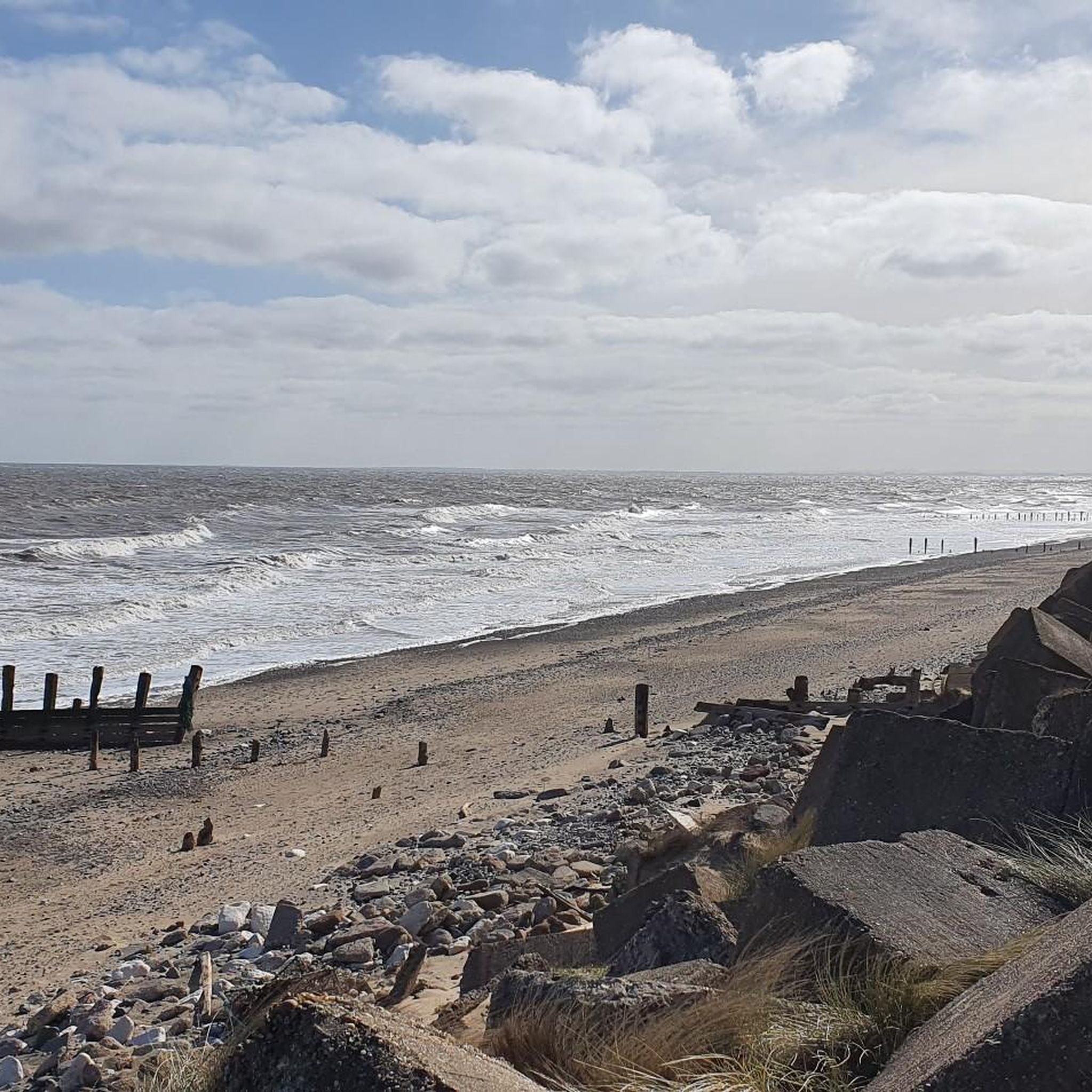
Touring cycling routes in Spurn National Nature Reserve traverse a dynamic sand and shingle spit extending into the Humber Estuary. This coastal landscape is constantly reshaped by the sea, featuring sandy beaches, mudflats, saltmarsh, dunes, and grassland. The terrain is generally flat, though some sections can include sandy or unpaved segments. The narrowness of the spit often provides views of both the North Sea and the Humber Estuary.
Best touring cycling routes in Spurn National Nature Reserve
- The most popular…
Last updated: July 15, 2026
8
riders
Easy bike ride. Great for any fitness level. Mostly paved surfaces. Suitable for all skill levels.
9
riders
10.2km
00:37
20m
20m
Easy bike ride. Great for any fitness level. Mostly paved surfaces. Suitable for all skill levels.

Sign up for free
6
riders
27.3km
01:34
60m
60m
Easy bike ride. Great for any fitness level. Mostly paved surfaces. Suitable for all skill levels.
4.6
(14)
51
riders
13.9km
00:47
20m
20m
Easy bike ride. Great for any fitness level. Mostly paved surfaces. Suitable for all skill levels.
5.0
(1)
43
riders
60.2km
03:27
110m
110m
Moderate bike ride. Good fitness required. Mostly paved surfaces. Suitable for all skill levels.
Our route recommendations are based on thousands of hikes, rides, and runs completed by other people on komoot.
Start today with a free account
Your next adventure awaits.
Login or Signup
Popular around Spurn National Nature Reserve
Tips from the Community

Make sure you check the tide times if you want to paddle in the sea otherwise it goes really far out for miles! Can be dangerous in some parts with the mud when the tides out so keep an eye out for signs of where not to go
0
0

You can't go much further south on the Holderness peninsula than Easington (if you do, you'll get wet). The church dates to the Norman period, with a 12th-century north aisle and 13th-century south aisle. There are a 14th-century clerestory and west tower, and a 15th-century chancel. Set into the wall of the north aisle is a lovely Early English doorway that may have been brought here from Birstall (Burstall) Priory, perhaps when that monastery sank into the Humber River due to erosion. Some of the north nave windows are made using Saxon grave slabs and evidence of the Saxon carvings can easily be seen.
1
0
Kilnsea Wetlands is intended to provide refuge for passage and wintering roosting waders that leave the adjacent Humber mudflats at high tide to roost. Plenty of birdwatchers around, although some of the pools were dry when I visited in November.
2
0

Real Ale and Real Cider on offer here, very nice indeed
0
0

great food and location. bike and dog friendly, plenty of space to sit outside whatever the weather
0
0

A sculpture of four of the plotters, including Guy Fawkes, erected to mark the defeat of the Gunpowder Plot in 1605, commemorating East Yorkshire's links to the Gunpowder Plot. Two of the conspirators, brothers John (Jack) and Christopher (Kit) Wright, were born in the village.
0
0
Although the Meridian crosses several roads on its short journey across East Yorkshire, only two B-roads are known to be marked. The plaque dates from 2000.
0
0

St Mary's Church is an Anglican parish church in the English village of Welwick in the East Riding of Yorkshire. It is a Grade I listed building.
0
0
Frequently Asked Questions
What is the general difficulty of touring cycling routes in Spurn National Nature Reserve?
The touring cycling routes in Spurn National Nature Reserve are generally considered easy. For example, routes like Greenwich Meridian Marker – St Mary's Church, Welwick loop from Easington, The Brew Stop – Cleethorpes Pier loop from Humberston, and Tetney Marshes – Cleethorpes Pier loop from Humberston are all rated as easy, making them suitable for a wide range of cyclists.
What kind of terrain can I expect on touring cycling routes in Spurn National Nature Reserve?
The terrain in Spurn National Nature Reserve is predominantly flat, as it traverses a sand and shingle spit. However, cyclists should be prepared for some sections that can be sandy or unpaved. While the overall elevation change is minimal, the dynamic coastal environment means surfaces can vary, making gravel bikes or mountain bikes with wider tires often recommended for the main spit.
Are there any notable landmarks or natural features to see while cycling in Spurn National Nature Reserve?
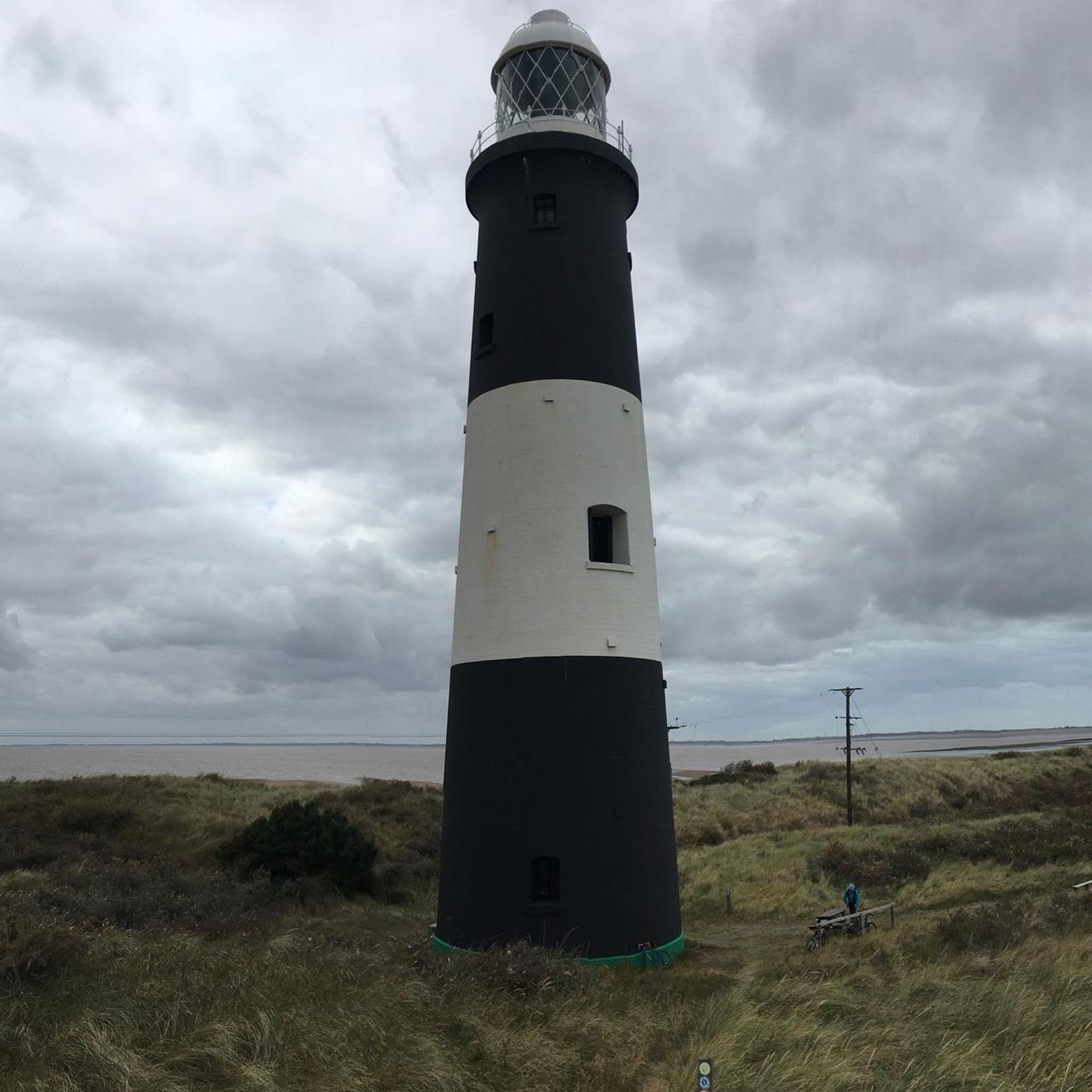
Yes, Spurn National Nature Reserve offers several unique landmarks and natural features. You can explore historical and military remains, including old railway tracks, tunnels, and gun emplacements. A prominent attraction is the restored Spurn Lighthouse, offering spectacular views. Other points of interest include the Humber Lifeboat Station and The Searchlight Bunker at The Point. The reserve itself is a dynamic landscape of sandy beaches, mudflats, saltmarsh, and dunes, constantly reshaped by the sea.
What wildlife can I expect to see while cycling in Spurn National Nature Reserve?
Spurn National Nature Reserve is an internationally important site for wildlife, especially bird migration. Cyclists can spot a wide range of species, including rare visitors, wildfowl, and wading birds like curlew, grey plover, and knot. Beyond birds, the reserve also hosts deer, seals, and occasionally dolphins off the coast. Various wildflowers, such as sea lavender and sea aster, also flourish in the saltmarsh and grassland areas.
Are there family-friendly cycling options in Spurn National Nature Reserve?
While the main spit can have sandy or unpaved sections that might be challenging for very young children or standard road bikes, many routes in the wider area are suitable for families. The generally flat terrain of the region makes it accessible. For example, the The Brew Stop – Cleethorpes Pier loop from Humberston is an easy 6.3-mile path that provides coastal views and is well-suited for a family outing.
Are dogs allowed on the cycling routes in Spurn National Nature Reserve?
Spurn National Nature Reserve is a sensitive wildlife area. While dogs are generally welcome, they must be kept on a lead at all times to protect the diverse birdlife and other animals. It's always advisable to check the latest guidance from the reserve management before your visit, especially during nesting seasons.
Are there any circular cycling routes available?
Yes, there are several circular touring cycling routes in and around Spurn National Nature Reserve. For instance, the Greenwich Meridian Marker – St Mary's Church, Welwick loop from Easington is an 18.1-mile circular route starting from Easington. Another option is the Tetney Marshes – Cleethorpes Pier loop from Humberston, an 8.7-mile loop.
What is the best time of year to go touring cycling in Spurn National Nature Reserve?
The best time to visit for touring cycling is generally during spring and autumn, when the weather is often milder and the reserve experiences significant bird migration, offering excellent wildlife viewing opportunities. Summer can also be pleasant, but be mindful of potential heat and busier periods. Always check tide times, as parts of the spit can become an island during high tides.
Where can I park for cycling routes in Spurn National Nature Reserve?
The Spurn Discovery Centre often serves as a starting point for many visitors and provides amenities and parking. For routes starting further afield, such as those from Easington or Humberston, local parking options would be available in those villages. Always check for specific parking information related to your chosen starting point.
Are there cafes or pubs near the cycling routes in Spurn National Nature Reserve?
While the immediate Spurn Point itself is quite remote, the Spurn Discovery Centre offers amenities. In nearby villages like Easington or Kilnsea, you can find local pubs or cafes. For routes extending towards Cleethorpes, such as The Brew Stop – Cleethorpes Pier loop from Humberston, there are more options for refreshments.
How long does it typically take to cycle the routes in Spurn National Nature Reserve?
The duration varies depending on the route and your pace. For example, the Greenwich Meridian Marker – St Mary's Church, Welwick loop from Easington, which is 18.1 miles (29.1 km), typically takes around 1 hour 42 minutes. A shorter route like the 8.7-mile (13.9 km) Tetney Marshes – Cleethorpes Pier loop from Humberston can be completed in about 47 minutes.
What do other touring cyclists enjoy most about cycling in Spurn National Nature Reserve?
The area is highly rated by the komoot community, with an average score of 4.6 stars from more than 10 reviews. Reviewers often praise the unique coastal landscape, the sense of escape offered by the 'big skies,' and the opportunities for wildlife spotting. The relatively flat terrain and diverse habitats like saltmarsh and dunes are also frequently highlighted as enjoyable aspects.
Most popular routes in Spurn National Nature Reserve
Most popular attractions in Spurn National Nature Reserve

Get inspired with the komoot mobile app


Explore more
Browse the best Cycling routes in other regions.
