Attractions and Places To See in Diamond Head State Monument - Top 4
Best attractions and places to see in Diamond Head State Monument, known as Lēʻahi, is a prominent volcanic tuff cone offering natural beauty and historical significance. This monument encompasses over 475 acres, including the crater's interior and outer slopes, which formed about 300,000 years ago. It provides panoramic views and insight into Oahu's geological and military history.
Best attractions and places to see in Diamond Head State Monument
- The most popular attractions is Diamond Head State Monument, a natural monument that encompasses nearly 500 acres. It offers expansive views across Waikiki and the Pacific Ocean.
- Another must-see spot is Kahala Lookout, a viewpoint located on the way to the Lēʻahi (Diamond Head) trailhead. Visitors can expect scenic views ranging from the state park to the ocean.
- Visitors also love Fort Ruger Pathway, a 1-mile long, 12-feet wide, multi-purpose paved path. This route is popular for those heading to Diamond Head State Monument.
- Diamond Head State Monument is known for natural monuments, viewpoints, and trails. The area offers a variety of attractions to see and explore, including historical military features and scenic lookouts.
- The attractions in Diamond Head State Monument are appreciated by the komoot community, with more than 150 upvotes and 45 photos shared.
Last updated: October 22, 2026
Diamond Head State Monument
Highlight • Natural Monument
Diamond Head State Monument is only open from 6am-6pm, with the last hike starting at 4pm. Often, going earlier in the day means fewer crowds.
Tip by

Kahala Lookout
Highlight • Viewpoint
Keep in mind that unless you are a Hawai'i resident with Hawai'i-issued ID, you'll need advance reservations, which can be made online for $5 per person, plus $10 per vehicle if you're driving to the trailhead: gostateparks.hawaii.gov/diamondhead
Also of note, the park is only open from 6am-6pm, and the last reservation for the day is at 4pm.
Tip by
Sign up now to discover places like this
Get recommendations on the best single tracks, peaks, & plenty of other exciting outdoor places.
Fort Ruger Pathway
Highlight (Segment) • Trail
gostateparks.hawaii.gov/diamondhead/faq#:~:text=Do%20they%20need%20a%20reservation,they%20will%20be%20denied%20entry.
Tip by

Amelia Earhart Marker Lookout
Highlight • Viewpoint
Tip by
Start today with a free account
Your next adventure awaits.

Other adventures in Diamond Head State Monument

Tips from the Community

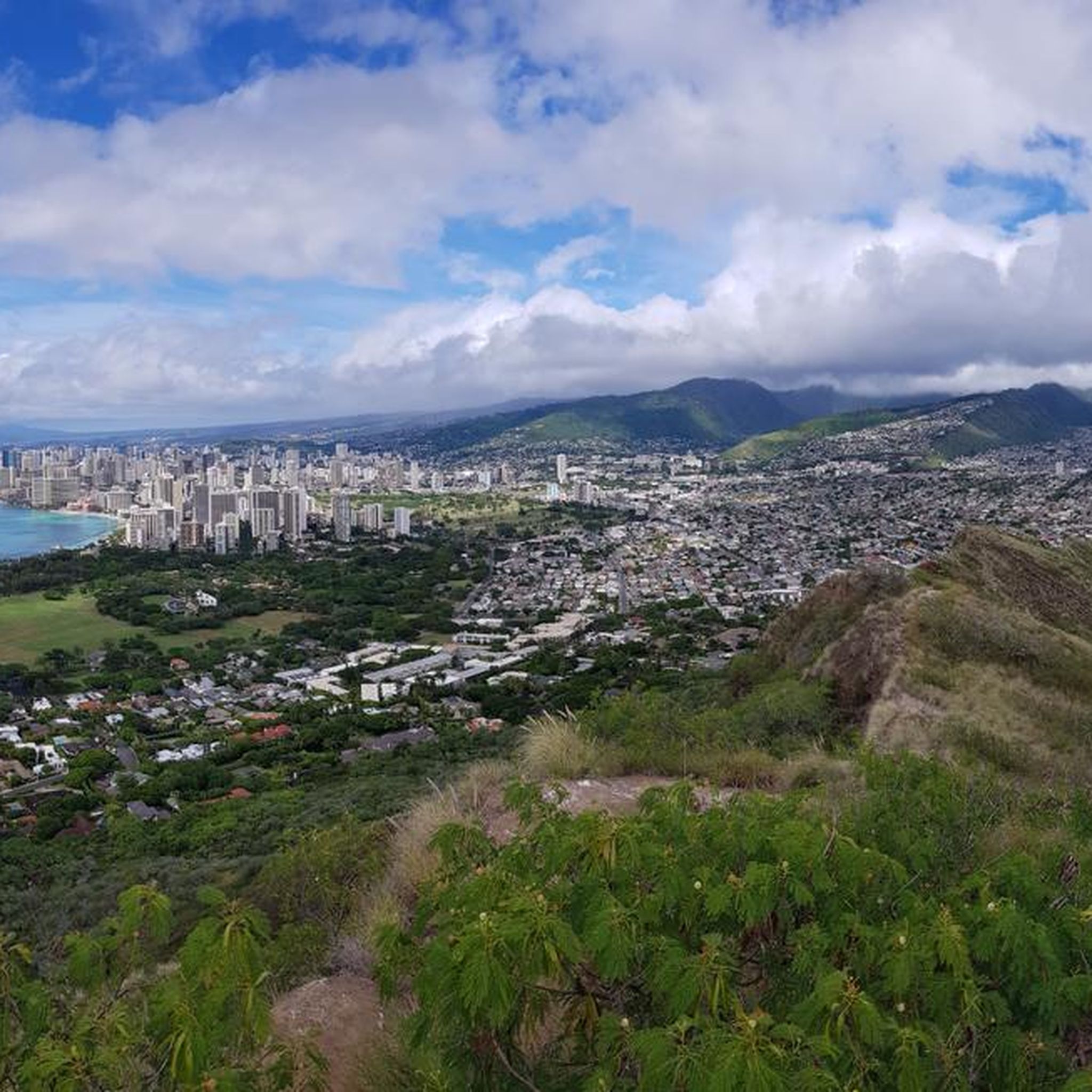
After the ascent, a magnificent view of Honolulu and Waikiki awaits you
0
0

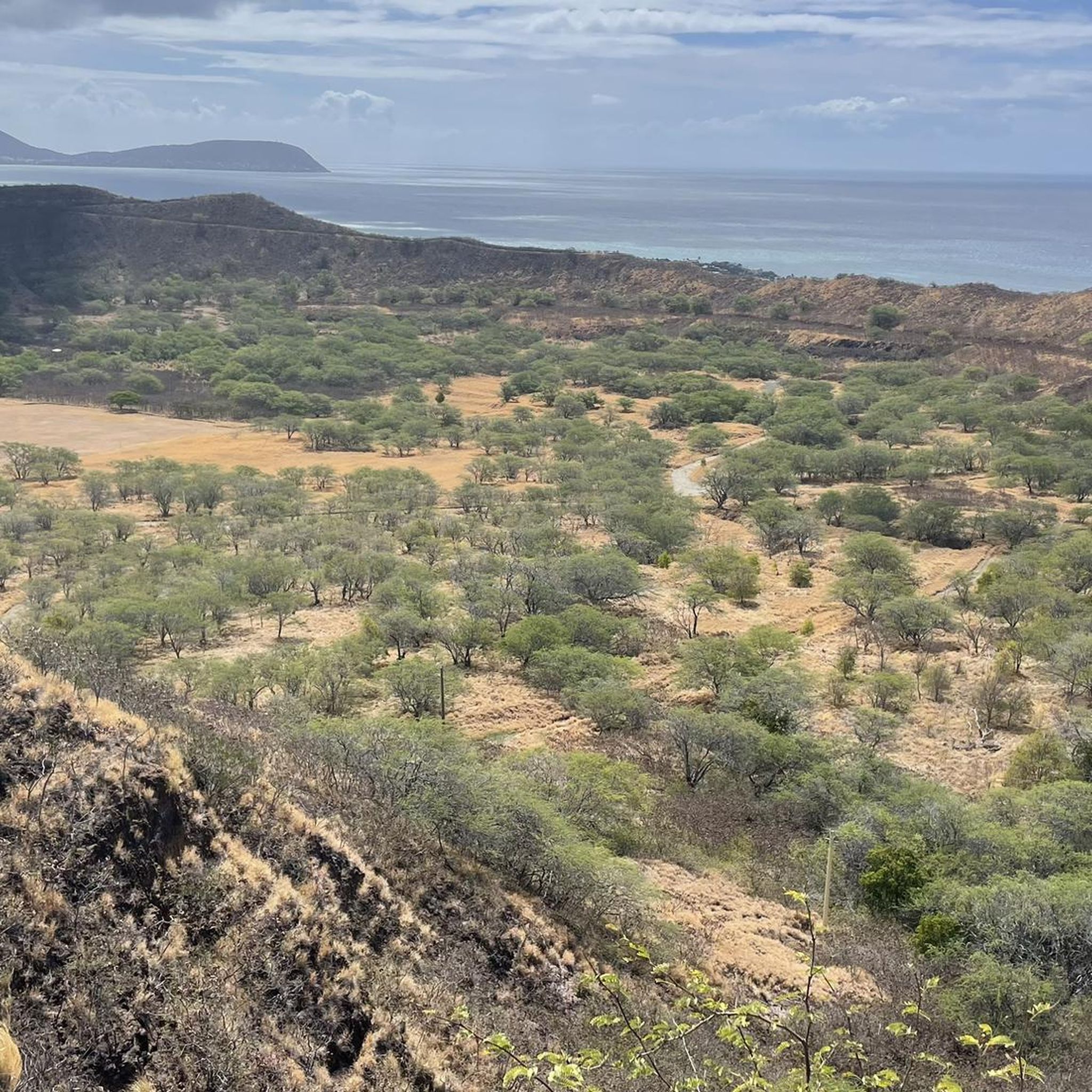
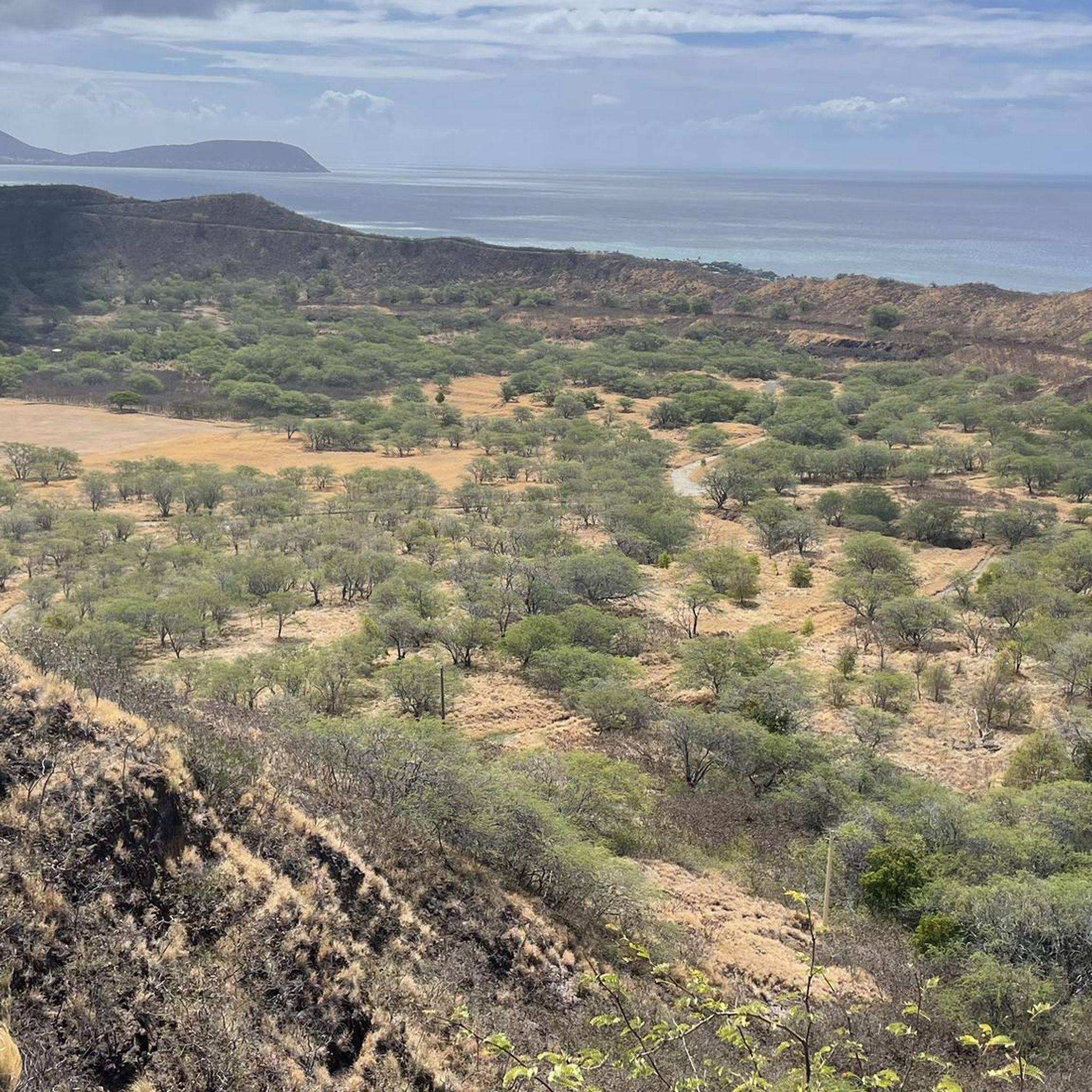
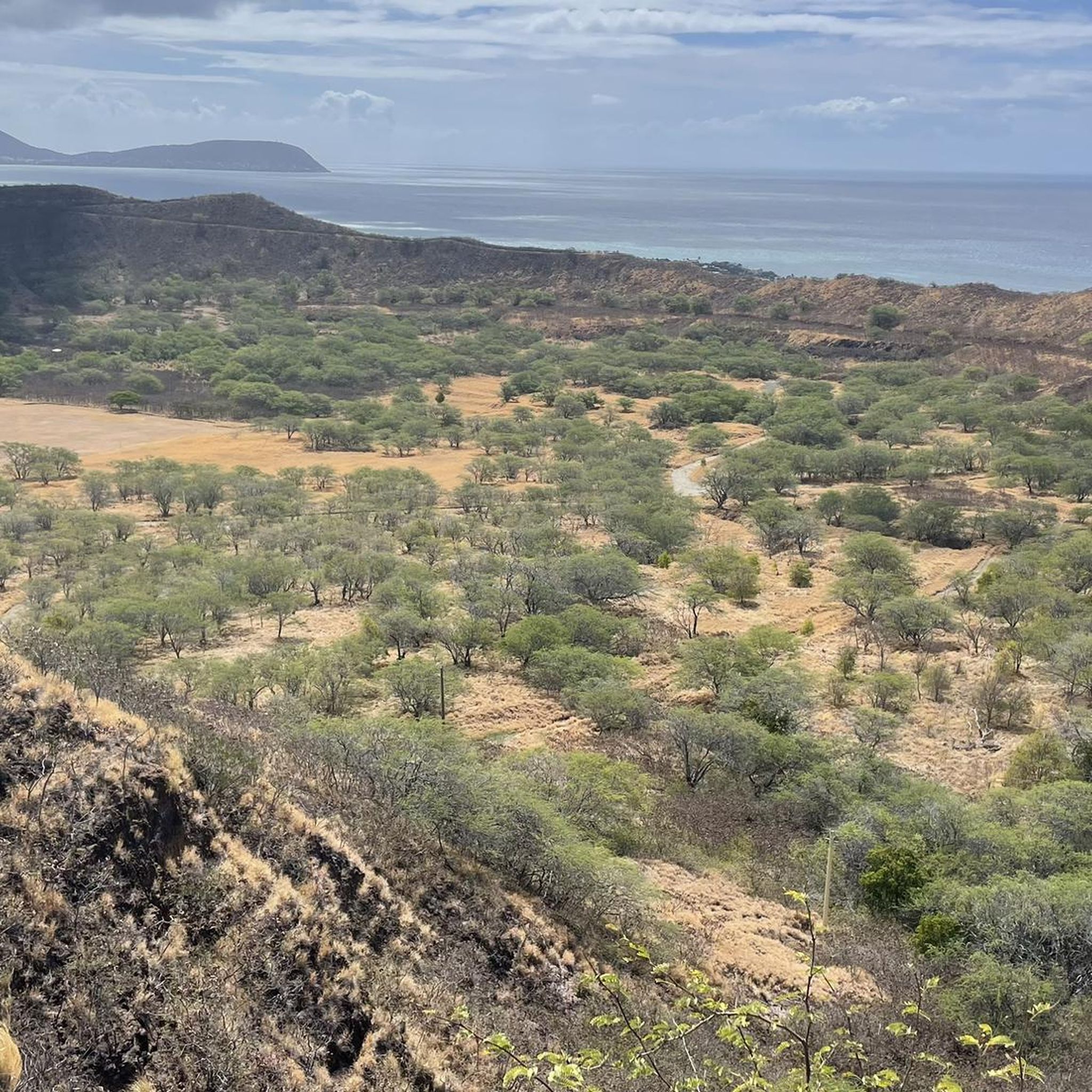
Measuring in at almost 500 acres, this state monument produces truly mind-blowing views out across the water and over Waikiki. Unless you are a Hawai'i resident with a Hawai'i ID, you must make reservations to enter the monument, for a small fee: https://gostateparks.hawaii.gov/diamondhead Diamond Head State Monument is only open from 6am-6pm, with the last hike starting at 4pm. Often, going earlier in the day means fewer crowds.
2
0
This is a scenic lookout on the way up to the Lē'ahi (Diamond Head) trailhead. Walking to the trailhead is a great way to avoid the parking crush, especially since there's a bus stop not far away. Just beyond this lookout you'll enter the Kahala Tunnel, the customary pedestrian access to Lē'ahi. Keep in mind that unless you are a Hawai'i resident with Hawai'i-issued ID, you'll need advance reservations, which can be made online for $5 per person, plus $10 per vehicle if you're driving to the trailhead: https://gostateparks.hawaii.gov/diamondhead Also of note, the park is only open from 6am-6pm, and the last reservation for the day is at 4pm.
3
0

Be sure to make a reservation in advance. Stairs also have to be managed. The view makes up for it
1
0
Great views of Honolulu and Waikiki Beach
0
1

The entrance to the park can be reached from Waikiki in about 15 minutes by public bus (The Bus - e.g. # 2, 23). One way 3$ as of Oct 2023.
1
0

The Fort Ruger Pathway is a 1-mile long, 12-feet wide, multi-purpose paved path. This path is a popular route for those heading to Diamond Head State Monument. If you do plan on going to the monument, you do need a reservation: https://gostateparks.hawaii.gov/diamondhead/faq#:~:text=Do%20they%20need%20a%20reservation,they%20will%20be%20denied%20entry.
0
0
From here you can see amazing views over Kuilei Cliffs Beach Park and up the coast toward Kahala. On the east side of the parking area, look for the Amelia Earhart Marker, which recalls her 1935 solo flight from Hawaii to California.
0
0
Frequently Asked Questions
What is the main attraction in Diamond Head State Monument?
The centerpiece is undoubtedly Diamond Head State Monument itself, also known as Lēʻahi. This extinct volcanic tuff cone offers an iconic hike to its summit, providing unparalleled panoramic views of Waikīkī, Honolulu, and the Pacific Ocean. It's a natural monument encompassing nearly 500 acres.
What kind of views can I expect from the summit of Diamond Head?
From the summit, you can enjoy breathtaking panoramic views of Waikīkī, Honolulu, Oahu's coastline stretching from Koko Head to Waiʻanae, and the vast Pacific Ocean. On clear winter days, you might even spot passing humpback whales.
Are there any historical or military sites to explore within Diamond Head State Monument?
Yes, the monument has a rich military history. The summit trail itself was constructed in 1908 as part of Oʻahu's coastal defense system. Along the trail, you'll encounter historical elements like the Fire Control Station, military bunkers, and tunnels from the WWII era. Some installations, such as Battery 407 and the Birkhimer Tunnel, are still in use. Diamond Head State Monument is part of the Fort Ruger Historic District.
How difficult is the hike to the Diamond Head summit, and how long does it take?
The hike to the summit is considered steep and strenuous. It's a 0.8-mile (one-way) trail with a 560-foot elevation gain. While the specific duration varies by individual, it's generally an intermediate-level hike. The trail includes two sets of stairs, totaling 175 steps, and passes through a lighted 225-foot tunnel.
Do I need a reservation or permit to visit Diamond Head State Monument?
Yes, non-Hawaii residents are required to make reservations to enter the monument. There is also a small fee. You can book your slot in advance online. The park is open from 6 am to 6 pm, with the last hike starting at 4 pm. You can find more information and make reservations at hawaii.gov.
Are there any family-friendly spots or activities in the monument?
Yes, several areas are suitable for families. The Kahala Lookout and Amelia Earhart Marker Lookout are both family-friendly viewpoints offering scenic perspectives. There are also picnic facilities available at the beginning of the hike and at the summit, perfect for a family break.
What is the Fort Ruger Pathway, and is it accessible?
The Fort Ruger Pathway is a 1-mile long, 12-feet wide, multi-purpose paved path. It's a popular route for those heading to Diamond Head State Monument and is wheelchair accessible, making it a great option for a wider range of visitors.
What is the best time of day to visit Diamond Head to avoid crowds?
To experience fewer crowds, it's often recommended to visit earlier in the day. The monument is open from 6 am, so an early start can provide a more serene hiking experience.
What unique geological features can be found at Diamond Head?
Diamond Head, or Lēʻahi, is a prominent volcanic tuff cone that formed about 300,000 years ago during a single, explosive eruption. It stands 762 feet above sea level and was designated a National Natural Landmark in 1968. The broad, saucer-shaped crater covers 350 acres, and its semi-arid environment supports low shrubs and native Hawaiian species.
What outdoor activities can I do near the attractions in Diamond Head State Monument?
Beyond the main summit hike, you can explore various outdoor activities. For hiking, consider routes like the Diamond Head Summit Trail (Lē'ahi) or the Waikiki Aquarium and Queen's Surf Beach Loop. If you enjoy cycling, there are road cycling routes such as the Lanai Lookout – Makapu'u Lookout loop, and touring bicycle options like the Diamond Head Lighthouse – Amelia Earhart Marker Lookout loop.
Is there a visitor center or interpretive information available?
Yes, there are interpretive kiosks and a visitor center located on the crater floor. These provide valuable services and exhibits detailing the crater's history, geology, ecology, and cultural significance.
What is the cultural significance of Diamond Head?
Diamond Head holds deep cultural significance to Native Hawaiians, who know it as Lēʻahi. The name Lēʻahi translates to 'brow of the tuna,' referring to the distinctive shape of the crater's ridgeline.
Most popular routes in Diamond Head State Monument

Get inspired with the komoot mobile app


Explore more
Still not found the Highlight you’re looking for? See guides of the top attractions in other regions:
