Attractions and Places To See in Pannenhoef - Top 20
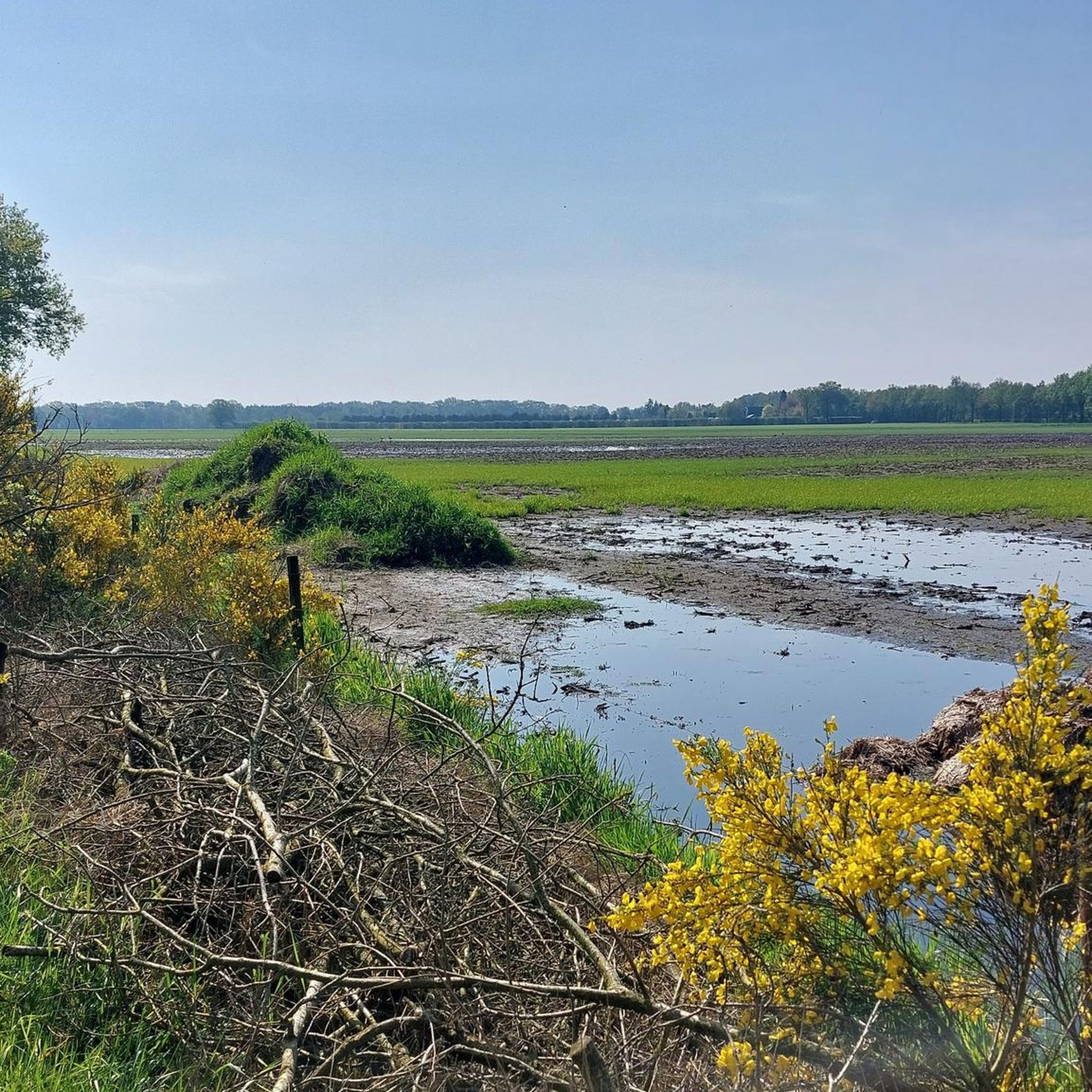
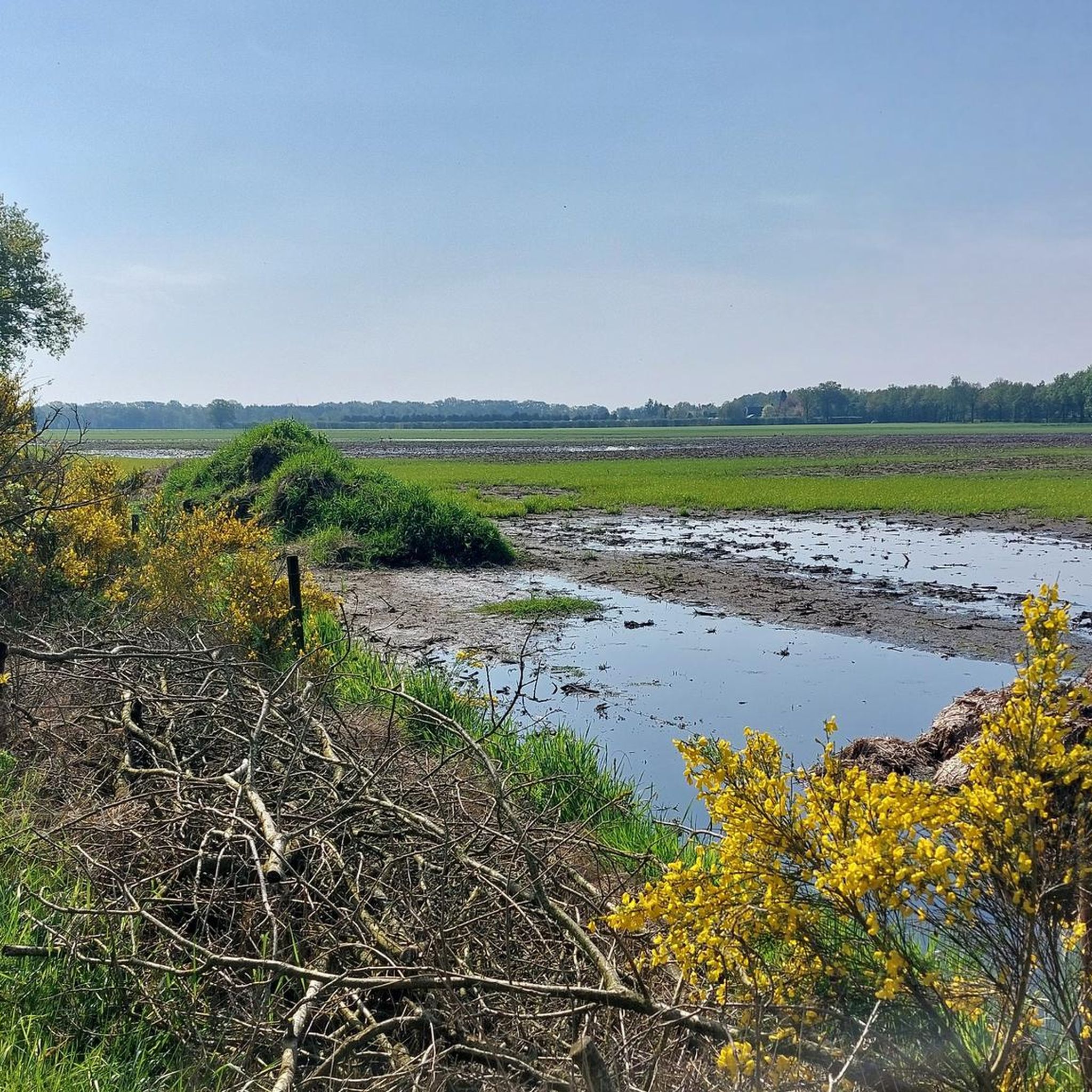
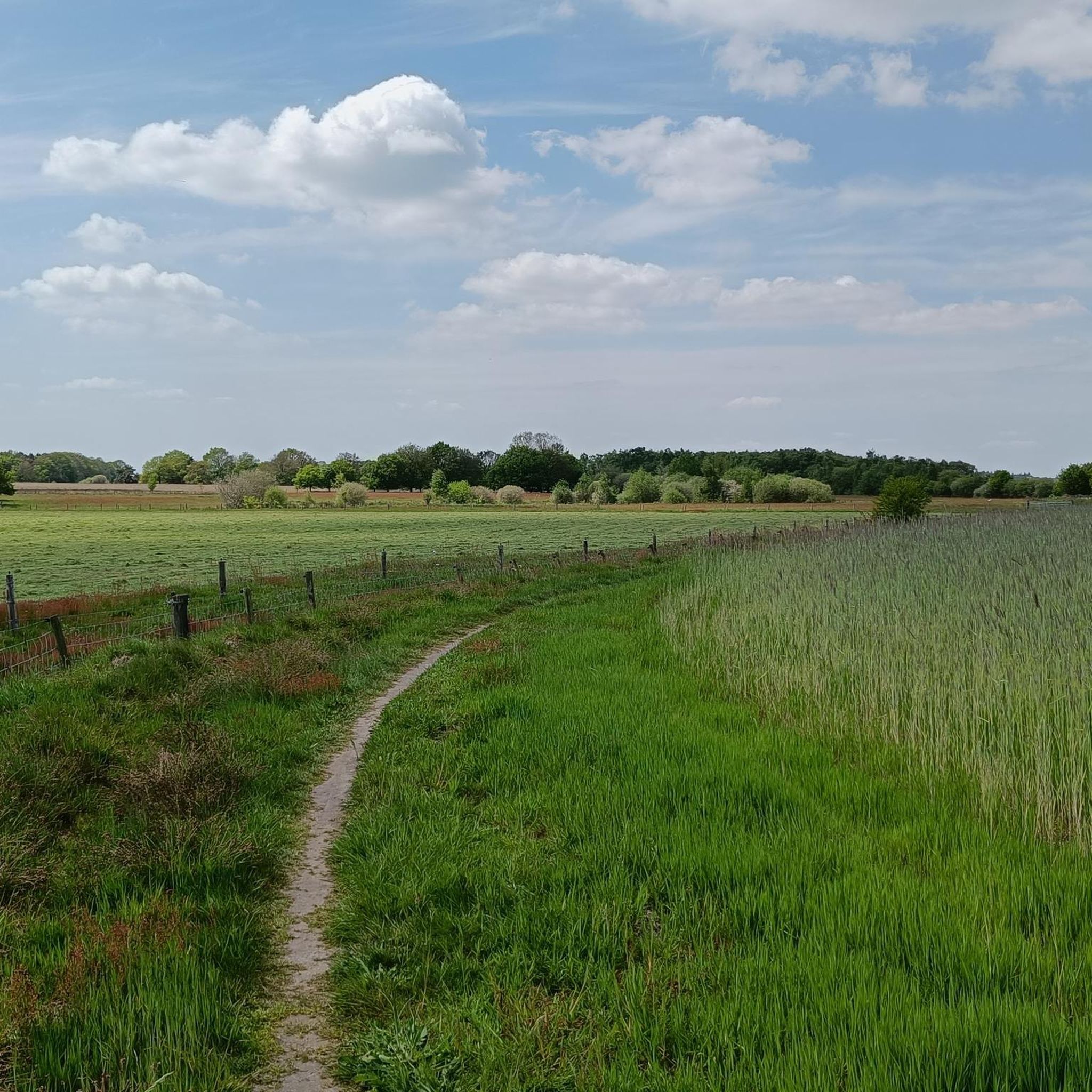
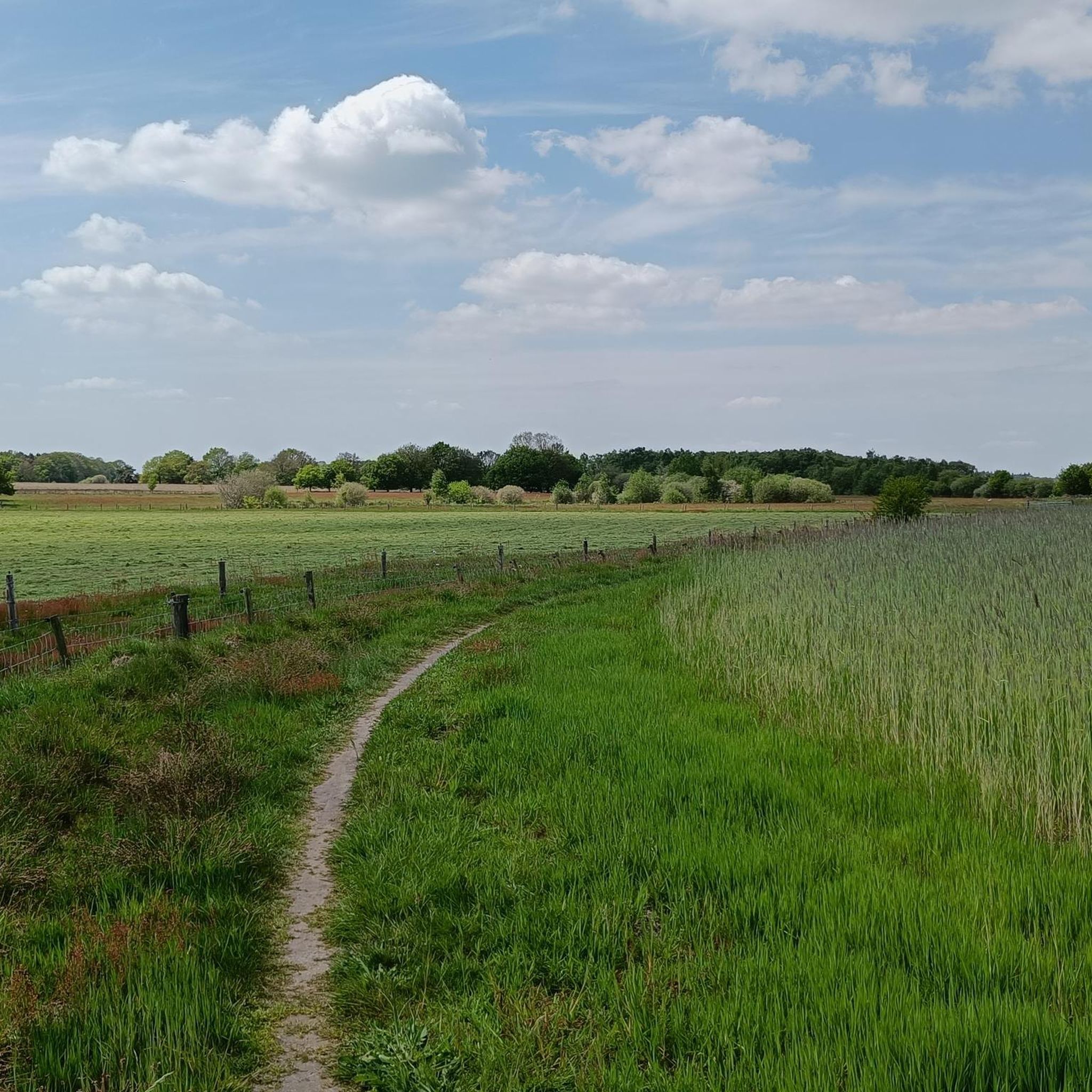
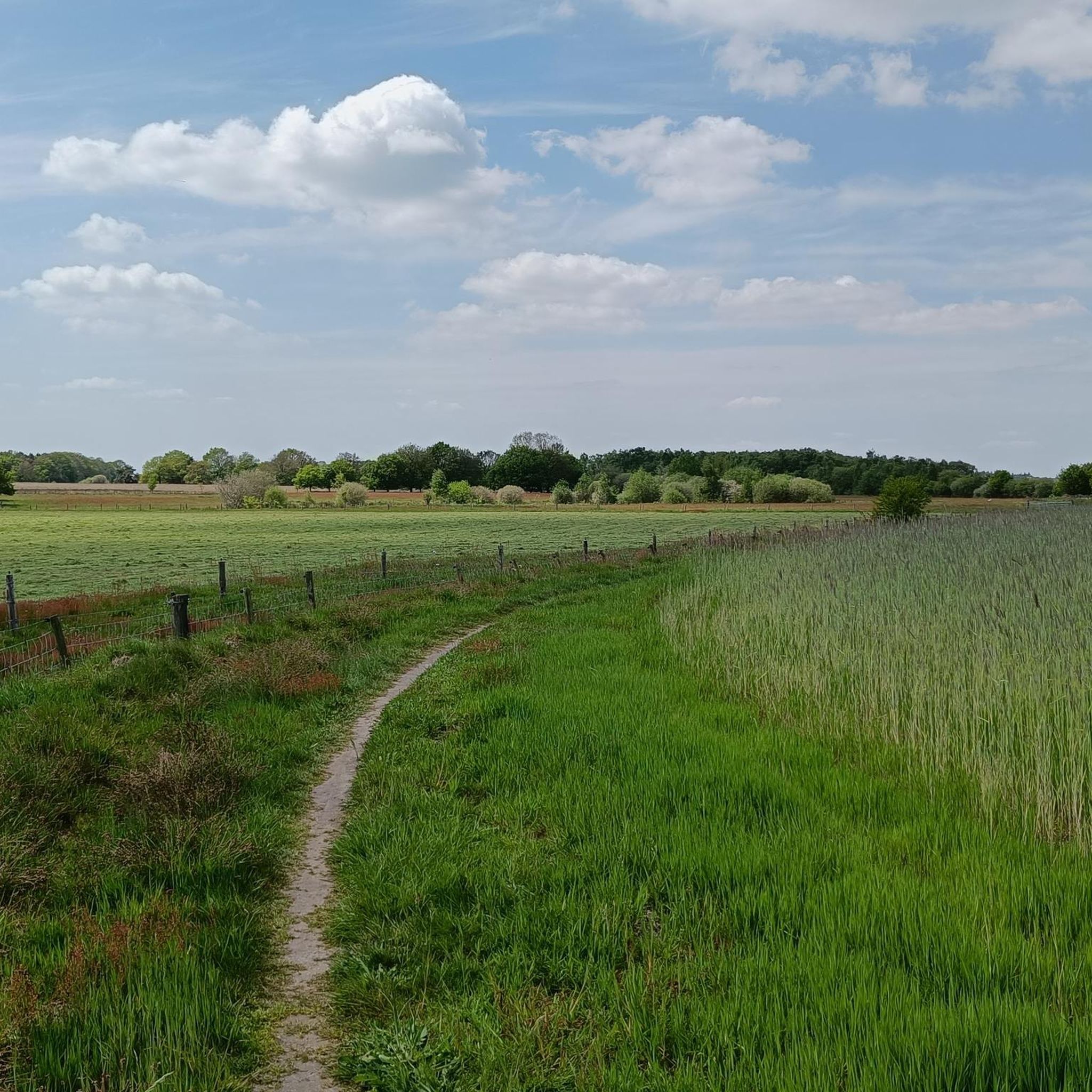
Best attractions and places to see in Pannenhoef include the expansive Pannenhoef Nature Reserve, covering over 700 hectares of diverse landscapes. This area features mixed forests, numerous fens, and flower-rich meadows, reflecting its history as a peat bog. Significant restoration efforts have enhanced its natural value, making it a destination for nature, history, and outdoor activities. The reserve is known for its diverse flora and fauna, including various bird species and Konik horses.
Best attractions and places to see in Pannenhoef
- The most popular attractions is The Black Barn, Pannenhoef, a historical facility that was built in 1916. It now hosts an exhibition on the area's cultural history and nature, and serves as an outdoor classroom.
- Another must-see spot is Bakehouse from 1940, a historical site established with the Pannenhoef estate. Visitors can learn about the traditional bread-making process using local grain.
- Visitors also love Abandoned Canals and Schuitvaart Towpath, a historical trail. These former peat canals, once vital for transporting peat, now form part of the walking routes Pannenhoef offers.
- Pannenhoef is known for its historical sites, natural landscapes, and facilities for visitors. The area offers a variety of attractions to see and explore, from restored fens to historical structures.
- The attractions in Pannenhoef are appreciated by the komoot community, with 18 highlights featuring 34 photos and receiving 155 upvotes.
Last updated: July 5, 2026
The Black Barn, Pannenhoef
Highlight • Rest Area
The Black Barn was built in 1916 and the supervisor lived with his family in the bakehouse next to it. In 1923, the Pannenhoef was taken over by the Kölling family from Dieren, who further expanded the estate and had villa De Arendsberg built. In 1970, Brabants Landschap took over the estate. Thanks to nature development, the area is flourishing and the restored fens are a true bird paradise. Brabants Landschap has set up an exhibition in the Zwarte Schuur about the cultural history and flora and fauna of the Pannenhoef. Nature films about the Pannenhoef can be seen in the Zwarte Schuur and a limited number of brochures and walking routes are available. The bakehouse is next to De Zwarte Schuur. Delicious fresh bread is regularly baked here.
Source: ettenleur.stappen-shoppen.nl/locations/natuurgebied-de-pannenhoef-56abb776f6bf5072258b48df
Translated by Google •
Tip by

Rustic bridge
Highlight • Bridge
Translated by Google •
Tip by

Sign up now to discover places like this
Get recommendations on the best single tracks, peaks, & plenty of other exciting outdoor places.
Sign up for free
Bakehouse from 1940
Highlight • Historical Site
Every 3rd Sunday of the month you can become acquainted with the operation of the Bakhuisje. The oven is brought to the correct temperature and bread can then be baked from grain that comes from fields in the area.
Come and discover the entire process - kneading, rising and baking - on site.
Translated by Google •
Tip by
Abandoned Canals and Schuitvaart Towpath
Highlight • Trail
Translated by Google •
Tip by

Transport of peat – Peat shipping
Highlight • Historical Site
The transport of the peat from the peat areas to the final destination took place in phases.
The peat was cut into cubes, left to dry and wheelbarrowed to the barges or 'pleyten'. They were pulled from the side, the towpath, initially by people, later by a horse with an attendant. The peat was unloaded and measured on the peat heads by 'tonsters', women who put the peat in barrels. Here it was also determined how much 'lastgeld' (tax) and 'sailing fees' had to be paid. Finally, in seaworthy sailing ships, the peat found its way to customers in Antwerp, Ghent and Bruges.
At this location you can search the landscape for silent witnesses.
Translated by Google •
Tip by
Sign up for free to discover even more attractions in Pannenhoef.
Sign up for free
Already have an account?
Start today with a free account
Your next adventure awaits.
Login or Signup

Tips from the Community

Nice place for a picnic, there are enough benches.
0
0


A bridge provides a connection between two banks. Usually a bridge is over water: a ditch, a canal, moat, river, lake, ravine, ...
1
0

A peat canal is a dug waterway that was constructed to transport peat from the extraction site, a peat area, to the outlet: a city. The peat was transported with a peat ship or peat barge. The word peat canal therefore refers to the traffic caused by the peat ships. Apart from that, the Turfvaart is also a specific name for one specific peat canal. The Turfvaart is a waterway of approximately 25 km in length that runs via the Pannenhoef and Vloeiweide nature reserves along Effen to Breda, where it flows into the Aa or Weerijs. Around the year 1400, peat was dug south of Breda to extract peat. Four brewers from Breda took the initiative to dig the Turfvaart in 1618. They needed fuel to brew their beer. The Turfvaart was then 12.3 kilometers long and ended in the Aa or Weerijs just below the Krabbenbossen. This branch is now connected to the Bijloop and still exists. On 20 November 1618 the first peat arrived in Breda. The ships were decorated with flags, trumpets were blown and the large bell of the church was rung. Thousands of people came to watch. Because the Aa or Weerijs was difficult to navigate, the Turfvaart was extended directly to Princenhage 30 years later. In 1743 all the peat had been dug up except for a small piece in the Matjens nature reserve. That is still there today.
6
0
You cross the Turfvaart via this bridge.
6
0

The Zwarte Schuur is located in the middle of the Pannenhoef and was built in 1916. Inside, an exhibition has been set up about the cultural history and nature of the Pannenhoef. There is a film room with nature films and you can get walking and cycling brochures. The volunteers are happy to give tips about the area. Bread is baked in the adjacent bakery when the outdoor classroom is open. Visitor information From April to October, the outdoor classroom and the bakery are open every 3rd Sunday of the month from 10:30 to 16:00. There are free excursions at 11:00 and 14:00. Want to organize something yourself at the Zwarte Schuur? Inquire about the possibilities via dezwarteschuur@gmail.com.
0
0

In the middle of the Pannenhoef is the Zwarte Schuur. This has been set up as an outdoor classroom by Brabants Landschap. Every third Sunday of the month from April to October, the Zwarte Schuur is open from 11:00 to 16:00. Keep an eye on the Etten-Leur City App Agenda for the activities. The Zwarte Schuur was built in 1916 and the supervisor and his family lived in the bakehouse next door. In 1923, the Pannenhoef was taken over by the Kölling family from Dieren, who further expanded the estate and had villa De Arendsberg built. In 1970, Brabants Landschap took over the estate. Thanks to nature development, the area flourishes and the restored fens are a true bird paradise. Brabants Landschap has set up an exhibition in the Zwarte Schuur about the cultural history and the flora and fauna of the Pannenhoef. In the Zwarte Schuur, nature films about the Pannenhoef can be seen and a limited number of brochures and walking routes are available. Next to De Zwarte Schuur is the bakery. Delicious fresh bread is baked here regularly. Source: https://ettenleur.stappen-shoppen.nl/locaties/natuurgebied-de-pannenhoef
2
0
Frequently Asked Questions
What kind of natural landscapes can I explore in Pannenhoef?
Pannenhoef Nature Reserve offers a diverse landscape of mixed forests, numerous fens (ponds), and vibrant flower-rich meadows. The area has undergone significant restoration, enhancing its natural beauty and providing a habitat for a variety of flora and fauna. You can also find historical features like the Abandoned Canals and Schuitvaart Towpath, remnants of its past as a peat bog.
Are there good hiking opportunities in Pannenhoef?
Yes, Pannenhoef is an excellent destination for hiking, with many marked routes available. You can find trails ranging from easy to moderate, such as the "View of Pannenhoef – Pannenhoef Observation Hut loop from Klein Zundert" or the "Heath near Rucphense Bossen – Sterrebos loop from Pannenhoef." For more options, explore the Hiking in Pannenhoef guide.
Can I go cycling in Pannenhoef?
Absolutely. Pannenhoef offers various cycling routes, including options for road cycling and gravel biking. You can find easy road cycling loops like "Heimolen Windmill – Hoekvensedreef loop from Pannenhoef" or more challenging gravel biking routes such as "West-Beersgat Gravel Road – Canal Path with Farmland Views loop from Zundert." Discover more routes in the Road Cycling Routes in Pannenhoef and Gravel biking in Pannenhoef guides.
What historical sites can I visit in Pannenhoef?
Pannenhoef is rich in history. Key historical sites include The Black Barn, Pannenhoef, built in 1916, which now hosts exhibitions. You can also visit the Bakehouse from 1940, where you can learn about traditional bread-making. The Abandoned Canals and Schuitvaart Towpath are also historical remnants of peat transport. Additionally, you might find chapels and the Eight Peat Poles illustrating the area's past.
What is the significance of The Black Barn?
The Black Barn, Pannenhoef, built in 1916, is a central feature within the nature reserve. It serves as an outdoor classroom and hosts exhibitions on the cultural history, flora, and fauna of Pannenhoef. Nature films are shown, and brochures with walking routes are available. It's often open on the third Sunday of the month from April to October.
Are there family-friendly activities or spots in Pannenhoef?
Yes, Pannenhoef offers several family-friendly spots. The Black Barn often hosts activities, and the adjacent Bakehouse from 1940 sometimes demonstrates traditional bread baking. The Pannenhoef Picnic Meadow is a great spot for families to relax. The nature reserve itself, with its easy walking routes and diverse wildlife, is suitable for family outings.
Where can I observe wildlife in Pannenhoef?
Pannenhoef Nature Reserve is home to diverse wildlife. You can spot various bird species like buzzards, goshawks, woodpeckers, and waterfowl. There's a dedicated bird observation hut and bird screens, particularly near the De Flesch marsh area. Konik horses can also be found in the Lokkerwest area. The restored fens are known to be a true bird paradise.
Is there a connection to Vincent van Gogh in Pannenhoef?
Yes, Vincent van Gogh is known to have visited Pannenhoef to draw inspiration from its beautiful environment. He found peace and comfort in the countryside, and his lifelong love for nature stemmed from his youth in nearby Zundert and Etten. The Pannenhoef Picnic Meadow is a place where he might have paused to appreciate the landscape.
What do visitors enjoy most about Pannenhoef?
Visitors particularly enjoy the tranquil natural environment, the well-maintained walking and cycling routes, and the historical elements scattered throughout the reserve. The opportunity to observe wildlife, relax at spots like the Pannenhoef Picnic Meadow, and learn about the area's past at places like The Black Barn are highly appreciated.
Are there places to eat or rest near the attractions?
Within the Pannenhoef area, the Menmoerhoeve offers a camping, restaurant, and activity farm. The Black Barn also serves as a nice spot to rest, and when open, the adjacent bakehouse sometimes offers fresh bread. For more options, you might find cafes in the nearby towns surrounding the reserve.
What is the best time of year to visit Pannenhoef?
Pannenhoef is beautiful year-round, but spring and summer offer vibrant flower-rich meadows and active wildlife, making them ideal for nature observation and hiking. Autumn brings colorful foliage, while winter can offer serene, quiet walks. The Black Barn is typically open from April to October, which might influence your visit if you wish to see its exhibitions.
Are dogs allowed on the trails in Pannenhoef?
While the guide data doesn't explicitly state dog-friendly policies for every trail, nature reserves in the Netherlands often have specific rules regarding dogs, such as keeping them on a leash. It's advisable to check local signage at parking areas or the official Brabants Landschap website for the most current regulations to ensure a pleasant visit for everyone.
Most popular routes in Pannenhoef

Get inspired with the komoot mobile app


Explore more
Still not found the Highlight you’re looking for? See guides of the top attractions in other regions:
