The best walks and hikes in Pannenhoef
4.4
(6586)
29,357
hikers
17
hikes
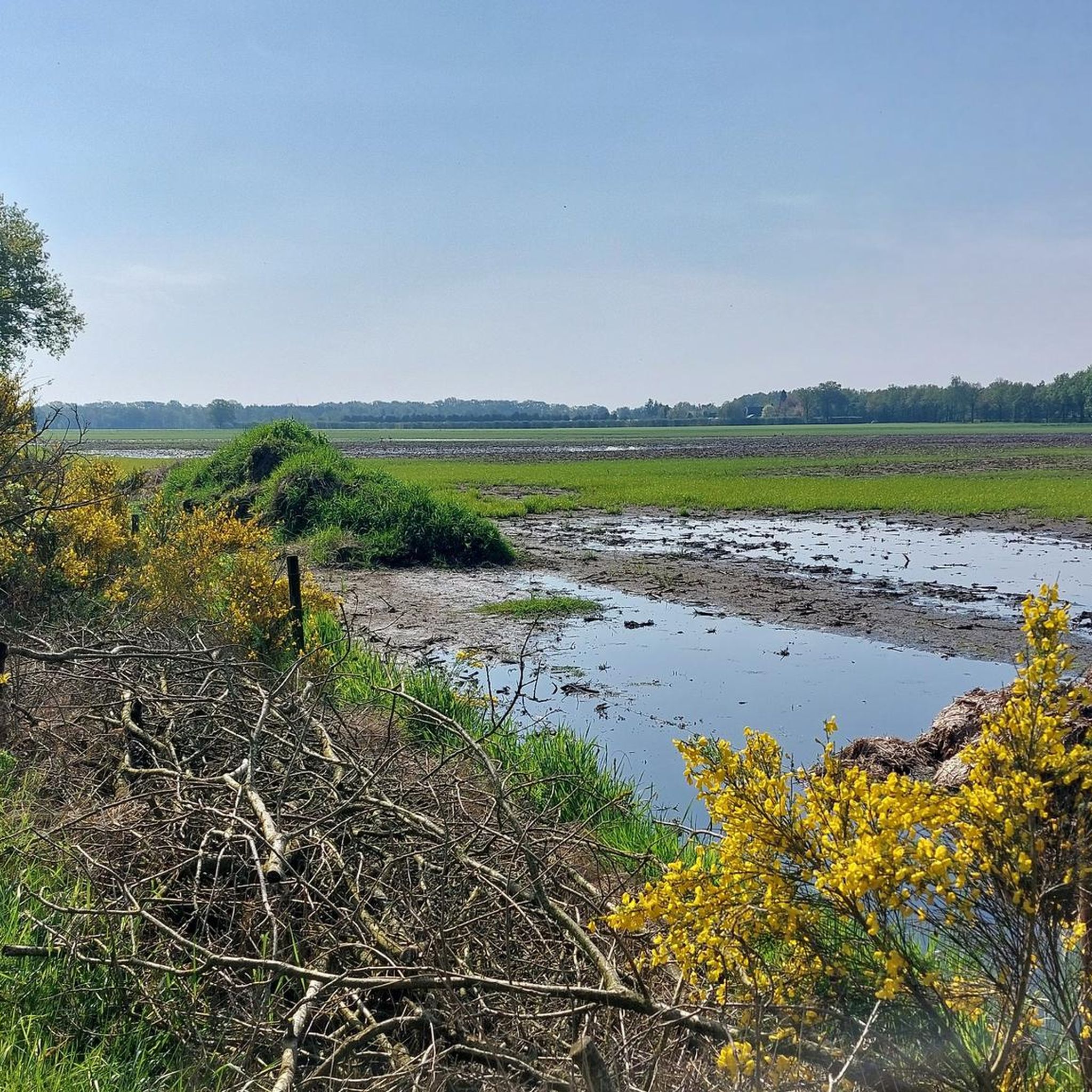
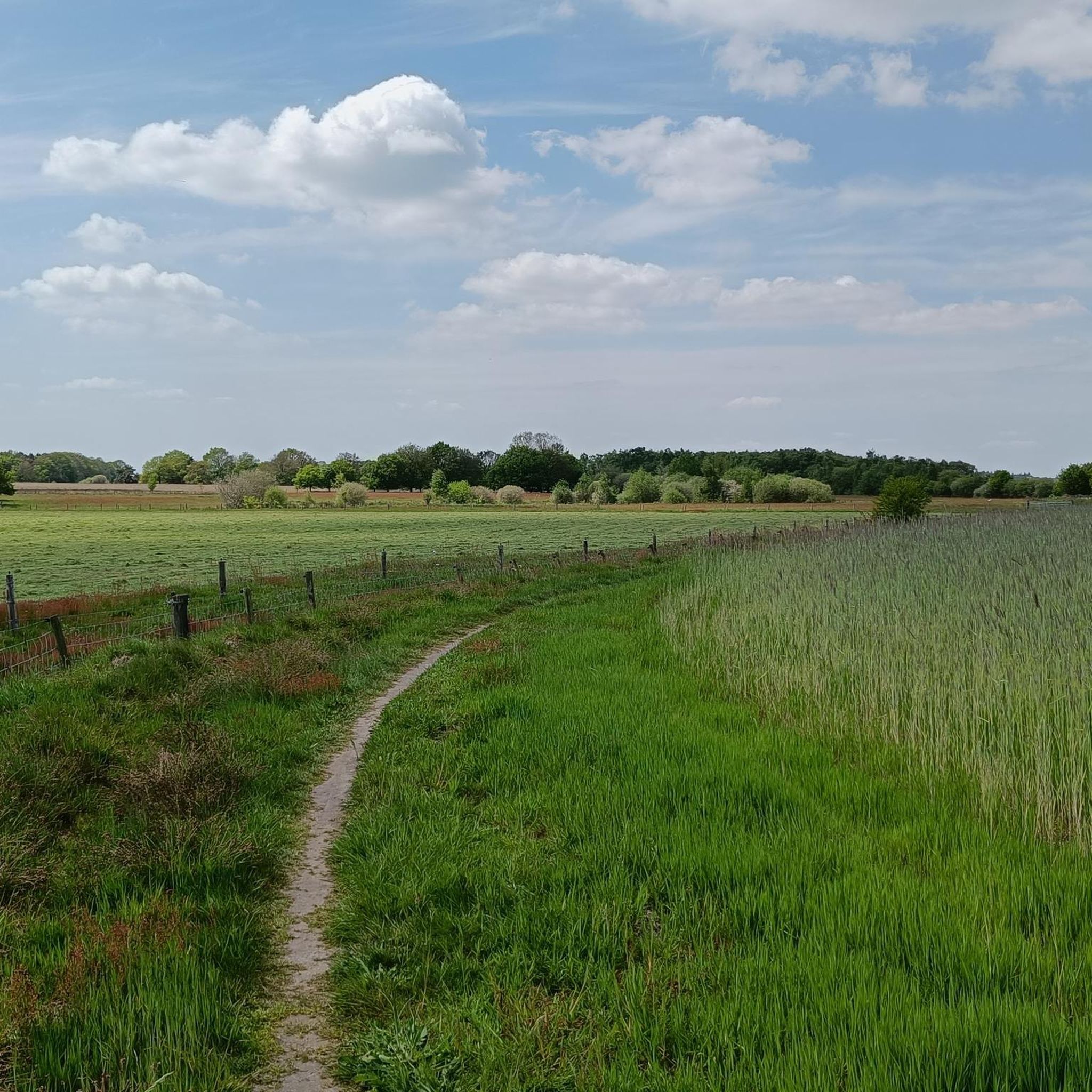
Hiking in Pannenhoef offers diverse landscapes characterized by woodlands, fens, heath, and flower-filled meadows. This nature reserve, historically a peatland, features restored fens and mixed forests. The tranquil Bijloop stream meanders through the area, occasionally opening into wider fens. The terrain includes a network of trails suitable for various fitness levels.
Best hiking trails in Pannenhoef
- The most popular hiking route is Heath near Rucphense Bossen – Sterrebos loop from Pannenhoef, a 7.4 miles (11.9 km) moderate trail that…
Last updated: August 18, 2026
4.7
(273)
718
hikers
Moderate hike. Good fitness required. Easily-accessible paths. Suitable for all skill levels.
4.6
(72)
290
hikers
Easy hike. Great for any fitness level. Easily-accessible paths. Suitable for all skill levels.

Sign up for free
4.6
(77)
216
hikers
11.9km
03:00
10m
10m
Moderate hike. Good fitness required. Easily-accessible paths. Suitable for all skill levels.
4.9
(12)
33
hikers
Moderate hike. Good fitness required. Easily-accessible paths. Suitable for all skill levels.
4.6
(34)
125
hikers
6.04km
01:31
10m
10m
Easy hike. Great for any fitness level. Easily-accessible paths. Suitable for all skill levels.
Get access to more routes and recommendations from other explorers.
Sign up for free
Already have an account?
Our route recommendations are based on thousands of hikes, rides, and runs completed by other people on komoot.
Start today with a free account
Your next adventure awaits.
Login or Signup

Tips from the Community

Between Breda and Nieuwmoer there are many peat poles. Short poems have been placed on the long peat poles.
0
0

Beautiful route
2
0

In April/May the many rhododendrons along the path are in bloom. A beautiful sight!
0
0

A bridge provides a connection between two banks. Usually a bridge is over water: a ditch, a canal, moat, river, lake, ravine, ...
1
0

The Drents heideschaap is the oldest sheep breed in Western Europe, according to the Dutch Breeders' Association "het Drents Heideschaap". Migrants probably brought the breed from France to the Netherlands, where it has been present since 4000 BC, particularly in Drenthe. Characteristics of the Drents heideschaap are a slender build, a long woolly tail that can reach beyond the hocks, stiff and somewhat sleek wool, dull hair on the head and legs and a straight nose. All kinds of colours are possible, but colourful black and white animals are not recognised. The breed is divided into the old and the new type. The new type originated from crossbreeding with the Schoonebeker heideschaap and has, among other things, a more curved nose and smaller horns. Most modern Drentse heideschaap are of the new type. Flocks can be found in the Dwingelderveld National Park, with a sheepfold outside Ruinen and in Dwingeloo. On the Holtingerveld between Havelte and Uffelte, the Holtinger Sheep Flock Foundation has about 400-600 sheep of the Drents Heideschaap in a herded flock on the heath. At night, these sheep stay in the sheepfold. Drentse Heideschapen also graze on the Sallandse Heuvelrug National Park, located between Holten and Nijverdal. Several flocks with a total of 1600 sheep graze on this largest heathland in Western Europe. The shepherd uses the sheepfold located in the Twilhaar area near the Paltheweg. The Sallandse Heuvelrug Sheep Flock Foundation facilitates the buildings and maintenance of the Twilhaar enclave. Because the flocks often graze too far from the fold, they spend the night within a fence.
0
0
The Sterrenbos is very special. It is a round forest in the shape of a cartwheel with 8 spokes. In the middle is a chapel, so that working outside and praying could still go together. It can already be recognized on a topographical map from 1899.
7
0
Originally, the dome was intended as a resting place for hunting parties. That is why the dome was also called the hunting dome. According to the stories, the former owner could see the bell of the church tower of Breda in clear weather! From this dome you have a beautiful view over the fields. If you sit in the dome and look down the long beech avenue, you can see the country house of Landgoed de Moeren at the very end.
6
0
Frequently Asked Questions
How many hiking trails are available in Pannenhoef?
Pannenhoef offers a network of 16 hiking trails, ranging from easy strolls to moderate hikes. Most of the routes, 14 in total, are considered easy, making the area accessible for various fitness levels.
What kind of terrain can I expect when hiking in Pannenhoef?
The terrain in Pannenhoef is diverse, characterized by woodlands, fens (pools), heath, and flower-filled meadows. Historically a peatland, the area now features restored fens and mixed forests. Trails generally have minimal elevation changes, with the highest points typically only a few meters above the lowest.
Are there easy hiking trails suitable for beginners or families in Pannenhoef?
Yes, Pannenhoef is very family-friendly, with 14 out of 16 routes classified as easy. A great option is the View of Pannenhoef – Pannenhoef Observation Hut loop from Klein Zundert, an easy 5.8 km (3.6 miles) path that offers views of the nature reserve and leads to an observation hut, perfect for a relaxed outing.
Can I bring my dog on the hiking trails in Pannenhoef?
While the guide data does not specify dog-friendly routes, nature reserves in the Netherlands often have specific rules regarding dogs, such as requiring them to be on a leash or restricting access in certain areas to protect wildlife. It's advisable to check local signage upon arrival or consult the official website of Brabants Landschap for the most current regulations.
What interesting natural features or landmarks can I see while hiking?
Pannenhoef is rich in natural and historical features. You can explore the tranquil Bijloop stream, which meanders through the reserve, and observe the restored fens. Notable landmarks include De Zwarte Schuur (The Black Barn), which often hosts exhibitions, and eight tall 'Peat Poles' illustrating the area's historical peat layers. There are also bird-watching huts and screens for observing local wildlife.
Are there any circular hiking routes in Pannenhoef?
Yes, many of the trails in Pannenhoef are circular, allowing you to start and end at the same point. For example, the Heath near Rucphense Bossen – Sterrebos loop from Pannenhoef is a moderate 11.9 km (7.4 miles) circular route, and the Pannenhoef Nature Reserve – Path with rhododendrons loop from Pannenhoef is an easy 7.1 km (4.4 miles) loop.
When is the best time of year to go hiking in Pannenhoef?
Pannenhoef offers beauty year-round. Spring brings blooming rhododendrons and fresh greenery, while summer showcases flower-filled meadows. Autumn is ideal for its vibrant foliage, and even winter offers peaceful, crisp walks. For specific blooms like rhododendrons, late spring to early summer is generally the best time.
How can I get to Pannenhoef using public transport?
While Pannenhoef is primarily accessed by car, public transport options may involve a combination of bus and train services to nearby towns like Rucphen or Zundert, followed by a local bus or a walk to the reserve's entrances. For detailed and up-to-date public transport information, it's best to consult local transport planners or the official Visit Brabant website: visitbrabant.com.
Is there parking available for hikers in Pannenhoef?
Yes, there are designated parking areas around the Pannenhoef nature reserve, particularly near common starting points like De Zwarte Schuur. These facilities are generally well-marked to accommodate visitors.
Are there any cafes or facilities near the hiking trails?
The Black Barn (De Zwarte Schuur) often serves as a central point and starting location for excursions, sometimes offering facilities. For more extensive amenities like cafes or restaurants, you would typically find them in the nearby villages surrounding the nature reserve, such as Rucphen or Klein Zundert.
What do other hikers say about their experience in Pannenhoef?
The area is highly rated by the komoot community, with an average score of 4.4 stars from over 2,100 reviews. Hikers often praise the diverse landscapes, including woodlands, fens, and heath, as well as the well-maintained and varied trail network suitable for different abilities. Over 11,000 hikers have used komoot to explore Pannenhoef's terrain.
Where can I see rhododendrons in bloom in Pannenhoef?
Pannenhoef is known for its rhododendrons, particularly along routes like the Pannenhoef Nature Reserve – Path with rhododendrons loop from Pannenhoef. These beautiful flowers typically bloom in late spring to early summer, transforming parts of the reserve with their vibrant colors.
Are there specific areas to observe wildlife in Pannenhoef?
Pannenhoef is a haven for wildlife. The restored fens attract various amphibians like pool frogs and moor frogs. The forests provide habitat for mammals such as pine martens and deer, and numerous bird species including green woodpeckers and buzzards. The Lokkerwest area, with its Konik horses, fens, and moist grasslands, is particularly rich in unique vegetation and wildlife. Bird-watching huts are also available for observation.
Most popular routes in Pannenhoef
Most popular attractions in Pannenhoef

Get inspired with the komoot mobile app


Explore more
Browse the best Hikes in other regions.
