Top 20 Natural Monuments around Bobenheim am Berg
Natural monuments around Bobenheim am Berg showcase unique geological formations and diverse natural landscapes within the Palatinate Forest. The region features a mix of ancient forests, serene lakes, and distinctive rock formations. These natural features provide opportunities for outdoor exploration and appreciation of the area's ecological and geological heritage. Bobenheim am Berg is situated in a low mountain range, contributing to its varied terrain.
Best natural monuments around Bobenheim am Berg
- The most popular natural monuments is Limburg Monastery Ruins…
Last updated: June 26, 2026
Ungeheuersee
Highlight • Lake
Translated by Google •
Tip by

Kriemhildenstuhl Roman Quarry
Highlight • Historical Site
Many display boards provide information on site about this cultural and historical highlight.
Due to the proximity to the city and the good …
Translated by Google •
Tip by

Sign up now to discover places like this
Get recommendations on the best single tracks, peaks, & plenty of other exciting outdoor places.
Sign up for free
Limburg Monastery Ruins
Highlight • Historical Site
Translated by Google •
Tip by

Basalt Lake South Quarry (Forst, Palatinate)
Highlight • Lake
Translated by Google •
Tip by

Kaiser-Wilhelm-Höhe Viewpoint
Highlight • Viewpoint
Translated by Google •
Tip by

Sign up for free to discover even more natural monuments around Bobenheim am Berg.
Sign up for free
Already have an account?
Start today with a free account
Your next adventure awaits.
Login or Signup

Tips from the Community

This is the smaller, more accessible lake that emerged after the basalt quarries near Forst were abandoned in the 1980s. Today it's a nature reserve, so you'd better avoid swimming here. It's definitely worth seeing.
10
0

Super nice view, great different hiking trails
17
1
A highlight for big and small
24
2

you have to go up there
8
0

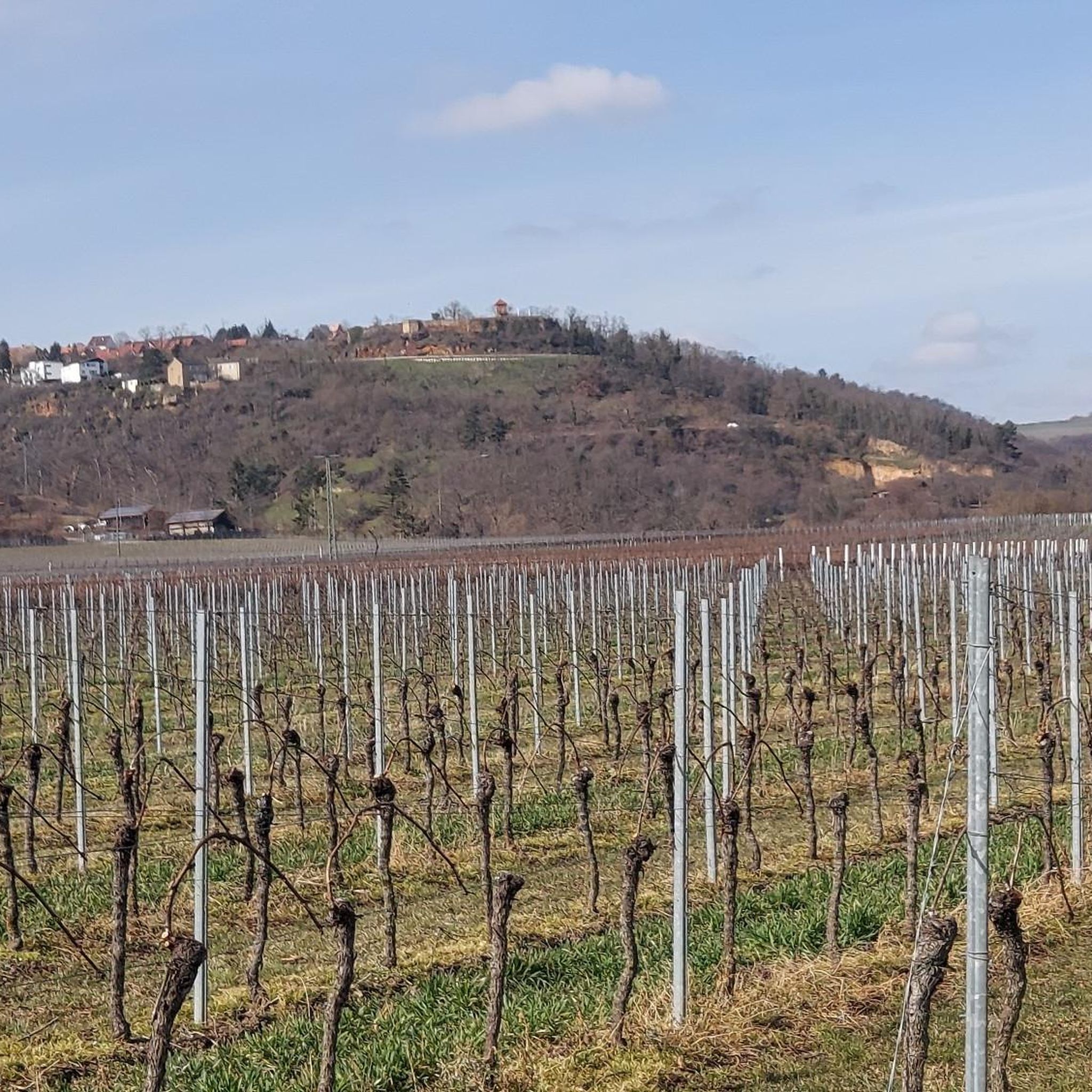
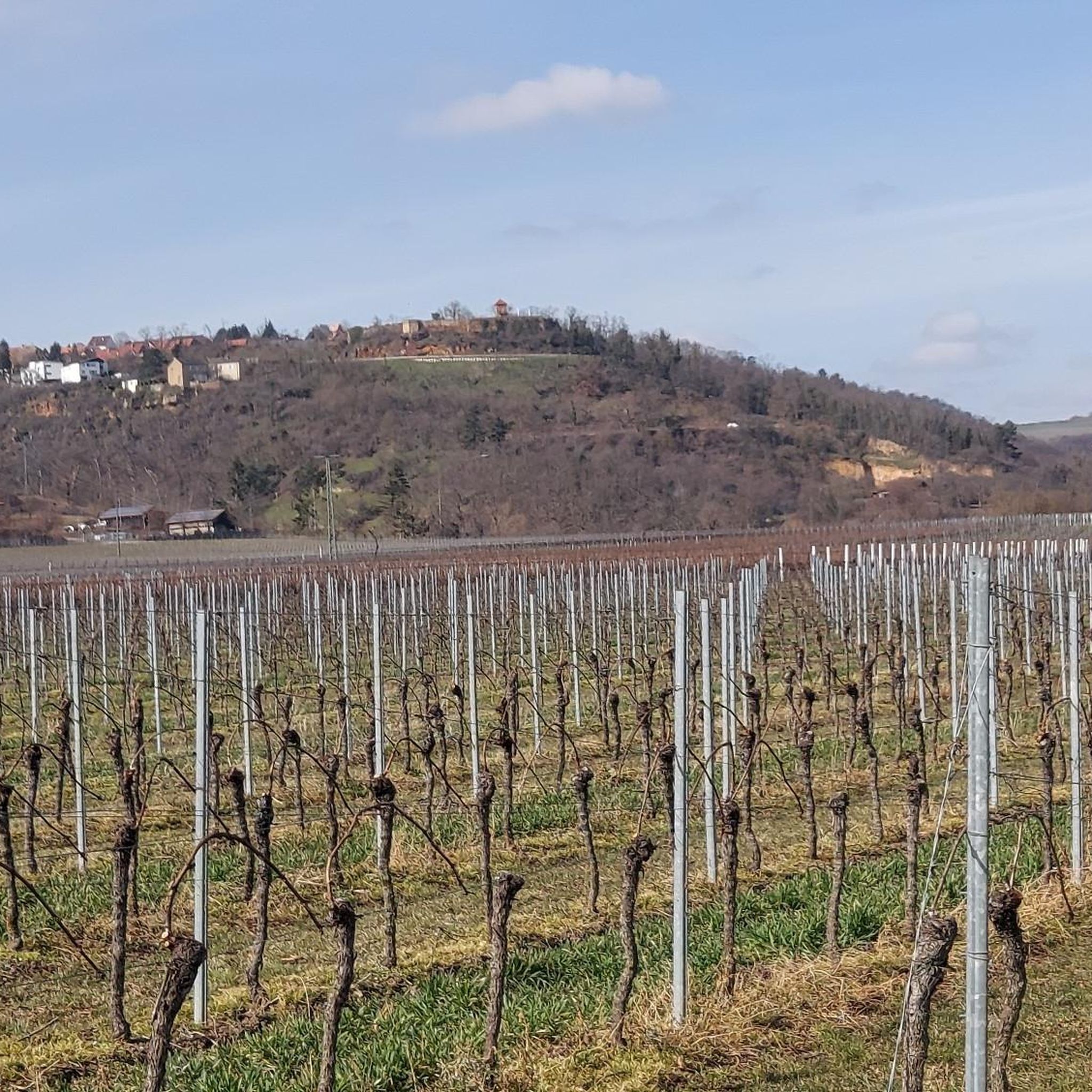
Great sight, easy to reach, nice view over to the Limburg monastery ruins. There is a place to rest, you should take your time. Further hiking highlights in the immediate vicinity.
8
0

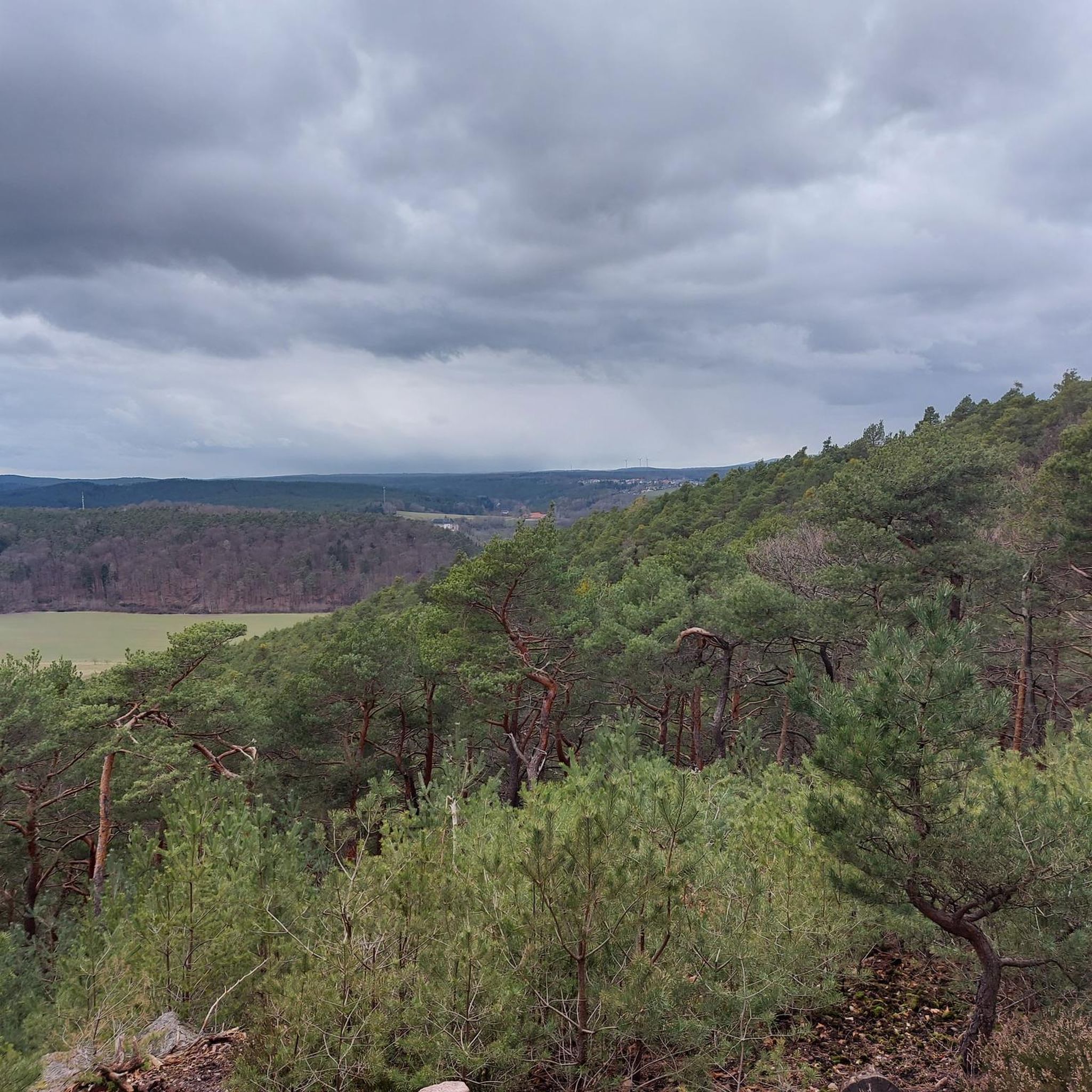
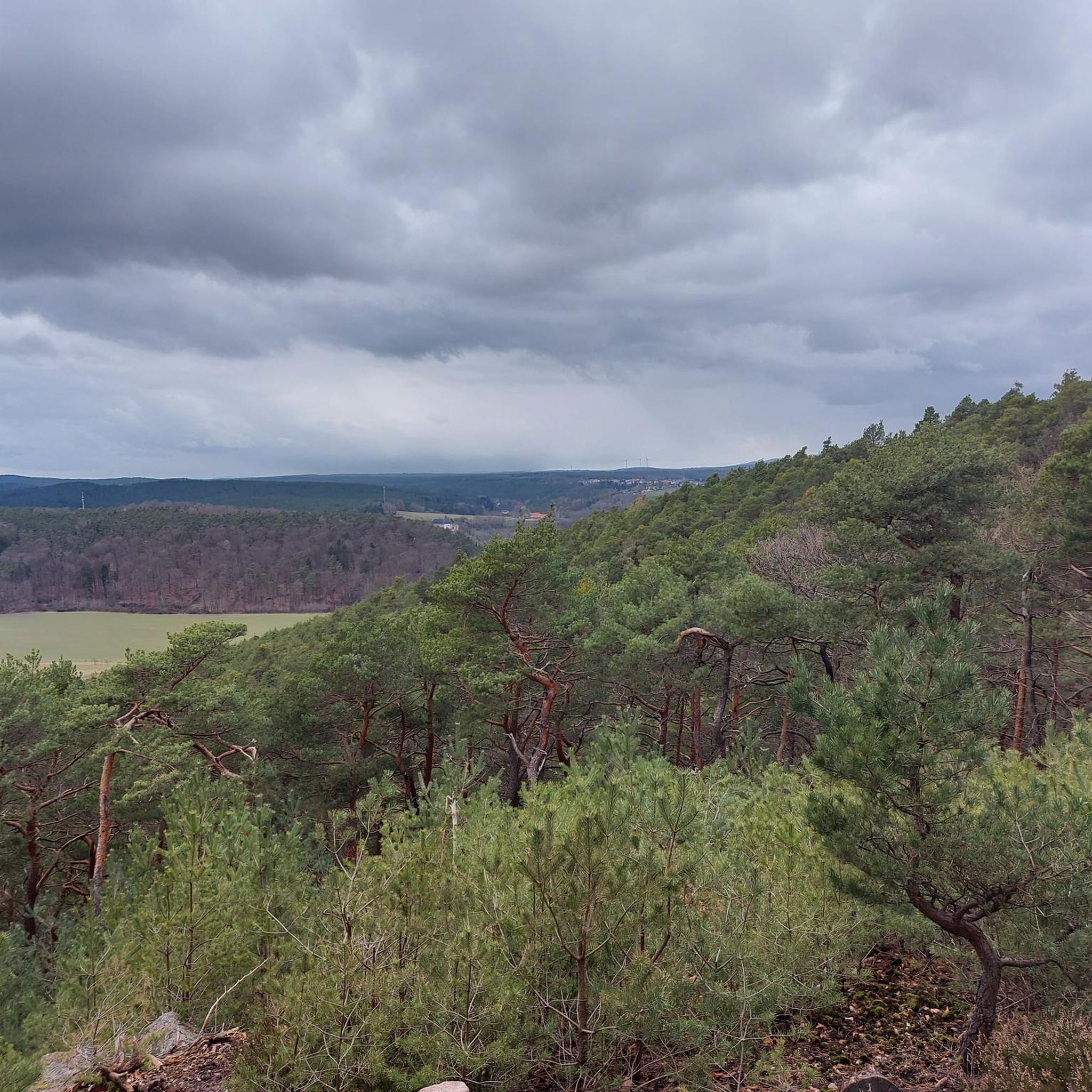
The place offers a great view, also of the ruins of the Limburg monastery.
8
0

In contrast to the (red) quarries in the middle of the Palatinate Forest, sandstone on the Haardt edge is white and yellow! Many of the inscriptions/pictures that can be found on the walls are explained on a beautiful information board and marked with red arrows on the walls of the quarry. Horse pictures are particularly easy to recognize. These rock paintings come from the Roman legionnaires who worked in the quarry here. Also carved into the stone: a large memorial plaque for the Bad Dürkheim soldiers who died in World War I and all their names.
23
2
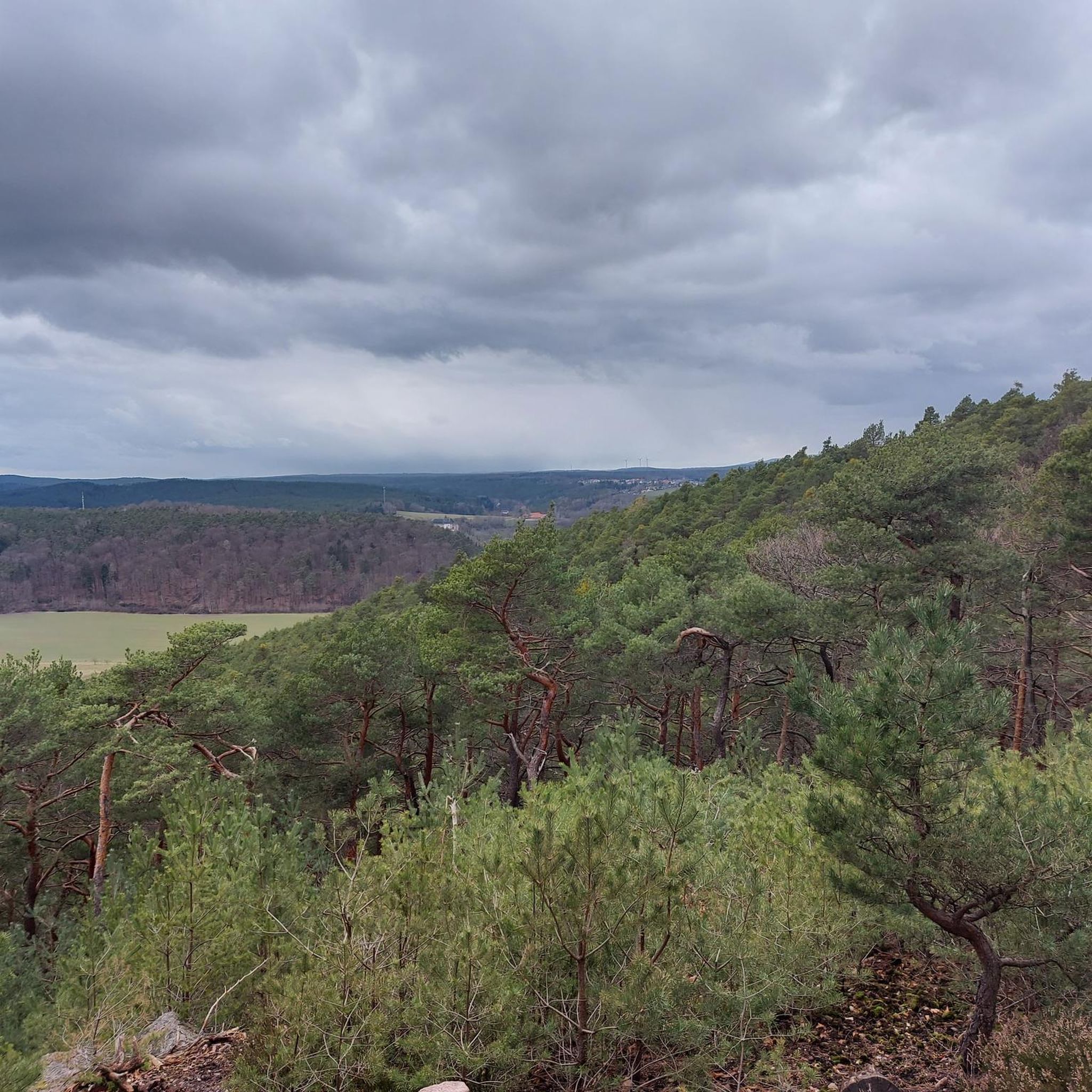
Kaiser Wilhelm I, under whom Bismarck was Chancellor, was a popular emperor in old age - and therefore this monument at a height of approx. 270 m above sea level. From up here you not only have a great view of the Limburg, but you can also see parts of the Hardenburg further away in the Isenachtal.
10
0
Frequently Asked Questions
What unique geological features can I discover among the natural monuments near Bobenheim am Berg?
The region offers distinctive geological formations such as the Kupferbergfelsen, also known as the Kamelkopf (Camel's Head), a rare sandstone formation made of Buntsandstein. You can also explore the Ungeheuersee, which is part of the only high moor in this low mountain range, showcasing unique hydrological and soil characteristics.
Are there any natural monuments that are particularly rich in biodiversity or unique flora?
Yes, the Ungeheuersee is a prime example. As a protected high moor pond, it is home to rare orchids and cotton grass, which can be observed growing on its small floating islands. This makes it a significant spot for nature enthusiasts interested in unique plant life.
What kind of natural landscapes can I expect to see when visiting the natural monuments in this region?
Visitors to Bobenheim am Berg's natural monuments will encounter a diverse range of landscapes. These include ancient forests, serene lakes like the Ungeheuersee, and distinctive rock formations such as the Kupferbergfelsen. The area's position in a low mountain range contributes to its varied terrain, offering a mix of ecological and geological sights.
Beyond natural beauty, are there any historical natural monuments to explore?
Absolutely. The region features several natural monuments with significant historical value. These include the Limburg Monastery Ruins, an early Romanesque site founded in 1030, and the Kriemhildenstuhl Roman Quarry, an ancient quarry from around 200 AD with informative display boards. The Kaiser-Wilhelm-Höhe Viewpoint also combines natural views with historical elements.
Are there family-friendly natural monuments around Bobenheim am Berg?
Yes, several natural monuments are suitable for families. The Ungeheuersee is easily accessible via hiking trails, making it a pleasant destination for all ages. The Kriemhildenstuhl Roman Quarry also offers an engaging historical experience for families with its display boards.
What outdoor activities can I do near these natural monuments?
The natural monuments around Bobenheim am Berg are excellent starting points for various outdoor activities. You can enjoy hiking, as many trails lead to or past these sites. For example, the hiking guide for Bobenheim am Berg features routes like the 'Kamelkopf Rock Formation – Kesselbrunnen loop from Altleiningen' and the 'Ungeheuersee – Devil's Bench Viewpoint loop from Altleiningen'. Mountain biking is also popular, with routes like 'Ungeheuersee – Bismarck Tower, Kallstadt loop' available in the MTB Trails guide.
Are there hiking trails near these natural monuments?
Yes, numerous hiking trails provide access to and connect the natural monuments. The Ungeheuersee is accessible via the Ganerbenweg and the circular hiking trail No. 4, known as 'Wine-Forest-Ungeheuer.' The Kamelkopf can be reached from the Langental hiking car park or the Weisenheimer Hütte, with the Leininger Castle Trail also passing by. For more options, explore the hiking guide for Bobenheim am Berg.
What do visitors enjoy the most about the natural monuments in this area?
Visitors frequently praise the serene and idyllic atmosphere, especially around the Ungeheuersee, which is described as a very nice lake to walk around. The historical sites like the Kriemhildenstuhl Roman Quarry are appreciated for their cultural and historical insights, with many display boards. The Kaiser-Wilhelm-Höhe Viewpoint is loved for its super nice views and varied hiking trails.
Is there public transport available to reach the natural monuments?
While specific public transport routes directly to every natural monument might be limited, many are accessible via hiking trails from nearby towns or designated parking areas. For instance, the Kamelkopf can be reached from the Langental hiking car park, and the Ungeheuersee is well-integrated into hiking networks.
Are there any viewpoints among the natural monuments that offer panoramic views?
Yes, the Kaiser-Wilhelm-Höhe Viewpoint is a notable natural monument offering magnificent panoramic views, especially towards the Limburg. The Kriemhildenstuhl Roman Quarry also provides good views of Bad Dürkheim from its elevated position.
Can I find any hidden or less-known natural monuments in the area?
While the main natural monuments are well-documented, the Basalt Lake South Quarry near Forst offers a more secluded experience. It's a smaller, accessible lake that emerged after basalt quarries were abandoned, now a nature reserve, providing a quiet spot with a fantastic view of the lake.
What is the best time of year to visit the natural monuments around Bobenheim am Berg?
The natural monuments are beautiful year-round, but spring and autumn are particularly recommended for hiking due to pleasant temperatures and vibrant foliage. In spring, you can observe rare orchids and cotton grass at the Ungeheuersee. Summer is ideal for enjoying the lakes and forests, while winter offers a tranquil, often snowy, landscape for those seeking solitude.
Most popular routes around Bobenheim am Berg
Most popular attractions around Bobenheim am Berg

Get inspired with the komoot mobile app


Explore more
Extend your search for the best caves by checking out these guides of the top ones around Bobenheim am Berg:
