Top 20 Lakes around Dackenheim
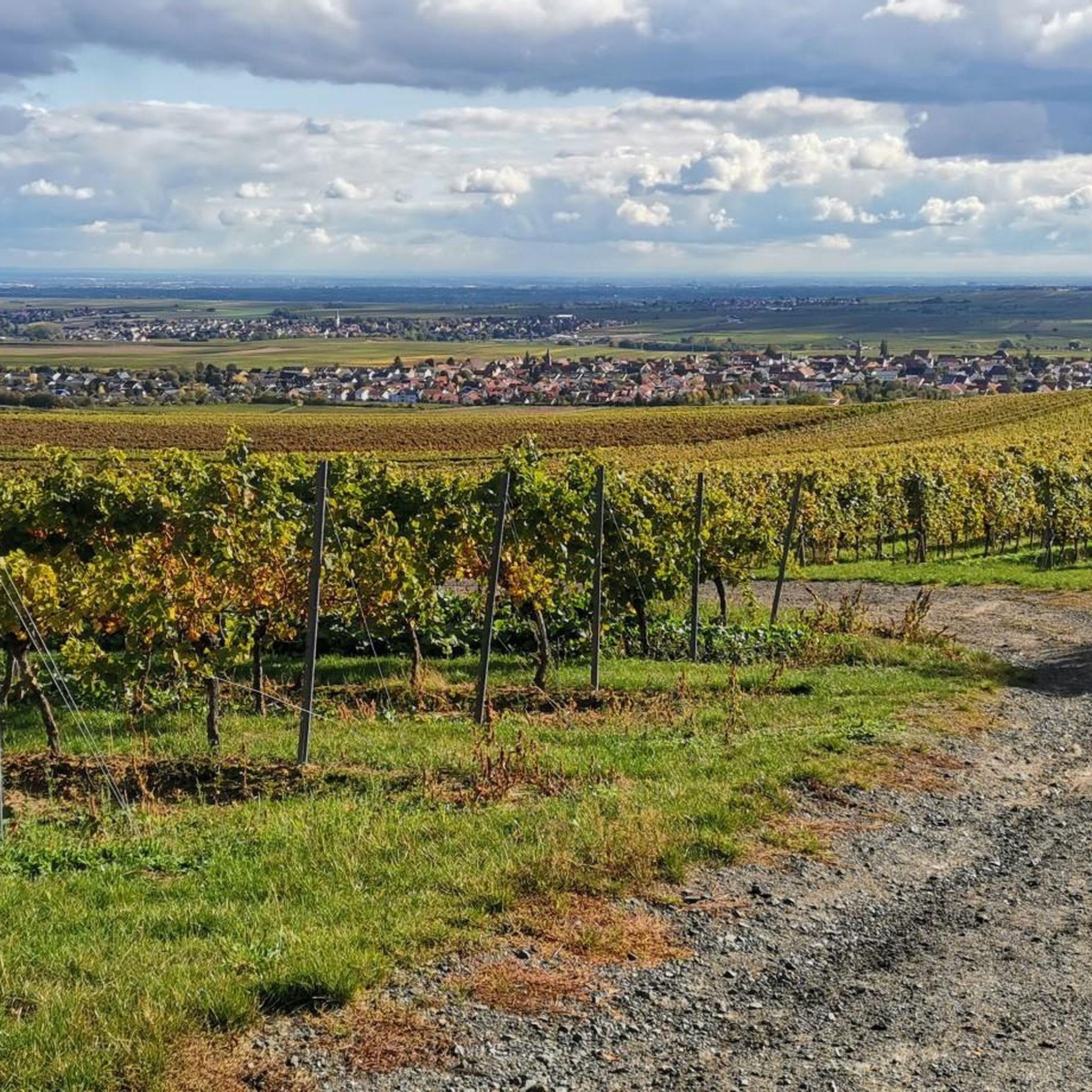
Best lakes around Dackenheim are found in the surrounding region, as Dackenheim itself is primarily known for its vineyards and hiking trails at the foothills of the Palatinate Forest. This charming municipality in the Bad Dürkheim district of Rhineland-Palatinate, Germany, serves as a base for exploring nearby natural features. The area offers a variety of lakes, from protected natural monuments to recreational spots. Visitors can combine exploring local vineyards with excursions to these natural attractions.
Best lakes around Dackenheim
- The…
Last updated: October 9, 2026
Ungeheuersee
Highlight • Lake
Translated by Google •
Tip by

Kriemhildenstuhl Roman Quarry
Highlight • Historical Site
Many display boards provide information on site about this cultural and historical highlight.
Due to the proximity to the city and the good …
Translated by Google •
Tip by

Sign up now to discover places like this
Get recommendations on the best single tracks, peaks, & plenty of other exciting outdoor places.
Basalt Lake South Quarry (Forst, Palatinate)
Highlight • Lake
Translated by Google •
Tip by

Eiswoog
Highlight • Lake
Every two years the lake is pumped empty. Eiswoogfest.
Translated by Google •
Tip by

Basalt Lake (Nordbruch)
Highlight • Lake
It is located on the Pechsteinkopf, which takes its name from the basalt …
Translated by Google •
Tip by
Sign up for free to discover even more lakes around Dackenheim.
Already have an account?
Start today with a free account
Your next adventure awaits.

Tips from the Community

So no one has to slip through the fence to take photos
3
0

Something really great was built there. The platform was newly installed and now you have a great view of the quarry and the lake.
1
0

Since June 2024, there has been an observation platform on the edge of the Nordbruch crater lake, which offers a great view of one of the two basalt lakes. Information board no. 7 next to the viewing platform tells the interesting story of this quarry: "The basalt deposit around Forst is 820 m long and 260 m wide and is slightly dumbbell-shaped. The Margaretental runs through the middle of the deposit, which is why the basalt had to be mined in TWO separate quarries. The north quarry was the first to be opened up in 1841, but production there was only for the quarry's own needs. Five years later, in 1846, mining also began in the south quarry. In 1897, mining in the north quarry was stopped until a lease agreement with the municipality of Forst made further mining possible in 1911. A 2800 m long cable car was built to transport the extracted rock, which ended directly at the railway line near Deidesheim and was only replaced by a transport road in 1969. Mining in the south quarry was stopped in 1964. In December 1990, operations in Nordbruch finally ceased. Following the closure, both sites were recultivated and officially returned to nature in 2011."
6
0

Platform with a great view of the basalt lake deep in the crater. Now nobody has to climb over the fence anymore 😉
4
0

Great sight if you're tall enough to look over the edge. Not visible to children. Luckily it was completely cordoned off due to the brittle edges. Impressive crater!
2
1

From the path, the ballast quarry offers an impressive view of the lake that has formed there. It is located on the Pechsteinkopf, which takes its name from the basalt found there. The ballast was mined in open-cast mining until the 1980s. In addition to a smaller crater in the southwest, a larger one was created in the northeast, which is 100 m deep and 200 m in diameter. Initially, the rock was transported by a circular cable car to a loading station with a grinding mill on the Neustadt-Bad Dürkheim railway line. The cable car was more than 2 km long and ran between Forst an der Weinstraße and Deidesheim across the German Wine Route. After basalt mining was stopped, the grinding mill and cable car were dismantled and the edges of the craters were cordoned off to prevent access. Because the water escaping in the mining area is no longer pumped out as it was during mining times, two ponds formed on the bottom of the mining craters, which are now natural biotopes.
8
1
This is the smaller, more accessible lake that emerged after the basalt quarries near Forst were abandoned in the 1980s. Today it's a nature reserve, so you'd better avoid swimming here. It's definitely worth seeing.
10
0

A highlight for big and small
24
2
Frequently Asked Questions
What types of lakes can I find around Dackenheim?
The region around Dackenheim offers a diverse range of lakes, including unique shallow bog ponds like Ungeheuersee, lakes formed in abandoned basalt quarries such as Basalt Lake South Quarry and Basalt Lake (Nordbruch), and recreational lakes with amenities like Eiswoog and Lambsheimer Weiher.
Are there any natural monuments among the lakes near Dackenheim?
Yes, Ungeheuersee is a protected natural monument, recognized since the 1930s as a unique flat bog pond. The Basalt Lakes, including Basalt Lake South Quarry and Basalt Lake (Nordbruch), are also considered natural biotopes that formed after quarrying ceased.
Can I swim in the lakes around Dackenheim?
Swimming is generally possible at recreational lakes like Eiswoog, which is a popular bathing lake with sunbathing lawns. However, for protected natural reserves such as Basalt Lake South Quarry, swimming is not recommended due to their protected status.
What outdoor activities can I do near these lakes?
The area around Dackenheim and its lakes is excellent for various outdoor activities. You can find numerous hiking trails, including routes around Ungeheuersee, and explore the Palatinate Forest. Mountain biking and road cycling routes are also popular. For more details on routes, check out the hiking, MTB, and road cycling guides for Dackenheim.
Are there family-friendly lakes or activities in the area?
Yes, several lakes are suitable for families. Eiswoog offers sunbathing lawns and shady paths perfect for a family outing. Lambsheimer Weiher also features a beach and restaurant, making it a good option for families. Many of the hiking trails in the region are also suitable for families.
Are there any cafes or restaurants near the lakes?
Yes, some lakes offer amenities. Eiswoog has a hotel with a cozy beer garden right on its shore. Lambsheimer Weiher features a restaurant and a beach bar, often with live music. Additionally, the PWV hut at Ungeheuersee provides refreshments, though it's advisable to check its opening hours.
What is the best time to visit the lakes around Dackenheim?
The lakes are beautiful year-round, but the best time depends on your preferred activities. Spring and autumn offer pleasant temperatures for hiking and cycling, with vibrant foliage or blooming vineyards. Summer is ideal for swimming and enjoying the recreational facilities at lakes like Eiswoog and Lambsheimer Weiher.
What makes <a href="https://www.komoot.com/highlight/154527" target="_blank" rel="noopener">Ungeheuersee</a> unique?
Ungeheuersee is a unique shallow bog pond, protected as a natural monument since the 1930s. Its name, derived from old German words for 'forest pasture' and 'enclosures,' reflects its secluded and idyllic nature. It's part of the only raised bog in this low mountain range, making it a special natural feature.
What can I expect at the Basalt Lakes near Dackenheim?
The Basalt Lakes, including Basalt Lake South Quarry and Basalt Lake (Nordbruch), were formed in abandoned basalt quarries. They offer impressive views and are now natural biotopes. Basalt Lake (Nordbruch) even has an observation platform for great views into the deep crater lake. These are scenic spots for nature observation, though swimming is not recommended due to their protected status.
Are there dog-friendly trails near the lakes?
Many of the natural trails and paths around the lakes and in the surrounding Palatinate Forest are suitable for walks with dogs. Always ensure your dog is on a leash where required, especially in nature reserves, and be mindful of other visitors and wildlife.
What do visitors enjoy most about the lakes around Dackenheim?
Visitors frequently appreciate the tranquil and idyllic atmosphere of the lakes, the opportunities for hiking and nature observation, and the scenic views. The combination of protected natural monuments and recreational spots with amenities like restaurants and beach bars is also highly valued by the komoot community.
How long does it take to walk around the lakes?
The walking times vary by lake. For example, a path around Eiswoog is approximately three kilometers long, offering a pleasant stroll. Other lakes, especially those in more rugged terrain like the Basalt Lakes, might involve longer or more challenging hikes to fully explore their surroundings.
Most popular routes around Dackenheim
Most popular attractions around Dackenheim

Get inspired with the komoot mobile app


Explore more
Still not found your perfect lake around Dackenheim? Check out the guides of these regions to see even more beautiful places.
