Attractions and Places To See in Cascajal - Top 13
Best attractions and places to see in Cascajal, located in the Vázquez de Coronado canton in Costa Rica's San José province, offers a variety of natural and historical sites. Situated at an elevation of 1,495 meters, the area is characterized by its mountainous terrain and proximity to significant natural features. Visitors can explore viewpoints, historical sites, and the region's notable volcanoes.
Best attractions and places to see in Cascajal
- The most popular attractions is Main Crater of Irazú Volcano,…
Last updated: July 2, 2026
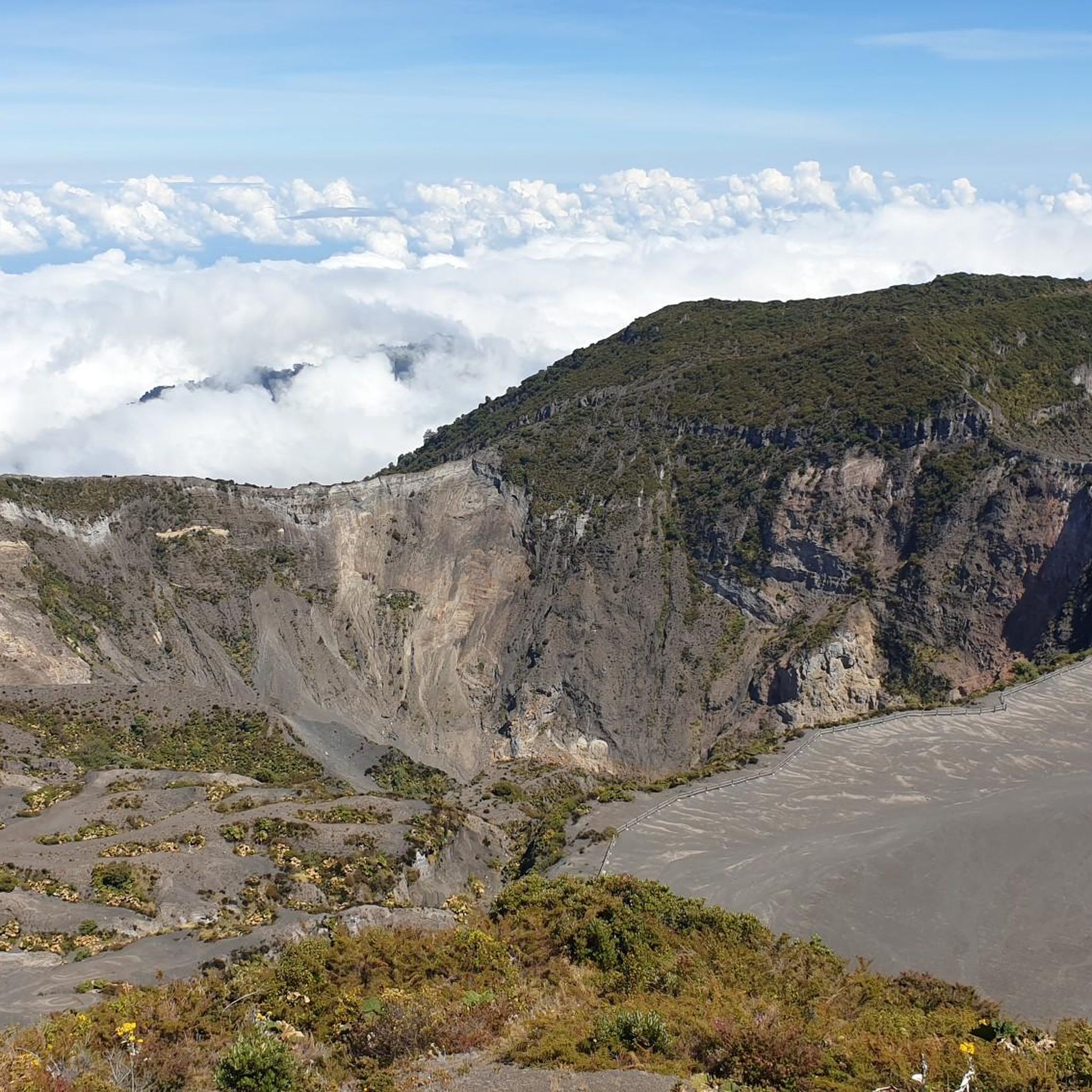
Main Crater of Irazú Volcano
Highlight • Volcano
Translated by Google •
Tip by

Atlántico Railway Station
Highlight • Historical Site
Everyone gets in line and sits on the long bench by order of arrival. They come by to sell …
Tip by

Sign up now to discover places like this
Get recommendations on the best single tracks, peaks, & plenty of other exciting outdoor places.
Sign up for free
Coronado Sign
Highlight • Monument
Translated by Google •
Tip by

Sanatorio Durán
Highlight • Historical Site
Translated by Google •
Tip by

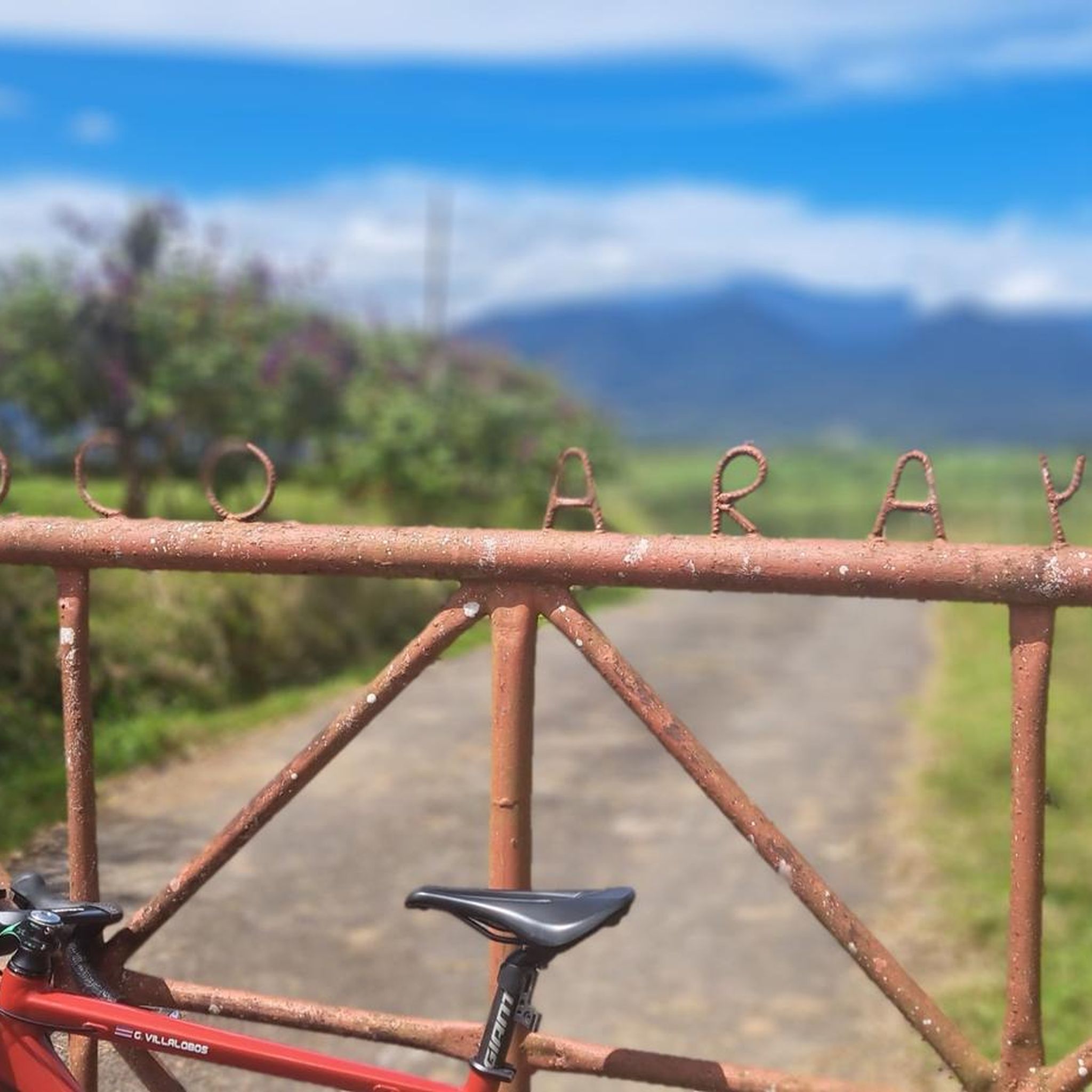
Viewpoint at Potrero Cerrado Letters
Highlight • Viewpoint
Translated by Google •
Tip by

Sign up for free to discover even more attractions in Cascajal.
Sign up for free
Already have an account?
Start today with a free account
Your next adventure awaits.
Login or Signup

Tips from the Community

A friendly climb from downtown San José, it is important to bring a jacket due to the generally cloudy and rainy weather conditions!
0
0

Beautiful place, but be careful at certain times of the afternoon they bring people to drink alcohol and other things.
0
0

A very beautiful viewpoint. We used the short circular trail to acclimatize/prepare for Cerro Chirripó, as you're at a very high altitude. Due to the altitude, it can be chilly and windy; we were there in April, and a sweater was sufficient. I can definitely recommend visiting the volcano in the morning. Between 8 and 10 a.m., there are hardly any people there, and the sky is usually still clear at this time. Clouds usually move up the mountain from mid-morning onward. The view is magnificent; however, the turquoise lakes aren't visible during the dry season; they're probably only full during the rainy season. There's a small restaurant that leaves nothing to be desired; all in all, it's fantastic.
0
0

The Durán Sanatorium, an amusement park and ghost hotel, is also today a recreational park and was previously a sanatorium created to house and treat patients suffering from tuberculosis, it had all the characteristics of a first world hospital.
0
0

First passengers in 1908, but still busy. Trains go to Centeal Valley.
0
0

Train to Cartago. Station opens approximately half an hour before departure. Everyone gets in line and sits on the long bench by order of arrival. They come by to sell tickets. Tickets can be payed by card. Only runs on workdays.
0
0

Very windy but beautiful.
1
0

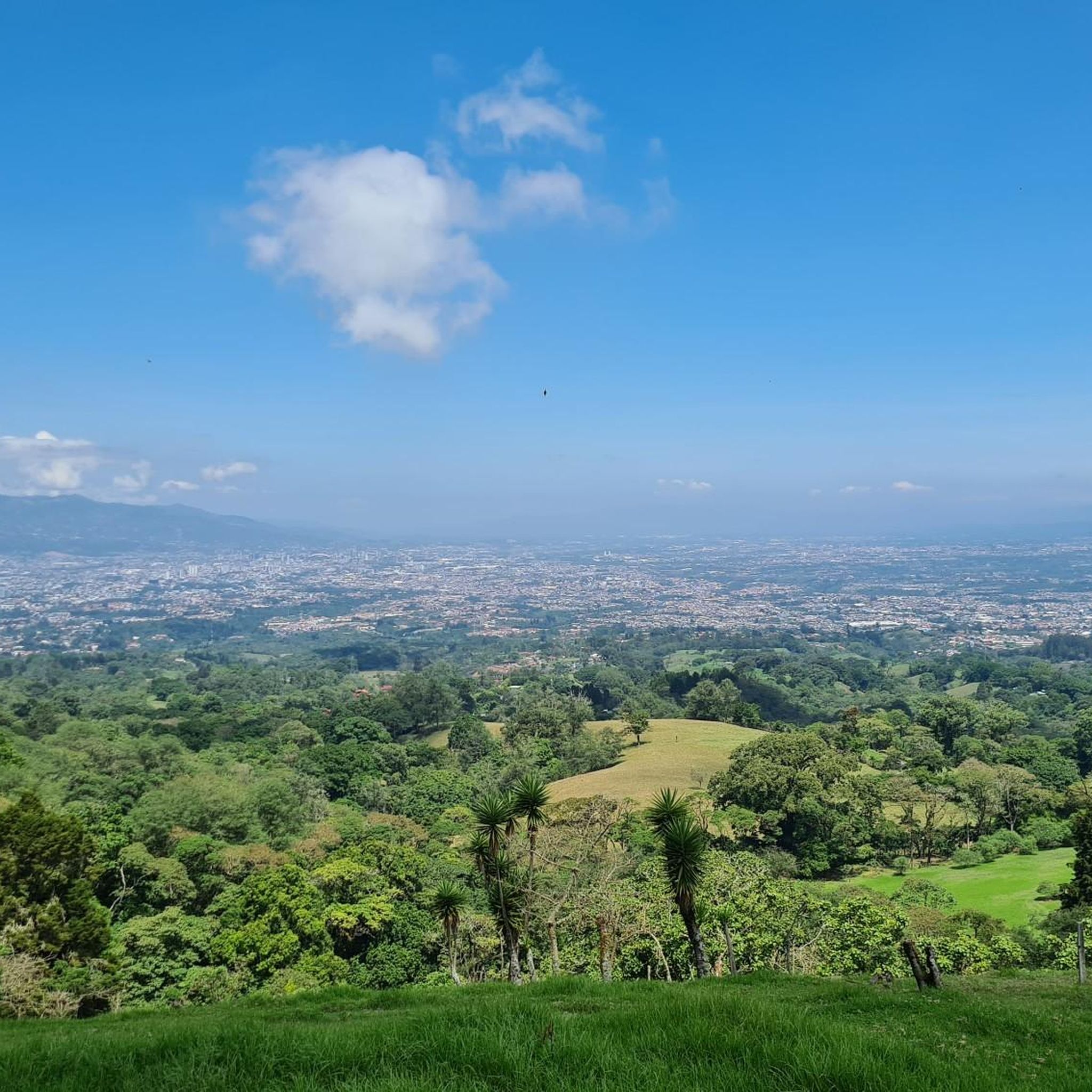
Viewpoint with views towards the city of Cartago and a part of San José
0
0
Frequently Asked Questions
What natural features can I explore in Cascajal?
Cascajal is known for its mountainous terrain and proximity to significant natural features. A prominent natural attraction is the Main Crater of Irazú Volcano, the highest volcano in Costa Rica. On a clear day, you can see both the Caribbean Sea and the Pacific Ocean from its summit. The region also features other natural landmarks like Las Nubes Mountain, Cerro Pico de Piedra, Cerro Las Tres Marías, and Cerro Cabeza de Vaca.
Are there good viewpoints in Cascajal?
Yes, Cascajal offers several scenic viewpoints. The Viewpoint at Potrero Cerrado Letters provides expansive views towards the city of Cartago and parts of San José. Another option is the Scenic Countryside View Near Cascajal, which also offers a trail and river views.
What historical sites can I visit in Cascajal?
You can explore the historical Sanatorio Durán, which once served as a sanatorium for tuberculosis patients and is now a recreational park. Another significant historical site is the Atlántico Railway Station, which began operating in 1908 and still serves trains to the Central Valley on workdays.
Are there family-friendly attractions in Cascajal?
Yes, the Sanatorio Durán is categorized as family-friendly, offering a recreational park experience within a historical setting. Additionally, viewpoints like the Viewpoint at Potrero Cerrado Letters can be enjoyed by families for their panoramic vistas.
What outdoor activities are available in Cascajal?
Cascajal is an excellent area for outdoor enthusiasts. You can find various routes for hiking, road cycling, and running. For detailed information on trails and their difficulty, explore the dedicated guides for Hiking in Cascajal, Road Cycling Routes in Cascajal, and Running Trails in Cascajal.
Are there hiking trails in Cascajal?
Yes, Cascajal offers a variety of hiking trails. You can find routes ranging from easy to difficult, including a 4.4 km easy loop around the Main Crater of Irazú Volcano. For a comprehensive list of trails and their details, visit the Hiking in Cascajal guide.
When is the best time to visit Cascajal?
When visiting the Main Crater of Irazú Volcano, it's recommended to go early in the morning. The park opens at 8 AM, and arriving early often means more stable weather conditions and easier parking. The weather at 3400 meters can change quickly, so mornings typically offer clearer views.
What should I pack for a trip to the Irazú Volcano?
Given that the Main Crater of Irazú Volcano is over 3,400 meters high, it's crucial to bring rain gear and warm clothing. Temperatures can be cool, even on clear days, and weather conditions can change rapidly.
Are there any tips for visiting the Viewpoint at Potrero Cerrado Letters?
The Viewpoint at Potrero Cerrado Letters is a beautiful spot offering great views. However, visitors should be aware that at certain times in the afternoon, groups may gather there for drinking. It's advisable to plan your visit accordingly.
How can I travel to the Atlántico Railway Station?
The Atlántico Railway Station operates trains to the Central Valley. Tickets can be purchased by card, and the station typically opens approximately half an hour before departure. Note that trains primarily run on workdays.
What is unique about the Irazú Volcano?
The Main Crater of Irazú Volcano is unique for several reasons: it is the highest volcano in Costa Rica at 3432 meters, and on a clear day, you can see both the Caribbean Sea and the Pacific Ocean from its summit. It also features a rain-fed, green-colored acid lake in its crater.
What kind of cycling routes are available in Cascajal?
Cascajal offers a range of road cycling routes, with options categorized as moderate to difficult. These routes often feature significant elevation changes due to the region's mountainous terrain. You can find detailed maps and information in the Road Cycling Routes in Cascajal guide.
Most popular routes in Cascajal

Get inspired with the komoot mobile app


Explore more
Still not found the Highlight you’re looking for? See guides of the top attractions in other regions:
