Attractions and Places To See in São Paulo - Top 20
Best attractions and places to see in São Paulo include a diverse array of landmarks, natural features, and cultural sites. As Brazil's largest city, São Paulo offers a vibrant urban landscape alongside significant green spaces. The city serves as a major cultural and financial hub, providing numerous points of interest for visitors.
Best attractions and places to see in São Paulo
- The most popular attractions is Parque do Povo and Pinheiros River bike path, a cycle way that offers a peaceful place to visit and relax. It provides easy access to the Pinheiros River bike path.
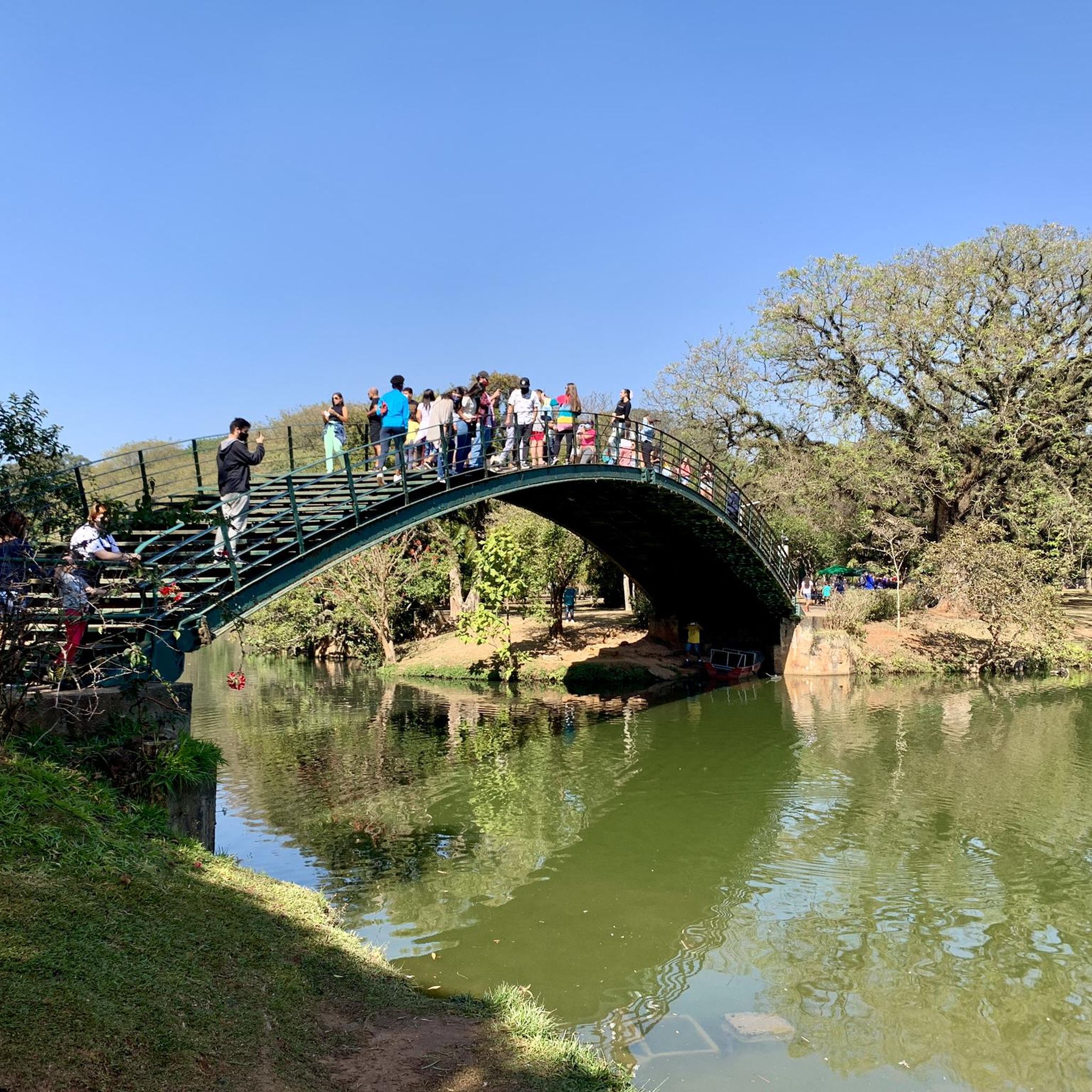
- Another must-see spot is Ibirapuera Park, an other natural area. This massive urban park features extensive green spaces, lakes, and running trails, along with cultural institutions and buildings by Oscar Niemeyer.
- Visitors also love São Paulo Museum of Art (MASP), a man-made monument. It is one of the most important art museums in the Southern Hemisphere, housing an extensive collection of European and Brazilian art in a modernist building designed by Lina Bo Bardi.
- São Paulo is known for its notable landmarks, natural features, and cultural sites. Visitors can explore a variety of attractions, from historic buildings and art museums to expansive urban parks and vibrant neighborhoods.
- The attractions in São Paulo are appreciated by the komoot community, with 19 upvotes and 19 photos shared.
Last updated: July 15, 2026
Ibirapuera Park
Highlight • Natural
Translated by Google •
Tip by

Our Lady of Fátima Church
Highlight • Religious Site
It is around this image, considered the heart of the celebrative space, that the community and the entire construction of the Mother Church are developed.
Thus, this image is a true symbol of the message revealed by the Blessed Virgin herself, when she appeared to the shepherd children of Fatima, in 1917, to be transmitted by the future parish.
In an outdoor mass celebrated in May 1943, the 1st Stone of the New Church on Rua Barão da Passagem was laid.
Since its inception, the Nossa Senhora de Fátima church building, as it is currently known, has always been an icon of the message of Fatima, that God wanted to establish devotion to her Immaculate Heart in the world.
The church is a place of prayer and confident surrender, of intense feeling, in which, in the face of the most intimate messages, words are silent and eyes, even closed, contemplate the beauty of the Most Pure Heart of Mary of Fatima.
Translated by Google •
Tip by

Sign up now to discover places like this
Get recommendations on the best single tracks, peaks, & plenty of other exciting outdoor places.
Sign up for free
Church of Our Lady of Monte Serrat (Largo de Pinheiros)
Highlight • Religious Site
The church of Nossa Senhora de Monte Serrat is thus more important for its history than for the building where it is currently located. Known as “the church of Largo de Pinheiros”, it dates back to the foundation of the village of Pinheiros, in the 16th century. Preserving the temple and not allowing its fate to be the same as those that preceded it means not only preserving an architectural complex, but the very origins of one of the oldest neighborhoods in the city.
Translated by Google •
Tip by
Largo da Batata
Highlight • Settlement
It currently has many bars and squares in addition to a church in its area. Faria Lima metro station location.
Translated by Google •
Tip by
Parque do Povo and Pinheiros River bike path
Highlight • Cycleway
Translated by Google •
Tip by

Sign up for free to discover even more attractions in São Paulo.
Sign up for free
Already have an account?
Start today with a free account
Your next adventure awaits.
Login or Signup

Tips from the Community

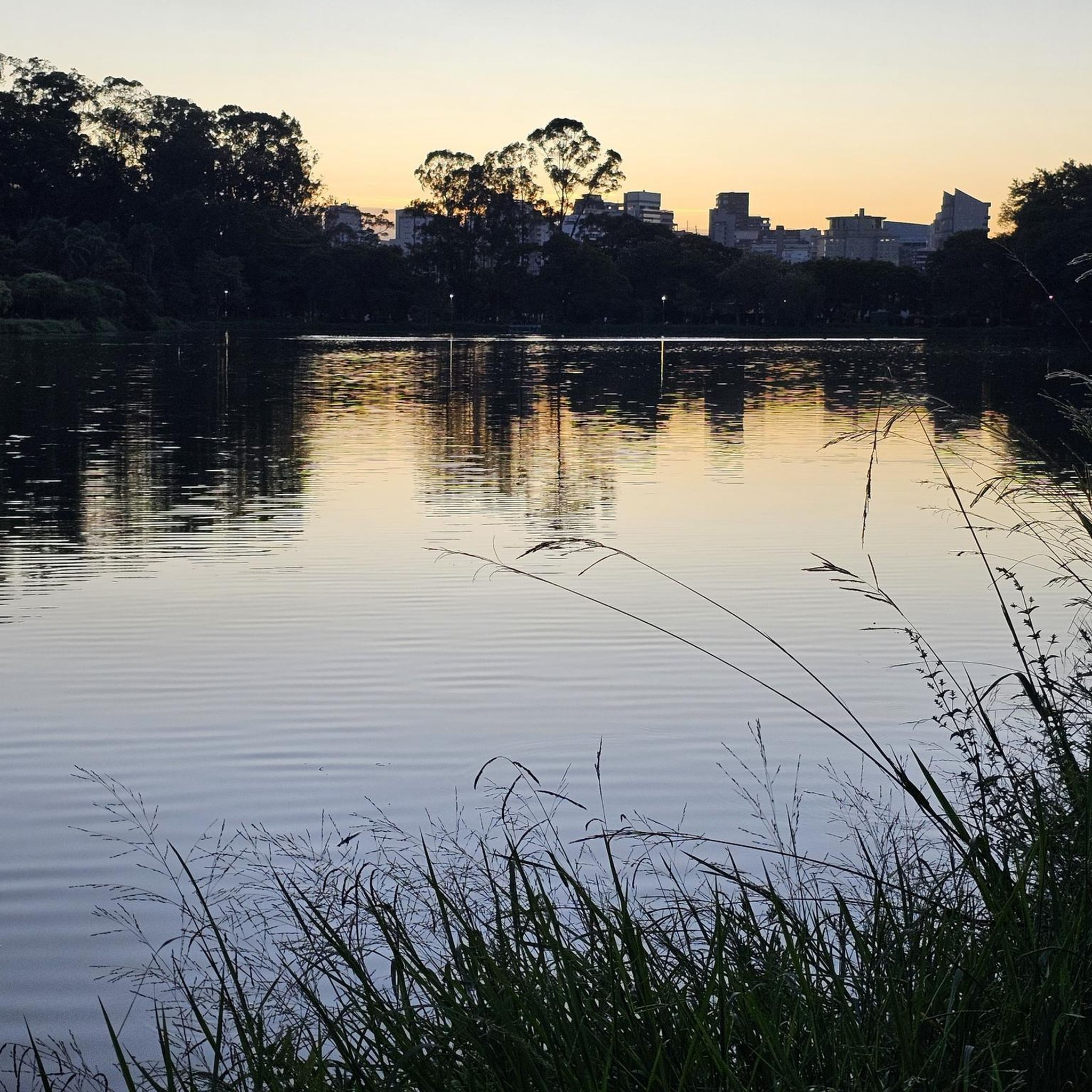
Parque Ibirapuera in São Paulo is a wonderful place to escape the hustle and bustle of the city. The green oasis offers numerous shady paths that are ideal for walking or jogging. What is particularly striking are the huge trees that offer welcome protection from the sun in summer. There are also bridges, such as the one that leads over the calm lake, where you can take a break and watch the hustle and bustle of the walkers. You immediately feel relaxed here, even if the park is well attended on weekends. Nevertheless, there is enough space for everyone. The park is also characterized by the impressive buildings of the famous architect Oscar Niemeyer, which gives it an additional cultural touch. In the numerous kiosks you can refresh yourself with a cold drink or a delicious snack. Definitely a highlight in São Paulo, which is not only ideal for a leisurely stroll, but also for sporting activities!
0
0

Beautiful park in the middle of the large and busy Saõ Paulo. It is very busy in the park, but that is not a problem, there is plenty of room for everyone. Nice place to find some shade during hot summer days. Small kiosks can be found everywhere with cool drinks and tasty local snacks.
0
0

In 1940, the Parish of Vila Leopoldina was founded, driven by the donation of the image of the Purissimo Coração de Maria de Fátima, previously exposed to the public at the Coração de Maria Sanctuary (Rua Jaguaribe) It is around this image, considered the heart of the celebrative space, that the community and the entire construction of the Mother Church are developed. Thus, this image is a true symbol of the message revealed by the Blessed Virgin herself, when she appeared to the shepherd children of Fatima, in 1917, to be transmitted by the future parish. In an outdoor mass celebrated in May 1943, the 1st Stone of the New Church on Rua Barão da Passagem was laid. Since its inception, the Nossa Senhora de Fátima church building, as it is currently known, has always been an icon of the message of Fatima, that God wanted to establish devotion to her Immaculate Heart in the world. The church is a place of prayer and confident surrender, of intense feeling, in which, in the face of the most intimate messages, words are silent and eyes, even closed, contemplate the beauty of the Most Pure Heart of Mary of Fatima.
1
0
The church of Nossa Senhora de Monte Serrat, located in the current Largo de Pinheiros, has its history linked to the most remote origins of the city of São Paulo. In 1560, with the arrival of the Portuguese, the Tupi Indians abandoned the central nucleus and, guided by the Jesuits, founded the villages of São Miguel, Itaquaquecetuba and Nossa Senhora dos Pinheiros. In this last village, a chapel was built by the priests, having as patron saint Nossa Senhora dos Pinheiros. The Society of Jesus preached the teachings of Christian doctrine there, in addition to saying masses and conducting baptisms. Over time, the hermitage became an important center of worship, not only for the population of the village, but also for residents of the surrounding area. The church of Nossa Senhora de Monte Serrat is thus more important for its history than for the building where it is currently located. Known as “the church of Largo de Pinheiros”, it dates back to the foundation of the village of Pinheiros, in the 16th century. Preserving the temple and not allowing its fate to be the same as those that preceded it means not only preserving an architectural complex, but the very origins of one of the oldest neighborhoods in the city.
1
0
It has been known as Largo da Batata since the 1920s, for concentrating potato sellers, close to the Cooperativa Agrícola de Cotia. However, it was only officially named in July 2012, by Law nº 15.615/2012. It currently has many bars and squares in addition to a church in its area. Faria Lima metro station location.
0
0

Great place to visit and relax. Very peaceful and with easy access to the Pinheiros River bike path.
1
0

Large city park of Sao Paulo with buildings by Oscar Niemeyer and numerous opportunities to do leisure sports, to meet and to escape the big city bustle.
0
0
Frequently Asked Questions
What natural features and parks can I explore in São Paulo?
São Paulo offers several beautiful natural spaces. You can visit Ibirapuera Park, a massive urban park with extensive green spaces, lakes, and running trails. Other options include Trianon Park, a remnant of the Atlantic Forest on Paulista Avenue, the vast Botanical Garden, or Cantareira State Park, one of the largest native urban forests, offering trails and waterfalls. For panoramic city views, consider Pico do Jaraguá, the highest point in São Paulo.
Are there family-friendly attractions in São Paulo?
Yes, São Paulo has many family-friendly attractions. Ibirapuera Park is excellent for all ages, with plenty of space for walks, bike rides, and cultural institutions. The Catavento Museum is a science and technology museum housed in the former Palácio das Indústrias, perfect for curious minds. Additionally, Parque do Povo offers a peaceful environment with easy access to the Pinheiros River bike path, suitable for family outings.
What historical landmarks should I visit in São Paulo?
São Paulo is rich in history. The magnificent Sé Cathedral, a neo-Gothic structure, is a must-see. You can also explore the Pateo do Collegio, which marks the city's founding in 1554, or the Monastery of São Bento with its 17th-century architecture. The Theatro Municipal is another significant architectural landmark and cultural venue. For a glimpse into the city's past, consider the Altino Arantes Building (Farol Santander), offering historical context and panoramic views.
Where can I find cultural experiences and art in São Paulo?
The city is a cultural hub. The São Paulo Museum of Art (MASP) on Paulista Avenue is a major highlight, housing extensive European and Brazilian art. Other notable art institutions include the Pinacoteca do Estado de São Paulo and the Museum of Contemporary Art of the University of São Paulo (MAC USP). For vibrant street art, visit Beco do Batman in Vila Madalena. The Liberdade District (Japantown) offers a unique cultural experience with its Japanese community and Afro-Brazilian heritage.
What outdoor activities, like hiking or running, can I do near São Paulo's attractions?
You can find various outdoor activities. For running, there are routes like the 'American School of Botany – Lake of Ibirapuera Park loop' or the 'Trianon Park – São Paulo Museum of Art loop'. If you prefer hiking, trails such as the 'Ibirapuera Lake Trail' and 'Paseo por el parque Villa Lobos' are available. Mountain biking enthusiasts can explore routes like 'Parque Villa-Lobos – View of the River in São Paulo loop'. You can find more details on these and other routes in the Running Trails in São Paulo, Hiking in São Paulo, and MTB Trails in São Paulo guides.
Are there good viewpoints to see the city of São Paulo from above?
Yes, São Paulo offers several impressive viewpoints. The Altino Arantes Building (Farol Santander) provides a 360-degree panoramic view of the city, reaching up to 40 km. Pico do Jaraguá, the highest point in São Paulo, also offers breathtaking views. Additionally, the Museum of Contemporary Art of the University of São Paulo (MAC USP) has a rooftop with impressive city views.
What are some unique neighborhoods or areas to explore for local culture and food?
For a taste of local culture and cuisine, explore the Liberdade District, São Paulo's vibrant Japantown, known for its unique stores and Japanese food. Vila Madalena and Pinheiros are famous for their lively atmosphere, street art (including Beco do Batman), and a wide array of bars and restaurants. The Municipal Market is renowned for its exotic fruits and classic sandwiches, offering a vibrant culinary experience.
What is the best time of year to visit São Paulo's attractions?
São Paulo generally has a subtropical climate. The cooler, drier months from May to September are often considered ideal for exploring attractions, as temperatures are milder and there's less rainfall. However, the city's indoor cultural sites and museums are enjoyable year-round, even during the warmer, wetter summer months (December to March).
Are there any attractions in São Paulo that are wheelchair accessible?
Yes, efforts have been made to improve accessibility in São Paulo. The São Paulo Museum of Art (MASP) is noted as wheelchair accessible. Largo da Batata, a public square, also offers wheelchair accessibility. Many modern cultural institutions and parks, like Ibirapuera Park, strive to provide accessible pathways and facilities.
What do visitors enjoy most about São Paulo's attractions?
Visitors frequently praise the diversity of experiences São Paulo offers. They appreciate the peaceful escape found in green spaces like Ibirapuera Park, noting its beauty and opportunities for leisure sports. The unique architecture and cultural significance of places like the São Paulo Museum of Art (MASP) are also highly valued. The vibrant atmosphere of areas like Paulista Avenue and the rich culinary scene are often highlighted as key aspects of their enjoyment.
Are there any free attractions to visit in São Paulo?
Yes, São Paulo offers several free attractions. Many parks, including Ibirapuera Park and Trianon Park, are free to enter and explore. The Museum of Contemporary Art of the University of São Paulo (MAC USP) offers free admission to its extensive collection. Walking along Paulista Avenue, especially on Sundays when it becomes a pedestrian zone, and exploring Beco do Batman for street art are also free and engaging activities.
How can I get around to São Paulo's tourist spots using public transport?
São Paulo has an extensive public transport network, including a metro and bus system, which is an efficient way to reach many attractions. Key areas like Paulista Avenue are well-served by metro stations (e.g., Trianon-Masp). The city center, home to the Sé Cathedral and Theatro Municipal, is also easily accessible. For parks like Ibirapuera Park, buses are a common option, and some metro lines connect to nearby neighborhoods.
Most popular routes in São Paulo

Get inspired with the komoot mobile app


Explore more
Still not found the Highlight you’re looking for? See guides of the top attractions in other regions:
