Attractions and Places To See in Niterói - Top 20
Best attractions and places to see in Niterói include a diverse range of sites, from iconic architectural landmarks to natural features offering panoramic views. The region provides a unique perspective of Guanabara Bay and the Rio de Janeiro skyline. Visitors can explore historical fortifications, modernist architecture, and various beaches.
Best attractions and places to see in Niterói
- The most popular attractions is Sugarloaf Mountain Cable Car, a man_made_monument that offers grandiose views over Rio de Janeiro and its beaches. This attraction provides a unique perspective, allowing visitors to see planes flying below.
- Another must-see spot is Christ the Redeemer, a man_made_monument and religious building. This iconic statue is a real highlight, offering a significant cultural and historical experience.
- Visitors also love Sugarloaf Mountain, a natural_monument. This bell-shaped rock is a landmark that provides extensive views over Rio de Janeiro.
- Niterói is known for its man-made monuments, natural landmarks, and beaches. The region offers a variety of attractions to see and explore, catering to different interests.
- The attractions in Niterói are appreciated by the komoot community, with more than 50 upvotes and 33 photos shared by visitors.
Last updated: July 15, 2026
Sugarloaf Mountain Cable Car
Highlight • Monument
Translated by Google •
Tip by

Christ the Redeemer
Highlight • Monument
Translated by Google •
Tip by

Sign up now to discover places like this
Get recommendations on the best single tracks, peaks, & plenty of other exciting outdoor places.
Sign up for free
Copacabana Beach
Highlight • Beach
Translated by Google •
Tip by
Sugarloaf Mountain
Highlight • Natural Monument
First, the large statue of Christ the Redeemer, which watches over one of Brazil's most famous cities from Corcovado Mountain and is featured in every documentary about the country.
Second, the famous sandy beach of Copacabana, where you can enjoy the sea and which provides the perfect backdrop for refreshing cocktails.
And finally, Sugarloaf Mountain, located on the Urca Peninsula, is a bell-shaped rock whose beautiful, round shape is reminiscent of a sugarloaf, thus contributing to the rock's name. What is the history of the rock and the famous cable car to Sugarloaf Mountain, which was once built by a German company?
Sugarloaf Mountain is only 395 meters high. That makes it not even particularly tall.
But its round shape has made it an unmistakable landmark of Rio de Janeiro. The small, rounded Sugarloaf Mountain is hundreds of millions of years old and is made of iron-like granite. Its rock once emerged from the Earth's interior as magma. From this, a rock formed, from which several outer layers peeled away like an onion, until finally a distinctively rounded, bell-shaped rock remained in the landscape, which still catches everyone's attention today and quickly became the subject of stories and myths: Sugarloaf Mountain. Its external appearance also contributed to the fact that Sugarloaf Mountain was long considered unclimbable.
Who could possibly climb such a rounded rock?
The Englishwoman Henrietta Carstairs finally succeeded. In 1817, Carstairs, a mountaineer and nanny, climbed Sugarloaf Mountain at the age of 39.
Carstairs then hoisted the Union Jack, the flag of the United Kingdom of Great Britain and Northern Ireland, on its summit. With this action, the female mountaineer seriously offended the Portuguese colonial power that ruled Brazil. According to Brazilian legend, the following day, a patriotic Brazilian soldier climbed Sugarloaf Mountain and replaced the Union Jack with the Brazilian flag.
skr.de/brasilien-reisen/sehenswuerdigkeiten/zuckerhut
Translated by Google •
Tip by

Selarón Steps
Highlight • Monument
Selarón staircase, worked over the years.
The Escadaria Selarón has around 250 steps and is around 125 meters long, decorated with tiles and mirrors from all over the world. consists of and is decorated with tiles, ceramic tiles from all over the world and pieces of mirrors.
Translated by Google •
Tip by

Sign up for free to discover even more attractions in Niterói.
Sign up for free
Already have an account?
Start today with a free account
Your next adventure awaits.
Login or Signup

Tips from the Community

Don't leave on weekends or too early for sunset - the lines for the four rides can be incredibly long!
0
0

Corcovado is one of the hills in the city of Rio de Janeiro, famous in Brazil and around the world for its 38-meter-high statue of Christ the Redeemer. Christ the Redeemer is one of the main symbols of the country and offers a privileged panoramic view of the city of Rio de Janeiro.
1
0

From Praia Vermelha, visitors take the first tramway to Morro da Urca, and from there, a second tramway takes them to the summit of Morro do Pão de Açúcar, which stands 396 meters above sea level. Various stories justify the name of this tourist spot; the most famous says that in the 16th and 18th centuries, at the height of sugarcane production, producers stored blocks of sugar in molds for export, and the object's resemblance to Sugarloaf Mountain gave rise to the name. Opened in 1912, the Sugarloaf Cable Car was the first cable car in Brazil and the third in the world, connecting Morro da Urca to Morro do Pão de Açúcar. Since then, more than 40 million people have used the cable cars. From the top of the two hills, you can see breathtaking views of the city, including Botafogo Bay, the Copacabana promenade, and the entrance to Guanabara Bay. In summer, the amphitheater at the top of Morro da Urca hosts shows and nighttime events that combine fun with beautiful views of the city lights. Source: www.riotur.rio/que_fazer/paodeacucar
2
0
From Praia Vermelha, visitors take the first tram to Morro da Urca, and from there, a second tram takes them to the summit of Morro do Pão de Açúcar, which stands 396 meters above sea level. Several stories justify the name of this tourist spot; the most famous says that in the 16th and 18th centuries, at the height of sugarcane production, producers stored blocks of sugar in molds for export, and the object's resemblance to Sugarloaf Mountain gave rise to the name. Opened in 1912, the Sugarloaf Cable Car was the first cable car in Brazil and the third in the world, connecting Morro da Urca to Morro do Pão de Açúcar. Since then, more than 40 million people have used the cable cars. From the top of the two hills, you can see breathtaking views of the city, including Botafogo Bay, the Copacabana promenade, and the entrance to Guanabara Bay. In summer, the amphitheater at the top of Morro da Urca hosts shows and nighttime events that combine fun with beautiful views of the city lights. Source: https://riotur.rio/que_fazer/paodeacucar/
1
0
Information about the cable car and tickets are available at www.bondinho.com.br
0
0
Copacabana is a district in the southern zone of the city of Rio de Janeiro in Brazil. It is considered one of the most famous and prestigious neighborhoods in Brazil and one of the most famous in the world. She is nicknamed “Little Princess of the Sea” and “Heart of the South Zone” . It borders the districts of Lagoa, Ipanema, Botafogo, Leme and Humaitá. Copacabana attracts numerous tourists with its more than eighty hotels, which are particularly busy during the New Year and Carnival seasons. At the end of the year, the traditional fireworks display on Copacabana Beach attracts many people. During the rest of the year, the waterfront is still a venue for various events, such as national and international shows. Source: https://pt.wikipedia.org/wiki/Copacabana
1
0
Escadaria Selarón, locally known as the 'Lapa Steps' (Escadaria da Lapa) for being situated at the "Lapa" neighborhood, is a set of world-famous steps in Rio de Janeiro, Brazil. They are the work of Chilean-born artist Jorge Selarón who claimed it as "my tribute to the Brazilian people". In 1990, Selarón began renovating dilapidated steps that ran along the front of his house. At first, neighbours mocked him for his choice of colours as he covered the steps in fragments of blue, green and yellow tiles – the colours of the Brazilian flag. It started out as a side-project to his main passion, painting, but soon became an obsession. He found he was constantly out of money, so Selarón sold paintings to fund his work. It was long and exhausting work but he continued on and eventually covered the entire set of steps in tiles, ceramics and mirrors. Source: https://en.wikipedia.org/wiki/Escadaria_Selar%C3%B3n
3
0
The statue of Cristo Redentor is the symbol of the city. It is 32 meters high and stands on an eight meter high base. The outside of the concrete building is decorated with a mosaic made of soapstone. Inside the base you can visit a chapel. The idea for the monument came from the Catholic priest Pedro Maria Boss. It was inaugurated in 1931 and has been an official place of pilgrimage of the Catholic Church since 2006. By the way, Cristo Redentor also watches over some football games. Because there is a large stadium at its feet. Source: https://www.religionen-entdecken.de/lexikon/c/cristo-redentor
1
0
Frequently Asked Questions
What are the must-see architectural landmarks in Niterói?
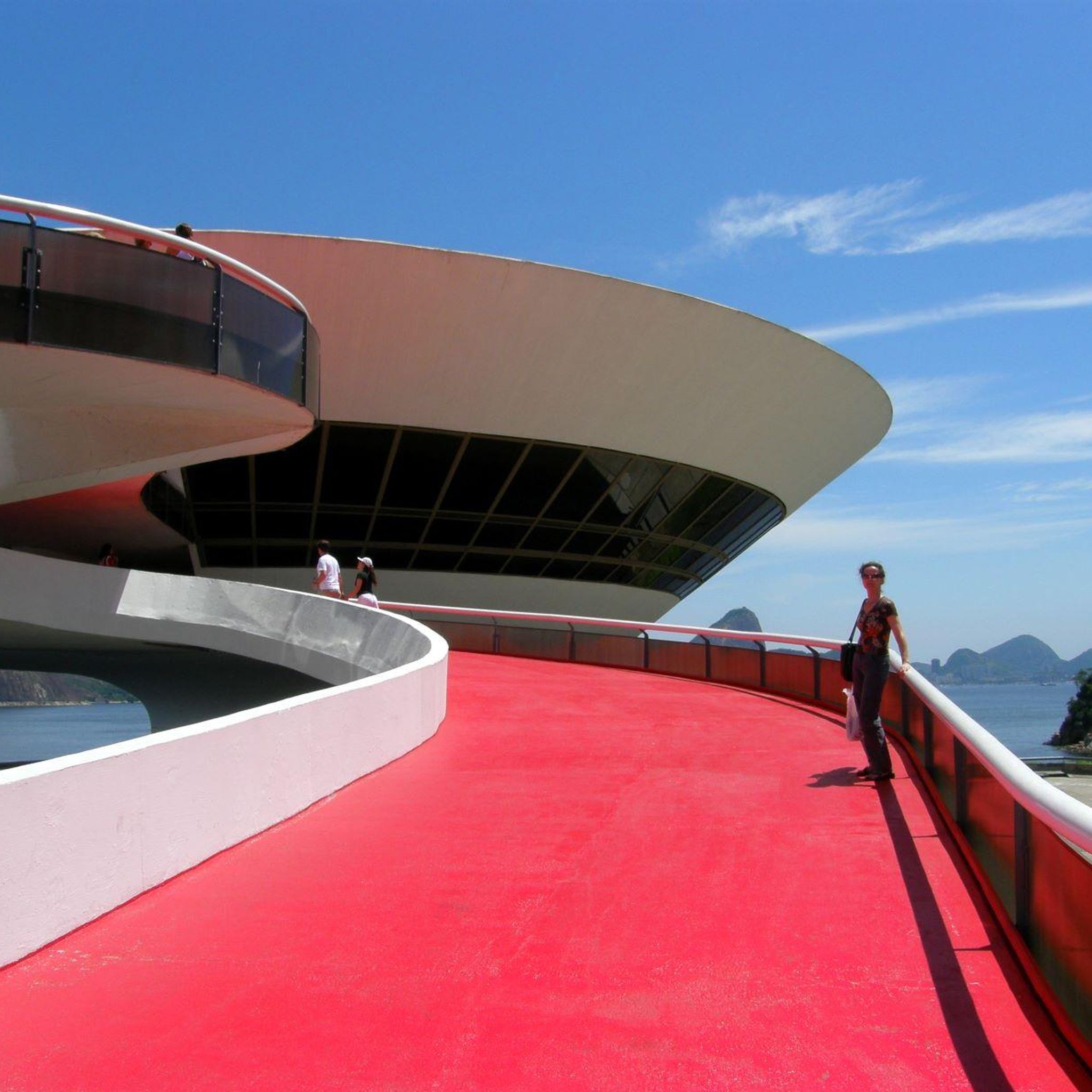
Niterói is famous for its modernist architecture, particularly the works of Oscar Niemeyer. The iconic Niterói Contemporary Art Museum (MAC), resembling a flying saucer, is a symbol of the city. You can also explore the Caminho Niemeyer, an architectural complex featuring the Popular Theater and the Roberto Silveira Memorial.
Where can I find the best panoramic views of Niterói and Rio de Janeiro?
For breathtaking panoramic views, head to Niterói City Park (Parque da Cidade), located on Viração Hill. It offers spectacular vistas of Guanabara Bay, Niterói's ocean beaches, and the Rio de Janeiro skyline, including Christ the Redeemer and Sugarloaf Mountain. The historic Fort São Luís also provides incredible coastal views.
Are there historical sites to visit in Niterói?
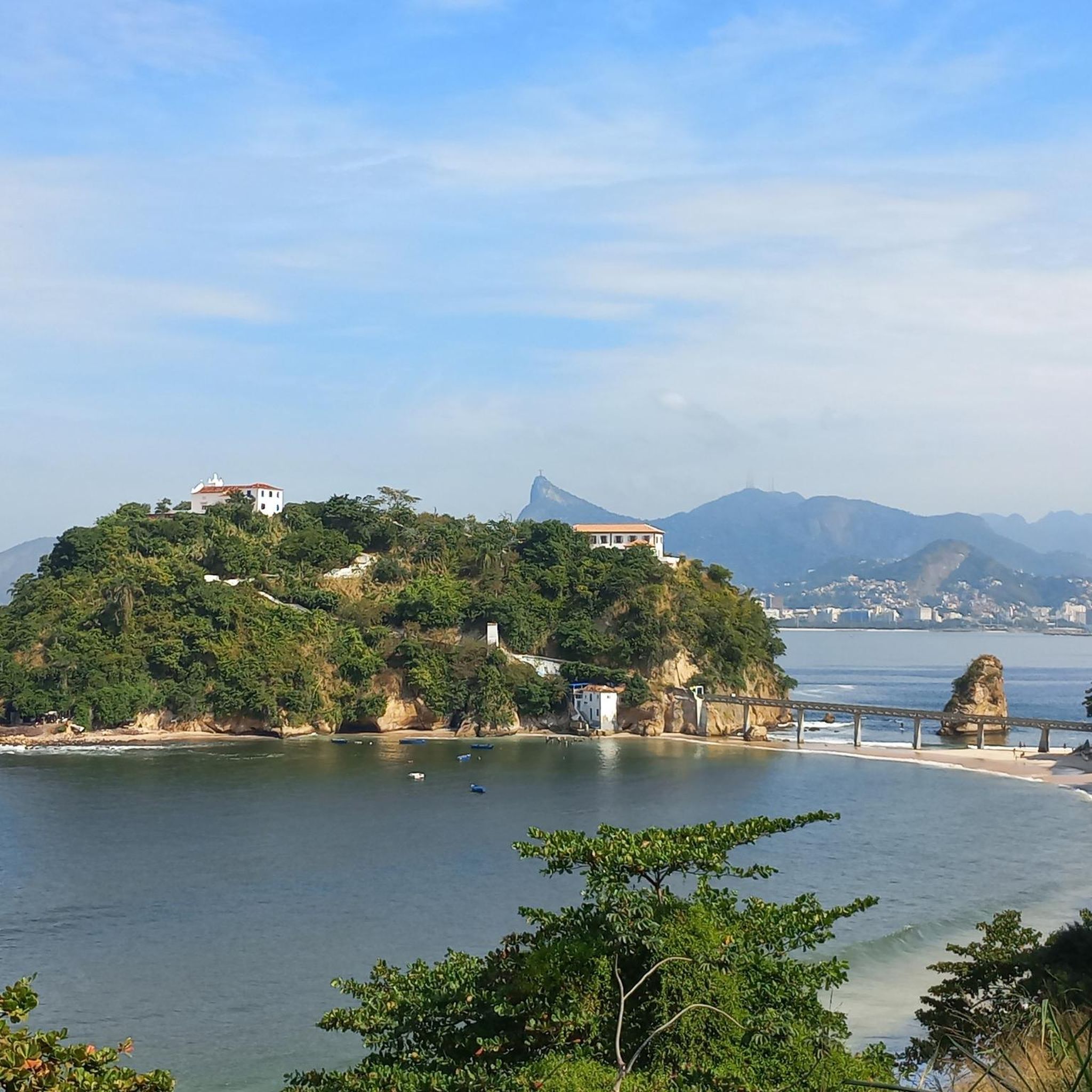
Absolutely. Niterói boasts significant historical sites, including the impressive Fortaleza de Santa Cruz da Barra, dating back to 1555. This colonial fortress offers guided tours and stunning views. Other historical forts like Fortes do Pico and São Luís, and the historical buildings on Ilha da Boa Viagem, provide a glimpse into Brazil's past.
What are the best beaches in Niterói for swimming and relaxation?
Niterói offers several beautiful beaches. Itacoatiara Beach is known for its white sand and clear waters, popular for surfing. For calmer, cleaner waters, Camboinhas Beach is a great choice with a pleasant boardwalk. Piratininga Beach is also noted for its suitability for swimming, while Sossego Beach offers a peaceful, paradisiacal atmosphere.
What outdoor activities can I do near Niterói's attractions?
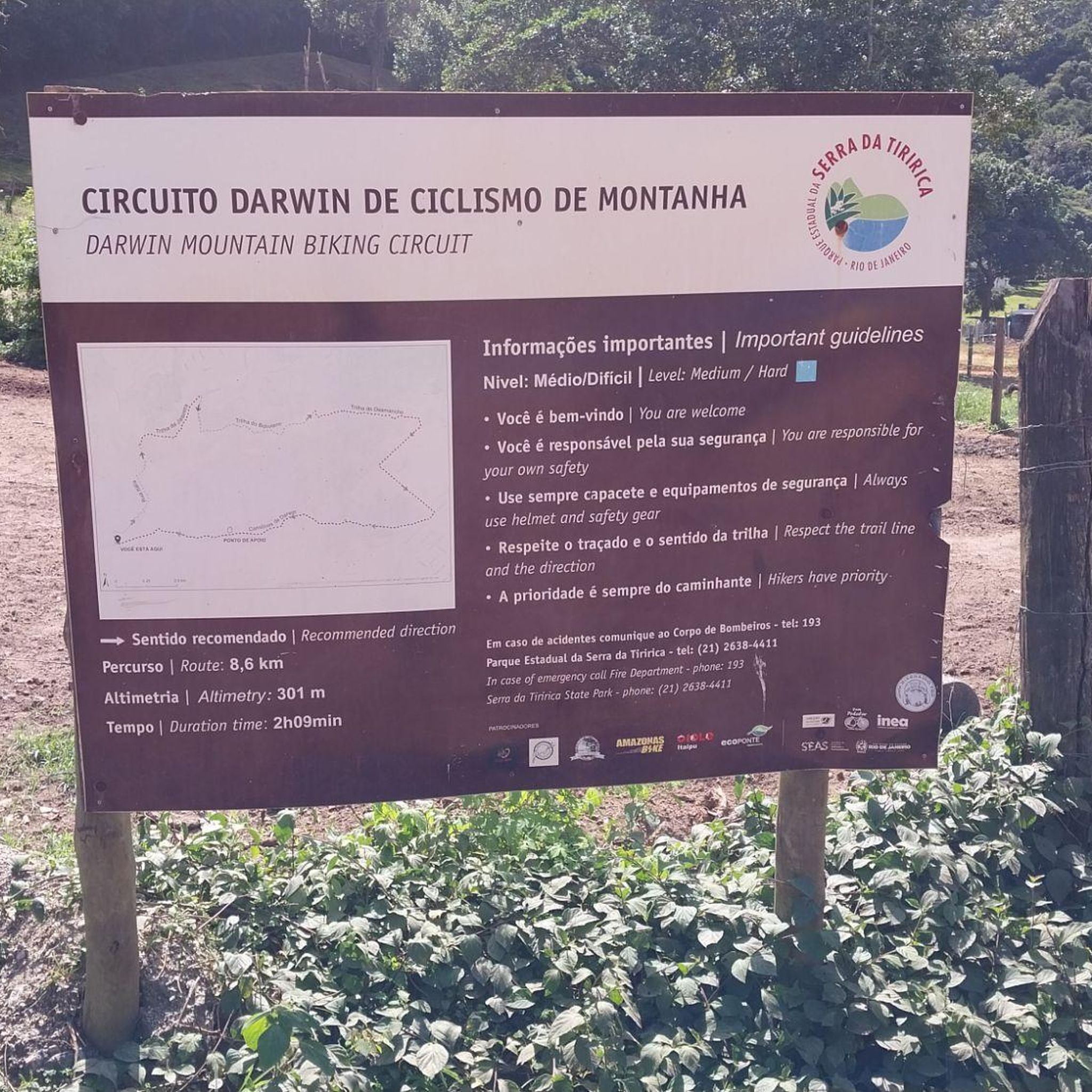
Niterói is excellent for outdoor enthusiasts. You can find numerous hiking trails, such as the Costão de Itacoatiara Trail and the Pedra do Elefante Trail, both offering stunning coastal views within Serra da Tiririca State Park. The Parque da Cidade is also a popular spot for paragliding, hang gliding, and hiking. For cycling, explore the road cycling routes, or enjoy a run on the running trails available in the region.
Are there family-friendly attractions in Niterói?
Yes, Niterói has options for families. Many of its beaches, like Copacabana Beach (easily accessible from Niterói) and Camboinhas Beach, are suitable for families. The Niterói City Park is great for picnics and enjoying the views. While the Christ the Redeemer statue is a significant cultural experience, it can be crowded.
What cultural experiences can I find in Niterói?
Niterói offers a rich cultural scene. Beyond the Niterói Contemporary Art Museum (MAC), you can visit the Museu de Arte Popular Janete Costa for Brazilian popular art, or catch a show at the Teatro Popular Oscar Niemeyer. The Municipal Market of Niterói has been revitalized into a gastronomic and artisan hub, and the traditional Bairro de Jurujuba is known for its seafood restaurants.
What is the best time of year to visit Niterói attractions?
Niterói generally enjoys a warm climate year-round. The cooler, drier months from May to September are often preferred for sightseeing and outdoor activities, as the weather is more comfortable and there's less chance of rain. However, the summer months (December to March) are vibrant, especially around the beaches, though they can be hotter and more humid.
Are there any hidden gems or less crowded attractions in Niterói?
For a quieter experience, consider visiting Sossego Beach, a small, peaceful cove accessible by trail. The Ilha da Boa Viagem, connected by a pedestrian path, offers historical charm and views without the typical crowds. Exploring the traditional fisherman's neighborhood of Bairro de Jurujuba also provides an authentic local experience.
What natural parks or reserves can I explore in Niterói?
Niterói is home to the Serra da Tiririca State Park, which features dense Atlantic Forest, numerous hiking trails, and opportunities for rock climbing. This park offers stunning ocean views and rich biodiversity. Additionally, Niterói City Park provides a natural setting for enjoying views and outdoor activities.
What do visitors enjoy most about Niterói?
Visitors frequently praise Niterói for its unique blend of modernist architecture, especially Oscar Niemeyer's designs, and its stunning natural landscapes. The panoramic views of Guanabara Bay and Rio de Janeiro from spots like Niterói City Park are consistently highlighted as favorites. The beautiful, less crowded beaches and the rich historical sites also contribute to a memorable experience.
Most popular routes in Niterói
Most popular attractions in Niterói

Get inspired with the komoot mobile app


Explore more
Still not found the Highlight you’re looking for? See guides of the top attractions in other regions:
