Top 4 Caves around Pleystein
Caves around Pleystein offer diverse natural attractions within the Upper Palatinate region of Bavaria, Germany. The area is characterized by its forested landscapes and unique rock formations. Visitors can explore various grottoes and historical underground sites. These natural monuments provide insight into the geological features and local history of Pleystein.
Best caves around Pleystein
- The most popular caves is Marian Grotto Am Spitzwold, a religious building that offers a place to settle down and recover. This grotto is noted…
Last updated: July 1, 2026
Marian Grotto Am Spitzwold
Highlight • Religious Site
Recover the Spirit
Translated by Google •
Tip by

Kraute-Bühler Robber’s Cave
Highlight • Cave
Translated by Google •
Tip by

Sign up now to discover places like this
Get recommendations on the best single tracks, peaks, & plenty of other exciting outdoor places.
Sign up for free
Crypt of Waldheim Castle
Highlight • Castle
The tomb was opened violently by unknown and then no longer closed. The …
Translated by Google •
Tip by
Hutstein Cave
Highlight • Cave
Translated by Google •
Tip by

Prayer grotto beneath Kreuzberg Church in Pleystein
Highlight • Cave
Translated by Google •
Tip by

Start today with a free account
Your next adventure awaits.
Login or Signup
Other adventures around Pleystein

Tips from the Community

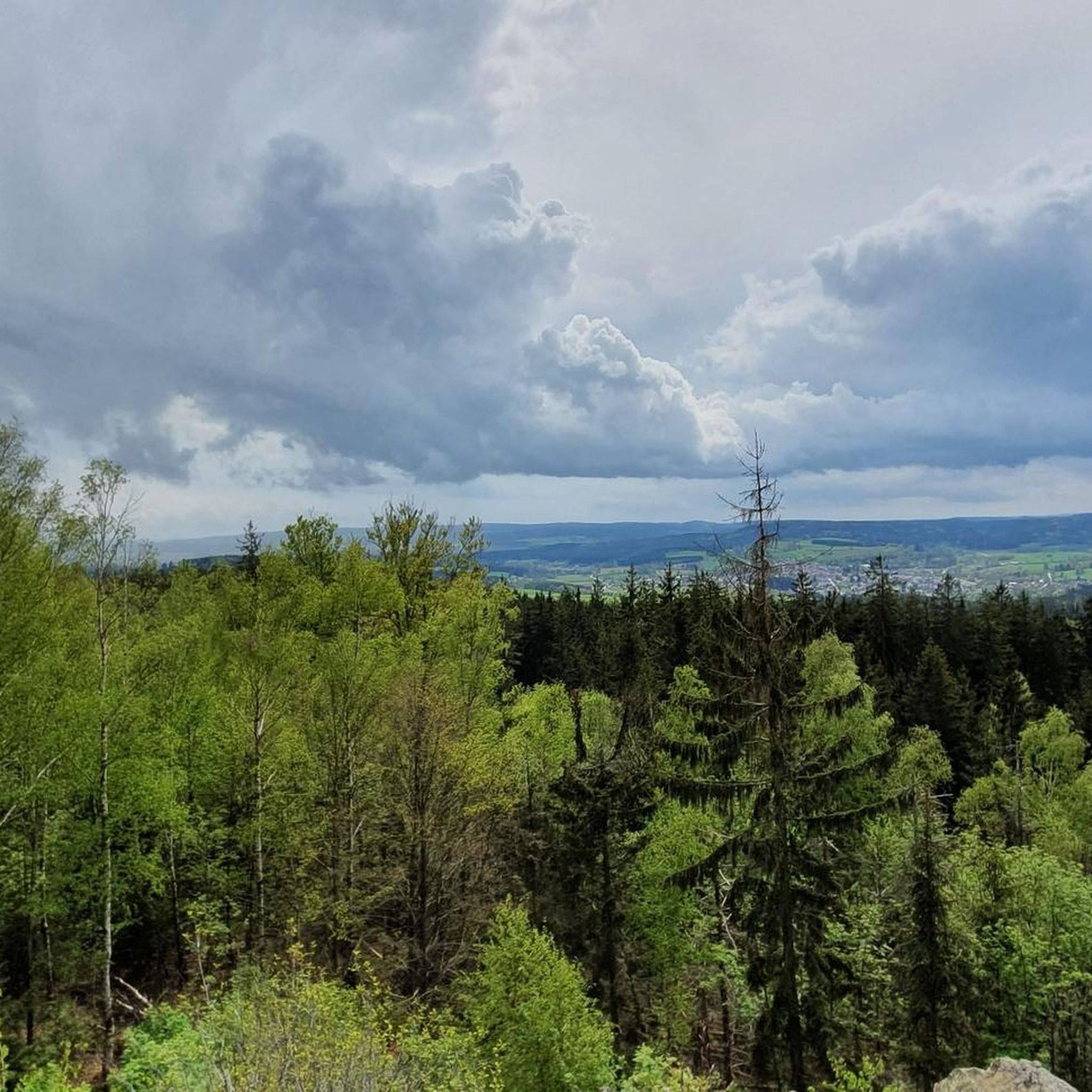
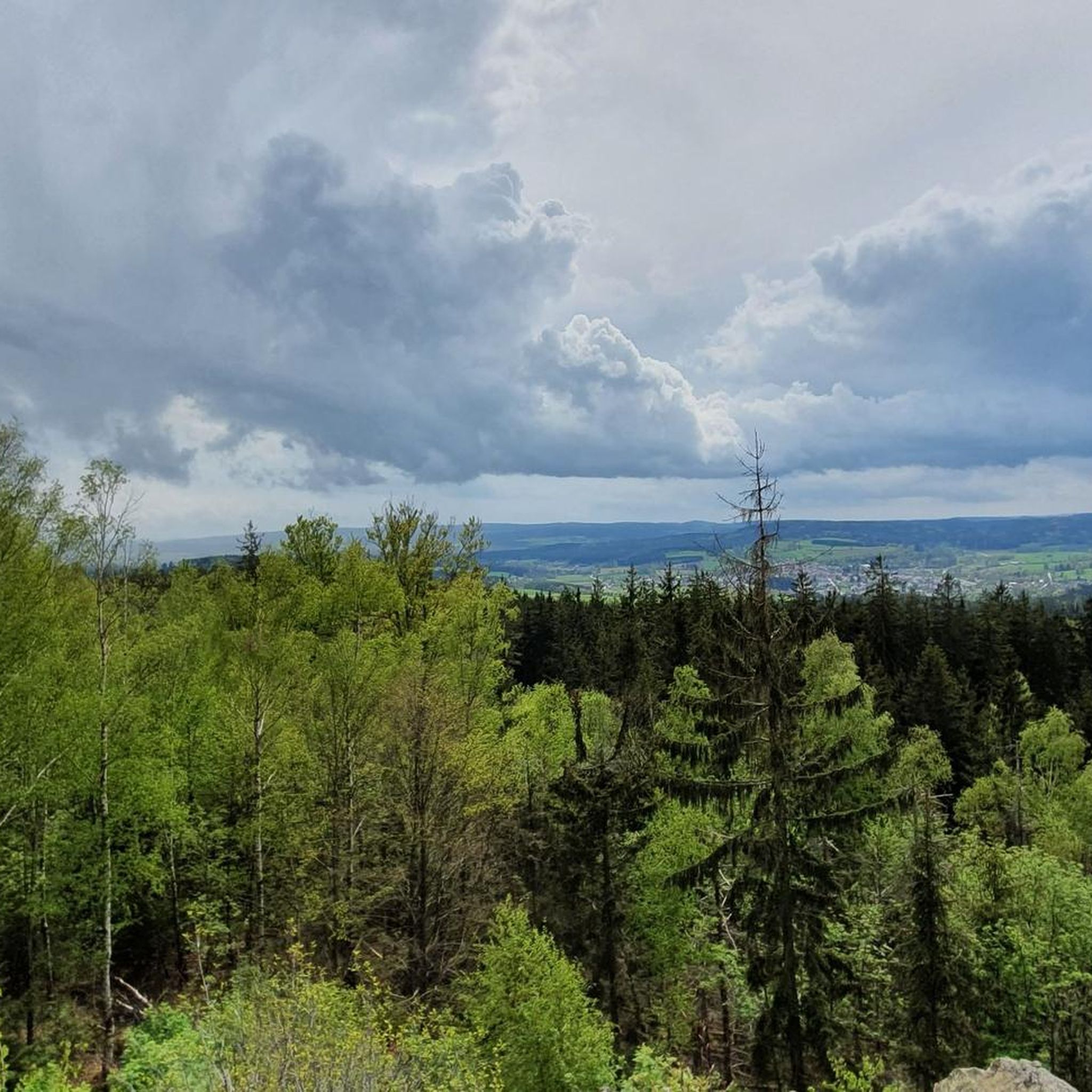
Hidden in the forest, you can still find remnants of a tomb.
0
0

Nice place to stop
0
0

Here, a clearing in the forest was used to create a small "sacred area" in the middle of nature, one that cyclists shouldn't pass by unnoticed. A small hill constructed of natural stone—one could also call it a grotto—rises in the middle of the forest clearing. It is crowned by a cross with the Corpus Christi. The centerpiece of this small sacred monument, however, is a depiction of the Virgin Mary, with a votive tablet on either side of her image. Seating and tables complete the ensemble.
0
0

Something hidden, you have to find it first
1
0

Please stay off the trail. This is a nature reserve!
1
0

From 1884 onwards, the castle fell into disrepair, with the last burial in the crypt not taking place until 1902. In 1919, the crypt was forcibly opened by unknown persons and was not closed again after that. The mortal remains that were still there were finally buried in the Neulosimthal cemetery in 1942 - this is stated on an information board that the OWV Georgenberg put up next to the ruins in 2013.
0
0
At the moment again deep, hardly passable fairways by harvesters on the way to Mariengrotte
3
0

Very beautiful Mariengrotte in the middle of the Bohemian Forest, is worth a visit. A place of silence and devotion in the middle of nature. Unfortunately, the journey through the forestry work is very bad, but it works.
4
0
Frequently Asked Questions
What types of caves can I explore around Pleystein?
Around Pleystein, you can discover a variety of underground sites. These include religious grottoes like the Marian Grotto Am Spitzwold, natural rock shelters such as the Kraute-Bühler Robber’s Cave, and historical structures like the Crypt of Waldheim Castle.
Is there a prominent stalactite cave in the wider Upper Palatinate region?
Yes, the König-Otto-Tropfsteinhöhle (King Otto Dripstone Cave) near Velburg is a highly recommended and notable example in the wider Upper Palatinate region. It's known for its impressive stalactites, stalagmites, and the 'Advent Hall' with diverse speleothems. You can check current opening times and admission prices via the Erlebniswelt Velburg or their website before visiting.
What makes the Marian Grotto Am Spitzwold a special place to visit?
The Marian Grotto Am Spitzwold is appreciated for its peaceful atmosphere, offering a quiet place for reflection in the middle of the forest. It's described as a very nice Marian grotto by visitors.
What should I know about visiting the Kraute-Bühler Robber’s Cave?
The Kraute-Bühler Robber’s Cave is a natural monument, considered a special highlight in the area. Be aware that its access is quite small and narrow, and the climb to it can be a bit tedious at the beginning.
Can I visit historical underground sites near Pleystein?
Yes, the Crypt of Waldheim Castle is a historical site near Pleystein. This crypt, part of the castle ruins, has a documented history of decay and reburial of remains, with an information board detailing its past.
Are there any less accessible caves for adventurous explorers?
The Hutstein Cave is a small rock cave near the Stückberg summit. It's a little off the beaten track and currently difficult to access due to fallen trees from a storm. The entrance is very small, meaning you cannot explore deep inside.
What is the best time of year to visit caves in the Pleystein area?
For natural caves like the König-Otto-Tropfsteinhöhle, the typical visiting season is from April 1 to October 31. It's always advisable to check specific opening times before your visit, as they can vary. For outdoor grottoes and rock shelters, spring to autumn generally offers the most pleasant weather for exploration.
What should I wear when visiting caves around Pleystein?
Even during warmer months, caves maintain a cool, constant temperature. For underground caves like the König-Otto-Tropfsteinhöhle, appropriate clothing such as a light jacket or sweater is recommended. For outdoor grottoes and rock formations, comfortable walking shoes are essential, especially if trails are challenging or muddy.
Are there family-friendly cave tours or activities in the region?
The König-Otto-Tropfsteinhöhle offers guided tours lasting about 30 to 45 minutes, which can be suitable for families. They also have individual audio tours in various languages. While the caves directly around Pleystein are more natural and less developed for formal tours, exploring the grottoes and rock shelters can be an adventurous family activity, especially for older children.
What outdoor activities can I combine with a visit to the caves near Pleystein?
The Pleystein area offers various outdoor activities. You can find numerous hiking trails, including easy routes like the 'Franzesbrunnen – Großer Stein Viewpoint loop' or moderate ones like the 'Fahrenberg Pilgrimage Church loop'. There are also running trails and gravel biking routes, such as those incorporating the Bockl Cycle Path.
How long does it typically take to visit the caves around Pleystein?
For the specific highlights around Pleystein like the Marian Grotto or the Robber’s Cave, visits can range from a quick stop of 15-30 minutes to an hour, depending on how much you explore the immediate surroundings. For a more extensive experience like the König-Otto-Tropfsteinhöhle, guided tours typically last 30 to 45 minutes, plus travel time to and from the site.
Is the König-Otto-Tropfsteinhöhle accessible for wheelchair users?
The König-Otto-Tropfsteinhöhle is partially accessible for wheelchair users, but prior registration is required. It's best to contact the Erlebniswelt Velburg directly to arrange a visit and confirm accessibility details.
Most popular routes around Pleystein
Most popular attractions around Pleystein

Get inspired with the komoot mobile app


Explore more
Extend your search for the best caves by checking out these guides of the top ones around Pleystein:
