The best walks and hikes around Pleystein
4.6
(205)
868
hikers
132
hikes
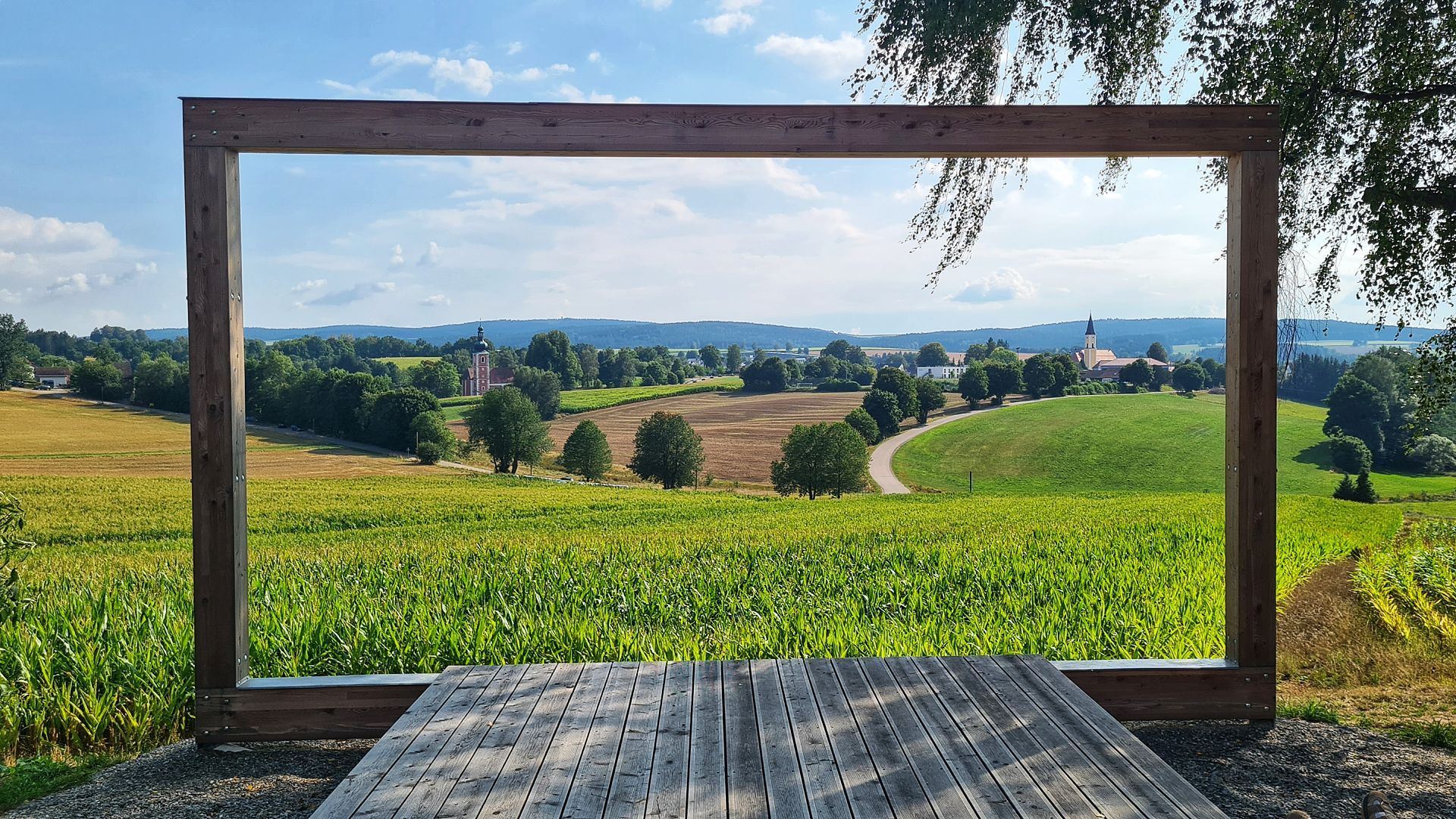
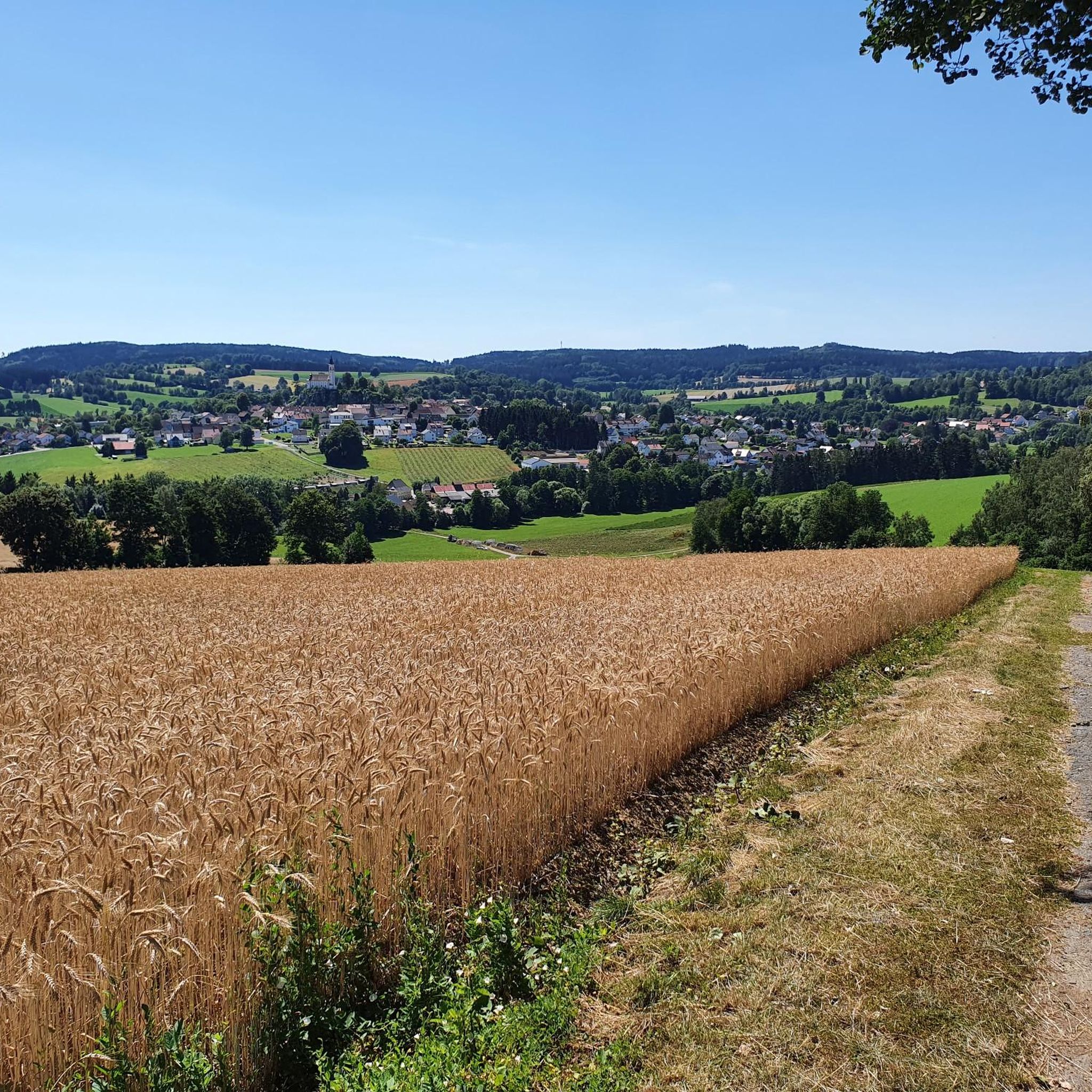
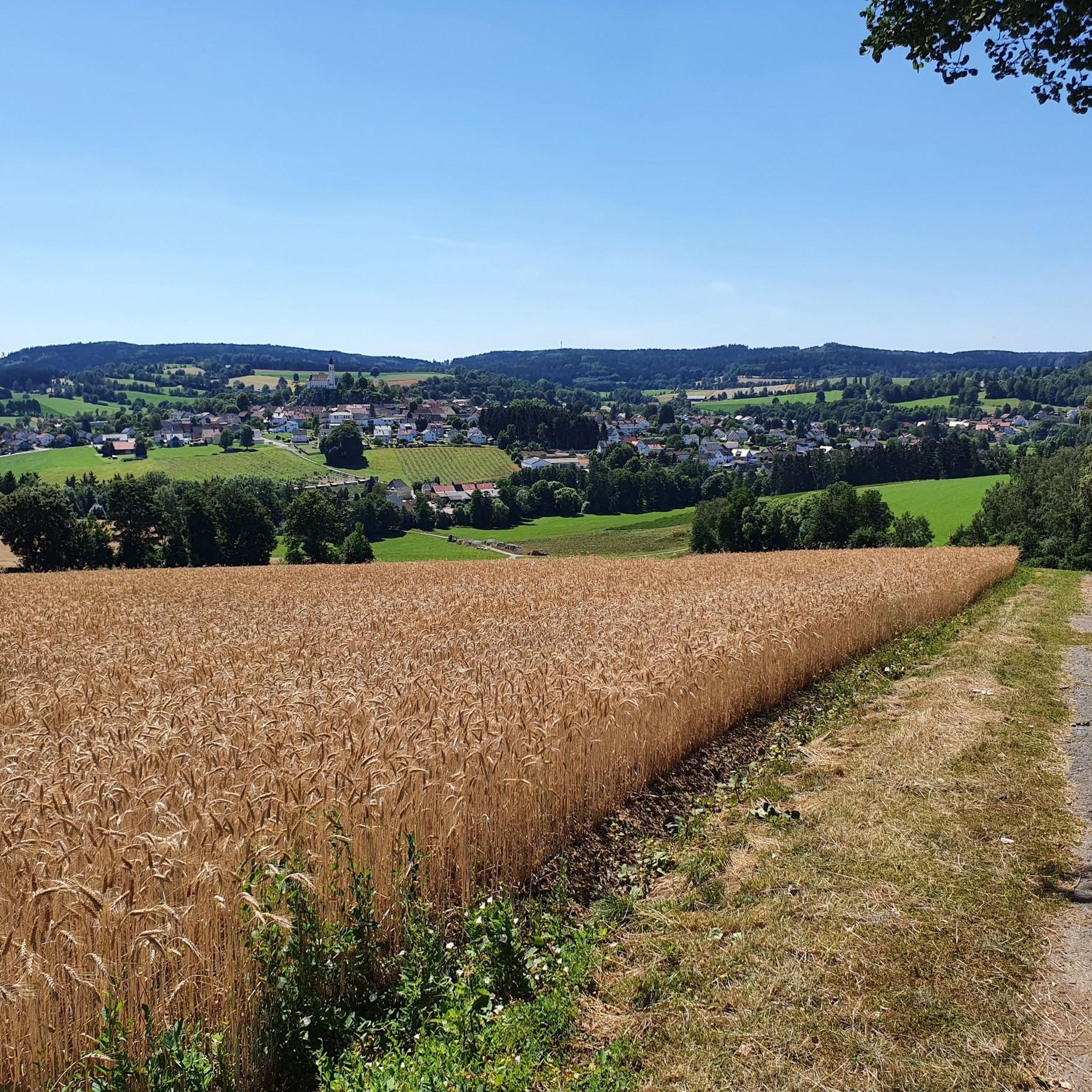
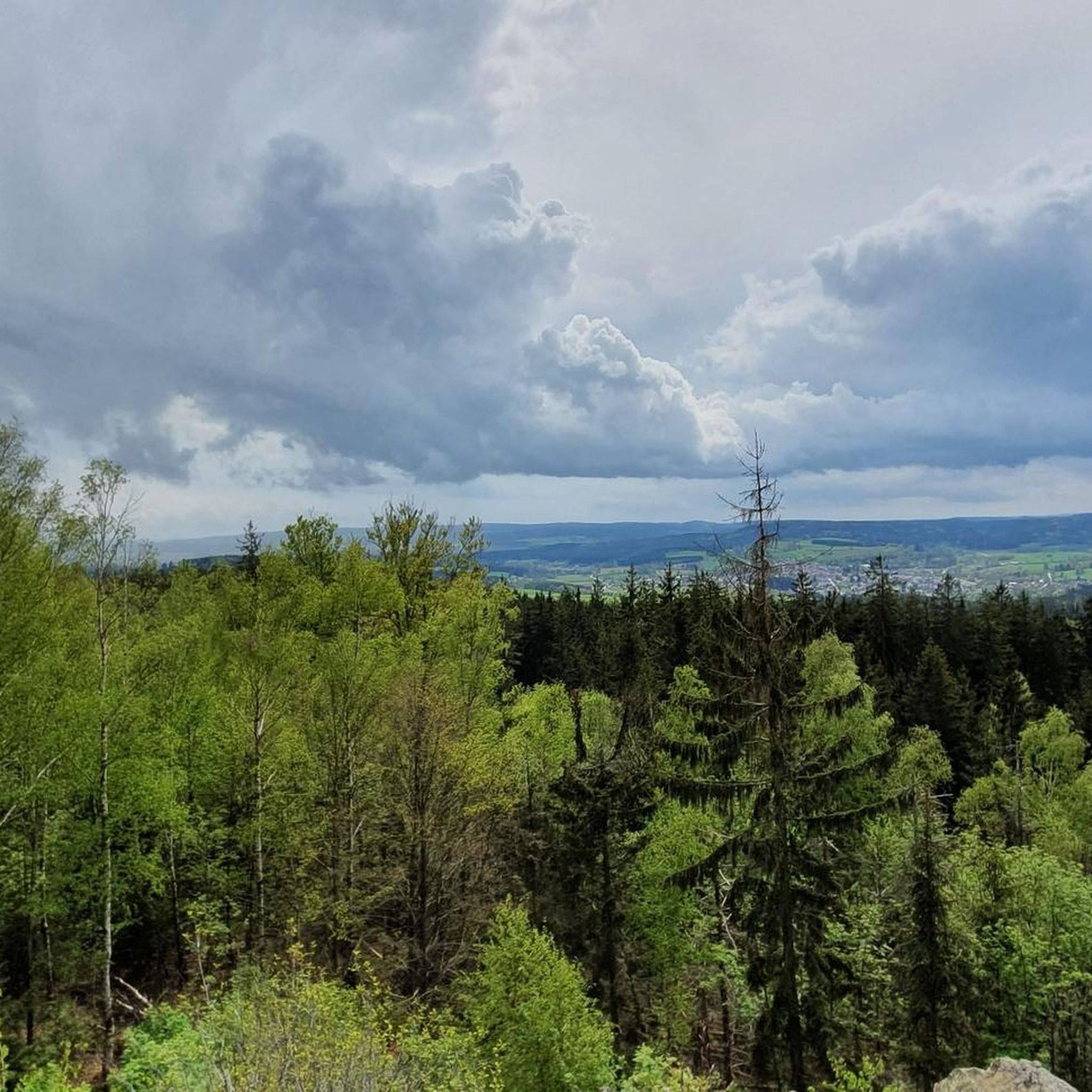
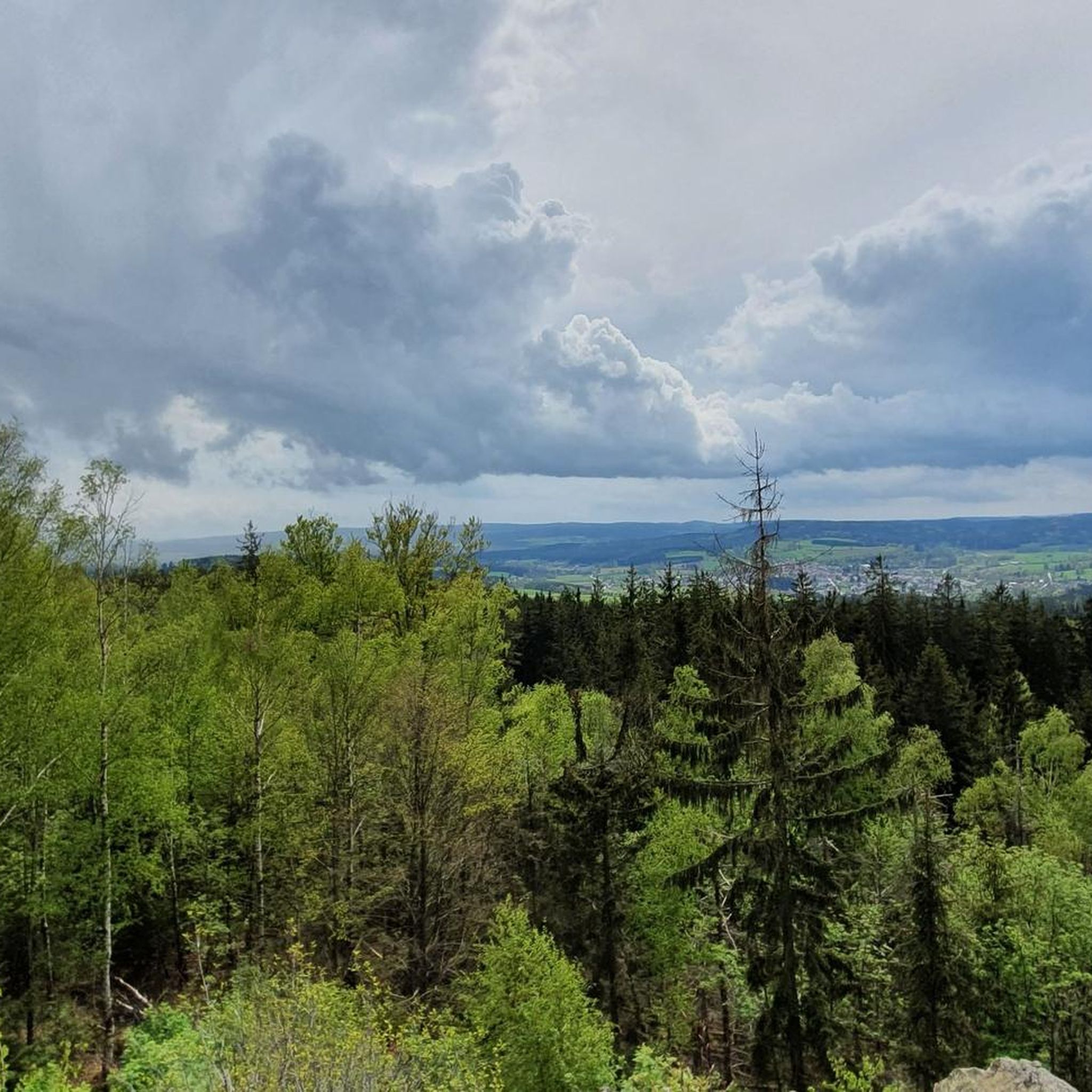
Hiking around Pleystein offers access to the scenic Upper Palatinate, characterized by extensive forests and diverse hilly terrain. The region features elevations of both the Upper Palatinate Forest and the Bohemian Forest. A notable natural landmark is the 38-meter-high rose quartz rock, visible from a distance. The area provides a variety of trails through lush forests and open meadows.
Best hiking trails around Pleystein
- The most popular hiking route is Franzesbrunnen – Großer Stein Viewpoint loop from Pleystein (VGem),…
Last updated: June 27, 2026
4.5
(6)
22
hikers
4.86km
01:23
100m
100m
Easy hike. Great for any fitness level. Easily-accessible paths. Suitable for all skill levels.
4.9
(12)
37
hikers
Easy hike. Great for any fitness level. Easily-accessible paths. Suitable for all skill levels.

Sign up for free
4.3
(3)
18
hikers
4.94km
01:25
120m
130m
Easy hike. Great for any fitness level. Easily-accessible paths. Suitable for all skill levels.
4.6
(8)
37
hikers
12.7km
03:26
170m
170m
Moderate hike. Good fitness required. Easily-accessible paths. Suitable for all skill levels.
5.0
(12)
50
hikers
9.42km
02:29
80m
80m
Moderate hike. Good fitness required. Easily-accessible paths. Suitable for all skill levels.
Get access to more routes and recommendations from other explorers.
Sign up for free
Already have an account?
Our route recommendations are based on thousands of hikes, rides, and runs completed by other people on komoot.
Start today with a free account
Your next adventure awaits.
Login or Signup
Other adventures around Pleystein

Tips from the Community

Parish Church of St. Sigismund The parish of Pleystein was founded on December 14, 1395, through the division of the parish of Miesbrunn. The first parish church was built in 1396, but was repeatedly destroyed during the Hussite Wars. Over the centuries, the church underwent many constructions, expansions, alterations, and restorations. The building, dating from the second half of the 18th century, fell victim to the fire of 1901. The current church and rectory were designed by the Regensburg architect Heinrich Haubenrisser; it is one of his most outstanding buildings and is a listed building. Also noteworthy is the interior, which reflects the Neo-Gothic style in every detail. Traditional figures blend harmoniously into the overall complex. The choir contains the carved winged altar. On the left side, it depicts the Last Supper, on the right, the image of Pentecost, and on the two wings, scenes from the life of the church's patron saint, St. Sigismund, are depicted. At the top of the altar is God the Father holding a globe. Above the wings, in the center, is a statue of Saint Sigismund, to his right is Saint Florian, and to his left is Saint George the Knight. The windows behind the winged altar depict the Annunciation of the Archangel Gabriel to Mary on the left, and the Nativity of Jesus and the Adoration of the Shepherds on the right. The window to the right of the high altar depicts the dove with the olive branch that Noah sent out after the Flood. The princes of the apostles Peter and Paul can be seen in the niches at the window to the left of the altar. The right side altar features a Sacred Heart altarpiece. Alongside this depiction are figures of Saint Joseph and Saint Aloysius, and in the excerpt is a crucifixion group with Mary and John. The left side altar is a Marian altarpiece. It depicts the young Madonna with the Child Jesus, handing a rosary to Saint Dominic. The two wings depict the Visitation and Coronation of Mary, and the excerpt features statues of Saint Barbara and Saint Catherine on the sides and Mary with the Christ Child in the center. Source: Excerpts from the church guide "Pleystein, its Kreuzberg and the Parish Church" / www.wikipedia.de
2
0

The figure of Christ was carved from a root.
0
0

From this point, Pleystein offers an impressive silhouette!
0
0

Kreuzberg is rightly considered one of the 100 most beautiful geotopes in Bavaria. What a sight!
2
2

The Big Stone got a facelift after being thinned out a bit
3
0


Beautiful area with many sights and a nice atmosphere
1
0
Wonderful sections of track in an idyllic area
3
0
Frequently Asked Questions
How many hiking trails are available around Pleystein?
Pleystein offers a wide variety of hiking opportunities, with over 130 routes available. These range from easy strolls to more challenging ascents, catering to different skill levels.
What types of landscapes can I expect to see while hiking in Pleystein?
Hiking in Pleystein immerses you in the scenic Upper Palatinate, characterized by extensive forests and diverse hilly terrain. You'll encounter views of both the Upper Palatinate Forest and the Bohemian Forest, along with lush forests, open meadows, and unique natural features like the 38-meter-high rose quartz rock.
Are there any easy circular routes suitable for beginners or a relaxed walk?
Yes, Pleystein has many easy circular routes. For example, the Franzesbrunnen – Großer Stein Viewpoint loop from Pleystein (VGem) is an easy 4.8 km trail that takes about 1 hour 22 minutes. Another option is the View of Pleystein – View of the rose quartz rock loop from Pleystein, an easy 6.8 km path offering great perspectives of the town and its distinctive rock.
What are some notable natural landmarks or viewpoints to discover on the trails?
The region is rich in natural landmarks. The most prominent is the 38-meter-high rose quartz rock, visible from a distance. You can also find the 801-meter-high Fahrenberg, offering splendid views. For breathtaking 360-degree views, consider visiting the View of the Wolfslohklamm or the Havran Observation Tower on the Czech side of the Upper Palatinate Forest.
Are there any longer or more challenging hikes in the Pleystein area?
For those seeking a moderate challenge, routes like the Fountain at Hagenmühle loop from Pleystein cover about 12.7 km. Another moderate option is the Fahrenberg Pilgrimage Church – Fahrenberg Ski Lift loop from Pleystein, which is around 13 km and includes more significant elevation changes, leading to the Fahrenberg peak.
What do other hikers say about the trails in Pleystein?
The hiking routes in Pleystein are highly regarded by the komoot community, with an average score of 4.6 stars from over 200 reviews. Hikers often praise the varied terrain, the extensive forests, and the unique natural features like the rose quartz rock.
Are there any historical sites or castle ruins accessible from the hiking trails?
Yes, the region has a rich history. The Old Quarry Leuchtenberg is near the impressive Leuchtenberg Castle Ruins, which are among the most important and well-preserved castle complexes in the Upper Palatinate. The Schellenberg Castle Ruins and Observation Tower also offer historical insights and panoramic views.
Can I find gorges or valleys to explore near Pleystein?
Absolutely. The region features beautiful natural gorges and valleys. You can explore the Lerau Valley or the Lerautal Near Kleinpoppenhof, which are known for their scenic beauty and offer unique hiking experiences.
Are there any lakes or water features along the hiking routes?
Yes, you can find several serene lakes and water features. Highlights include the Seven Islands Pond, the Kainzmühle Dam, and the Großer Gaisweiher. These spots provide picturesque settings for a break or a leisurely stroll.
What is the best time of year to go hiking in Pleystein?
Pleystein offers enjoyable hiking experiences throughout much of the year. Spring and autumn provide pleasant temperatures and vibrant scenery with blooming flowers or colorful foliage. Summer is also popular, though trails can be busier. Winter hiking is possible, but some paths might be challenging due to snow or ice, so appropriate gear is essential.
Is Pleystein suitable for family-friendly hikes?
Yes, Pleystein offers many easy and moderate trails that are well-suited for families. The diverse landscapes and interesting natural features, like the rose quartz rock, can make for an engaging experience for children. Many circular routes are manageable for various age groups.
Are there opportunities to observe wildlife while hiking?
The extensive forests and natural habitats around Pleystein provide good opportunities for wildlife observation. Hikers often report seeing local wildlife, including deer and various bird species, especially on quieter trails and during early morning or late afternoon hikes.
Most popular routes around Pleystein
Most popular attractions around Pleystein

Get inspired with the komoot mobile app


Explore more
Browse the best Hikes in other regions.
