Top 20 Castles around Burgkunstadt
Best castles around Burgkunstadt offer a blend of historical exploration and natural beauty in the Upper Franconian region. While Burgkunstadt itself features historical structures like the 15th-century Vogtei, the surrounding area is rich with impressive fortresses and castles. This region provides diverse opportunities for those interested in history, architecture, and outdoor activities. Visitors can explore a variety of historical sites, from well-preserved fortresses to moated castles.
Best castles around Burgkunstadt
- The most popular castles is ⚔️ Plassenburg Fortress, a…
Last updated: July 6, 2026
⚔️ Plassenburg Fortress
Highlight • Castle
Translated by Google •
Tip by

Mitwitz moated castle
Highlight • Castle
Translated by Google •
Tip by

Sign up now to discover places like this
Get recommendations on the best single tracks, peaks, & plenty of other exciting outdoor places.
Sign up for free
⚔️ Festung Rosenberg
Highlight • Castle
Translated by Google •
Tip by

Strößendorf Castle
Highlight • Castle
Translated by Google •
Tip by

🏛️ Steinenhausen Castle
Highlight • Castle
Translated by Google •
Tip by

Sign up for free to discover even more castles around Burgkunstadt.
Sign up for free
Already have an account?
Start today with a free account
Your next adventure awaits.
Login or Signup
Popular around Burgkunstadt
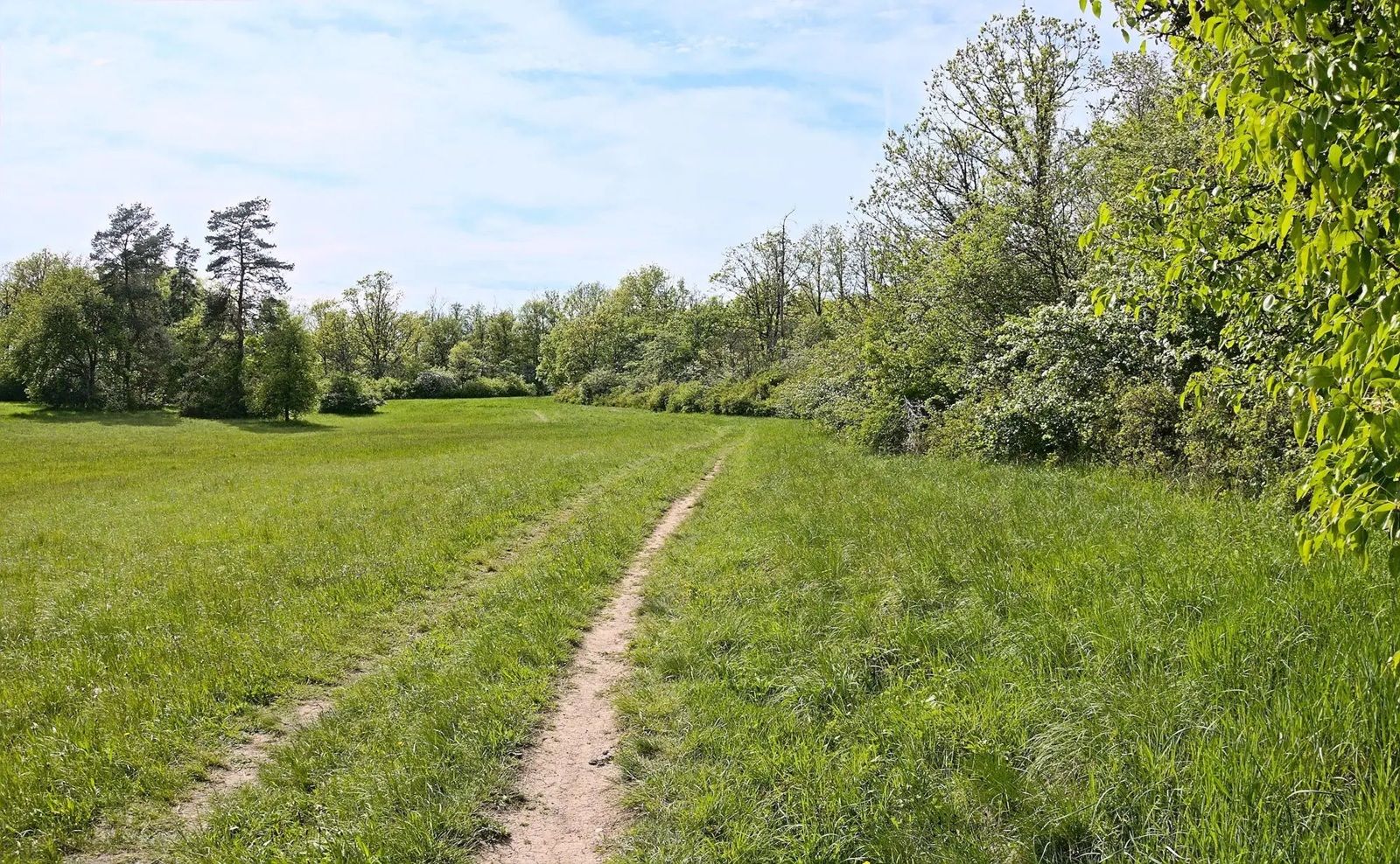
Gravel meets rail – gravel rides in the greater Nuremberg area
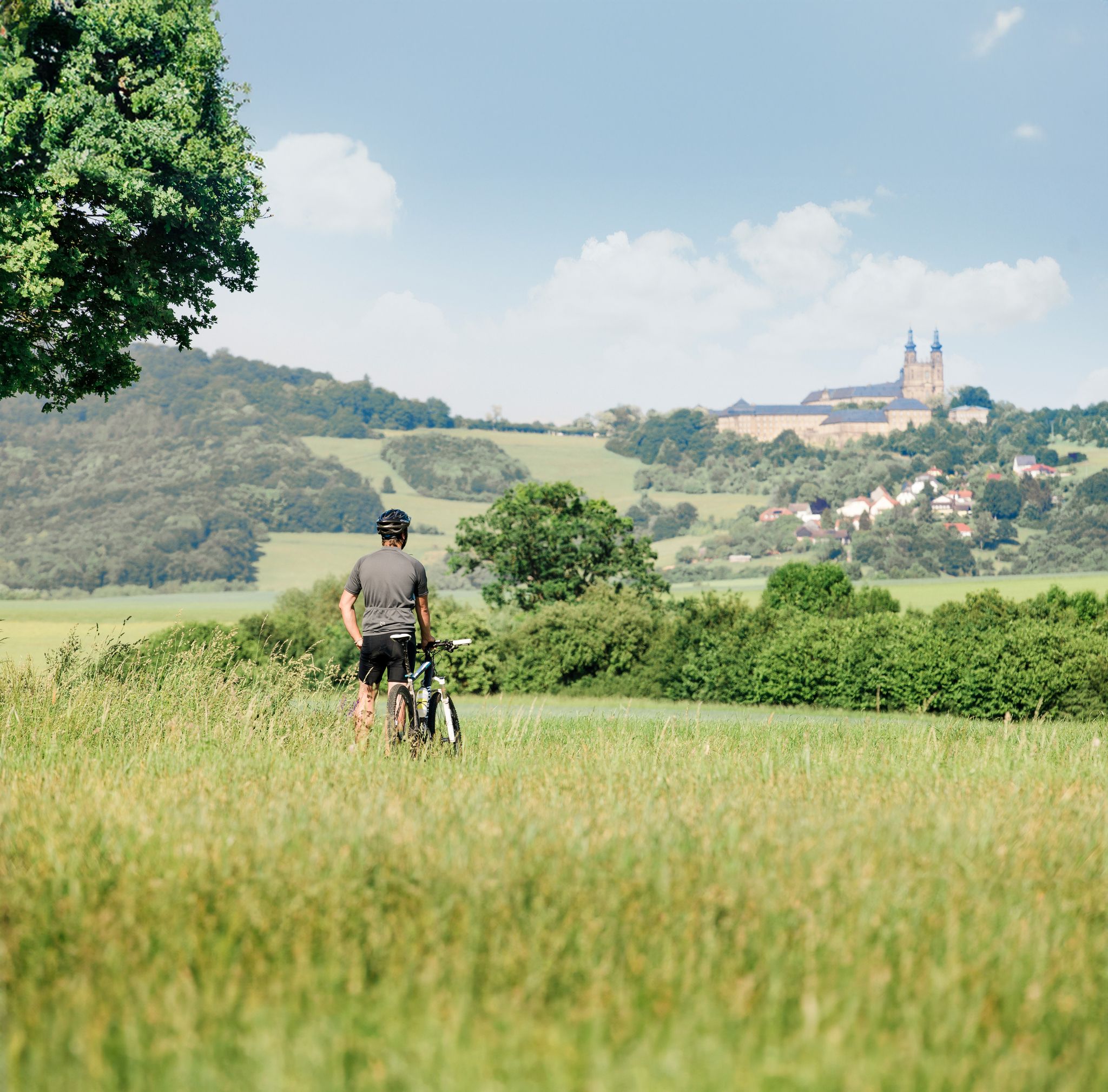
Panoramic cycling in the Obermain.Jura – discovering Franconia by bike
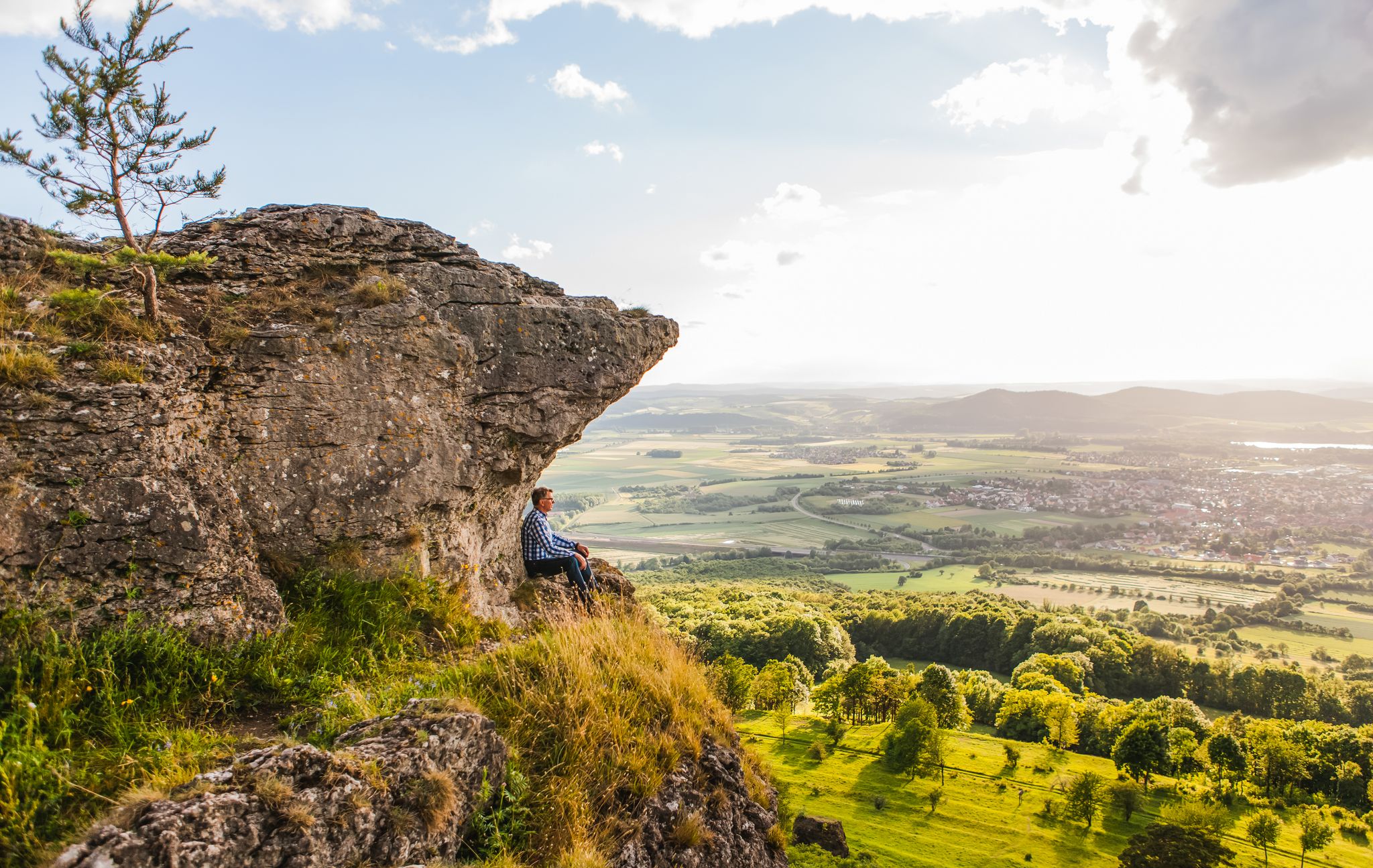
Our 10 favourite Tours through Upper Main’s Garden of Eden
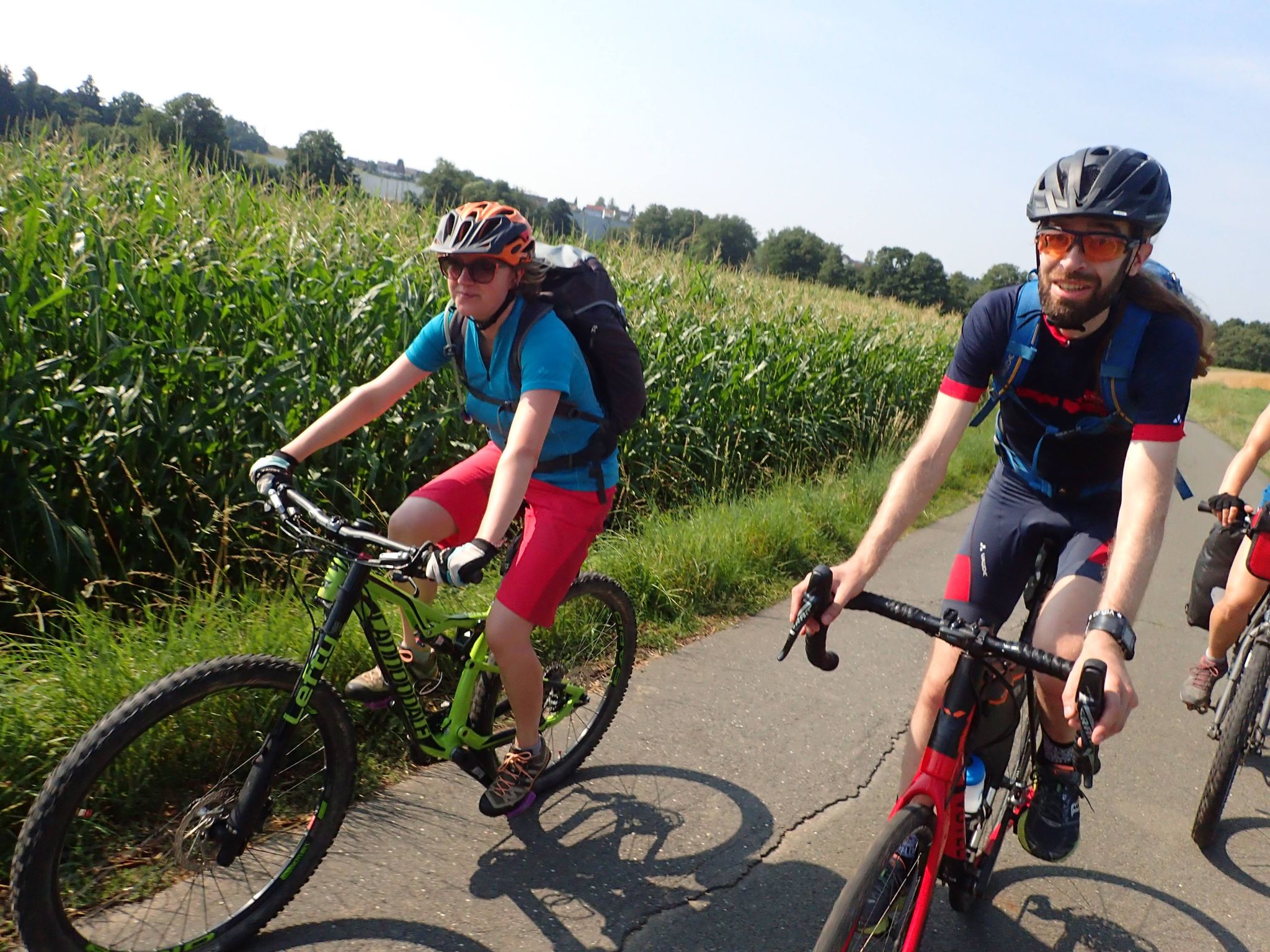
Bike tours in Franconia and Upper Palatinate — VGN leisure tips
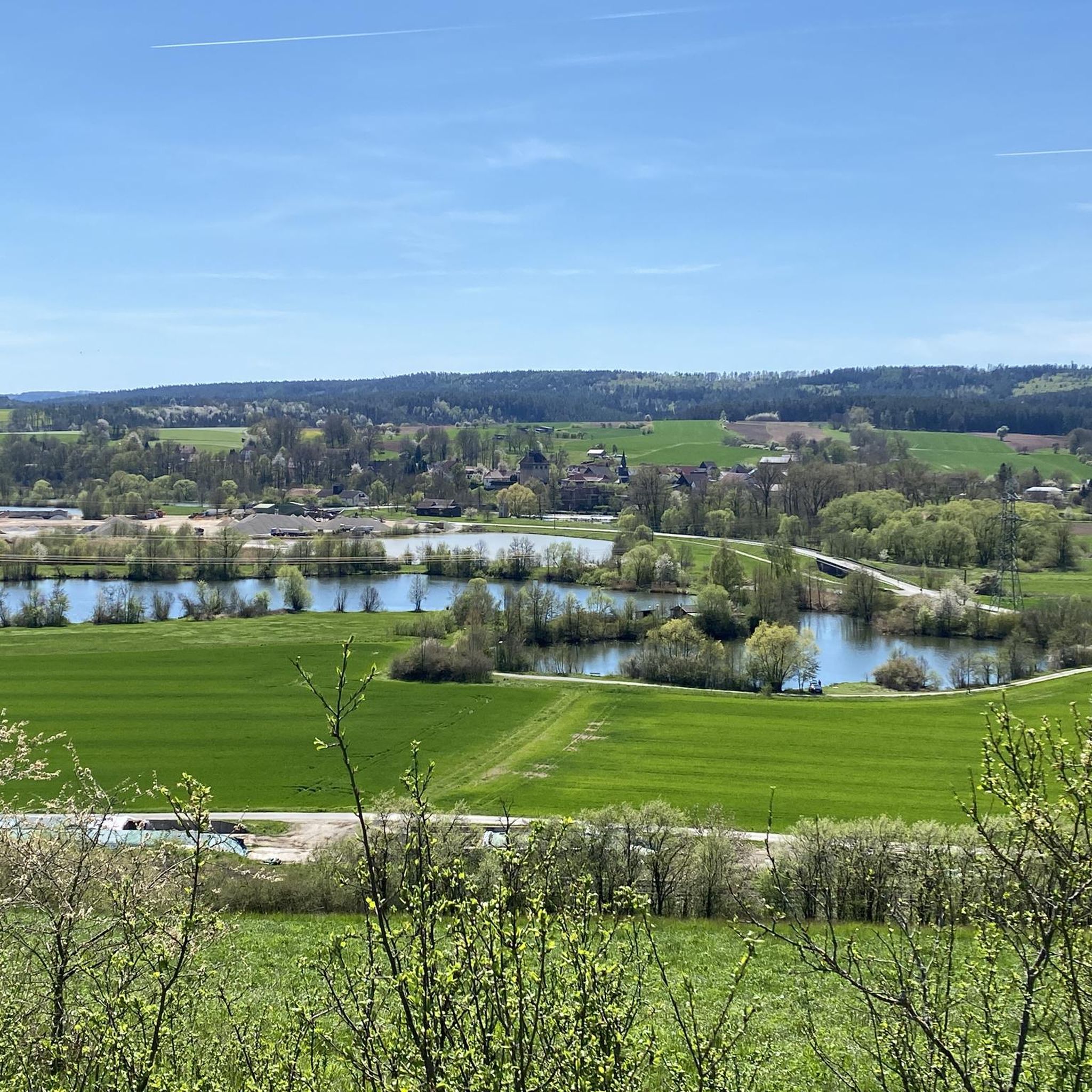
Hiking around Burgkunstadt
Cycling around Burgkunstadt
MTB Trails around Burgkunstadt
Road Cycling Routes around Burgkunstadt
Running Trails around Burgkunstadt
Gravel biking around Burgkunstadt
Other adventures around Burgkunstadt


Tips from the Community

The Baroque Steinenhausen Castle was once owned by the von Guttenberg family, who sold it in 1935. In 1987, the castle became the property of the Free State of Bavaria. Today, the Kulmbach branch of the Bavarian State Office for the Environment is located in the building. An avenue of fruit trees has been planted along the driveway to the castle. The gardens are used for measuring equipment and small-scale nature conservation projects.
13
0

Water castle in Mitwitz. Well-kept outdoor areas and many events characterize this place.
6
0

The four corners of the castle are aligned exactly in the four cardinal directions, otherwise the building is rather irregularly designed from several structures of different sizes and heights. The four main wings enclose a narrow atrium. The maiden building and the Catholic chapel on the ground floor of the former tower are slightly exposed. Inside, architectural styles from all building periods have been preserved. The cellar vaults in the basement are of medieval origin, the other floors have Gothic, lavishly profiled wooden ceilings and walls, such as in the large hall in the northeast wing and in the keep. On the first floor of the west wing there are rooms designed in the Renaissance style, such as the large entrance hall with twisted columns. Numerous rooms with baroque stucco ceilings have been preserved from the last construction phase. Source: https://de.m.wikipedia.org/wiki/Schloss_Str%C3%B6ssendorf/
14
1
Strössendorf Castle is a castle in the Altenkunstadt district of Strössendorf. It is inhabited all year round, owned by the von Seckendorff family and cannot be visited. The castle is listed as a protected monument by the Bavarian State Office for Monument Preservation under the monument number D-4-78-111-81.[1] Due to archaeological findings in the area of the castle, which are related to the medieval core of the building, the complex as a whole also represents an archaeological monument with the number D-4-5833-0151.[1] To the southwest, the castle building ensemble is adjoined by the castle church of St. Katharina and the castle park with former stables. Source: https://de.m.wikipedia.org/wiki/Schloss_Str%C3%B6ssendorf
16
1
The magnificent complex is characterized by the redesign that Margrave Georg Friedrich had carried out by the architect Caspar Vischer after the destruction in the Second Margrave War in 1557. The wings of the narrow castle, which had been founded by the Counts of Andechs before 1135, were transformed into an impressive four-wing complex and secured against the mountain side with enormous bastions. Today, the Plassenburg, high above Kulmbach, is a cultural center of the Upper Mainland. After the fortifications were destroyed at the behest of Napoleon in 1806, the castle served as a prison and workhouse until 1928 - then exhibition rooms, museums and display collections were set up.
17
0
In the "Schöner Hof" with its richly decorated arcades, the atmosphere of a German princely court of the Renaissance comes to life.
19
0

Strössendorf Castle is a castle in the Altenkunstadt district of Strössendorf. It is inhabited all year round, owned by the von Seckendorff family and cannot be visited.
14
1
It was never conquered, never subdued: Rosenberg Fortress is one of the most beautiful and largest fortresses in Europe. The former Bamberg bishop's castle and later state fortress rises steeply above the old town of Kronach on the Rosenberg hill. The oldest surviving document mentioning the name "Rosenberg" dates from 1249. The various construction phases are clearly visible, from the medieval keep through the walls and towers of the 15th and 16th centuries to the late Baroque pentagon, illustrating the ever-changing demands of defensive construction throughout the centuries. The juxtaposition of medieval, Renaissance, and Baroque fortification architecture gives the complex its significant place in the history of German military construction. The renowned architects Maximilian von Welsch and Balthasar Neumann were involved in the expansion of the fortress. The fortress was never captured or defeated by enemies. In 1888, the city acquired the castle as a property without military significance. The underground tunnel system, which can be visited as part of the fortress tours, is also of particular interest.
10
0
Frequently Asked Questions
What historical structures can I explore in Burgkunstadt itself?
In Burgkunstadt, you can visit the 15th-century Vogtei (Bailiwick). This historic farmstead is known for its medieval underground passageways and also hosts cultural events like the "Kultursonntage".
Which castles near Burgkunstadt offer the most impressive historical experience?
For a truly impressive historical experience, visit Plassenburg Fortress in Kulmbach. It's one of Germany's most imposing Renaissance buildings. Another significant site is Rosenberg Fortress, known as one of Europe's largest and for its blend of medieval, Renaissance, and Baroque architecture.
Are there any moated castles in the area?
Yes, Mitwitz moated castle is a notable historical site surrounded by water. It features original furnishings from the 16th to 20th centuries and houses an Ecological Education Center.
Can I visit all castles around Burgkunstadt?
Not all castles are publicly accessible. For example, Strößendorf Castle is privately owned and inhabited, so it cannot be visited. Similarly, Giechkröttendorf Castle and Schmölz Castle are also privately owned.
Are there family-friendly castles to visit near Burgkunstadt?
Many castles in the region are suitable for families. Plassenburg Fortress, Mitwitz moated castle, and Rosenberg Fortress are all categorized as family-friendly and offer engaging experiences for all ages.
What kind of architecture can I expect to see among the castles?
The castles around Burgkunstadt showcase a range of architectural styles. You'll find impressive Renaissance buildings like Plassenburg Fortress, medieval structures, and even Baroque elements, as seen in Steinenhausen Castle and the later additions to Rosenberg Fortress.
What outdoor activities can I do near these castles?
The area around Burgkunstadt offers various outdoor activities. You can find numerous running trails, such as the "Pfersag Waterfall loop from Burgkunstadt" (Running Trails around Burgkunstadt). For cyclists, there are road cycling routes like the "Maineck Castle – View of Plassenburg Castle loop from Burgkunstadt" (Road Cycling Routes around Burgkunstadt) and touring bicycle routes like the "Jura-Weismain-Radweg" (Cycling around Burgkunstadt).
Are there hiking trails near the castles?
Yes, there are several hiking opportunities. While specific castle-to-castle hiking trails are not detailed, you can explore various routes in the region. For instance, the "Pfersag Waterfall loop from Burgkunstadt" is a challenging running trail that can also be hiked (Running Trails around Burgkunstadt).
What do visitors enjoy most about the castles around Burgkunstadt?
Visitors frequently appreciate the historical significance and impressive architecture of sites like Plassenburg Fortress, noting its role as a model in fortress construction. The unique blend of medieval, Renaissance, and Baroque styles at Rosenberg Fortress also receives high praise, especially its never-conquered status.
Are there any castles that are now used for other purposes?
Yes, Steinenhausen Castle, a Baroque structure, now houses the Kulmbach branch of the Bavarian State Office for the Environment. Mitwitz moated castle also hosts the Ecological Education Center Upper Franconia and an apiary school.
What is the best time of year to visit the castles?
While there's no single 'best' time, spring and autumn offer pleasant weather for exploring the outdoor grounds and surrounding areas. Summer allows for cultural events often held at sites like the Vogtei in Burgkunstadt and Mitwitz moated castle. Winter visits can offer a different, often quieter, perspective, especially for those interested in winter hiking.
Most popular routes around Burgkunstadt
Most popular attractions around Burgkunstadt

Get inspired with the komoot mobile app


Explore more
Looking for the best castles somewhere else? Discover other guides around Burgkunstadt:
