Attractions and Places To See in Salvador - Top 20
Best attractions and places to see in Salvador, the capital of Bahia, Brazil, offers a diverse range of attractions. The city is known for its strong Afro-Brazilian heritage, colonial architecture, and lively atmosphere. Salvador is situated on the Baía de Todos os Santos, the largest bay in Brazil, and features numerous urban beaches. Its historic center, a UNESCO World Heritage Site, showcases 17th and 18th-century architecture.
Best attractions and places to see in Salvador
- The most popular attractions is Fallen Cross Monument, a man-made monument that marks the location of an old cathedral demolished in 1933. It was erected in 1999 as a reminder of the city's history.
- Another must-see spot is Church and Convent of São Francisco, a religious building and historical site. Built between the 17th and 18th centuries, it is considered a significant expression of Brazilian Baroque architecture with a sumptuous interior decoration.
- Visitors also love Historic Center of Salvador de Bahia, a historical site and settlement. This picturesque center is like an open-air museum of 17th and 18th-century architecture and gold-plated churches.
- Salvador is known for its historical sites, religious buildings, and natural features like beaches. Visitors can explore colonial architecture, significant churches, and vibrant cultural areas.
- The attractions in Salvador are appreciated by the komoot community, with 11 upvotes and 51 photos shared.
Last updated: July 16, 2026
Church and Convent of São Francisco
Highlight • Religious Site
Located in the heart of the city, the structures were built between the 17th and 18th centuries and are considered one of the most unique and rich expressions of Brazilian Baroque, with the church, in particular, a sumptuous interior decoration. They were listed by Iphan, classified as one of the Seven Wonders of Portuguese Origin in the World, and are part of the Historic Center of Salvador, today a World Heritage Site.
Translated by Google •
Tip by

Historic Center of Salvador de Bahia
Highlight • Historical Site
Translated by Google •
Tip by
Sign up now to discover places like this
Get recommendations on the best single tracks, peaks, & plenty of other exciting outdoor places.
Sign up for free
São Francisco Church in Salvador
Highlight • Religious Site
Translated by Google •
Tip by

Fallen Cross Monument
Highlight • Monument
Tip by
Michael Jackson "house"
Highlight • Historical Site
Tip by
Sign up for free to discover even more attractions in Salvador.
Sign up for free
Already have an account?
Start today with a free account
Your next adventure awaits.
Login or Signup

Tips from the Community

In October 2025, we were unfortunately informed that the monastery church had been closed for some time. Unfortunately, this probably wouldn't happen for the foreseeable future. Nevertheless, it was worthwhile to visit the convent and the small side church. The Franciscans probably didn't suffer much...
1
0

My question in Chat GPT about what has changed in Bahia since the video was released received the following answer: That's a profound and legitimate question – especially since Michael Jackson's song "They Don't Care About Us" (1996) and the accompanying music video in Salvador (Pelourinho) and Rio (Santa Marta favela) aimed to draw attention to social inequality, racism, police brutality, and neglect of Brazil's Black and poor population. Whether anything has changed for the people of Bahia – especially in Salvador – since then cannot be answered with a simple yes or no. There has been progress, but also many persistent or new problems. ⸻ 📍 What has improved (partially): ✅ 1. Pride in Afro-Brazilian heritage • Since the 1990s, Afro-Brazilian identity has become more visible and confident in Salvador. • Candomblé, capoeira, Afro-Brazilian music (e.g., Olodum, Ilê Aiyê), and cultural centers have received more international attention. • The Michael Jackson video has boosted cultural pride—many residents see it as a "historic moment" for Bahia. ✅ 2. Tourism & Infrastructure in the Pelourinho • The Pelourinho has been restored and partially made safer—partly due to the attention the video has generated. • Tourism has become an important source of income. People work there as artists, guides, musicians, or vendors. ✅ 3. More social programs (temporarily) • In the 2000s (especially under President Lula), there were programs like Bolsa Família that reduced poverty throughout Brazil—including in Bahia. • Education and access to electricity and water have been expanded, even in poor neighborhoods. ⸻ 😕 What has barely changed or is worsening again: ❌ 1. Structural Racism • Black Brazilians (the majority in Salvador!) remain disproportionately poor, have fewer educational opportunities, and less access to high-quality jobs. • Racism remains a deep, often hidden problem – in everyday life, but also in the police, justice system, media, and politics. ❌ 2. Violence & Police Repression • Police violence remains widespread, especially in favelas. Many young, Black men die as a result of police actions. • Salvador has one of the cities with the highest murder rates in Brazil – often in the poor, peripheral neighborhoods, not in the center. ❌ 3. Inequality remains extreme • The contrast between wealthy neighborhoods (e.g., Barra, Caminho das Árvores) and poor districts (e.g., Subúrbio Ferroviário, Lobato) is enormous. • Tourism brings in money – but often not for the local population, but for outside businesses. ⸻ 💬 Conclusion: What has changed? Symbolically and culturally, a lot – socially structurally, very little. Michael Jackson's video held a mirror up to the world – and made many people in Salvador feel seen. But many of the problems the song denounces still exist after almost 30 years: racism, inequality, violence, social exclusion. Nevertheless, many people in Bahia are fighting, celebrating, and organizing – in music, religion, art, and activism. And the mere fact that you're asking this question shows that his video continues to have an impact today. If you'd like, I can show you places in Salvador where this issue still plays a role today – or the voices of people who are talking about it.
1
0

Beautiful tile pictures that have been newly renovated and represent wisdom of life.
1
0
Extremely impressive Brazilian Baroque church
2
0

The Igreja de São Francisco was built in the late 16th century. However, just a few decades later, the church was destroyed again in a Dutch attack. The church as it can be visited today was built in the early 18th century. The magnificent interior decoration was elaborately designed by various artists of the time and took 150 years to complete. It is estimated that around 1,000 kg of real gold were used in the interior design of the São Francisco Church. Even today the church is an important landmark in Salvador and can take the breath of many tourists.
2
0
In 1933 the old cathedral had to make way for a turning loop for the tram. Many residents of the city were against the attitude of the city administration and archdiocese in agreeing to this demolition; The term “crime against Salvador’s history” was used for this outline. 20 years later the tram stopped operating. The artist Mário Cravo created the “fallen cross” (Cruz caída) on the site of the old cathedral as a reminder against forgetting one's own history. It was erected in 1999, the Portuguese stone decorations from the colonial era disappeared under granite slabs.
1
0
A scene from the music video "They don't care about us" by Michael Jackson was shot here
1
0

Frequently Asked Questions
What historical sites should I visit in Salvador?
Salvador is rich in history. You should explore the Historic Center of Salvador de Bahia, a UNESCO World Heritage Site, known for its 17th and 18th-century colonial architecture and gold-plated churches. Don't miss the Fallen Cross Monument, which marks the site of an old demolished cathedral, and the iconic Pelourinho district.
Where can I experience Salvador's Afro-Brazilian culture?
The heart of Afro-Brazilian culture is the Pelourinho, where you can witness capoeira performances and explore cultural institutions. Visit the Museu Afro-Brasileiro to learn about the African roots of Bahian identity. The Dique do Tororó, with its sculptures of Orixás, also offers insight into Afro-Brazilian religious traditions.
Are there any significant religious landmarks to explore in Salvador?
Yes, Salvador is home to several impressive religious sites. The Church and Convent of São Francisco is a must-see, renowned for its opulent Baroque interior covered in gold leaf. Also, consider visiting the Igreja de Nosso Senhor do Bonfim, a major pilgrimage site known for its colorful 'fitinhas do Bonfim' ribbons, and the Salvador Cathedral, the first cathedral built in Portuguese Brazil.
Which beaches are best for swimming and relaxation in Salvador?
For calm, clear waters ideal for swimming and water sports, Porto da Barra Beach is a local favorite. Praia de Itapuã offers a more tranquil escape, while Flamengo Beach provides picturesque stretches of sand with dunes and coconut trees for relaxation.
Where can I find scenic views of All Saints Bay in Salvador?
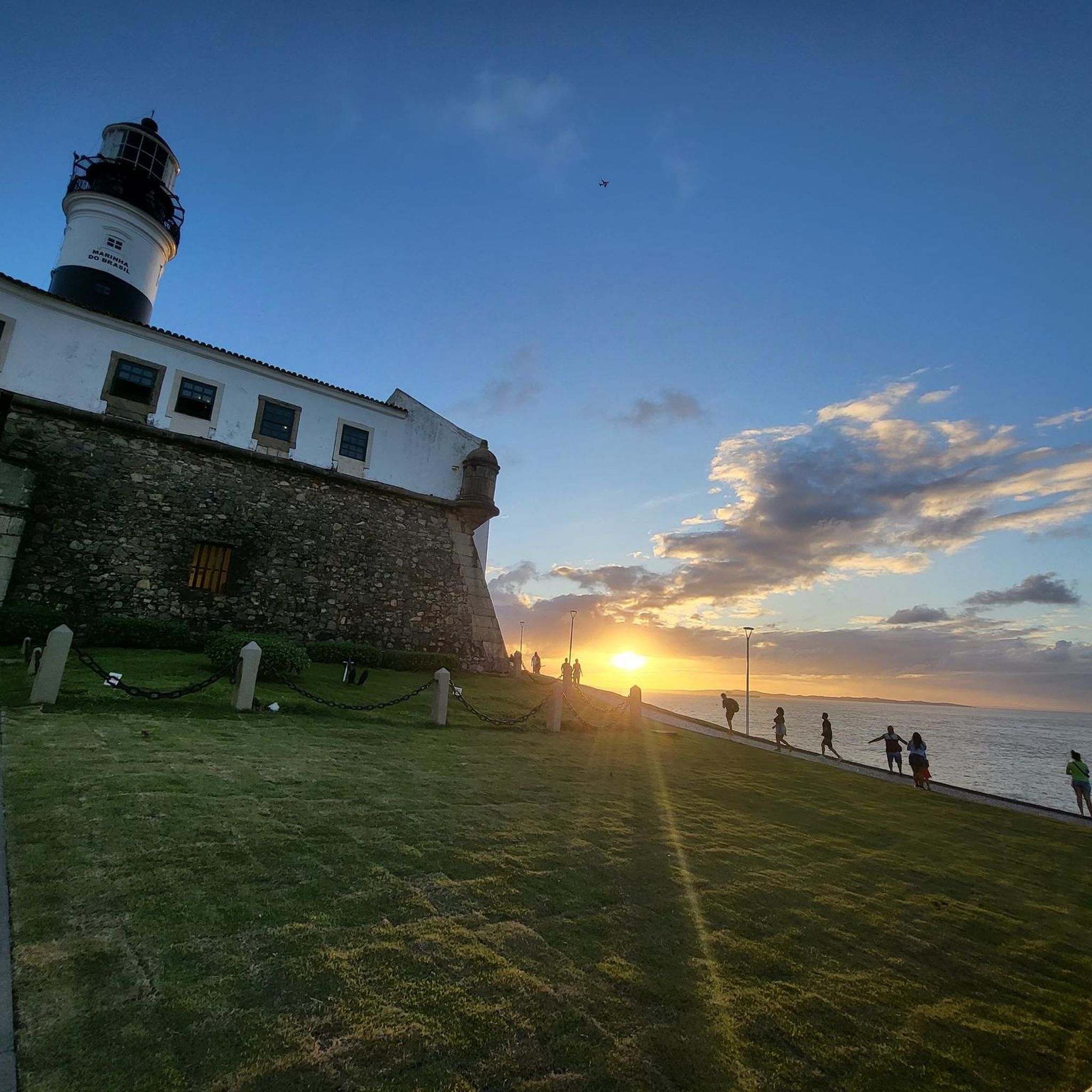
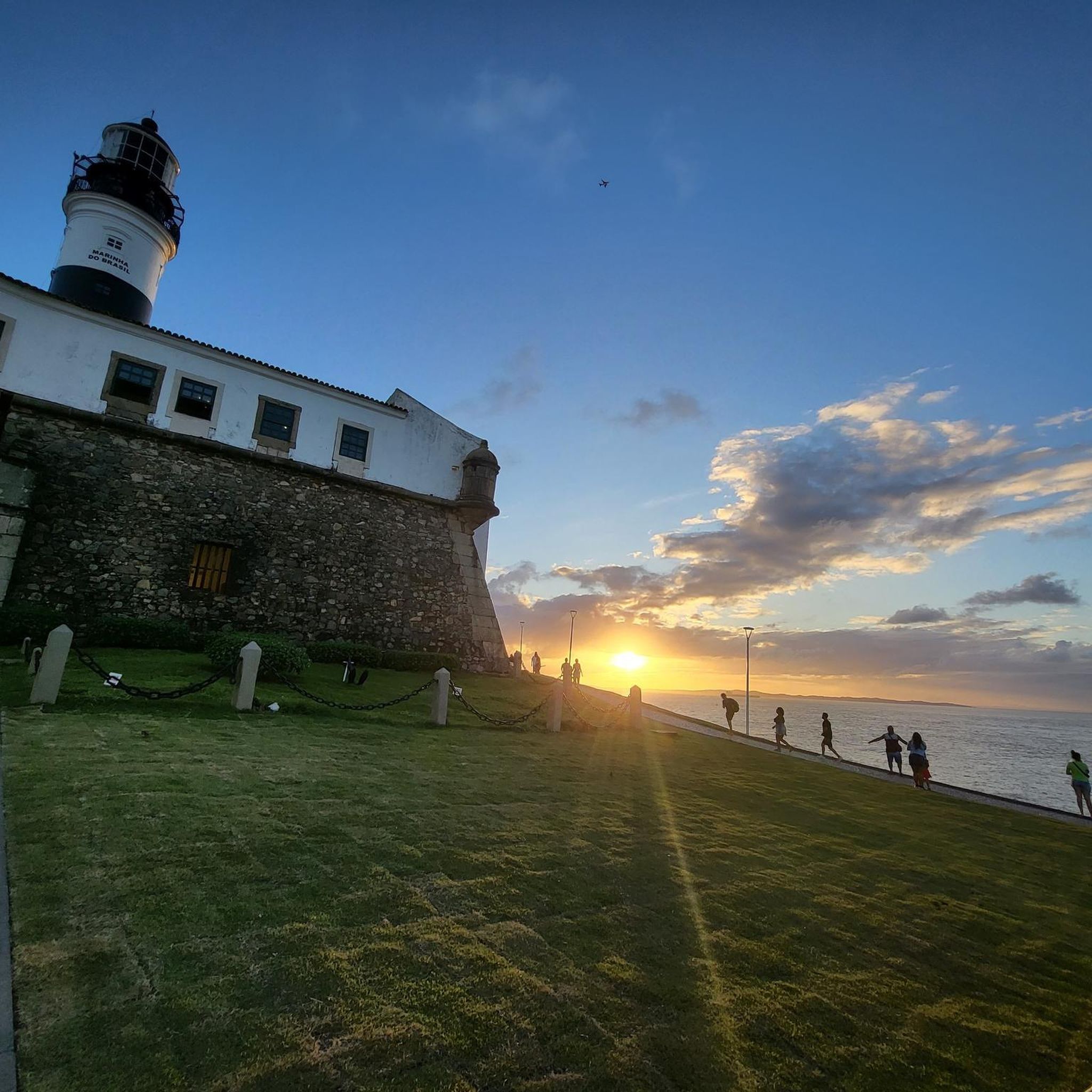
For panoramic views of the Baía de Todos os Santos, take a ride on the historic Elevador Lacerda, which connects the Upper and Lower Cities. The Farol da Barra (Barra Lighthouse) is also popular for stunning sunset views over the bay, and the Museu de Arte Moderna offers beautiful vistas from its grounds.
Are there opportunities for outdoor activities or hiking near Salvador's attractions?
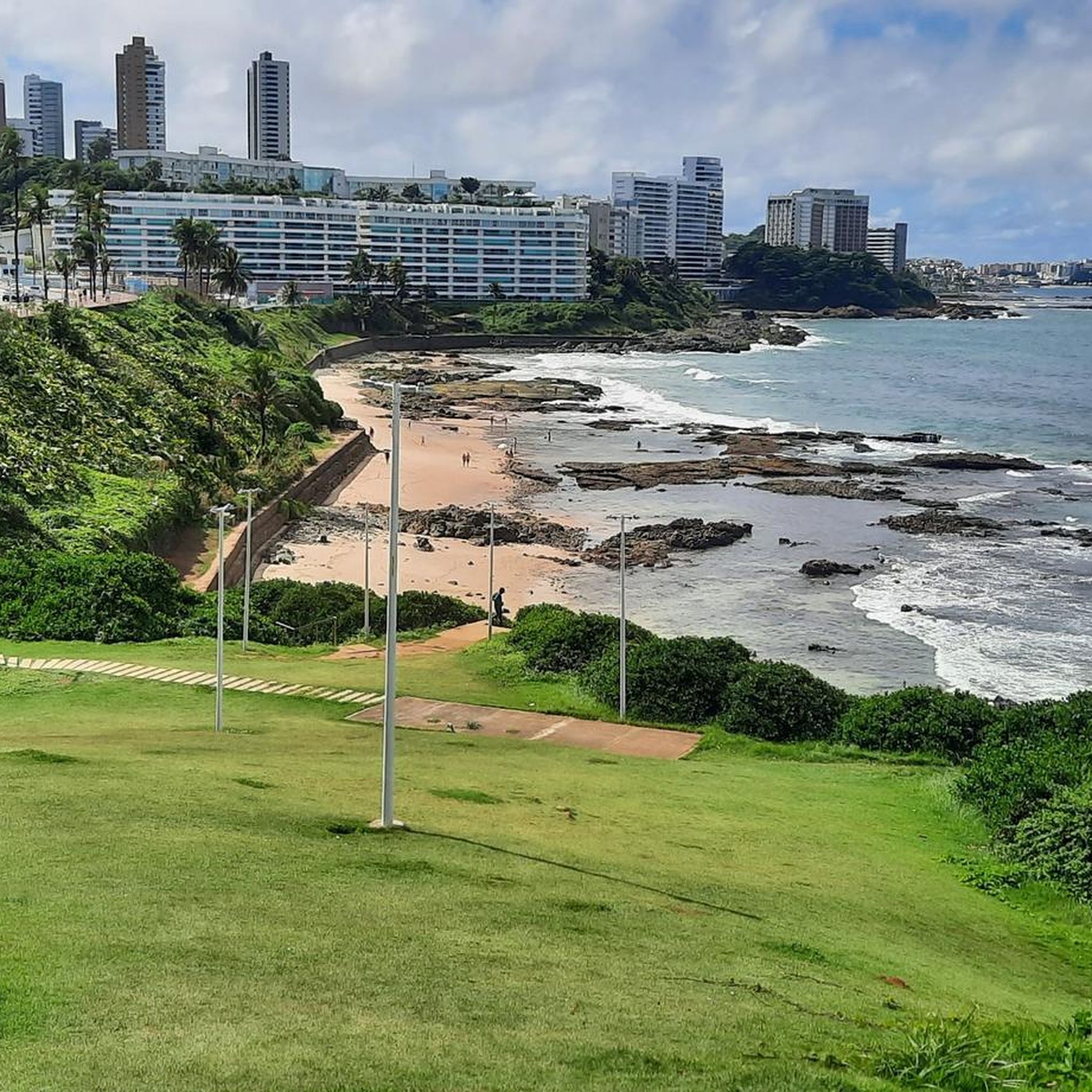
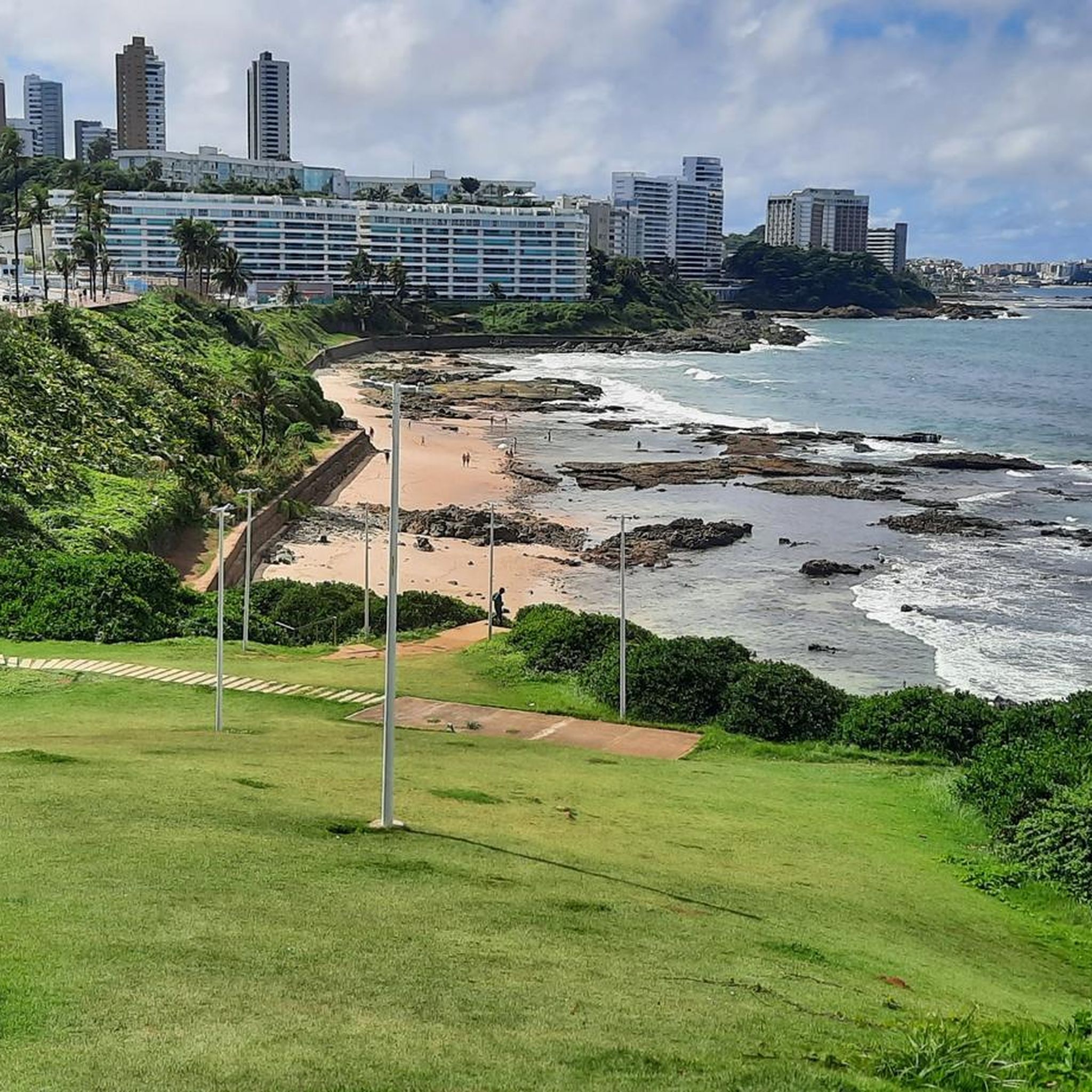
Yes, there are several outdoor activities available. You can find easy hiking routes, such as the Farol da Barra – Morro do Cristo loop, which offers scenic coastal walks. For more options, explore the Hiking in Salvador guide for detailed routes.
What museums are worth visiting in Salvador?
Salvador offers a variety of museums. The Nautical Museum of Bahia, located within the Farol da Barra, details Brazil's navigation history. The Museu Afro-Brasileiro in Pelourinho explores the city's African heritage. Art enthusiasts might enjoy the Rodin Bahia Museum and the Museu de Arte Moderna of Bahia, which also boasts beautiful views.
What are some family-friendly attractions in Salvador?
Many of Salvador's attractions are family-friendly. The Church and Convent of São Francisco and the São Francisco Church in Salvador are listed as family-friendly. Exploring the colorful streets of Pelourinho, visiting the beaches like Porto da Barra, and riding the Elevador Lacerda can also be enjoyable for families.
What is the best time of year to visit Salvador's attractions?
Salvador generally has a tropical climate. The drier months from September to March are often considered ideal for visiting, as they offer pleasant weather for exploring historical sites and enjoying the beaches. However, the city is vibrant year-round, with cultural events and festivals happening throughout the year.
Where can I find local crafts and souvenirs in Salvador?
The Mercado Modelo, located at the base of the Elevador Lacerda, is the perfect place to find local crafts, souvenirs, artworks, and Bahian delicacies. It houses over 200 stores offering a wide array of items.
Are there cycling routes available near Salvador's main attractions?
Yes, Salvador offers various cycling routes. You can find easy road cycling routes like the Lagoa – Praia de Amaralina loop or the Christ Monument loop. For more options and details, refer to the Road Cycling Routes in Salvador guide.
What is the significance of the Dique do Tororó?
The Dique do Tororó is a unique lagoon featuring large sculptures of Orixás, which are deities from African-based religions. It's a beautiful spot for photos and offers a deeper understanding of Bahian culture and its strong connection to Afro-Brazilian spiritual practices.
Most popular routes in Salvador

Get inspired with the komoot mobile app


Explore more
Still not found the Highlight you’re looking for? See guides of the top attractions in other regions:
