The best walks and hikes in Salvador
4.5
(4)
163
hikers
9
hikes
Hiking in Salvador offers a blend of urban and coastal outdoor experiences. The city's terrain features accessible paths along the Atlantic coastline, urban green spaces, and scenic bay views. While extensive wilderness hiking is found further afield, Salvador itself provides opportunities for walks around landmarks and along beaches. The landscape is characterized by its proximity to All Saints Bay and various urban parks.
Best hiking trails in Salvador
- The most popular hiking route is Farol da Barra – Morro do…
Last updated: July 10, 2026
5.0
(1)
35
hikers
5.08km
01:20
40m
40m
Easy hike. Great for any fitness level. Easily-accessible paths. Suitable for all skill levels.
5.0
(1)
30
hikers
3.68km
00:58
30m
30m
Easy hike. Great for any fitness level. Easily-accessible paths. Suitable for all skill levels.

Sign up for free
6
hikers
2.66km
00:42
20m
20m
Easy hike. Great for any fitness level. Easily-accessible paths. Suitable for all skill levels.
5.0
(1)
30
hikers
5.35km
01:26
60m
60m
Easy hike. Great for any fitness level. Easily-accessible paths. Suitable for all skill levels.
13
hikers
4.97km
01:18
30m
30m
Easy hike. Great for any fitness level. Easily-accessible paths. Suitable for all skill levels.
Get access to more routes and recommendations from other explorers.
Sign up for free
Already have an account?
Our route recommendations are based on thousands of hikes, rides, and runs completed by other people on komoot.
Start today with a free account
Your next adventure awaits.
Login or Signup

Tips from the Community

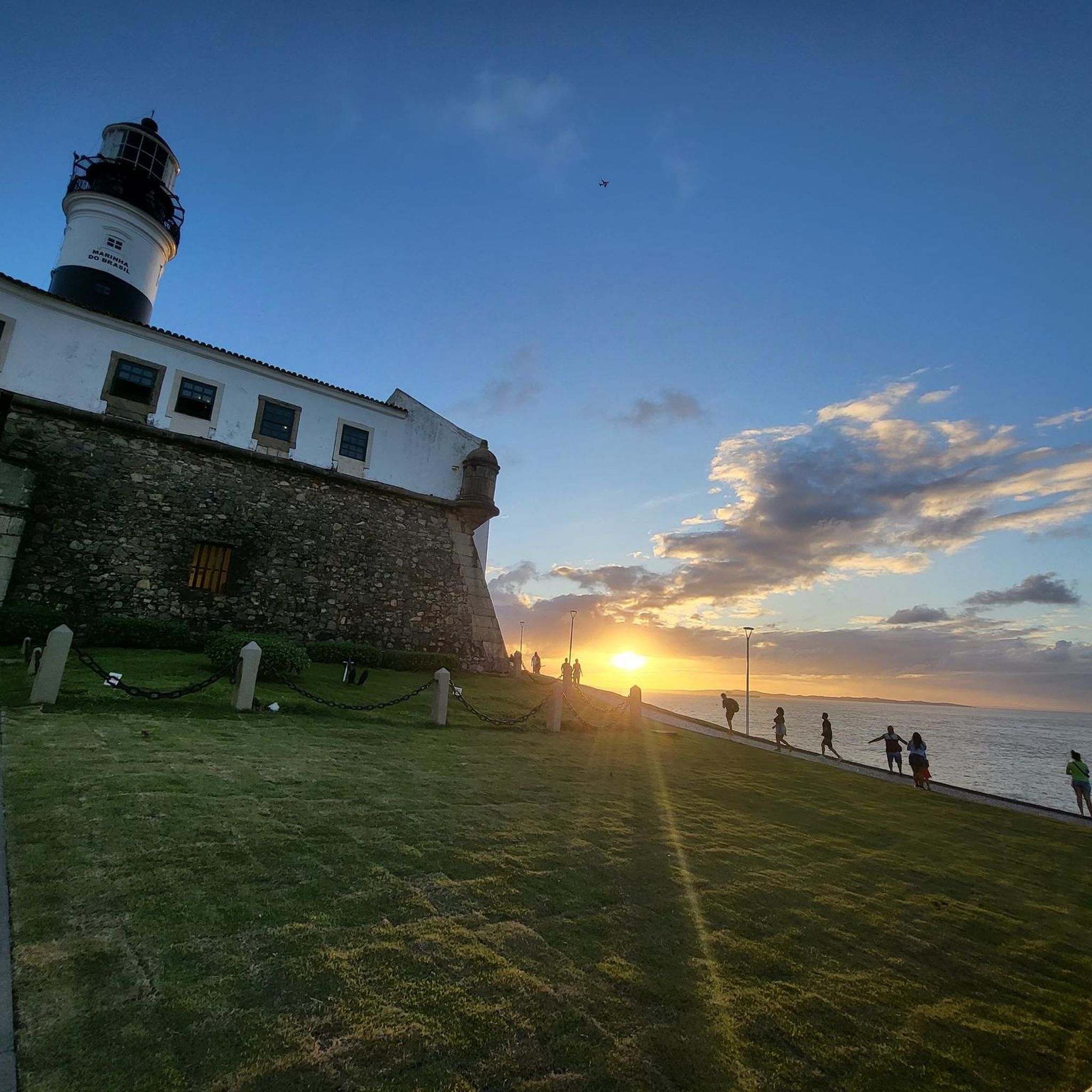
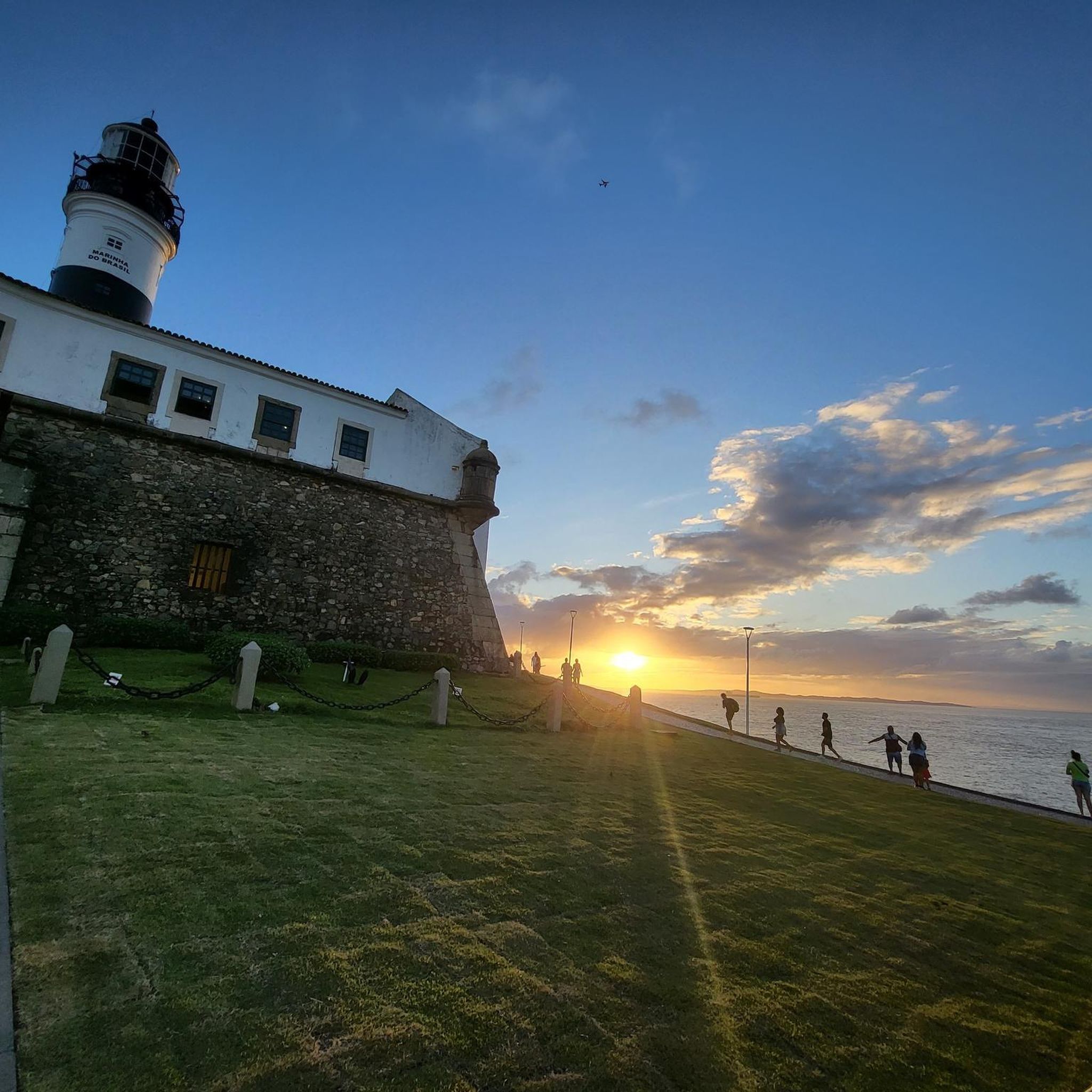
The fort predates the city of Salvador and houses the Bahia Nautical Museum
2
0
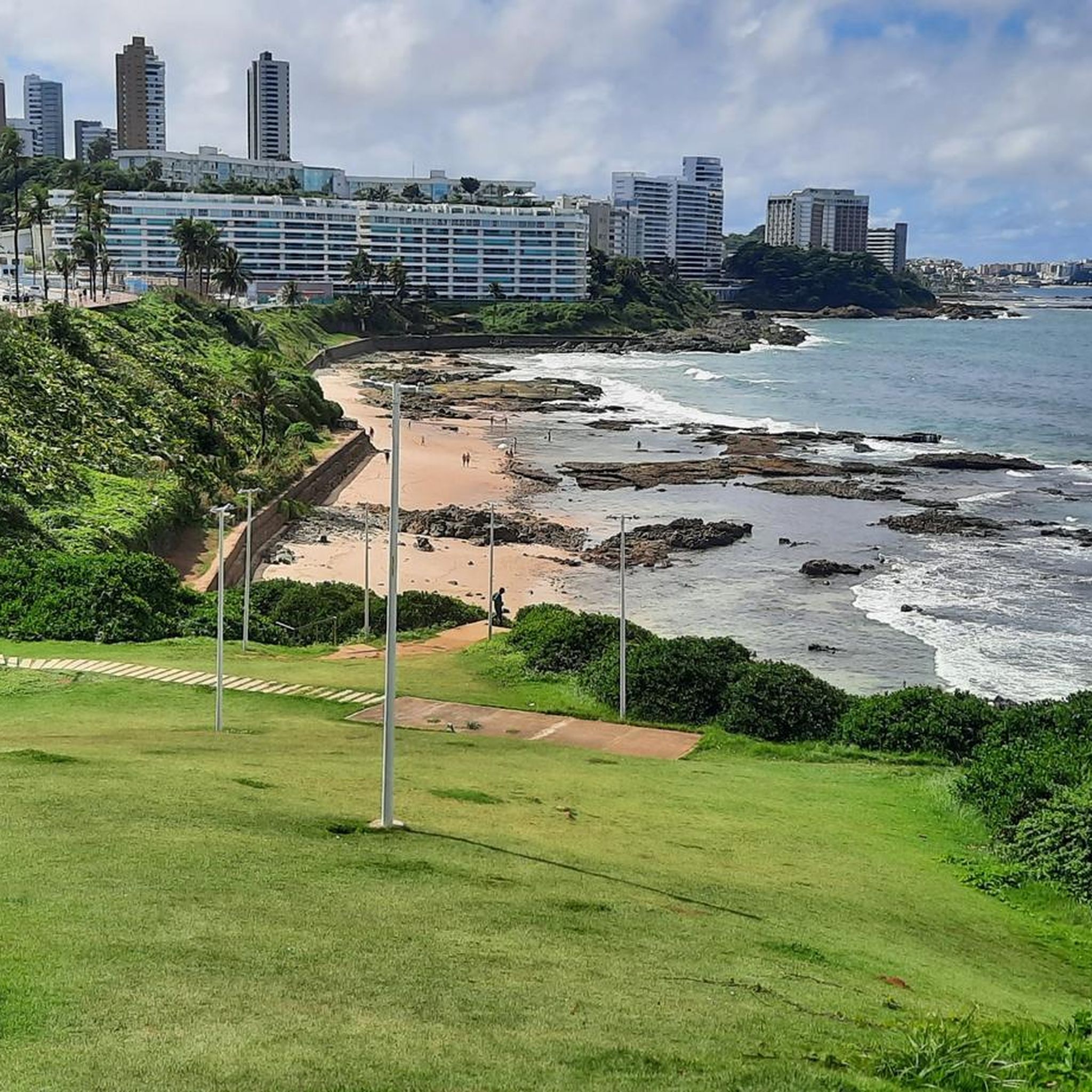
Morro do Cristo, one of the attractions of the charming Barra district, is a meeting point for Bahians and a mandatory stop for tourists. The space is a naturally formed seaside hill, covered with green grass and with panoramic views of the entire length of Praia da Barra and Forte de Santo Antônio. As the name suggests, Morro Cristo is home to the famous Christ the Redeemer statue, carved from Carrara marble by Italian artist Pasquale De Chirico.
2
0

The "Morro do Cristo (Mound of Christ)" is located on the shore of All Saints Bay between the districts of Ondina and Barra. At its summit there is a viewpoint and a figure of Christ amidst parkland. Standing on a seven meter high pedestal clad in dark marble, the 2.8 meter tall Carrara marble statue is the work of Italian artist Pasquale de Chirico in 1920. It was first installed on a nearby hill and in 1967 on brought to their current location.
2
0
The Farol da Barra is a popular excursion destination for both tourists and residents of Salvador. The over 20 m high, black and white striped tower with the large light at the top is visible from afar. The light of the Farol da Barra emits a specific sequence of white and red light every five seconds. Tourists and residents of Salvador can watch from the Barra Lighthouse as the sun slowly sinks into the sea in the evening. The Museu Náutico da Bahia is also located in the lighthouse.
2
0

Forte de Santo Antônio da Barra is a fortress in Salvador, Bahia, Brazil. It was built to guard the entrance to the Bay of All Saints, during the time of the Portuguese Empire. The first Portuguese fort built in Bahia was probably built in 1501, in the same area now occupied by the Forte de Santo Antônio da Barra. The foundation stone of that first fortress was placed in an area called Ponta do Padrão, now known as the Largo do Farol da Barra, the wide public square in front of the fortress. The fort also houses the 22-meter high Barra Lighthouse and the Nautical Museum of Bahia. Santo Antônio da Barra Fort is protected as a historic structure by the National Institute of Historical and Artistic Heritage.
3
0
Frequently Asked Questions
What kind of hiking experiences can I expect in Salvador?
Hiking in Salvador primarily offers easy urban and coastal walks. You'll find accessible paths along the Atlantic coastline, through urban green spaces, and with scenic views of All Saints Bay. For more challenging and extensive wilderness hiking, the nearby Chapada Diamantina National Park is a world-class destination.
Are there any easy hikes suitable for beginners in Salvador?
Yes, Salvador is ideal for beginners, with 6 out of 9 routes rated as easy. A great option is the Farol da Barra – Morro do Cristo loop from Forte de Santa Maria, an easy 3.1-mile (5.0 km) trail offering coastal views and passing city landmarks.
Can I find circular hiking routes in Salvador?
Many of Salvador's popular routes are circular, allowing you to start and end at the same point. For example, the Morro do Cristo – Farol da Barra loop from Ondina is an easy 2.2-mile (3.6 km) path that provides ocean views and connects two prominent coastal points.
What are the best places to see ocean views while hiking in Salvador?
Salvador's coastal paths offer numerous opportunities for ocean views. Areas like Farol da Barra and Morro do Cristo are excellent. Consider the Morro do Cristo – Farol da Barra loop from Barra for a scenic 3.5-mile (5.7 km) walk along the coast.
Are there any notable landmarks or attractions I can see along the hiking trails in Salvador?
Yes, many walks in Salvador pass by significant landmarks. You can explore the historic areas and see sites like the Church and Convent of São Francisco, the Historic Center of Salvador de Bahia, and the Fallen Cross Monument. Coastal routes often feature lighthouses and historic forts.
What do other hikers enjoy most about hiking in Salvador?
The hiking routes in Salvador are highly rated by the komoot community, with an average score of 5.0 stars from 5 reviews. Hikers often praise the accessible coastal paths, the scenic bay views, and the opportunity to combine outdoor activity with exploring city landmarks.
Are there any family-friendly hiking options in Salvador?
Salvador's easy urban and coastal walks are generally suitable for families. The relatively flat terrain and shorter distances of many routes, such as the Morro do Cristo – Farol da Barra loop from Graça, make them enjoyable for all ages. Dique do Tororó also offers a pleasant urban oasis with jogging trails and exercise equipment.
What is the best time of year to go hiking in Salvador?
Salvador has a tropical climate, generally warm year-round. The dry season, typically from August to December, offers more consistent sunny weather and less humidity, making it an ideal time for outdoor activities. However, even during the wetter months, rain often comes in short bursts, allowing for plenty of hiking opportunities.
Are there any hiking trails in Salvador that feature waterfalls?
Within Salvador itself, you won't find hiking trails with natural waterfalls. However, for an incredible experience with waterfalls, including the impressive Fumaça waterfall, you would need to visit Chapada Diamantina National Park, located about 450 km west of Salvador. This park is renowned for its numerous waterfalls and natural pools.
Is public transport available to reach hiking trailheads in Salvador?
Yes, Salvador has an extensive public transport system, including buses, that can take you to various points around the city, including areas near popular coastal walks and urban green spaces. It's advisable to check local bus routes and schedules for specific trailheads.
Are there opportunities for more adventurous hiking near Salvador?
Absolutely. While Salvador offers pleasant city walks, for truly adventurous hiking, you should consider Chapada Diamantina National Park. It's a world-class destination known for its diverse terrain, including towering plateaus like Morro do Pai Inácio, extensive cave systems, and numerous waterfalls, offering multi-day treks and challenging routes.
What is the typical duration for a hike in Salvador?
Most hikes within Salvador are relatively short, designed for easy enjoyment. For instance, the Morro do Cristo loop from Ondina, a 3.3-mile (5.3 km) trail, can be completed in about 1 hour 25 minutes. Many routes are under 2 hours, making them perfect for a leisurely outing.
Most popular routes in Salvador
Most popular attractions in Salvador

Get inspired with the komoot mobile app


Explore more
Browse the best Hikes in other regions.
