Attractions and Places To See in Rio Grande Do Norte - Top 7
Best attractions and places to see in Rio Grande Do Norte include a diverse range of natural features and historical sites. This Brazilian state is known for its extensive coastline, iconic dunes, and unique natural formations. Visitors can explore picturesque beaches, significant historical landmarks, and rich cultural experiences. The region offers a variety of attractions for those interested in outdoor exploration and cultural immersion.
Best attractions and places to see in Rio Grande Do Norte
- The most popular attractions is Coca-Cola Lagoon, a lake where the water is the color of the drink due to its high iron and iodine content. This clean lagoon is located within a protected area, offering a unique natural experience.
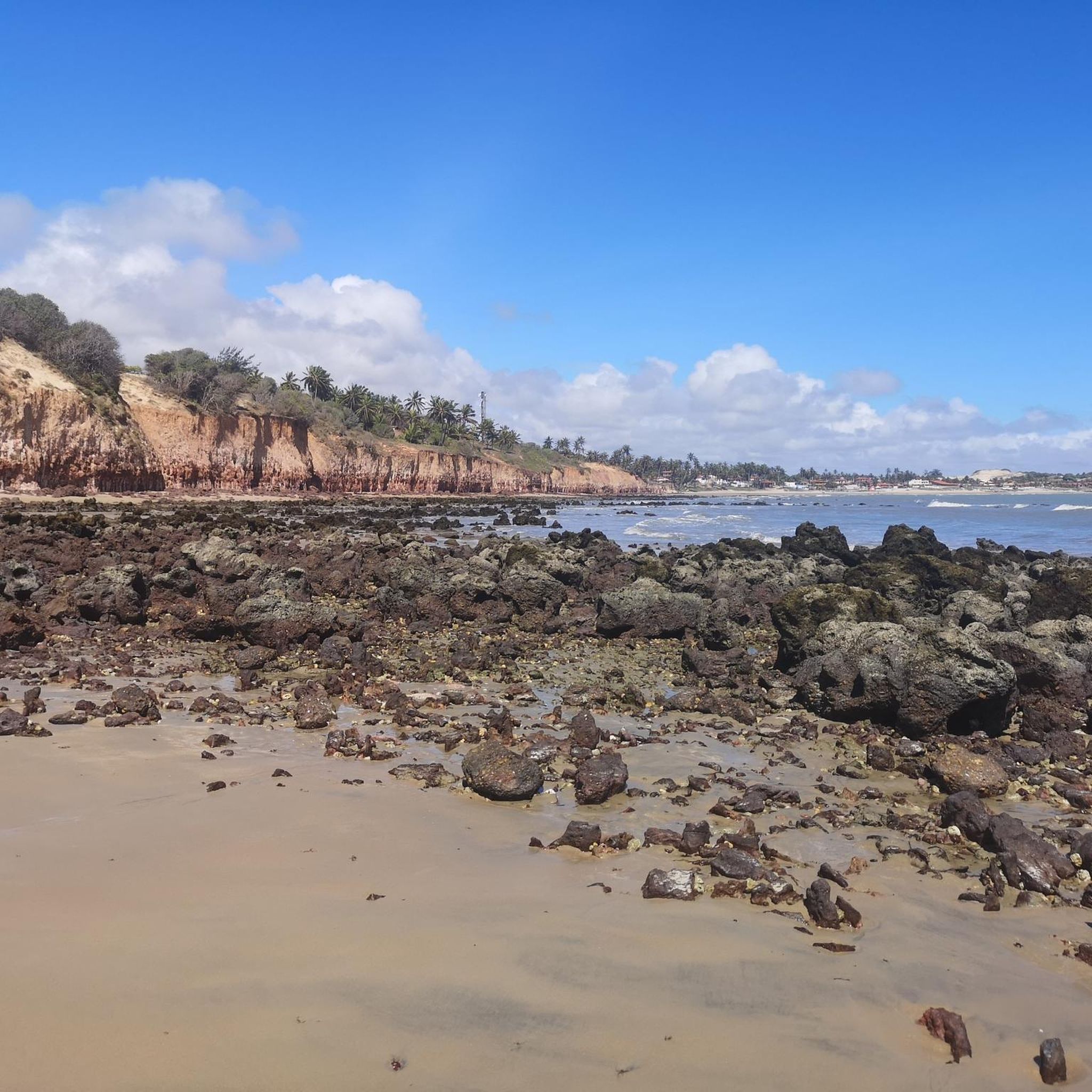
- Another must-see spot is Ponta Negra Beach, a beach recognized for its iconic 120-meter high sand dune, Morro do Careca. This famous beach in Natal is also known for its vibrant beachfront atmosphere.
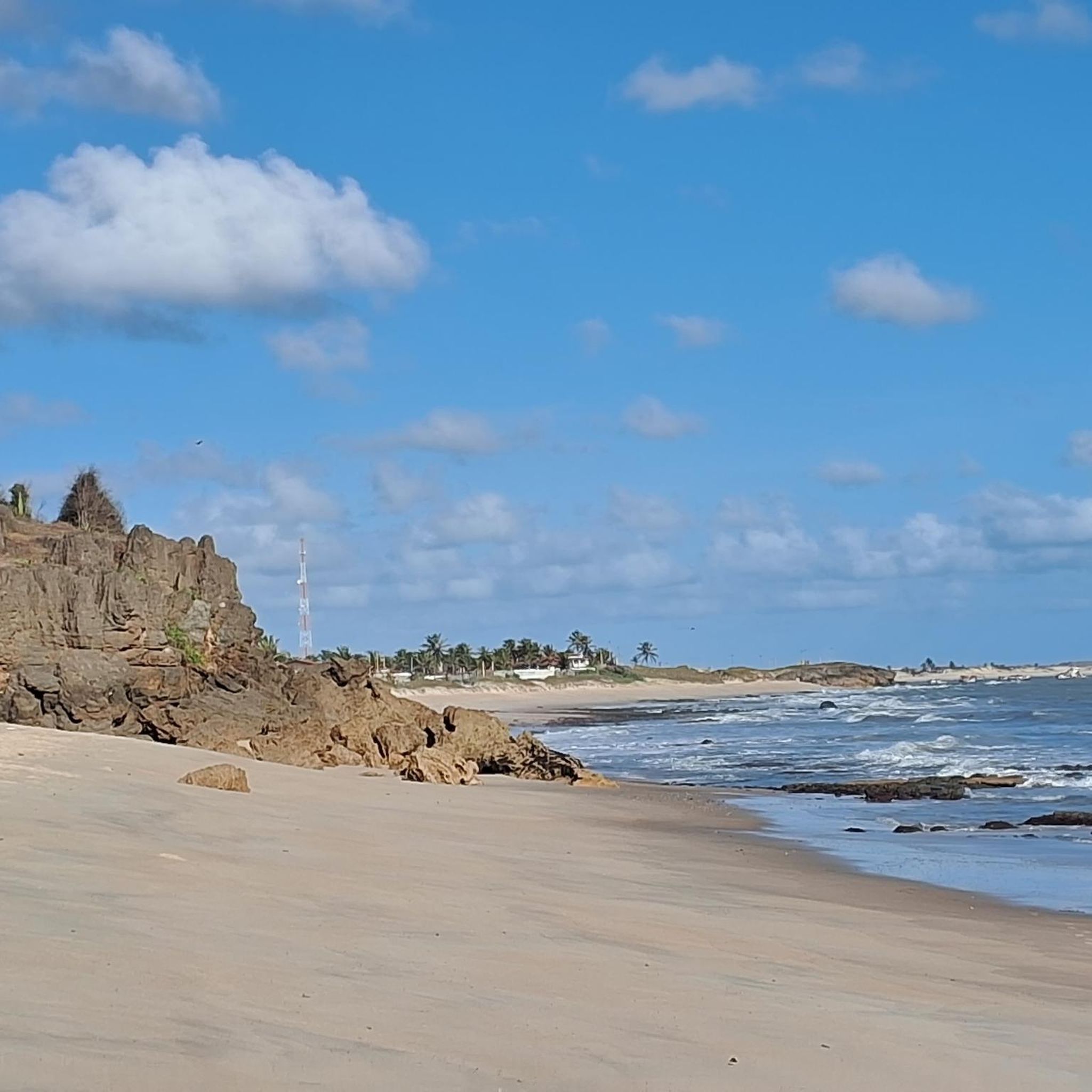
- Visitors also love Maxaranguape Beach, a beautiful sandy beach with palm trees. This location offers a tranquil setting where the sound of the sea is prominent.
- Rio Grande Do Norte is known for its beaches, natural monuments, and lakes. The region offers a variety of attractions to see and explore, from coastal landscapes to unique inland natural features.
- The attractions in Rio Grande Do Norte are appreciated by the komoot community, with 3 upvotes and 2 photos shared by visitors.
Last updated: July 4, 2026
Ponta Negra Beach
Highlight • Beach
Landmark of Natal. The snow-white Farol de Mãe Luiza lighthouse, 37 meters high, is enthroned on the sand dunes. South of the lighthouse is the Parque das Dunas Conservation Area, established in 1977 as Rio Grande do Norte's first conservation area and the second largest urban forest area in Brazil. North and south of Natal there are both lonely and busy beaches and fishing villages. Here are in particular
the dunes of Genipabu famous.
Translated by Google •
Tip by

Coca-Cola Lagoon
Highlight • Lake
Translated by Google •
Tip by

Sign up now to discover places like this
Get recommendations on the best single tracks, peaks, & plenty of other exciting outdoor places.
Sign up for free
Maxaranguape Beach
Highlight • Beach
Translated by Google •
Tip by

Lagoa de Peracabu
Highlight • Lake
You can enjoy a drink in the bars
Translated by Google •
Tip by
Palm-Lined Path to the Tree of Love
Highlight • Trail
Translated by Google •
Tip by
Tree of Love
Highlight • Natural Monument
Translated by Google •
Tip by
Caraúbas Beach and Small Harbor
Highlight • Beach
Translated by Google •
Tip by
The Largest Cashew Tree in the World
Highlight • Natural Monument
Largest cashew tree in the world, south of the Brazilian city of Natal in the state of Rio Grande do Norte
Translated by Google •
Tip by
Start today with a free account
Your next adventure awaits.
Login or Signup
Popular around Rio Grande Do Norte
Tips from the Community

A small harbor, a beautiful sandy beach, a small lagoon, a few tables with umbrellas and chairs invite you to swim and linger. A place that has the potential to make more of itself.
0
0

Natal, the "City of the Sun". Natal spoils its visitors with around 300 days of sunshine a year. Fantastic beaches and a huge dune landscape make the capital of the state of Rio Grande do Norte, located at the mouth of the Rio Potengi ("Rio Grande") river, a popular travel destination. The fortress Forte dos Reis Magos, which was built by the Portuguese in 1598, is the city's landmark and oldest building. In the shape of a five-pointed star, it is located on Praia da Forte. The Natal coast is famous for its sand dunes. The Praia Ponta Negra with the 120 meter high sand dune Morro do Careca is another Landmark of Natal. The snow-white Farol de Mãe Luiza lighthouse, 37 meters high, is enthroned on the sand dunes. South of the lighthouse is the Parque das Dunas Conservation Area, established in 1977 as Rio Grande do Norte's first conservation area and the second largest urban forest area in Brazil. North and south of Natal there are both lonely and busy beaches and fishing villages. Here are in particular the dunes of Genipabu famous.
0
0

In fact, the water of this lagoon is the color of the drink in question, since it is very rich in iron and iodine. But it's very clean, the hike goes through a protected area.
0
0
https://youtu.be/cljlzG2J5qY Largest cashew tree in the world, south of the Brazilian city of Natal in the state of Rio Grande do Norte
0
0
the tree of love can also be reached by car. In the rainy season, the dirt roads are washed out and deep water holes are on the way.
0
0
only the sound of the sea can be heard, an ideal place to unwind ....... until we heard the noise of engines and at least 10 buggies raced through the nature reserve
0
0
beautiful sandy beach with palm trees
0
0
old trees that defy the weather of the tides. A romantic beautiful place. Impressive photo backdrop
1
0
Frequently Asked Questions
What unique natural features can I explore in Rio Grande do Norte?
Rio Grande do Norte is rich in unique natural attractions. You can visit the Coca-Cola Lagoon, known for its distinct dark water due to high iron and iodine content, located within a protected area. The iconic Genipabu Dunes offer thrilling buggy rides and sandboarding, while the Parrachos de Maracajaú, often called the 'Brazilian Caribbean,' provide exceptional snorkeling and diving opportunities amidst coral reefs. Don't miss the world-renowned Largest Cashew Tree in the World in Pirangi do Norte.
Are there significant historical sites to visit in the region?
Yes, the region offers several historical landmarks. The 16th-century star-shaped Fortaleza dos Reis Magos in Natal is a significant monument with panoramic views. You can also explore the Natal Tourism Center, which combines local crafts with charming architecture, or delve into ancient history at the Archaeological Site of Carnaúba dos Dantas in the Seridó region, boasting numerous registered sites.
Which beaches are most recommended for visitors in Rio Grande do Norte?
Rio Grande do Norte is famous for its stunning coastline. Ponta Negra Beach in Natal is popular for its iconic Morro do Careca dune and vibrant atmosphere. Pipa Beach is celebrated for its beauty, cliffs, and opportunities to spot dolphins. Genipabu Beach is known for its mobile dunes and adventure activities, while Maxaranguape Beach offers a tranquil setting with palm trees.
What are some family-friendly attractions in Rio Grande do Norte?
Many attractions are suitable for families. Beaches like Ponta Negra Beach, Maxaranguape Beach, and Caraúbas Beach are great for relaxation. The World's Largest Cashew Tree is a fascinating natural monument. Lagoons such as Lagoa de Peracabu, Lagoa de Genipabu, and Lagoa de Pitangui offer calm waters and amenities. The Genipabu Dunes provide exciting buggy rides and sandboarding that children often enjoy.
What outdoor activities and routes are available near these attractions?
Beyond the attractions themselves, Rio Grande do Norte offers various outdoor activities. You can find numerous running trails, including moderate loops from Ponta Negra and Pipa Beach. For cyclists, there are several routes for touring and road cycling, such as the Praia Pirangi do Norte loop or the Barreira do Inferno loop. Explore more options on the Running Trails in Rio Grande Do Norte and Cycling in Rio Grande Do Norte guide pages.
What is the best time to visit Rio Grande do Norte for outdoor activities?
Natal, the capital, is known as the 'City of the Sun' with around 300 days of sunshine a year. This makes Rio Grande do Norte an excellent destination for outdoor activities almost year-round. The dry season, typically from September to January, offers consistently sunny weather ideal for beach visits, dune buggy tours, and exploring natural sites without much rain.
Where can I see dolphins in Rio Grande do Norte?
For a chance to see dolphins, head to Baía dos Golfinhos (Dolphin Bay) near Pipa. This beautiful and preserved beach is known for its resident dolphin population, offering visitors the opportunity to watch them swim in their natural habitat.
Are there any natural parks or conservation areas to visit?
Yes, Natal is home to Parque das Dunas, established in 1977. It is the second-largest urban forest area in Brazil and a protected environment for native flora and fauna. It's an ideal spot for nature walks and picnics, offering a green escape within the city.
What are some unique cultural experiences in Rio Grande do Norte?
Beyond natural beauty, Rio Grande do Norte has a vibrant culture. You can experience Carnatal, one of Brazil's largest off-season carnivals held annually in Natal in December. Another significant event is Mossoró Cidade Junina, one of the country's largest São João festivals, featuring open-air concerts, traditional dances, and historical reenactments.
What do visitors enjoy most about the attractions in Rio Grande do Norte?
Visitors particularly enjoy the stunning natural beauty and the variety of experiences. The unique color of the Coca-Cola Lagoon and the tranquil setting of Maxaranguape Beach are often highlighted. The vibrant atmosphere of Ponta Negra Beach and the impressive scale of the World's Largest Cashew Tree also receive high praise, with many appreciating the blend of relaxation and adventure.
Can I find places to relax by freshwater near the coast?
Absolutely. The region features several freshwater lagoons close to the sea, offering a refreshing alternative to ocean swimming. Lagoa de Peracabu is a great example, with small huts and swings inviting you to linger, and bars where you can enjoy a drink. Lagoa de Genipabu and Lagoa de Pitangui are also popular spots for relaxation and water activities.
Are there any scenic viewpoints or natural monuments worth visiting?
Yes, several spots offer picturesque views and unique natural formations. The Tree of Love is a romantic and impressive photo backdrop with old trees defying the tides. The Ponta Negra Beach features the iconic Morro do Careca dune, a 120-meter high sand dune offering a grand vista. The Farol de Mãe Luiza lighthouse also stands majestically on sand dunes, providing a picturesque sight.
Most popular routes in Rio Grande Do Norte

Get inspired with the komoot mobile app


Didn’t find what you were looking for?
Are you keen on exploring more awesome places nearby? Browse our guides:
Explore more
Still not found the Highlight you’re looking for? See guides of the top attractions in other regions:
