Attractions and Places To See in Ate - Top 20
Best attractions and places to see in Ate, a district within Lima, Peru, offer a diverse range of historical sites, recreational areas, and cultural points of interest. The region features significant pre-Hispanic archaeological zones alongside modern developments. Visitors can explore sites that reflect both ancient heritage and the district's industrial past. Ate provides a blend of cultural exploration and contemporary attractions.
Best attractions and places to see in Ate
- The most popular attractions is Bridge of Sighs, a bridge…
Last updated: July 17, 2026
Bridge of Sighs
Highlight • Bridge
Tip by

Love Park
Highlight • Monument
Translated by Google •
Tip by

Sign up now to discover places like this
Get recommendations on the best single tracks, peaks, & plenty of other exciting outdoor places.
Sign up for free
San Martín Square
Highlight • Monument
Translated by Google •
Tip by

Basilica and Convent of San Francisco de Lima
Highlight • Religious Site
Translated by Google •
Tip by
Chabuca Granda Square
Highlight • Monument
Translated by Google •
Tip by
Sign up for free to discover even more attractions in Ate.
Sign up for free
Already have an account?
Start today with a free account
Your next adventure awaits.
Login or Signup


Tips from the Community

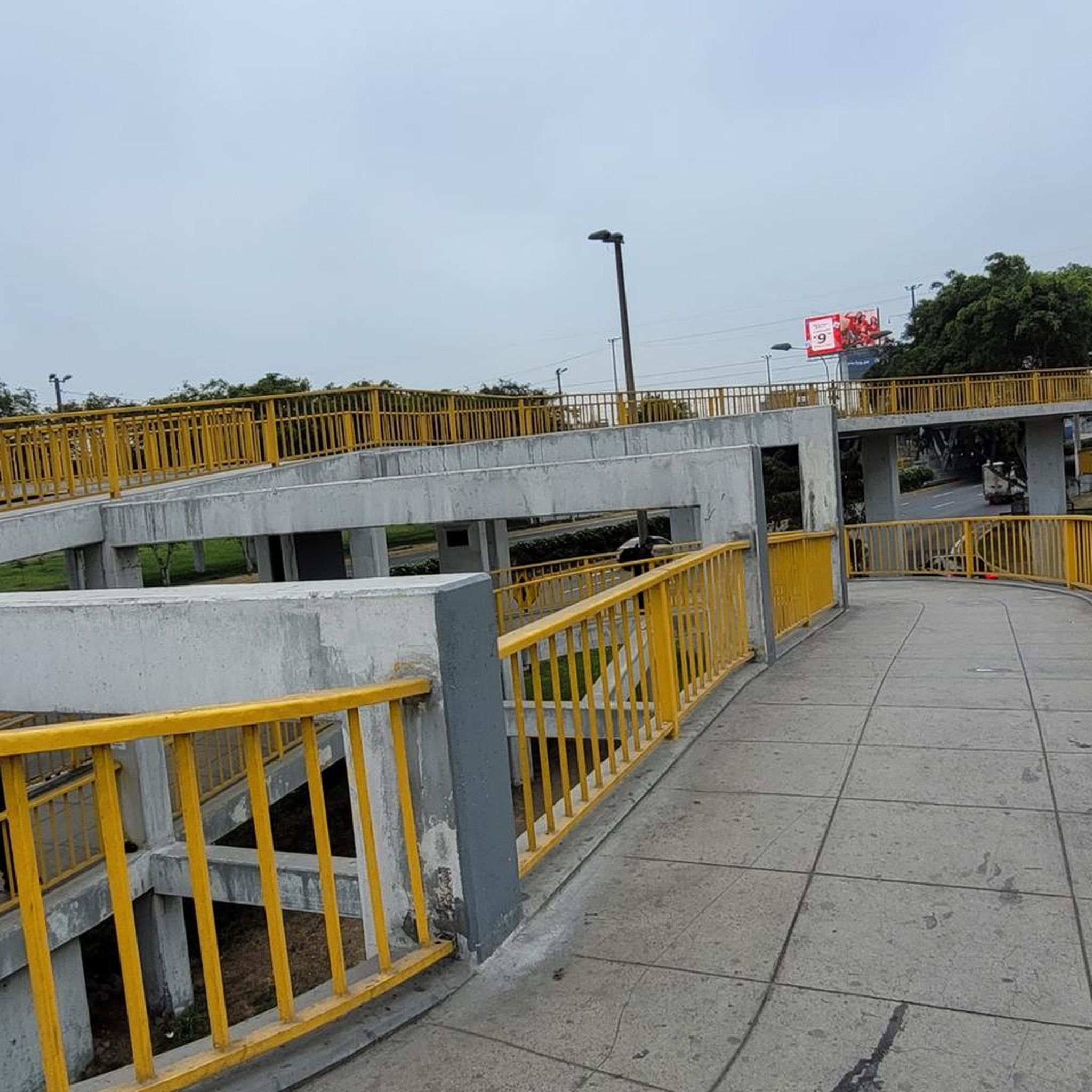
Unfortunately, the bridge is currently being renovated and cannot be entered. (As of April 2026)
0
0

On the last Sunday of the month, ethnic groups from different parts of the country meet here alternately.
1
0

A great place. But unfortunately, like everywhere else, there is a lot of traffic.
0
0

The Parque del Amor is one of the parks in Lima most visited by tourists and locals due to its history and spectacular views of the sea. Inaugurated in honor of Valentine's Day, the Love Park is, as such, a product of the custom of lovers to enjoy the sunset from there. The parks of Lima are characterized by their greenery, especially in Miraflores. This park is one of the must-see places on your visit to the city. Source: https://viajandoalima.com/parque-del-amor/#google_vignette
0
0
A few years after the founding of Lima, Francisco de Santa Ana arrived in Lima in 1546 and built a modest and small church, which was later expanded along with the monastery by the Viceroy of Peru, Andrés Hurtado de Mendoza. The magnificent extensions were not very solidly built and were completely destroyed in the earthquake of February 4, 1655. Francisco de Borja, General Commissioner of the Franciscans, commissioned the Portuguese architect Constantino de Vasconcellos to plan the new church and Limeño Manuel Escobar to build it on the same site. The Viceroy Luis Enriquez de Guzmán laid the foundation stone on May 8, 1657. The new church was solemnly consecrated on October 3, 1672, and work on the monastery continued until 1729. In 1941, the church and the monastery complex were declared a national cultural heritage site. Pope John XXIII. raised the church of San Francisco de Jesus to the rank of a minor basilica with his letter of January 11, 1963. In 1966 and 1970, earthquake damage occurred again. In 1988, the church became a UNESCO World Heritage Site as part of the historic old town of Lima. Source: https://de.wikipedia.org/wiki/Basilika_St._Franziskus_(Lima)
2
0
Plaza San Martín is one of the most representative public squares in the city of Lima. It is located in the ninth block of Colmena Avenue in the historic center of Lima, declared a World Heritage Site by UNESCO in 1988. It is close to the Plaza Mayor of Lima and is connected to it by the Jiron de la Union. Its central monument is a tribute to Peru's liberator José de San Martín. Source and further information: https://en.wikipedia.org/wiki/Plaza_San_Mart%C3%ADn,_Lima
2
0

María Isabel Granda y Larco, better known as Chabuca Granda, is the greatest representative of Peruvian music and has been recognized as such worldwide.
1
0
"La flor de la canela" and "El puente de los suspiros" are two of the songs written by Chabuca Grande, inspired by this place in Barranco, the neighborhood where the artist lived. The Bridge of Sighs has become one of the most visited places by foreign tourists and a meeting point for the country's romantics thanks to the fame achieved by its songs.
1
0
Frequently Asked Questions
What historical and archaeological sites can I explore in Ate?
Ate is rich in pre-Hispanic history. You can visit the significant Puruchuco Archaeological Site, an administrative center with a palace made of tapia. Adjacent to it is the Arturo Jiménez Borja Museum of Site Puruchuco, offering further context. Another important site is the Pariachi Archaeological Zone, a monumental pre-Hispanic settlement in the Rimac Valley basin, which is a National Heritage site and offers free admission.
Are there any family-friendly attractions in Ate?
Yes, Ate offers several family-friendly options. The Huachipa Zoological Park is a popular attraction for families and animal lovers. Additionally, many of the district's parks and squares, such as Love Park and Chabuca Granda Square, are suitable for family outings.
What outdoor activities, like cycling or running, are available near Ate's attractions?
Ate and its surroundings offer various outdoor activities. For cycling enthusiasts, there are several routes, including easy loops like "Carlita loop from La Cultura" or moderate ones such as "Puente de los Suspiros Mural – Bridge of Sighs loop from San Eugenio." Runners can find trails like the "Running loop from El Palomar." You can find more details and routes on the Cycling in Ate and Running Trails in Ate guide pages.
Where can I find significant cultural monuments or landmarks in Ate?
Ate features several cultural landmarks. The Parque 26 de Mayo commemorates the origins of the Peruvian labor movement. While technically outside Ate but frequently visited by those exploring Lima's wider area, the Basilica and Convent of San Francisco de Lima is a spectacular building with a rich history and catacombs. The Chabuca Granda Square is dedicated to the famous Peruvian composer and features sculptures.
What are some unique local experiences or 'hidden gems' in Ate?
A unique local experience in Ate is discovering its culinary heritage. Santa Clara, a part of Ate Vitarte, is recognized as the birthplace of "pollo a la brasa," a popular Peruvian dish. The first "pollería" in Peru, La Granja Azul, was created here over 70 years ago, offering a taste of local history and cuisine.
Are there any viewpoints or scenic spots in Ate?
While Ate itself is more focused on historical and urban sites, some nearby attractions offer scenic views. For instance, the Bridge of Sighs provides views of the nearby coastline, and Love Park offers spectacular views of the sea, especially at sunset.
What is the best way to experience the industrial heritage of Ate?
To experience Ate's industrial heritage, visit Parque 26 de Mayo. This park commemorates Ate's past as an early industrial zone in Lima, particularly Vitarte, and its role in the Peruvian labor movement, including the recognition of Sunday rest and the eight-hour workday.
Can I find modern attractions or shopping centers in Ate?
Yes, Ate is a developing district and is home to one of Peru's largest modern malls, reflecting its contemporary growth and offering a different kind of attraction for visitors interested in shopping and modern amenities.
What do visitors particularly enjoy about the attractions in Ate and its vicinity?
Visitors appreciate the diverse range of experiences. For example, the Bridge of Sighs is loved for its romantic atmosphere and the tradition of holding your breath for a wish. Love Park is popular for its unique sculpture "El Beso" and stunning sea views. The historical sites offer a deep dive into Peru's ancient past, providing a rich cultural experience.
Are there any specific architectural highlights to see in Ate?
Beyond the ancient structures, the UTEC - University of Engineering and Technology is a notable modern architectural highlight. While not in Ate itself, it's part of the broader Lima area's contemporary design landscape. For historical architecture, the pre-Hispanic structures at Puruchuco Archaeological Site offer insights into ancient building techniques.
How long should I plan to spend at the archaeological sites in Ate?
For the Puruchuco Archaeological Site and the associated Arturo Jiménez Borja Museum, plan to spend at least 2-3 hours to fully explore the ruins and exhibits. The Pariachi Archaeological Zone, being a monumental site, could also take a couple of hours to appreciate its scale and significance.
What kind of terrain can I expect on cycling routes near Ate?
Cycling routes near Ate vary in terrain. You can find relatively flat loops like "La Molina Lagoon loop from San Borja Sur" for an easy ride. More challenging routes, such as "Alameda Trapiche – View of the Mountain loop from Los Desamparados," might involve more varied terrain and elevation changes, catering to different fitness levels. Consult the Road Cycling Routes in Ate guide for specific route details.
Most popular routes in Ate
Most popular attractions in Ate

Get inspired with the komoot mobile app


Explore more
Still not found the Highlight you’re looking for? See guides of the top attractions in other regions:
