Attractions and Places To See in Cusco - Top 20
Best attractions and places to see in Cusco, the historic capital of the Inca Empire, are nestled in the Peruvian Andes. This region offers a rich tapestry of sites blending ancient Inca heritage with Spanish colonial charm. Visitors can explore a variety of notable landmarks, natural features, and cultural sites both within the city and its surrounding areas. The area is characterized by its mountainous terrain and significant historical importance.
Best attractions and places to see in Cusco
- The most popular attractions is Plaza de Armas of Cusco, a historical site that was once the ceremonial hub of the Inca Empire. Today, this central square is surrounded by colonial buildings, including the Cusco Cathedral and the Church of the Society of Jesus.
- Another must-see spot is Cusco Cathedral, a religious building and a masterpiece of colonial architecture. Visitors can expect to see an impressive collection of colonial art and learn about its extensive history, spanning nearly a century of construction.
- Visitors also love Qorikancha (Temple of the Sun), a historical site that was once the most important temple in the Inca Empire, dedicated to the sun god Inti. The Santo Domingo church was built atop its foundations, creating a blend of Inca and colonial architecture.
- Cusco is known for its ancient Inca heritage, Spanish colonial architecture, and diverse natural features. The region offers a wide variety of historical sites, religious buildings, and natural attractions to see and explore.
- The attractions in Cusco are appreciated by the komoot community, with more than 120 photos and over 120 upvotes from visitors.
Last updated: July 3, 2026
Plaza de Armas of Cusco
Highlight • Historical Site
Translated by Google •
Tip by

Cusco Cathedral
Highlight • Religious Site
During my first visits, photography was still allowed in the church, but now it is unfortunately prohibited.
Translated by Google •
Tip by
Sign up now to discover places like this
Get recommendations on the best single tracks, peaks, & plenty of other exciting outdoor places.
Sign up for free
Hatun Rumiyoc Street and the Twelve-Angled Stone
Highlight • Historical Site
The wisdom of the Incas is reflected in numerous architectural monuments that have withstood the onslaught of time, including the mythical Stone of the Twelve Angles. With a peculiar polygonal shape on one of the walls of the palace that belonged to Inka Roca, this majestic stone does not allow the minimal space with the adjacent stones. Its capricious form and the technique associated with its execution have earned it justice as a symbol of the architectural perfection and technological precision of the Inca Empire.
Translated by Google •
Tip by
Qorikancha (Temple of the Sun)
Highlight • Historical Site
Tip by

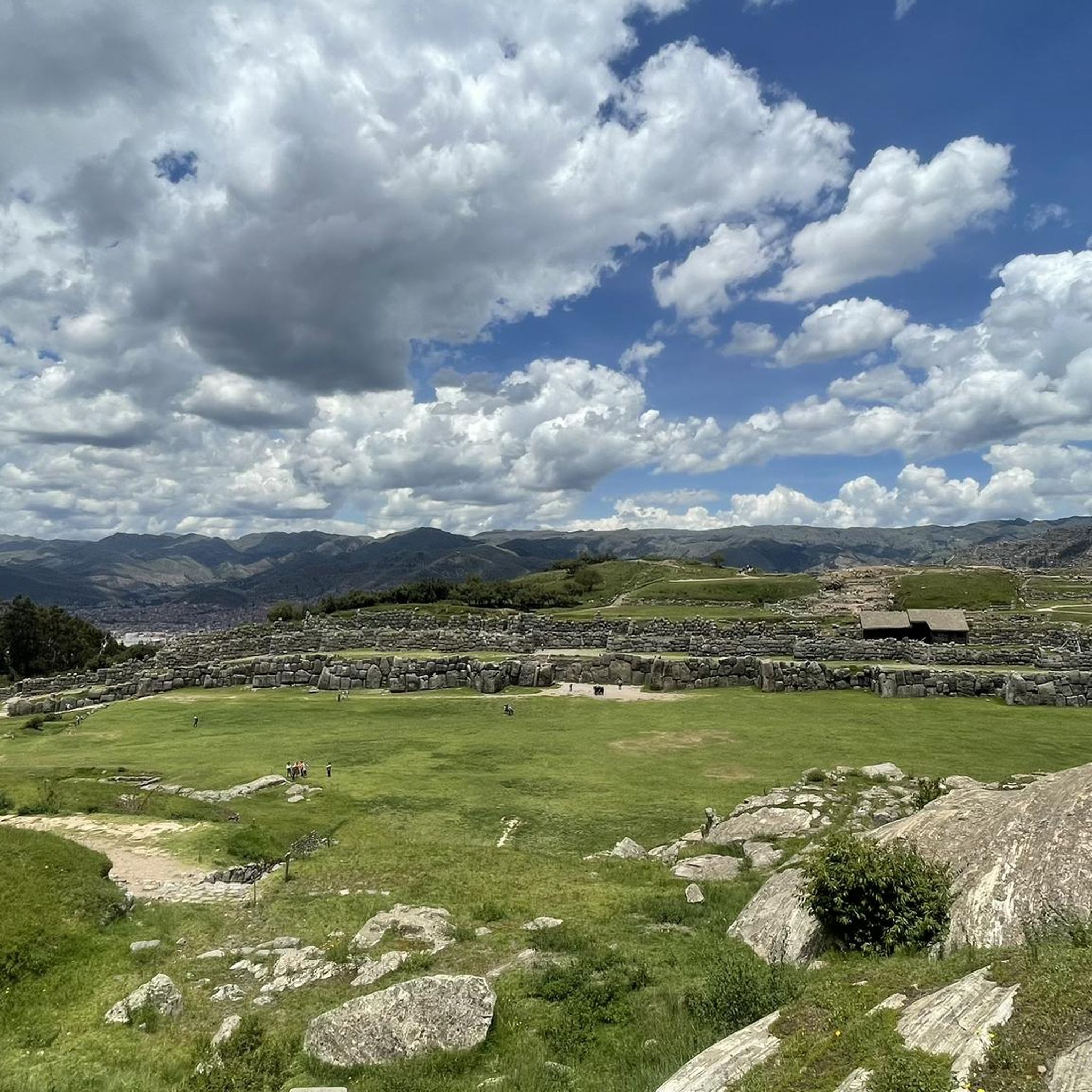
Sacsayhuamán Archaeological Site
Highlight • Historical Site
Translated by Google •
Tip by
Sign up for free to discover even more attractions in Cusco.
Sign up for free
Already have an account?
Start today with a free account
Your next adventure awaits.
Login or Signup
Other adventures in Cusco

Tips from the Community

Even if you are no longer allowed to photograph inside the cathedral today (or precisely because of that), visiting it is a must for anyone visiting Cusco. Countless altars in various architectural styles and materials, the different patron saints, the silver monstrance, and of course the entire architecture are admirable. The supporting walls of the nave are built from stones of a nearby Inca temple. After an earthquake, the cathedral's roof was destroyed and rebuilt in the Gothic style.
1
0

Cost 70 soles to enter, only accepts cash payments. Only pay at the top of the hill not the sellers on the way.
1
0

At the heart of Cusco is Coricancha, the most important temple of the Inca Empire. Coricancha, also spelled Korikancha or Qorikancha, means "Golden Temple" in Quechua. This impressive Inca Temple of the Sun remains a key feature of the city for locals and tourists alike.
0
0
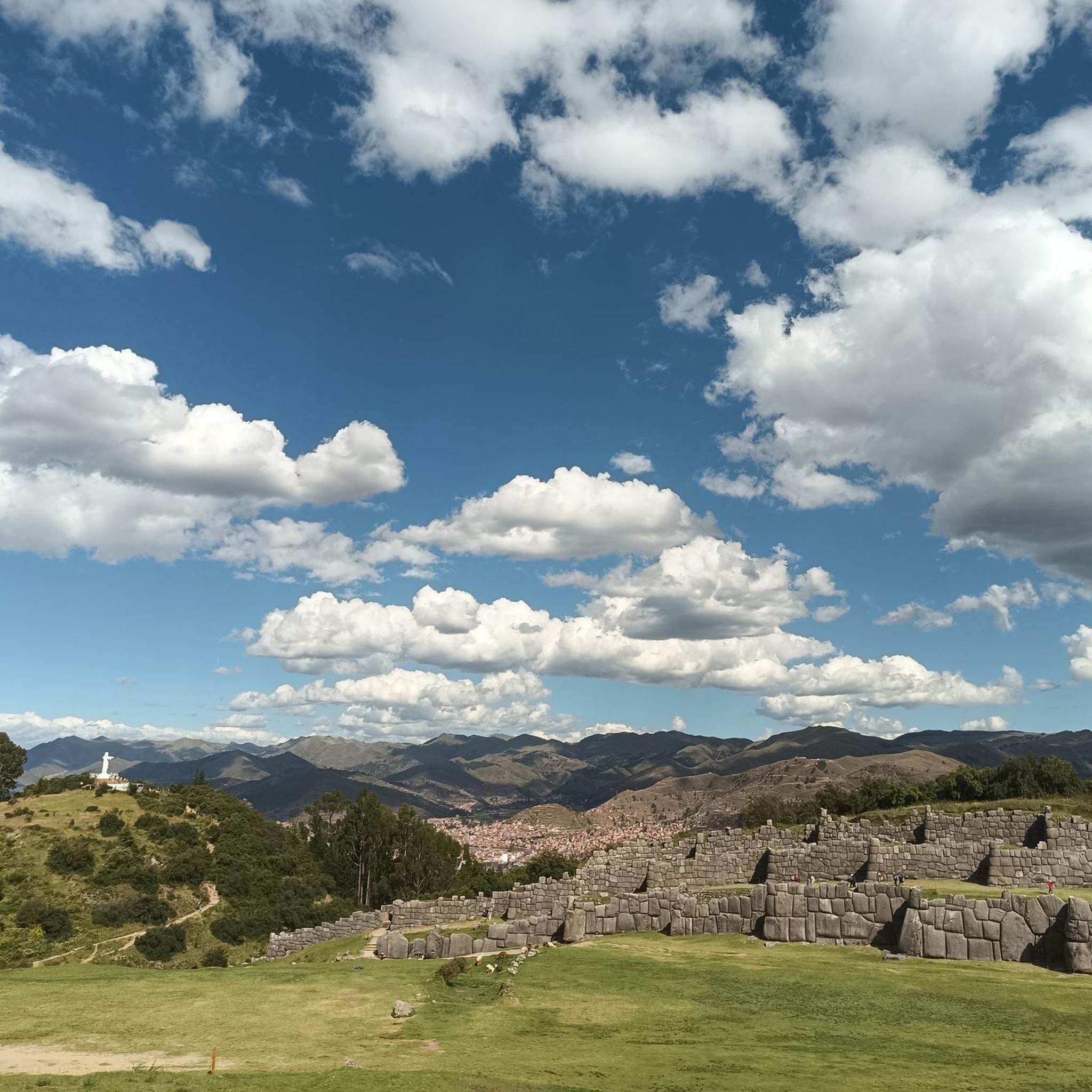
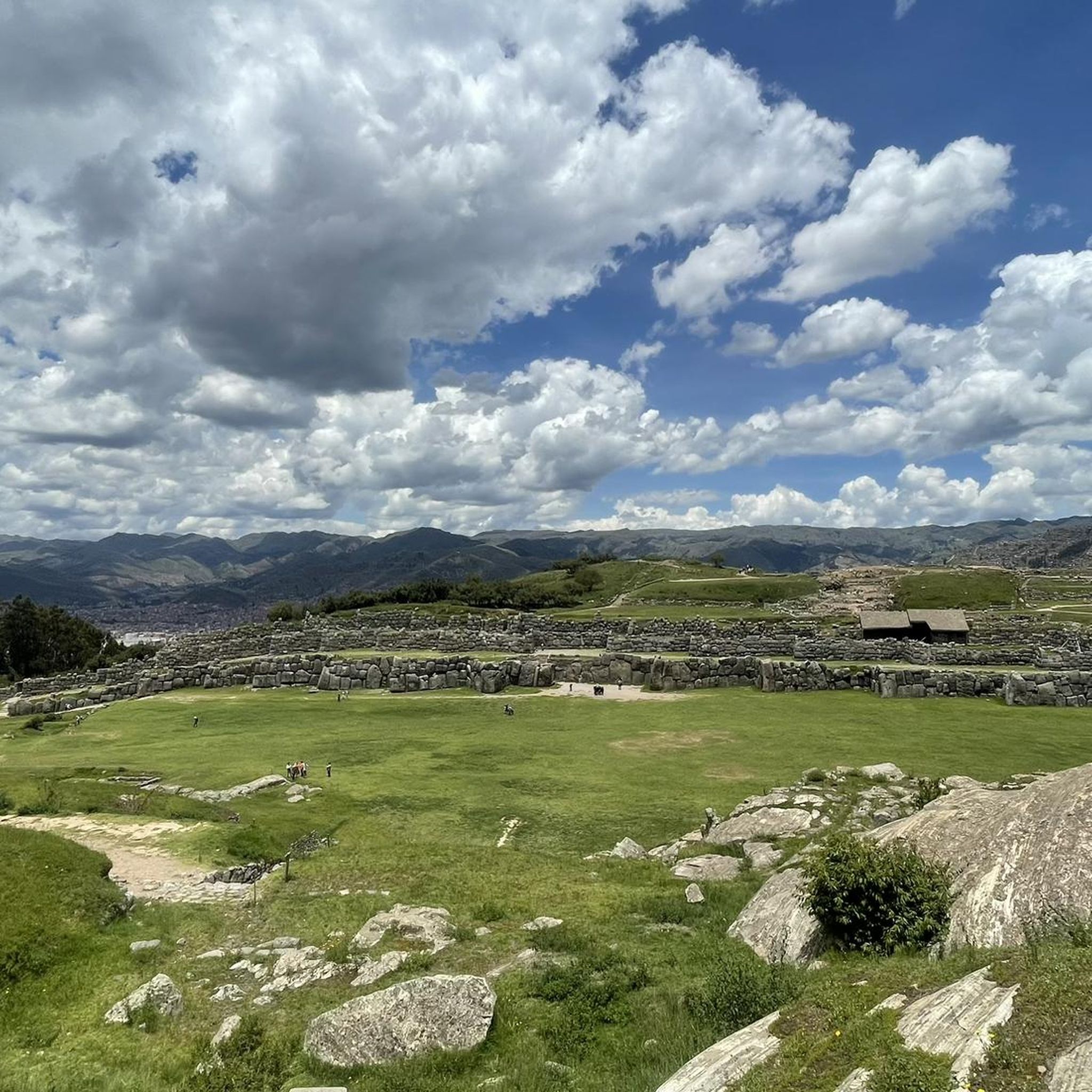
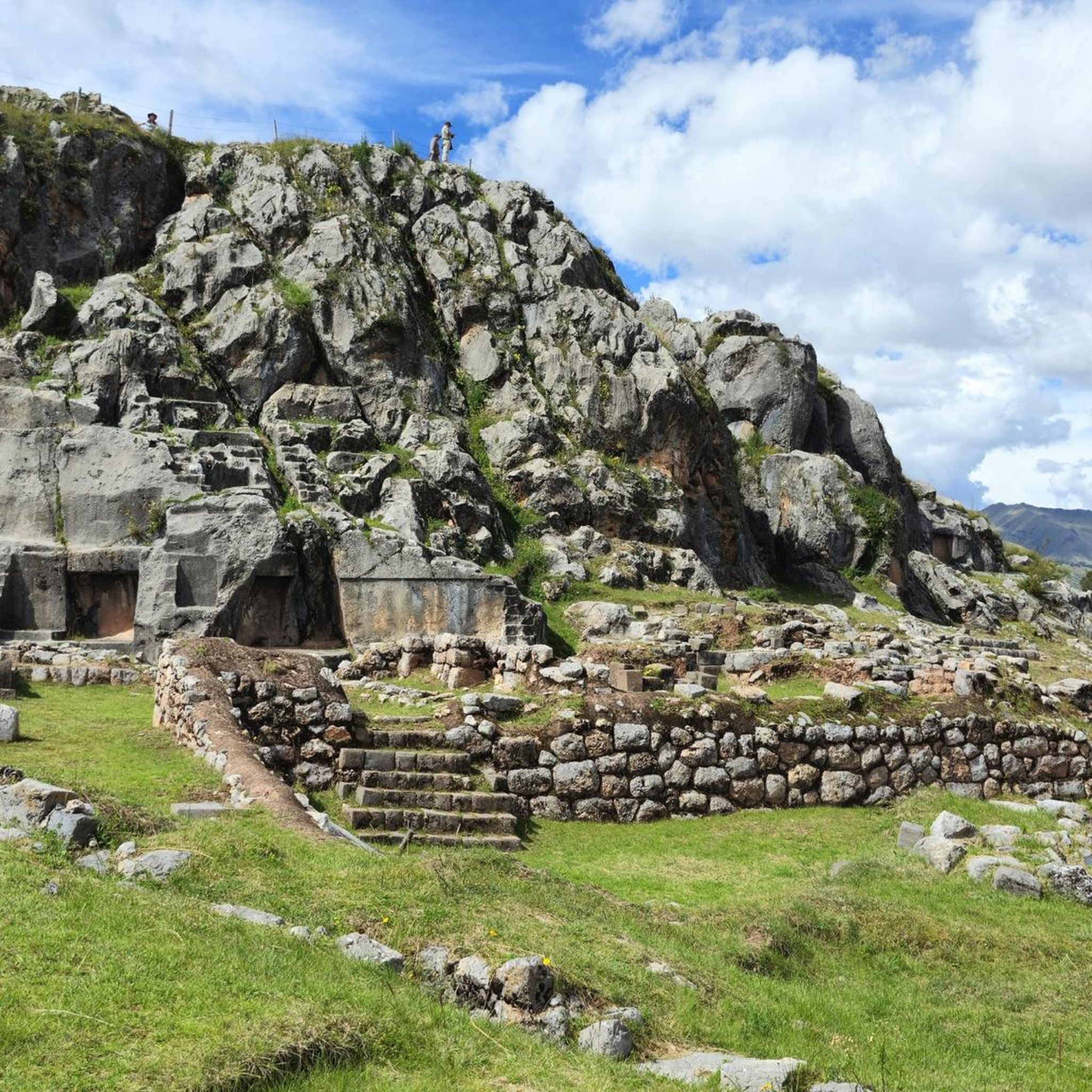
The fortress of “Sacsayhuamán” (in Quechua this means contented falcon) is one of the most important archaeological complexes of the Inca Empire and is located above the city, at the gates of Cusco. When you visit the complex, you will be amazed: one stone was placed on top of the other with the utmost precision and an impressive technique.
2
0

The Cusco Cathedral is one of the most emblematic buildings of the ancient capital of the Inca Empire. Besides, it is one of the main attractions to appreciate on a walking tour in Cusco. This historical construction is also considered a Cultural Heritage of the Nation and has a combination of unique characteristics. The Cusco Cathedral is important by its Gothic, Baroque, and Renaissance styles that blend harmoniously, unique in South America. Also, by its largest deposits of colonial art representative of Cusquenian school style. The entire Cathedral houses an innumerable amount of artworks from the Cusco art school. Valuable examples of art that are worth knowing and admiring. Source: https://www.machutravelperu.com/blog/cathedral-cusco
0
0
Hatun Rumiyoq is a stone wall (green diorite) located on the street of the same name. It must have been part of the palace attributed to Inca Roca. It covers most of the Hatun-Rumiyoc street; a world-famous street because it houses the “stone of the twelve angles”, known for the perfect union of its 12 corners and sides with the stones that surround it. This wall has intersections of colonial and republican structures and currently houses the Archbishop's Palace and the Museum of Religious Art of Cusco. At this point the architects had to build a kind of platform to level the ground, since this is where the steep slope begins that leads to the traditional neighborhood of San Blas. Source: https://www.ticketmachupicchu.com/hatun-rumiyoc/
1
0
The Stone of Twelve Angles is made of a diorite formation and gained popularity due to its magnificent workmanship and border of twelve angles, which indicates a perfectionist Inca architecture, since there are no asymmetries in its joints. Source: https://es.wikipedia.org/wiki/Piedra_de_los_doce_%C3%A1ngulos
1
0
The construction of the cathedral was no small feat; it spanned nearly a century, from 1560 to 1654. This extensive period of construction, renovation and expansion explains the cathedral's eclectic architectural style. It is a living museum of architectural trends, from the Renaissance and Gothic of the Spanish to the incorporation of indigenous influences. During my first visits, photography was still allowed in the church, but now it is unfortunately prohibited.
4
0
Frequently Asked Questions
What historical sites should I visit in Cusco beyond the main square?
Beyond the central Plaza de Armas, explore Qorikancha (Temple of the Sun), which showcases a unique blend of Inca and colonial architecture. Another significant site is the Sacsayhuamán Archaeological Site, known for its massive stone walls and impressive Inca engineering. Don't miss the Twelve-Angled Stone on Hatun Rumiyoc Street, a testament to Inca masonry.
Are there any unique architectural features to see in Cusco?
Cusco is rich in unique architecture. The Twelve-Angled Stone on Hatun Rumiyoc Street is a prime example of Inca precision, where a single stone fits perfectly with twelve others without mortar. The Qorikancha (Temple of the Sun), with the Santo Domingo Convent built atop its foundations, beautifully illustrates the fusion of Inca and Spanish colonial styles.
What natural attractions are accessible as day trips from Cusco?
Several stunning natural attractions are within reach for a day trip. Rainbow Mountain (Vinicunca) is famous for its multicolored stripes, though it's a challenging trek. A less strenuous alternative is Palcoyo Mountain. Humantay Lake offers intense blue waters at the foot of a snow-capped mountain, perfect for photography and trekking. The Maras Salt Mines (Salineras de Maras) present a unique landscape of thousands of salt pools.
Can I find family-friendly activities in Cusco?
Yes, Cusco offers several family-friendly attractions. The Plaza de Armas is a lively spot for all ages, surrounded by historical buildings. The Qorikancha (Temple of the Sun) and the Twelve-Angled Stone are fascinating historical sites that can spark children's imaginations. The San Pedro Market also offers a vibrant cultural experience with local foods and crafts.
What outdoor activities can I do near Cusco's attractions?
Cusco and its surroundings are excellent for outdoor activities. You can find numerous cycling routes, including road cycling and mountain biking. For road cycling, consider routes like the 'Peruvian Hairless Dog – Pisac loop' or the 'Saylla, Cusco – Qurikancha loop'. Mountain biking options include the 'Sacsayhuamán – Qurikancha loop'. You can find more details on these and other routes in the Road Cycling Routes in Cusco, MTB Trails in Cusco, and Cycling in Cusco guides.
Are there specific hiking trails recommended around Cusco?
While specific hiking trails aren't detailed in the provided data, the region around Cusco is known for its trekking opportunities, especially to natural sites like Rainbow Mountain and Humantay Lake, which involve significant hiking. The Sacred Valley also offers various trails. For cycling, which often shares paths with hikers, you can explore routes like the 'City of Cusco – Yuncaypata loop' or the 'Qurikancha – Pisac Town and Inca Terraces loop' found in the Cycling in Cusco guide.
What is the best time of year to visit Cusco for sightseeing and outdoor activities?
The dry season, from May to October, is generally considered the best time to visit Cusco. During these months, you'll experience less rain and clearer skies, which are ideal for exploring archaeological sites like Sacsayhuamán and enjoying outdoor activities like trekking to Rainbow Mountain or Humantay Lake. The weather is typically sunny during the day but can be quite cold at night.
How can I experience Inca culture beyond the main temples?
To delve deeper into Inca culture, visit the Inca Museum (Museo Inka), which offers extensive insights into Inca history and artifacts. Exploring the archaeological sites of Qenqo, Tambomachay, and Puka Pukara, located near Sacsayhuamán, provides a broader understanding of Inca ceremonial and administrative practices. The Sacred Valley, with sites like Moray and Ollantaytambo, also offers a rich cultural experience.
Are there any less crowded alternatives to very popular sites?
If you're looking for alternatives to the most frequented spots, consider visiting Palcoyo Mountain instead of Rainbow Mountain for a similar multicolored landscape with fewer crowds. Within the city, the San Blas Neighborhood offers a charming, artistic atmosphere with cobbled streets and artisan workshops, providing a different cultural experience away from the main tourist hubs.
What are some interesting markets or neighborhoods to explore in Cusco?
The San Pedro Market (Mercado Central de San Pedro) is a bustling local market where you can experience daily life, find local produce, handicrafts, and try traditional food. For a more artistic and picturesque experience, wander through the San Blas Neighborhood, known for its colonial architecture, narrow streets, and numerous artisan workshops.
How can I get around to the main attractions in Cusco?
Many of Cusco's central attractions, such as the Plaza de Armas, Cusco Cathedral, and Qorikancha, are within walking distance of each other. For sites slightly outside the city center, like Sacsayhuamán, taxis or local buses are readily available. Many tour operators also offer transport to day trip destinations like the Sacred Valley or Rainbow Mountain.
What should I know about visiting archaeological sites like Sacsayhuamán?
When visiting archaeological sites such as Sacsayhuamán, be prepared for walking on uneven terrain and potentially at higher altitudes. It's advisable to wear comfortable shoes, bring water, and protect yourself from the sun. Entry fees are typically required, and some sites may only accept cash. Photography rules can vary, so always check upon entry.
Are there any viewpoints offering panoramic views of Cusco?
Yes, the Sacsayhuamán Archaeological Site, located above the city, offers excellent panoramic views of Cusco. Puka Pukara, also known as the 'Red Fort,' is another Inca archaeological site that provides great vistas of the surrounding landscape and the city below.
Most popular routes in Cusco
Most popular attractions in Cusco

Get inspired with the komoot mobile app


Explore more
Still not found the Highlight you’re looking for? See guides of the top attractions in other regions:
