The best running trails in Cusco
3.9
(16)
162
runners
9
runs
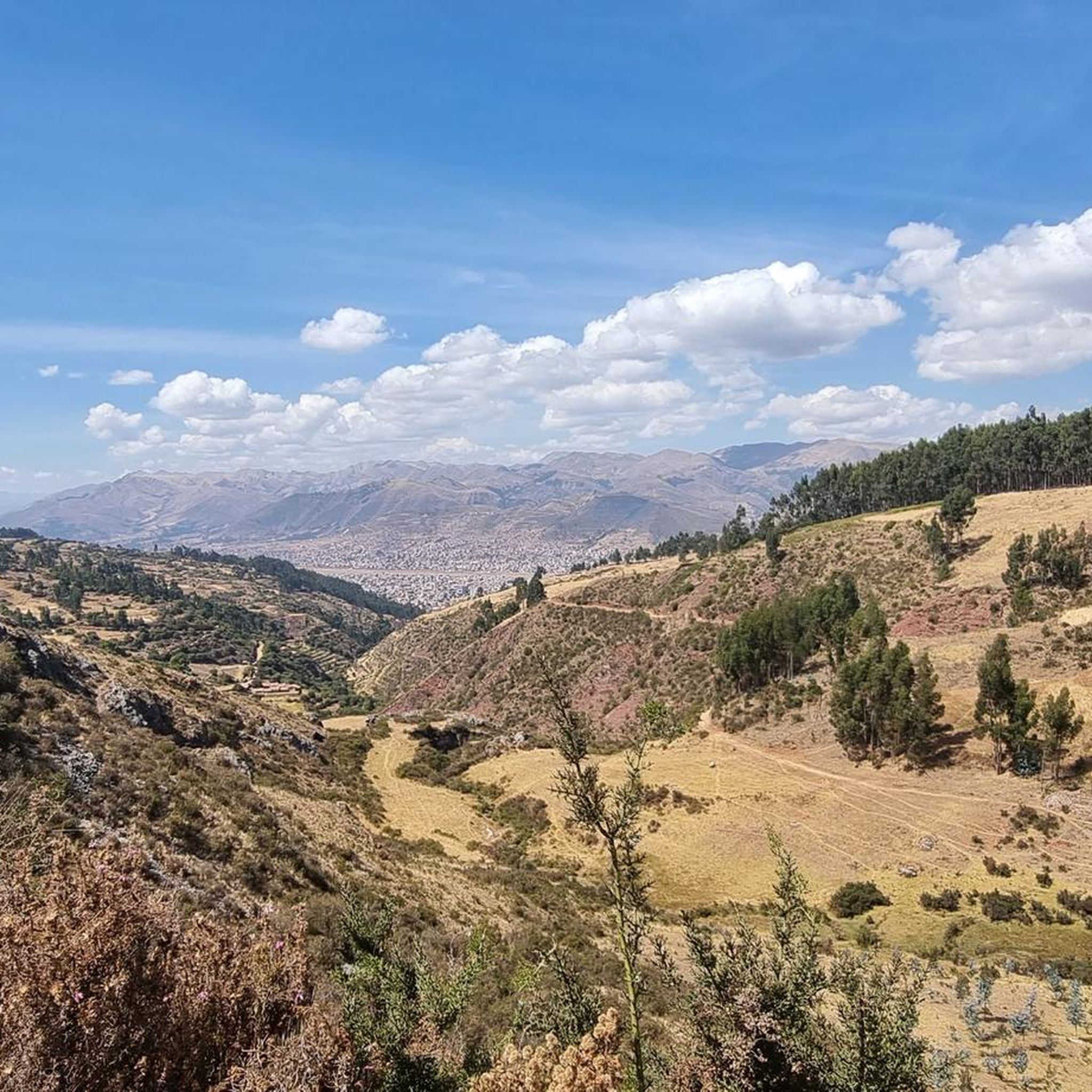
Jogging in Cusco offers a unique experience within the high-altitude Andes Mountains, characterized by varied terrain and ancient Incan sites. The region features impressive mountain ranges, high plains, and fertile valleys, providing diverse running environments. Runners can explore routes that traverse historical landmarks and offer views of the surrounding Andean peaks and agricultural landscapes. The city's elevation, around 11,200 feet (3,400 meters), presents a significant challenge and requires acclimatization for many.
Best jogging routes in Cusco
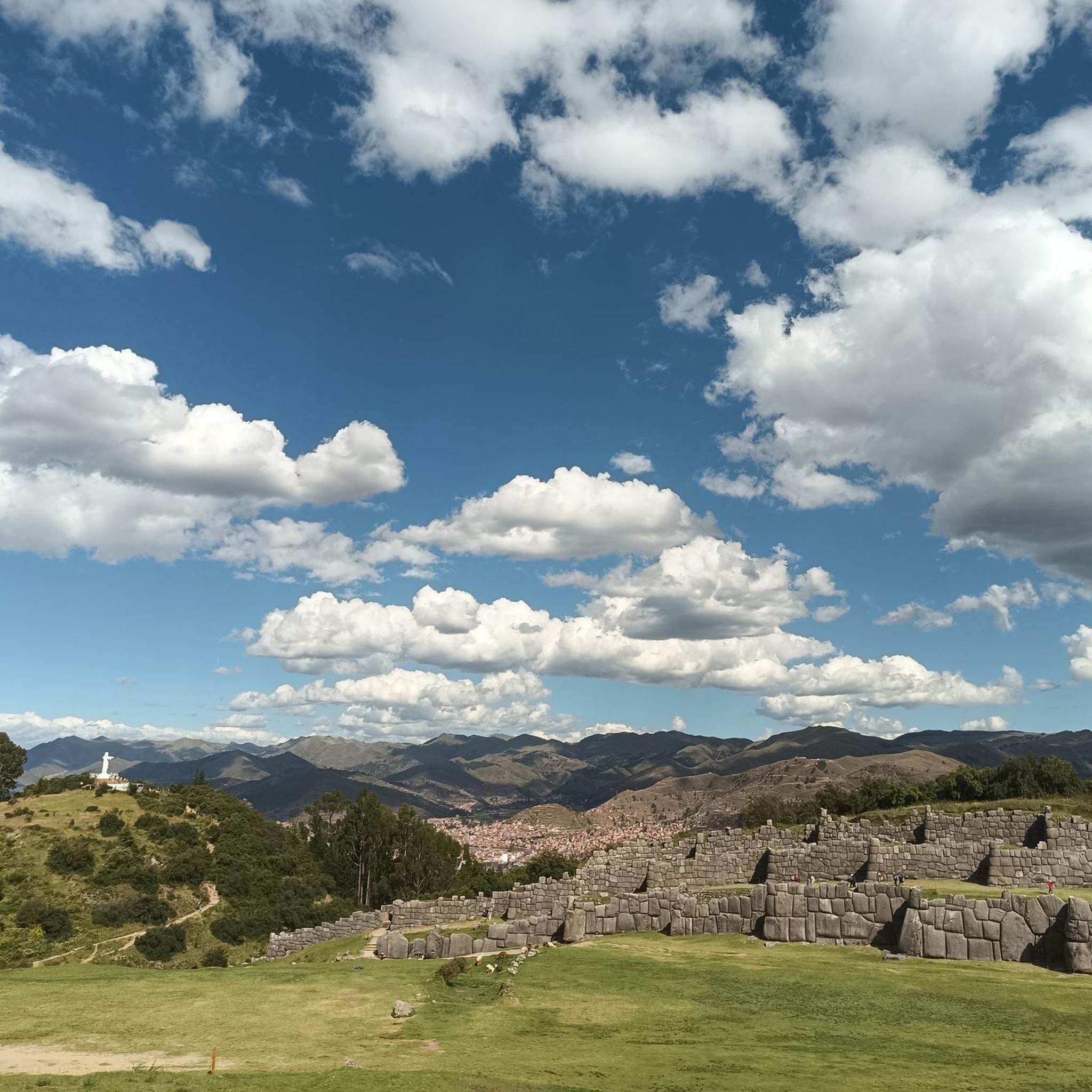
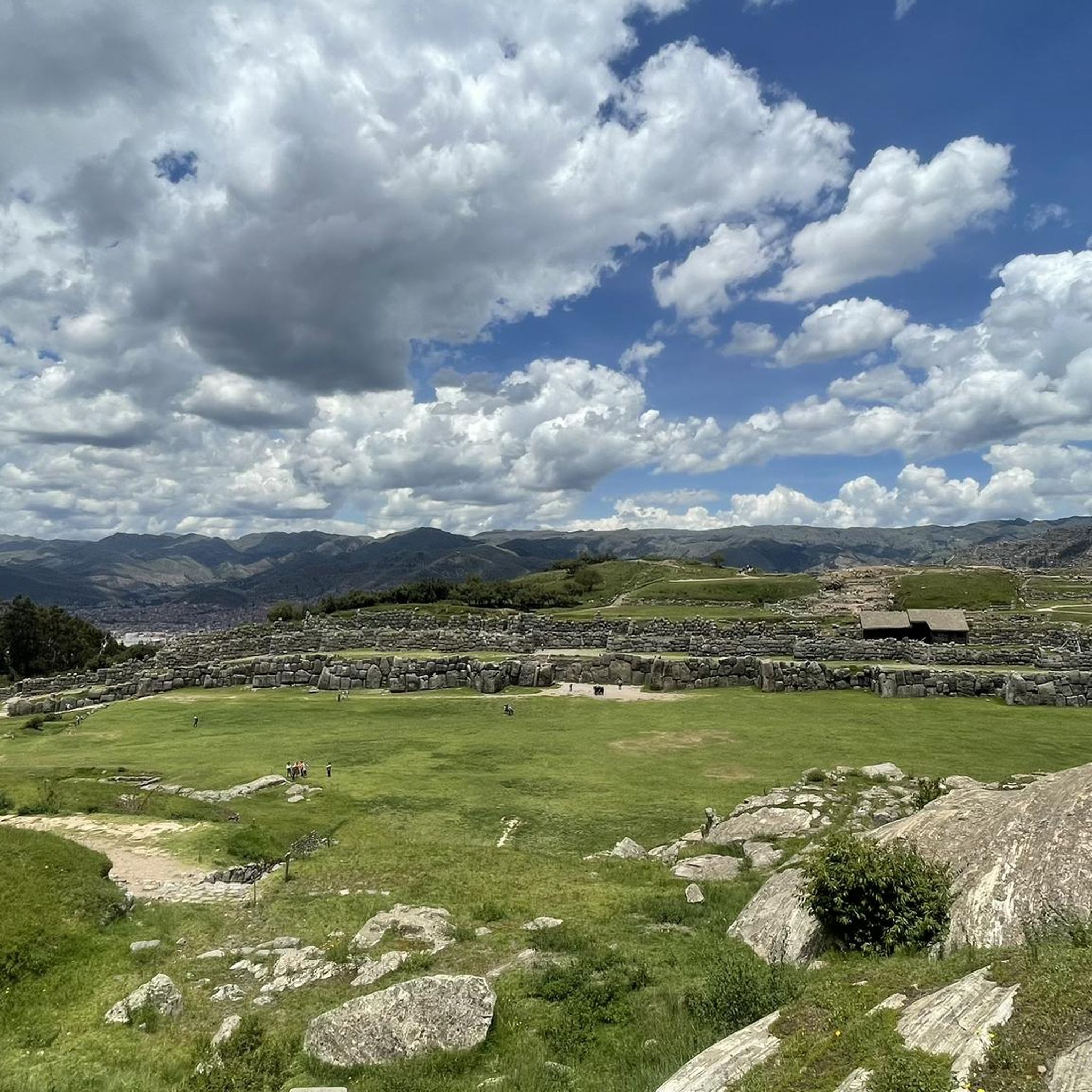
- The most popular jogging route is Saqsaywaman – Cristo Blanco loop from Wanchaq, an 8.7 miles (14.0 km) trail that takes 1 hour 36 minutes to complete, offering views of ancient Incan sites and the city.
- Another top favourite among local runners is Saqsaywaman loop from San Pedro, a moderate 5.0 miles (8.0 km) path that winds through historical areas and provides scenic overlooks.
- Local runners also love the Qurikancha – Saqsaywaman loop from Wanchaq, a 12.7 miles (20.4 km) trail leading through ancient Incan ruins and urban landscapes, often completed in about 2 hours 17 minutes.
- Jogging in Cusco is defined by ancient Incan trails, high-altitude plains, and Andean mountain backdrops. The network offers options for different ability levels, from moderate loops to more difficult, longer runs with significant elevation gain.
- The routes in Cusco are highly rated by the komoot community with an average score of 4.0 stars from over 10 reviews. More than 100 runners have used komoot to explore Cusco's varied terrain.
Last updated: July 11, 2026
4.6
(5)
64
runners
13.1km
01:31
340m
340m
Hard run. Very good fitness required. Mostly paved surfaces. Suitable for all skill levels.
4.0
(1)
39
runners
7.96km
00:55
240m
240m
Moderate run. Good fitness required. Mostly paved surfaces. Suitable for all skill levels.

Sign up for free
3.7
(3)
15
runners
20.4km
02:18
470m
470m
Hard run. Very good fitness required. Mostly paved surfaces. Suitable for all skill levels.
5.0
(1)
11
runners
16.3km
02:05
470m
470m
Hard run. Very good fitness required. Mostly paved surfaces. Suitable for all skill levels.
3.0
(2)
12
runners
19.0km
02:16
530m
530m
Hard run. Very good fitness required. Mostly paved surfaces. Suitable for all skill levels.
Get access to more routes and recommendations from other explorers.
Sign up for free
Already have an account?
Our route recommendations are based on thousands of hikes, rides, and runs completed by other people on komoot.
Start today with a free account
Your next adventure awaits.
Login or Signup
Other adventures in Cusco

Tips from the Community

The Temple of the Sun is one of the most impressive relics of the Inca culture and was built in honor of the sun god Inti. It was the spiritual and religious center of the Inca Empire. Today, the Qoricancha stands as a symbolic example of the fusion of Inca building culture and Spanish colonial architecture. The Qoricancha housed not only the Temple of the Sun, but also other sacred shrines for other deities. (Temple of the Moon Goddess, the Temple of Lightning, the Temple of the Rainbow, the Temple of Water, and others. All temples were clad in gold and adorned with precious stones. The Spaniards plundered the treasures and partially destroyed the temple to build a monastery on it. The monastery was repeatedly damaged by several earthquakes, but the walls of the Inca temple have remained undamaged, which speaks to the exceptional architecture. Even today, 15 monks still live here.
1
0

The archaeological site of Tambomachay was a place dedicated to water worship and served as a resting place for the Inca nobility. Even today, this archaeological site impresses all visitors with its complex hydraulic engineering.
3
0

A small but impressive facility.
1
0

A Quechua legend says about the effect of the three small watercourses: If you drink from the watercourse on the bottom right, you will become younger; if you drink from the watercourse on the bottom left, you will have twins; and the upper watercourse is said to have a blessing.
0
0

already crazy when you stand in front of it
1
0
The sculpture was a gift from the Arab-Palestinian colony in 1945. The work was created by the sculptor Francisco Olazo from Cusco. The materials used were granite, cedar, clay, iron and wire.
1
0
The Cristo Blanco is the most famous monument in the city of Cusco. It is a statue of Jesus Christ that reaches a height of 8 meters and raises its arms at the top of the city as a sign of protection.
0
0

Tambomachay is a water sanctuary about 8 kilometers north of Cusco. The former temple complex, located at an altitude of 3700 m, was an important water cult site in the Inca period, fed by an underground spring of unknown origin.
1
0
Frequently Asked Questions
What kind of terrain can I expect on running routes in Cusco?
Jogging in Cusco offers a diverse range of terrains, from ancient Incan trails and high-altitude plains to Andean mountain backdrops. You'll find routes traversing historical sites, agricultural landscapes, and areas with significant elevation changes. The region's high altitude, around 11,200 feet (3,400 meters), means that even moderate runs can be challenging and require acclimatization.
Are there any easy or beginner-friendly running trails in Cusco?
While many routes in Cusco involve significant elevation, there are options suitable for various abilities. For a moderate experience, consider the Saqsaywaman loop from San Pedro, which is about 5.0 miles (8.0 km) long and winds through historical areas with scenic overlooks. It's a great way to experience the local landscape without extreme difficulty.
What are some of the historical landmarks I can see while jogging in Cusco?
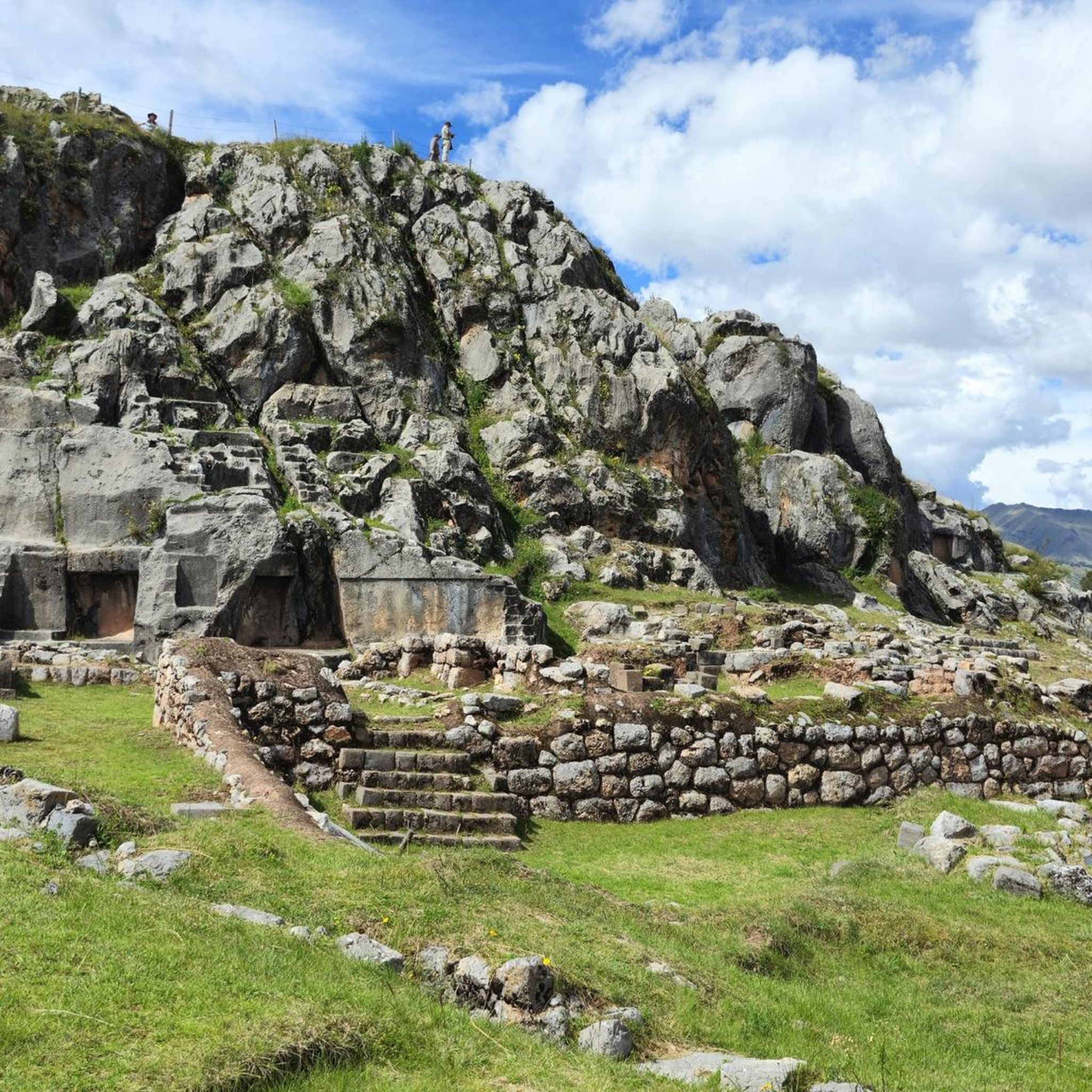
Many running routes in Cusco incorporate ancient Incan sites and historical landmarks. You can explore areas around Sacsayhuamán Archaeological Site, Tambomachay Water Temple, and Inca Sacrificial Altar (Q'enqo). Routes like the Saqsaywaman – Cristo Blanco loop from Wanchaq and the Qurikancha – Saqsaywaman loop from Wanchaq offer direct views and passages through these significant historical areas.
What do other runners say about the jogging routes in Cusco?
The running routes in Cusco are highly regarded by the komoot community, with an average score of 4.0 stars from over 10 reviews. More than 100 runners have used komoot to explore the varied terrain, often praising the unique combination of challenging high-altitude runs with breathtaking views of ancient Incan sites and the surrounding Andes mountains.
Are there any running routes that offer significant elevation gain for a more challenging workout?
Absolutely. Cusco is situated in the Andes, so many routes feature substantial elevation gain. For a challenging run, consider the Saqsaywaman – Tambomachay Water Temple loop from San Pedro, which covers 19.0 km (11.8 miles) with over 530 meters (1,740 feet) of ascent. Another demanding option is the White Christ – Qurikancha loop from San Pedro, offering similar elevation challenges over 16.3 km (10.1 miles).
What is the best time of year to go running in Cusco?
The dry season, typically from May to October, is generally considered the best time for running in Cusco. During these months, you can expect clearer skies and less rainfall, making for more pleasant trail conditions and better visibility of the stunning Andean landscapes. However, be prepared for cooler temperatures, especially at higher elevations, and always account for the high altitude.
Are there any circular running routes available in Cusco?
Yes, many of the popular running routes in Cusco are circular, allowing you to start and end in the same location. Examples include the Saqsaywaman – Cristo Blanco loop from Wanchaq, the Saqsaywaman loop from San Pedro, and the Qurikancha – Saqsaywaman loop from Wanchaq. These loops are convenient for exploring the area without needing to arrange return transport.
What should I know about running at high altitude in Cusco?
Cusco city itself is at an altitude of around 11,200 feet (3,400 meters), and many running routes go even higher. Acclimatization is crucial; it's recommended to spend a few days at altitude before attempting strenuous runs. Start with shorter, easier routes and gradually increase your distance and elevation. Stay hydrated and listen to your body to avoid altitude sickness.
Can I find any running routes that pass by natural features or scenic viewpoints?
Cusco's location in the Andes means most routes offer incredible natural scenery. You'll encounter dramatic mountain ranges, fertile valleys, and views of iconic peaks. While specific routes listed here focus on historical sites, the surrounding landscape provides a constant backdrop of natural beauty. The region is known for its vibrant Rainbow Mountains, serene Humantay Lagoon, and the vast Sacred Valley, all offering visually spectacular trails for those seeking more adventurous runs.
Are there any specific attractions or points of interest near the running trails in Cusco?
Beyond the Incan ruins directly on the trails, you'll find other significant attractions nearby. The Plaza de Armas of Cusco, the Cusco Cathedral, and Qorikancha (Temple of the Sun) are all within the city and can be easily accessed before or after your run. Many routes offer views of these urban landmarks as they weave through the city's periphery.
How many running routes are available in the Cusco region?
Komoot features a selection of 9 running routes in the Cusco region, offering a variety of distances and difficulties. These routes are carefully curated to showcase the best of Cusco's unique landscapes and historical sites, providing options for both moderate and more difficult runs.
Most popular routes in Cusco
Most popular attractions in Cusco

Get inspired with the komoot mobile app


Explore more
Browse the best Running Trails & Routes in other regions.
