The best walks and hikes around Brecon
4.4
(579)
3,902
hikers
74
hikes
Hiking around Brecon offers routes through the varied landscapes of the Bannau Brycheiniog National Park, characterized by rolling hills, river valleys, and canal towpaths. The region features diverse terrain, from gentle paths alongside the River Usk and Monmouthshire and Brecon Canal to ascents offering wide views. Geological formations of Old Red Sandstone contribute to the area's distinct hills and dramatic scenery.
Best hiking trails around Brecon
- The most popular hiking route is Brecon Canal and River Usk Loop, a…
Last updated: August 17, 2026
4.4
(25)
132
hikers
7.82km
02:00
40m
30m
Moderate hike. Good fitness required. Easily-accessible paths. Suitable for all skill levels.
3.7
(23)
91
hikers
8.57km
02:26
180m
180m
Moderate hike. Good fitness required. Easily-accessible paths. Suitable for all skill levels.

Sign up for free
4.7
(7)
116
hikers
16.8km
04:16
50m
50m
Moderate hike. Good fitness required. Easily-accessible paths. Suitable for all skill levels.
4.2
(13)
187
hikers
Easy hike. Great for any fitness level. Easily-accessible paths. Suitable for all skill levels.
4.8
(13)
56
hikers
4.59km
01:14
50m
50m
Easy hike. Great for any fitness level. Easily-accessible paths. Suitable for all skill levels.
Get access to more routes and recommendations from other explorers.
Sign up for free
Already have an account?
Our route recommendations are based on thousands of hikes, rides, and runs completed by other people on komoot.
Start today with a free account
Your next adventure awaits.
Login or Signup
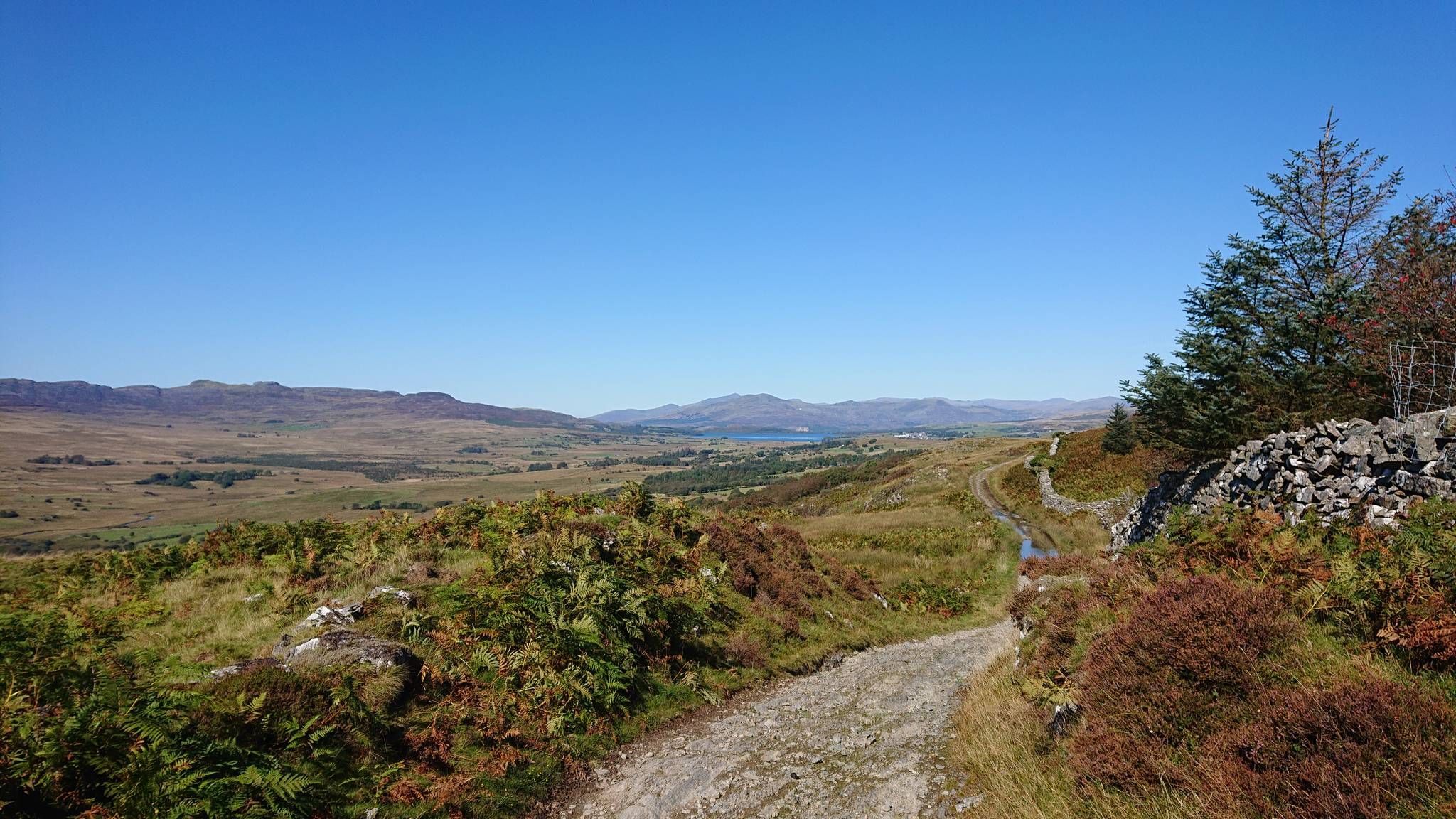
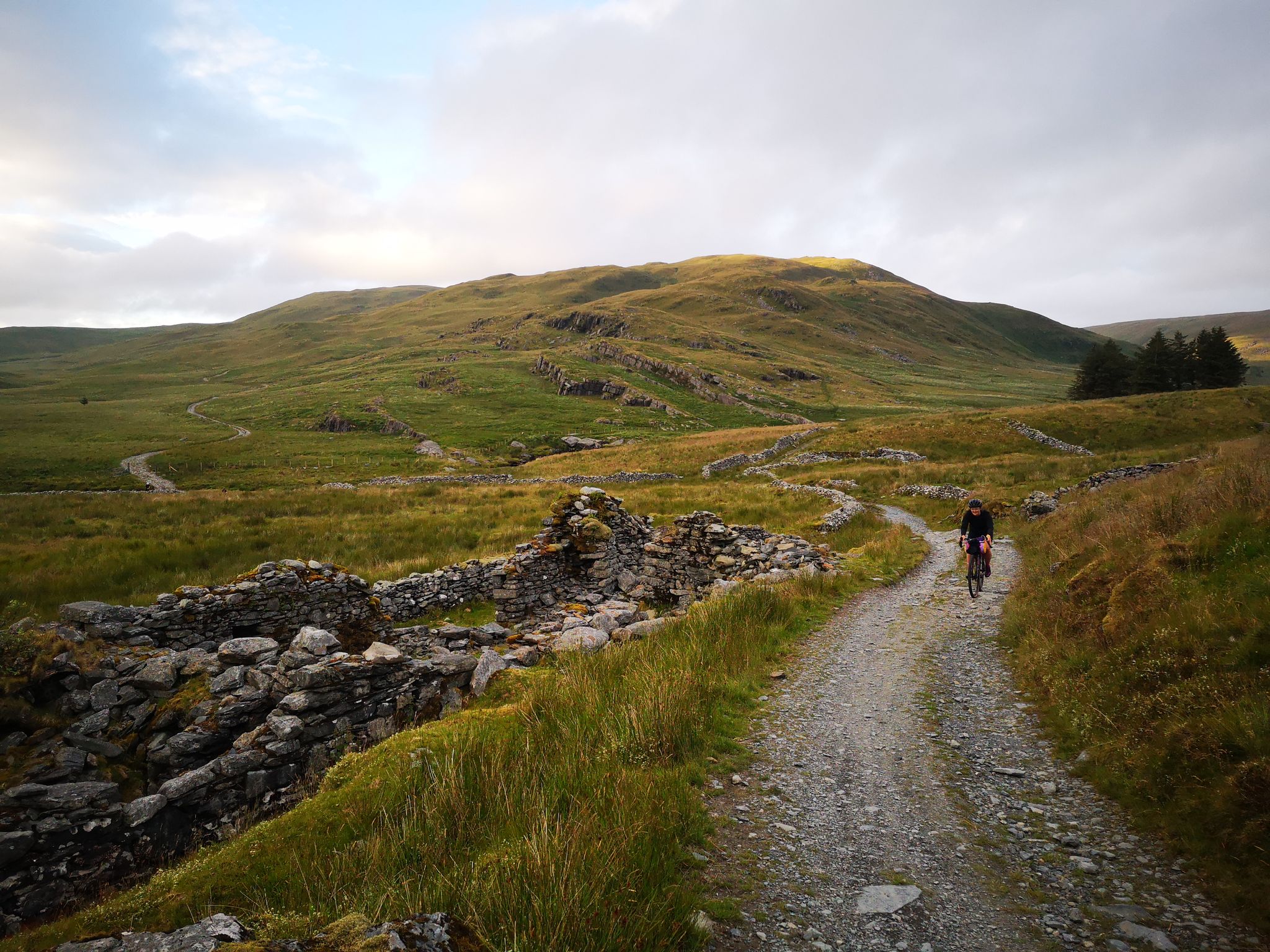
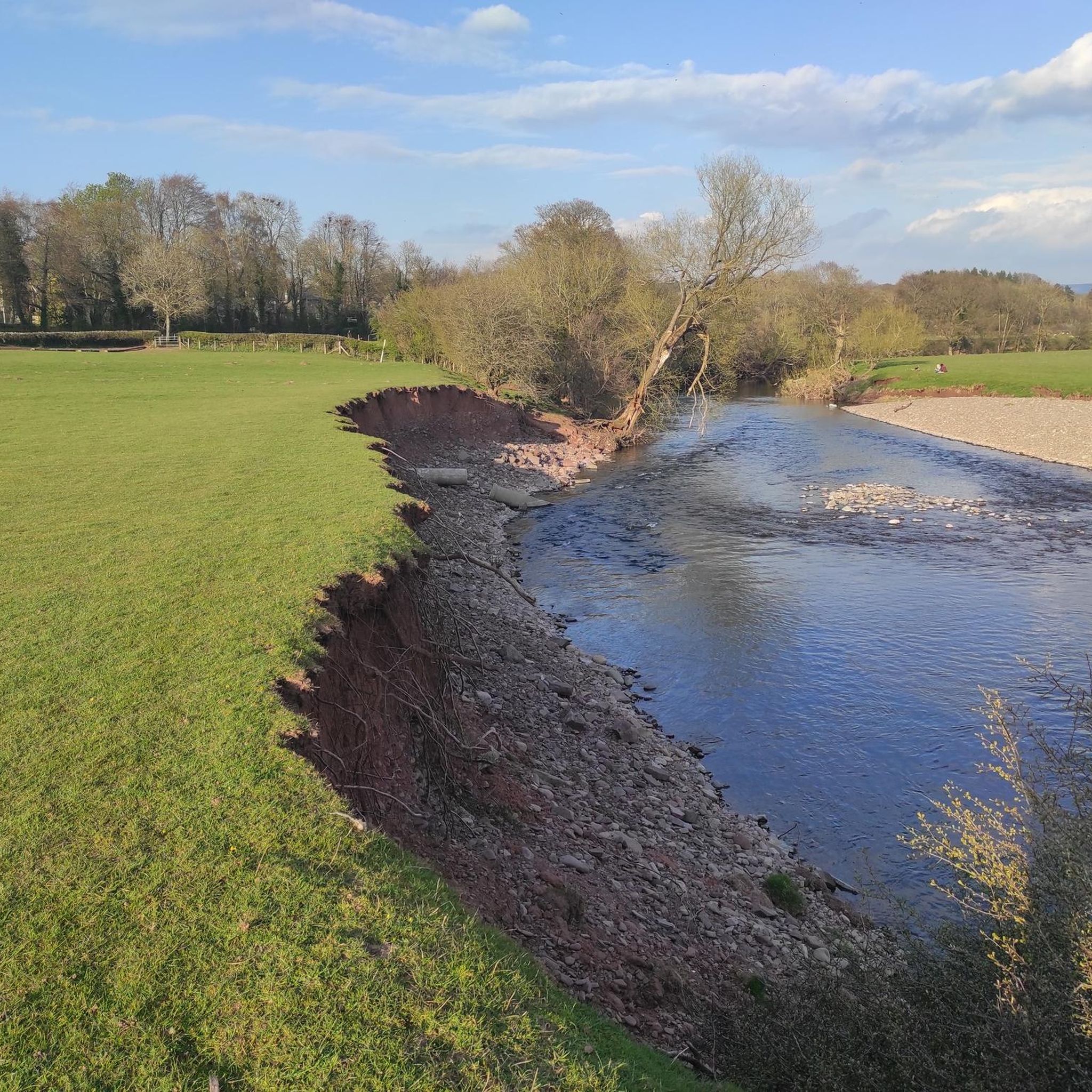
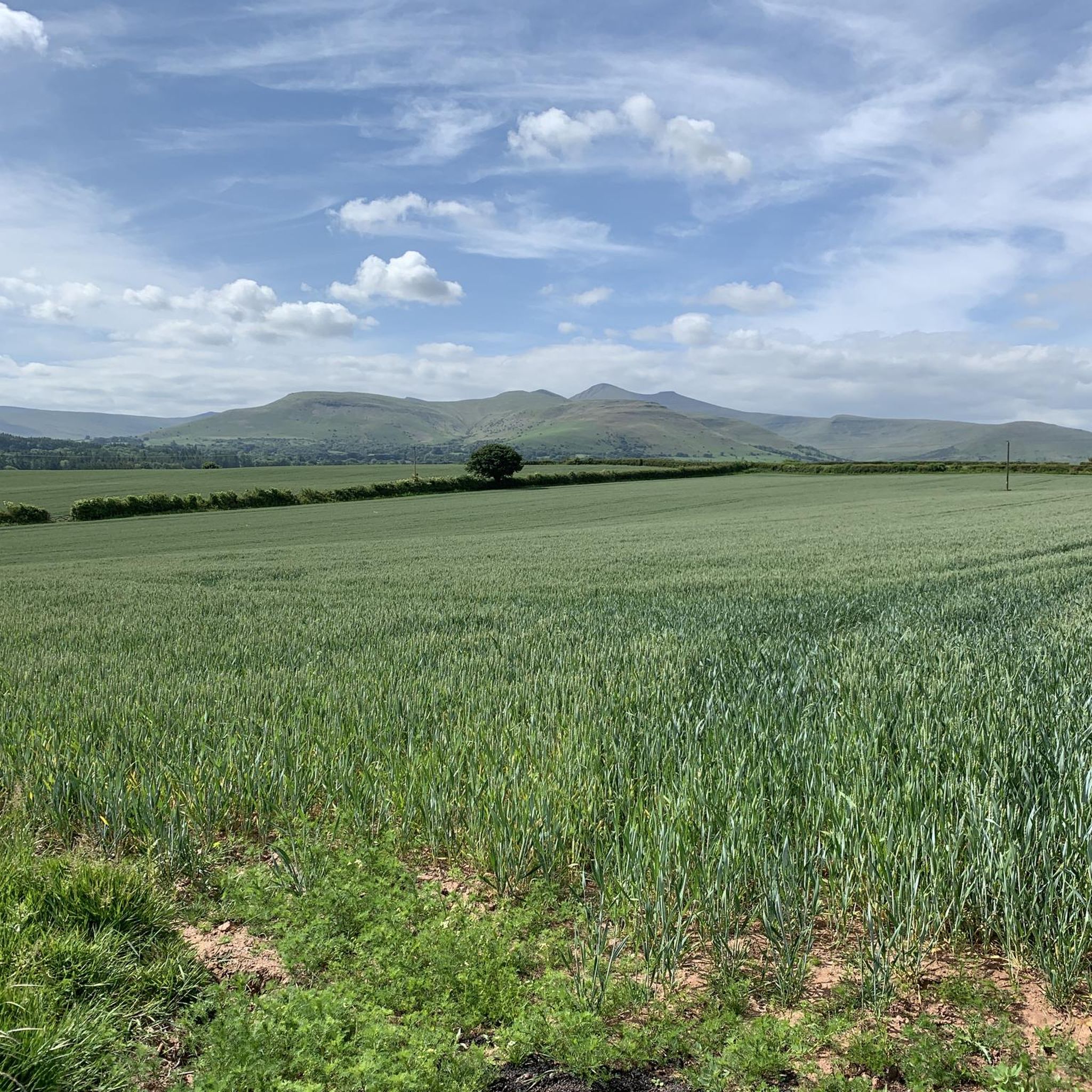


Tips from the Community

Very nice, friendly staff and exceptionally delicious cake! All of this with nice seating under old trees in front of the cathedral. Really very beautiful and highly recommended!
0
0

St. Mary's Church with café in the heart of Brecon
1
0

Brecon Castle, located in the town of Brecon in Wales, is a historic site with a rich heritage that dates back to the 11th century. Originally built as a wooden fort by the Normans after their invasion of Wales, it was later rebuilt in stone. Here are some key points about Brecon Castle: Historical Significance: Norman Foundation: The castle was originally constructed around 1093 by Bernard de Neufmarché as part of the Norman conquest of Wales. It served as a strategic military stronghold. Fortifications: Over the centuries, the castle underwent various modifications and expansions, with the addition of stone walls and towers to enhance its defensive capabilities. Role in Conflicts: Brecon Castle played a significant role in various conflicts, including the Welsh Wars and later during the English Civil War, when it was captured and fortified by Royalist forces. Ownership: The castle was granted to different noble families over the years and was used for both military and administrative purposes. Architectural Features: Stone Structure**: The castle features impressive stone walls, towers, and a gatehouse, reflecting medieval military architecture. Ruins**: While parts of the castle are in ruins today, the remaining structures give visitors a glimpse into its historical significance and architectural style. Modern Usage: Tourism**: Brecon Castle is a popular tourist attraction, drawing visitors interested in history and architecture. The site offers guided tours and information about its storied past. Hotel**: The castle has also been repurposed as a hotel, allowing guests to experience staying in a historic setting. Location: Brecon Castle is situated near the Brecon Beacons National Park, making it a convenient stop for visitors exploring the natural beauty of the area. Brecon Castle serves as a reminder of Wales' turbulent history and is an important heritage site that continues to attract interest for its historical and architectural value.
0
0

ideal for cycling, road bike would do it although gravel/mtb would be more comfortable. very popular with walkers so be aware
0
0

This structure is one of the largest canal aqueducts ever built in South Wales. Its four stone arches carry the Brecknock and Abergavenny Canal (later the Monmouthshire & Brecon Canal) across the Usk to enable boats to reach Brecon, on the north side of the river Brynich aqueduct was one of the last sections of the canal to be completed to take the canal into Brecon in 1801. The structure was designed by Thomas Dadford Junior and built by local contractors. The aqueduct is at right angles to the river, reducing its length to the minimum possible. This means that the canal, running parallel to the river, has to turn sharply on both approaches.
0
0

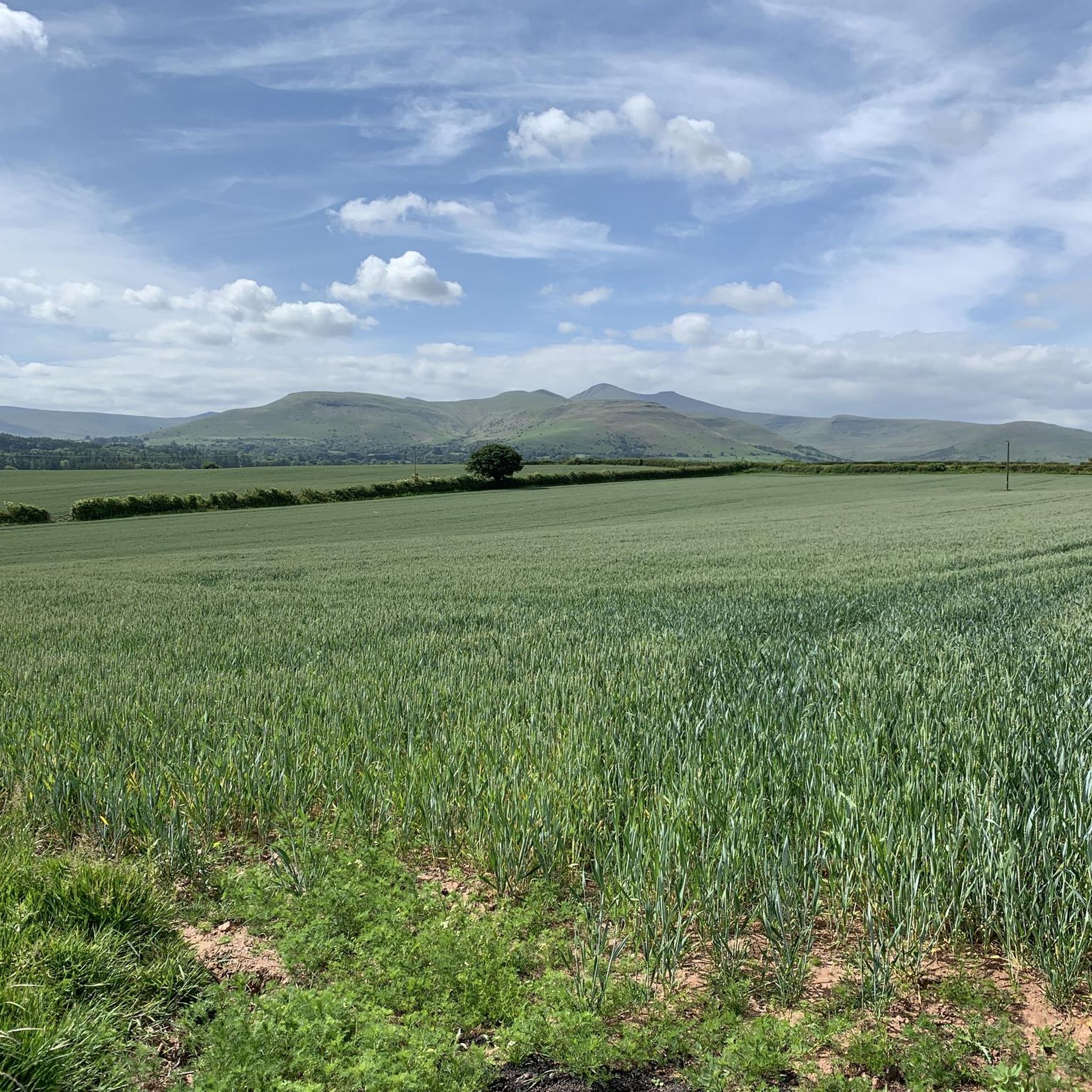
Beautiful views of Brecon town and the Brecon Beacons from impressive Pen y Crug iron-age hillfort
0
0
Amazing views of Brecon town and Brecon Beacons
0
0

Moderate trail depending on the distance, plenty to explore
0
2
Frequently Asked Questions
Are there many circular walks starting from Brecon?
Yes, the area is well-known for its variety of circular walks. While many routes follow the canal and river for a flat experience, you can also find trails that incorporate ascents to nearby viewpoints for more of a challenge. There are over 70 routes in total to explore around Brecon.
What are the best waterfall walks in the region?
The Brecon Beacons are famous for 'Waterfall Country'. A highly regarded area for this is the Four Falls Walk, which takes you to several stunning waterfalls, including one you can walk behind. For another spectacular sight, Henrhyd Falls is the tallest waterfall in South Wales and is also a popular choice for hikers.
Are there any easy, family-friendly hikes available?
Absolutely. There are over 40 easy-rated trails around Brecon, many of which are suitable for families. For a shorter, engaging walk, the Brecon Castle – Priory Groves loop is a great option. It's under 5 km and combines historical sights with pleasant riverside paths.
Can I bring my dog on the hiking trails?
Yes, dogs are welcome on most trails in the Bannau Brycheiniog National Park. However, this is a rural area with active farmland and free-roaming wildlife like sheep and Welsh ponies. It is essential to keep your dog under close control, and on a lead, especially during lambing season (typically March to May).
What should I pack for a hike in the Brecon Beacons?
The weather in the mountains can change very quickly. Always pack waterproof clothing (jacket and trousers), extra warm layers, sturdy hiking boots, and a hat and gloves. A map, compass, and a fully charged phone are essential for navigation. Also, be sure to carry enough water and food for your planned route.
What is the best time of year to go hiking around Brecon?
Hiking is possible year-round, but late spring to early autumn (May to September) generally offers the most pleasant weather with longer daylight hours. Summer brings lush green landscapes, while autumn provides beautiful colours. Winter hiking can be magical but requires extra preparation and experience to handle potential snow, ice, and shorter days.
Are there any challenging hikes for experienced walkers?
Yes, while this guide focuses on routes directly around the town of Brecon, the wider National Park offers numerous challenging mountain ascents. Hikes to the summits of Pen y Fan, Corn Du, and Cribyn via the horseshoe ridges are classic strenuous day walks that reward with incredible views.
How can I get to the trailheads using public transport?
Brecon town serves as a central hub for the National Park and has bus services connecting it to surrounding villages and key starting points. The T4 and T6 TrawsCymru bus services are particularly useful for reaching different parts of the park. It's always best to check the latest timetables before you travel.
What do other hikers say about the trails around Brecon?
The hiking routes around Brecon are highly rated by the komoot community, with an average score of 4.3 stars. Hikers often praise the variety of the landscape, from the peaceful Monmouthshire and Brecon Canal towpaths to the stunning views from the surrounding hills.
Are there any long-distance walking options in the area?
Yes, for those looking for a multi-day trek, The Beacons Way is a 99-mile (159 km) trail that crosses the entire national park from east to west. For a substantial day hike, the Brynich Aqueduct – Brecon Canal Basin loop offers a longer route of over 16 km, primarily following the scenic canal.
Where are the best viewpoints for panoramic photos?
For a fantastic view directly over the town of Brecon and the Usk Valley, the ascent to the Pen y Crug hill fort is highly recommended. On a clear day, you can see the major peaks of the Central Beacons. For views from the highest peaks themselves, the summits of Pen y Fan and the nearby Corn Du offer breathtaking 360-degree panoramas of the national park.
Most popular routes around Brecon
Most popular attractions around Brecon

Get inspired with the komoot mobile app


Explore more
Browse the best Hikes in other regions.
