The best road cycling routes around Hexhamshire
4.8
(92)
3,510
riders
224
rides
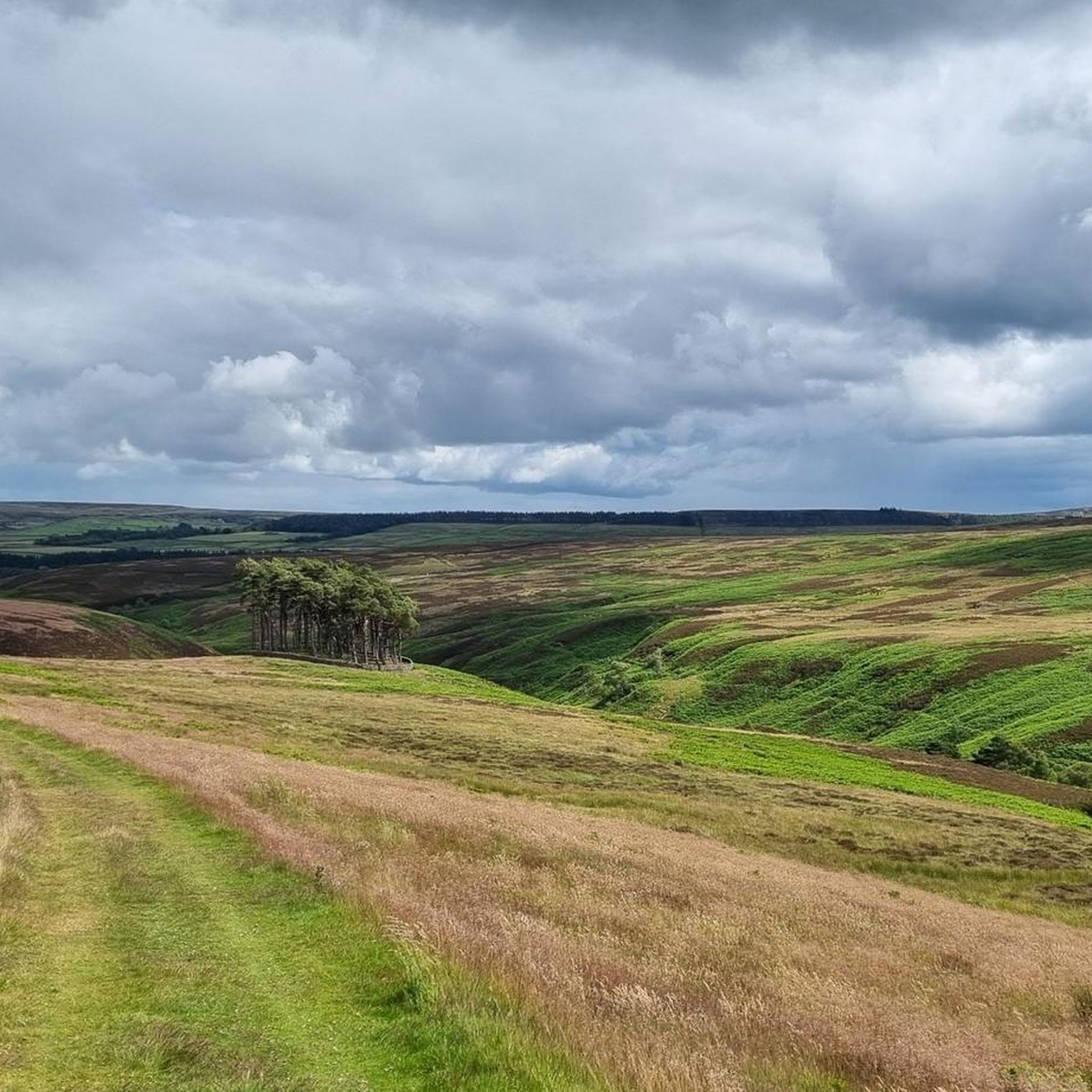
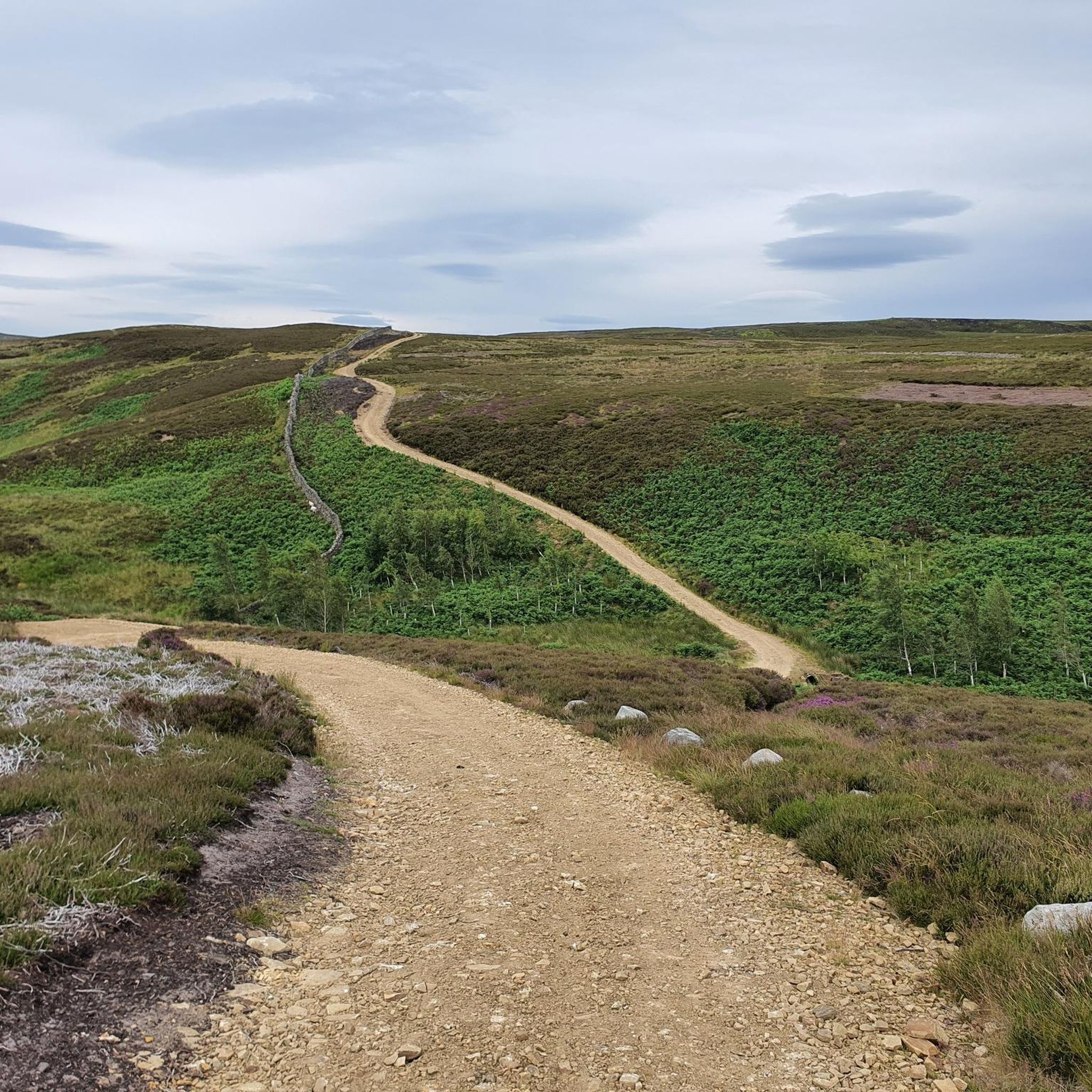
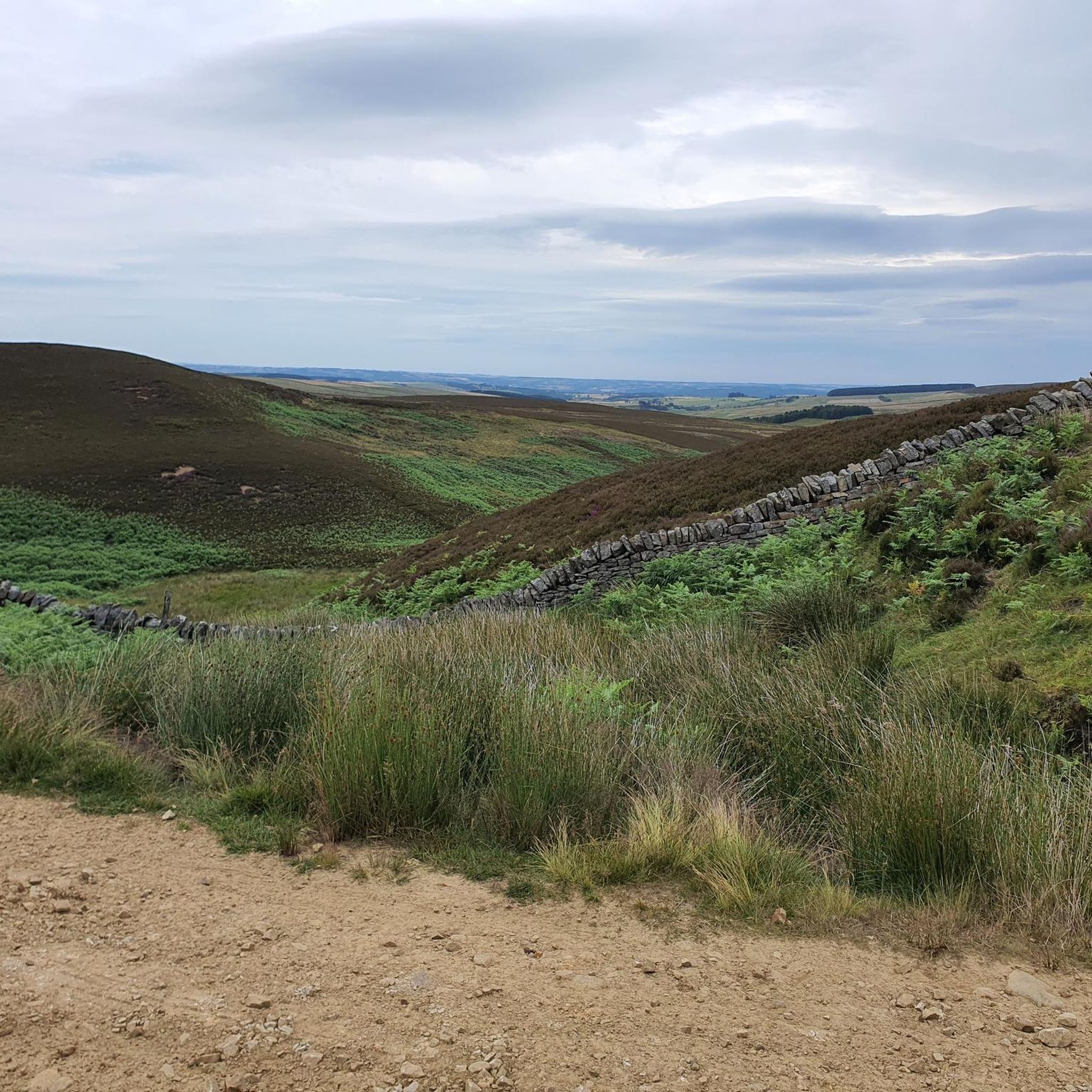
Road cycling around Hexhamshire offers diverse landscapes, from the rolling hills of the Tyne Valley to the upland moorland roads of the North Pennines. The region features quiet roads and varied terrain suitable for different cycling abilities. Cyclists can explore areas near the Northumberland National Park and along rivers like the Tyne. This area provides a network of routes that combine natural beauty with historical landmarks.
Best road cycling routes around Hexhamshire
- The most popular road cycling route is Beaufront…
Last updated: July 10, 2026
5.0
(1)
70
riders
16.6km
00:44
120m
120m
Easy road ride. Great for any fitness level. Mostly well-paved surfaces and easy to ride.
11
riders
Easy road ride. Great for any fitness level. Mostly well-paved surfaces and easy to ride.

Sign up for free
5.0
(1)
11
riders
28.9km
01:22
310m
310m
Moderate road ride. Good fitness required. Mostly well-paved surfaces and easy to ride.
5.0
(1)
10
riders
20.9km
01:08
280m
280m
Moderate road ride. Great for any fitness level. Some segments of this route may be unpaved and difficult to ride.
6
riders
18.2km
01:01
400m
400m
Moderate road ride. Good fitness required. Mostly well-paved surfaces and easy to ride.
Get access to more routes and recommendations from other explorers.
Sign up for free
Already have an account?
Our route recommendations are based on thousands of hikes, rides, and runs completed by other people on komoot.
Start today with a free account
Your next adventure awaits.
Login or Signup

Tips from the Community

Most people who pass by such a war memorial commemorating the victims will not have experienced the horrors of war firsthand. A dialogue invented by the writer Paul Harding might help. It is from a medieval detective novel, and the following exchange takes place: "Tell me, brother, when you went to war in France with your little brother, were you happy?" Athelstan felt his heart leap. "Of course." He smiled thinly. "I was young then. My blood was boiling, and I longed for great adventures." "And when you found your brother dead and cold as ice on the battlefield and returned to England... what was there?" Athelstan looked out into the courtyard; it was slowly getting dark. "In the Gospel, Sir John, Christ says that at the end of the world, the heavens will shake, and the planets will fall to earth in blazing fire." Athelstan closed his eyes. He felt Francis's spirit quite clearly. “When I found my brother dead in the field,” he continued, “it was as if heaven had fallen to earth for me.” (Source: “The House of the Red Butcher” by Paul Harding)
0
0

St. Andrew’s Church in Corbridge is one of the oldest and most historic churches in Northumberland, with roots dating back to 674 AD, when St. Wilfrid founded a monastery here. Although the original timber-framed building has disappeared, the current church still incorporates Roman stonework from the nearby Corstopitum Fort, including an impressive tower arch dating from around 150 AD. Saxon and Norman elements include a Saxon window, a Norman zigzag doorway, and a 13th-century chancel. Vicar’s Pele Tower: a 14th-century fortified tower house built with Roman stone, once a refuge from Scottish raids. King’s Oven: a communal bread oven dating from 1310, still visible on the site. Memorial Gate: commemorates 108 local men who died in WWI.
4
0
The Beaufront Castle Gatehouse is the gateway to the impressive Beaufront Castle, a Grade I listed manor house in Northumberland, near Hexham. Although the castle itself was built between 1836 and 1841 in the Castellated Gothic Revival style by architect John Dobson, the complex contains older elements such as a clock tower with a bell dating from 1694 and parts of a 17th-century house belonging to the Errington family. The gatehouse is believed to be part of this historic structure and served as both ceremonial and functional access to the estate. It stands on a site where a pele tower—a fortified tower house that was later incorporated into the manor house—was mentioned as early as 1415.
8
0
Hexham Abbey is one of England's oldest and most impressive churches. The abbey was originally founded in 674 AD by St. Wilfrid, using stones from nearby Roman ruins. The oldest part—the Saxon crypt—is still intact and represents a rare remnant of early Christian architecture. Inside, you'll find stained glass, the Roman tombstone of Flavinus, a 1st-century standard-bearer, an impressive Phelps organ from 1974, and a frith stool (Saxon bishop's chair). Admission to the abbey is free, with a small charge for the crypt.
9
0
About the patron saint of this church: Saint Andrew is one of the twelve apostles whom Jesus Christ called to follow him. However, in the biblical accounts, he is often somewhat overshadowed by his far more famous brother, Saint Peter. In the Gospels, we find the calling of the two siblings portrayed in different ways. According to the Gospel of John (John 1:40-42), Andrew is called first (together with another unnamed disciple). Later, he tells his brother that he has found the Messiah. The feast of Saint Andrew in the calendar of saints is November 30th in all major Christian denominations. The X-shaped white "St. Andrew's Cross," on which he was executed, forms the national flag of Scotland against a blue background and has also found its way onto the national flag of the United Kingdom of Great Britain.
4
0

St Andrew's Church stands on the north side of the Market Place in the centre of Corbridge. The main (but not the only) access to the churchyard is through the lych gate built in 1919 to serve as a memorial to those who lost their lives in the First World War, and from there a path leads towards the porch, surprisingly one of the most recent additions to the church, being built the year after the lych gate.
0
0

Chollerford Bridge spans the River North Tyne and provides wonderful views up and down the waterway. There is a footpath down to the river on the side without the traffic lights where you can go for a refreshing dip.
2
0
Hexham is a historic market town known for Hexham Abbey, its medieval architecture, historic buildings and scenic cobbled streets. It's a gateway to the North Pennines and Hadrian’s Wall, making a great starting points for hikes.
1
0
Frequently Asked Questions
What kind of terrain can I expect when road cycling in Hexhamshire?
Hexhamshire offers a diverse landscape for road cycling. You'll find gently rolling hills in the Tyne Valley, as well as more challenging upland moorland roads within the North Pennines. The region also features quiet rural roads and routes that pass near the Northumberland National Park and along rivers like the Tyne.
How many road cycling routes are available in Hexhamshire?
Hexhamshire boasts a wide selection of over 220 road cycling routes. These routes cater to various skill levels, with approximately 40 easy, 140 moderate, and 40 difficult options available.
Are there any easy road cycling routes suitable for beginners or a relaxed ride?
Yes, Hexhamshire has several easy road cycling routes. For a gentle ride exploring the town's historic center, consider the Hexham Abbey and the Abbey Grounds – Cobbled Street in Hexham loop from Hexham, which is about 7.5 miles long. Another easy option is the Beaufront Castle Gatehouse – Hexham Abbey loop from Hexham, covering 10.3 miles and passing historical landmarks.
What historical landmarks can I see along the road cycling routes?
Hexhamshire is rich in history. Many routes allow you to cycle near iconic sites like Hadrian's Wall. For example, the Hexham Abbey – Chesters Roman Fort loop from Hexham takes you through the historic Hadrian's Wall area. You can also visit the impressive Hexham Abbey, or explore the ancient Roman Vindolanda Fort and Museum (Roman Vindolanda Fort and Museum) which are accessible from various routes.
Are there any scenic viewpoints or natural attractions to discover?
Absolutely. The region offers beautiful natural features. You can cycle past the scenic Chollerford Bridge Over the River North Tyne, or enjoy views of the River Allen. The upland moorland roads of the North Pennines also provide dramatic, unspoiled landscapes and panoramic views.
What do other road cyclists think about the routes in Hexhamshire?
The road cycling routes in Hexhamshire are highly regarded by the komoot community, holding an average rating of 4.8 stars from over 80 reviews. Cyclists often praise the quiet rural roads, the variety of terrain, and the opportunity to combine cycling with exploring historical sites.
Are there any long-distance cycling networks that pass through Hexhamshire?
Yes, Hexhamshire is integrated into significant long-distance cycling networks. You can access sections of the Hadrian's Cycleway (National Cycle Route 72), which spans coast to coast, and the Pennine Cycleway, offering routes through the dramatic North Pennines.
What is the best time of year to go road cycling in Hexhamshire?
The best time for road cycling in Hexhamshire is generally from spring through autumn when the weather is milder and more predictable. The diverse landscapes, from rolling hills to moorland roads, are particularly beautiful during these seasons. Always check local weather forecasts before heading out, especially when planning rides in higher elevations.
Are there challenging routes for experienced road cyclists?
Yes, for experienced road cyclists seeking a challenge, Hexhamshire offers routes with significant elevation gain. The region's terrain includes upland moorland roads in the North Pennines, which provide demanding climbs and rewarding descents. An example of a challenging local loop is the Blanchland & Allendale route, known for its expert-level difficulty and over 40 miles of riding with substantial elevation.
Are there circular road cycling routes available?
Many of the road cycling routes in Hexhamshire are designed as circular loops, allowing you to start and finish in the same location. This includes popular options like the Beaufront Castle Gatehouse – Hexham Abbey loop from Hexham and the Hexham Abbey – Chesters Roman Fort loop from Hexham, making planning convenient.
Can I find routes that offer views of castles or other historic buildings?
Yes, Hexhamshire's routes often combine natural beauty with historical sights. The Langley Dam – View of Haydon Bridge loop from Langley Castle offers views of historic structures. Additionally, many routes pass by or near Hexham Abbey, a significant historical landmark in the town.
Most popular routes around Hexhamshire
Most popular attractions around Hexhamshire

Get inspired with the komoot mobile app


Explore more
Browse the best Road cycling routes in other regions.
