Attractions and Places To See around Bywell - Top 20
Best attractions and places to see around Bywell, a village situated on the north bank of the River Tyne, offer a blend of historical landmarks and natural features. The area is known for its tranquil setting and impressive historic buildings, including ancient churches and a castle. Visitors can explore a variety of sites that reflect the region's rich past and picturesque landscape.
Best attractions and places to see around Bywell
- The most popular attractions is Hagg Bank Bridge, a…
Last updated: August 13, 2026
Hagg Bank Bridge
Highlight • Bridge
Translated by Google •
Tip by

George Stephenson's Birthplace
Highlight • Monument
Translated by Google •
Tip by
Sign up now to discover places like this
Get recommendations on the best single tracks, peaks, & plenty of other exciting outdoor places.
Sign up for free
St Oswald's Church, Heavenfield
Highlight • Religious Site
Tip by

Stone Cross and Church in Matfen
Highlight • Bridge
Tip by

Hexham Abbey
Highlight • Religious Site
Tip by

Sign up for free to discover even more attractions around Bywell.
Sign up for free
Already have an account?
Start today with a free account
Your next adventure awaits.
Login or Signup

Tips from the Community

George Stephenson's birthplace is a simple stone worker's cottage on the north bank of the River Tyne in Wylam, built circa 1760 to house mining families, and where the future railway pioneer was born in 1781. A Grade II* listed building owned by the National Trust, it is now a historic house museum with original furnishings and displays about Stephenson's childhood and early locomotives, and is opened to visitors by costume guides who wish to experience the living conditions of a Georgian mining family.
10
0
Located close to Hadrian's Wall, the lovely village of Matfen is well worth spending some time in. This eighteenth-century planned estate village was originally established by the Blackett family. With a gently flowing stream, village green and attractive stone dwellings, Matfen is as unspoilt as it has ever been. Built some 200 years ago, the attractive, creeper-covered Black Bull Inn fronts the village green and has low beams and open fires.
6
0
The stone cross is a war memorial and an impressive monument in the form of a Celtic cross, erected in memory of local soldiers who died in the First (22) and Second World Wars (3). The 4.8-meter sandstone cross is richly decorated with symbolic patterns and inscriptions that convey deep respect and historical significance. It is a peaceful, reflective spot in the heart of the village, near Holy Trinity Church.
7
0

The Hagg Bank Bridge, also known as the Points Bridge or Half-Moon Bridge, is a Grade II* listed pedestrian bridge spanning the River Tyne at Wylam. It was originally built in 1876 as a railway bridge for the Scotswood, Newburn & Wylam Railway. W.G. Laws's design incorporated a 73-metre single rib arch with no piers in the river, an innovation at the time and likely inspiration for later bridges such as the Tyne Bridge and Sydney Harbour Bridge. Following the closure of the railway line in 1968, the bridge was reopened in 1975 as a walkway and cycle path linking Wylam with the Tyne Riverside Country Park.
8
0
Hexham Abbey is one of England's oldest and most impressive churches. The abbey was originally founded in 674 AD by St. Wilfrid, using stones from nearby Roman ruins. The oldest part—the Saxon crypt—is still intact and represents a rare remnant of early Christian architecture. Inside, you'll find stained glass, the Roman tombstone of Flavinus, a 1st-century standard-bearer, an impressive Phelps organ from 1974, and a frith stool (Saxon bishop's chair). Admission to the abbey is free, with a small charge for the crypt.
9
0

Beautiful village and lovely cafe except they would not allow me ot charge my electric bike battery and it is a long way to Bellingham. There is no cafe in the town before Matfen too (Stamfordham) but there is a pub that might be cooperative.
0
1

To understand why this rather modest-looking house remains an attractive destination for visitors to Wylam to this day, we must go back a few centuries in history. To be precise, to June 9, 1781. On that day, a baby named George Stephenson was born here – of course, no one at the time could have imagined that this man would later become an engineer and a railway pioneer famous beyond the borders of the British Isles. A picture of his famous locomotive, the "Rocket," can be found at the following link on Wikipedia =>> https://de.wikipedia.org/wiki/George_Stephenson#/media/Datei:Stephenson's_Rocket.jpg
3
0
Frequently Asked Questions
What historical landmarks can I explore in Bywell?
Bywell is rich in history. You can see the impressive fortified gatehouse of the 15th-century Bywell Castle from the roadside, and visit the ancient St. Andrew's Church, known for its Saxon tower, or St. Peter's Church, which dates back to the 9th century. Don't miss the 13th-century Medieval Market Cross near the road.
Are there any natural features or scenic viewpoints around Bywell?
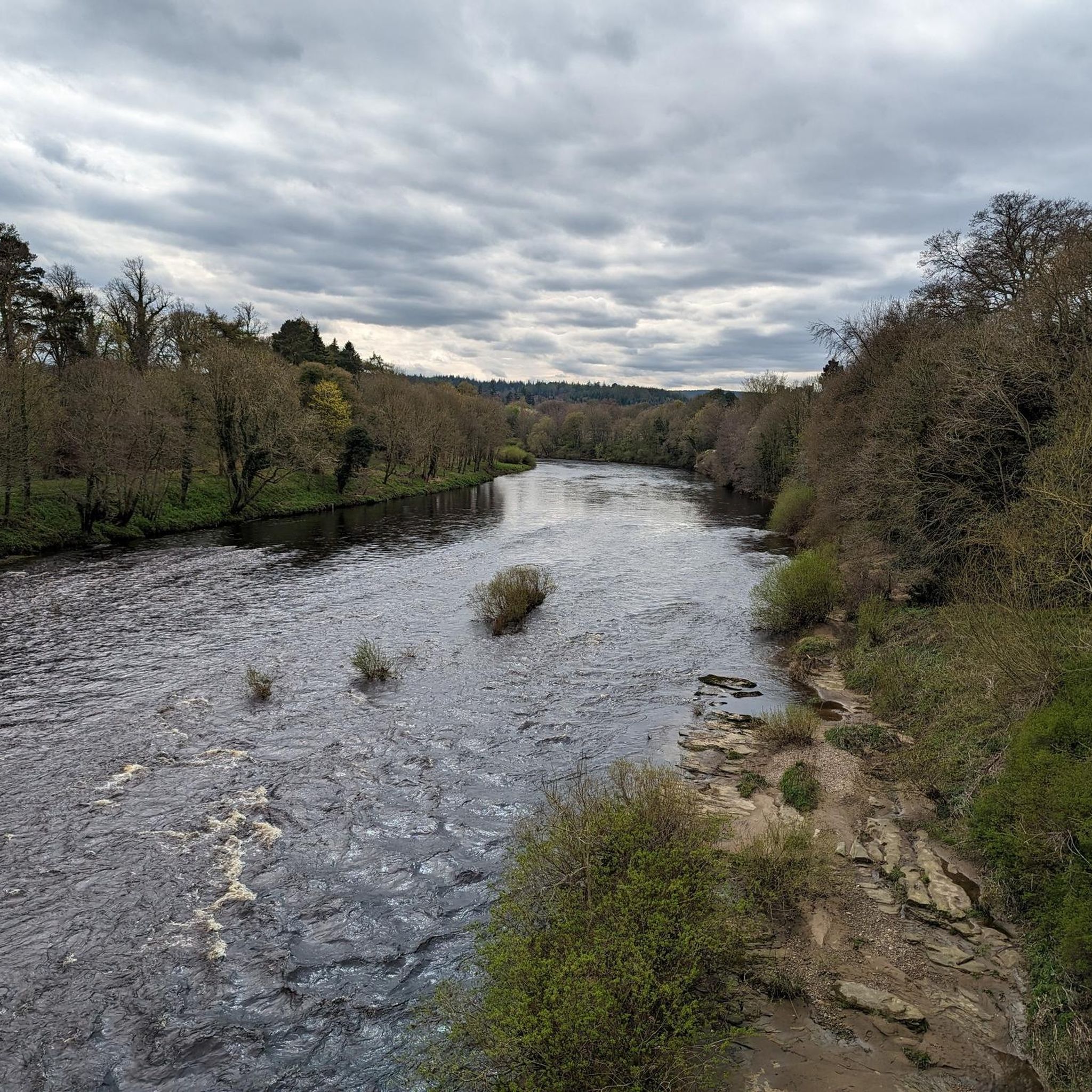
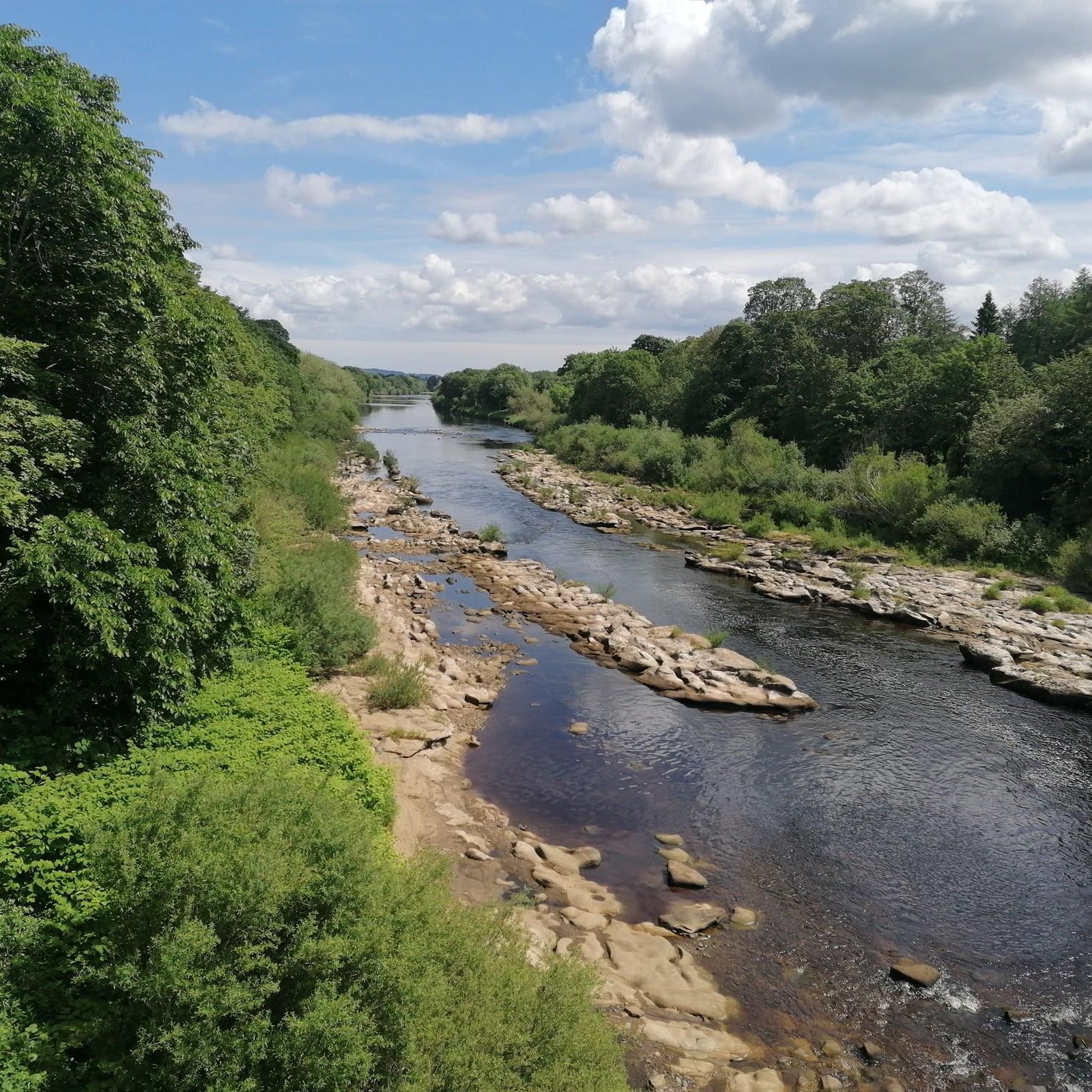
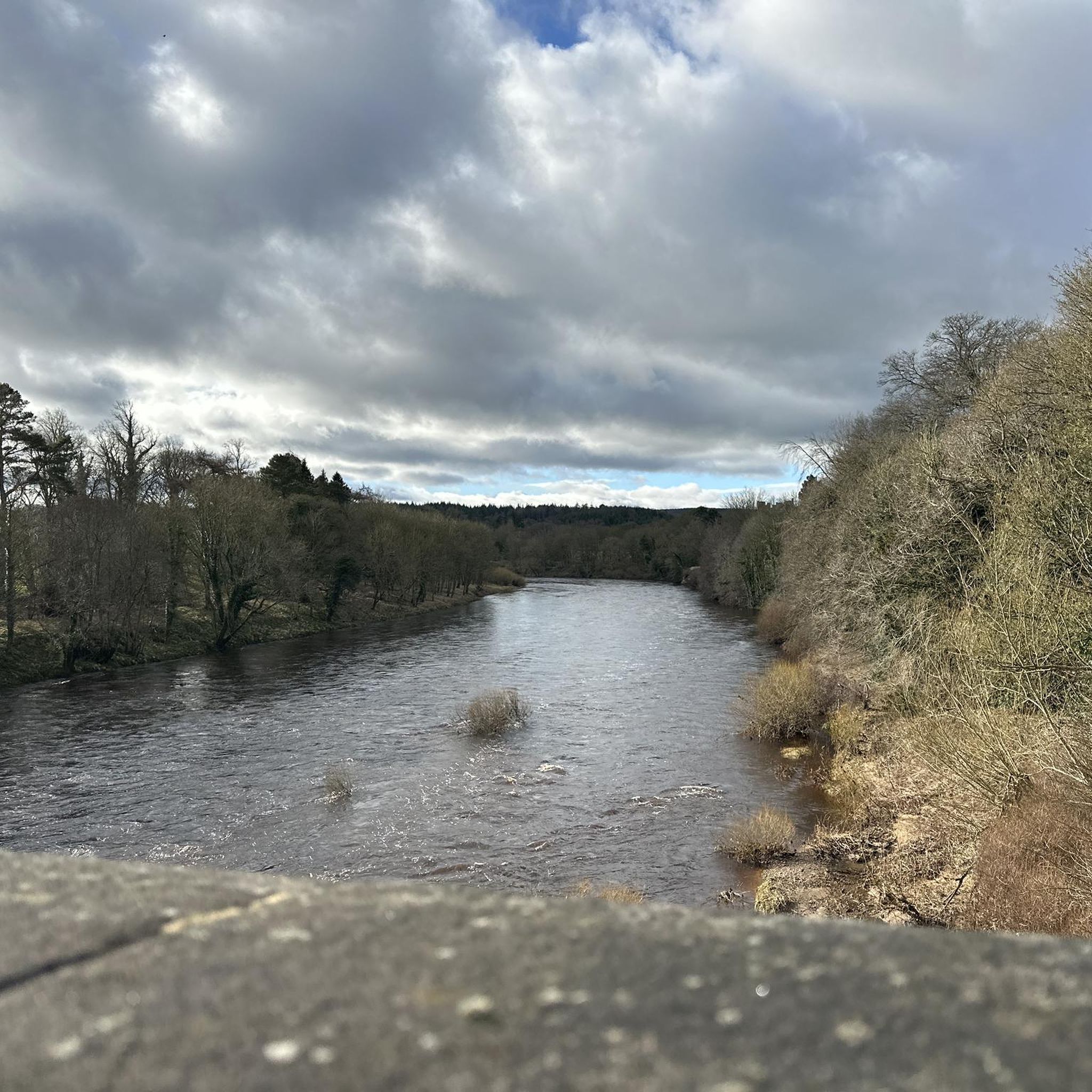
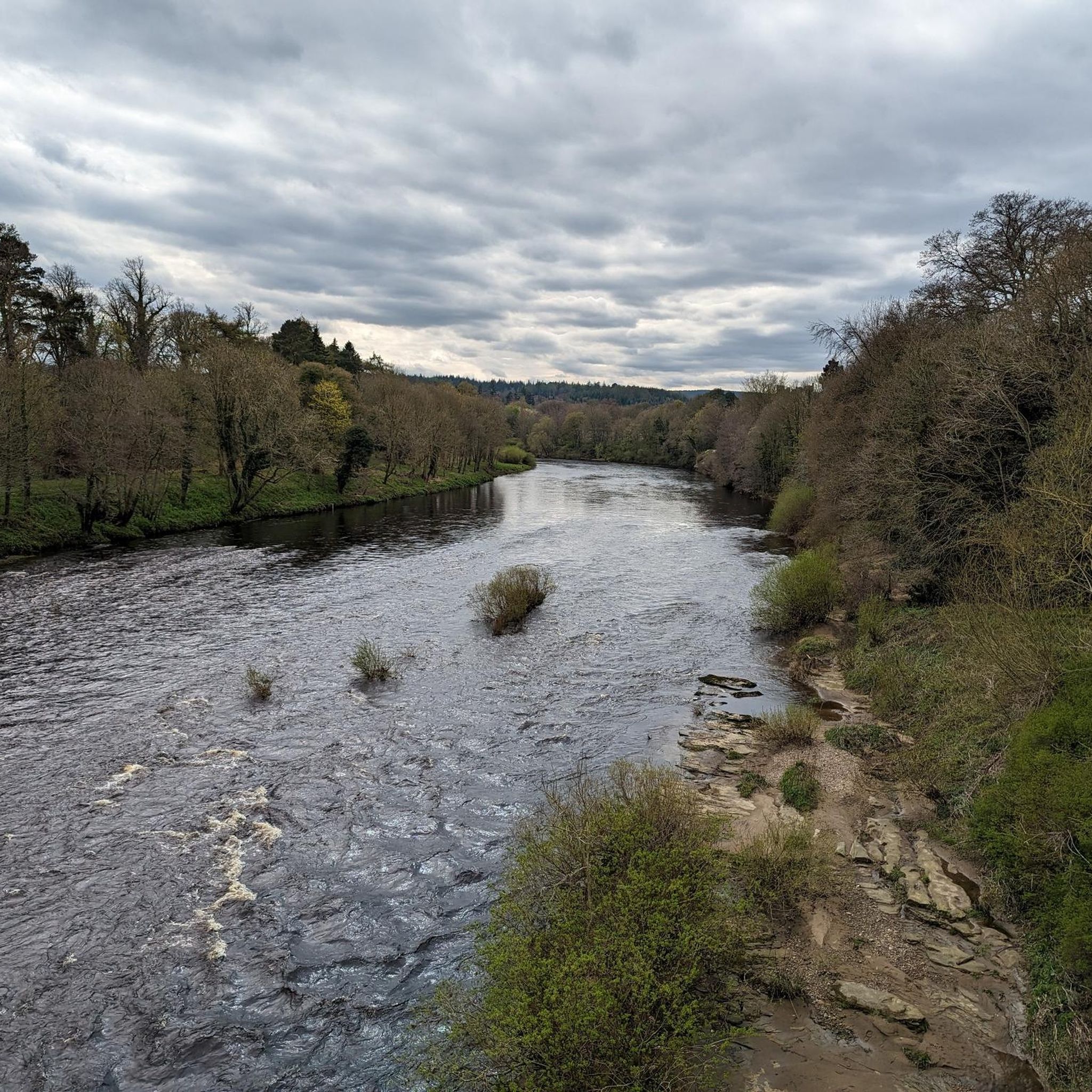
Yes, Bywell is situated on the north bank of the River Tyne, offering a serene natural backdrop. The village itself is known for its tranquil setting. For a notable viewpoint, consider visiting Hagg Bank Bridge, which offers excellent views of the River Tyne and is a popular spot for photos.
What kind of outdoor activities can I do near Bywell?
The area around Bywell is excellent for outdoor activities, especially hiking and cycling. You can find a variety of routes, from easy walks like the 'Old Carelgate Cart Track – Corbridge Bridge loop' to more moderate road cycling tours such as the 'Wylam railway station – View of Hagg Bank Bridge loop'. For more detailed routes, explore the hiking around Bywell guide or the road cycling routes around Bywell guide.
Are there family-friendly attractions in and around Bywell?
Absolutely. Several attractions are suitable for families, including Hagg Bank Bridge, which is a walkway and cycle path. George Stephenson's Birthplace, a historic house museum, offers an engaging look into the past. Additionally, St Oswald's Church, Heavenfield, and Stone Cross and Church in Matfen are also considered family-friendly.
What is the best time of year to visit Bywell?
The spring and summer months are particularly pleasant for visiting Bywell, especially if you wish to experience the guided tours offered at Bywell Hall. The tranquil village setting and outdoor attractions are also best enjoyed in milder weather.
Are there any places of worship or religious sites to visit?
Bywell features two significant ancient churches: St. Andrew's Church, known for its Saxon tower, and St. Peter's Church, which may have served an early monastery. Nearby, St Oswald's Church, Heavenfield, marks an important site in early northern Christianity, and Hexham Abbey, one of England's oldest and most impressive churches, is also within a reasonable distance.
Can I visit Bywell Hall?
Bywell Hall is a privately owned Georgian mansion. It offers guided tours on specific dates during the spring and summer, showcasing its paintings, furniture, ceramics, and silver. For specific dates and booking information, you can check the Historic Houses website.
What are some interesting facts about the bridges in the Bywell area?
The area boasts several interesting bridges. Bywell Bridge, a handsome stone structure from 1838, replaced an earlier bridge destroyed by a flood. Further afield, Hagg Bank Bridge, originally a railway bridge from 1876, is now a popular walkway and cycle path, noted for its innovative single rib arch design.
Are there any attractions related to industrial heritage nearby?
Yes, a significant site of industrial heritage is George Stephenson's Birthplace in Wylam. This simple stone worker's cottage, where the railway pioneer was born in 1781, is now a historic house museum with original furnishings and displays about his early life and locomotives.
What is the significance of Matfen village near Bywell?
Matfen is a charming planned estate village known for its attractive stone dwellings and village green. It features the Stone Cross and Church, with the stone cross serving as an impressive war memorial. The village also has the attractive Black Bull Inn, making it a pleasant stop.
What do visitors particularly enjoy about the attractions around Bywell?
Visitors frequently appreciate the historical significance and tranquil atmosphere of the area. Highlights like Hagg Bank Bridge are praised for their scenic views and role in cycling routes. The historical depth of sites like George Stephenson's Birthplace and the ancient churches also receive high regard for their preservation and insight into the past.
Are there any Roman sites or connections near Bywell?
While Bywell itself is more focused on Saxon and medieval history, the wider region has strong Roman connections. Hexham Abbey, for example, was originally founded using stones from nearby Roman ruins. Corbridge Roman Town is also within a reasonable distance for those interested in Roman history.
Most popular attractions around Bywell

Get inspired with the komoot mobile app


Explore more
Still not found the Highlight you’re looking for? See guides of the top attractions in other regions:
