The 8 Most Amazing Peaks around Nußloch
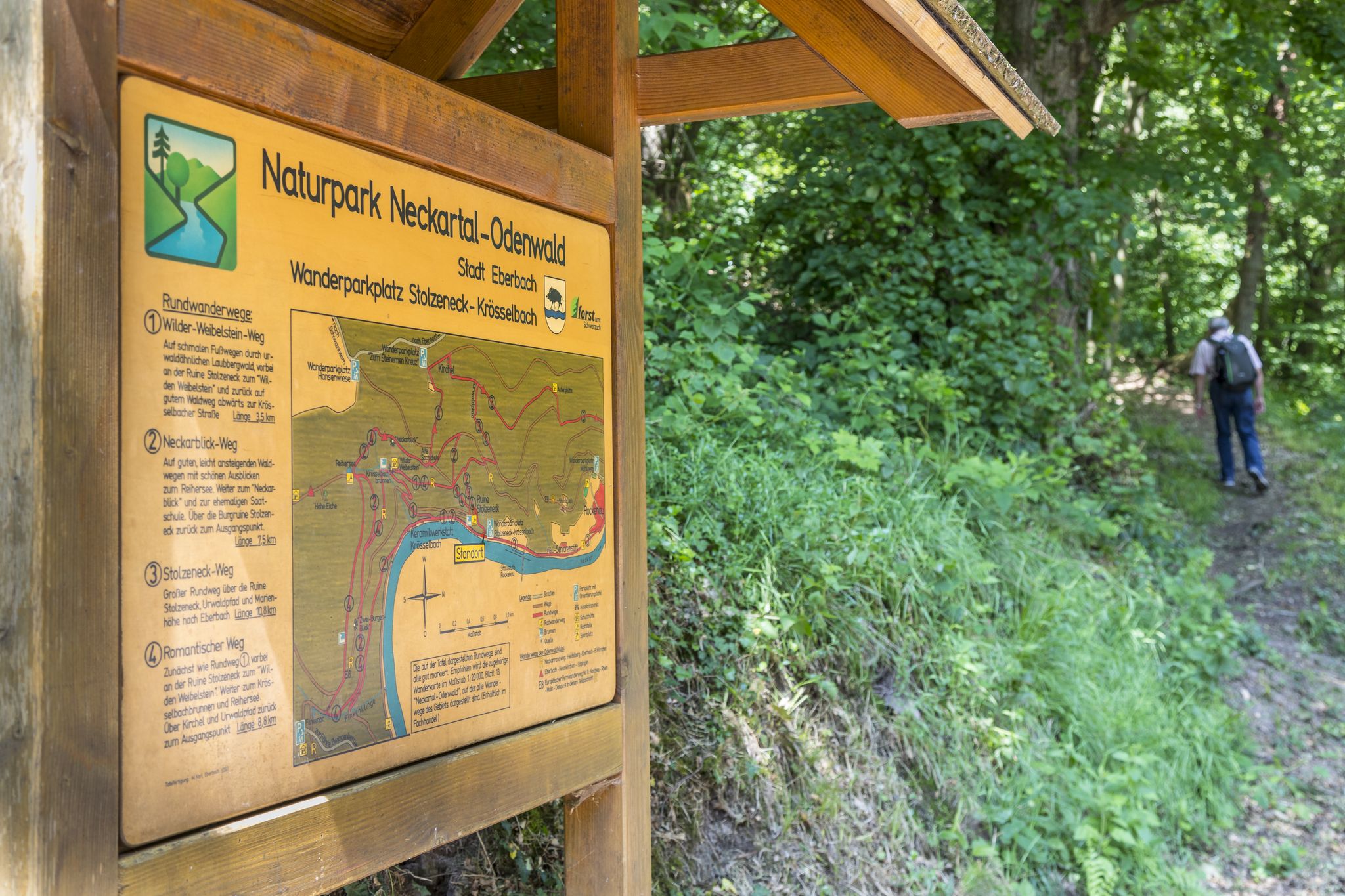
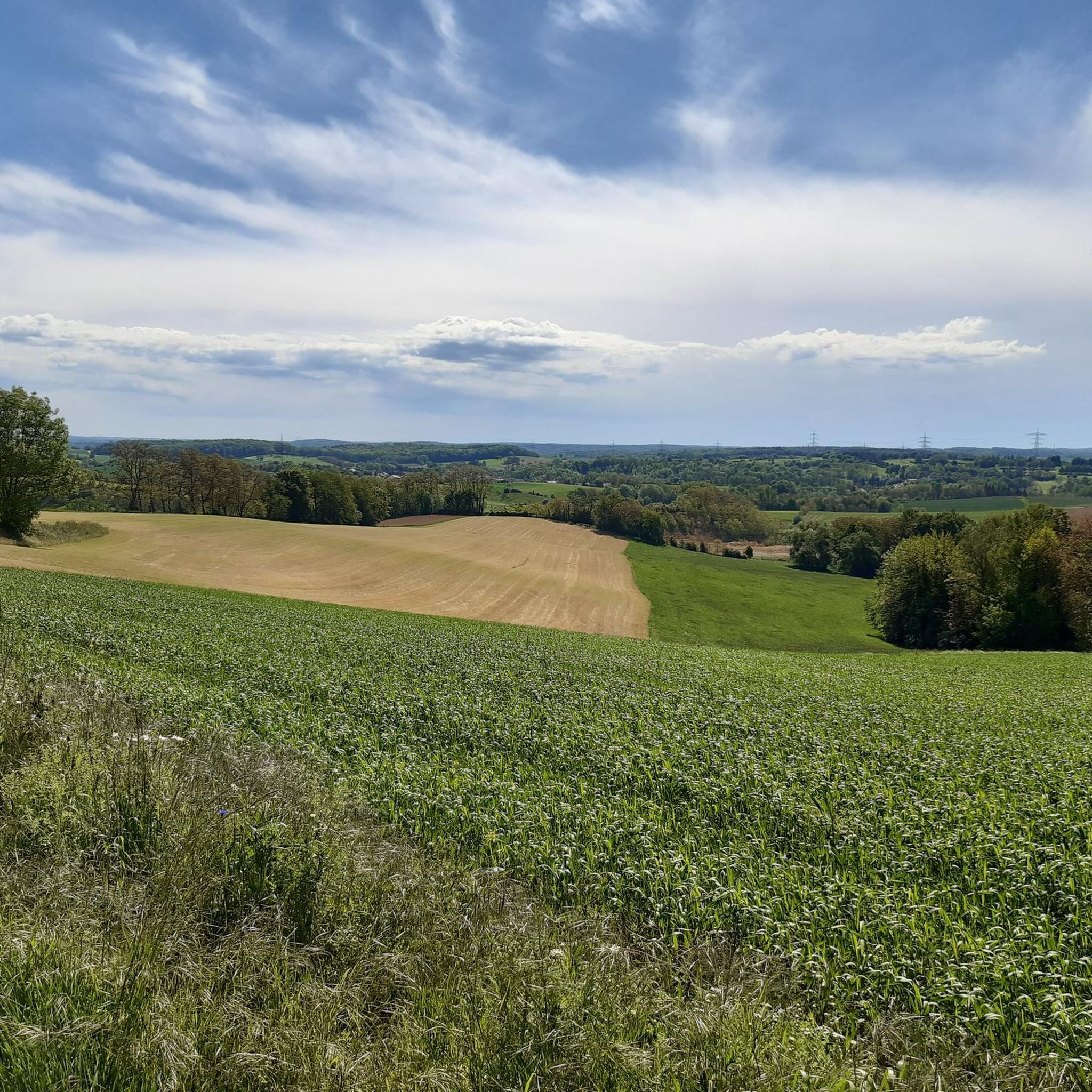
Mountain peaks around Nußloch are situated within the Rhein-Neckar-Kreis of Baden-Württemberg, Germany. The municipality's elevation ranges from 102 meters to 332 meters, providing access to elevated areas within the Neckartal-Odenwald Nature Park. This region offers various hiking trails that lead to viewpoints and historical sites. Nußloch serves as a starting point for exploring the natural beauty of the surrounding forests and meadows.
Best mountain peaks around Nußloch
- The most popular mountain peaks is Heidelberg Königstuhl Funicular Railway, a man-made…
Last updated: July 6, 2026
Heidelberg Königstuhl Funicular Railway
Highlight • Structure
Translated by Google •
Tip by

View of Heidelberg and the Rhine Valley from the Königstuhl
Highlight • Viewpoint
Translated by Google •
Tip by

Sign up now to discover places like this
Get recommendations on the best single tracks, peaks, & plenty of other exciting outdoor places.
Sign up for free
Posseltlust Tower
Highlight • Viewpoint
There is a hiking car park, which can be used as a starting point …
Translated by Google •
Tip by

Gaisberg Tower
Highlight • Viewpoint
Translated by Google •
Tip by
Inner Gate of the Celtic Ring Wall, Heiligenberg
Highlight • Historical Site
Let's leave it at that 😉
Translated by Google •
Tip by

Sign up for free to discover even more peaks around Nußloch.
Sign up for free
Already have an account?
Start today with a free account
Your next adventure awaits.
Login or Signup


Tips from the Community

Great historical insight
0
0

On the Heiligenberg near Heidelberg there are the remains of two Celtic ring walls that were built concentrically around the top of the hill. Both structures now only remain as ramparts. The oldest finds (Bandkeramik) and the earliest traces of settlement on the Heiligenberg plateau date from around 5500 - 5000 BC, from the Neolithic period. There are also traces of settlement from more recent times, such as the late Bronze Age. In the 5th century BC (Hallstatt or early La Tène period) a Celtic settlement was built on the mountain, which was subsequently fortified with a post-slot wall around five metres high (presumably to protect it against advancing Germanic tribes). This wall later collapsed and is now only recognizable in the area as a ring wall around 2050m long. It surrounded the center of the hilltop settlement, with who knows how many dozens or even hundreds of houses, huts and stables. Much lower along the mountain slope, at intervals of 110 to 180 meters, ran the outer ring wall, about 3010 meters long, which is probably younger. It enclosed other dwellings, which can still be recognized today by small terraces in the slopes, especially on the north side of the mountain. The fortifications covered a total area of 53 hectares, making it one of the largest of its kind in Celtic Central Europe. Source: https://www.hikr.org/tour/post105048.html
2
0

The inner gate was built around 400 BC together with the fortifications built by the Celts to ward off Germanic tribes. Against this background, the stone men are a thorn in my side.
1
0

The view from up here is incredibly impressive.
4
0

An army of cairns watch out here
1
1

From the Thingstätte up to the monastery ruins you can see the wall, here you also meet many hikers.
0
0

The Gaisberg Tower in Heidelberg is a monument that stands at the transition from the small plateau of the high Gaisberg to the north-west slope. It was designed by the architect Fritz Seitz and built in 1876 by the Heidelberg Castle Association. Very nice to look at with a good view.
6
0
On the Heiligenberg near Heidelberg there are the remains of two Celtic ring walls that were built concentrically around the top of the hill. Both structures now only remain as ramparts.
4
2
Frequently Asked Questions
What are the most popular elevated viewpoints around Nußloch?
The most popular elevated viewpoint is the View of Heidelberg and the Rhine Valley from the Königstuhl, offering extensive panoramic views across the Rhine plain into the Palatinate. Other highly-rated spots include the Posseltlust Tower, known for its distant views and a large balcony, and the Gaisberg Tower, a quaint structure with a spiral staircase providing worthwhile vistas.
Are there family-friendly options for exploring the elevated areas near Nußloch?
Yes, the Heidelberg Königstuhl Funicular Railway offers a family-friendly way to reach the Königstuhl, providing great views without a demanding ascent. The Königstuhl itself has facilities and is a good spot for a break. Many of the trails in the Neckartal-Odenwald Nature Park are also suitable for families, though some ascents can be demanding.
What historical sites can be found on elevated points around Nußloch?
Beyond the Posseltlust Tower and Gaisberg Tower, which are historical structures themselves, you can explore the Inner Gate of the Celtic Ring Wall, Heiligenberg. This site features remains of ancient Celtic fortifications, offering a glimpse into the region's long history.
What is the best time of year to visit the mountain peaks and elevated areas near Nußloch?
Spring and autumn are particularly recommended for visiting the elevated areas around Nußloch. During these seasons, nature displays vibrant colors, and temperatures are pleasant for longer tours, especially for demanding ascents like the one to Königstuhl. The views are often clearest during these times.
What kind of hiking trails are available near Nußloch's elevated points?
Nußloch is a starting point for various hiking tours within the Neckartal-Odenwald Nature Park. You'll find trails that lead to viewpoints, historical sites, and through forests and meadows. While some ascents, like to the Königstuhl, can be demanding, there are also easier routes. For more detailed hiking options, you can explore the hiking guide for Nußloch.
Are there cycling opportunities near the elevated areas of Nußloch?
Yes, the region around Nußloch offers various cycling routes. For touring cyclists, options like the 'Walldorf Glider Airfield – Lutheran Bridge loop' or the 'Südsteinbruchweg Trail – View of the quarry loop' are available. Road cyclists can find routes such as the 'Karl Gate, Neckargemünd – View of Heidelberg Castle loop'. Mountain biking enthusiasts can explore trails like the 'Berg Brewery – Gaisbergstraße bicycle street loop'. You can find more details in the cycling guide for Nußloch, the road cycling guide, and the MTB trails guide.
What natural features can I expect to see when exploring the elevated areas?
The elevated areas around Nußloch are part of the Neckartal-Odenwald Nature Park, characterized by diverse natural beauty. You'll encounter extensive forests, open meadows, and trails along the edge of the Rhine valley offering deep views into the valley. While the original 'Dicke Buche' (Thick Beech) on Hirschberg is no longer standing, its trunk and stump remain as a testament to the area's forest history.
What do visitors enjoy most about the elevated points around Nußloch?
Visitors particularly appreciate the spectacular panoramic views, especially from the Königstuhl, which offers vistas across the Rhine plain. The historical significance of sites like the Celtic Ring Wall and the unique architecture of towers like the Gaisberg Tower are also highly valued. The overall natural beauty and the variety of hiking opportunities are frequently praised.
Are there facilities or places to rest near the main viewpoints?
Yes, for instance, near the View of Heidelberg and the Rhine Valley from the Königstuhl, there's a snack bar and seating available to strengthen and refuel while enjoying the view. The Heidelberg Königstuhl Funicular Railway station also has a kiosk and seats for a break.
How accessible are the elevated areas around Nußloch by public transport?
Some elevated points are accessible by public transport. For example, the Posseltlust Tower has a bus stop nearby (line 39), making it a convenient starting point for tours. The Heidelberg Königstuhl Funicular Railway also provides easy access to the Königstuhl.
What is the elevation range of the area around Nußloch?
The municipality of Nußloch itself has an elevation range from 102 meters to 332 meters. However, the surrounding Neckartal-Odenwald Nature Park includes higher elevated areas, such as the Königstuhl, which is described as the highest mountain in the Odenwald, offering significant ascents and panoramic views.
Most popular routes around Nußloch
Most popular attractions around Nußloch

Get inspired with the komoot mobile app


Explore more
See even more amazing summits around Nußloch with these guides:
