Top 10 Castles around Linlithgow And Linlithgow Bridge
Best castles around Linlithgow And Linlithgow Bridge offer a journey through Scottish history, situated between Edinburgh and Stirling. This region is home to historically significant sites, including royal residences and formidable fortresses. Visitors can explore a variety of architectural styles and learn about Scotland's past. The area's natural landscape, including Linlithgow Loch and the Firth of Forth, provides scenic backdrops for these historical landmarks.
Best castles around Linlithgow And Linlithgow Bridge
- The most popular castles is Blackness Castle, a castle that is perched right on the shore of the Firth of Forth. Its distinctive ship-like appearance and history as a state prison make it a notable historical site.
- Another must-see spot is Callendar House, a castle set in the historic designed landscape of Callendar Park. Visitors can explore permanent displays covering centuries of history, including the Antonine Wall, and enjoy an excellent café.
- Visitors also love Linlithgow Palace, a historical site known as the birthplace of Mary Queen of Scots. This royal palace offers a glimpse into the domestic life of Scottish royalty and provides panoramic views from its towers.
- Linlithgow And Linlithgow Bridge is known for royal palaces, formidable fortresses, and stately homes. These sites offer diverse historical experiences, from exploring royal residences to understanding military strongholds.
- The castles around Linlithgow And Linlithgow Bridge are appreciated by the komoot community. With 85 upvotes and 57 photos, these sites offer diverse historical experiences.
Last updated: July 3, 2026
Blackness Castle
Highlight • Castle
Just like many other historical buildings in this part of Scotland, it has featured in the popular TV series Outlander.
Visit the castle to find out more about the history of the powerful Crichton family, this stronghold built for war and kept as a noble residence for the family.
Check out more at historicenvironment.scot/visit-a-place/places/blackness-castle
Tip by

Callendar House
Highlight • Castle
Callendar House dates from the 14th century. It is set in the nationally-important historic designed landscape of Callendar Park, which also contains a section of the Antonine Wall World Heritage Site.
The House's permanent displays are The Story of Callendar House, a history covering the 11th to the 19th centuries, The Antonine Wall, Rome's Northern Frontier, and Falkirk: Crucible of Revolution 1750-1850, tells how the local area was transformed during the first century of the industrial era.
In the restored 1825 Kitchen, costumed interpreters create an exciting interactive experience with samples of early-19th century food providing added taste to stories of working life in a large household.
Tip by

Sign up now to discover places like this
Get recommendations on the best single tracks, peaks, & plenty of other exciting outdoor places.
Sign up for free
Linlithgow Palace
Highlight • Castle
Tip by

Culross Palace and the Historic Village
Highlight • Historical Site
Explore the beautiful refurbished palace with its decorative painted ceilings and furnishings of the period. Behind the palace is the restored 17th century garden, complete with herbs, vegetables and fruit trees.
The Town House, once the legal and commercial centre of Culross, is also open to visitors as is the Study, where Bishop Leighton of Dunblane reputedly composed his sermons.
Tip by
Bessie Bar Steps
Highlight • Trail
Tip by
Sign up for free to discover even more castles around Linlithgow And Linlithgow Bridge.
Sign up for free
Already have an account?
Start today with a free account
Your next adventure awaits.
Login or Signup
Popular around Linlithgow And Linlithgow Bridge
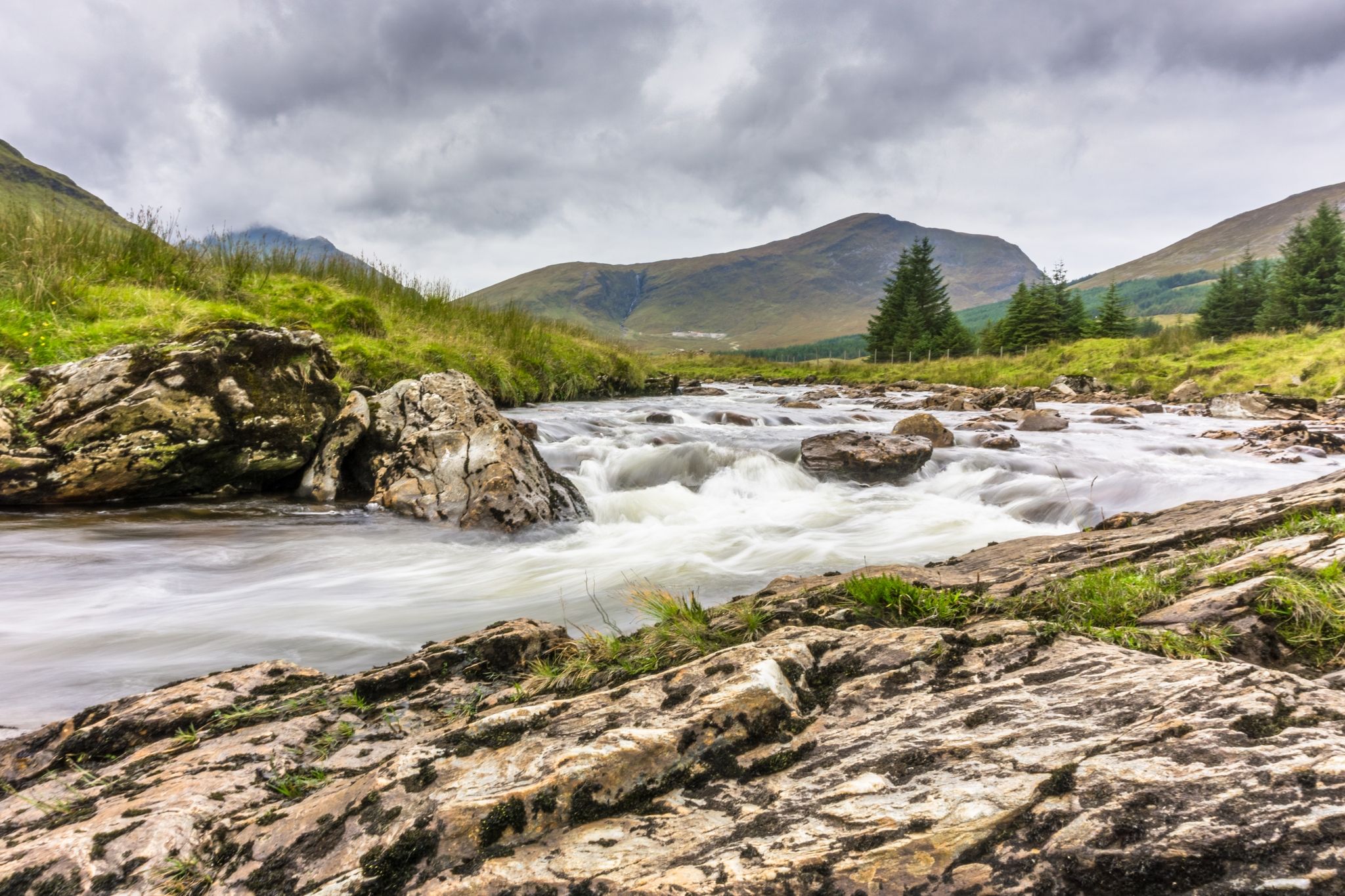
7 hikes in the lush landscapes of Scotland
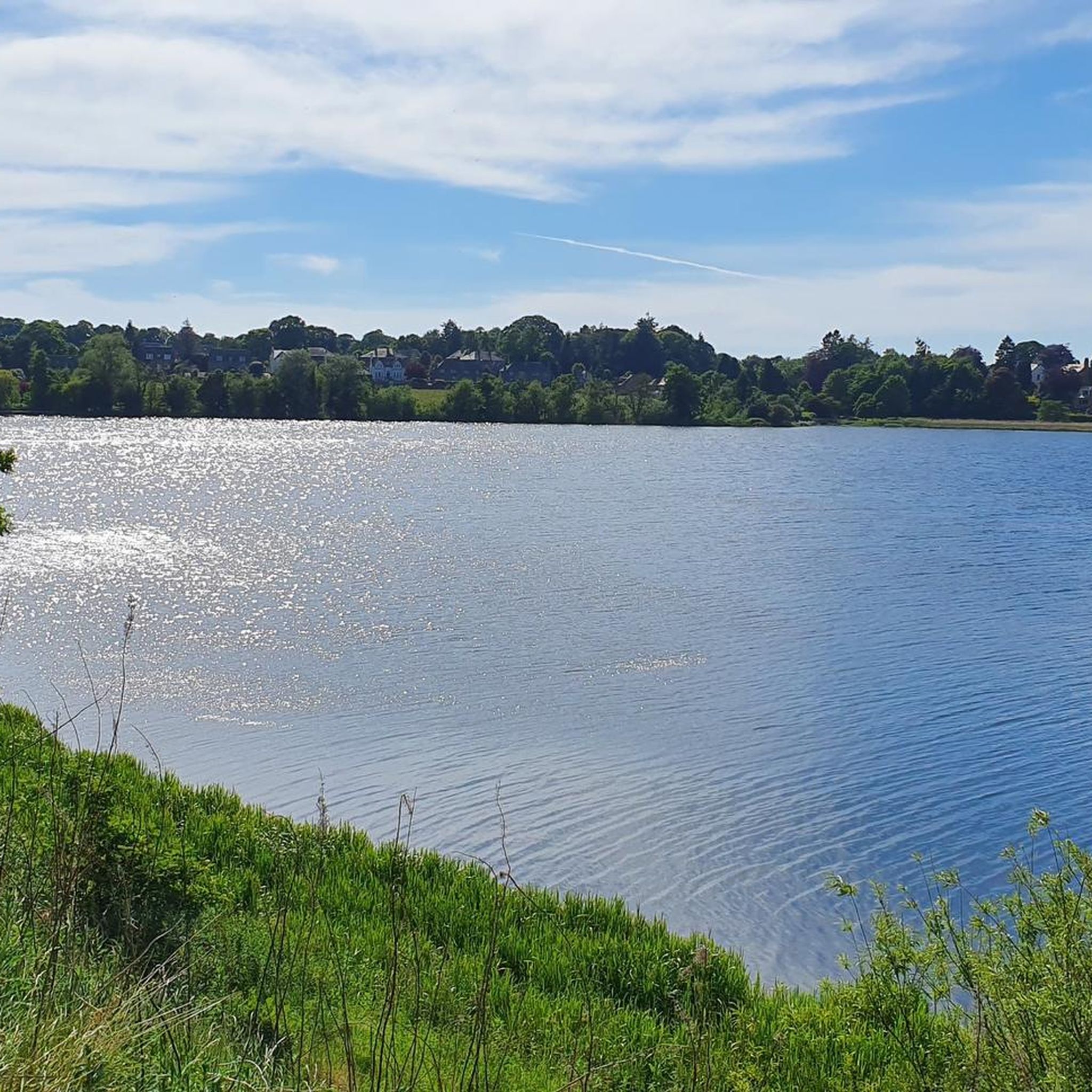
Cycling around Linlithgow And Linlithgow Bridge
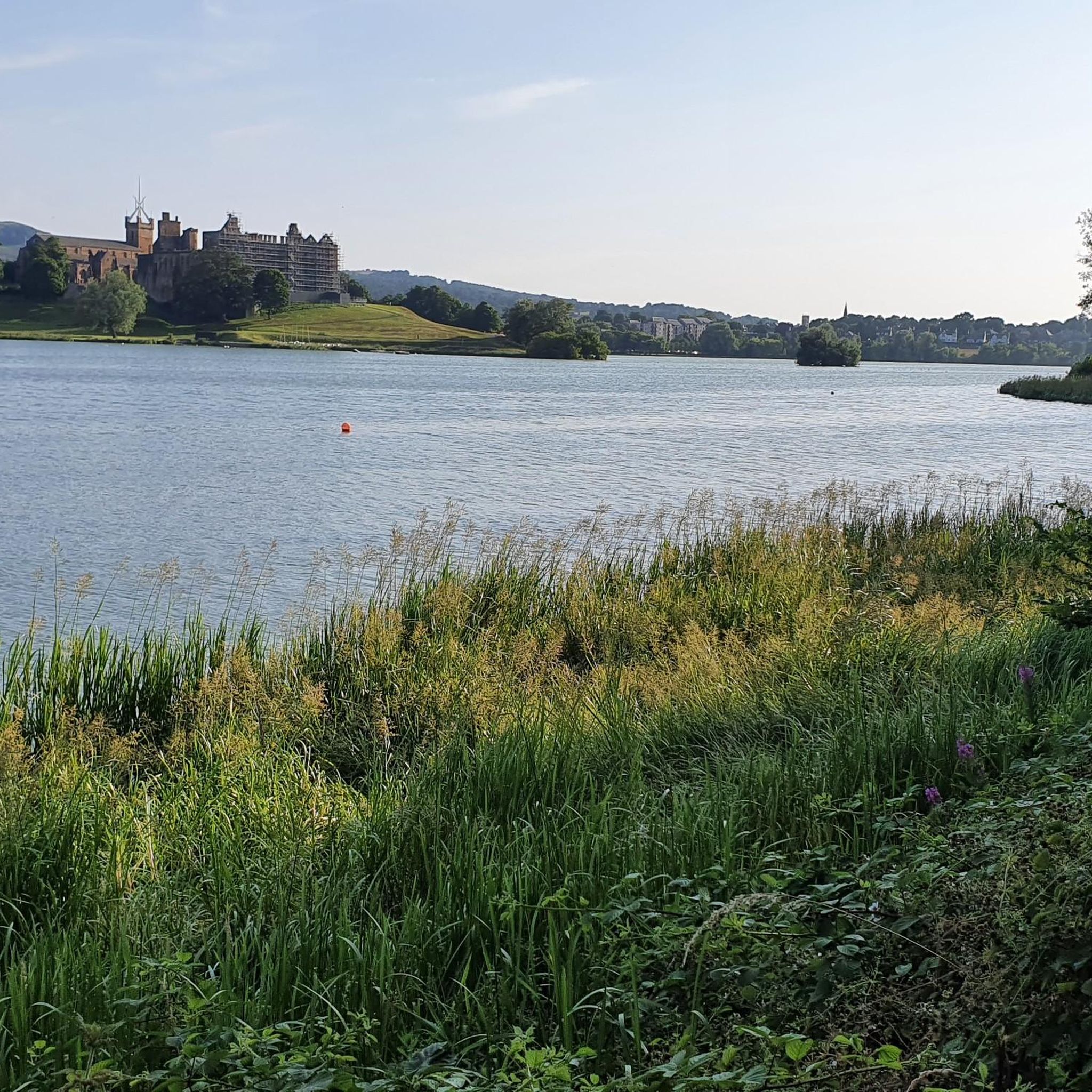
Hiking around Linlithgow And Linlithgow Bridge
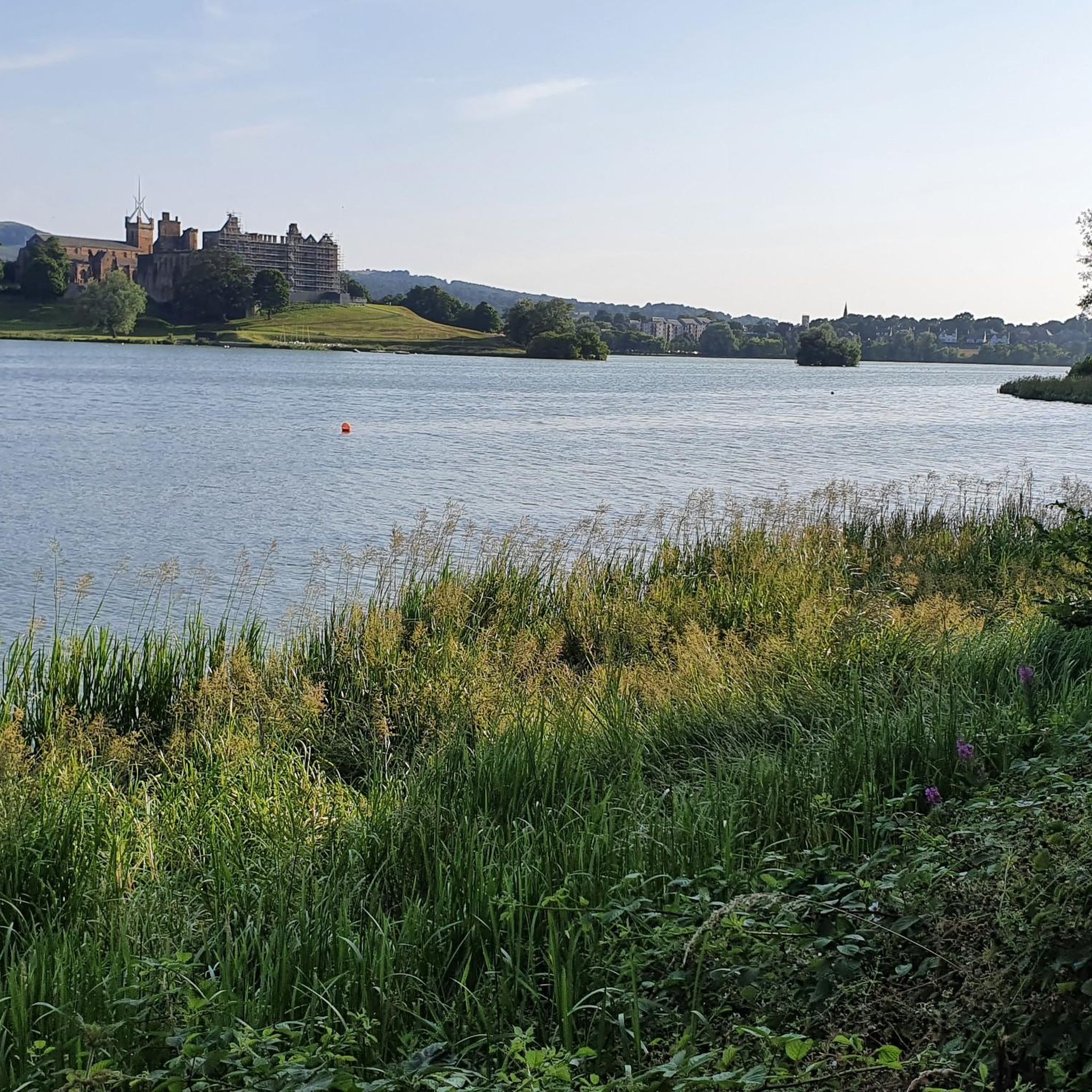
Road Cycling Routes around Linlithgow And Linlithgow Bridge
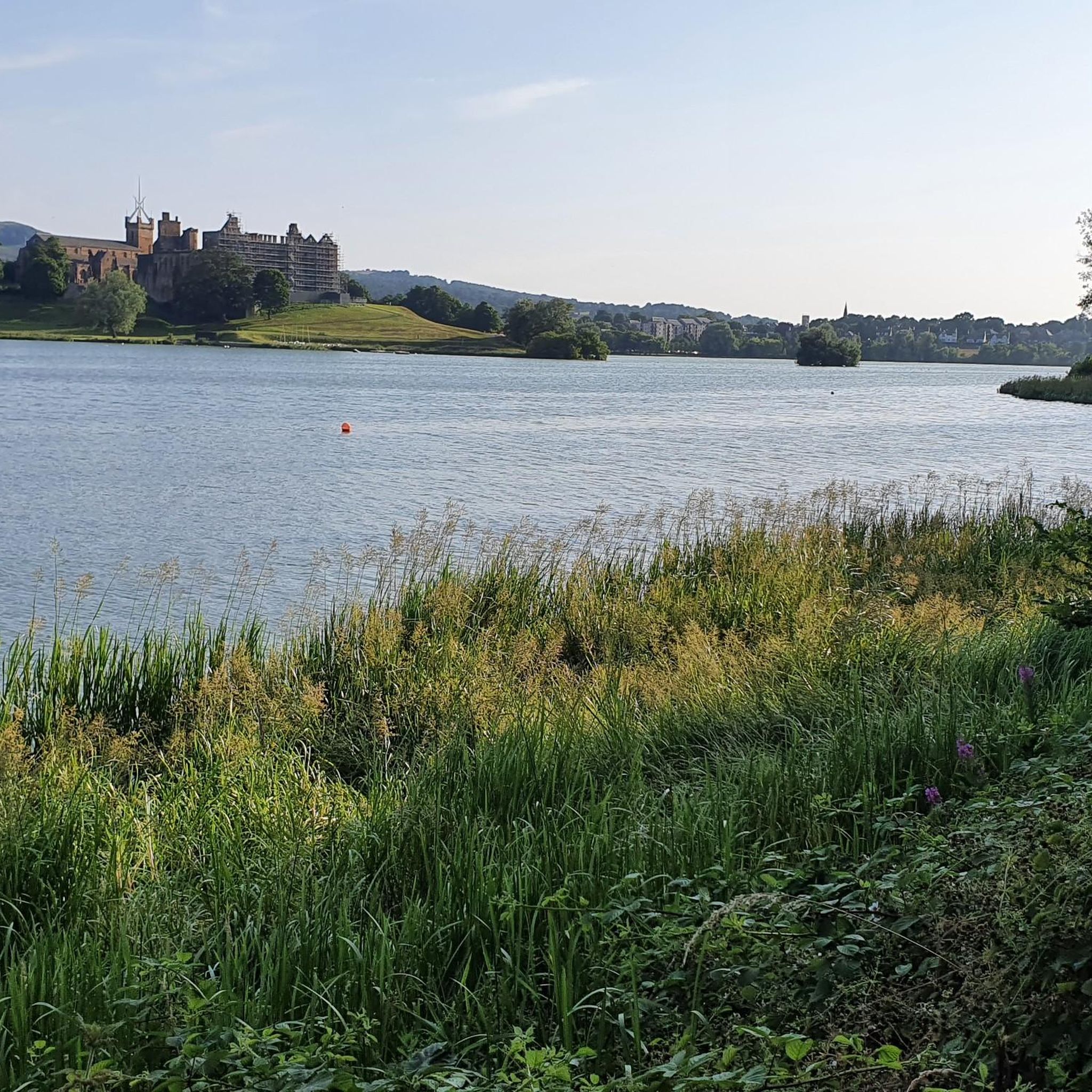
Running Trails around Linlithgow And Linlithgow Bridge
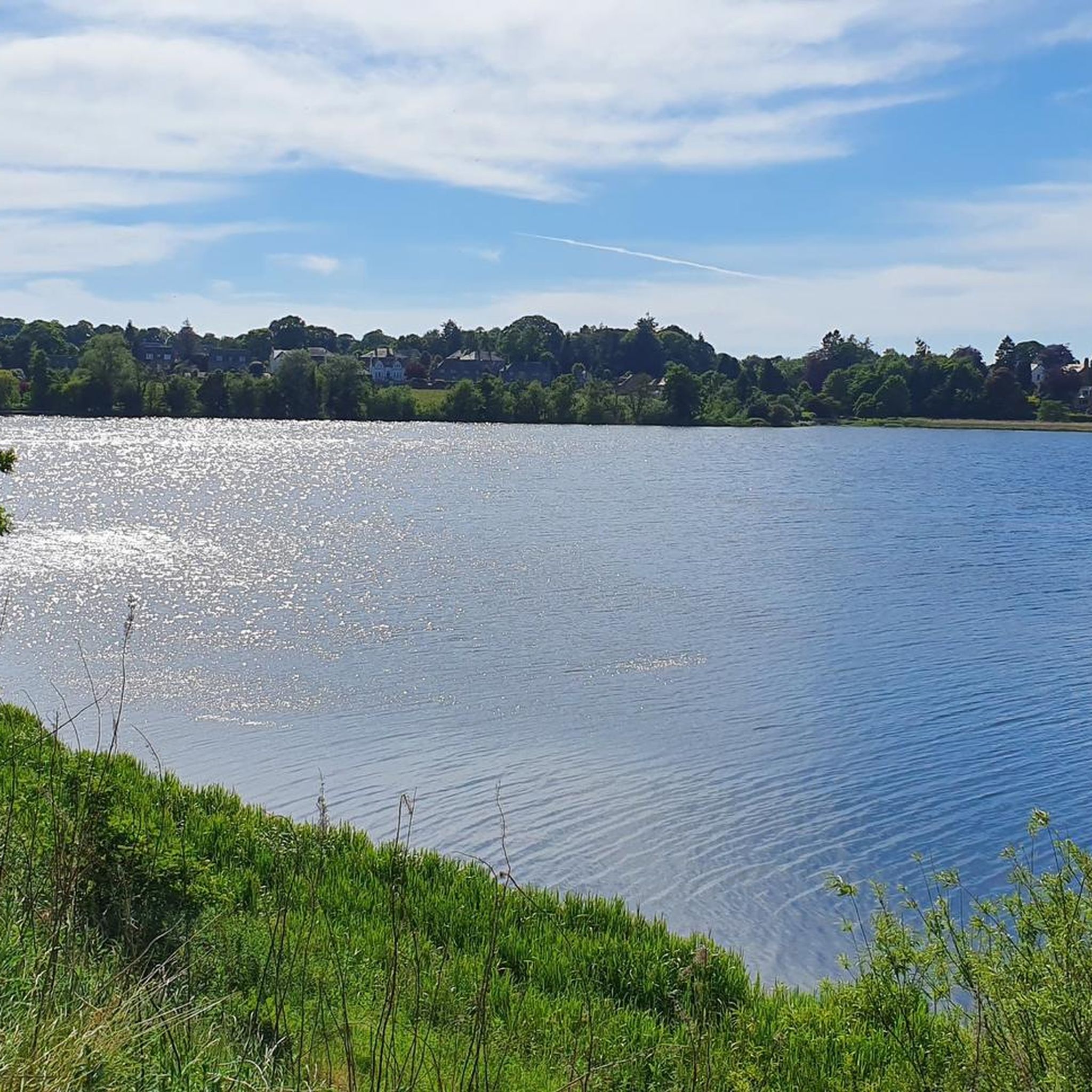
MTB Trails around Linlithgow And Linlithgow Bridge

Gravel biking around Linlithgow And Linlithgow Bridge
Other adventures around Linlithgow And Linlithgow Bridge

Tips from the Community

Impressive well preserved building and interior. Beautiful terraced garden
0
0

Worth the small detour from the main route to visit this castle. Great views across the Forth and to the bridges.
0
0


Parking is available near the Palace. The idyllic town offers enough opportunities for a stop after the visit.
1
0

Linlithgow Palace lies roofless and ruined but you can see how it was once an amazing royal palace. Work began to build the palace in 1424 when James 1st ordered a pleasure palace to replace the fire damaged older residence. The Royals used it as a rest stop and nursery as they travelled between Edinburgh and Stirling. It didn't last long though once the royals moved to London in 1603 it fell into disrepair and was finished by a huge fire in 1746. Today the site is managed by Historic Scotland. You can visit some of the castle and have a look around. The run around the loch gives great views from all angles.
0
0

As well as going in and seeing the house, there is plenty to do within the grounds. Cafe, woodland walks, and a section of the Antonine wall. Free but limited parking, and children’s play area. There’s also a lot of wildlife, and longer walks to the kelpies or Falkirk wheel are possible.
2
0

Wild camped here on the grounds after hours......never seen in castle as closed but looked amazing.
0
1

I can't say how things are now, but in the summer of 2006 it was more or less a ruin that was being worked on. Still it was worth seeing.
2
0
Frequently Asked Questions
What makes Linlithgow Palace a significant historical site?
Linlithgow Palace is renowned as the birthplace of Mary, Queen of Scots, in 1542, and her father, James V, in 1512. It served as a principal royal residence for Scottish monarchs during the 15th and 16th centuries, offering a unique glimpse into the domestic life of Scottish royalty. Visitors can explore its impressive ruins, including the Great Hall and Chapel, and enjoy panoramic views from its towers over Linlithgow Loch.
What is unique about Blackness Castle?
Blackness Castle is famously known as 'the ship that never sailed' due to its distinctive ship-like appearance, with its north and south towers referred to as 'stem' and 'stern.' This 15th-century fortress, perched dramatically on the Firth of Forth, served primarily as a high-security state prison. It's also a popular filming location, notably appearing as Fort William in the TV series 'Outlander'.
Are the castles around Linlithgow And Linlithgow Bridge suitable for families?
Yes, several castles in the region are family-friendly. Blackness Castle, Callendar House, Linlithgow Palace, and Culross Palace and the Historic Village are all noted for being family-friendly, offering engaging historical experiences for all ages.
What kind of history can I explore at Callendar House?
Callendar House, dating from the 14th century, offers a journey through centuries of history. Its permanent displays cover topics from the 11th to the 19th centuries, including the Antonine Wall, a UNESCO World Heritage Site, and the industrial transformation of the Falkirk area. The house is set in the historic Callendar Park, which also features a section of the Antonine Wall.
What outdoor activities can I do near these castles?
The region offers a variety of outdoor activities. You can find numerous running trails, such as the 'Linlithgow Loch & Palace loop,' and easy hikes like the 'Union Canal at Linlithgow – Linlithgow Palace loop.' For cycling enthusiasts, there are gravel biking routes, including a 'View of the Firth of Forth – Forth Bridge loop from Linlithgow.' You can explore more options on the Gravel biking around Linlithgow And Linlithgow Bridge, Running Trails around Linlithgow And Linlithgow Bridge, and Easy hikes around Linlithgow And Linlithgow Bridge guide pages.
What is the best time of year to visit the castles in this region?
The spring and summer months (April to September) generally offer the most pleasant weather for exploring the castles and their surrounding grounds. During these times, opening hours are typically extended, and the natural landscapes around sites like Linlithgow Palace and Blackness Castle are at their most vibrant. However, visiting in autumn can provide beautiful scenery with changing foliage, and winter visits can offer a quieter, more atmospheric experience, though some facilities might have reduced hours.
Are there other historical sites to visit besides the main castles?
Yes, beyond the prominent castles, you can explore Culross Palace and the Historic Village. This fascinating Royal Burgh allows you to relive 16th and 17th-century domestic life amidst old buildings and cobbled streets. The palace features decorative painted ceilings and period furnishings, with a restored 17th-century garden. The Town House and the Study are also open to visitors.
How long should I plan for a visit to Linlithgow Palace and nearby castles?
For Linlithgow Palace, allow at least 2-3 hours to explore the ruins and enjoy the views. Blackness Castle can be explored in 1.5-2 hours. Callendar House, with its park and café, could easily fill 2-4 hours. If you plan to visit multiple sites in one day, consider focusing on two main attractions or dedicating separate days for a more in-depth experience.
What are the opening hours for Blackness Castle?
Blackness Castle is generally open from 9:30 am to 5:30 pm, Monday to Sunday, from April to September. From October to March, it's typically open daily except Thursday and Friday, from 10 am to 4 pm. Last entry is 30 minutes before closing. It is closed on 25 and 26 December, and 1 and 2 January. For the most current information, it's always best to check the official Historic Environment Scotland website.
Is parking available at the castles in the Linlithgow area?
Yes, parking is generally available. Callendar House has free but limited parking on-site. For Linlithgow Palace, visitors typically use public car parks within Linlithgow town, which is a short walk from the palace. Blackness Castle also has visitor parking facilities nearby. It's advisable to arrive early during peak season to secure a spot.
What natural features can I see near these castles?
The castles are set amidst beautiful natural landscapes. Linlithgow Palace is situated by Linlithgow Loch, offering picturesque views and opportunities for strolls around 'The Peel' parkland. Blackness Castle provides dramatic coastal views over the Firth of Forth towards the Forth bridges and Fife. Callendar House is set within the extensive Callendar Park, featuring woodlands and green spaces.
Are there any cafes or places to eat near the castles?
Yes, you'll find options for refreshments. Callendar House has an excellent café on-site. In Linlithgow, near the palace, there are various cafes and pubs in the town center. For Blackness Castle, you might find local eateries in nearby villages or plan to bring a picnic to enjoy the scenic surroundings.
Most popular routes around Linlithgow And Linlithgow Bridge
Most popular attractions around Linlithgow And Linlithgow Bridge

Get inspired with the komoot mobile app


Explore more
Looking for the best castles somewhere else? Discover other guides around Linlithgow And Linlithgow Bridge:
