The best walks and hikes around St Andrews And Deerness
4.3
(242)
1,152
hikers
49
hikes
Hiking trails around St Andrews And Deerness traverse a landscape characterized by dramatic coastal scenery, expansive sandy beaches, and rugged cliffs. The region features diverse natural elements, including sprawling woodlands, salt marshes, and significant estuaries. Terrain varies from gentle coastal paths to more challenging routes along cliff tops and through nature reserves.
Best hiking trails around St Andrews And Deerness
- The most popular hiking route is Gloup circular — Mull Head Nature Reserve, Orkney Islands, a 5.4 miles (8.8 km) trail that takes 2 hours 21 minutes to complete. This moderate route explores the coastal path within the Mull Head Nature Reserve.
- Another top favourite among local hikers is Roseness and the Bay of Cornquoy — Orkney Islands, an easy 2.8 miles (4.5 km) path. This trail offers views of the coastline and is suitable for all fitness levels.
- Local hikers also love the Mull Head Coastal Cliffs – The Gloup Sea Cave loop from Deerness, a 7.8 miles (12.5 km) trail leading through coastal cliffs and past the Gloup sea cave, often completed in about 3 hours 21 minutes.
- Hiking around St Andrews And Deerness is defined by coastal paths, nature reserves, and varied terrain from beaches to cliffs. The network offers options for different ability levels, from easy strolls to moderate coastal hikes.
- The routes in St Andrews And Deerness are highly rated by the komoot community with an average score of 4.2 stars from over 200 reviews. More than 900 hikers have used komoot to explore St Andrews And Deerness's varied terrain.
Last updated: October 3, 2026
4.6
(22)
92
hikers
8.77km
02:21
100m
100m
The Gloup circular trail at Mull Head Nature Reserve offers a moderate hike through dramatic coastal scenery on the Orkney Islands. You'll walk along cliff edges where the North Sea crashes against the rugged shoreline, experiencing diverse terrain from coastal grassland to heather moorland. The route is 5.5 miles (8.8 km) long with an elevation gain of 341 feet (104 metres), typically taking around 2 hours and 21 minutes to complete. As you hike, you'll see wildflowers like sea pinks and spring squill, and in late summer, the heathland glows with purple ling. The impressive Gloup, a collapsed sea cave, is a key visual landmark where seawater surges into a deep chasm.
This moderate route involves varied terrain, including grassy tracks and coastal heath, but also undulating and steep sections, especially around the Brough of Deerness. Be prepared for parts of the trail that can be boggy, with duckboards in some areas to help you along. The path to the Brough of Deerness includes a steep and narrow descent and ascent, sometimes with a safety rope, so wear appropriate footwear and be cautious, particularly in wet conditions. A shorter, more accessible path directly to The Gloup is available from the car park if you prefer a less challenging walk. Remember that the area around The Gloup is unfenced, requiring great caution due to steep edges.
Mull Head Nature Reserve is a haven for wildlife, especially seabirds like kittiwakes, guillemots, and razorbills nesting on the cliffs. You might also spot puffins, seals, and otters in the area. The reserve is a designated Local Nature Reserve, recognized for its rich wildlife, geology, and history. The sheer cliffs reveal 390-million-year-old sedimentary rocks, offering a glimpse into the ancient lake that once covered Orkney. The ongoing erosion by the sea continues to shape these cliffs, creating unique features like The Gloup.
4.6
(7)
20
hikers
4.49km
01:10
20m
20m
Explore the easy coastal paths of Roseness and the Bay of Cornquoy on the Orkney Islands. This 2.8-mile (4.5 km) hike, with a gentle 77 feet (23 metres) of elevation gain, takes about 1 hour and 9 minutes to complete, offering a peaceful escape. You will walk on a mix of grass track and coastal heath, enjoying stunning views of the North Sea and the rugged Orkney landscape. Keep an eye out for the dramatic Hole of Ness Sea Cave, a collapsed gloup securely fenced off, as you make your way along the coast. The trail is known for its solitude, especially on a summer evening when wildflowers and seabirds are abundant.
To begin your hike, head to the end of the Upper Cornquoy road, where you will find a small car park. From there, a gate leads directly to the coastal path. While the path is generally straightforward, be aware that sections can be boggy after rain, so wear appropriate footwear. Always exercise caution near cliff edges. After your walk, you can visit the nearby Cornquoy Bay Treats cafe for refreshments.
This route offers more than just scenic views; it is rich with historical and natural features. You will pass the Roseness Beacon Monument, a stone tower built in 1867 atop a Neolithic long cairn, and the Roseness Lighthouse, originally constructed in 1905. The area is a haven for wildflowers like buttercup and seapink, and you might spot seals along the high cliffs. This trail provides a unique opportunity to experience the diverse Orkney landscape away from busier routes.

5.0
(3)
20
hikers
6.52km
01:42
50m
50m
Easy hike. Great for any fitness level. Easily-accessible paths. Suitable for all skill levels.
4.8
(10)
22
hikers
12.5km
03:21
150m
150m
Moderate hike. Good fitness required. Easily-accessible paths. Suitable for all skill levels.
4.9
(8)
25
hikers
3.20km
00:51
30m
30m
Easy hike. Great for any fitness level. Easily-accessible paths. Suitable for all skill levels.
Get access to more routes and recommendations from other explorers.
Already have an account?
Our route recommendations are based on thousands of hikes, rides, and runs completed by other people on komoot.
Start today with a free account
Your next adventure awaits.
Popular around St Andrews And Deerness
Tips from the Community

The ship sank at Scapa Beach.
0
0

There are many war memorials in Scotland. In addition to the ship's bell, a "Book of Remembrance" containing the names of all the crew members killed is on display here. https://www.iwm.org.uk/memorials/item/memorial/44713
1
0

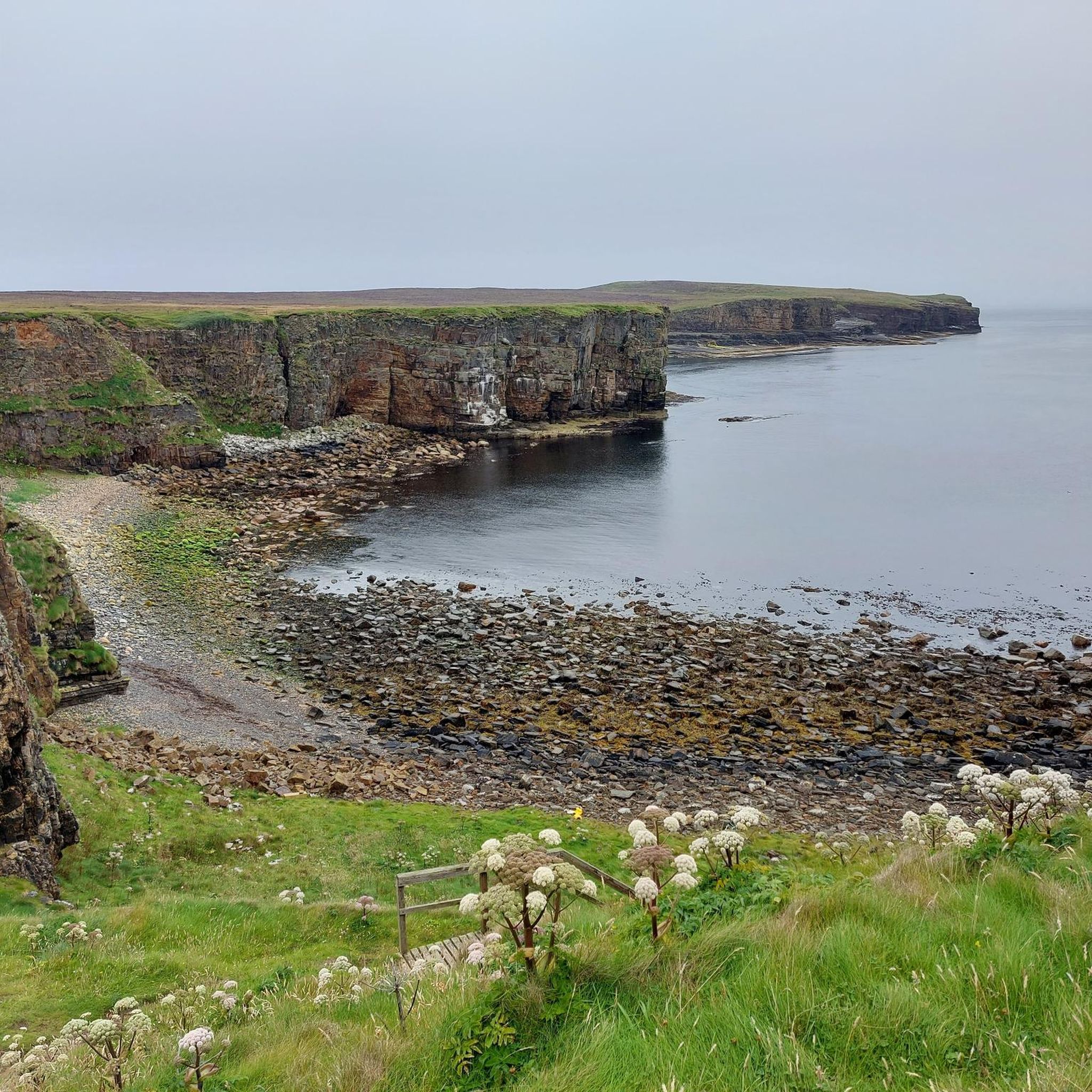
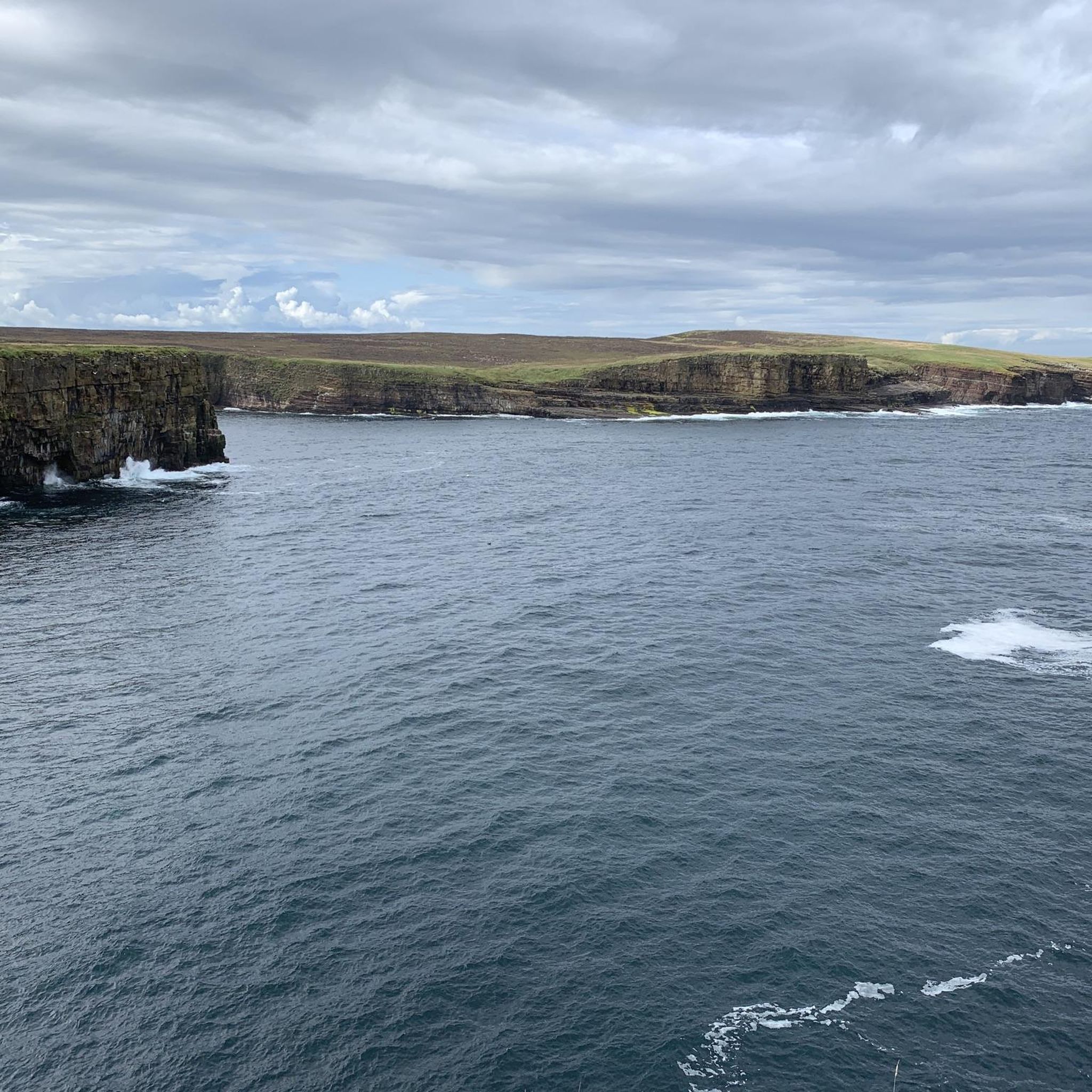
The northern coastline of Mull Head is part of the Mull Head Nature Reserve. The coast path walk along here is wild and beautiful, with stunning views out towards Stronsay and over the North Sea.
0
0

Tankerness House is the museum located in a former mansion.
1
0
Here one highlight meets the other. Opposite the town hall is St Magnus Cathedral, and a few meters further on is the Earl's Palace.
2
0

It is such a nice place to visit. You can see a couple of birds and seals along the way.
0
0

Small seating place, great view over the coast and the sea
0
0
Should not be done with children or dogs. Surefootedness required. Sections secured with chains. Slippery when wet.
0
0
Frequently Asked Questions
How many hiking trails are available in St Andrews and Deerness?
There are over 50 hiking trails in St Andrews and Deerness, offering a diverse range of experiences. These include coastal paths, forest walks, and routes through nature reserves, catering to various fitness levels.
What kind of terrain can I expect on hikes in St Andrews and Deerness?
The region offers varied terrain, from the rugged cliffs and expansive sandy beaches of the coastline to the sprawling woodlands of Tentsmuir Forest and the salt marshes of the Eden Estuary. In Deerness, you'll find dramatic sea cliffs and coastal grasslands, particularly around Mull Head Nature Reserve.
Are there easy hiking trails suitable for beginners or families in St Andrews and Deerness?
Yes, there are many easy trails perfect for beginners and families. Over 35 routes are classified as easy. A great option is the Roseness and the Bay of Cornquoy — Orkney Islands trail, which is an easy 2.8-mile path offering coastal views suitable for all fitness levels. The Dingieshowe circuit in Deerness also provides a short, easy walk exploring beaches and low cliffs.
What natural attractions can I see while hiking in Deerness?
Deerness is home to several striking natural attractions. You can explore the impressive The Gloup Sea Cave, a collapsed sea cave, or visit the Brough of Deerness and Chapel Ruins, a rocky outcrop with historical significance. The Mull Head Nature Reserve itself offers stunning coastal scenery and opportunities for wildlife spotting.
Are there any circular walks in St Andrews and Deerness?
Yes, several routes are designed as circular walks. For example, the Mull Head Coastal Cliffs – The Gloup Sea Cave loop from Deerness is a moderate 7.8-mile trail that takes you through coastal cliffs and past the Gloup sea cave. The Dingieshowe circuit is another short circular option.
What do other hikers say about the trails in St Andrews and Deerness?
The trails in St Andrews and Deerness are highly rated by the komoot community, with an average score of 4.2 stars from over 200 reviews. Hikers often praise the dramatic coastal scenery, the diverse natural features, and the well-established trails that cater to different abilities.
Is St Andrews and Deerness a good destination for birdwatching during a hike?
Absolutely. Both areas are excellent for birdwatching. The Fife Coastal Path near St Andrews offers scenic stretches ideal for spotting various bird species. The Eden Estuary is recognized as one of Fife's best sites for birdwatching, where you can see wild ducks, shorebirds, and Black-tailed Godwits. In Deerness, the Mull Head Nature Reserve is a great spot to observe seabirds.
Are there any historical landmarks or points of interest along the hiking trails?
Yes, the region is rich in history. In Deerness, you can find the remains of an 11th-century Norse chapel at the Brough of Deerness and Chapel Ruins. While hiking, you might also encounter other historical sites, especially along the Fife Coastal Path which passes various historic landmarks.
What is the best time of year to hike in St Andrews and Deerness?
The spring and summer months (April to September) generally offer the most pleasant weather for hiking, with longer daylight hours and milder temperatures. This is also when wildlife is most active. However, the coastal paths can be enjoyed year-round, with winter offering a more dramatic and solitary experience, though requiring appropriate gear for colder, potentially windier conditions.
Are there options for public transport to reach hiking areas in Deerness?
Deerness is a peninsula on Mainland, Orkney. While specific bus routes might serve parts of Deerness, public transport options can be limited compared to larger towns. It's advisable to check local bus schedules for Orkney or consider a car for more flexibility in accessing trailheads, especially for routes within the Mull Head Nature Reserve.
Are there any cafes or pubs near the hiking trails in St Andrews and Deerness?
In St Andrews, you'll find numerous cafes, pubs, and restaurants within the town center, many of which are easily accessible after local walks. In Deerness, options might be more spread out. It's recommended to check local listings for specific establishments near your chosen trailhead, especially in more remote areas like Mull Head Nature Reserve.
What should I bring for a hike in St Andrews and Deerness?
Given the coastal and often exposed nature of many trails, it's wise to bring layers of clothing, waterproofs, sturdy hiking boots, and sun protection. Even on clear days, weather can change quickly. Always carry water, snacks, and a fully charged phone. A map or GPS device is also recommended, especially for longer or less-trafficked routes.
Most popular routes around St Andrews And Deerness
Most popular attractions around St Andrews And Deerness

Get inspired with the komoot mobile app


Explore more
Browse the best Hikes in other regions.
