Attractions and Places To See around Eskbank / Newbattle - Top 20
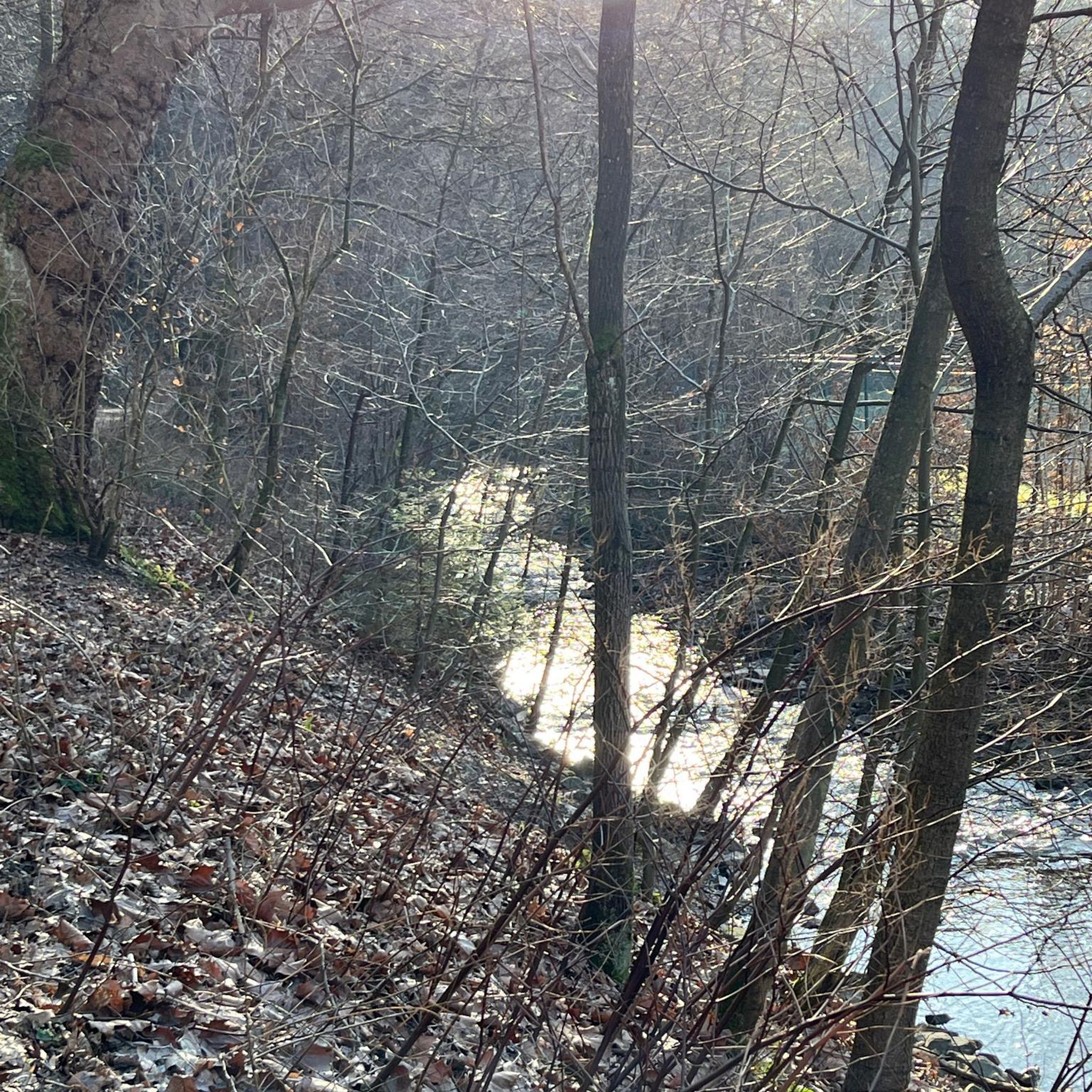
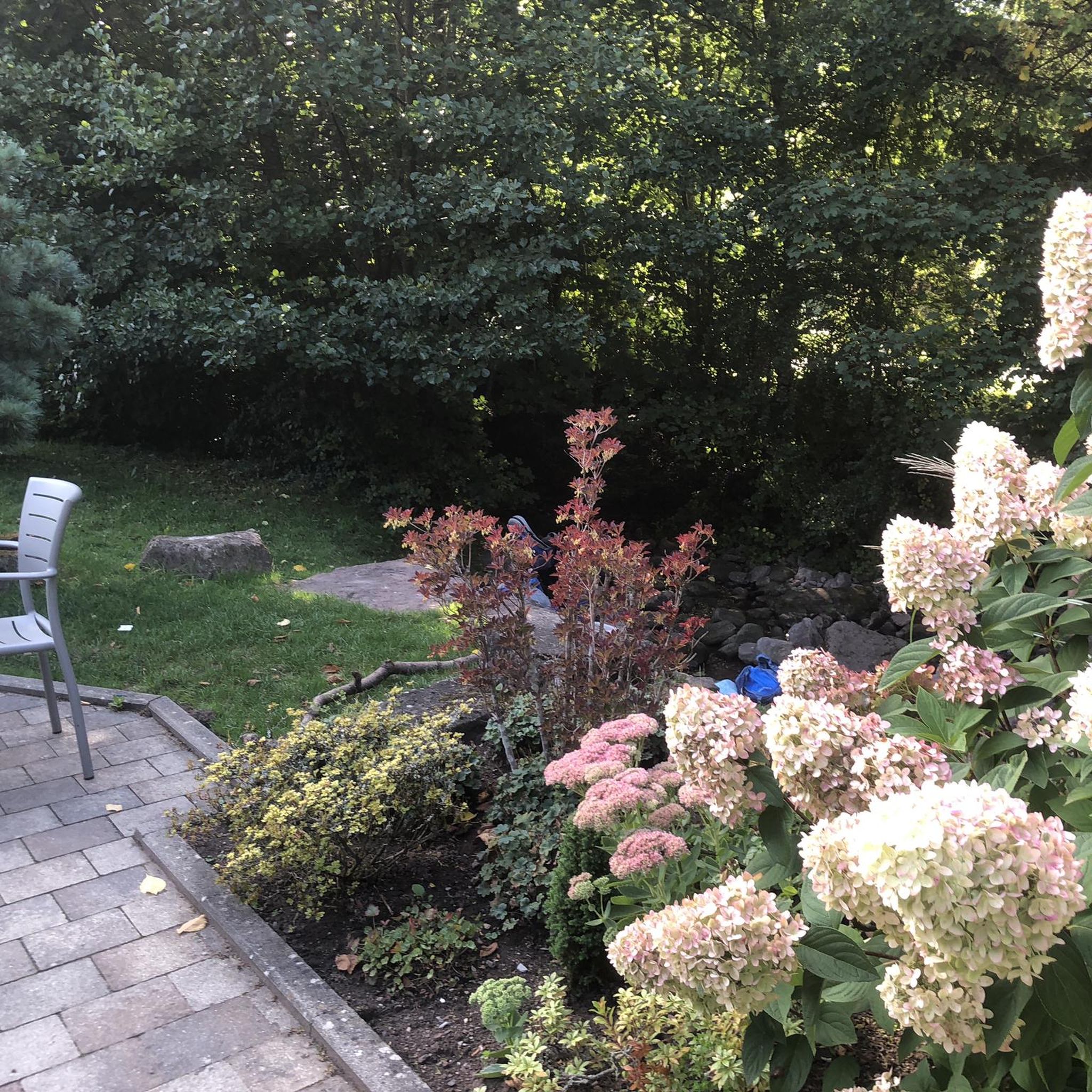
Best attractions and places to see around Eskbank / Newbattle offer a blend of historical sites and natural landscapes in Midlothian, Scotland. The area is characterized by the River South Esk and River North Esk, which flow through wooded areas and public parks. Visitors can explore a mix of significant landmarks and natural features, providing various options for outdoor activities and cultural exploration. This region provides opportunities to discover historical architecture and scenic walking routes.
Best attractions and places to…
Last updated: July 16, 2026
Arthur's Seat
Highlight • Summit
Tip by

Royal Mile
Highlight • Viewpoint
Tip by
Sign up now to discover places like this
Get recommendations on the best single tracks, peaks, & plenty of other exciting outdoor places.
Sign up for free
Victoria Street
Highlight • Monument
Tip by

View from Allermuir Hill
Highlight • Viewpoint
Translated by Google •
Tip by

St. Anthony's Chapel Ruins
Highlight • Historical Site
Translated by Google •
Tip by

Sign up for free to discover even more attractions around Eskbank / Newbattle.
Sign up for free
Already have an account?
Start today with a free account
Your next adventure awaits.
Login or Signup
Tips from the Community

One of the most distinctive places in Edinburgh. Note that a staircase on the right leads to the upper level. It's fascinating how one row of houses stands above another here.
1
0


The Pentland Hills (a range of hills south of Edinburgh) offer countless hiking opportunities. One of the "best" (= the northernmost) is Allermuir Hill. There are many paths up the mountain, but the best route is undoubtedly the panoramic route from the Midlothian Snowsports Center parking lot to the summit. The center is...???...interesting... (Skiing on mats in the summer is also possible!), and the summit offers magnificent views in all directions!
0
0


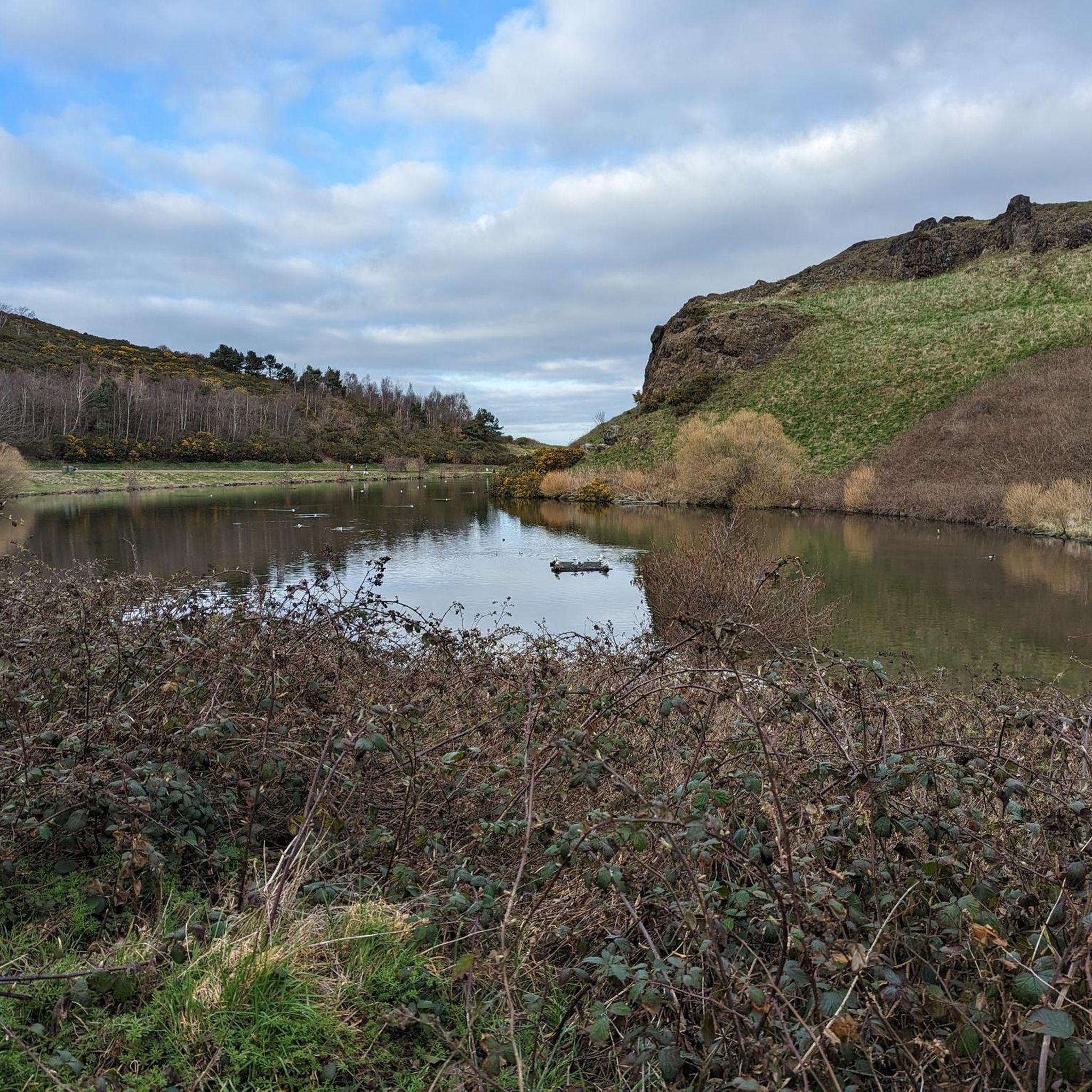
The ruins of St Anthony's Chapel on Arthur's Seat in Edinburgh are a fascinating relic from the late Middle Ages. Built in the 15th century, probably around 1400, as part of a pilgrimage centre, the chapel was dedicated to St Anthony of Padua. At the time, Arthur's Seat was a major pilgrimage site and the chapel served as a spiritual stop for believers stopping by on their pilgrimage. As well as being a place of worship, the chapel housed a collection of relics that promised pilgrims sacred experiences. Its architecture was simple but functional and it was built from local stone, blending it into the landscape of the hill. Over the centuries, however, the chapel lost importance and in the 16th century it was abandoned during the Reformation. Today, all that remains are the ruins of the chapel, which sits in a stunning location high on Arthur's Seat. The ruin is a popular destination for hikers and photographers who want to not only explore the historic site but also enjoy the spectacular panoramic views of Edinburgh and the surrounding hills. The St. Anthony Chapel ruins are accessible by a walking trail that takes visitors on a little journey of discovery. The climb to the top of Arthur's Seat offers not only a view of the ruins themselves but also of the vast, rolling terrain that underlines the historical significance of this site. Today the ruins are a fascinating monument to Edinburgh's history and a silent witness to past religious practices.
1
0

India Buildings on Victoria Street was built in 1864 by architect David Cousins and designed in the fashionable Baronial style of the time. Note the ‘bartizan’ at the top of the building, a small tower inspired by medieval battlements. It was intended as office space and early occupants included the British Linen Bank, the Scottish Board of Agriculture and the Geological Survey of Scotland. In recent years, many Edinburgh residents will remember the building as housing the Register Office. https://ewh.org.uk/victoria-street/
3
0
Victoria Street, a picturesque and winding cobbled lane, is one of Edinburgh’s most iconic thoroughfares. Named after Queen Victoria, it exudes a timeless charm that resonates with locals and visitors alike. With its colourful facades and unique shops, the street showcases Edinburgh’s architectural diversity and historical heritage. Victoria Street was designed by architect Thomas Hamilton, one of the leading lights in transforming the city with neoclassical buildings and influenced by ancient Greek architecture. However, it was stipulated that the buildings associated with the new street should be ‘old Flemish’ in style and take inspiration from the details of Heriot’s Hospital. https://ewh.org.uk/victoria-street/
4
0
Frequently Asked Questions
What historical sites can I explore in Eskbank and Newbattle?
Eskbank and Newbattle are rich in history. You can visit Newbattle Abbey, originally a Cistercian monastery founded in 1140, now an adult education college with significant archaeological importance. The grounds feature ancient trees, intricate sundials, and the historic King David's Well. Eskbank also has several historic buildings, including the early 19th-century Justinlees Inn and Eskbank House from 1794.
Are there any natural attractions or parks to visit in the area?
Yes, the area boasts several natural features. The River South Esk and River North Esk flow through the landscape, offering scenic walks. You can explore Lord Ancrum's Wood, which has upgraded footpaths, or enjoy the public open spaces of Kings Park and Ironmills Park. Nearby, Dalkeith Country Park offers extensive green spaces and outdoor activities.
What kind of outdoor activities can I do around Eskbank and Newbattle?
The region offers various outdoor activities, particularly walking and cycling. You can find numerous routes for hiking around Eskbank / Newbattle, including easy loops in Dalkeith Country Park. There are also options for running trails around Eskbank / Newbattle and road cycling routes around Eskbank / Newbattle, catering to different fitness levels.
Are there family-friendly activities or places suitable for children?
While specific children's activities aren't detailed, the extensive green spaces and walking trails in areas like Lord Ancrum's Wood, Kings Park, Ironmills Park, and especially Dalkeith Country Park, provide excellent opportunities for family walks and outdoor play. Exploring the grounds of Newbattle Abbey can also be an engaging historical outing for families.
What is the best time of year to visit Eskbank and Newbattle?
The area's natural beauty, particularly its woodlands and river paths, is enjoyable year-round. Spring and summer offer lush greenery and pleasant weather for walking and exploring the grounds of Newbattle Abbey. Autumn brings vibrant foliage, while winter walks can be serene, especially in areas like Lord Ancrum's Wood, provided you are prepared for cooler temperatures.
Where can I find walking trails near Newbattle Abbey?
Newbattle Abbey is situated on the west bank of the River South Esk, and the surrounding grounds and riverbanks offer popular walking routes. You can also find footpaths in nearby Lord Ancrum's Wood and within Dalkeith Country Park, which is adjacent to the Abbey grounds. These areas provide a mix of easy to moderate trails.
Are there any archaeological sites in Eskbank?
Yes, Eskbank has archaeological significance. Evidence of a Roman temporary camp and a pit-alignment dating back to around 110 BC has been found in the area, indicating ancient activity. While not always visible, these sites highlight the deep historical roots of the region.
What are some unique natural features or 'hidden gems' in the area?
Beyond the main parks, look for King David's Well within the grounds of Newbattle Abbey, a historical point of interest. The Maiden Bridge over the South Esk is another unique historical feature, named after Margaret who crossed it in 1503. The extensive tree cover and wooded landscapes along the Esk rivers also offer many quiet, scenic spots.
How can I get to Newbattle Abbey using public transport?
While specific bus routes directly to Newbattle Abbey are not detailed, Eskbank and nearby Dalkeith are served by local bus networks. It is advisable to check local bus schedules for services that stop closest to Newbattle Abbey or its grounds. From the bus stop, a short walk may be required.
Are there cafes or pubs near the attractions in Eskbank and Newbattle?
Eskbank, as a developed Victorian suburb, and nearby Dalkeith offer various amenities. You can find local cafes and pubs in Eskbank itself, such as the historic Justinlees Inn. Dalkeith also provides additional options for dining and refreshments after exploring the attractions.
What is the significance of the River South Esk in the region?
The River South Esk is a central natural feature of the area. Newbattle Abbey is located on its west bank, and the river flows through the Abbey grounds and into Dalkeith Country Park. It forms a key part of the natural landscape, providing scenic beauty and popular routes for walking and exploring the wooded areas.
Can I find easy walking routes suitable for all abilities?
Yes, there are several easy walking routes. Dalkeith Country Park, adjacent to Newbattle Abbey, offers accessible paths and easy loops. The public parks like Kings Park and Ironmills Park also provide relatively flat and easy terrain for leisurely strolls. Always check local signage for specific trail conditions and accessibility information.
Most popular routes around Eskbank / Newbattle
Most popular attractions around Eskbank / Newbattle

Get inspired with the komoot mobile app


Explore more
Still not found the Highlight you’re looking for? See guides of the top attractions in other regions:
