Attractions and Places To See around Smithton - Top 20
Best attractions and places to see around Smithton, a town on Tasmania's far northwest coast, serves as a gateway to expansive wilderness areas. The region offers a blend of natural beauty, cultural insights, and agricultural experiences. Visitors can explore ancient geological formations, wild rivers, and dramatic coastlines. Smithton is situated on Duck Bay and the Duck River, providing access to various natural features.
Best attractions and places to see around Smithton
- The most popular attractions is Ness Islands, a…
Last updated: October 5, 2026
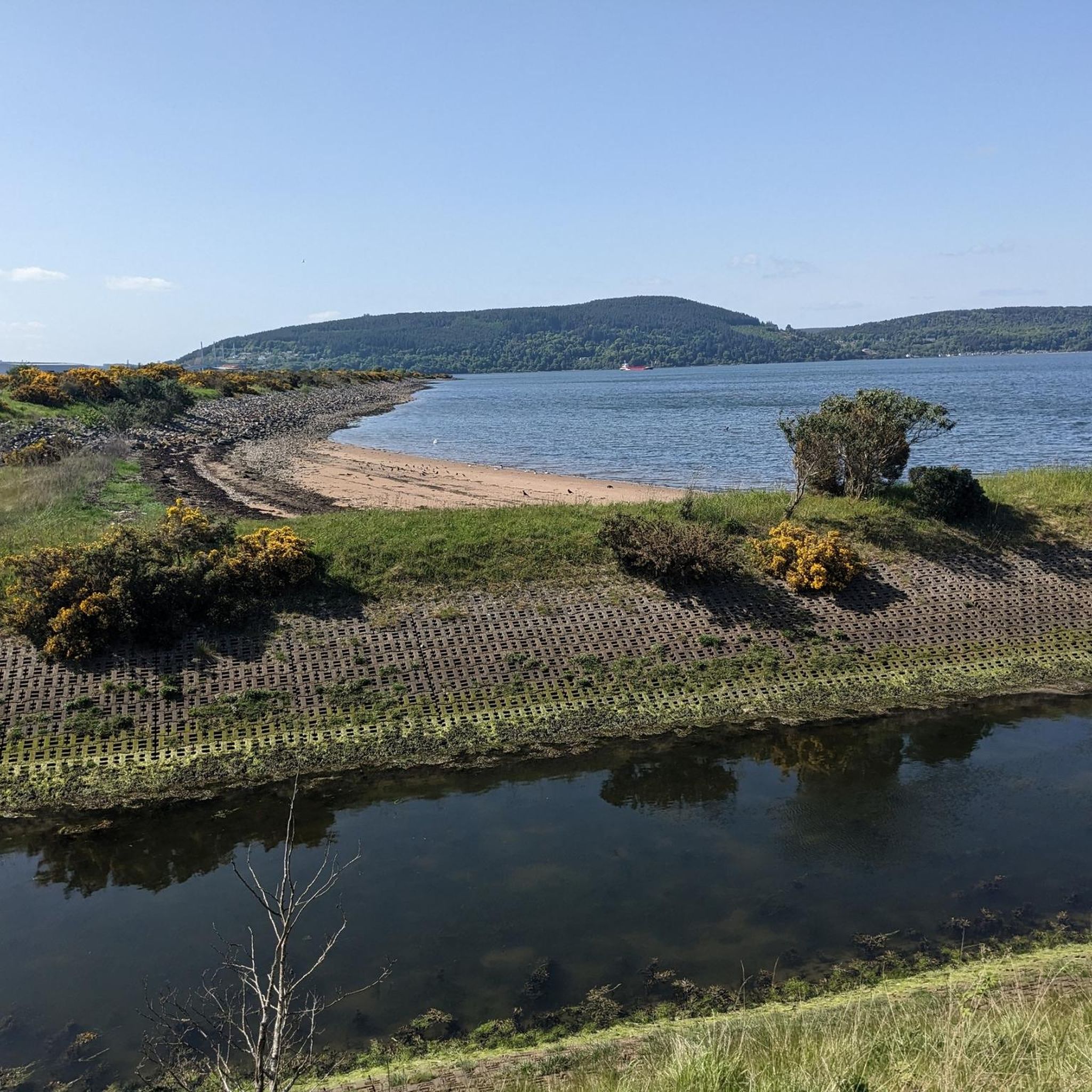
Ness Islands
Highlight • Viewpoint
Tip by

Inverness Town House
Highlight • Historical Site
Translated by Google •
Tip by

Sign up now to discover places like this
Get recommendations on the best single tracks, peaks, & plenty of other exciting outdoor places.
St Andrew's Cathedral, Inverness
Highlight • Religious Site
Translated by Google •
Tip by

Inverness Victorian Market
Highlight • Cafe
Translated by Google •
Tip by

Culloden Battlefield Memorial Cairn
Highlight • Monument
Tip by

Sign up for free to discover even more attractions around Smithton.
Already have an account?
Start today with a free account
Your next adventure awaits.

Tips from the Community

As you approach Inverness Cathedral, you will be greeted by its imposing facade, crafted from reddish sandstone from Conon Bridge and cream-colored limestone from Covesea. The cathedral's design, featuring two square towers flanking the main entrance, immediately captures your attention. Originally, these towers were intended to be topped with spires, but financial constraints prevented their completion. The main entrance is adorned with a pointed arch and a tympanum depicting Jesus sending out the Apostles, sculpted by Thomas Earp. The intricate carvings and statues of saints, including Peter, Paul, Andrew, and John the Baptist, contribute to the entrance's grandeur. The cathedral's roof, once crowned with iron spires, is now covered with green Westmorland slate, giving it a distinctive appearance.
0
0

This spectacular neo-Gothic building opened in 1882 as Inverness Town Hall. Its finest moment came in 1921: it hosted the first ever British Cabinet meeting held outside London, with Lloyd George and Government members such as Winston Churchill, to discuss the Irish crisis. A meeting that would help pave the way for the Anglo-Irish Treaty.
0
0

History you can touch that gives you goosebumps.
0
1

A very beautiful church. Be sure to take a look inside.
0
0
If you're looking for something to satisfy your hunger in a hurry, this is the place to be. From burgers and pizza to Asian and seafood dishes.
0
0

Old market hall with a large selection of interesting street food dishes.
1
0

A charming passage with small shops. Lovingly designed
0
0

There are also clean public toilets here.
0
0
Frequently Asked Questions
What natural attractions can I explore near Smithton?
Smithton is a gateway to diverse natural beauty. You can visit The Nut in Stanley for panoramic views, explore the vast Tarkine Wilderness with its cool-climate rainforests, or discover the unique Dismal Swamp, a blackwood forest sinkhole. Other natural highlights include the geological formations at Trowutta Arch and Caves and the pristine air at Cape Grim.
Are there any historical or cultural sites to visit in the Smithton area?
Yes, the region offers several cultural and historical insights. The Circular Head Heritage Centre in Smithton showcases local history. You can also take a guided tour of the historic Woolnorth property, which includes old farm buildings and Aboriginal cultural sites. For a taste of local produce, visit the Duck River Meadows Dairy or the Duck River Pavilions.
What activities are available for families around Smithton?
Families can enjoy a variety of activities. The Dismal Swamp features a fun 110-meter slide to the swamp floor and boardwalks. Exploring The Nut via chairlift or walking is also popular. The Duck River Meadows Dairy offers guided robotic dairy tours and tasting experiences, which can be engaging for all ages. Additionally, the Allendale Gardens provide pleasant walks through diverse botanic collections.
Where can I experience the Tarkine Wilderness near Smithton?
Smithton is considered the gateway to the expansive Tarkine Wilderness (Takayna). You can access many of its attractions via the Tarkine Drive. This area boasts Australia's largest cool-climate rainforest, unique flora and fauna, wild rivers, and dramatic coastlines. The Tarkine Forest Adventures near Togari also offers an eco-tourism and forestry interpretation experience within the region.
What are the best places for scenic views around Smithton?
For breathtaking views, head to The Nut in Stanley, where you can see Stanley and the surrounding coast from its summit. The Apex Lookout (Tier Hill scenic lookout) in Smithton provides sweeping panoramic views of the Duck River Estuary and offshore islands. Scenic helicopter flights are also available from Tall Timbers, offering a bird's-eye perspective of the north-west region, including the Tarkine rainforest.
Can I find local produce and culinary experiences in Smithton?
Smithton is renowned for its fresh local produce. You can find Tarkine fresh oysters, Robbins Island Wagyu, and Cape Grim Beef. The Duck River Pavilions house the Smithton Visitor Information Centre and offer local products, including artisan cheeses from La Cantara. The Duck River Meadows Dairy also provides opportunities to taste high-quality dairy products and experience milking sessions.
Are there opportunities for outdoor activities like hiking or walking near Smithton?
Yes, there are several options for walking and exploring. The track to Trowutta Arch is an easy 10-minute walk through temperate rainforest. You can also hike to the summit of The Nut. The Tarkine Wilderness offers extensive areas for exploration, though specific marked hiking trails may vary. For more structured outdoor activities, consider exploring the cycling routes available around Smithton, such as those listed in the Cycling around Smithton guide.
What water activities are available in the Smithton area?
The Duck River and Lake Mikany offer opportunities for fishing, canoeing, and kayaking. For those seeking more adventurous water activities, Marrawah, located west of Smithton, is known for its powerful surf and attracts surfers to beaches like Green Point, which also features rock pools to explore.
Is there a good time of year to visit Smithton for outdoor activities?
The best time to visit Smithton for outdoor activities generally aligns with Tasmania's warmer months, from late spring to early autumn (November to April). During this period, the weather is typically milder and more conducive for exploring natural attractions like the Tarkine Wilderness, hiking The Nut, or enjoying water activities on the Duck River. However, the unique natural features like Dismal Swamp and Trowutta Arch can be visited year-round.
Where can I find information about the cleanest air in the world near Smithton?
You can find information about the cleanest air in the world at Cape Grim (Kennaook), located near the northwest extremity of Tasmania. This location is famous for having some of the purest air globally. It is part of the Woolnorth property, which offers tours where visitors can learn more about the area, including its wind farm and historical buildings.
What kind of unique geological formations can I see?
The Smithton region is home to unique geological features. The Nut in Stanley is a prominent volcanic plug rising dramatically from Bass Strait. Further inland, within the Tarkine region, you can explore the Trowutta Arch and Caves, which feature interesting cave systems and a natural arch formation within a temperate rainforest. The Dismal Swamp is also a geological marvel, being a unique blackwood forest sinkhole.
Are there any cycling routes or trails near Smithton?
While specific cycling trails directly at the attractions vary, Smithton is a great base for exploring the region by bike. You can find various cycling routes, including road cycling, mountain biking, and touring options, in the nearby guides. For example, explore Road Cycling Routes around Smithton or MTB Trails around Smithton for detailed options.
Most popular routes around Smithton
Most popular attractions around Smithton

Get inspired with the komoot mobile app


Explore more
Still not found the Highlight you’re looking for? See guides of the top attractions in other regions:
