The best walks and hikes around Northfield/Willowbrae
4.6
(2416)
32,948
hikers
48
hikes
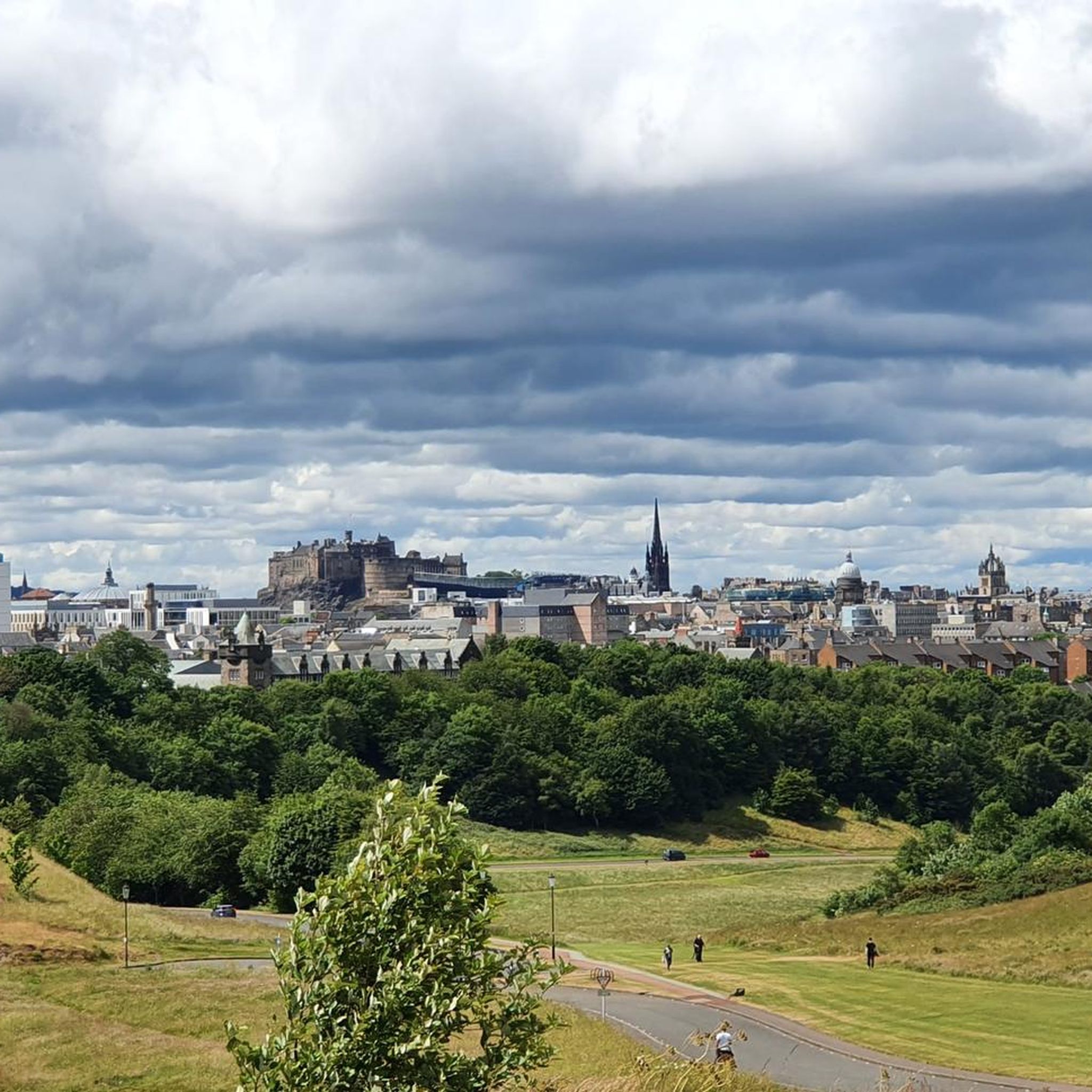
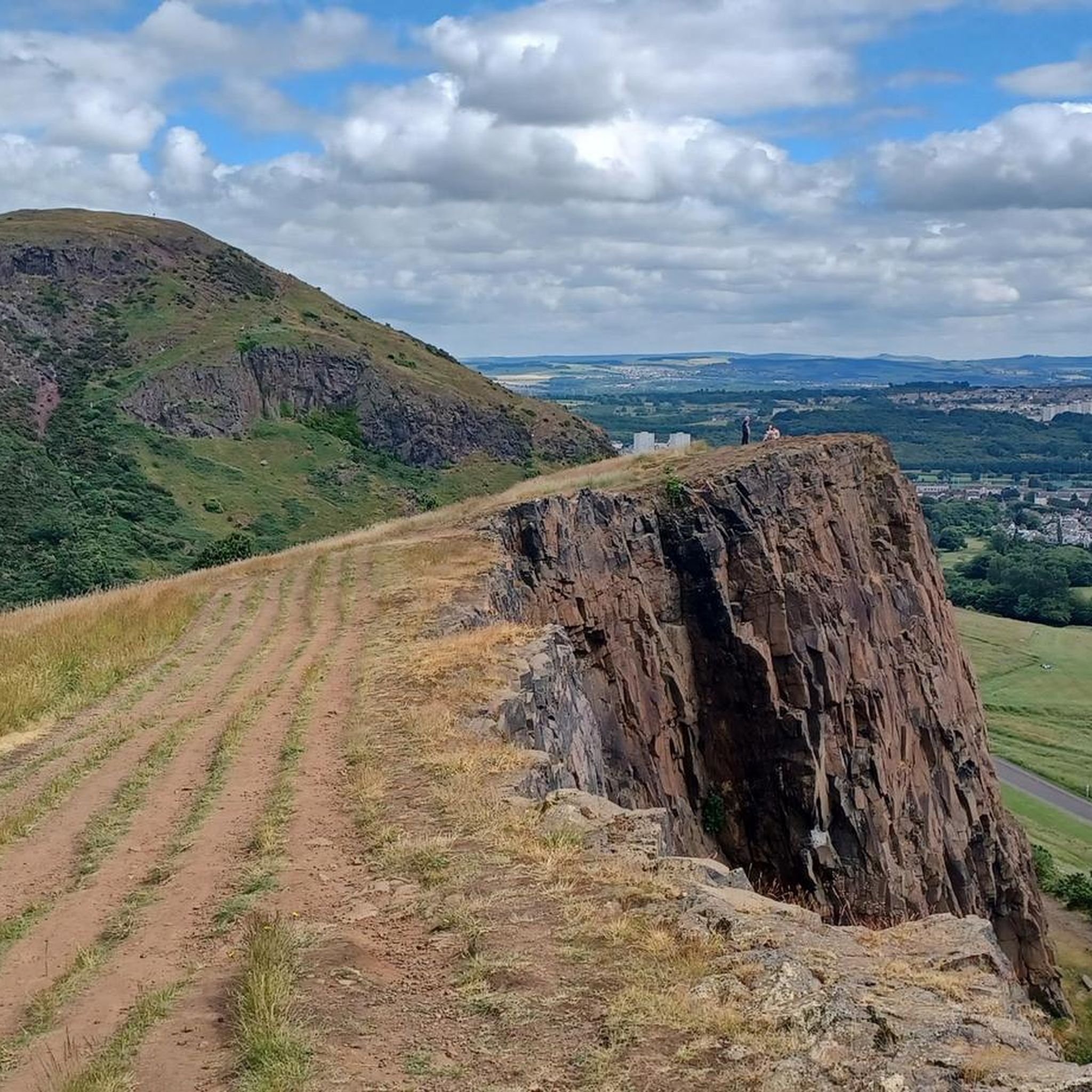
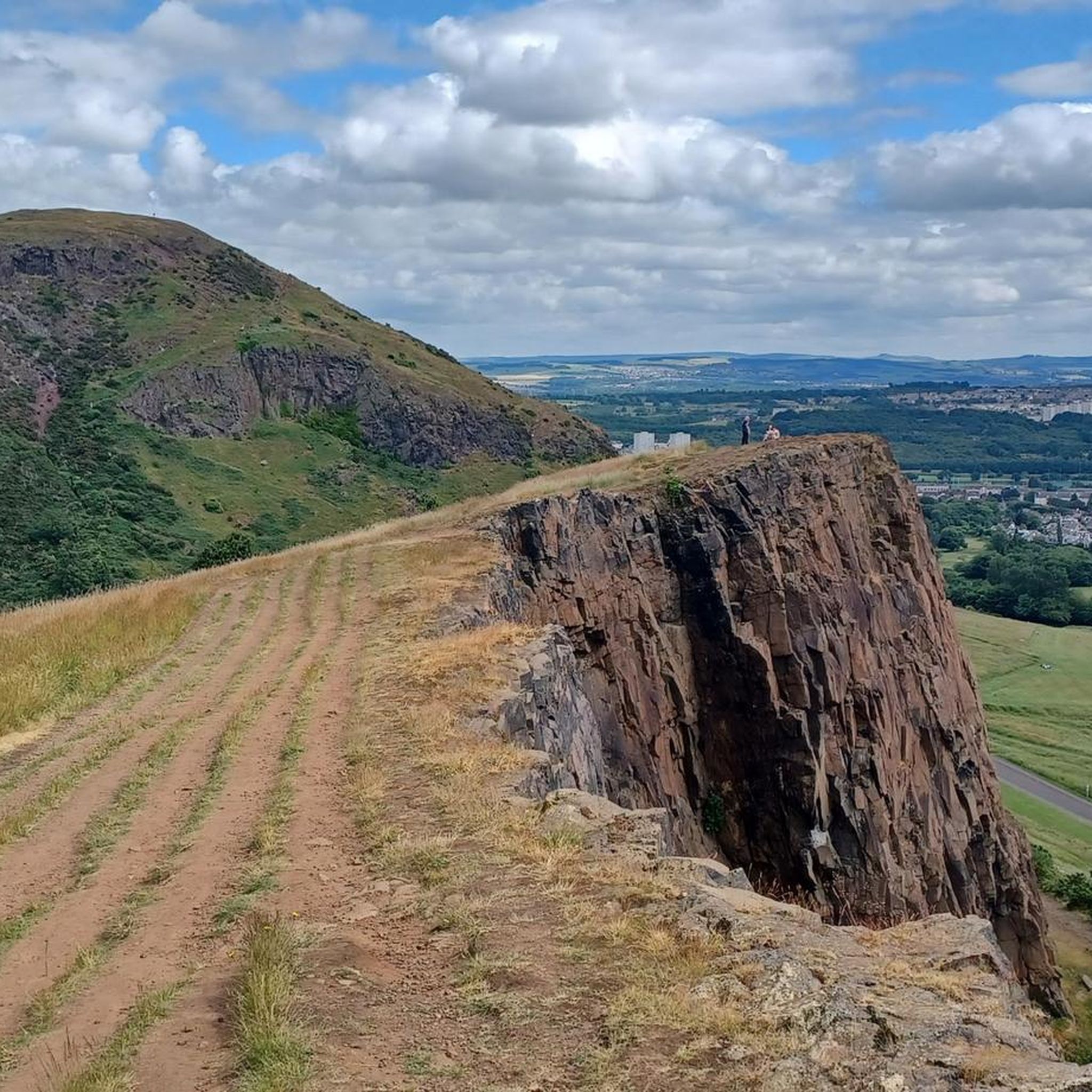
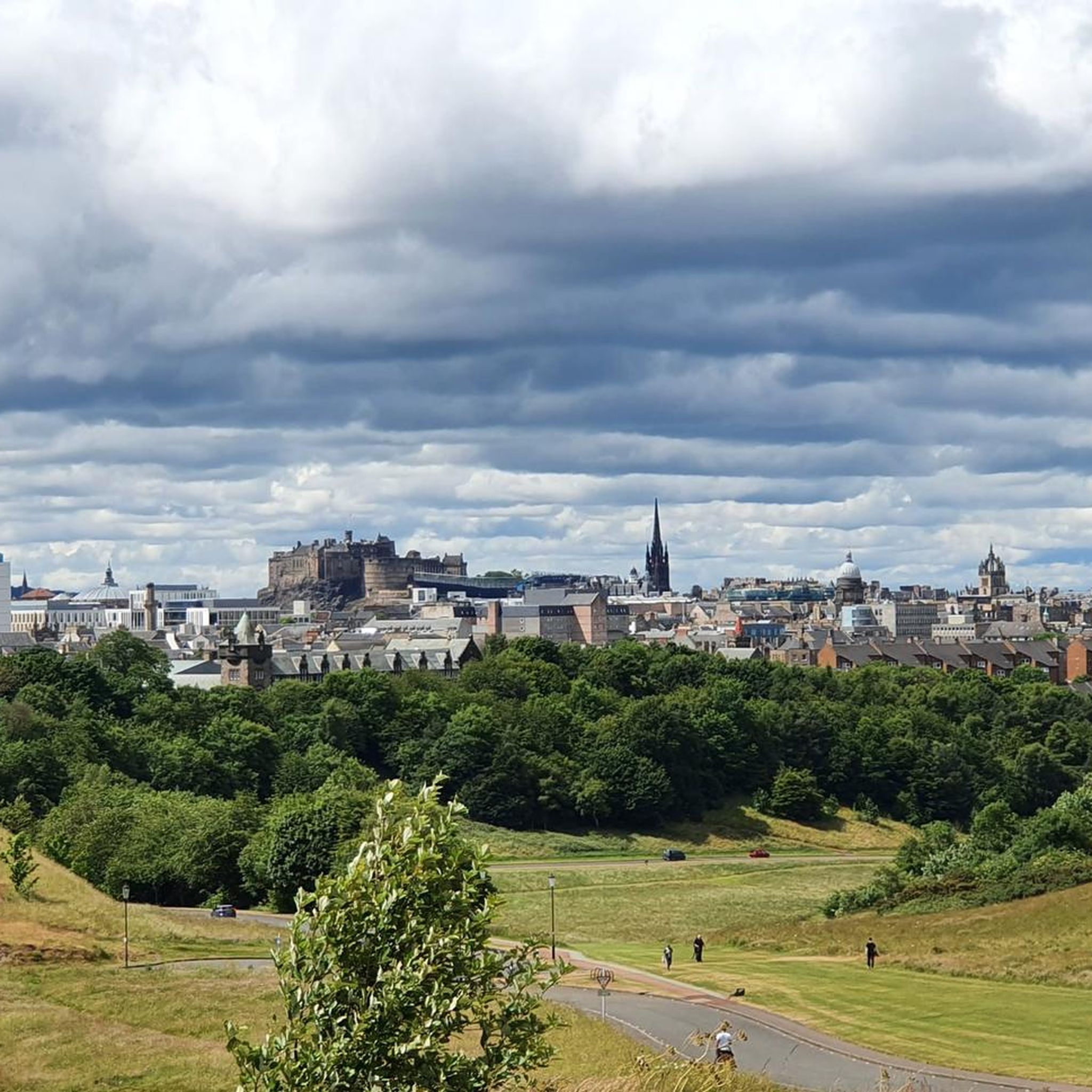
Hiking around Northfield/Willowbrae offers direct access to prominent natural landmarks and varied terrain within Edinburgh, Scotland. The area is dominated by Arthur's Seat, an ancient extinct volcano rising to 250.5 meters (822 feet), providing panoramic city views. Adjacent Salisbury Crags form part of the same volcanic structure, contributing to the dramatic landscape. These features are integral to Holyrood Park, a large green space that also includes picturesque Dunsapie Loch and Duddingston Loch.
Best hiking trails around Northfield/Willowbrae
- The most popular…
Last updated: October 10, 2026
4.7
(50)
219
hikers
3.80km
01:30
210m
210m
Hike the moderate 2.4-mile Arthur's Seat & Salisbury Crags loop from Holyrood for panoramic views of Edinburgh and the Firth of Forth.
4.7
(72)
442
hikers
3.80km
01:26
210m
200m
Moderate hike. Great for any fitness level. Mostly accessible paths. Sure-footedness required.

4.7
(31)
257
hikers
3.82km
01:22
190m
190m
Moderate hike. Great for any fitness level. Mostly accessible paths. Sure-footedness required.
4.9
(8)
200
hikers
3.56km
00:59
60m
60m
Easy hike. Great for any fitness level. Easily-accessible paths. Suitable for all skill levels.
4.9
(23)
215
hikers
3.62km
01:16
140m
140m
Moderate hike. Great for any fitness level. Mostly accessible paths. Sure-footedness required.
Get access to more routes and recommendations from other explorers.
Already have an account?
Our route recommendations are based on thousands of hikes, rides, and runs completed by other people on komoot.
Start today with a free account
Your next adventure awaits.
Tips from the Community

This Sint-Antoniuskapel looks more like the desolate ruin of an old castle than a religious building. It stands on a rocky outcrop high above St Margaret's Loch and offers superb views over North Edinburgh, Leith and the River Forth. For a building whose construction must undoubtedly have been watched by people from the surrounding area, surprisingly little is known about the origins of the Sint-Antoniuskapel. (Undiscovered Scotland)
5
0
Nice view of the city and the Firth of Forth when the weather is clear.
8
0
Usually a good trail with stairs, but in some places the stairs have disappeared.
8
0
The Salisbury Crags offer a beautiful view of Edinburgh and the surrounding area, as well as the Firth of Forth.
8
0
Another view of the Palace of Holyroodhouse, from the Crags.
8
0
The church was built in 1846-1847 in an early English Gothic style, to a design by architect John Henderson. The stones for the building came from the palace on the Royal Mile of Mary of Guise, the 16th-century regent of Scotland. The layout was inspired by reforms in Anglican worship that arose from the Oxford Movement. (Wikipedia)
5
0
The parliament is housed in the Scottish Parliament Building, a building completed in 2004 by the Spanish-Italian architects Enric Miralles and Benedetta Tagliabue, and is located on the grounds of Holyroodhouse in the Scottish capital Edinburgh. The name Holyrood is also used informally as a reference to the parliament (to distinguish it from London's "Westminster"). (Wikipedia) In the wall of the Scottish Parliament, a sculpture called "Canongate Wall" is incorporated. This artwork consists of a selection of igneous, metamorphic, and sedimentary rocks from all over Scotland with geological or historical significance. Most of the stones are engraved with quotes, chosen by the Scottish people. The sculpture, created by Gillian Forbes and Martin Reilly in 2002, consists of flat panels with quotes, various vertical pieces of dolerite, an engraved paving stone, and numerous other large objects.
8
0
Holyrood is located at the end of the Royal Mile in Edinburgh and has been Scotland's principal royal residence since the 16th century. The palace serves as a venue for state occasions and official entertaining. The palace adjoins Holyrood Abbey and the gardens lie within Holyrood Park. The King's Gallery was created from existing buildings near the west entrance to the palace and opened in 2002 to display works of art from the Royal Collection. An adult admission ticket costs £26.00 (£22.00 if booked online in advance).
6
0
Frequently Asked Questions
How many hiking trails are available in Northfield/Willowbrae?
There are over 50 hiking trails around Northfield/Willowbrae, offering a wide range of experiences. These routes are highly rated by the komoot community, with an average score of 4.6 stars.
What kind of terrain can I expect when hiking in Northfield/Willowbrae?
The terrain in Northfield/Willowbrae is diverse, characterized by volcanic hills, historic parkland, and scenic lochs. You'll encounter paths ranging from easy, accessible strolls around lochs to more challenging ascents up Arthur's Seat, offering varied surfaces and gradients.
Are there options for different hiking abilities?
Yes, the area caters to various skill levels. You'll find over 20 easy routes, nearly 30 moderate trails, and a few more challenging options. For an easier walk, consider the Dunsapie Loch – Lower Slopes of Arthur's Seat loop from Easter Road Stadium. For a moderate challenge, try the Arthur's Seat – Arthur's Seat loop from Edinburgh.
What natural landmarks can I see while hiking in the area?
The primary natural landmark is Arthur's Seat, an ancient extinct volcano offering panoramic views. Adjacent to it are the dramatic Salisbury Crags. Holyrood Park also encompasses picturesque Dunsapie Loch and Duddingston Loch, which are often part of hiking routes.
Are there any notable viewpoints along the trails?
Absolutely. The summit of Arthur's Seat provides expansive views across Edinburgh and the Firth of Forth. Other viewpoints in the wider area include Corstorphine Hill Tower and the View from Allermuir Hill.
Can I find circular hiking routes in Northfield/Willowbrae?
Yes, many of the trails are circular, allowing you to start and end at the same point. A popular example is the Arthur's Seat & Salisbury Crags loop from Holyrood, which offers stunning city views.
Are there family-friendly hiking options in Northfield/Willowbrae?
Many of the easier paths within Holyrood Park are suitable for families. The routes around Dunsapie Loch, for instance, offer gentle gradients and scenic surroundings, perfect for a family outing.
Is public transport available to access the hiking trails?
Yes, Holyrood Park and Arthur's Seat are well-served by public transport, with various bus routes stopping nearby. This makes it convenient to access the trails without a car.
Where can I park when visiting the hiking trails?
Parking is available around Holyrood Park, though it can be busy, especially on weekends. Specific car parks are located at various access points to the park, providing convenient starting points for your hike.
What is the best time of year to go hiking in Northfield/Willowbrae?
Spring and autumn generally offer the most pleasant hiking conditions with milder temperatures and beautiful scenery. Summer can also be great, though trails may be busier. Winter hikes are possible but require appropriate gear due to potentially colder and wetter weather.
Are there any longer, more challenging hikes in the area?
For those seeking a longer and more challenging experience, the Duddingston Loch – Portobello Beach loop from Southside is a difficult 28.8 km (17.9 miles) trail that explores a wider area, including coastal sections.
What do other hikers enjoy most about hiking in Northfield/Willowbrae?
The area is highly rated by the komoot community, with an average score of 4.6 stars. Reviewers often praise the stunning panoramic views from Arthur's Seat, the accessibility of the trails from the city, and the diverse natural beauty of Holyrood Park.
Most popular routes around Northfield/Willowbrae
Most popular attractions around Northfield/Willowbrae

Get inspired with the komoot mobile app


Explore more
Browse the best Hikes in other regions.
