Attractions and Places To See around Murrayfield - Top 20
Best attractions and places to see around Murrayfield, a residential area west of Edinburgh's city centre, offers a diverse range of attractions. The area is known for its iconic stadium and provides access to natural reserves and historic sites. It features a blend of urban landmarks and scenic outdoor spaces.
Best attractions and places to see around Murrayfield
- The most popular attractions is Arthur's Seat, a summit that dominates Holyrood Park and offers views across the Edinburgh region and…
Last updated: May 4, 2026
Arthur's Seat
Highlight • Summit
Tip by

Corstorphine Hill Tower
Highlight • Viewpoint
Tip by

Sign up now to discover places like this
Get recommendations on the best single tracks, peaks, & plenty of other exciting outdoor places.
Sign up for free
Scott Monument
Highlight • Viewpoint
Translated by Google •
Tip by

The Dry Dam Path to Arthur's Seat
Highlight • Natural Monument
Translated by Google •
Tip by

Victoria Street
Highlight • Monument
Tip by

Sign up for free to discover even more attractions around Murrayfield.
Sign up for free
Already have an account?
Start today with a free account
Your next adventure awaits.
Login or Signup
Tips from the Community

This is how some 200 years ago, bookworms began: "In that lovely district of merry England, which is watered by the River Don, there was in ancient times a great wood... Here dwelt... the fabulous Dragon of Wantley; here were fought several of the bloodiest battles during the Rose Civil Wars..." Through translations, Scott's fame on the British Isles soon spread throughout Europe, even to the New World. The author, who continued to publish his books anonymously, with the reference "By the Author of Waverley," naturally rejoiced in his hiding place over the success – until, by chance, it was revealed that he, Walter Scott, was the author. The honors in Scotland were endless. The toast Lord Meadowbank made at a banquet held in Scott's honor in 1827 remains valid in Scotland to this day: "The beauties of our country... and the fame of our ancestors have been carried by him beyond the shores of this island, to the ends of the earth. He has... immortalized the name of Scotland..." (Text from https://www.deutschlandfunk.de/250-geburtstag-des-schriftstellers-wie-sir-walter-scott-den-100.html )
0
0


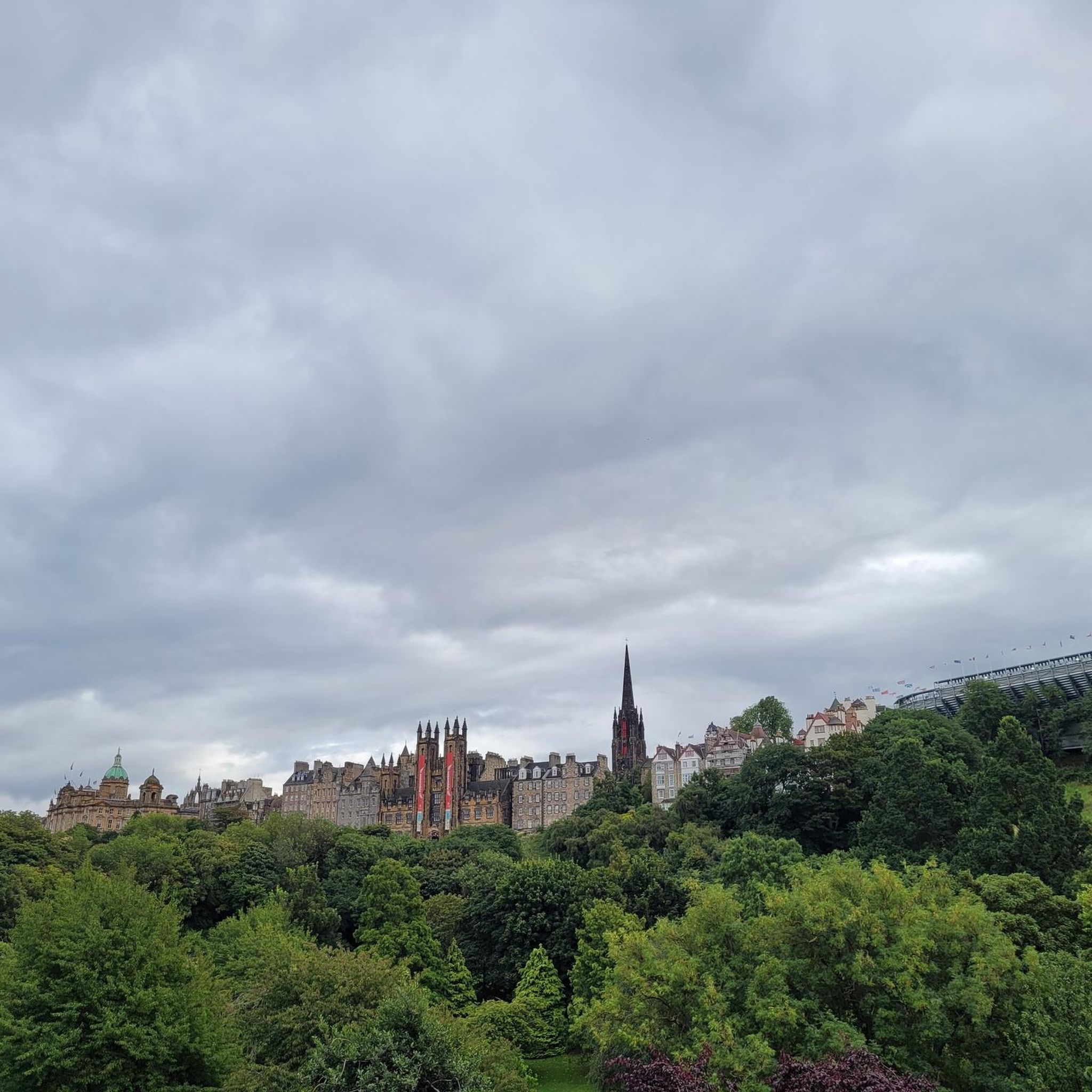
One of the most picturesque streets in Edinburgh's Old Town is Victoria Street. This street begins at the eastern end of the Grassmarket as West Bow, which was the original name for this historic thoroughfare. This route was originally the main route into Edinburgh for tourists arriving from the north, west or south-west of the city. The zigzagging of the hill made the route more accessible to horse-drawn vehicles that would not have been able to navigate the much narrower lanes or the Royal Mile. The buildings along the road indicate how the structures in the city spread upwards as the city colonised the full length of the hillside. One of these buildings (with a confectioner's shop at street level) is an original 16th century building, in the traditional 'built' style of pieces of gutter stone, with individual pieces of stone fitted together like a jigsaw puzzle. Most of the buildings along the road have been recently rebuilt or developed, but look for the dates 1616 and 1720 above some of the old doorways near the lower end of the street. https://www.edinburghexpert.com/blog/edinburghs-victoria-street-and-west-bow
4
1
Victoria Street, a picturesque and winding cobbled lane, is one of Edinburgh’s most iconic thoroughfares. Named after Queen Victoria, it exudes a timeless charm that resonates with locals and visitors alike. With its colourful facades and unique shops, the street showcases Edinburgh’s architectural diversity and historical heritage. Victoria Street was designed by architect Thomas Hamilton, one of the leading lights in transforming the city with neoclassical buildings and influenced by ancient Greek architecture. However, it was stipulated that the buildings associated with the new street should be ‘old Flemish’ in style and take inspiration from the details of Heriot’s Hospital. https://ewh.org.uk/victoria-street/
4
0
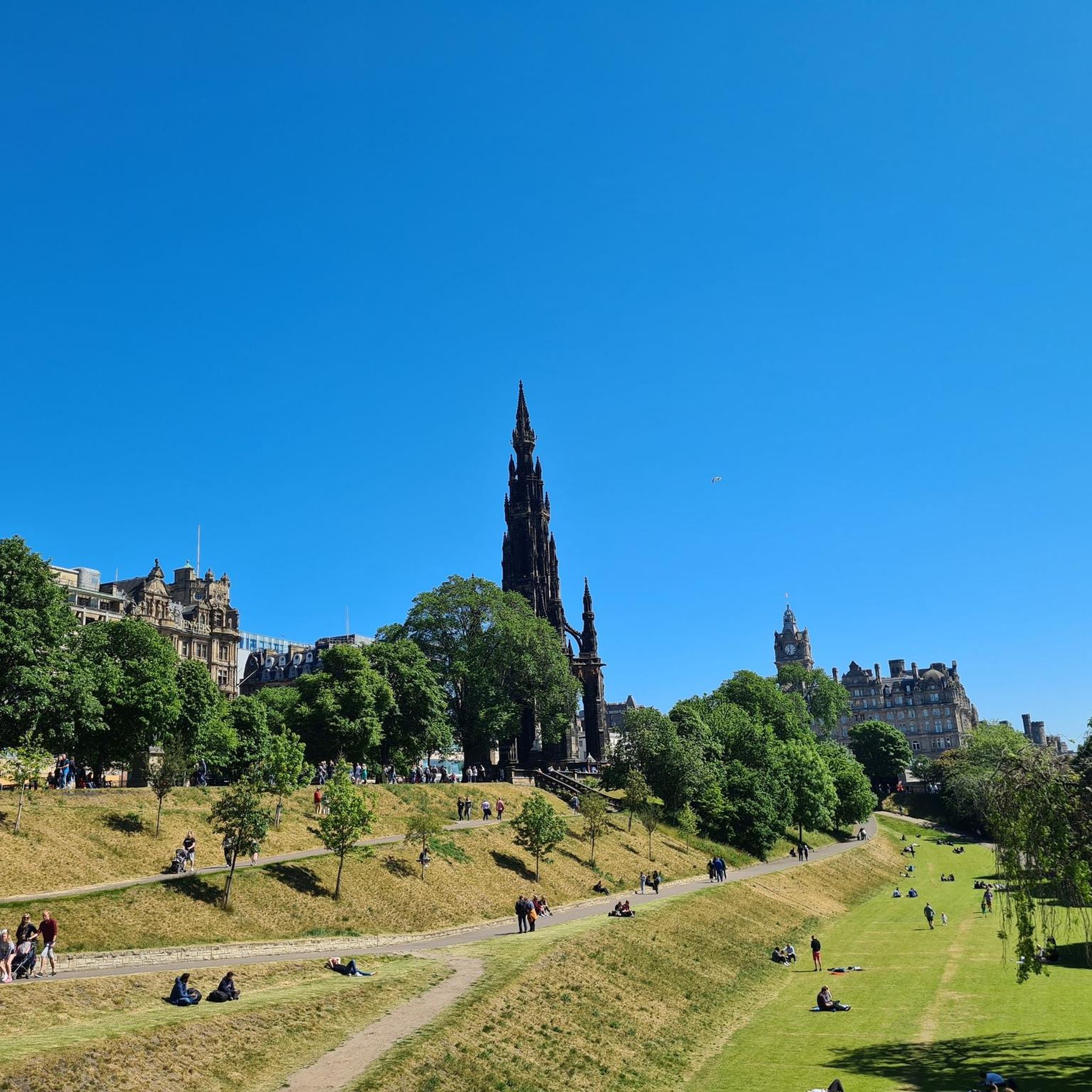
To climb to the top of the tower, you must climb 287 steps, which are divided into four levels, where you can pause and rest if you wish. As you continue up the spiral staircase, the climb becomes increasingly challenging as the walls become narrower and the steps become unstable. Although the climb may seem endless and a bit tiring, the effort will be worth it once you reach the top. Here, you'll be able to enjoy some of the best views of Edinburgh. Simply stunning views. If you don't suffer from claustrophobia or have a condition that prevents you from climbing to the top of the Scott Monument, we highly recommend climbing to the top to enjoy the breathtaking views. https://www.introducingedinburgh.com/scott-monument
5
0
The history of the monument, and much more, is told in the monument's museum hall on the first floor. Visitors can learn more about Scott himself, his eventful life, his legacy in international literature, and the monument built in his honor. Audio points allow visitors to listen to excerpts from his writings. https://www.edinburghmuseums.org.uk/venue/scott-monument
3
1
The Scott Monument is one of Edinburgh's most iconic landmarks, a must-see for visitors and locals alike. Dedicated to Sir Walter Scott, it is one of the greatest monuments to a writer in the world.
3
1
India Buildings on Victoria Street was built in 1864 by architect David Cousins and designed in the fashionable Baronial style of the time. Note the ‘bartizan’ at the top of the building, a small tower inspired by medieval battlements. It was intended as office space and early occupants included the British Linen Bank, the Scottish Board of Agriculture and the Geological Survey of Scotland. In recent years, many Edinburgh residents will remember the building as housing the Register Office. https://ewh.org.uk/victoria-street/
3
0
Frequently Asked Questions
What natural features and parks can I explore in and around Murrayfield?
Murrayfield offers access to several beautiful natural areas. Corstorphine Hill is Edinburgh's largest public park and nature reserve, perfect for walks and wildlife spotting. The Water of Leith Walkway provides a scenic riverside path through the area. Additionally, the iconic Arthur's Seat, an ancient volcano dominating Holyrood Park, is easily accessible and offers commanding views.
Are there good walking or hiking trails near Murrayfield?
Yes, Murrayfield is an excellent starting point for various walks and hikes. You can explore trails on Corstorphine Hill, which offers routes like the Corstorphine Hill Tower loop. The Water of Leith Walkway also provides easy, scenic paths. For more challenging options, the mountain hikes around Murrayfield include routes up Arthur's Seat, such as the Haggis Knowe or Salisbury Crags loops.
What historical landmarks or cultural sites are prominent in Murrayfield itself?
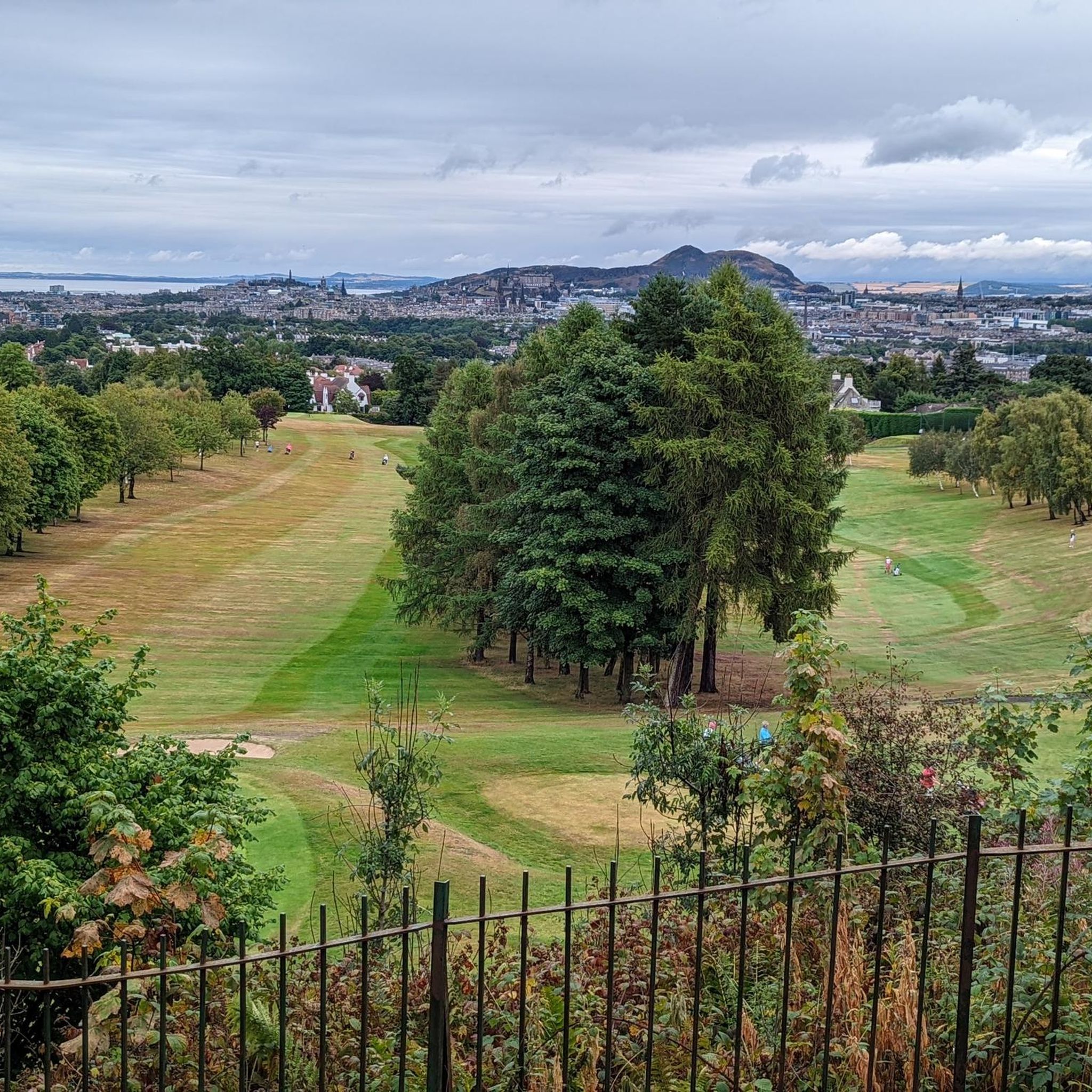
Murrayfield is primarily known for the Scottish Gas Murrayfield Stadium, the national stadium of Scotland and home to Scottish Rugby Union, which also hosts concerts and events. Another significant landmark is the Murrayfield Ice Rink, Scotland's largest, hosting various ice sports and events. Perched atop Corstorphine Hill, the Corstorphine Hill Tower (Clermiston Tower) is a memorial to Sir Walter Scott, offering historical significance and panoramic views.
How can I experience Edinburgh's main attractions from Murrayfield?
Murrayfield's location provides easy access to Edinburgh's city centre and its famous landmarks. You can readily reach attractions like Edinburgh Castle, the Royal Mile, Princes Street for shopping, and the Edinburgh Zoo by tram, bus, or even a walk. Notable sites like St Giles' Cathedral, the Scott Monument, and the picturesque Victoria Street are all just a short journey away.
Are there any viewpoints offering scenic views of Edinburgh near Murrayfield?
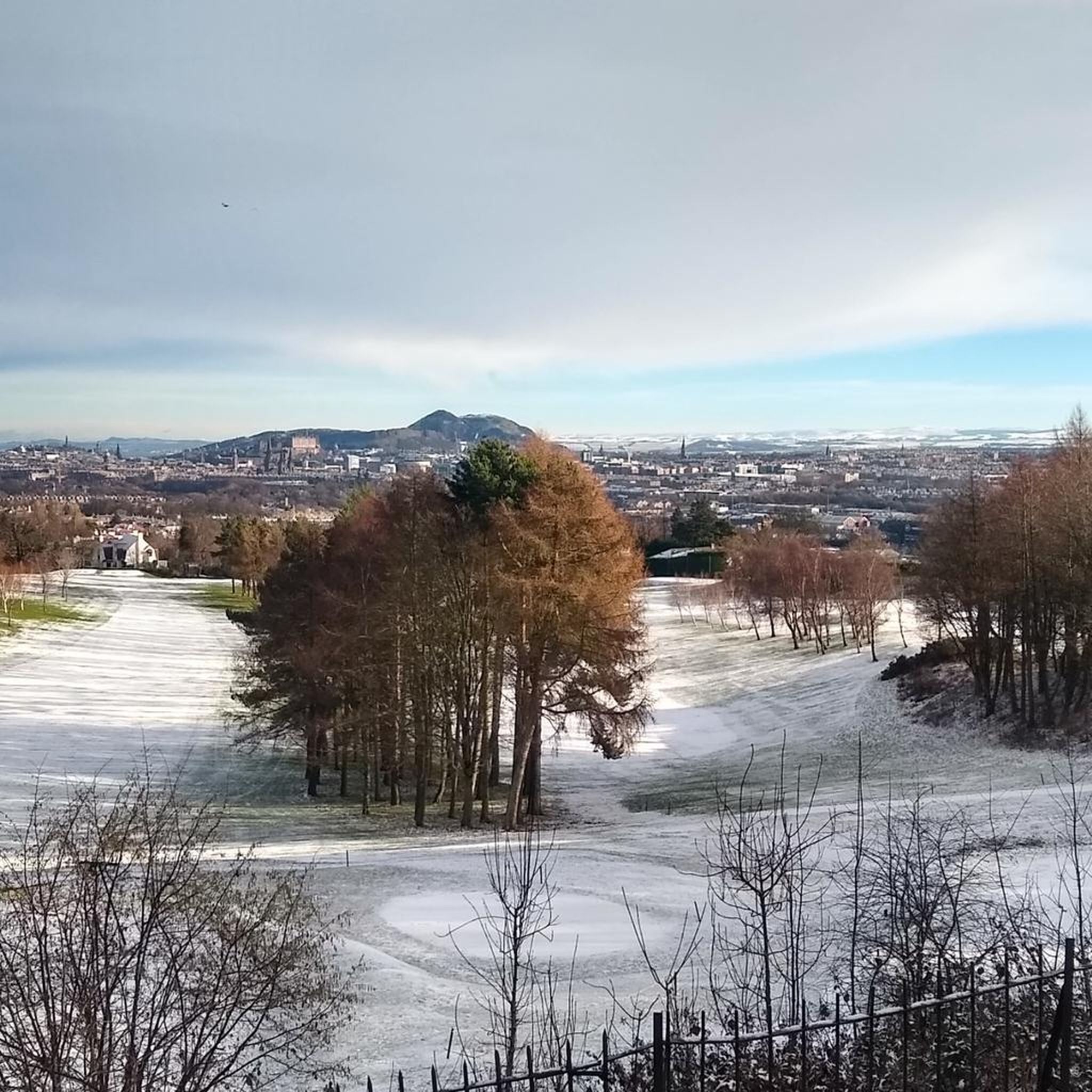
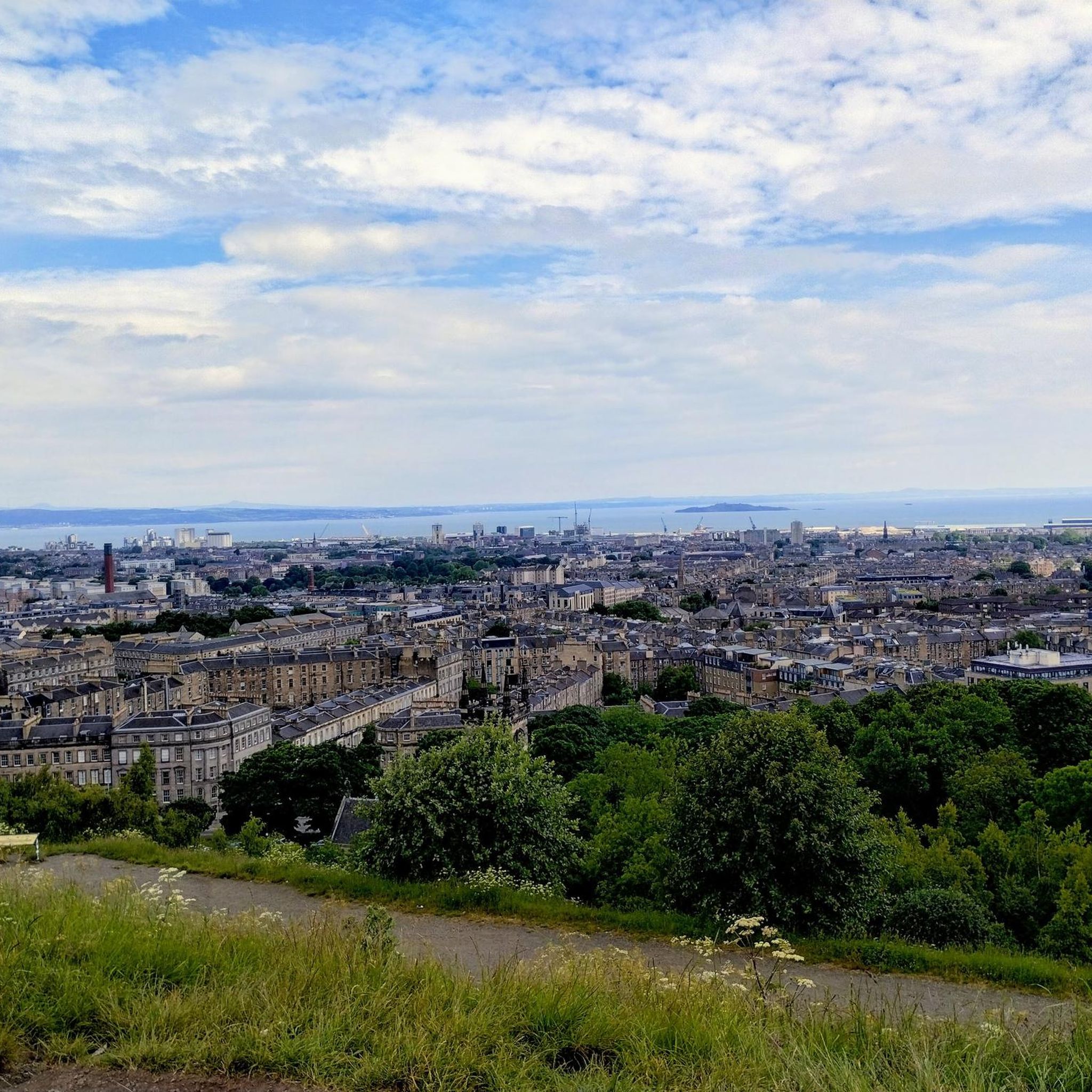
Absolutely. The Corstorphine Hill Tower provides stunning views of Edinburgh Castle, Calton Hill, and Arthur's Seat. For an even more expansive panorama, a climb up Arthur's Seat rewards visitors with commanding views across the entire Edinburgh region and the Firth of Forth. The Scott Monument also offers a viewing platform after ascending its 287 steps.
Are there family-friendly attractions or walks in Murrayfield?
Many attractions around Murrayfield are suitable for families. The walks on Corstorphine Hill and along the Water of Leith Walkway are generally family-friendly. The ascent to Arthur's Seat has routes perfect for 'little legs' and offers a rewarding experience. Within the city centre, easily accessible from Murrayfield, attractions like the Edinburgh Zoo and the interactive elements of the Scott Monument are also popular with families.
Can I bring my dog on walks around Murrayfield?
Yes, many of the outdoor areas around Murrayfield are dog-friendly. Corstorphine Hill is a popular spot for dog walkers, offering plenty of space to roam. The Water of Leith Walkway is also a great option for a riverside stroll with your dog. Always remember to keep dogs under control and clean up after them.
What is the best way to get to Murrayfield and its attractions?
Murrayfield is well-connected to Edinburgh city centre. Public transport, particularly trams and buses, offers convenient access to the area and its attractions. The tram line runs directly past Murrayfield Stadium, making it easy to reach from various parts of the city, including the airport and city centre.
Are there dining options or cafes near Murrayfield Stadium?
As a residential area with a major stadium, Murrayfield has various local cafes, pubs, and restaurants catering to residents and visitors. You'll find options for pre-match meals, casual dining, and coffee shops within walking distance or a short drive from the stadium, particularly along the main roads leading into the area.
Are there any wheelchair-accessible routes or attractions near Murrayfield?
While some natural paths may be challenging, certain attractions and routes offer better accessibility. The Scott Monument has some accessible areas, though the ascent to the top is via stairs. The Water of Leith Walkway has sections that are generally flat and suitable for wheelchairs. For specific accessibility information on other attractions, it's always best to check directly with the venue.
What do visitors particularly enjoy about the attractions around Murrayfield?
Visitors to Murrayfield and its surrounding attractions highly appreciate the blend of urban landmarks and scenic outdoor spaces. The komoot community has collectively given over 1200 upvotes and shared more than 800 photos, highlighting the stunning views from Arthur's Seat and Corstorphine Hill Tower, the historic charm of sites like St Giles' Cathedral, and the picturesque nature of Victoria Street. The diverse range of activities, from challenging hikes to leisurely strolls, is also a major draw.
Most popular routes around Murrayfield
Most popular attractions around Murrayfield

Get inspired with the komoot mobile app


Explore more
Still not found the Highlight you’re looking for? See guides of the top attractions in other regions:
