Attractions and Places To See around Corstorphine - Top 20
Best attractions and places to see around Corstorphine, a suburb of Edinburgh, include a mix of natural features and historical landmarks. The area is characterized by Corstorphine Hill, Edinburgh's largest public woodland, offering panoramic views and diverse wildlife. Visitors can explore sites ranging from ancient churches and dovecots to modern attractions, providing a variety of experiences.
Best attractions and places to see around Corstorphine
- The most popular attractions is Arthur's Seat, a summit that dominates Holyrood Park and rewards…
Last updated: October 5, 2026
Arthur's Seat
Highlight • Summit
Tip by

Carnethy Hill
Highlight • Natural Monument
Tip by

Sign up now to discover places like this
Get recommendations on the best single tracks, peaks, & plenty of other exciting outdoor places.
Scott Monument
Highlight • Viewpoint
Translated by Google •
Tip by

Royal Mile
Highlight • Viewpoint
Tip by
Corstorphine Hill Tower
Highlight • Viewpoint
Tip by

Sign up for free to discover even more attractions around Corstorphine.
Already have an account?
Start today with a free account
Your next adventure awaits.
Tips from the Community

This is how some 200 years ago, bookworms began: "In that lovely district of merry England, which is watered by the River Don, there was in ancient times a great wood... Here dwelt... the fabulous Dragon of Wantley; here were fought several of the bloodiest battles during the Rose Civil Wars..." Through translations, Scott's fame on the British Isles soon spread throughout Europe, even to the New World. The author, who continued to publish his books anonymously, with the reference "By the Author of Waverley," naturally rejoiced in his hiding place over the success – until, by chance, it was revealed that he, Walter Scott, was the author. The honors in Scotland were endless. The toast Lord Meadowbank made at a banquet held in Scott's honor in 1827 remains valid in Scotland to this day: "The beauties of our country... and the fame of our ancestors have been carried by him beyond the shores of this island, to the ends of the earth. He has... immortalized the name of Scotland..." (Text from https://www.deutschlandfunk.de/250-geburtstag-des-schriftstellers-wie-sir-walter-scott-den-100.html )
0
0

To climb to the top of the tower, you must climb 287 steps, which are divided into four levels, where you can pause and rest if you wish. As you continue up the spiral staircase, the climb becomes increasingly challenging as the walls become narrower and the steps become unstable. Although the climb may seem endless and a bit tiring, the effort will be worth it once you reach the top. Here, you'll be able to enjoy some of the best views of Edinburgh. Simply stunning views. If you don't suffer from claustrophobia or have a condition that prevents you from climbing to the top of the Scott Monument, we highly recommend climbing to the top to enjoy the breathtaking views. https://www.introducingedinburgh.com/scott-monument
5
0
The history of the monument, and much more, is told in the monument's museum hall on the first floor. Visitors can learn more about Scott himself, his eventful life, his legacy in international literature, and the monument built in his honor. Audio points allow visitors to listen to excerpts from his writings. https://www.edinburghmuseums.org.uk/venue/scott-monument
3
1
The Scott Monument is one of Edinburgh's most iconic landmarks, a must-see for visitors and locals alike. Dedicated to Sir Walter Scott, it is one of the greatest monuments to a writer in the world.
3
1
This is how some 200 years ago, bookworms began: "In that lovely district of merry England, which is watered by the River Don, there was in ancient times a great wood... Here dwelt... the fabulous Dragon of Wantley; here were fought several of the bloodiest battles during the Rose Civil Wars..." Through translations, Scott's fame on the British Isles soon spread throughout Europe, even to the New World. The author, who continued to publish his books anonymously, with the reference "By the Author of Waverley," naturally rejoiced in his hiding place over the success – until, by chance, it was revealed that he, Walter Scott, was the author. The honors in Scotland were now endless. The toast Lord Meadowbank made at a banquet held in Scott's honor in 1827 remains valid in Scotland to this day: "The beauties of our country... and the fame of our ancestors have been carried by him beyond the shores of this island, to the ends of the earth. He has... immortalized the name of Scotland..." (Text from https://www.deutschlandfunk.de/250-geburtstag-des-schriftstellers-wie-sir-walter-scott-den-100.html )
8
0

The beating heart of Edinburgh's Old Town, the Royal Mile is much more than just a street - it is the lively centre of the Scottish capital, lined with historic buildings, hidden alleyways and a variety of shops, restaurants and pubs. Stretching majestically from Edinburgh Castle to Holyrood Palace, this ancient path is a journey through Scotland's rich history and an essential part of any Edinburgh exploration. Strolling along the Royal Mile is like turning the pages of a living history book. Each step reveals a new layer of the past, from the proud towers of Edinburgh Castle, which tell tales of kings and queens, intrigue and battle, to the magnificent Holyrood Palace, the official residence of the British monarchy in Scotland. The street itself, which is divided into different sections - Castlehill, Lawnmarket, High Street, Canongate and Abbey Strand - offers a fascinating mix of the medieval and the modern. You'll find everything from traditional Scottish souvenir shops selling kilts and whisky to contemporary galleries and cafes hidden in historic buildings. A visit to the Royal Mile is also a cultural experience. Throughout the year, numerous events and festivals take place here, transforming the street into a stage for artists from all over the world. Whether it's the famous Edinburgh International Festival or the lively Fringe Festival, the Royal Mile is always at the centre of the action. But the Royal Mile is more than just sightseeing and shopping. It's a place to linger, enjoy a coffee in one of the many cafes, watch the hustle and bustle or listen to the buskers playing Scottish tunes. It's a place where history comes alive and you can feel the real Edinburgh. For those who want to delve deeper into history, the numerous museums and historical sites along the Royal Mile provide an endless source of learning and wonder. From the imposing St. Giles' Cathedral to the fascinating Museum of Edinburgh, every step tells a story.
3
0
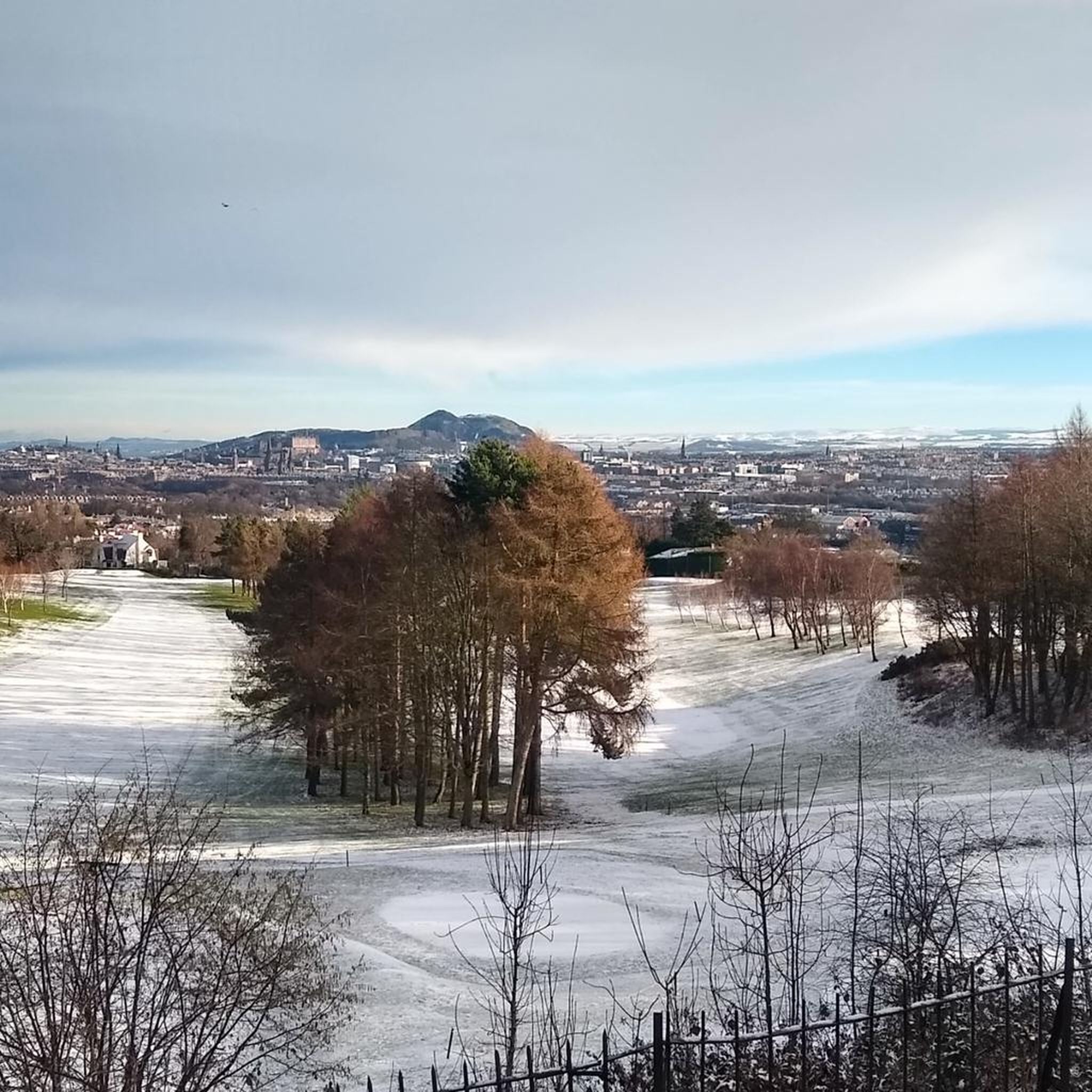
As I pedal my mountain bike, I feel the stress of everyday life slipping away. The way up is peppered with corners that invite you to linger. But my destination is clear: the Corstorphine Hill Tower, a monument to Sir Walter Scott that rises majestically at the top of the hill. I can't wait to get to the tower, which is said to have incredible views over Edinburgh. But before I reach the top, I remember the words of those who value this place: respect nature, leave no trace and do not disturb the wildlife. As I drive through the vast deciduous forests that cover most of the hill, I can't help but enjoy the tranquility that surrounds me. The hill, a local nature reserve and a geologically and geomorphologically significant site, tells stories from times long past. The hill's doleritic composition, formed by glacial movements, adds another layer of intrigue. I reach the tower shortly after the first rays of sun kiss the top of the hill. The sight that greets me is breathtaking. The city of Edinburgh lies at my feet, nestled in the greenery that makes this hill so special. I take a moment to enjoy the silence and the view before heading back. The descent is a rush - the cool morning air brushes against my face as I navigate the paths, always careful not to erode or disturb other visitors.
2
0

The street with different names runs through the old town.
7
1
Frequently Asked Questions
What are some popular natural attractions and viewpoints in Corstorphine?
Corstorphine Hill is Edinburgh's largest public woodland and a Local Nature Reserve, offering stunning panoramic views of the city, the Firth of Forth, and the Pentland Hills from its summit. At the top, you'll find the Corstorphine Hill Tower, a gothic folly built in 1871, which also provides incredible vistas. While not directly in Corstorphine, Arthur's Seat and Carnethy Hill are popular nearby summits offering expansive views across the region.
What historical sites can I explore in Corstorphine?
Corstorphine boasts several significant historical sites. The Old Corstorphine Parish Church dates back to 1380 and contains the tombs of its founder. The Corstorphine Heritage Centre, housed in the 17th-century Dower House within St Margaret's Park, showcases local history. You can also visit the Corstorphine Dovecot, the last remaining structure from the old Corstorphine Castle estate.
Are there any unique historical landmarks in Corstorphine?
Yes, Corstorphine has a few unique historical landmarks. The Corstorphine Dovecot is a distinctive round building, a remnant of the Corstorphine Castle estate. The Corstorphine Physic Well was once renowned for its medicinal waters in the 18th century. Additionally, the remains of the historic Corstorphine Sycamore Tree, steeped in local legend, can still be seen near the Dovecot, with a section preserved in the Corstorphine Heritage Centre.
Are there good walking or hiking trails around Corstorphine?
Absolutely! Corstorphine Hill offers excellent opportunities for walks and exploring wooded trails, including a walled garden. For more extensive hiking, you can find various routes, including easy options like the 'Hilltop at Edinburgh Zoo – St Anne's Church loop' (5.6 km) or the 'Zoom loop' (4.5 km) from Corstorphine. Discover more hiking trails in the area on the Hiking around Corstorphine guide.
Can I find cycling routes near Corstorphine?
Yes, there are several cycling routes available. You can enjoy easy rides such as the 'Path Along the Water of Leith – Five Ways Junction loop' (23.3 km) or the 'Trash Cat_Roseburn Bridge – Trash Cat_Donaldson's Hospital loop' (10.8 km) starting from Corstorphine. For more options, including moderate and difficult routes, check out the Cycling around Corstorphine guide.
What about mountain biking opportunities in the Corstorphine area?
Mountain biking enthusiasts will find trails near Corstorphine. Options range from easy to difficult, such as the 'Torduff Reservoir – Pentland Hills Access Road loop' (26.2 km) or the more challenging 'Green Cleugh Valley – Pentland Hills Access Road loop' (49.9 km). Explore more routes on the MTB Trails around Corstorphine guide.
Are there family-friendly attractions in Corstorphine?
Yes, Corstorphine offers family-friendly attractions. Edinburgh Zoo, located on the southern slopes of Corstorphine Hill, is a major draw for families with over 1,000 animals. The trails on Corstorphine Hill are also suitable for family walks. Additionally, the Scott Monument, while a bit further afield in Edinburgh, is considered family-friendly and offers an engaging climb.
What is the best time of year to visit Corstorphine's attractions?
Corstorphine's attractions can be enjoyed year-round. Spring and summer offer pleasant weather for exploring Corstorphine Hill's trails and enjoying the views. The Corstorphine Hill Tower is occasionally open to the public during summer months. Autumn brings beautiful foliage, and even winter walks can be rewarding, though some paths might be muddy. Edinburgh Zoo is open throughout the year.
Is Corstorphine Hill suitable for dog walking?
Yes, Corstorphine Hill is a popular spot for dog walking, offering extensive wooded trails. Visitors are asked to keep dogs under control, especially given the diverse wildlife in this Local Nature Reserve, which includes badgers, kestrels, and owls. Please be mindful of other users and wildlife.
Are there any accessible trails or attractions in Corstorphine?
While Corstorphine Hill's natural terrain can be varied, some paths may be suitable for those with mobility considerations. For a more definitively accessible experience, the Scott Monument in Edinburgh is listed as wheelchair accessible, though climbing the internal stairs to the viewing platforms is not. It's always advisable to check specific accessibility details for individual sites before visiting.
What kind of wildlife can be spotted on Corstorphine Hill?
Corstorphine Hill, as a Local Nature Reserve, is home to diverse wildlife. Visitors might spot badgers, kestrels, and various species of owls. The woodland environment supports a range of birds and small mammals, making it a great spot for nature observation.
Where can I find refreshments or places to eat near Corstorphine's attractions?
Corstorphine is a residential suburb with local amenities. You'll find various cafes and pubs within the Corstorphine village area, particularly along St John's Road, which are convenient after exploring Corstorphine Hill or other local sites.
What do visitors enjoy most about Corstorphine's attractions?
Visitors frequently praise the panoramic views from Corstorphine Hill and the historical richness of sites like the Old Corstorphine Parish Church and the Corstorphine Heritage Centre. The area's blend of natural beauty and historical landmarks, combined with its proximity to Edinburgh, makes it a well-loved destination for both outdoor activities and cultural exploration.
Most popular routes around Corstorphine
Most popular attractions around Corstorphine

Get inspired with the komoot mobile app


Explore more
Still not found the Highlight you’re looking for? See guides of the top attractions in other regions:
