Top 20 Natural Monuments around Grünebach
Best natural monuments around Grünebach highlight the region's unique geological formations and scenic landscapes. The area is characterized by ancient volcanic activity, resulting in prominent basalt structures and diverse natural features. Visitors can explore a network of hiking trails that connect these natural landmarks, offering views across the Westerwald and Siegerland regions. This landscape provides opportunities to experience both geological history and natural beauty.
Best natural monuments around Grünebach
- The most popular natural monument is Druid's Stone, a natural…
Last updated: June 26, 2026
Druid's Stone
Highlight • Natural Monument
Translated by Google •
Tip by

Forest restaurant at Hohenseelbachskopf
Highlight • Historical Site
Like the Druid Stone, this distinctive basaltic peak between 500 and 300 BC was probably a significant Celtic settlement …
Translated by Google •
Tip by

Sign up now to discover places like this
Get recommendations on the best single tracks, peaks, & plenty of other exciting outdoor places.
Sign up for free
Elkenrother Weiher
Highlight • Lake
Translated by Google •
Tip by

Stations of the Cross to the Druidenstein
Highlight • Religious Site
Translated by Google •
Tip by

Kreuzeiche (Cross Oak) at the trail junction
Highlight • Natural Monument
Translated by Google •
Tip by

Sign up for free to discover even more natural monuments around Grünebach.
Sign up for free
Already have an account?
Start today with a free account
Your next adventure awaits.
Login or Signup
Tips from the Community

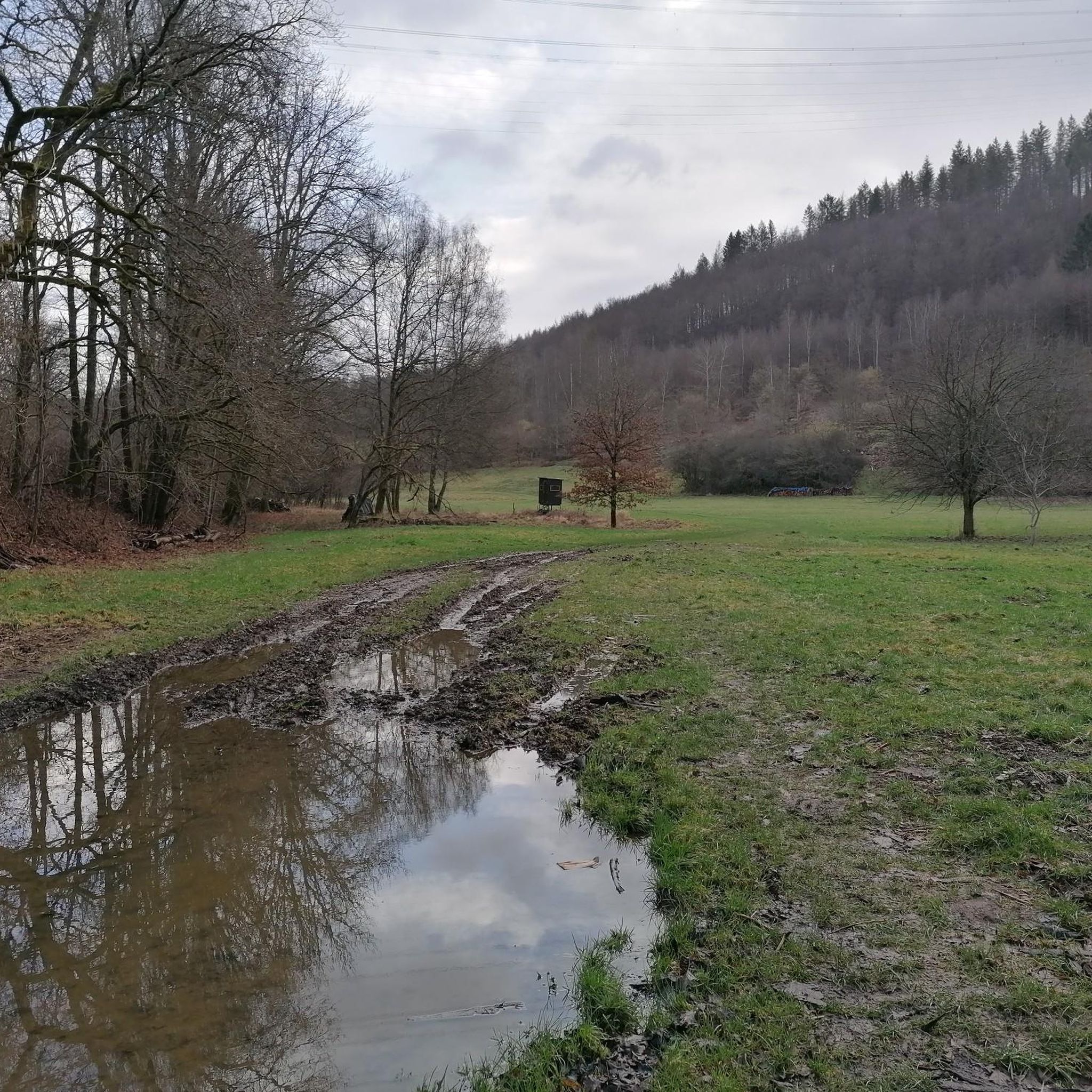
Small but beautifully located pond.
3
0

Very nice environment! Great nature reserve with various ponds.
3
0

There's delicious food there 🤩
4
0


the good old oak tree looks pathetic today if you still know it from the past
4
0

Again, a duplicate of a highlight.
6
0

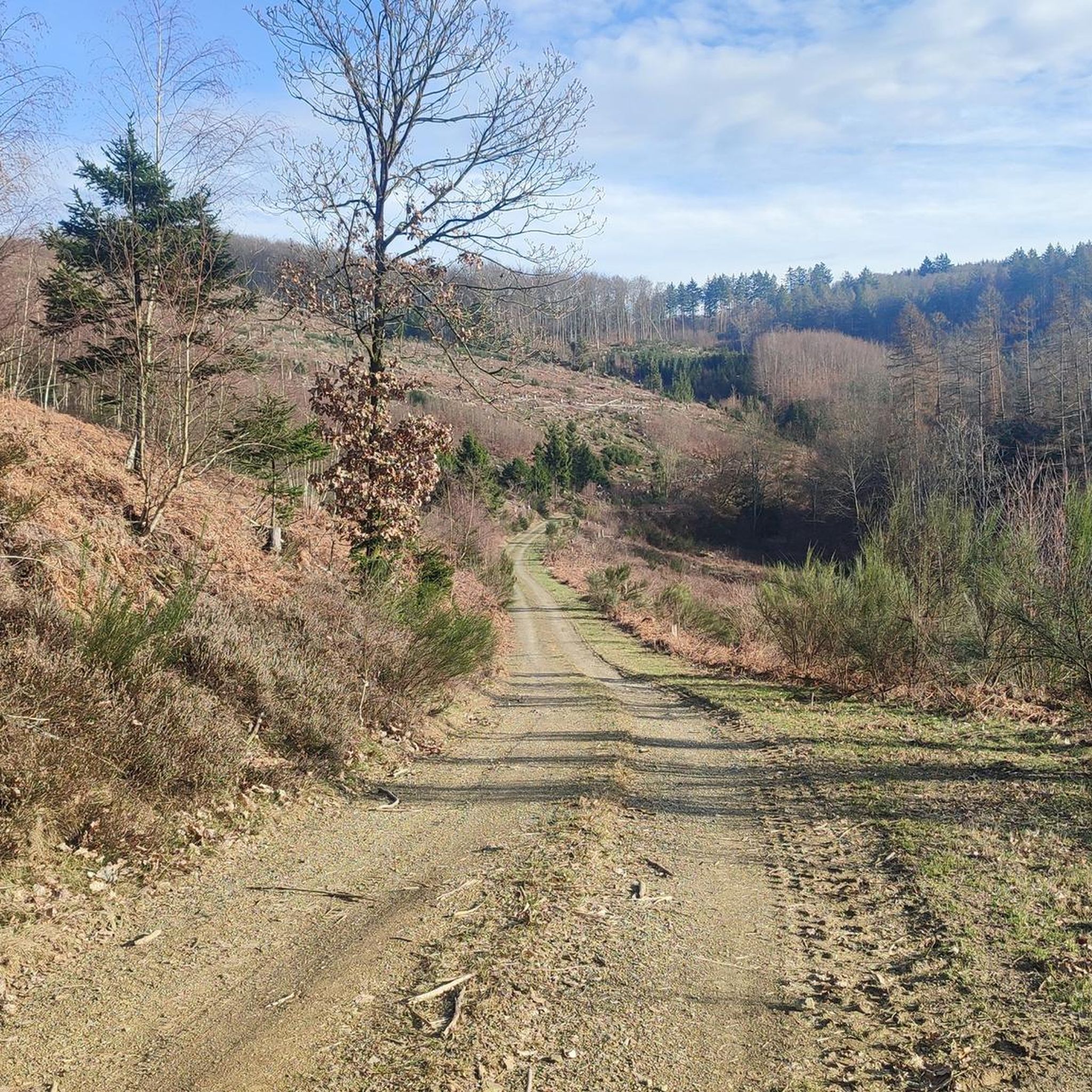
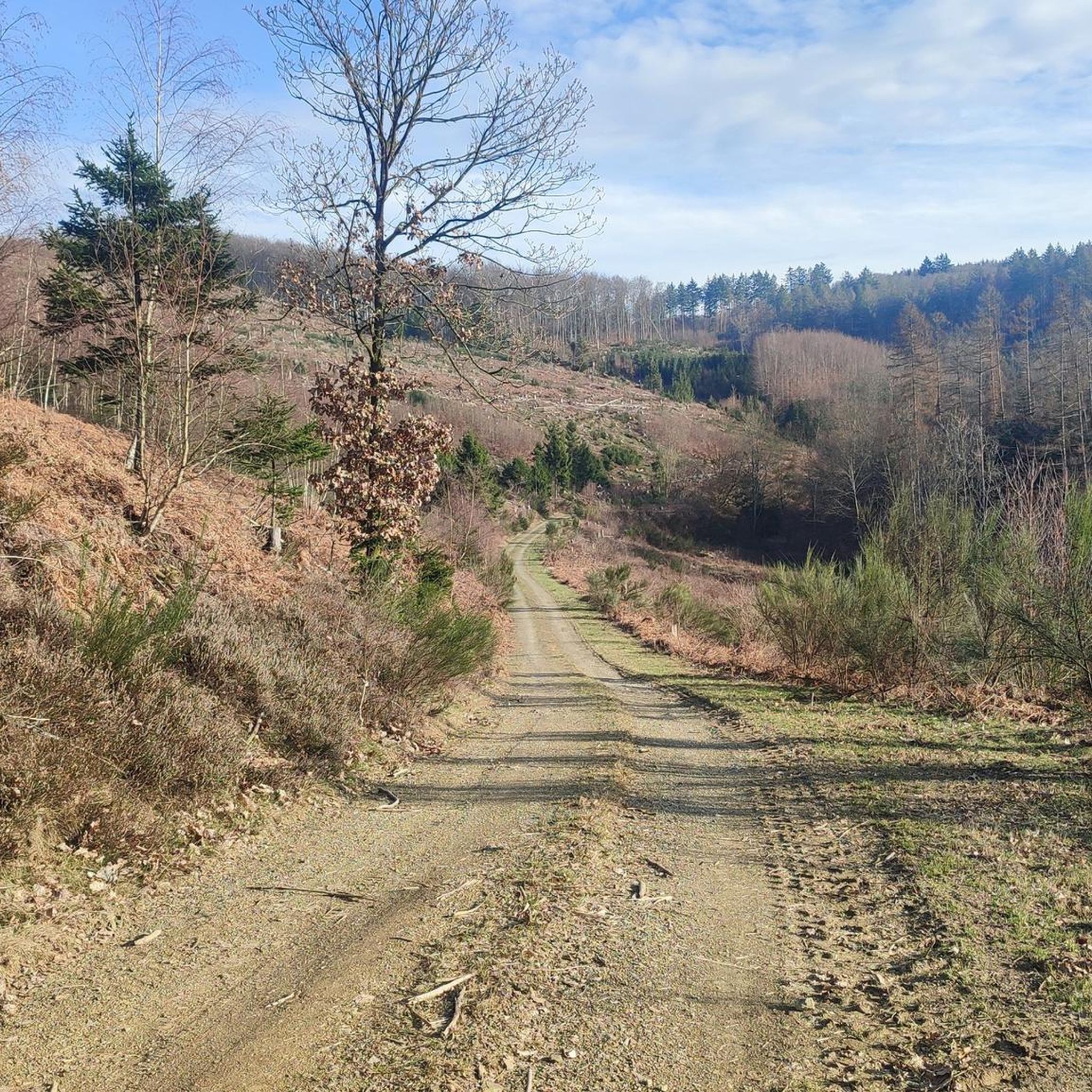
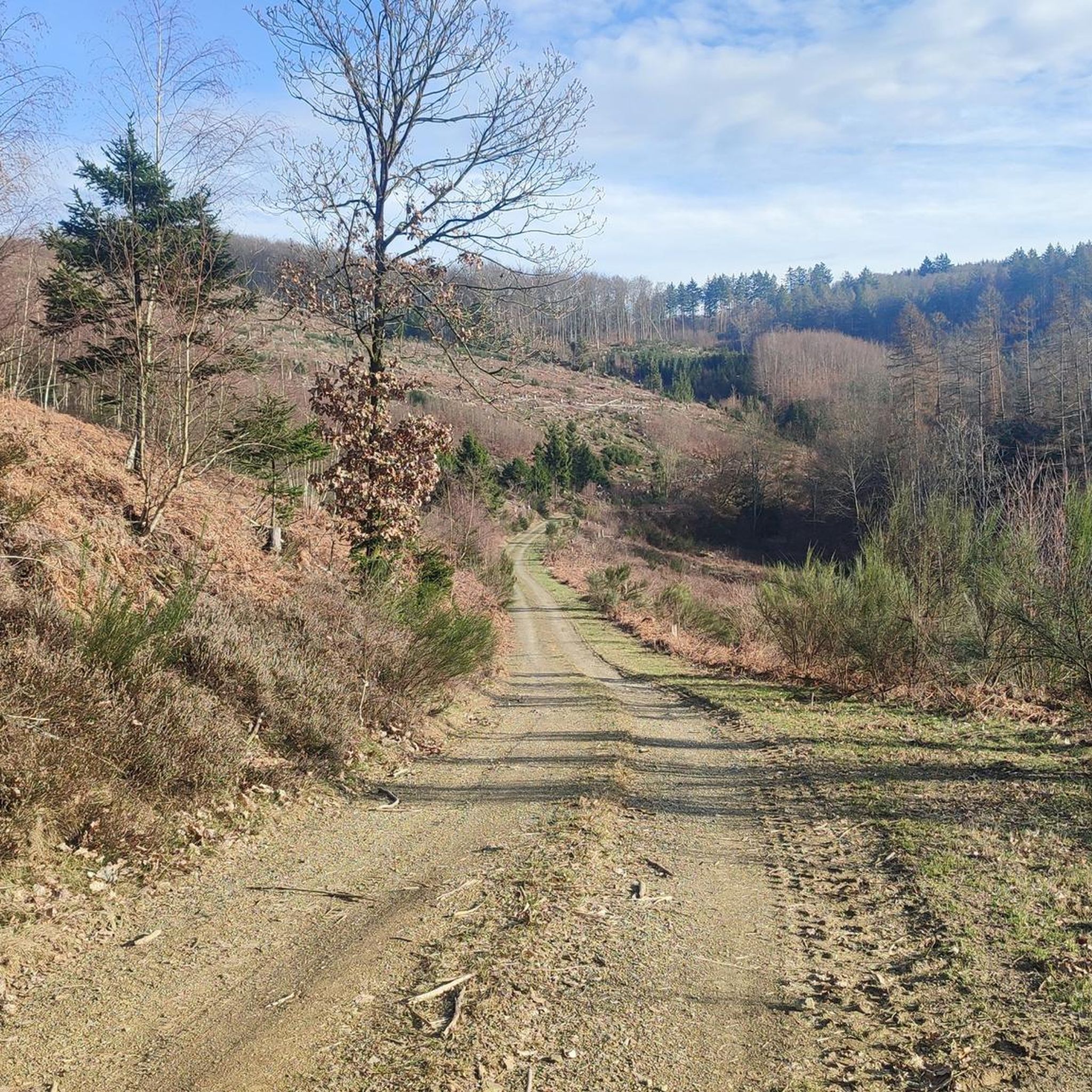
The "high plateau" between Eiserfeld, Neunkirchen and Mudersbach. The old cross mark marks the crossroads.
4
0

The "Elger" pond in the middle of a water protection area invites you to linger. Numerous benches and a small viewing platform on the circular path around the water offer the opportunity to do so.
5
0
Frequently Asked Questions
What are the most prominent natural features to explore around Grünebach?
The region around Grünebach is characterized by unique geological formations, primarily basalt structures resulting from ancient volcanic activity. Key features include the striking basalt cone of the Druid's Stone and remnants of basalt columns at Hohenseelbachskopf. You can also find serene water bodies like the Elkenrother Weiher, a lake fed by the Elbbach.
What makes the Druidenstein a significant natural monument?
The Druid's Stone is a prominent basalt rock formation near Grünebach, rising approximately 20 meters high. Its unique geological formation is a result of ancient volcanic activity. Beyond its natural beauty, it's believed to have been a significant Celtic settlement and cult site between 500 and 300 BC. It's also a key point on the Druidensteig and Natursteig Sieg long-distance hiking trails.
Are there good viewpoints to enjoy panoramic views of the region?
Yes, several locations offer extensive panoramic views. The Ottoturm (Otto Tower) on the Kahlenberg mountain provides wide views, including parts of the Siegerland and even the Siebengebirge mountains on clear days. Another excellent spot is the Pfannenbergturm (Pfannenberg Tower), which offers fantastic views of the Siegerland and the Westerwald region.
Are there hiking trails that connect the natural monuments around Grünebach?
Yes, a network of hiking trails allows you to explore the natural monuments. The Druid's Stone is situated on the first stage of the Druidensteig and the penultimate stage of the Natursteig Sieg long-distance hiking trails. Local 'G' routes (G1 to G4) also connect various natural and scenic sites, often incorporating views of the Hellerhöhen. You can find more hiking options in the Hiking around Grünebach guide.
What kind of outdoor activities can I do near these natural monuments?
The area offers diverse outdoor activities. Hiking is very popular, with trails like the Druidensteig and Natursteig Sieg passing through. You can also find dedicated mountain bike routes, particularly around Hohenseelbachskopf. For more detailed routes, explore the Hiking around Grünebach, Cycling around Grünebach, and MTB Trails around Grünebach guides.
Are the natural monuments around Grünebach family-friendly?
Many natural monuments and trails in the area are suitable for families. For example, the Druid's Stone and Elkenrother Weiher are listed as family-friendly. The circular route around the Elkenrother Weiher offers an opportunity for exploration, though some sections can be root-laden. The Forest restaurant at Hohenseelbachskopf also provides a pleasant stop for families.
Do any of the natural monuments have historical significance?
Yes, several sites hold historical importance. The Druid's Stone and Hohenseelbachskopf were likely significant Celtic settlement and cult sites between 500 and 300 BC. The Hohenseelbachskopf also shows remnants of basalt columns from early 20th-century mining. Additionally, the Stations of the Cross to the Druidenstein offers a historical religious path.
What is the best time of year to visit the natural monuments around Grünebach?
The natural monuments around Grünebach can be enjoyed throughout the year, but spring and autumn offer particularly pleasant conditions for hiking with mild temperatures and vibrant scenery. Summer is also great for outdoor activities, especially with the option of stopping at forest restaurants with beer gardens. Winter can offer a unique, serene experience, though some trails might be more challenging.
Are there places to eat or rest near the natural monuments?
Yes, visitors can find options for refreshment. Near the Druid's Stone, there's a small shop ('Büdchen') and a rustic pub where you can enjoy a break. The Hohenseelbachskopf features a beautiful forest restaurant with a beer garden, perfect for a longer stop.
How can I reach the natural monuments using public transport?
Grünebach is accessible via the Hellertal-Bahn, which connects to larger towns. From the Grünebach train station, you can often find local bus connections or start your hike directly to nearby natural monuments. It's advisable to check local bus schedules for specific routes to trailheads.
Where can I find parking near the natural monuments?
Parking is generally available near popular trailheads and natural monuments. For instance, there are designated parking areas for visitors heading to the Druid's Stone and other key sites. Look for signs indicating 'Wanderparkplatz' (hiking parking) at the start of major trails.
Can I bring my dog to the natural monuments?
Generally, dogs are welcome on trails and in natural areas around Grünebach. However, it's always recommended to keep them on a leash, especially in nature reserves or areas with wildlife, and to clean up after them. Specific regulations might apply to certain protected areas, so always look for local signage.
Most popular routes around Grünebach
Most popular attractions around Grünebach

Get inspired with the komoot mobile app


Explore more
Extend your search for the best caves by checking out these guides of the top ones around Grünebach:
