The best running trails in Brünst
4.4
(804)
15,316
runners
782
runs
Jogging in Brünst offers access to a region rich in diverse outdoor activities within the Neustadt an der Waldnaab District of the Upper Palatinate, Bavaria. The area is characterized by varied natural beauty, including dense forests, hills, rivers, and meadows, providing a range of running environments. Extensive trail networks traverse these landscapes, offering options for different fitness levels. This region is ideal for exploring natural landscapes and enjoying outdoor recreation.
Best jogging routes in Brünst
- The most popular jogging route…
Last updated: October 8, 2026
11
runners
5.00km
00:32
30m
30m
Easy run. Great for any fitness level. Mostly paved surfaces. Suitable for all skill levels.
33
runners
10.1km
01:04
40m
40m
Moderate run. Good fitness required. Mostly paved surfaces. Suitable for all skill levels.

10
runners
5.68km
00:36
40m
40m
Moderate run. Good fitness required. Mostly paved surfaces. Suitable for all skill levels.
10
runners
Moderate run. Good fitness required. Mostly paved surfaces. Suitable for all skill levels.
8
runners
6.57km
00:42
70m
70m
Moderate run. Good fitness required. Mostly paved surfaces. Suitable for all skill levels.
Get access to more routes and recommendations from other explorers.
Already have an account?
Our route recommendations are based on thousands of hikes, rides, and runs completed by other people on komoot.
Start today with a free account
Your next adventure awaits.
Tips from the Community

Enclosure located just 10 m from the village street. Here you can also buy products made from alpaca wool.
0
0

The sign on the Spital Church is a quote from the 10 Commandments (Exodus 20:1-6): "You shall not make for yourself an idol, or any likeness of anything in heaven above or on the earth beneath or in the water under the earth."
0
0


The Schwabach Hospital was founded in 1375 by the Nuremberg citizen Hermann Rosenhart, also known as the bell founder, and his wife Elisabeth, with the support of the regional ruler, Burgrave Frederick V of Nuremberg. The first consecration of the present hospital church took place in 1404 and is dedicated to the Holy Spirit, St. Anthony, and St. Elizabeth. The church underwent several renovations in the following centuries. The hall church visible today dates from 1755/56 and was presumably designed by the margravial architect Johann David Steingruber. During these renovations, the Gothic chancel was walled up, and a pulpit was erected above the altar. These alterations were reversed in the 19th century. The current appearance of the hospital church is the result of the reconstruction work carried out after the bombing in 1941.
0
0

The castle was built in the 14th century as a moated castle and was originally owned by the local noble family of Wolkersdorf. Over the centuries, the castle changed hands several times, including the Tucher, Geuder and Landauer families. The castle is a lowland castle and occupies an almost square area of about 28 × 26 meters. Today, only the main building with three floors remains, while the surrounding ring wall and most of the corner towers were demolished in the 19th century.
1
0

Unfortunately still a construction site.
0
0
The place was first mentioned in a document in 1287 as "Levtoldeshove".[5][6] Its foundation thus falls into the phase of the high medieval expansion of the country in the 12th and 13th centuries. The defining word of the place name is Liutold, the personal name of the founder of the settlement.[7] In 1732, according to the district descriptions by Johann Georg Vetter, there were 12 properties in Leitelshof. 2 properties were under the jurisdiction of the Imperial City of Nuremberg (St. Klara's Office: 1, Imperial Alms: 1) and 10 properties were under the jurisdiction of the Teutonic Order Commandery of Nuremberg.[8] Towards the end of the 18th century, there were still 12 properties and a parish shepherd's house in Leitelshof. The high court exercised the Brandenburg-Ansbach judgeship of Roßtal. The Teutonic Order Commandery of Nuremberg held the village and parish authority. The landowners were the Teutonic Order Commandery of Nuremberg (4 whole farms, 3 half farms, 1 small farm), the Schwabach Caste Office (1 small farm), the State Alms Office of the Imperial City of Nuremberg (1 Köblergut) and the Nuremberg owner von Scheurl (2 half farms).[9] From 1797 to 1808 the place was under the jurisdiction of the Schwabach Justice and Chamber Office. As part of the municipal edict in 1808, Leitelshof was assigned to the Regelsbach tax district (II. Section) and the Regelsbach rural community formed in 1818. On May 1, 1978, Leitelshof was incorporated into Rohr as part of the regional reform in Bavaria. Source: Wikipedia
2
0

On the initiative of the Goldschläger Guild, Schwabacher and guests were able to gild the boulder themselves.
1
0
Frequently Asked Questions
How many running routes can I find in Brünst?
Brünst offers a wide selection of running routes, with over 770 tours available. These include 93 easy routes perfect for beginners, over 600 moderate options, and 73 more challenging trails for experienced runners.
What kind of natural landscapes can I expect to see while jogging in Brünst?
Jogging in Brünst allows you to experience the diverse natural beauty of the Upper Palatinate. Routes often traverse dense forests, rolling hills, and scenic river valleys like the wild and romantic Waldnaab Valley, known for its unique granite formations and rich biodiversity. You might also encounter moorlands and wetlands, especially near Georgenberg.
Are there any easy running routes suitable for beginners in Brünst?
Yes, Brünst has 93 easy running routes perfect for beginners or those looking for a more relaxed pace. These trails typically feature gentler terrain and shorter distances, allowing you to enjoy the scenery without excessive challenge.
Can I find challenging running trails with significant elevation in Brünst?
For those seeking a challenge, Brünst offers 73 difficult running trails. These routes often include more significant elevation changes and varied terrain, providing a demanding workout amidst the region's low mountains and forests.
What do other runners say about the jogging routes in Brünst?
The running routes in Brünst are highly regarded by the komoot community, boasting an average rating of 4.4 stars from over 600 reviews. Runners frequently praise the varied terrain, the tranquility of the forests, and the well-maintained paths that make for an enjoyable outdoor experience.
Are there any circular running routes in Brünst?
Many of the running routes in Brünst are designed as loops, offering convenient starting and ending points. For example, the Heroldsberg – Wolkersdorf Moated Castle loop from Oberbaimbach is a popular moderate 6.4 km option that brings you back to your starting point.
Are there any interesting landmarks or natural features to see along the running paths?
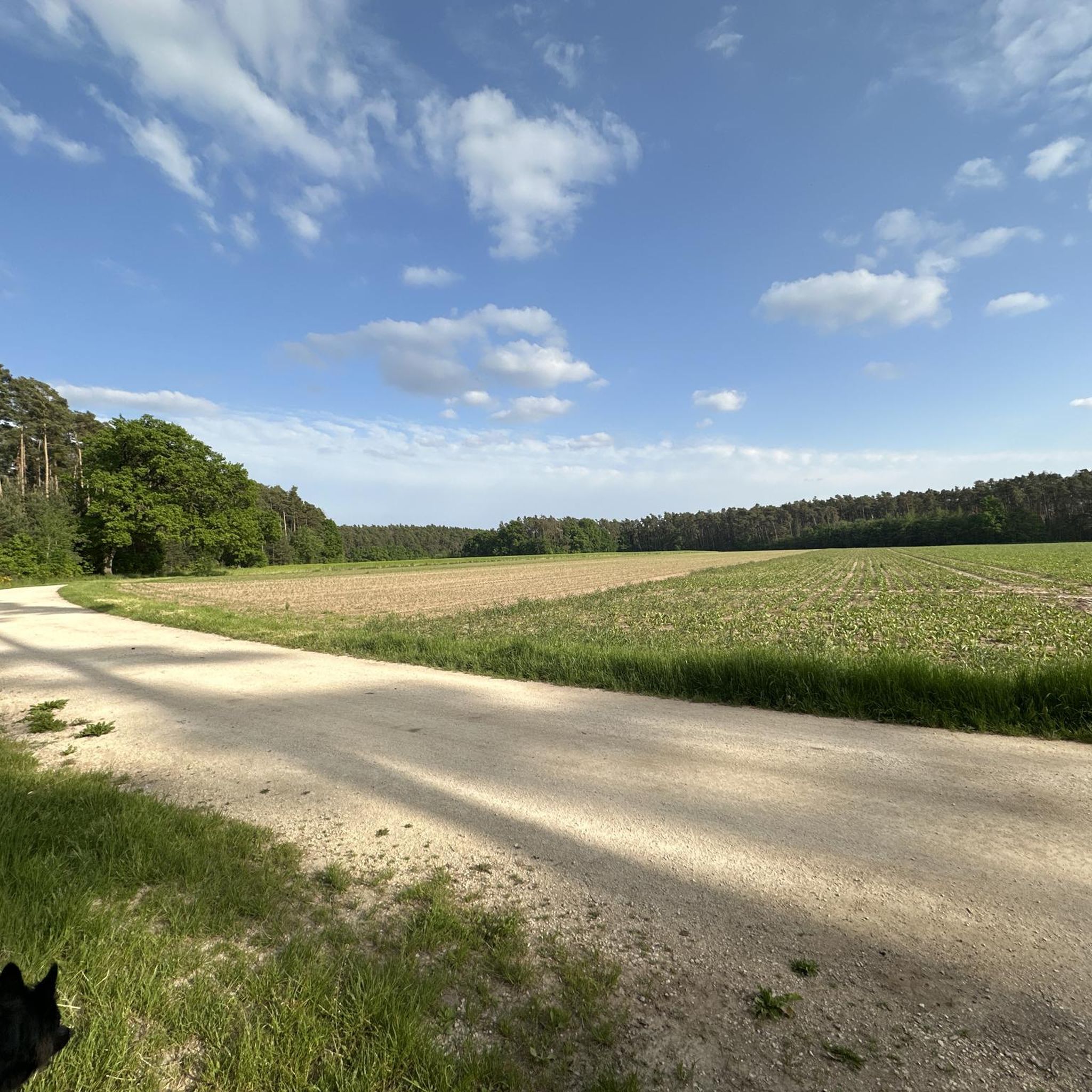
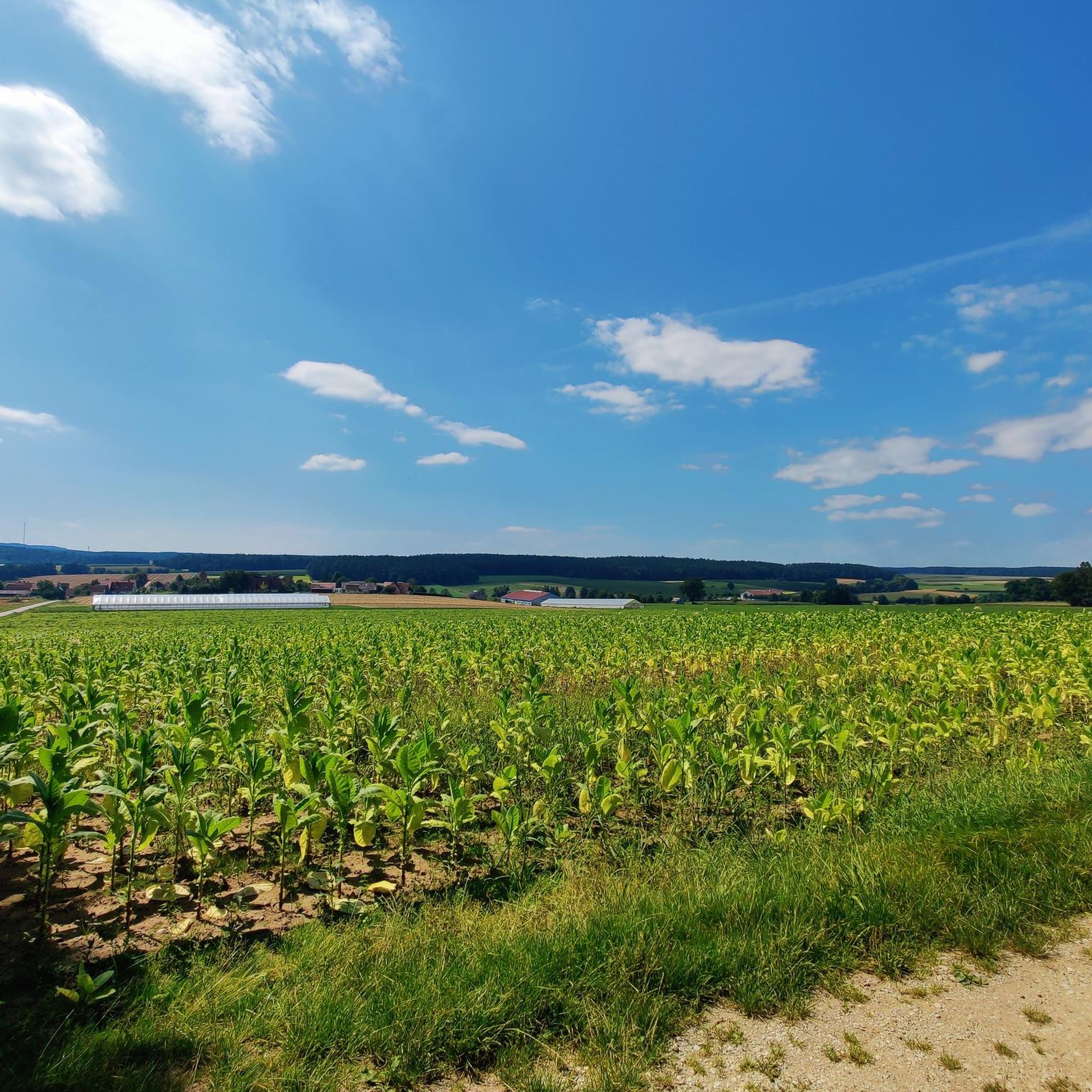
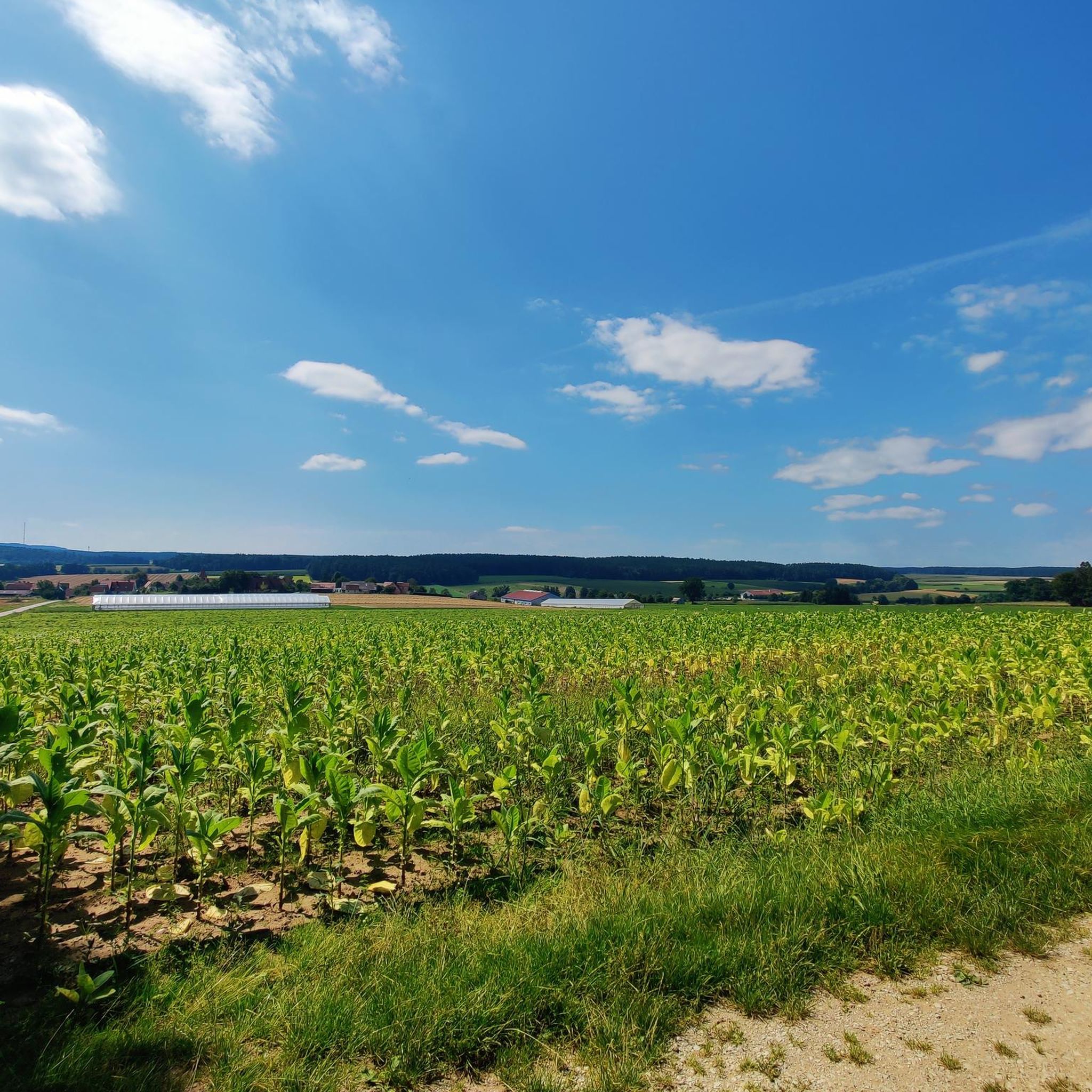
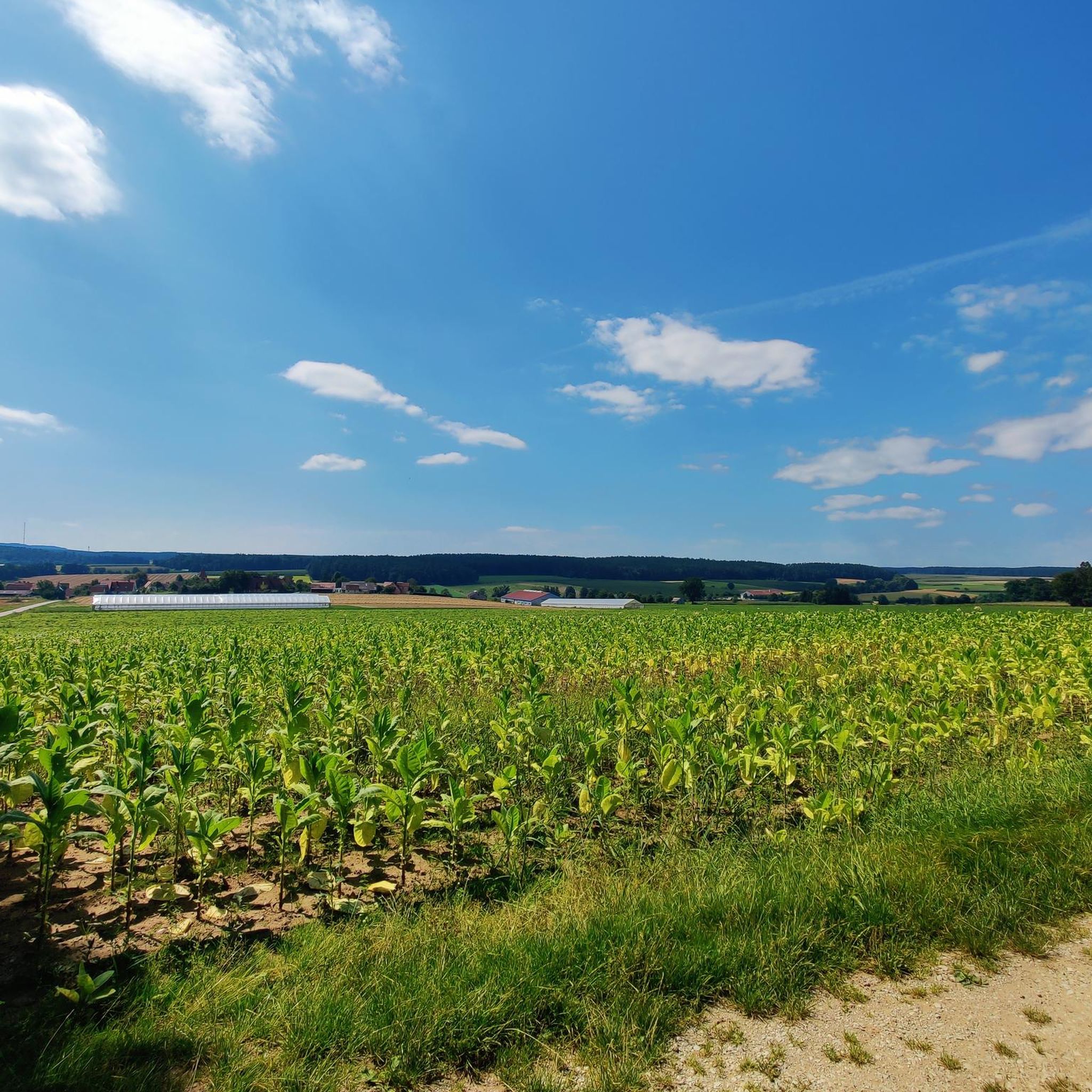
Yes, Brünst's routes offer several points of interest. You might pass by the Echinacea Field Near Schwabach, or discover unique geological formations in the Waldnaab Valley. The region also features various cycle paths like the Kottensdorf–Regelsbach Cycle Path which can be used for running.
Are there any running routes that are particularly scenic or offer good viewpoints?
The Upper Palatinate region is known for its scenic beauty. Many routes will take you through the picturesque Waldnaab Valley with its granite formations and lush riverbanks, or through the dense forests of the Northern Upper Palatinate Forest Nature Reserve, offering tranquil and beautiful views throughout your run.
What is a good moderate running route to try in Brünst?
A great moderate option is the Running loop from Oberbaimbach. This 5.4 km route offers a pleasant run through varied terrain, suitable for those looking for a balanced workout.
Are there any long-distance running options available in Brünst?
While Brünst offers many routes, for longer distances, you can explore trails that connect to the wider network of the Upper Palatinate. The Alpakahof Ostertag Leitelshof – Model Airfield Rohr loop from Tennisclub Regelsbach is a good example, covering 12.5 km through rural landscapes.
What kind of terrain can I expect on the running trails in Brünst?
The terrain in Brünst is quite varied, ranging from forest paths and open areas to trails alongside rivers and through meadows. You'll find a mix of natural surfaces, including dirt paths and some gravel sections, characteristic of the Upper Palatinate's diverse landscapes.
Is Brünst a good place for trail running?
Absolutely. With its dense forests, hills, and natural river valleys, Brünst provides excellent opportunities for trail running. The extensive network of paths, particularly in the Northern Upper Palatinate Forest Nature Reserve, offers varied and engaging terrain for off-road running.
Most popular routes in Brünst
Most popular attractions in Brünst

Get inspired with the komoot mobile app


Explore more
Browse the best Running Trails & Routes in other regions.
