The best road cycling routes in Forêt Du Camp Roi Albert
4.4
(299)
12,744
riders
458
rides
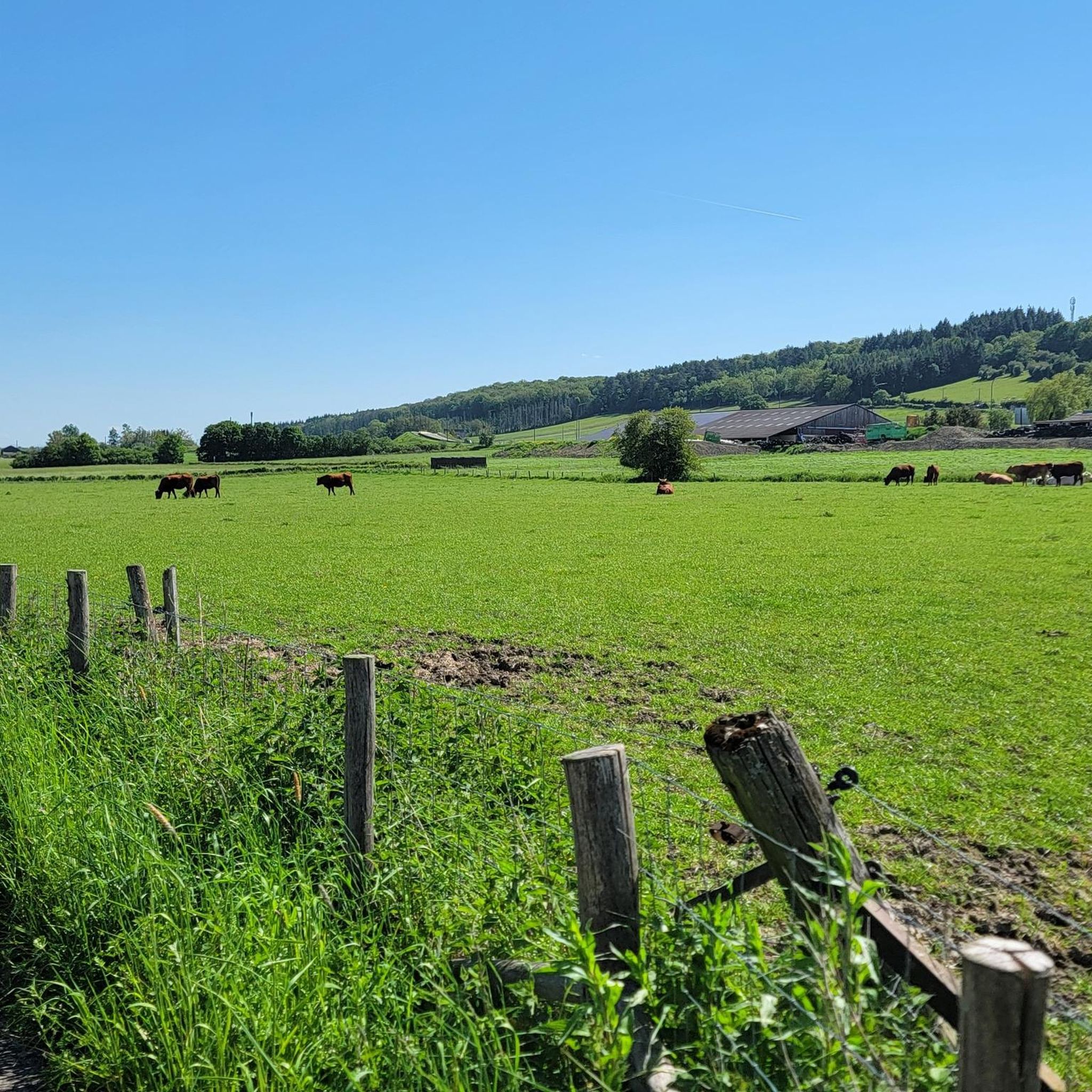
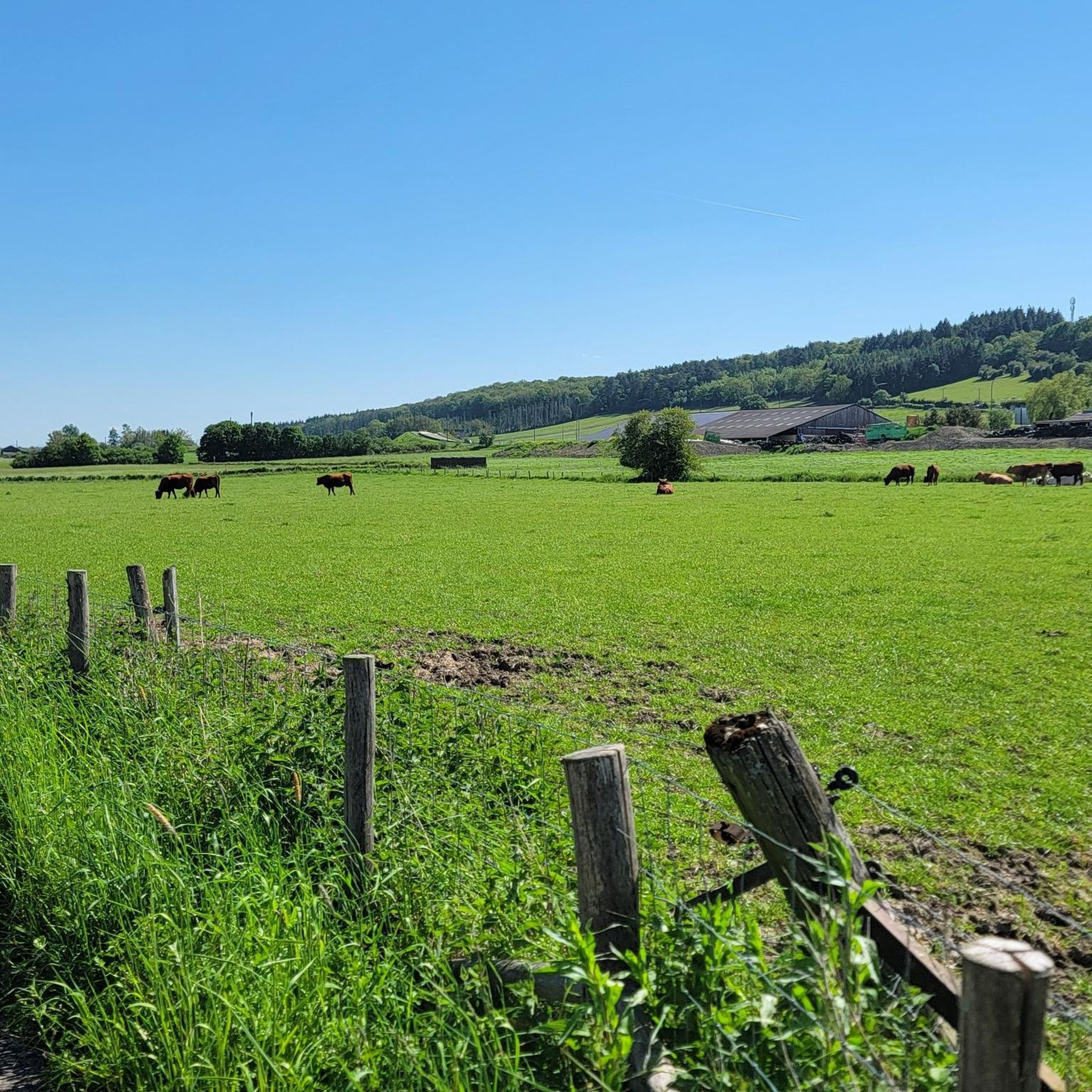
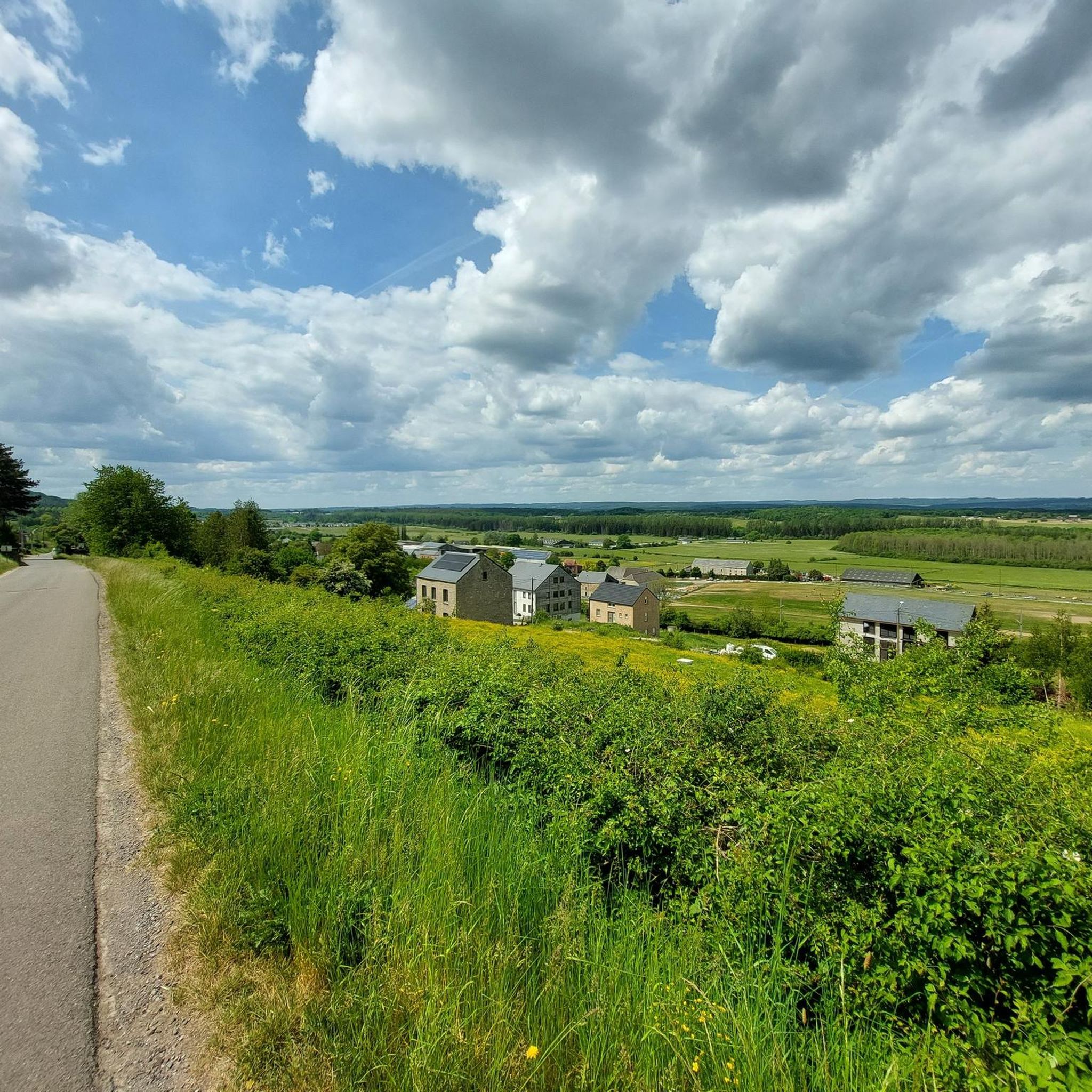
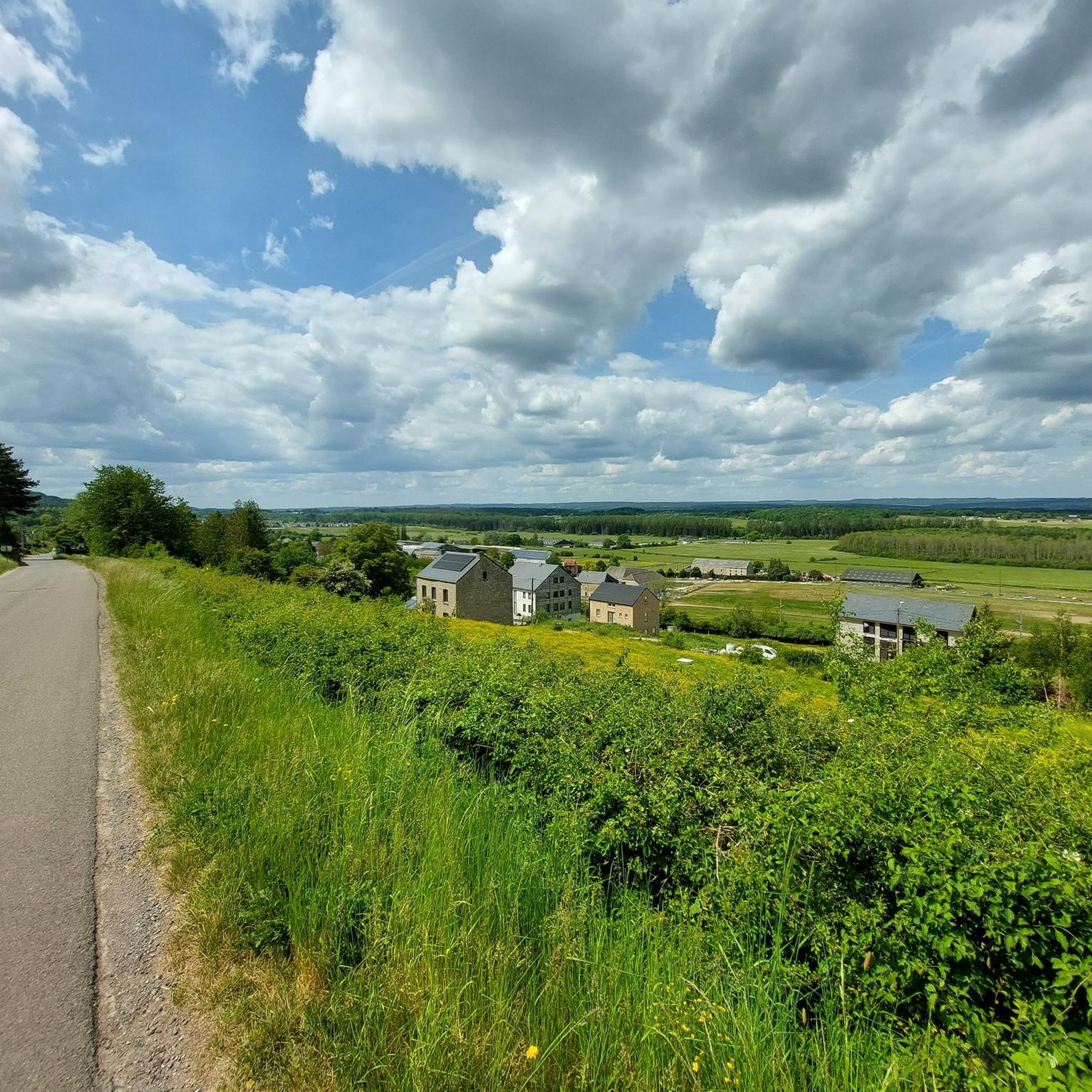
Road cycling in Forêt Du Camp Roi Albert offers diverse terrain characterized by extensive forests, including beech and oak-hornbeam varieties, alongside semi-natural meadows. The region features varied topography, ranging from gentle paths along streams to routes with moderate elevation changes, providing dynamic experiences for cyclists. While vast forest areas are accessible, road cyclists should be aware of strictly limited public access within the Camp Militaire de Marche-en-Famenne. The presence of hills and valleys outside restricted zones contributes to engaging cycling…
Last updated: July 14, 2026
3.0
(1)
28
riders
14.8km
00:36
80m
80m
Easy road ride. Great for any fitness level. Mostly well-paved surfaces and easy to ride.
5.0
(2)
199
riders
117km
06:05
1,960m
1,960m
Hard road ride. Very good fitness required. Some segments of this route may be unpaved and difficult to ride.

Sign up for free
89
riders
114km
05:57
1,650m
1,650m
Hard road ride. Very good fitness required. Mostly well-paved surfaces and easy to ride.
5.0
(1)
58
riders
49.0km
02:21
500m
500m
Moderate road ride. Good fitness required. Mostly well-paved surfaces and easy to ride.
4.7
(7)
1,716
riders
132km
06:42
2,050m
2,050m
Hard road ride. Very good fitness required. Some segments of this route may be unpaved and difficult to ride.
Get access to more routes and recommendations from other explorers.
Sign up for free
Already have an account?
Our route recommendations are based on thousands of hikes, rides, and runs completed by other people on komoot.
Start today with a free account
Your next adventure awaits.
Login or Signup

Tips from the Community

Very nice climb. Small, narrow and very peaceful road in a forest environment. Personally, I absolutely do not find this climb to be the most difficult in Belgium. The ascent is even very pleasant, the gradient is reasonable and constant.
0
0

Very idyllic stretch of Ourthe, beautiful side arm
0
0

away from traffic, a little moment of calm
0
0

Cannon at the entrance to the village; no explanatory plaque. At the bottom of Rue de Humain, don't miss the magnificent path that returns to Rochefort.
0
0

Durbuy is first mentioned in 1078 (as Dolbui) and in 1084 (under the current name). The first traces of habitation are found during excavations in the Anticlinaal cave by Count Pierre d'Ursel. The d'Ursel family still inhabits Durbuy Castle. Before the current castle, there were already others. Based on the archives of Luxembourg, a castle was destroyed and in the eleventh century, another was built by Henry II the Lame, who had received the domain from his mother Rageline, sister of Pope Stephen II, and her husband Albert II of Namur. Around 1156, that castle was severely damaged by flames and during the succession wars of the Duchy of Limburg, it was destroyed several more times. From 1412, Durbuy came into the hands of the House of Burgundy and at the end of the fifteenth century, the then-existing castle was destroyed by Maximilian of Austria, like all the castles of the la Marck family: besides Durbuy, these also include the castles of Logne and La Roche. In 1628, Baron Antoine Schetz of Grobendonck leased the Durbuy estate for 40,000 gold marks, a very considerable sum. Besides being a baron, he was also Count of Grobbendonk, Lord of Tilburg and Goirle, Pulle and Pulderbos, and Wezemaal. He was in the service of the Spanish and had led the defense of 's-Hertogenbosch during the Eighty Years' War. At the age of 71, he was also governor of the city of Leuven during the Siege of Leuven. And he was the first in a long line of the d'Ursel family who, to this day, inhabit the castle. In 1731, the castle was rebuilt by the then Duke of Ursel. Countess Auguste d'Ursel, who acquired the d'Ursel family's possessions in Durbuy, then modernized the castle from 1880 to 1882 with the help of architect Thirian from Namur. During the Second World War, the castle was occupied several times and in 1944, during the Battle of the Bulge, it was used as a field hospital by the American liberators, with the billiard table serving as an operating table. Sources: historical overviews in Word documents on the website of Count Jean-Michel d'Ursel, current resident, at https://www.chateaudedurbuy.be/historique.html
6
0

It's a shame the route doesn't go past the Fraiture hut. A short detour is recommended...
0
0
Unsuitable surface if you have a racing bike unless you are doing this section in leisurely mode...
0
0

It remains special that people fought for our freedom
0
0
Frequently Asked Questions
How many road cycling routes are available in Forêt Du Camp Roi Albert?
Forêt Du Camp Roi Albert offers a wide selection of road cycling routes, with over 400 options available. These routes cater to various skill levels, including approximately 30 easy, 265 moderate, and 150 difficult trails.
What kind of terrain can I expect when road cycling in Forêt Du Camp Roi Albert?
The region features diverse terrain, from extensive forests with majestic beeches and oak-hornbeam trees to semi-natural meadows and silicon lawns. You'll encounter a mix of gentle paths along streams like the Masblette and routes with moderate elevation changes, providing a dynamic cycling experience. Rocky outcrops are also visible near the Ourthe valley.
Are there any easy road cycling routes suitable for beginners or casual rides?
Yes, there are approximately 30 easy road cycling routes in Forêt Du Camp Roi Albert. An excellent option for a relaxed ride is the Deulin Castle – Bench With View of the River loop from Fronville, which is 13.3 km long and features minimal elevation gain.
What are some challenging road cycling routes for experienced cyclists?
For experienced cyclists seeking a challenge, there are about 150 difficult routes. Consider the Climb to Baraque de Fraiture – View of Houffalize loop from Melreux-Hotton, a demanding 131.9 km path with significant ascents and expansive views. Another difficult option is the Climb to Baraque de Fraiture – Quiet route loop from Melreux-Hotton, spanning 81 km on quiet roads with substantial climbs.
Are there any road cycling routes that pass by natural features like waterfalls or rivers?
Absolutely! You can enjoy scenic rides along waterways. The Unicorn Waterfall – Bike Path Along the River loop from Fronville is a moderate 33 km route that leads through picturesque river paths and past a notable waterfall. The region also features serene streams and eye-catching cascades.
Can I find road cycling routes that are loop trails?
Many of the road cycling routes in Forêt Du Camp Roi Albert are designed as loops, allowing you to start and finish at the same point. Examples include the Bike Path Along the River – Castle loop from Melreux-Hotton, a moderate 48.9 km ride, and the Deulin Castle – Bench With View of the River loop from Fronville.
What historical landmarks or points of interest can I see while cycling?
While cycling, you can explore areas with historical significance. The broader region near Saint-Hubert features the Promenade du Monument au Roi Albert, an 11 km loop that leads to the "Monument du Roi Albert" clearing. This route also passes by the Mauricy Bridge and the Iron Museum. Additionally, the Bike Path Along the River – Castle loop from Melreux-Hotton will take you past a castle.
What do other road cyclists say about their experience in Forêt Du Camp Roi Albert?
The road cycling routes in Forêt Du Camp Roi Albert are highly rated by the komoot community, with an average score of 4.4 stars from over 250 reviews. Cyclists often praise the varied terrain, the extensive forests, and the engaging challenges offered by the moderate elevation changes.
Are there any restrictions or specific considerations for road cycling in the area?
Yes, it's important to be aware that a significant portion of the "Forêt Du Camp Roi Albert" includes the Camp Militaire de Marche-en-Famenne, which has strictly limited public access. Road cyclists should ensure they are only using publicly accessible roads and paths within the broader forest area and avoid restricted military zones.
Where can I find more information about the Forêt de Saint-Hubert region?
For additional details about the wider Forêt de Saint-Hubert region, including local attractions and activities, you can visit the official tourism website: foretdesainthubert-tourisme.be.
What is the best time of year for road cycling in Forêt Du Camp Roi Albert?
While specific seasonal recommendations are not detailed, the diverse natural landscape suggests that spring and autumn would offer pleasant temperatures and beautiful scenery with changing foliage. Summer provides longer daylight hours, but check local weather for heat. Winter cycling might be possible, but conditions could be challenging due to cold or precipitation.
Most popular routes in Forêt Du Camp Roi Albert

Get inspired with the komoot mobile app


Explore more
Browse the best Road cycling routes in other regions.
