Attractions and Places To See around Wolbórz - Top 20
Best attractions and places to see around Wolbórz include historical landmarks, cultural sites, and natural features. This town in central Poland offers a rich history, with notable Baroque architecture and significant religious sites. Visitors can explore a variety of sites, from ancient churches to 19th-century tenement houses. The surrounding area also provides natural beauty, including a large reservoir and nature reserves, offering opportunities for outdoor activities.
Best attractions and places to see around Wolbórz
- The most popular attractions is Niebieskie Źródła Nature Reserve, a natural monument established to protect picturesque karst springs and preserve refuges for numerous bird species. The unique blue-green color of the water, dependent on sunlight intensity, is a notable feature.
- Another must-see spot is Cistercian Abbey Complex in Sulejów, a religious building and historical site. This complex is one of Poland's best-preserved Cistercian complexes and a monument of Romanesque architecture, added to the list of Historic Monuments in 2012.
- Visitors also love Nagórzyce Caves, 18th-century excavations of an underground quartz mine. These caves, located in Tomaszów Mazowiecki, were opened to tourists in 2012 after restoration.
- Wolbórz is known for its historical sites, religious buildings, and natural monuments. The area offers a variety of attractions to see and explore, from ancient architecture to unique geological formations and outdoor recreation areas.
- The attractions around Wolbórz are appreciated by the komoot community, with 124 upvotes and 127 photos shared by visitors.
Last updated: October 18, 2026
Niebieskie Źródła Nature Reserve
Highlight (Segment) • Natural Monument
Translated by Google •
Tip by

Cistercian Abbey in Sulejów
Highlight • Religious Site
Located on the Pilica river, the fortified monastery complex of the Cistercian abbey in Sulejów is one of the best-preserved post-Cistercian complexes in Poland. Its beginnings date back to the 12th century, when Duke Casimir II the Just of Wiślica and Sandomierz decided to found a church and monastery near the existing settlement of Sulejów.
zamkiobronne.pl/zamek/sulejow
Showing Translation
Tip by

Sign up now to discover places like this
Get recommendations on the best single tracks, peaks, & plenty of other exciting outdoor places.
Nagórzyce Caves
Highlight • Cave
Translated by Google •
Tip by

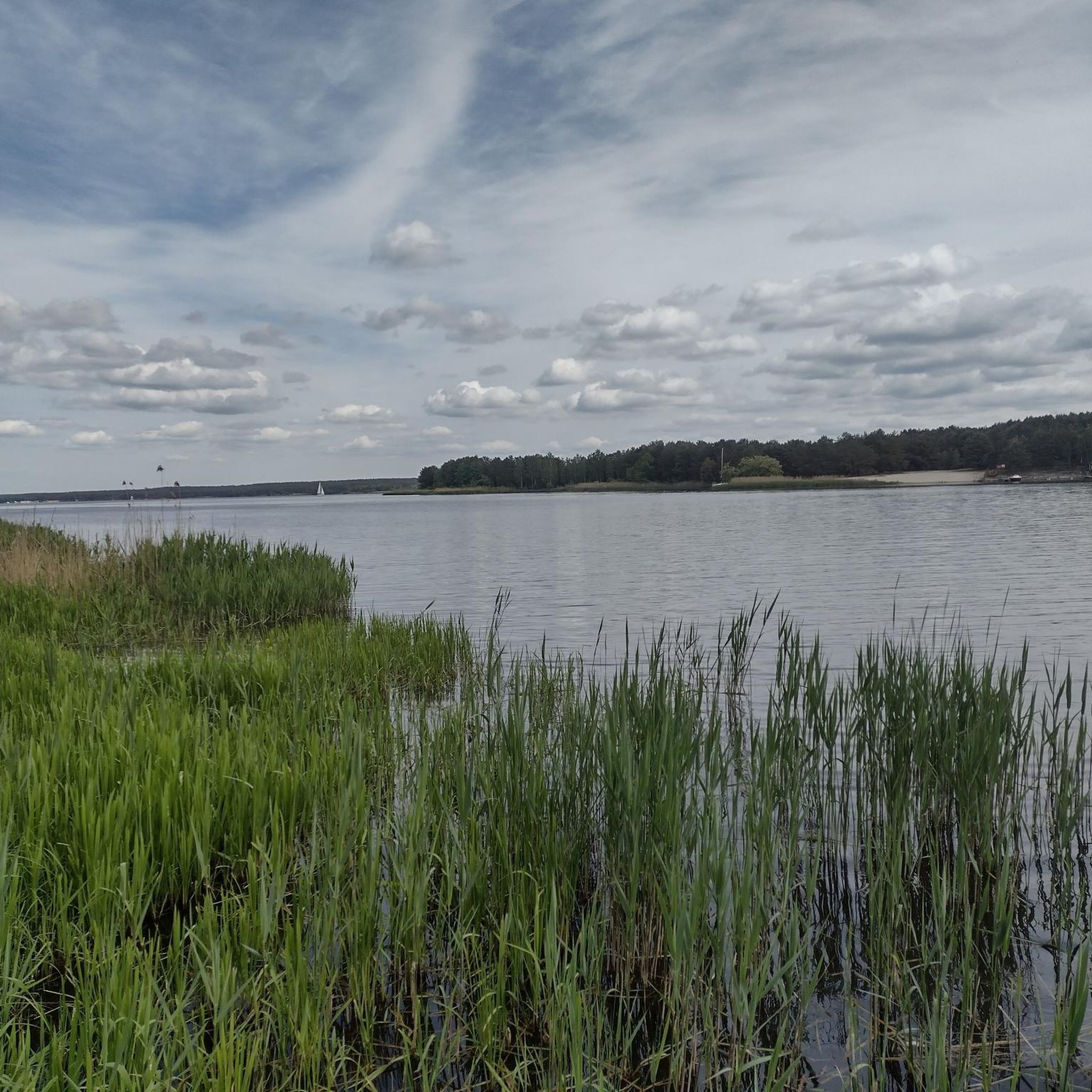
Dam on the Sulejow Reservoir
Highlight • Monument
Translated by Google •
Tip by
St. Nicholas Church in Treść
Highlight • Religious Site
Translated by Google •
Tip by
Sign up for free to discover even more attractions around Wolbórz.
Already have an account?
Start today with a free account
Your next adventure awaits.

Tips from the Community

The foundation of the monastery allegedly took place in 1176, but most likely only a dozen or so years later. It was carried out by Duke Casimir II the Just, who brought monks from the Morimond Abbey in Burgundy (now in Champagne) and allocated them land located near the crossing of the Pilica river in Sulejów. The duke's initiative was supported, also financially, by the Bishop of Krakow, Pełka, and the Archbishop of Gniezno, Piotr Łabędź, a particularly distinguished patron of Cistercian convents.
0
0

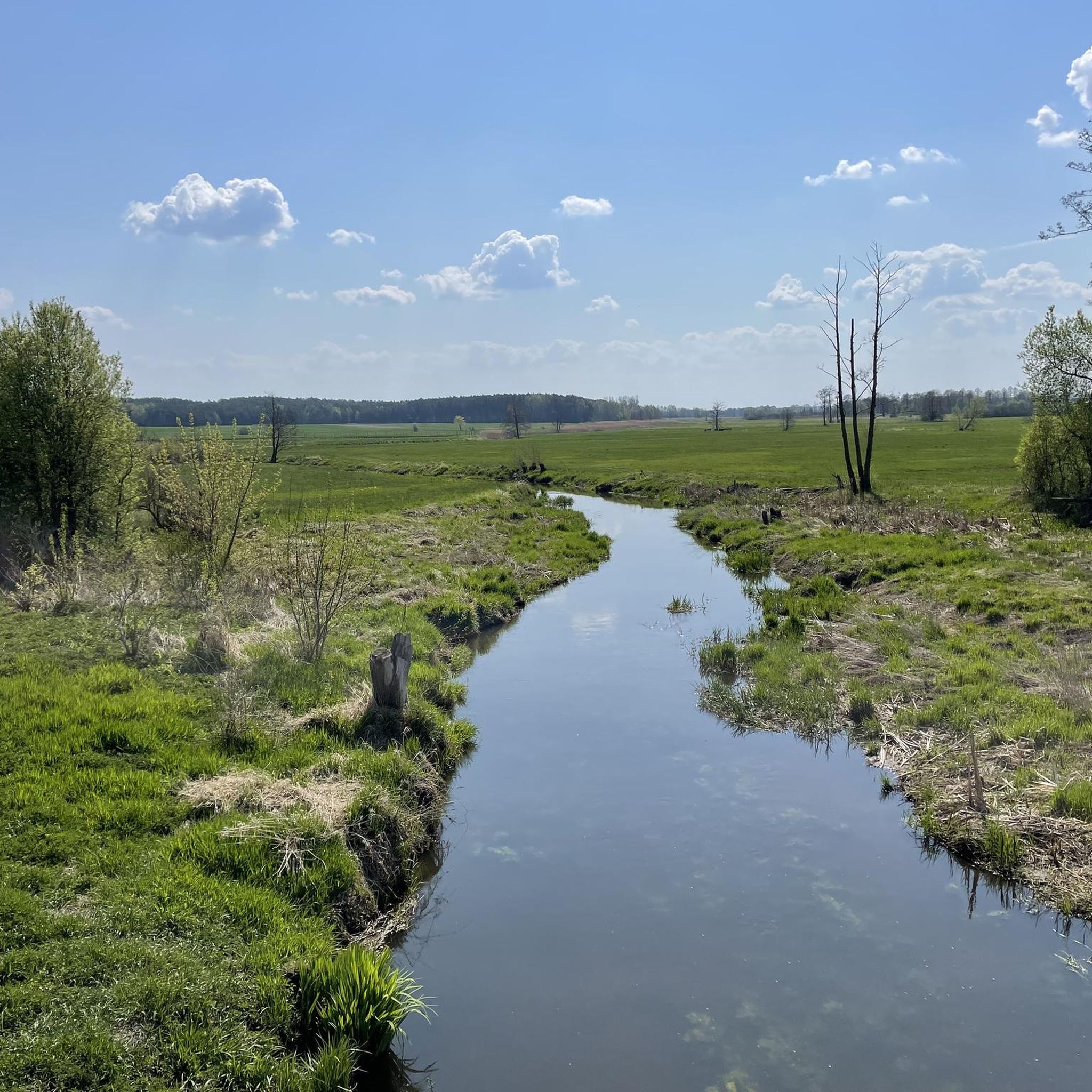
The Niebieskie Źródła Nature Reserve is a picturesque Tomaszów gem, where you can walk among blue springs, greenery, and birds, admiring one of the most interesting natural places in the region.
0
0

The Cistercian Abbey complex in Sulejów (in the Podklasztorze district) is the best-preserved post-Cistercian complex in Europe and a Monument of History. Founded in 1176 by Casimir the Just, it has retained its unique character thanks to its Romanesque-Gothic architecture and powerful defensive walls. The site combines sacral functions with a historic accommodation and gastronomic base. The monastery is open to visitors and offers an insight into the heritage of the Cistercian order. It is worth paying attention to specific elements of the complex: - Church of St. Thomas the Apostle: A 13th-century Romanesque temple with characteristic Gothic details. - Museum in the chapter house: A place exhibiting former monastic memorabilia and historical artifacts. - Fortifications: 15th-century walls with towers and gates surrounding the entire complex.
1
0
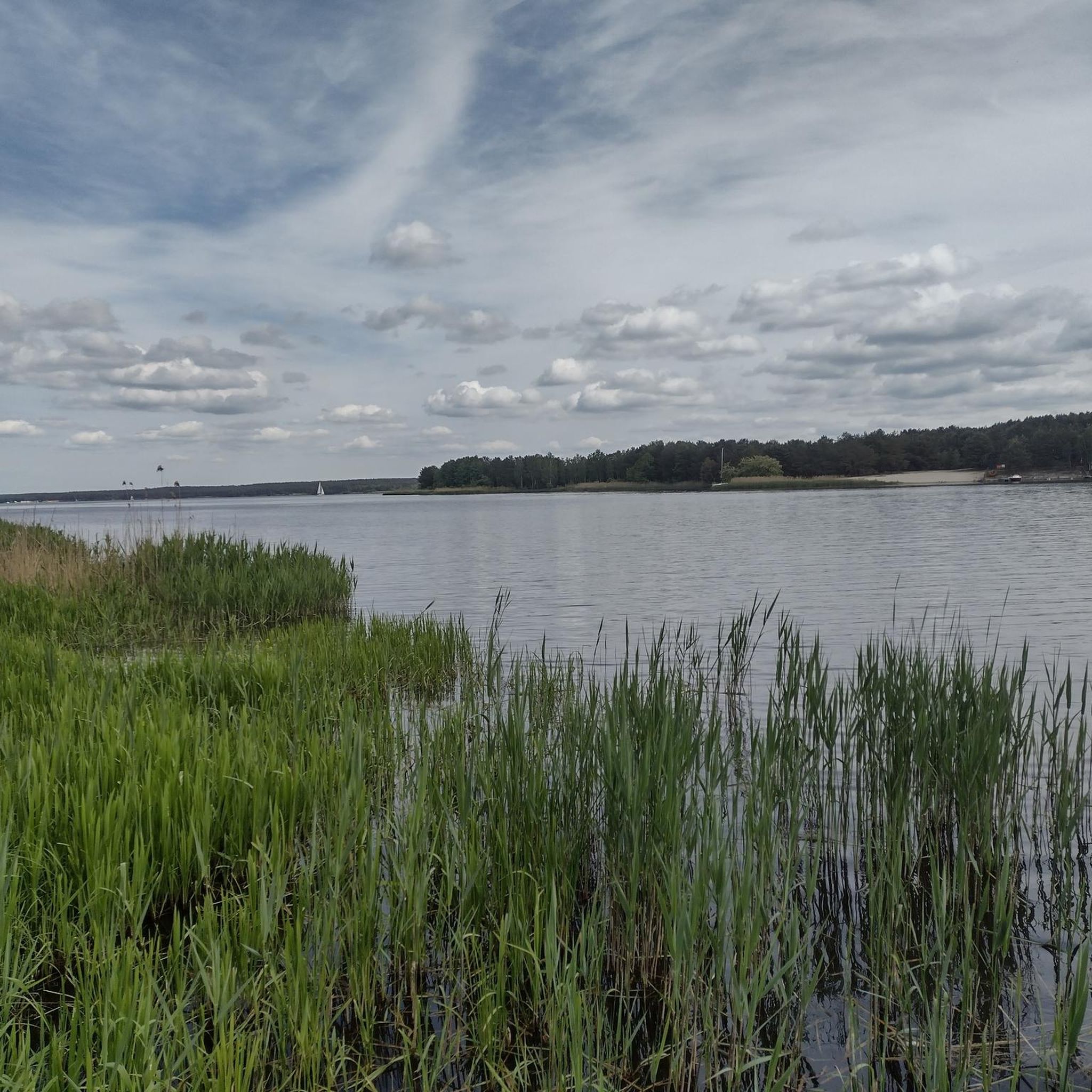
The Smardzewice dam on the Pilica river is an earth-beton construction with a length of 1200 m and a height of 16 m, built in the years 1969–1974. It forms the Sulejowski Reservoir with an area of 2700 ha. The dam serves a retention and flood control function, and also supplies drinking water to, among others, Łódź and houses a hydroelectric power plant with a capacity of 3.6 MW. From the crown of the dam, a view unfolds over the expanse of the river and the reservoir itself. It is also an excellent viewpoint and a place for walks. Around the reservoir and the dam itself run footpaths and cycle routes. The facility is located right next to Spałkowowo and Tomaszów Mazowiecki.
1
0
Niebieskie Źródła Nature Reserve – a landscape nature reserve, located in the southeastern part of Tomaszów Mazowiecki, in Tomaszów County, Łódź Voivodeship. The reserve is located within the buffer zone of the Sulejów Landscape Park, which is part of the Pilica River Landscape Parks complex.
1
0
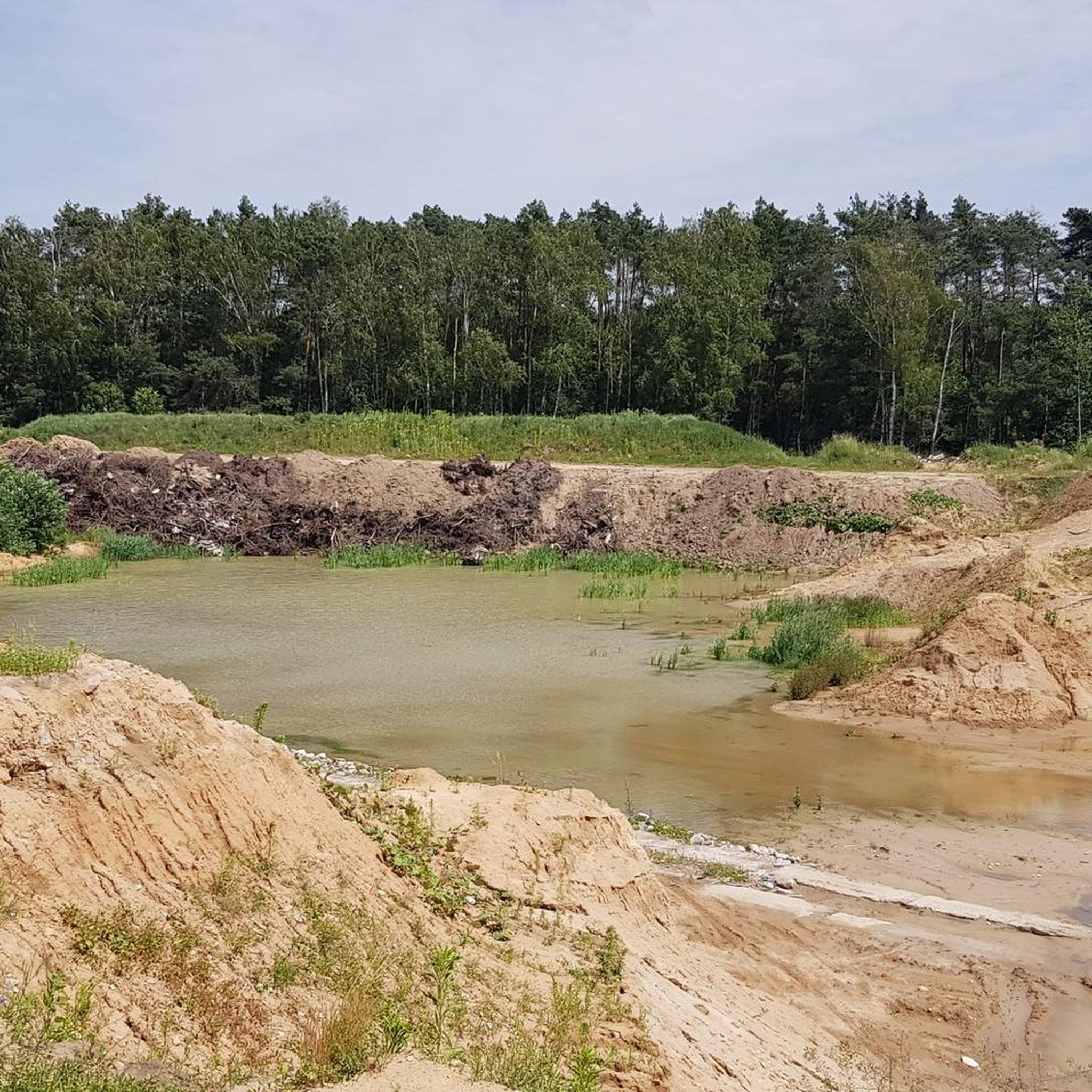
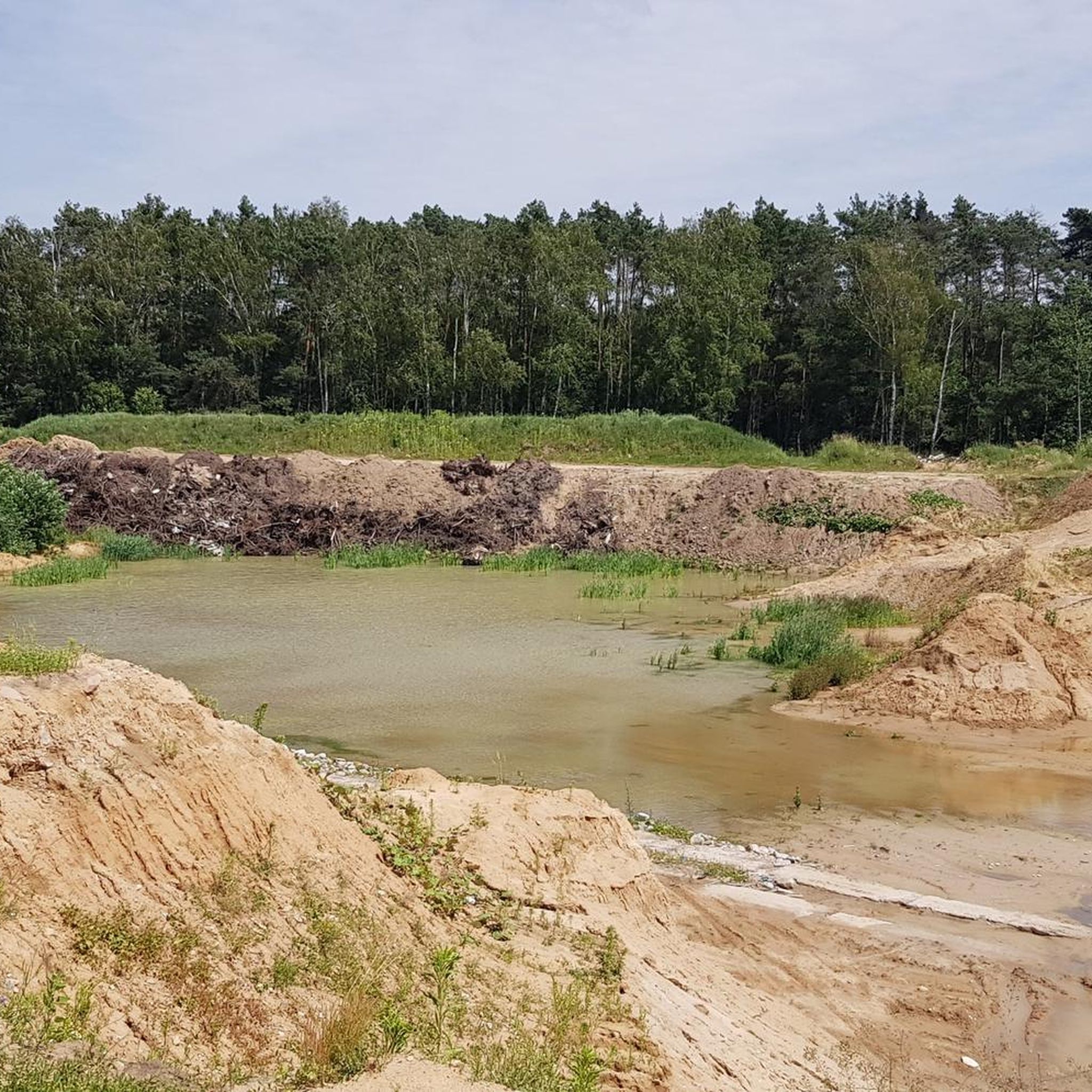
Groty w Nagórzycach The Nagórzyce Caves (municipality of Tomaszów Mazowiecki) and, on the other side of the Pilica river, the Biała Góra Cave (Smardzewice) are artificial underground excavations, formed in Cretaceous sandstones, where rocks were mined from the mid-19th century, initially probably for construction purposes, and later for the needs of the glass industry. Guaranteed coolness! source Łódź.pl
0
0
Niebieskie Źródła Forest and water in one place? We have something for you! Niebieskie Źródła are karst springs, which are among the most interesting phenomena of this type in Europe. The water emerging from underground deposits of Jurassic limestone takes on a characteristic blue-azure-green color. This color is the result of the scattering of sunlight by fine particles suspended in the water and the specific mineral composition of the springs. Around, you can walk through a dense forest, observe plants and interesting bird species. source Łódź.pl
1
0

You can also see and read about this place.
0
0
Frequently Asked Questions
What historical landmarks are prominent in Wolbórz?
Wolbórz boasts several significant historical landmarks. The most notable is the Baroque Palace and Park Ensemble, a former residence of the Bishops of Kuyavia, built between 1768-1773. Another key site is the 15th-century St. Nicholas Collegiate Church, the oldest building in Wolbórz, which also hosts a summer classical music festival. You can also find a 19th-century Synagogue, and monuments like the Monument of the Grunwald Deed and the Statue of Andrzej Frycz Modrzewski.
Are there any natural attractions or reserves near Wolbórz?
Yes, the region around Wolbórz offers beautiful natural attractions. The most popular is the Niebieskie Źródła Nature Reserve, known for its picturesque karst springs and unique blue-green water, which serves as a refuge for numerous bird species. Additionally, the Zalew Sulejowski (Sulejów Reservoir) is a popular spot for water sports and relaxation, surrounded by the scenic Sulejowski Landscape Park.
What cultural sites are worth visiting in Wolbórz?
Beyond historical buildings, Wolbórz offers cultural insights. The Historical and Educational Museum of Lodz Region displays a wide array of exhibits, including artifacts from excavations, handicrafts, and folk art. The Baroque Park, part of the palace ensemble, features a garden parterre and cascading terraces, while an Alley of 250-year-old Lime Trees provides a natural cultural pathway.
What are some family-friendly attractions in the Wolbórz area?
Many attractions around Wolbórz are suitable for families. The Niebieskie Źródła Nature Reserve is a great place for a family walk to observe nature. The Zalew Sulejowski offers opportunities for leisure activities like swimming, sailing, and cycling, which are enjoyable for all ages. The Nagórzyce Caves, 18th-century underground quartz mines, provide an adventurous and educational experience for older children.
Where can I find historical religious sites near Wolbórz?
The area is rich in historical religious sites. The Cistercian Abbey Complex in Sulejów is one of Poland's best-preserved Cistercian complexes and a significant monument of Romanesque architecture. Another important site is the Sanctuary of St. Anna in Smardzewice, a place of historical significance where a church was built in the 17th century. The St. Nicholas Collegiate Church in Wolbórz itself is also a 15th-century landmark.
Are there opportunities for hiking near Wolbórz?
Yes, the Wolbórz municipality and surrounding areas offer numerous hiking opportunities. You can find trails winding through forest areas within nature reserves, particularly around the Sulejowski Landscape Park. For detailed routes and difficulty levels, you can explore guides like Hiking around Wolbórz or Easy hikes around Wolbórz.
What cycling routes are available around Wolbórz?
Cycling enthusiasts will find several routes around Wolbórz, especially around the Zalew Sulejowski. There are cycling paths that run around the reservoir, with some starting directly in the center of Wolbórz. For more information on specific routes, distances, and difficulty, refer to the Cycling around Wolbórz guide.
What is the best time of year to visit Wolbórz for outdoor activities?
The best time to visit Wolbórz for outdoor activities largely depends on your interests. Spring and summer (May to September) are ideal for hiking, cycling, and water sports at Zalew Sulejowski, as the weather is warm and pleasant. The unique blue-green color of the water at Niebieskie Źródła Nature Reserve is also best appreciated on sunny days.
Can I visit the Nagórzyce Caves, and what should I know about them?
Yes, you can visit the Nagórzyce Caves, which are 18th-century excavations of an underground quartz mine located in Tomaszów Mazowiecki. These caves were restored and opened to tourists in 2012. They offer a unique historical and geological experience. It's advisable to check their official website for details on guided tours and booking tickets in advance.
Are there any unique architectural sites besides the Baroque Palace?
Beyond the grand Baroque Palace, Wolbórz features other unique architectural sites. The St. Nicholas Church in Treść is particularly interesting due to its history of being moved twice. Originally built in 1781, it was relocated to Tomaszów Mazowiecki in 1825 and then again to Treść in 1988, making it a church with a truly mobile past.
What water sports and activities are available at Zalew Sulejowski?
The Zalew Sulejowski (Sulejów Reservoir) is a popular destination for various water sports and leisure activities. Visitors can enjoy sailing, surfing, and fishing on the artificial lake. The surrounding area also provides opportunities for swimming and relaxing by the water, making it a great spot for aquatic recreation during warmer months.
What makes the Niebieskie Źródła Nature Reserve special?
The Niebieskie Źródła Nature Reserve is special due to its unique karst springs, where water gushes up from cracked Jurassic limestone. The most striking feature is the distinctive blue-green color of the water, which changes intensity depending on the sunlight. It's also a vital refuge for numerous bird species, making it a significant ecological site.
Most popular attractions around Wolbórz

Get inspired with the komoot mobile app


Explore more
Still not found the Highlight you’re looking for? See guides of the top attractions in other regions:
