The best cycling routes around Wolbórz
4.7
(125)
630
riders
30
rides
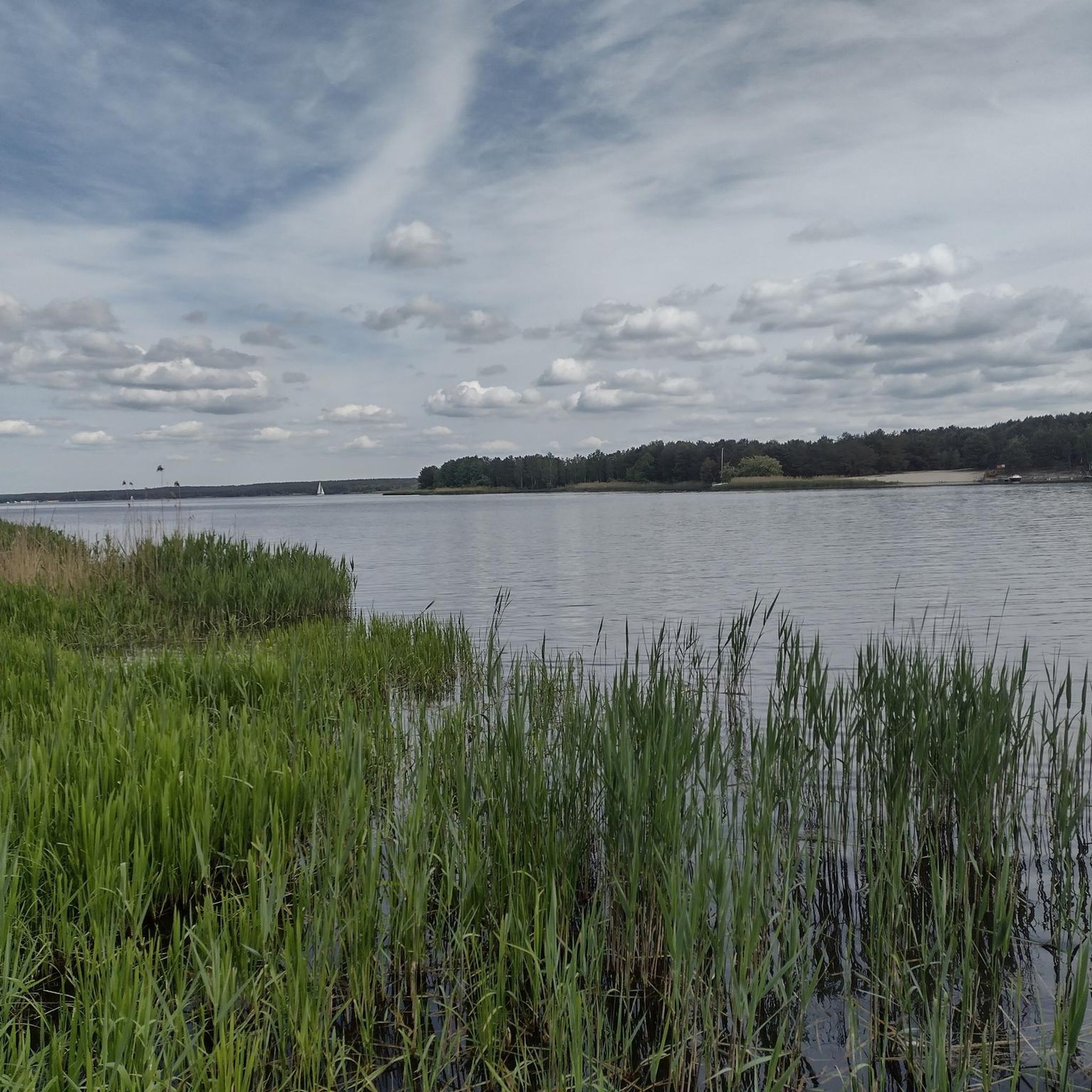
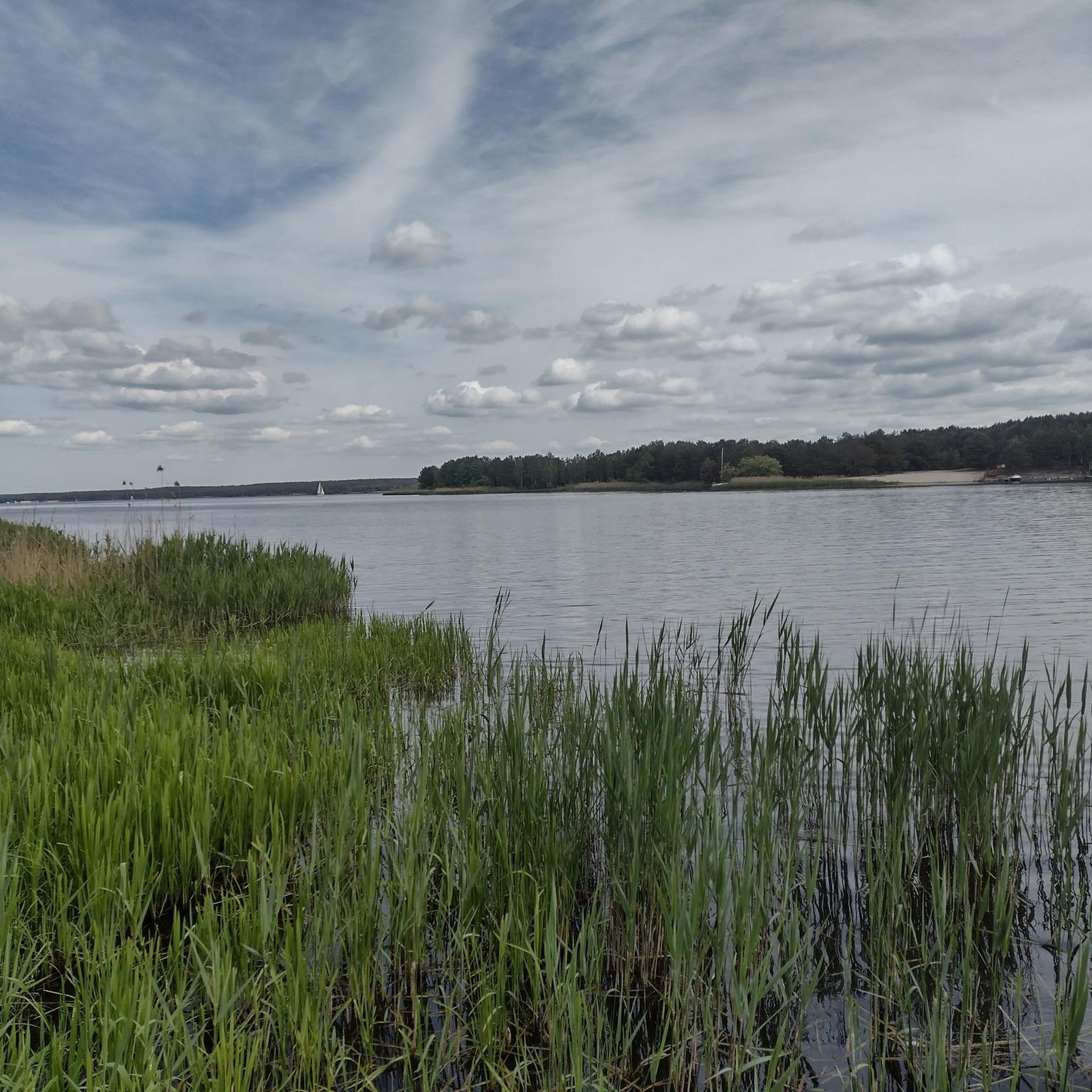
Touring cycling routes around Wolbórz traverse a landscape characterized by the large artificial Zalew Sulejowski (Sulejowski Reservoir) and its surrounding Sulejowski Landscape Park. The region features diverse forest areas, including nature reserves, and the Pilica River. Elevations are generally low, with routes often following flat or gently undulating terrain suitable for touring cyclists.
Best touring cycling routes around Wolbórz
- The most popular touring cycling route is Small and Great Synagogue – Wierzeje Reservoir loop from Koło, a 17.7 miles…
Last updated: October 11, 2026
4.7
(12)
77
riders
28.8km
02:13
100m
100m
Moderate bike ride. Good fitness required. Mostly paved surfaces. Suitable for all skill levels.
4.0
(4)
27
riders
36.5km
02:37
180m
180m
Moderate bike ride. Good fitness required. Mostly paved surfaces. Suitable for all skill levels.

5.0
(2)
9
riders
23.4km
01:27
100m
100m
Easy bike ride. Great for any fitness level. Mostly paved surfaces. Suitable for all skill levels.
5.0
(3)
17
riders
25.6km
01:45
150m
150m
Moderate bike ride. Good fitness required. Mostly paved surfaces. Suitable for all skill levels.
11
riders
Hard bike ride. Great for any fitness level. You may need to push your bike for some segments of this route.
Get access to more routes and recommendations from other explorers.
Already have an account?
Our route recommendations are based on thousands of hikes, rides, and runs completed by other people on komoot.
Start today with a free account
Your next adventure awaits.
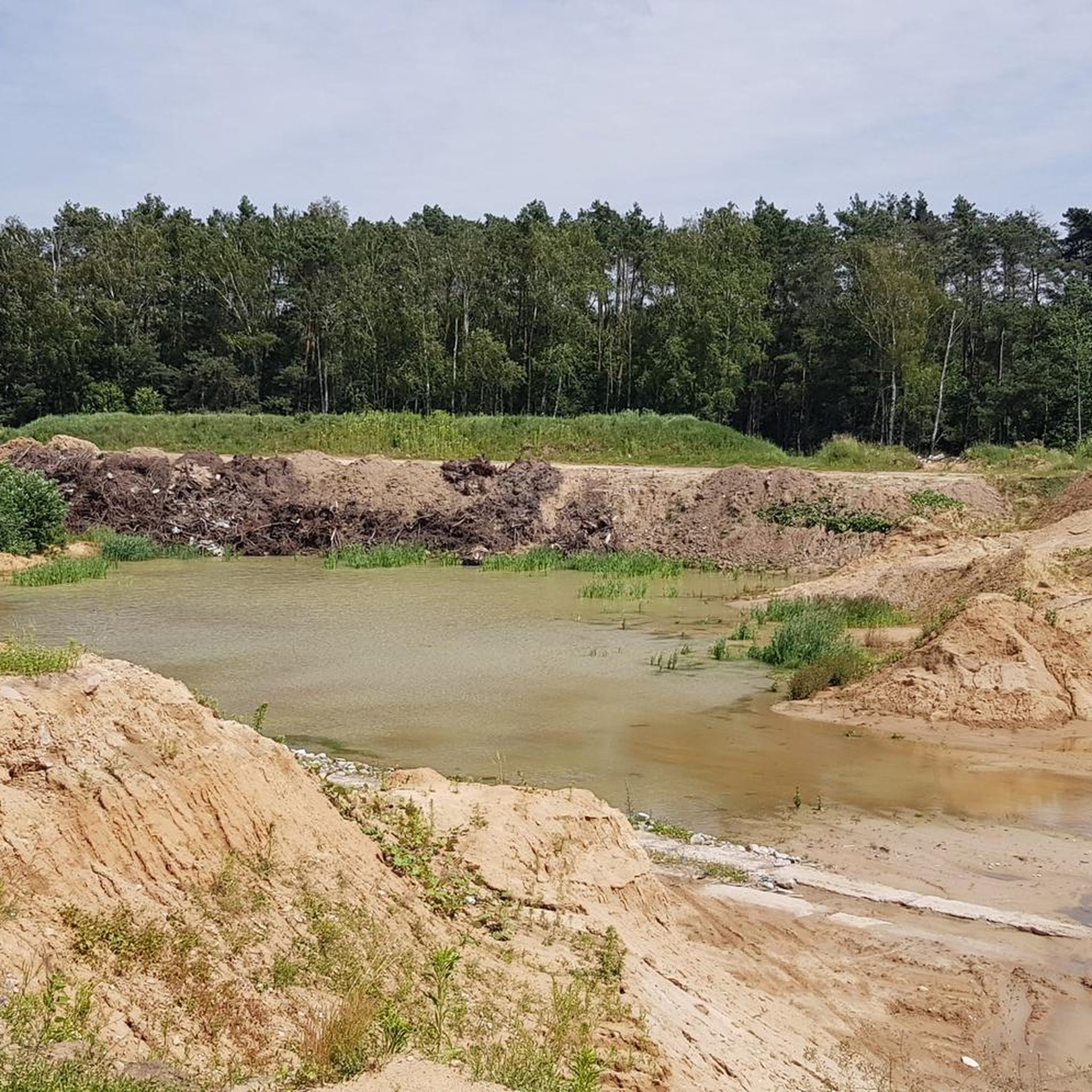
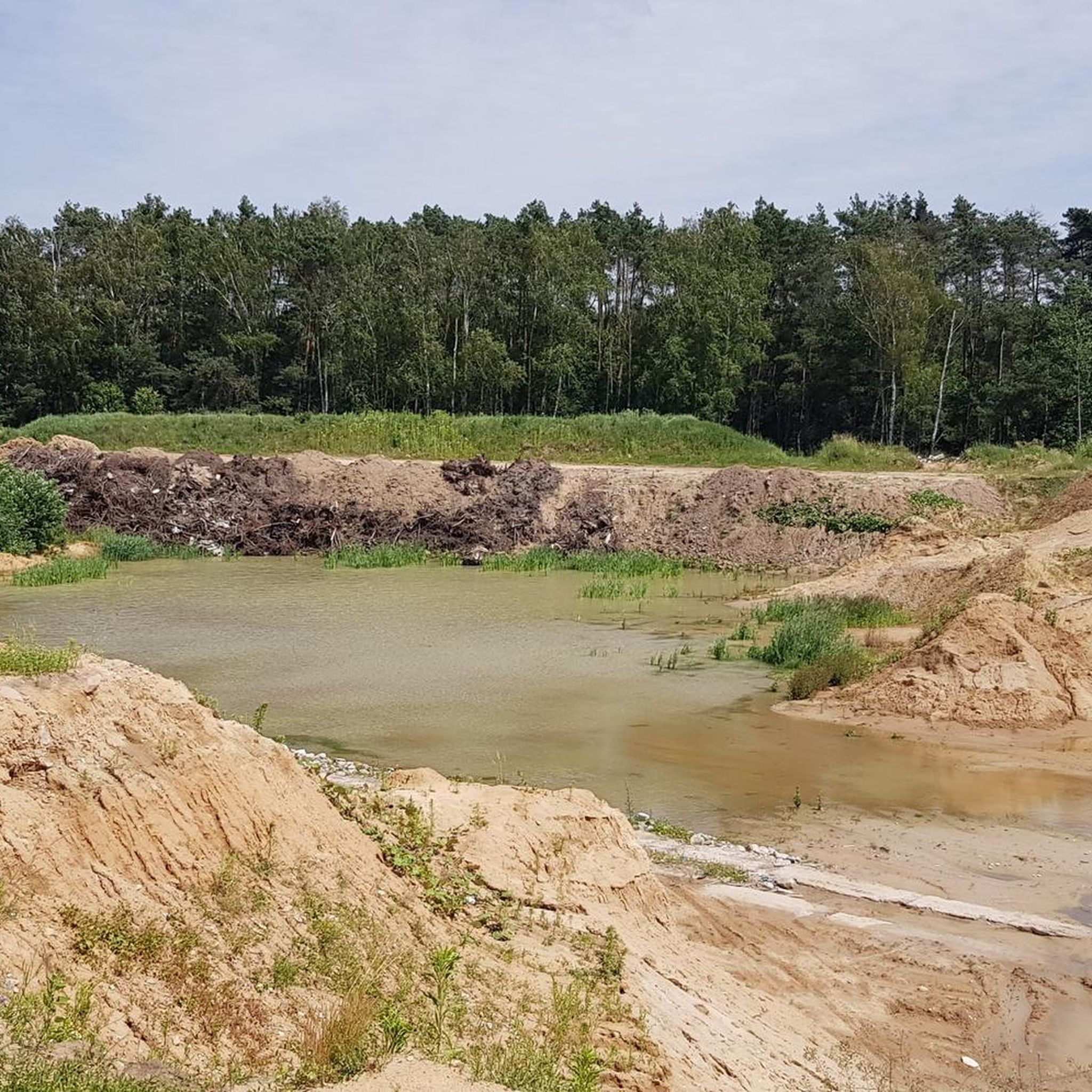

Tips from the Community

The foundation of the monastery allegedly took place in 1176, but most likely only a dozen or so years later. It was carried out by Duke Casimir II the Just, who brought monks from the Morimond Abbey in Burgundy (now in Champagne) and allocated them land located near the crossing of the Pilica river in Sulejów. The duke's initiative was supported, also financially, by the Bishop of Krakow, Pełka, and the Archbishop of Gniezno, Piotr Łabędź, a particularly distinguished patron of Cistercian convents.
0
0

The Orthodox parish in the city was founded in the 18th century by merchants from Macedonia and Greece, who were fleeing persecution in the Ottoman Empire.
0
0

The Cistercian Abbey complex in Sulejów (in the Podklasztorze district) is the best-preserved post-Cistercian complex in Europe and a Monument of History. Founded in 1176 by Casimir the Just, it has retained its unique character thanks to its Romanesque-Gothic architecture and powerful defensive walls. The site combines sacral functions with a historic accommodation and gastronomic base. The monastery is open to visitors and offers an insight into the heritage of the Cistercian order. It is worth paying attention to specific elements of the complex: - Church of St. Thomas the Apostle: A 13th-century Romanesque temple with characteristic Gothic details. - Museum in the chapter house: A place exhibiting former monastic memorabilia and historical artifacts. - Fortifications: 15th-century walls with towers and gates surrounding the entire complex.
1
0
The footbridges over the Luciąża (the longest left tributary of the Pilica) are located in the vicinity of the former Murowaniec mill settlement, just before the river flows into the Pilica. They are a popular spot on the hiking and cycling trail and often serve as a finish line for kayak trips.
1
0
Footbridges over the Luciążą (the longest left tributary of the Pilica River) are located near the former mill settlement of Murowaniec, just before the river flows into the Pilica. They are a popular spot on the hiking and cycling trail and often serve as the finish line for kayak trips.
0
0
new footbridges over the Luciąża river
1
0

Crossing over the small bridge, be sure to check.
0
0
Frequently Asked Questions
How many touring cycling routes are available around Wolbórz?
There are over 20 touring cycling routes around Wolbórz, offering a variety of options for different skill levels. You'll find 14 easy routes, 7 moderate routes, and 3 more challenging options.
What kind of terrain can I expect on touring cycling routes in Wolbórz?
The terrain around Wolbórz is generally low in elevation, with routes often following flat or gently undulating paths. You'll cycle through diverse forest areas, along the shores of the Zalew Sulejowski, and through the Pilica River valley. Some routes, like the Bike loop from Leonów, feature varied terrain with gentle climbs.
What natural attractions can I see along the touring cycling routes?
Many routes offer views of the expansive Sulejowski Reservoir and traverse the surrounding Sulejowski Landscape Park. You can also explore diverse forest areas and the Pilica River Valley. A notable natural monument is the Niebieskie Źródła Nature Reserve, known for its unique blue-green karst springs.
Are there any historical or cultural landmarks to explore while cycling?
Yes, the region offers several historical and cultural points of interest. You might encounter sites like the Cistercian Abbey Complex in Sulejów or the St. Nicholas the Bishop's collegiate church. Some routes, such as the Small and Great Synagogue – Wierzeje Reservoir loop from Koło, pass by historical sites. The Nagórzyce Caves, an 18th-century underground quartz mine, are also nearby.
Are there easy touring cycling routes suitable for beginners or families?
Absolutely. Wolbórz offers 14 easy touring cycling routes, perfect for beginners or families. An example is the Hotel Magellan, Bronisławów loop from Bronisławów, which leads through forested areas and near the Sulejowski Reservoir. The low elevation and gentle terrain make many paths accessible for all ages.
Are there any circular touring cycling routes in Wolbórz?
Yes, many of the touring cycling routes around Wolbórz are circular, allowing you to start and end at the same point. Popular options include the Sulejów Reservoir Dam loop from Leonów and the Barkowice Mokre Marina – Hotel Magellan, Bronisławów loop from Leonów, which offer scenic loops around the reservoir and through the countryside.
What do other cyclists say about touring cycling in Wolbórz?
The touring cycling routes around Wolbórz are highly rated by the komoot community, with an average score of 4.7 stars from over 120 reviews. Cyclists often praise the tranquil forest paths, the scenic views of the Sulejowski Reservoir, and the varied terrain that caters to different skill levels.
Can I bring my dog on touring cycling routes in Wolbórz?
While specific regulations for dogs on cycling routes can vary, the natural areas around Wolbórz, including forest paths and the Sulejowski Landscape Park, are generally welcoming to dogs, especially if kept on a leash. Always ensure your dog is comfortable with the distance and terrain, and carry water for them.
Is public transport available to access touring cycling routes in Wolbórz?
Information on specific public transport options to access individual routes with bikes is limited. However, Wolbórz is an urban-rural municipality in the Łódź region, and local bus services might connect to nearby towns. For longer distances, consider regional train services to larger towns in the Łódź region, which often allow bikes, and then cycle to Wolbórz.
Where can I find parking near the touring cycling routes?
Many touring cycling routes around Wolbórz start from accessible points, often near towns or villages where parking facilities are available. For example, some routes around the Zalew Sulejowski might have parking near Jagiello Square in the town center or at various points around the reservoir, such as near Hotel Magellan in Bronisławów.
Are there places to eat or drink along the routes?
Yes, especially around the more populated areas and the Zalew Sulejowski, you can find cafes, pubs, and restaurants. Towns like Wolbórz and villages around the reservoir offer options for refreshments and meals, allowing you to refuel during your ride.
What is the best time of year for touring cycling in Wolbórz?
The best time for touring cycling in Wolbórz is typically from spring through early autumn (April to October). During these months, the weather is generally pleasant, and the natural landscapes, including the forests and the Sulejowski Reservoir, are at their most vibrant. Summer offers longer daylight hours, while spring and autumn provide cooler temperatures and beautiful foliage.
Most popular attractions around Wolbórz

Get inspired with the komoot mobile app


Explore more
Browse the best Cycling routes in other regions.
