The best walks and hikes around Gdańsk
4.7
(2149)
50,181
hikers
986
hikes
Hiking around Gdańsk offers a diverse range of natural landscapes, shaped by glacial activity, featuring hills, valleys, and coastal areas. The region is characterized by the expansive Tricity Landscape Park, which includes dense forests and varied terrain. Additionally, Sobieszewo Island provides unique coastal and island environments with sandy beaches and nature reserves. These features create a varied setting for outdoor activities, from gentle walks to more moderate trails.
Best hiking trails around Gdańsk
- The most popular hiking route is The trail to Mewia Łacha from Sobieszewo Island: Vistula Spit Landscape Park, a 3.8 miles (6.2 km) trail that takes 1 hour 34 minutes to complete. This easy route explores the unique coastal environment of Sobieszewo Island.
- Another top favourite among local hikers is Green Gate (Zielona Brama) – Neptune Fountain (Fontanna Neptuna), Gdańsk loop from Gdańsk Główny, a moderate 4.9 miles (7.8 km) path. This route offers a blend of urban exploration and scenic views of Gdańsk's historic landmarks.
- Local hikers also love the Bear Valley - Valley of Joy: Tri-City Landscape Park, a 6.3 miles (10.1 km) trail leading through the Tri-City Landscape Park, often completed in about 2 hours 49 minutes.
- Hiking around Gdańsk is defined by dense woodlands, glacial valleys, and coastal paths along the Baltic Sea. The network offers options for different ability levels, from easy strolls to moderate treks.
- The routes in Gdańsk are highly rated by the komoot community with an average score of 4.7 stars from over 1200 reviews. More than 24000 hikers have used komoot to explore Gdańsk's varied terrain.
Last updated: October 17, 2026
4.8
(40)
543
hikers
Easy hike. Great for any fitness level. Easily-accessible paths. Suitable for all skill levels.
4.7
(267)
2,999
hikers
Moderate hike. Good fitness required. Easily-accessible paths. Suitable for all skill levels.

5.0
(23)
60
hikers
10.1km
02:49
180m
180m
Moderate hike. Good fitness required. Mostly accessible paths. Sure-footedness required.
4.8
(91)
1,436
hikers
Easy hike. Great for any fitness level. Easily-accessible paths. Suitable for all skill levels.
4.4
(60)
1,382
hikers
3.66km
00:56
10m
10m
Easy hike. Great for any fitness level. Easily-accessible paths. Suitable for all skill levels.
Get access to more routes and recommendations from other explorers.
Already have an account?
Our route recommendations are based on thousands of hikes, rides, and runs completed by other people on komoot.
Start today with a free account
Your next adventure awaits.
Popular around Gdańsk
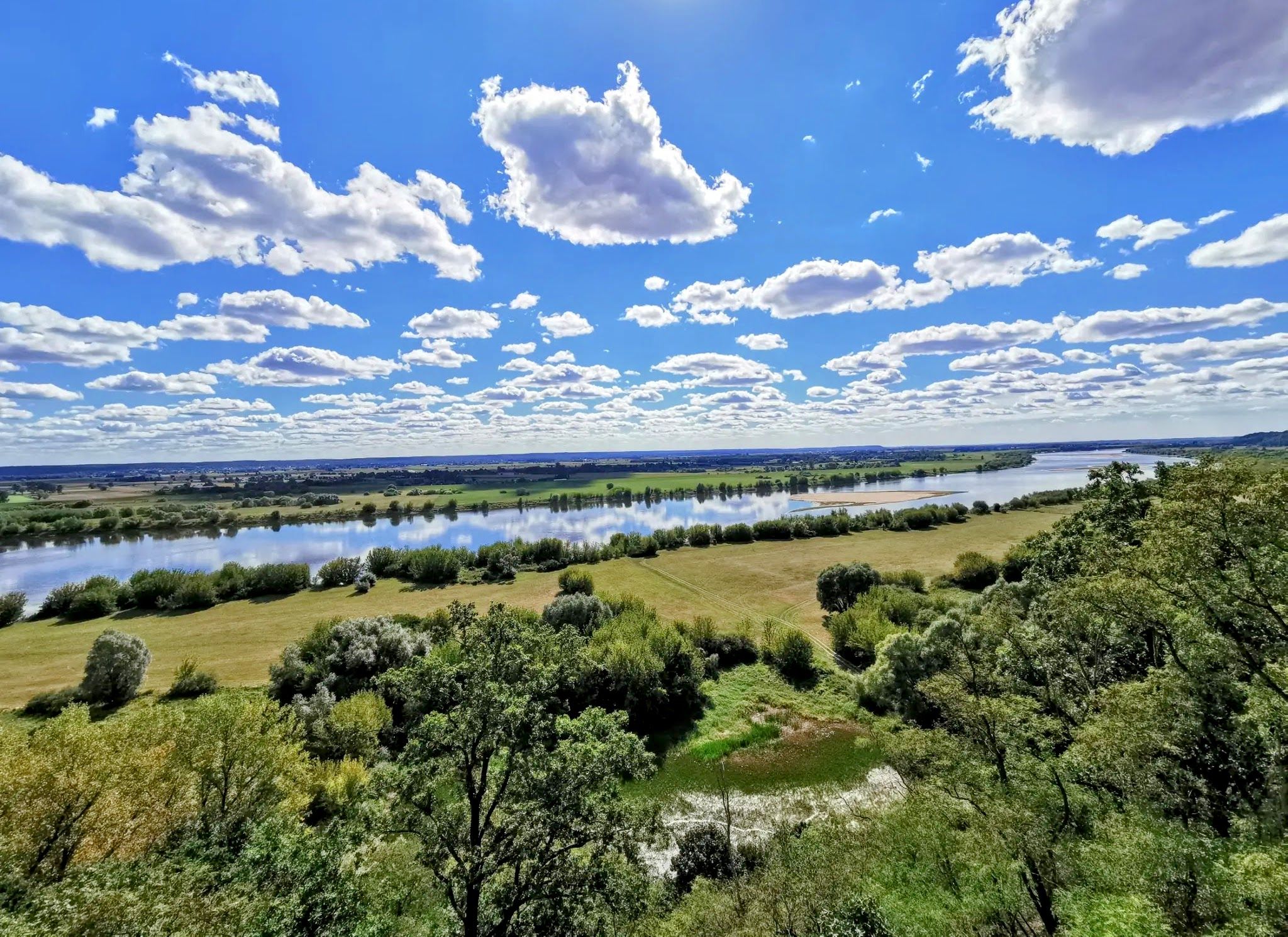
Vistula Cycle Route – The Queen of Polish Rivers in the Spotlight
EuroVelo 9 – The Amber Route from the Baltic to Adriatic Sea
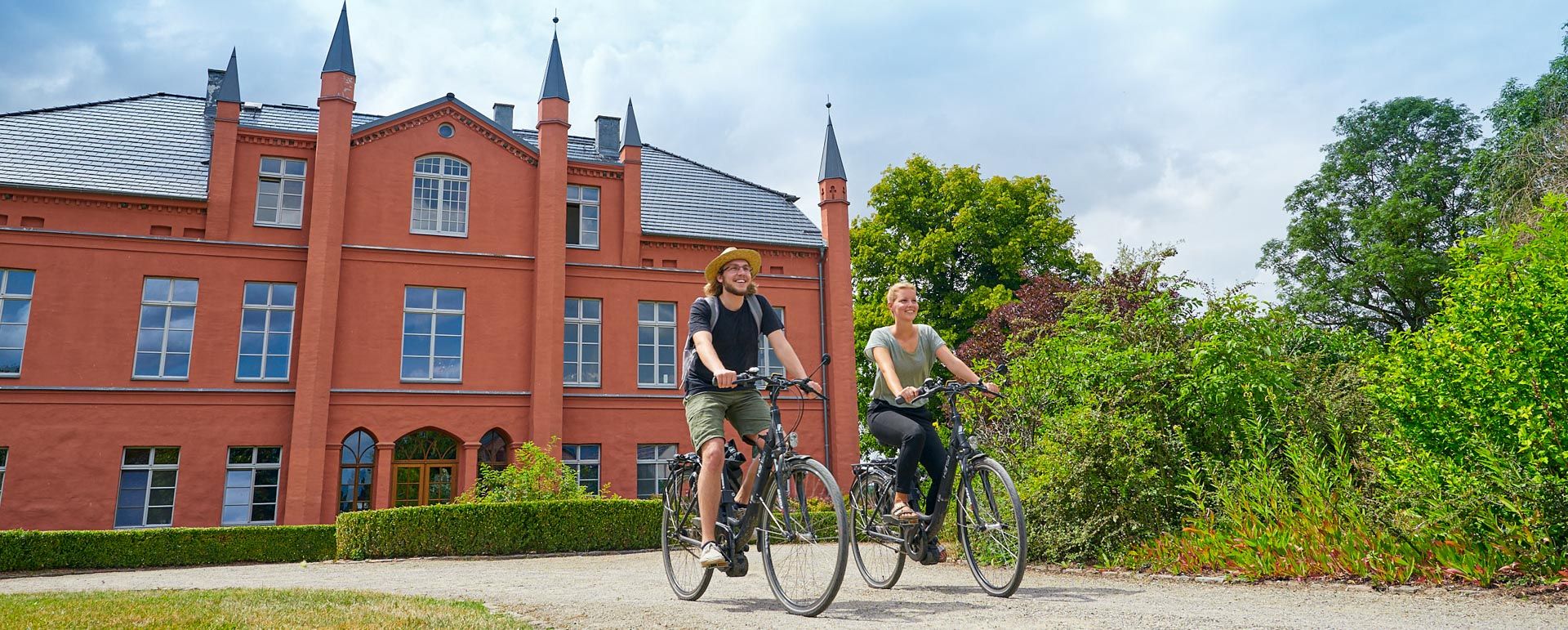
Baltic Manors – Exploring historic manor houses along the South Baltic coast
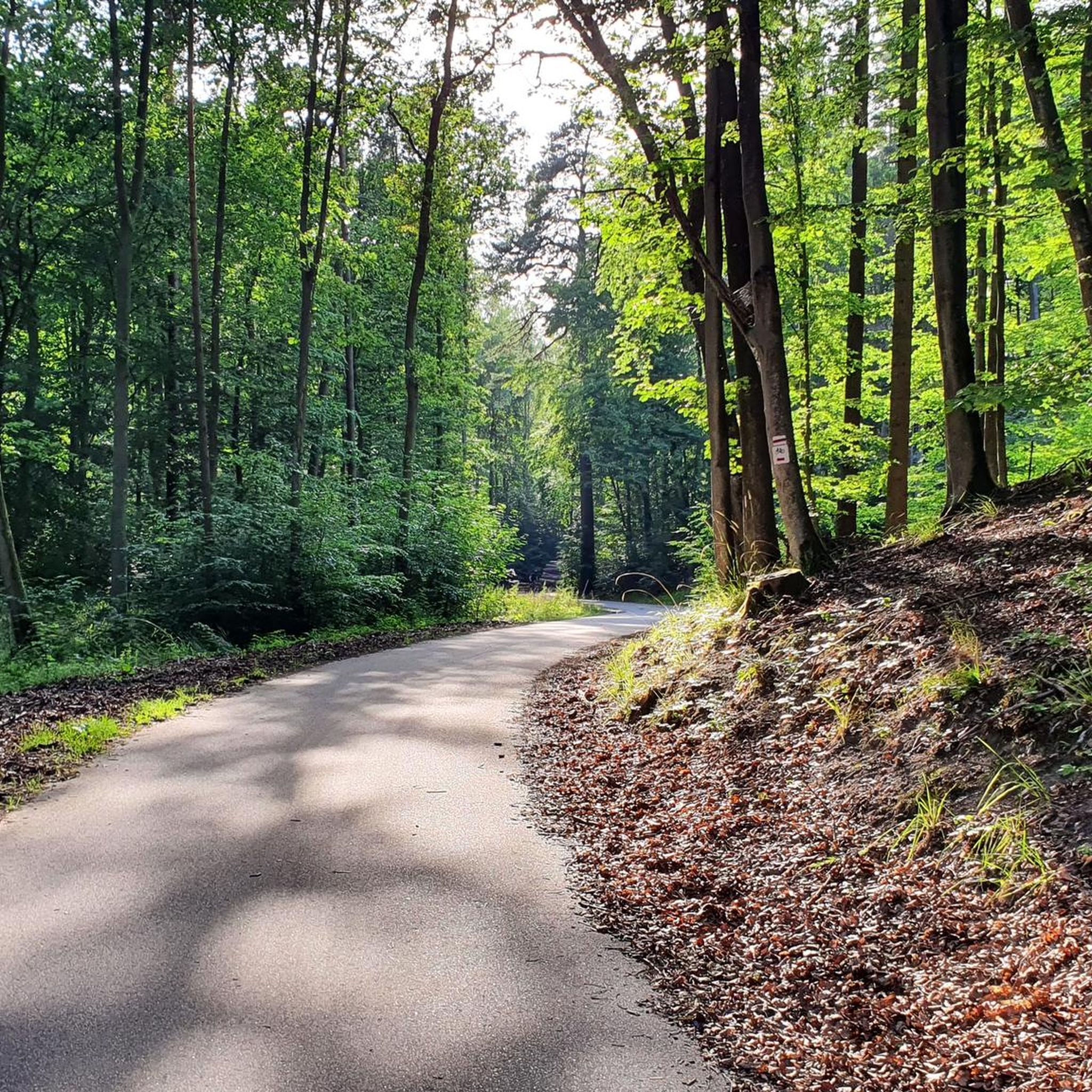
Cycling around Gdańsk
Road Cycling Routes around Gdańsk
Running Trails around Gdańsk
MTB Trails around Gdańsk

Gravel biking around Gdańsk
Other adventures around Gdańsk


Tips from the Community

St. Nicholas' Church is one of the oldest and most authentic houses of worship in Gdańsk – a Gothic brick ensemble that is the only large church in the city to have survived World War II unscathed. Its roots date back to 1185, later the Dominicans took over the building and created the present-day hall church with star vaults, octagonal columns, and a striking west facade from the 14th century. The interior is a dense museum of centuries: late Gothic Pietà, Passion paintings from around 1430, a Renaissance high altar from 1643 – all in an atmosphere of quiet dignity. https://www.mycityhunt.at/standorte/danzig-pl-10307/poi/nikolaikirche-51179
2
0
The Old Town Hall is the striking highlight of the King's Path – a slender, richly decorated brick building with an 80-meter-high spire, created by Dirk Daniels from Zeeland. Built between 1379 and 1492, burned out in World War II and reconstructed by 1970, it stands today as the seat of the Museum of the Historical City of Gdańsk, symbolizing the city's resilience and cultural richness. The tower rises like an elegant pointer over Langgasse, and especially in the evening light, the town hall appears almost theatrical – a warm, golden-red center of the Old Town. The square in front of it is lively, but never overcrowded; an ideal moment to study the facade details. The "Red Hall" is the centerpiece: a magnificent council chamber with 25 symbolic ceiling paintings by Izaak van den Blocke. Anyone who wants to understand Danzig's history will find a dense, well-told introduction here. https://www.gdansk.de/rathaus-danzig/
2
0

Very nice view
2
0
The Westerplatte Monument rises visibly above the harbor canal – a 23-meter-high granite monument commemorating the Polish defenders who held out here for seven days in September 1939. The complex is located on an artificial hill on the edge of the wooded peninsula and is accessible via a well-trodden path that passes ruins and memorial plaques. The site combines tranquil nature with a somber history and offers an impressive view of the Bay of Danzig – a moving stop on any route through the region.
2
0

The long market is beautiful ⭐️⭐️⭐️
3
0
Frequently Asked Questions
How many hiking trails are available in Gdańsk?
Gdańsk offers a wide selection of hiking opportunities, with over 790 routes available. These range from easy strolls to more moderate treks, catering to various fitness levels.
Are there easy hiking trails suitable for beginners or families in Gdańsk?
Yes, Gdańsk has numerous easy trails perfect for beginners and families. Over 510 routes are classified as easy. For example, the trail to Mewia Łacha from Sobieszewo Island offers a gentle exploration of the unique coastal environment. Sobieszewo Island itself is known for its gentle paths, ideal for a relaxed family outing.
Can I find challenging hikes around Gdańsk?
While Gdańsk is not mountainous, it does offer some more challenging options, particularly within the Tricity Landscape Park and along the coast. The Sopot Klif Nature Reserve, for instance, provides rugged terrain and panoramic Baltic Sea views for experienced hikers. There are 26 routes classified as difficult in the region.
Are there any circular hiking routes in the Gdańsk area?
Yes, many routes in Gdańsk are designed as circular walks. An example is the Green Gate (Zielona Brama) – Neptune Fountain (Fontanna Neptuna), Gdańsk loop from Gdańsk Główny, which combines urban exploration with scenic views. The Tricity Landscape Park also features numerous trails that can be combined into circular paths.
What natural features or landmarks can I see while hiking near Gdańsk?
Gdańsk's hiking trails offer diverse natural features and historical landmarks. You can explore the lush forests and rolling hills of the Tricity Landscape Park, including the Oliwa Forest and Pachołek Hill with its panoramic views. Coastal trails lead to sandy beaches like Jelitkowo and the nature reserves on Sobieszewo Island. Historically, the Westerplatte Peninsula offers scenic coastal views alongside its significant past. You can also discover gorges like the Valley of Rotten Bridges or the Świemirowska Valley, and historical sites such as the Wisłoujście Fortress.
Are the hiking trails in Gdańsk accessible by public transport?
Many of Gdańsk's hiking paths are easily accessible by public transport. The Tricity Landscape Park, Oliwa Forest, and even Sobieszewo Island can be reached using the city's public transport network, making it convenient to start and end your hikes without a car.
Is Gdańsk a good destination for dog-friendly hikes?
Gdańsk is generally welcoming for dog owners, with many natural areas suitable for walks with pets. The vast Tricity Landscape Park and its numerous trails provide ample space for dogs to explore. Always ensure your dog is on a leash where required and respect local regulations, especially in nature reserves.
What is the best time of year to go hiking in Gdańsk?
The best times to explore Gdańsk's trails are during spring, summer, and early autumn. The weather is mild, and the scenery is vibrant. While trails are accessible year-round, these seasons offer the most pleasant conditions for hiking and enjoying the natural beauty.
What do other hikers say about the trails in Gdańsk?
The hiking routes in Gdańsk are highly rated by the komoot community, with an average score of 4.7 stars from over 1200 reviews. Hikers often praise the diverse landscapes, from dense woodlands and glacial valleys to scenic coastal paths, and appreciate the variety of options for different ability levels.
Are there any unique or 'hidden gem' spots to discover while hiking in Gdańsk?
Beyond the well-known areas, Gdańsk holds several hidden gems. Zajęcze Wzgórze (Hare's Hill) offers scenic views over the Gulf of Gdańsk and Sopot, with the Hel Peninsula visible on clear days. The valleys along Polanki Street, historically significant, also provide picturesque routes. For birdwatching enthusiasts, the Ptasi Raj Reserve on Sobieszewo Island is an excellent spot, especially during migration seasons.
Can I find places to eat or drink near the hiking trails?
Yes, many hiking areas in Gdańsk are close to urban amenities or have facilities nearby. For instance, the Oliwa Park and Cathedral area, near Pachołek Hill, offers a pleasant environment for walks and is surrounded by cafes and restaurants. Coastal areas like Jelitkowo Beach also have various establishments where you can refresh after a walk.
What kind of landscapes can I expect to see on a hike in Gdańsk?
Hiking in Gdańsk offers a compelling blend of landscapes. You'll encounter diverse terrain shaped by glacial activity, including lush forests, rolling hills, and valleys within the Tricity Landscape Park. Additionally, the region boasts unique coastal environments with wide, sandy beaches, nature reserves, and scenic views of the Baltic Sea, particularly around Sobieszewo Island and the Westerplatte Peninsula.
Most popular routes around Gdańsk
Most popular attractions around Gdańsk

Get inspired with the komoot mobile app


Explore more
Browse the best Hikes in other regions.
