The best road cycling routes around Feitos
4.5
(29)
1,742
riders
93
rides
Road cycling around Feitos offers a diverse landscape for cyclists. The region features routes that traverse coastal areas, follow river paths, and pass through historical towns. Elevation changes are present, with some routes including moderate climbs. The terrain generally consists of paved roads suitable for road bikes, connecting various points of interest.
Best road cycling routes around Feitos
- The most popular road cycling route is View of Esposende – Café by the Sea in Esposende loop from Silva, a…
Last updated: July 4, 2026
105
riders
49.1km
02:12
380m
380m
Moderate road ride. Good fitness required. Mostly well-paved surfaces and easy to ride.
5.0
(1)
44
riders
58.8km
02:49
700m
700m
Moderate road ride. Good fitness required. Mostly well-paved surfaces and easy to ride.

Sign up for free
37
riders
88.0km
03:55
710m
710m
Moderate road ride. Good fitness required. Mostly well-paved surfaces and easy to ride.
38
riders
81.5km
04:06
900m
900m
Hard road ride. Very good fitness required. Mostly well-paved surfaces and easy to ride.
4.0
(1)
35
riders
65.8km
03:05
750m
750m
Moderate road ride. Good fitness required. Mostly well-paved surfaces and easy to ride.
Get access to more routes and recommendations from other explorers.
Sign up for free
Already have an account?
Our route recommendations are based on thousands of hikes, rides, and runs completed by other people on komoot.
Start today with a free account
Your next adventure awaits.
Login or Signup
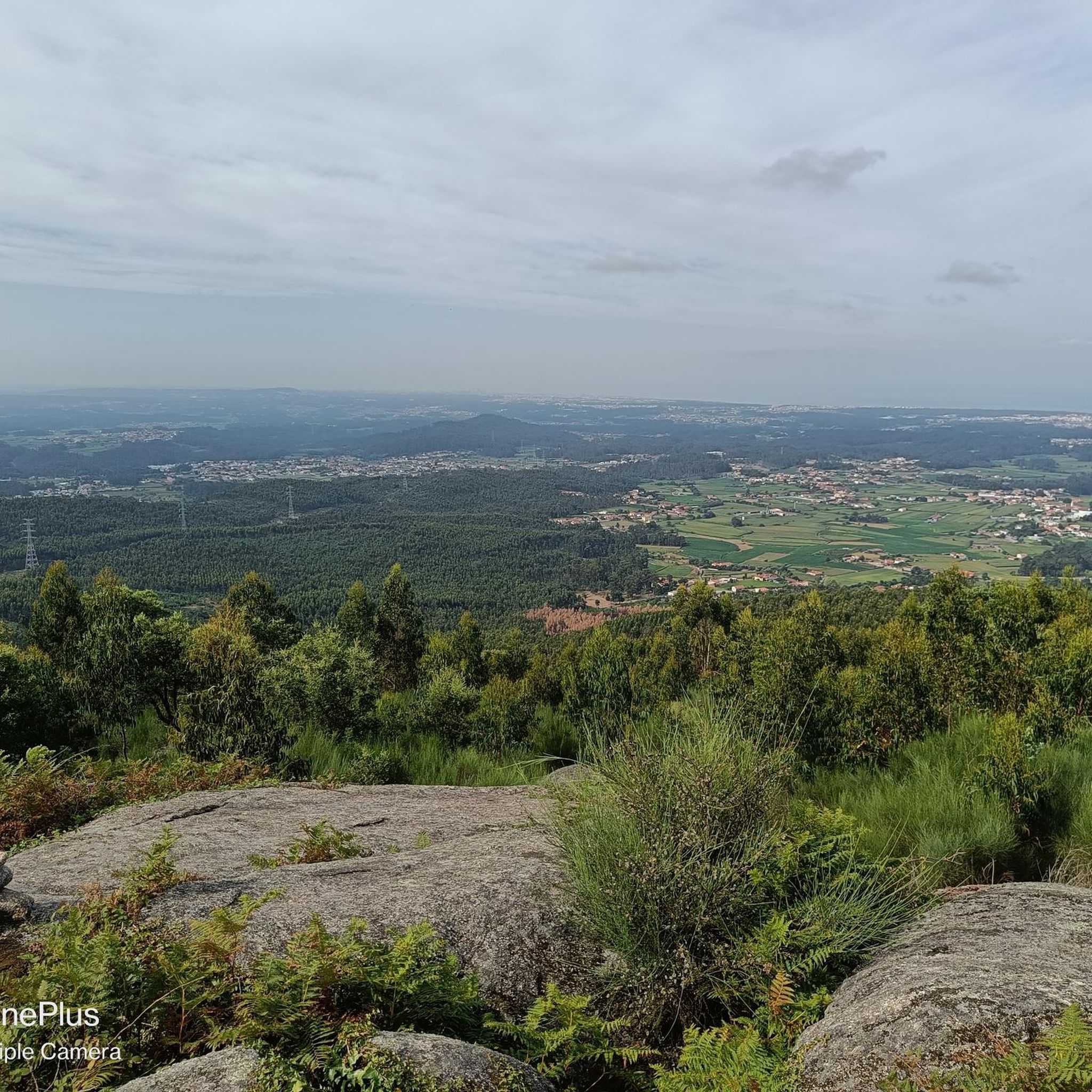
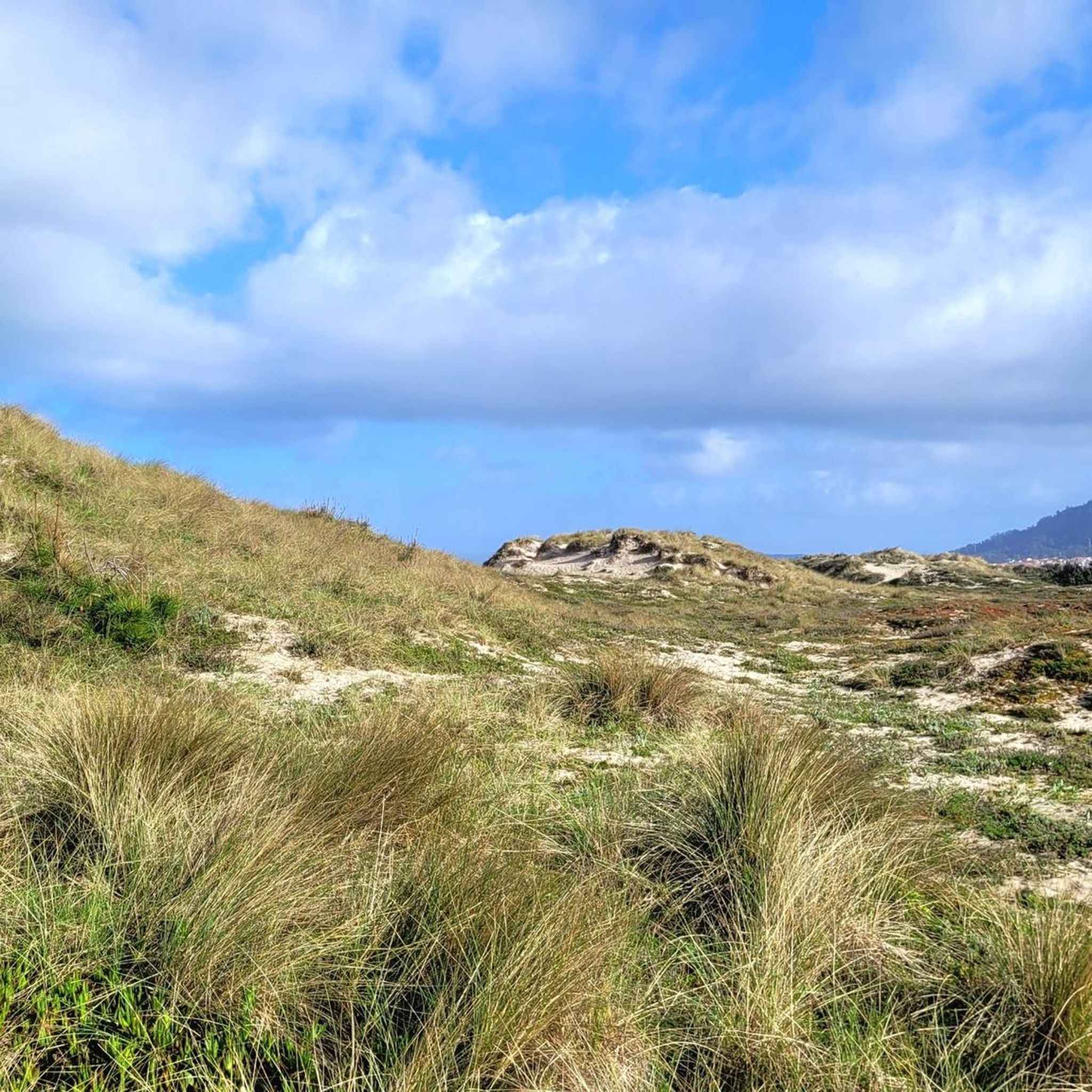
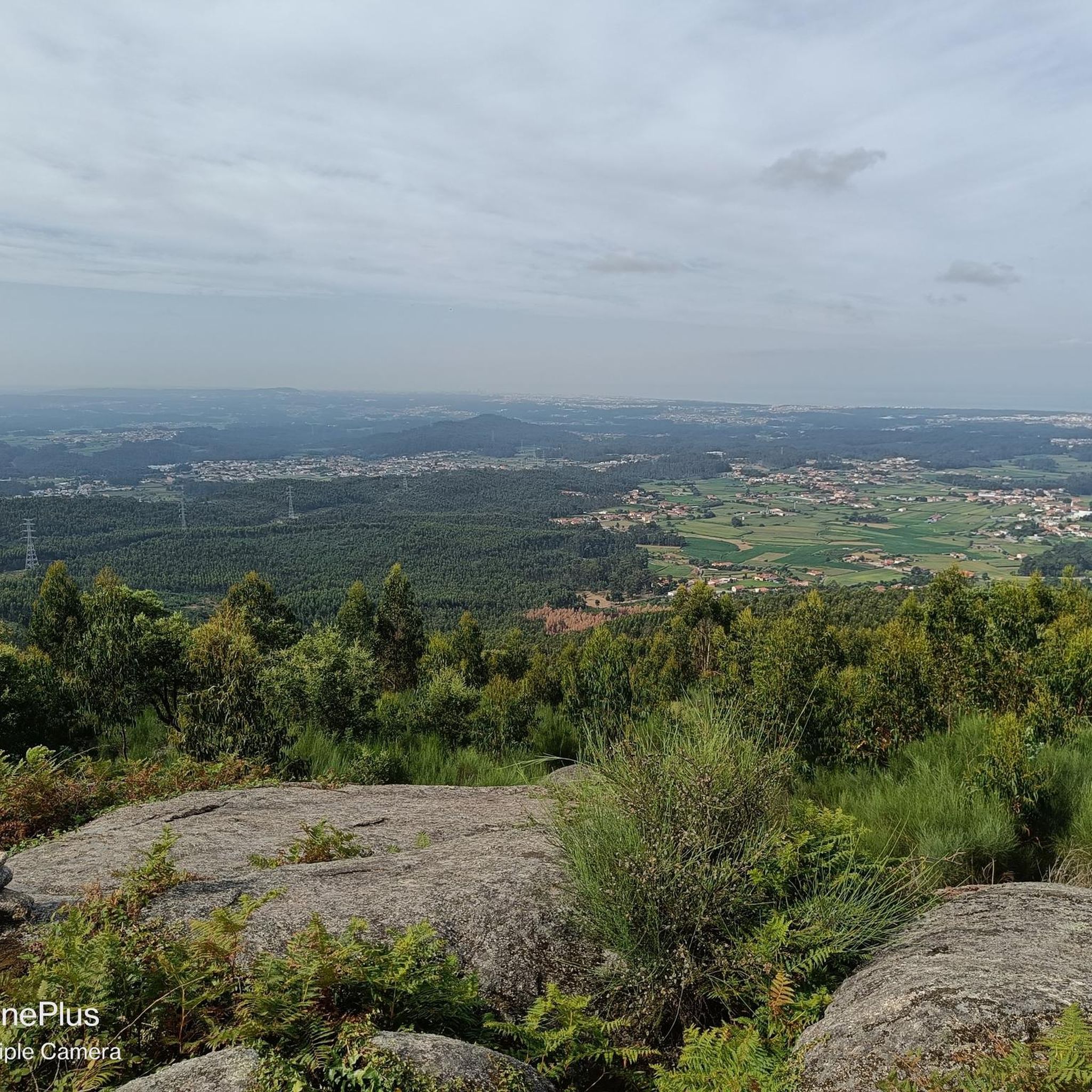
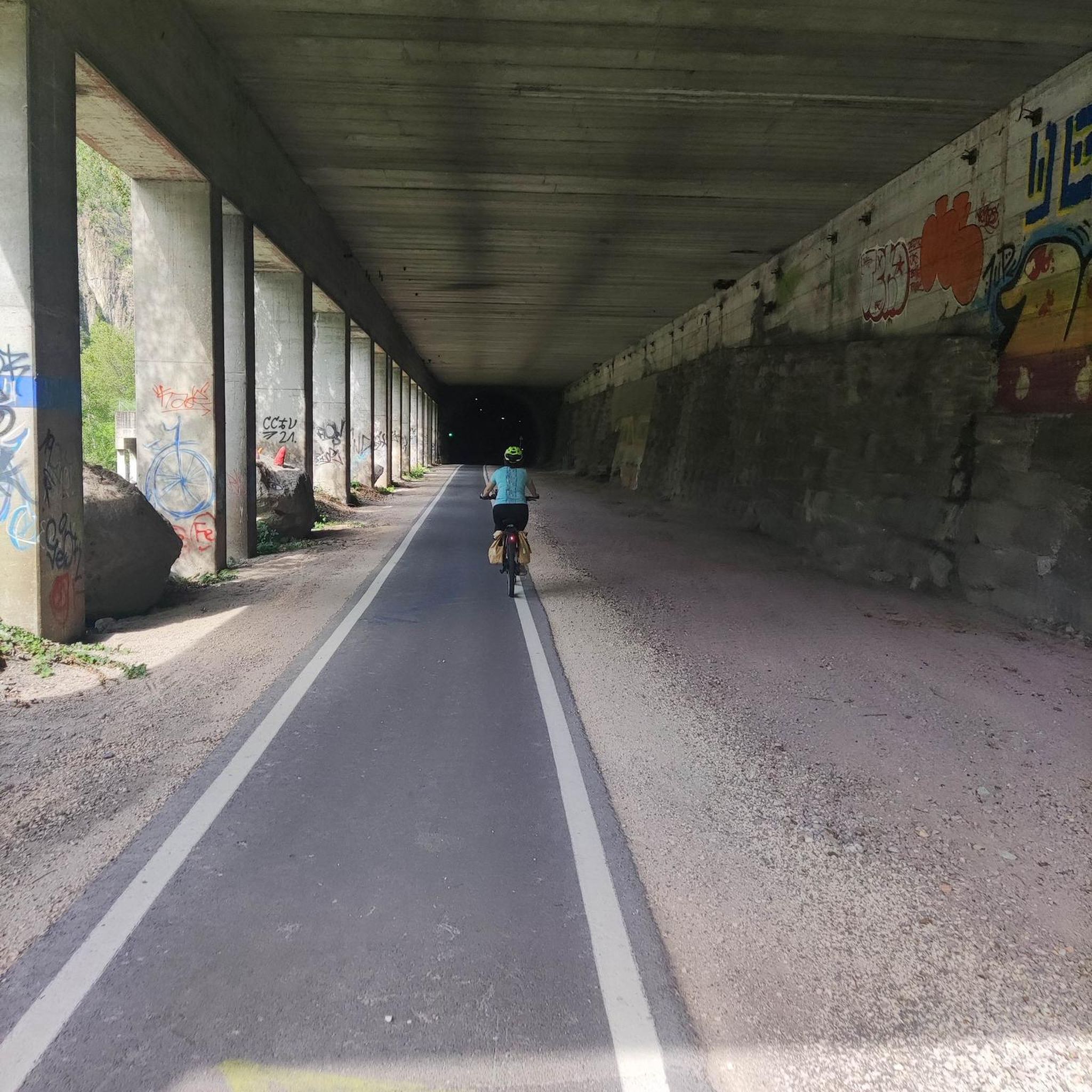

Tips from the Community

The Metal Bridge of Fão (Esposende) Location: It crosses the Cávado River, on National Road 13 (EN13), in the parish of Fão, in Esposende. Alternative Name: It is frequently referred to as the D. Luís Filipe Bridge. History: It is a significant example of iron architecture in Portugal, inaugurated on August 7, 1892. Characteristics: The bridge, which is a Property of Public Interest, has an extensive metal structure and has recently been rehabilitated.
2
0
In Esposende, the main historical bridge that crosses the Cávado River is the Ponte Metálica de Fão, also known locally as Ponte D. Luís Filipe.
2
0
Historic Center: Stroll along Rua Direita to find local crafts and the historic Torre do Cimo da Vila, which houses exhibitions on the evolution of the icon. Churches and Monuments: Visit the Igreja Matriz and the Igreja do Bom Jesus da Cruz, famous for its interior with tiles and gilded carvings. Events: During the summer months (June to September), live reenactments of the legend frequently take place next to the Cruzeiro do Galo. Gastronomy: Try the Barcelos cheese tarts at the A Colonial pastry shop.
1
0
Main Points Related to the Rooster Cruzeiro do Senhor do Galo: 14th-century monument located in the Archaeological Museum of Barcelos (ruins of the Palace of the Counts), where the legend is carved in stone. Giant Rooster: Emblematic statue located in front of the Pottery Museum, ideal for photographs. Urban Art: Dozens of colorful, large-scale rooster statues are scattered throughout the streets and gardens of the historic center.
1
0
The Rooster of Barcelos is the symbol of Portugal, originating from a medieval legend about a pilgrim saved from the gallows by the miraculous crowing of a roasted rooster. In 2025, the city of Barcelos offers several places to explore this heritage.
1
0
Viana do Castelo is a charming city in Northern Portugal, known for its rich maritime history, stunning architecture, and natural landscapes where the Lima River flows into the Atlantic Ocean. The city is considered a "Mecca of contemporary architecture" and an important cultural center.
1
0

The former hospital ship of the cod fleet is now a museum ship. The entrance fee of €5 per person is absolutely reasonable. For that, you get to see a lot of interesting things. The tour provides a very thorough explanation of life and technology on board. An audio guide is available as a helpful supplement. Much of the interior is still preserved. Absolutely worth seeing.
0
0
The former hospital ship is now a museum. The entrance fee (5 euros per person, September 2025) is well worth it. For that, you can walk through the entire ship and get a good impression of the conditions and technology of the time.
0
0
Frequently Asked Questions
How many road cycling routes are available around Feitos?
There are over 90 road cycling routes in the Feitos region, offering a wide range of options for different skill levels and preferences.
Are there easy road cycling routes suitable for beginners in Feitos?
Yes, Feitos offers 14 easy road cycling routes. These routes typically feature gentler terrain, making them ideal for beginners or those seeking a relaxed ride.
What kind of challenging road cycling routes can I find in Feitos?
For experienced cyclists seeking a challenge, Feitos has 25 difficult routes. One such route is the Eiffel Bridge – Sanctuary of Santa Luzia loop from Silva, which covers 51 miles (82.2 km) and includes significant elevation gains.
Are there long-distance road cycling routes around Feitos?
Yes, you can find several long-distance routes. For example, the View of Esposende – Fão Bridge loop from Silva is a moderate 55.8 miles (89.8 km) route that takes about 4 hours to complete, offering coastal and river views.
What scenic viewpoints or attractions can I expect along road cycling routes in Feitos?
Many routes in Feitos pass by notable attractions. You might encounter historical sites like the Barcelos Medieval Bridge or the São João Baptista Fort and Lighthouse in Esposende. Natural highlights include the Ofir Beach and the Rapids of the Covado River.
Are there road cycling routes that include cafes or places to stop for refreshments?
Many routes, especially those traversing coastal areas or historical towns, offer opportunities to stop at cafes. The View of Esposende – Café by the Sea in Esposende loop from Silva is specifically known for passing by seaside cafes, perfect for a break.
What do other road cyclists enjoy most about cycling in Feitos?
The road cycling routes in Feitos are highly rated by the komoot community, with an average score of 4.3 stars from over 20 reviews. Cyclists often praise the diverse landscape, which includes coastal stretches, river valleys, and historical townscapes, providing varied and engaging rides.
Are there any loop routes for road cycling in Feitos?
Yes, many of the road cycling routes in Feitos are designed as loops, allowing you to start and end at the same point. Examples include the Barcelos Medieval Bridge – Porta Nova Tower loop from Silva and the Chapel of Senhor dos Aflitos – Cávado River Beach loop from Silva.
What is the typical terrain like for road cycling in Feitos?
The terrain around Feitos generally consists of paved roads suitable for road bikes. You'll encounter a mix of coastal areas, river paths, and routes through historical towns. Elevation changes are common, with some routes featuring moderate to significant climbs.
What is the best time of year for road biking in Feitos?
While specific weather conditions can vary, the region's coastal and riverine characteristics suggest pleasant cycling during spring and autumn. Summers are generally warm, and winters are milder compared to more inland regions, potentially allowing for year-round cycling, though checking local forecasts is always recommended.
Are there any specific historical landmarks to look out for on the routes?
Absolutely. The region is rich in history. You can cycle past the impressive Stone Bridge over the Neiva River, the iconic Fão Bridge, and even the famous Barcelos Rooster statue, depending on your chosen route.
Most popular attractions around Feitos

Get inspired with the komoot mobile app


Explore more
Browse the best Road cycling routes in other regions.
