Attractions and Places To See around Coimbra (Sé Nova) - Top 20
Best attractions and places to see around Coimbra (Sé Nova) include a concentration of historical and cultural sites. This area is part of Coimbra's historic upper town, centered around the University of Coimbra, a UNESCO World Heritage site. The district features significant architectural landmarks, religious buildings, and cultural institutions. It offers a comprehensive view of the city's historical development and academic heritage.
Best attractions and places to see around Coimbra (Sé Nova)
- The most popular attractions is Paço das Escolas (Palace of the Schools), University of Coimbra, a historical site that serves as the central courtyard of the university. It is located at the highest point of the city and is a symbol of Coimbra.
- Another must-see spot is Church of Santa Cruz (Igreja de Santa Cruz), Coimbra, a religious building. This monastery church, founded in the 12th century, was rebuilt in the 16th century in Manueline style and houses the tombs of Portugal's first kings.
- Visitors also love Coimbra Old Cathedral, a religious building. This impressive Romanesque church features a fortress-like exterior and a Gothic cloister.
- Coimbra (Sé Nova) is known for its historical sites, religious buildings, and cultural institutions. Visitors can explore a variety of attractions that showcase the region's rich heritage and academic significance.
- The attractions around Coimbra (Sé Nova) are appreciated by the komoot community, with 16 highlights receiving 128 upvotes and featuring 197 photos.
Last updated: July 2, 2026
Paço das Escolas (Palace of the Schools), University of Coimbra
Highlight • Historical Site
On the west side of the square is the university church, which combines different styles. It was built in the place of a medieval prayer room from 1517. The Manueline windows and the braided archway in front of the choir also date from this period. The wood-carved altar with column-framed paintings is one of the purest works of Portuguese Mannerism. Classical elements of the Renaissance were combined to form an aedicule. The altar was created in 1612/13 in collaboration with various Portuguese artists. The ceiling, painted with floral motifs, dates from the 17th century, the organ from 1733. The side portal of the church was built in the Manueline style in 1517-21. It shows two symbols that are often found in Portugal, namely the Christ Knight's Cross and the so-called armillary sphere as a sign of Portugal's great affinity with seafaring.
Translated by Google •
Tip by

Church of Santa Cruz (Igreja de Santa Cruz), Coimbra
Highlight • Religious Site
Translated by Google •
Tip by

Sign up now to discover places like this
Get recommendations on the best single tracks, peaks, & plenty of other exciting outdoor places.
Sign up for free
Coimbra Old Cathedral
Highlight • Religious Site
Translated by Google •
Tip by
Portagem Square
Highlight • Monument
Translated by Google •
Tip by
University of Coimbra Botanical Garden
Highlight • Natural Monument
Translated by Google •
Tip by
Sign up for free to discover even more attractions around Coimbra (Sé Nova).
Sign up for free
Already have an account?
Start today with a free account
Your next adventure awaits.
Login or Signup



Tips from the Community

16 sitesThe Botanical Garden of the University of Coimbra, founded in 1772 by the Marquis of Pombal, is the largest botanical garden in Portugal. Located in the University's Alta district, this historic 13.5-hectare site is part of the UNESCO World Heritage and offers free and open access for informal visits.🕒 Opening HoursThe garden is open every day of the year, except for December 25th, January 1st, and during academic festivities (Cortejo da Latada and Queima das Fitas).Summer Hours (April 1st to September 30th): 9:00 AM to 8:00 PM.Winter Hours (October 1st to March 31st): 9:00 AM to 5:30 PM. 👍🥾
0
0

A must for all visitors
1
0

Who is Andreas? What does Andreas want?
4
2

This is the old cathedral of Coimbra. The cathedral is a massive, compact fortress building with a crenellated parapet and Romanesque portal and window arches on the west façade. It was built in the 12th century on the foundations of a 6th/7th-century church. Inside, the baptismal font (supported by lions and monsters, 16th century), the Gothic high altar (wonderfully crafted), Renaissance tombs, and a quiet cloister (south side of the cathedral, 13th century) are worth seeing.
6
1

A must-visit: A bamboo forest and some rare trees. Beautiful grounds with a greenhouse. Great photo opportunities.
7
0
An absolute must: book tickets in advance. You can visit several buildings, and all of them are worthwhile. You'll need a time slot, especially for the Baroque library.
8
0
This square owes its name to the fact that taxes were formerly levied on goods arriving in the city from the south. This square houses one of Coimbra's architectural symbols: the Hotel Astória, built in 1926, and the Bank of Portugal Building, both by Adães Bermudes. It also houses the statue of Joaquim António de Aguiar by sculptor Costa Mota (uncle). Connected to Largo da Portagem is the main street in downtown Coimbra, Rua Ferreira Borges, a street currently closed to traffic and home to several traditional shops.
10
1

The Monastery of the Holy Cross (Monasterio della Santa Croce) is a historic and religious Catholic site located in Florence, Italy. Founded in 1294, it is one of the most important Franciscan monasteries in the city. Features: Architecture and Art 1. Italian Gothic style. 2. Simple but imposing façade. 3. Interior: chapels decorated with frescoes by Giotto and other artists. 4. Novitiate Cloister. 5. Monastery Museum. Historical Importance 1. Burial place of personalities such as Michelangelo, Galileo and Dante Alighieri. 2. Center for theological and philosophical studies. 3. Important role in the Catholic Reformation. Practical Information 1. Address: Piazza Santa Croce, 16, 50122 Firenze FI. 2. Opening hours: 9:30am-5:30pm (Monday to Sunday). 3. Entrance fee: around 8 euros.
4
0
Frequently Asked Questions
What historical and cultural sites can I explore in the Coimbra (Sé Nova) area?
The Coimbra (Sé Nova) area is rich in history and culture. You can visit the impressive Paço das Escolas (Palace of the Schools), which is the central courtyard of the University of Coimbra, a UNESCO World Heritage site. Other notable sites include the Church of Santa Cruz, housing the tombs of Portugal's first kings, and the Coimbra Old Cathedral, an excellent example of Romanesque architecture. Don't miss the Museu Nacional de Machado de Castro, located in the former Bishop's Palace, which features an extraordinary collection of art and Roman cryptoporticus.
Are there any significant religious buildings to visit near Sé Nova?
Yes, the area is home to several significant religious buildings. The Sé Nova de Coimbra (New Cathedral) itself is a blend of Mannerist and Baroque styles. Nearby, you'll find the Coimbra Old Cathedral, a well-preserved Romanesque cathedral, and the Church of Santa Cruz, known for its Manueline style and royal tombs. The Church of Saint John of Almedina is another historical religious site that has been rebuilt over centuries.
What natural attractions are there around Coimbra (Sé Nova)?
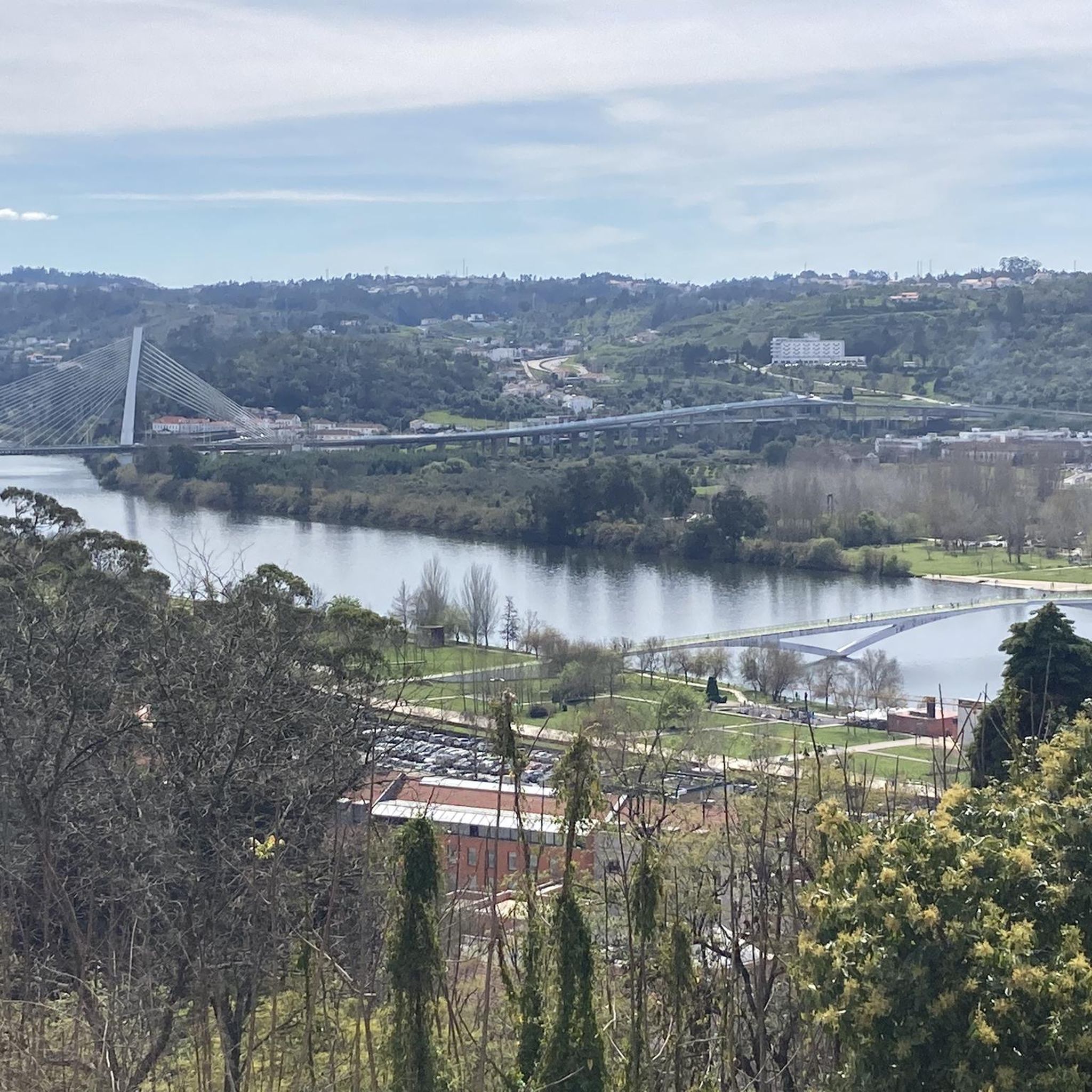
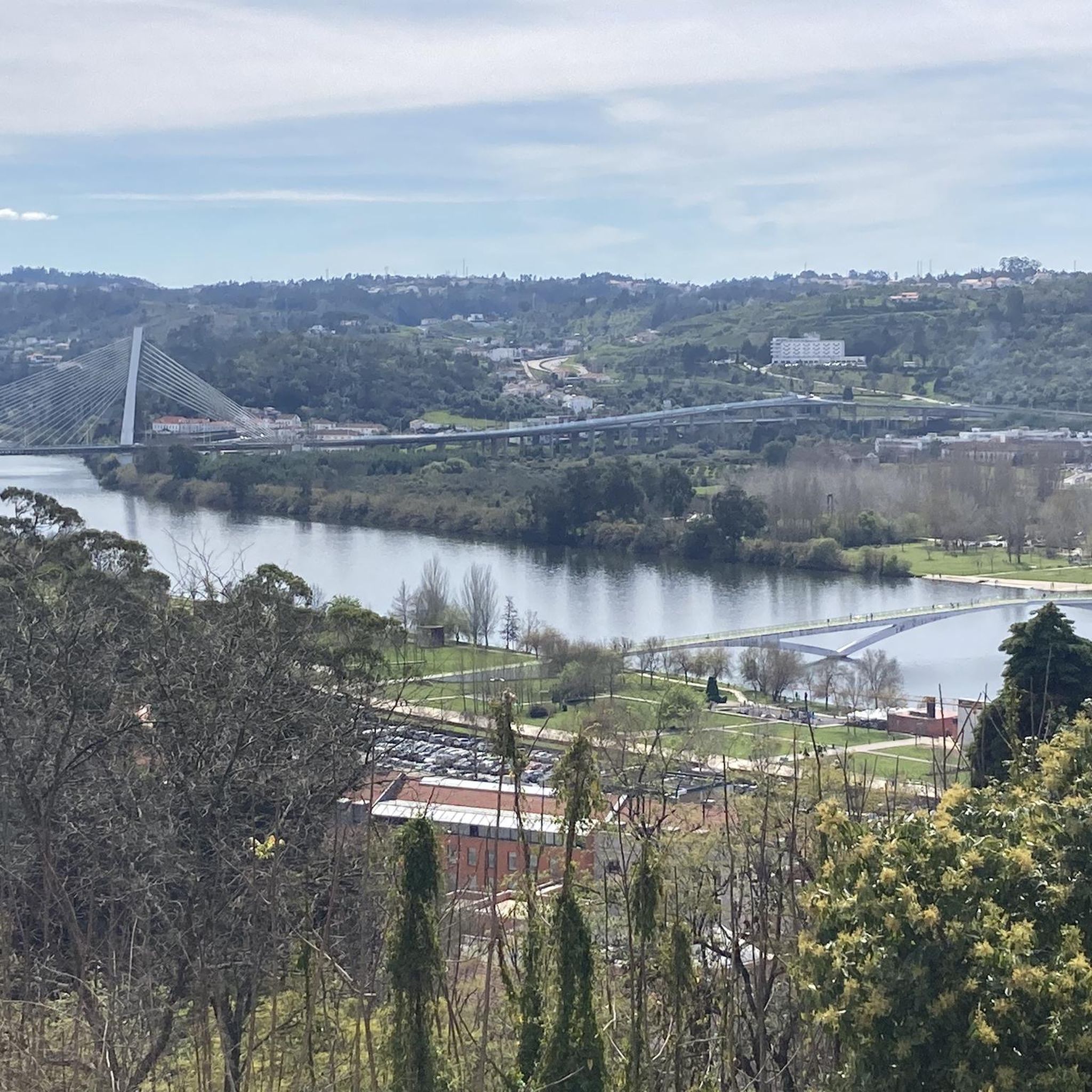
While primarily known for its historical sites, the Coimbra (Sé Nova) area also offers natural beauty. The Botanical Garden of the University of Coimbra (Jardim Botânico), established in 1772, is Portugal's oldest and largest botanical garden, featuring diverse plant collections and landscaped pathways. You can also enjoy the Rio Mondego Riverside Walk, which offers pleasant views along the river.
Are there family-friendly attractions in the Coimbra (Sé Nova) area?
Many of the historical sites can be enjoyed by families. The Paço das Escolas at the University of Coimbra and the Church of Santa Cruz are listed as family-friendly. The Botanical Garden provides a lovely outdoor space for all ages to explore. The charming streets around Sé Nova also offer a pleasant environment for family strolls, with cafes and shops.
What outdoor activities, like hiking or cycling, can I do near these attractions?
The Coimbra (Sé Nova) area is a great starting point for various outdoor activities. You can find several hiking routes, such as the easy Coimbra Old Cathedral – Saint Sebastian Aqueduct loop or the Church of Saint John of Almedina – Coimbra Old Cathedral loop. For cycling enthusiasts, there are routes like the Mata Nacional do Choupal – Parque Verde do Mondego loop. Mountain biking trails are also available, including the View of Coimbra – Rio Mondego loop.
Are there easy walking paths or trails suitable for a leisurely stroll?
Yes, there are several easy walking paths. The area around the University of Coimbra and the historic center is very walkable, with charming streets and squares. For a dedicated trail, consider the Coimbra Old Cathedral – Saint Sebastian Aqueduct loop, which is an easy 6.3 km hike. The Botanical Garden also offers pleasant, easy strolls through its diverse plant collections.
What is the best time of year to visit Coimbra (Sé Nova) and its attractions?
Coimbra is pleasant to visit throughout much of the year. Spring (April to June) and early autumn (September to October) generally offer mild weather, making it ideal for exploring the historical sites and walking around. Summers can be hot, but the university buildings and museums provide cool retreats. Winter is generally mild but can be rainy.
Are there any wheelchair accessible sights in the Coimbra (Sé Nova) area?
While many historic sites in Coimbra's upper town involve steep streets and stairs, efforts are being made to improve accessibility. Portagem Square is noted as wheelchair accessible. It's advisable to check specific accessibility details for individual attractions like museums or the University buildings directly before your visit, as some older structures may have limitations.
Where can I find cafes or places to eat near the main attractions?
The area surrounding the Sé Nova and the University of Coimbra is bustling with activity and offers numerous cafes and restaurants. You'll find charming spots along the quaint streets where you can enjoy local pastries, coffee, or a meal. The Church of Santa Cruz also has a cafe nearby, providing a convenient stop during your visit.
What are some lesser-known or "hidden gem" attractions in the area?
Beyond the main highlights, consider exploring the vaulted passageways (cryptoporticus) beneath the Museu Nacional de Machado de Castro, which are fascinating remnants of the city's Roman occupation. The Major Seminary of Coimbra, housed in the former Colégio de Jesus, also holds valuable artistic heritage and offers a glimpse into the city's religious history. Wandering the charming, narrow streets themselves can reveal unexpected architectural details and local life.
What makes the University of Coimbra area so special?
The University of Coimbra, a UNESCO World Heritage site, is one of the oldest universities in the world and central to the city's identity. Its Paço das Escolas, with its iconic clock tower, offers magnificent views. The university is also home to the stunning Biblioteca Joanina, an 18th-century Baroque library considered one of the most beautiful globally, and the ornate Capela de São Miguel.
What do visitors particularly enjoy about the attractions around Coimbra (Sé Nova)?
Visitors frequently praise the historical significance and architectural beauty of the area. The University of Coimbra's historic square is loved for its magnificent views and vibrant atmosphere. The Church of Santa Cruz and Coimbra Old Cathedral are admired for their impressive interiors and fortress-like exteriors. Many also appreciate the concentration of sites, allowing for a deep dive into the city's rich heritage.
How can I get around to the attractions using public transport?
Coimbra has a local bus network that serves the city, including routes that can take you close to the Sé Nova area and the University. Given the hilly nature of the upper town, using public transport for parts of your journey can be convenient. Information on specific routes and schedules can be found on local transport websites or at bus stops.
Where can I find parking when visiting the attractions in Coimbra (Sé Nova)?
Parking in the historic upper town of Coimbra can be challenging due to narrow streets and pedestrian zones. It is often recommended to use parking garages located closer to the lower parts of the city or just outside the most restricted areas, and then walk or use public transport to reach the main attractions. Look for signs indicating public parking facilities.
Can I find any unique architectural styles in the Coimbra (Sé Nova) area?
Absolutely. The Sé Nova de Coimbra itself showcases a blend of Mannerist and Baroque styles. The Coimbra Old Cathedral is a prime example of Romanesque architecture, while the Church of Santa Cruz features the distinctive Manueline style. The University of Coimbra's Biblioteca Joanina is a Baroque masterpiece, and the Paço das Escolas includes elements of late Baroque Joanino style.
Most popular routes around Coimbra (Sé Nova)
Most popular attractions around Coimbra (Sé Nova)

Get inspired with the komoot mobile app


Explore more
Still not found the Highlight you’re looking for? See guides of the top attractions in other regions:
