The best walks and hikes around Coimbra (Sé Nova)
4.5
(119)
973
hikers
56
hikes
Hiking around Coimbra (Sé Nova) offers diverse landscapes, from urban historical paths to natural river valleys and nearby mountain ranges. The region is characterized by the Mondego River, which flows through the city, and the elevated historic center providing panoramic views. Surrounding areas feature dense forests like Bussaco and Choupal, as well as the mountainous terrain of Serra da Lousã with its unique Schist Villages. This varied topography provides a range of hiking experiences for different preferences.
Best hiking trails…
Last updated: July 8, 2026
4.8
(17)
137
hikers
6.70km
01:51
110m
110m
Easy hike. Great for any fitness level. Easily-accessible paths. Suitable for all skill levels.
4.7
(12)
83
hikers
Easy hike. Great for any fitness level. Easily-accessible paths. Suitable for all skill levels.

Sign up for free
5.0
(9)
56
hikers
6.21km
01:45
120m
120m
Easy hike. Great for any fitness level. Easily-accessible paths. Suitable for all skill levels.
4.7
(6)
47
hikers
7.15km
01:49
20m
20m
Easy hike. Great for any fitness level. Easily-accessible paths. Suitable for all skill levels.
4.5
(6)
29
hikers
Easy hike. Great for any fitness level. Easily-accessible paths. Suitable for all skill levels.
Get access to more routes and recommendations from other explorers.
Sign up for free
Already have an account?
Our route recommendations are based on thousands of hikes, rides, and runs completed by other people on komoot.
Start today with a free account
Your next adventure awaits.
Login or Signup



Tips from the Community

The Igreja de São João de Almedina is a national monument, classified as a UNESCO World Heritage Site since 2019. It is fully integrated into the complex of the former Episcopal Palace, where today the prestigious National Museum Machado de Castro operates, in the Alta de Coimbra.👍🥾
0
0
The Botanical Garden of the University of Coimbra, founded in 1772 by the Marquis of Pombal, is the largest botanical garden in Portugal. Located in the University High Quarter, this historic 13.5-hectare space is part of the UNESCO World Heritage and has free and open entry for informal visits.🕒 Opening HoursThe garden is open every day of the year, except on December 25th, January 1st, and during academic festivities (Cortejo da Latada and Queima das Fitas).Summer Hours (April 1st to September 30th): From 09:00 to 20:00.Winter Hours (October 1st to March 31st): From 09:00 to 17:30.👍🥾
0
0
The Church of São Tiago, Built between the end of the 12th and the beginning of the 13th century, it is one of the great Romanesque monuments in the city. The Church of São Tiago has been classified as a National Monument since 1910.
0
0

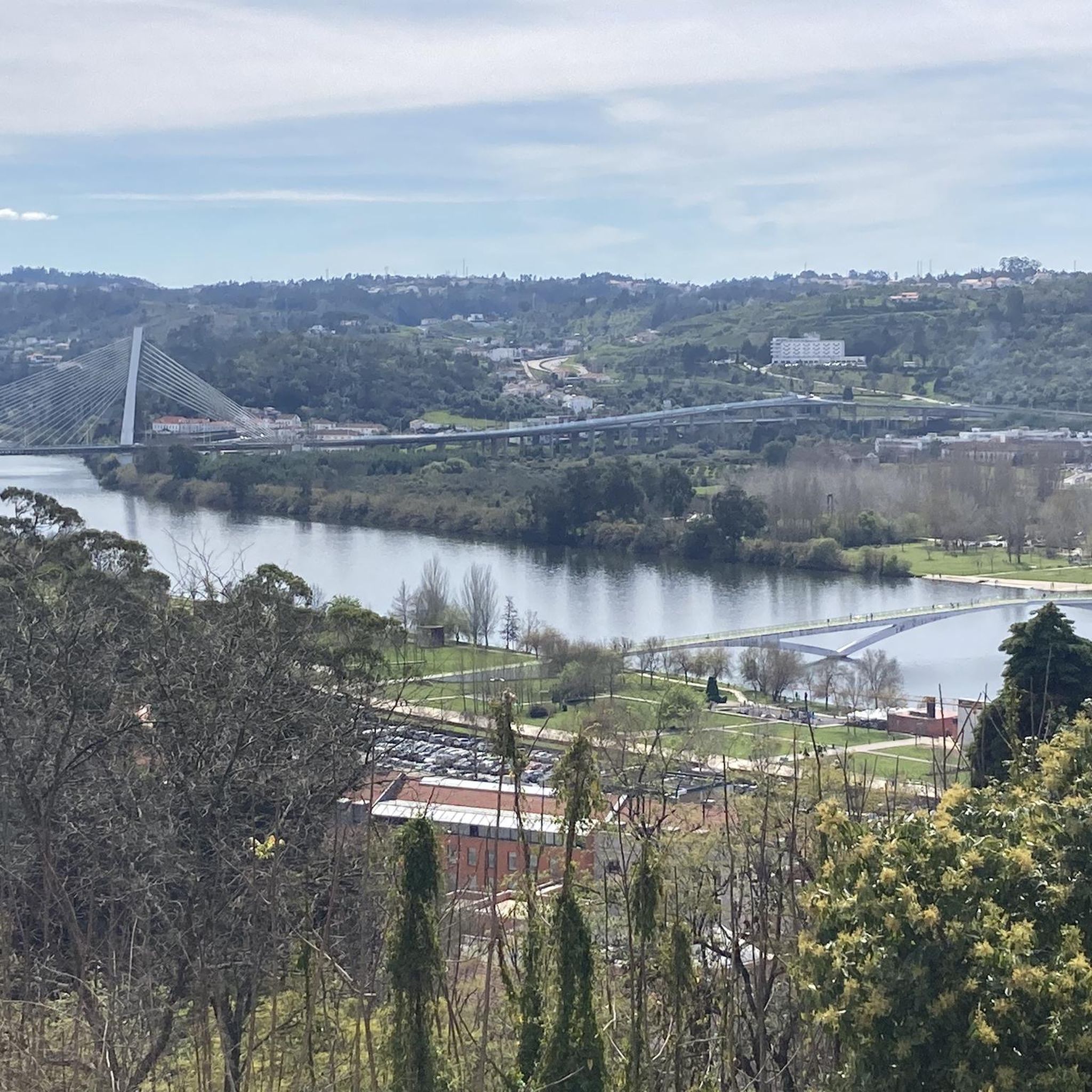
You can't see anything from here. You would have to go further up to the railing at the other end of the university.
0
0

You can easily take photos from your car.
2
1

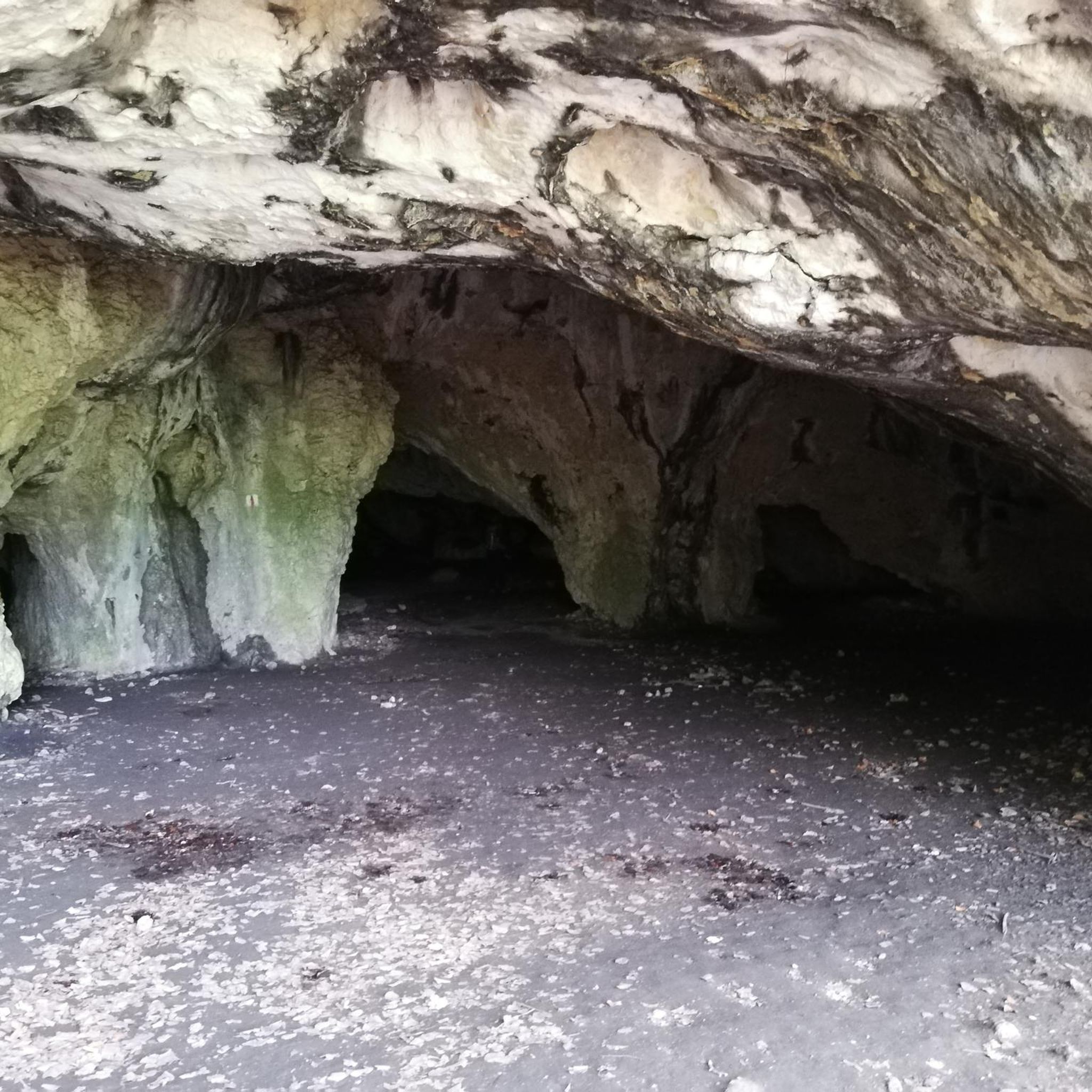
Who is Andreas? What does Andreas want?
4
2
Coimbra is one of the most important cities in Portugal, once the capital of the kingdom and now a World Heritage Site with a renowned university
8
0
Frequently Asked Questions
How many hiking trails are there around Coimbra (Sé Nova)?
There are over 50 hiking trails available around Coimbra (Sé Nova), offering a variety of experiences from easy urban strolls to more challenging excursions into the surrounding natural areas. You'll find a good mix of routes to suit different preferences and fitness levels.
What is the best time to hike around Coimbra (Sé Nova)?
The best time to hike around Coimbra (Sé Nova) is generally during spring (March to May) and autumn (September to November). During these seasons, the weather is mild and pleasant, making for comfortable hiking conditions. Summers can be quite hot, especially in July and August, while winters are typically mild but can be rainy.
What do other hikers enjoy the most about hiking in Coimbra (Sé Nova)?
The hiking routes in Coimbra (Sé Nova) are highly rated by the komoot community, with an average score of 4.5 stars from over 100 reviews. Hikers often praise the diverse landscapes, from historic city paths to serene riverside walks along the Mondego, and the accessibility to natural areas like the Serra da Lousã. The blend of cultural landmarks and natural beauty is a common highlight.
Are there easy hiking options suitable for beginners near Coimbra (Sé Nova)?
Yes, there are many easy hiking options. Out of 57 total routes, 40 are classified as easy. An excellent choice for beginners is the Portagem Square – Pedro and Inês Footbridge loop from Coimbra, which is 4.4 miles (7.2 km) long and offers pleasant riverside views without significant elevation gain.
Can I find circular hiking routes in Coimbra (Sé Nova)?
Yes, many of the trails around Coimbra (Sé Nova) are circular, allowing you to start and end at the same point. For example, the Saint Sebastian Aqueduct – Church of Saint John of Almedina loop from Coimbra is an easy 4.2 miles (6.7 km) circular route that explores historical parts of the city.
Are there any waterfalls to discover on hikes near Coimbra (Sé Nova)?
Yes, if you venture slightly outside the immediate city center, the Mouros River Valley, accessible from Coimbra, offers opportunities to discover waterfalls. These are often found nestled among small mountain villages at the base of Sico mountain, providing a refreshing natural experience.
What natural features or viewpoints can I explore while hiking?
Beyond the city, you can explore the dense forests of Bussaco National Forest, known for its diverse flora, or the peaceful Choupal National Forest along the Mondego River. For stunning views, the View of Coimbra from Penedo da Saudade offers panoramic vistas of the city and river. The University of Coimbra Botanical Garden also provides a beautiful setting for leisurely walks.
Are there historical landmarks or cultural sites along the trails?
Coimbra is rich in history, and many trails weave through its historic center. You can encounter sites like the Coimbra Old Cathedral, the Church of Saint John of Almedina, and the Paço das Escolas (Palace of the Schools) at the University of Coimbra. Further afield, the ancient Conimbriga Roman Ruins are also accessible from Coimbra.
Are the hiking trails around Coimbra (Sé Nova) family-friendly?
Many trails within Coimbra and its immediate surroundings are suitable for families. The Choupal National Forest offers shaded, flat paths perfect for a leisurely family stroll. The University of Coimbra Botanical Garden is another excellent option for a family-friendly walk amidst beautiful greenery.
Can I bring my dog on the hiking trails near Coimbra (Sé Nova)?
While specific regulations can vary, many natural areas and less crowded trails around Coimbra are generally dog-friendly, especially if your dog is kept on a leash. The Choupal National Forest and riverside paths along the Mondego are popular choices for walks with pets. Always ensure to clean up after your dog.
What are the options for parking when hiking near Coimbra (Sé Nova)?
Within Coimbra, parking can be found in various public car parks, though it may be paid. For trails further out, such as those in Serra da Lousã or Bussaco National Forest, designated parking areas are usually available near trailheads or village centers. It's advisable to check specific trail information for the best parking options.
Is public transport available to reach hiking trailheads?
Coimbra has a local bus network that can take you to various points within the city and its immediate surroundings, making some urban and riverside trailheads accessible. For destinations like the Serra da Lousã or Bussaco National Forest, regional buses might be an option, though a car often provides more flexibility for reaching more remote trail starting points.
What kind of wildlife might I encounter on hikes?
When hiking in the forested areas near Coimbra, particularly in Serra da Lousã, you might encounter local wildlife such as deer. The Bussaco National Forest is also known for its diverse fauna. Along the Mondego River, various bird species can be observed. Always maintain a respectful distance and avoid disturbing animals in their natural habitat.
Are there places to eat or stay near the hiking trails?
Coimbra itself offers a wide range of cafes, restaurants, and accommodation options, especially around the Sé Nova area. If you venture into the Serra da Lousã, the charming Schist Villages like Cerdeira, Candal, and Talasnal often have small cafes or guesthouses where you can find refreshments or stay overnight, immersing yourself in the local culture.
Most popular routes around Coimbra (Sé Nova)
Most popular attractions around Coimbra (Sé Nova)

Get inspired with the komoot mobile app


Explore more
Browse the best Hikes in other regions.
